
Operating from the village of Mesaria since 1974, Canava Santorini Distillery holds a Pearl 2 Star Prestige rating (2025) and occupies a specific tier among the island's heritage producers. The operation sits away from the caldera-view circuit, drawing visitors interested in the production side of Santorini's wine and spirits tradition rather than the scenery. It represents an older, less publicised strand of the island's making culture.
Pearl is the En Primeur Club membership app — saves, bookings, and concierge access live there. Same editors, same standards.
- Address
- Mesaria 847 00
- Phone
- +30 2286 031573
- Website
- canavasantorini.com
 Saves & bookings on Pearl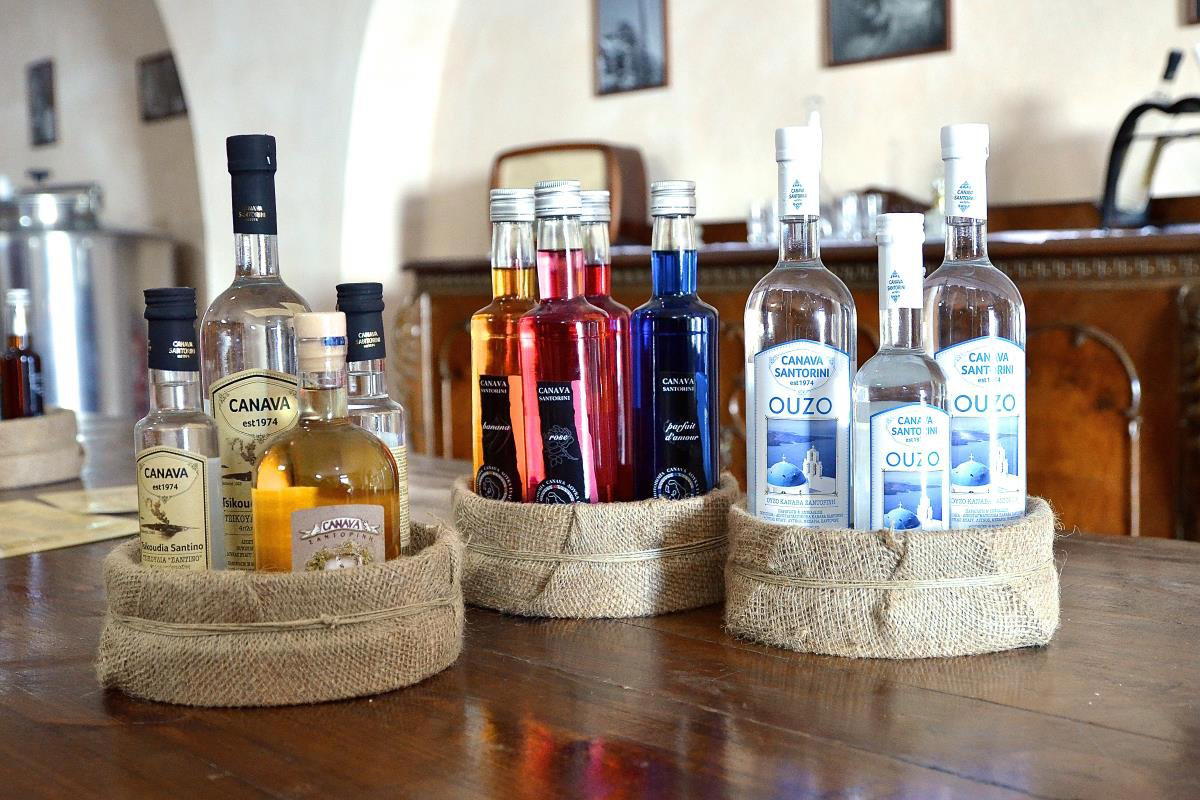
A Different Entry Point into Santorini's Production Culture
Most visitors arrive on Santorini oriented toward the caldera. The whitewashed terraces of Fira and Oia set the visual agenda, and the island's wine scene tends to get processed through that same filter: sunset tastings, sea views, the postcard version. Mesaria sits inland, away from all of that. The village is quieter, more agricultural in character, and it is where Canava Santorini Distillery has been operating since 1974. That date matters in context: the early 1970s predates the modern wave of Santorini wine tourism by at least two decades, placing this operation in an older tradition of local production that was never primarily aimed at visitors.
The term canava refers historically to the underground cellars that Cycladic producers used to maintain consistent temperatures in a climate with extreme summer heat. It is an architectural and functional term before it is a branding one, and the word's presence in a producer's name usually signals continuity with that pre-tourism production model. Arriving at Mesaria rather than Oia is, in that sense, a deliberate editorial choice about which version of Santorini wine culture you want to engage with.
What the Pearl 2 Star Prestige Rating Signals
The operation holds a Pearl 2 Star Prestige rating for 2025, which places it in a recognised tier of quality among producers assessed by the platform. On an island with a concentrated field of serious producers, that rating functions as a positioning signal: this is not a casual stop or a souvenir-oriented tasting room.
Canava's inland Mesaria address and 1974 founding date put it in a different conversation: smaller, older in operational terms, and less oriented toward the mass caldera-view tasting circuit.
The Tasting Environment at Mesaria
Understanding what a visit here looks and feels like requires understanding what Santorini's inland villages are actually like. Mesaria is the island's most productive agricultural zone, sitting in the flat centre rather than along the dramatic western ridge. The light is different here: less performative than the clifftop villages, more direct. The landscape is vineyard-heavy rather than architecture-heavy, and the scale of operations visible from the road reflects a working production environment rather than a hospitality set piece.
A distillery-winery operation in this setting functions through the production space itself as the primary experience. The tasting format, the flow of a visit, and the depth of engagement with what is being made all depend on that environment rather than on a constructed view or a designed tasting room. Visitors who prefer their context to come from barrel, bottle, and conversation rather than from panorama tend to find Mesaria-based producers more rewarding on those specific terms.
The distillery designation is also worth pausing on. Santorini's international reputation rests on Assyrtiko, the white grape that produces wines of high acidity and mineral concentration from the island's volcanic soils. But the canava tradition also included spirit production, and operations that carry the distillery label alongside wine production offer a wider lens on what the island has historically made. That breadth is part of what distinguishes the 1974 operation from purely wine-focused producers.
Placing Canava in the Broader Greek Production Context
Santorini's wine scene is sometimes discussed as if it exists in isolation from the rest of Greek production, which is partly a function of how effectively the island's tourism infrastructure has branded itself. The reality is more connected. Producers across Greece with different terroir and variety profiles form a national conversation about quality and identity that Santorini participates in.
Operations like Alpha Estate in Amyntaio, working with cool-climate varieties in northern Macedonia, and Achaia Clauss in Patras, one of Greece's oldest commercial wineries, represent different chapters in that national narrative. Smaller or newer operations such as Abraam's Vineyards in Komninades, Acra Winery in Nemea, Aiolos Winery in Palaio Faliro, Akrathos Newlands Winery in Panagia, and Anatolikos Vineyards in Xanthi show how geographically and stylistically wide the Greek production map runs.
Canava Santorini Distillery sits within that map as a producer with Cycladic roots and a heritage operational timeline that predates most of the island's international recognition. Its founding in 1974 places it in a period when Santorini wine had no meaningful export profile and production decisions were made for local consumption rather than international reception. That context shapes the orientation of an operation in ways that newer, export-oriented producers do not share.
For comparison, international heritage distillery operations in regions with long production histories, from Aberlour in Aberlour to Accendo Cellars in St. Helena, demonstrate how deeply a founding period and local context can embed themselves in a producer's character over decades. The 1974 date is not incidental at Canava Santorini: it is part of what the operation is.
Planning a Visit: Logistics and Approach
The address at Mesaria 847 00 means the distillery is in the island's central zone, accessible by car or taxi from Fira in a short drive. Visitors coming from the main tourist settlements along the caldera ridge should factor in that Mesaria operates on a different rhythm than the more visitor-dense northern villages.
Santorini's wine tourism season runs broadly from April through October, with peak summer months bringing higher visitor volumes across all producers. An inland Mesaria visit in shoulder season, particularly May or late September, is likely to offer a more considered engagement than mid-August, when the island's infrastructure is under pressure across all categories.
Cuisine and Awards Snapshot
Comparable venues nearby, for context on price, style, and recognition.
| Venue | Cuisine | Price | Notes |
|---|---|---|---|
| Canava Santorini Distillery (1974)This venue — the venue you are viewing | Asyrtiko, Aidani | $$ | |
| Artemis Karamolegos Winery | Assyrtiko, Aidani | $$ | Exo Gonia |
| SantoWines (Santorini Coop) | Assyrtiko, Athiri | $$$ | Pyrgos |
| Koutsoyannopoulos Winery | Assyrtiko, Aidani | $$$ | Vothonas |
| Venetsanos Winery | Assyrtiko, Nykteri | $$$ | Megalochori |
| Boutari Winery (Santorini) | Assyrtiko | $$ | Megalochori |
Continue exploring
More in Santorini
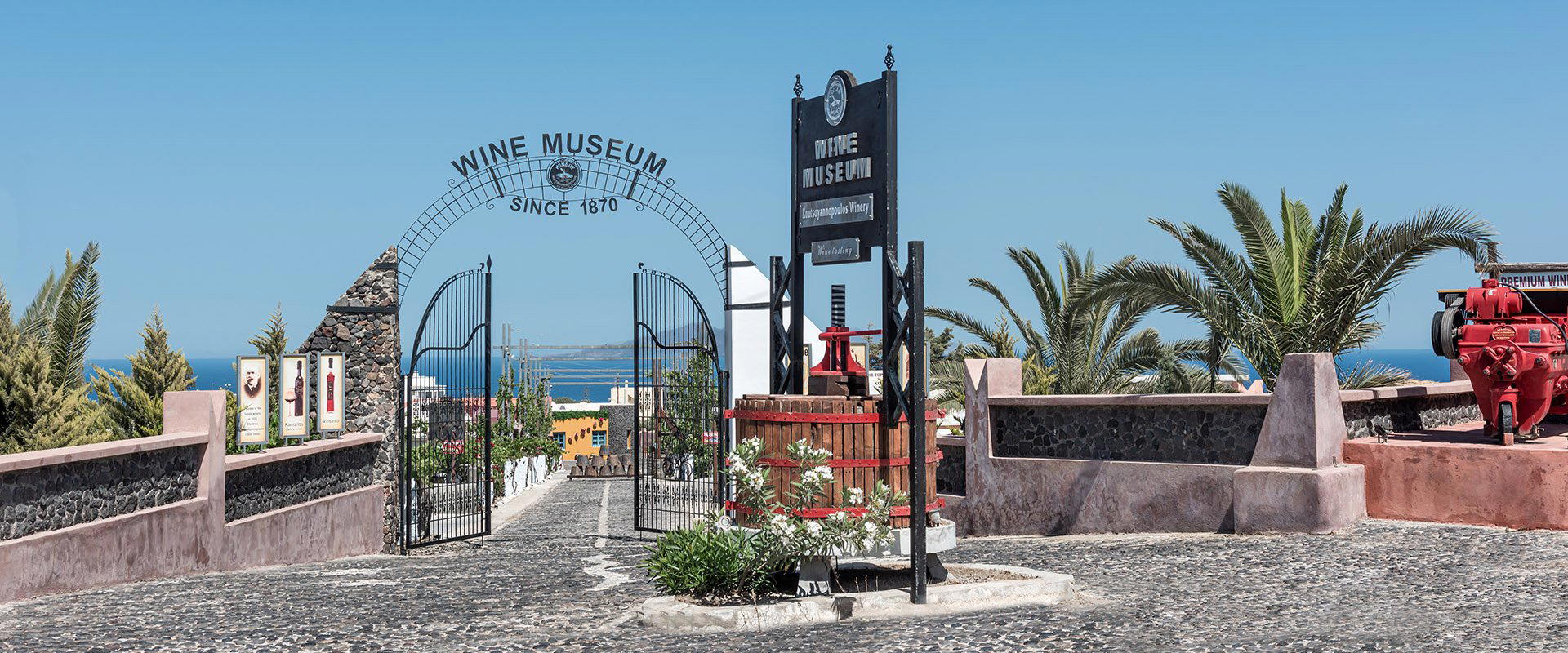
Wineries in Santorini
Browse all →
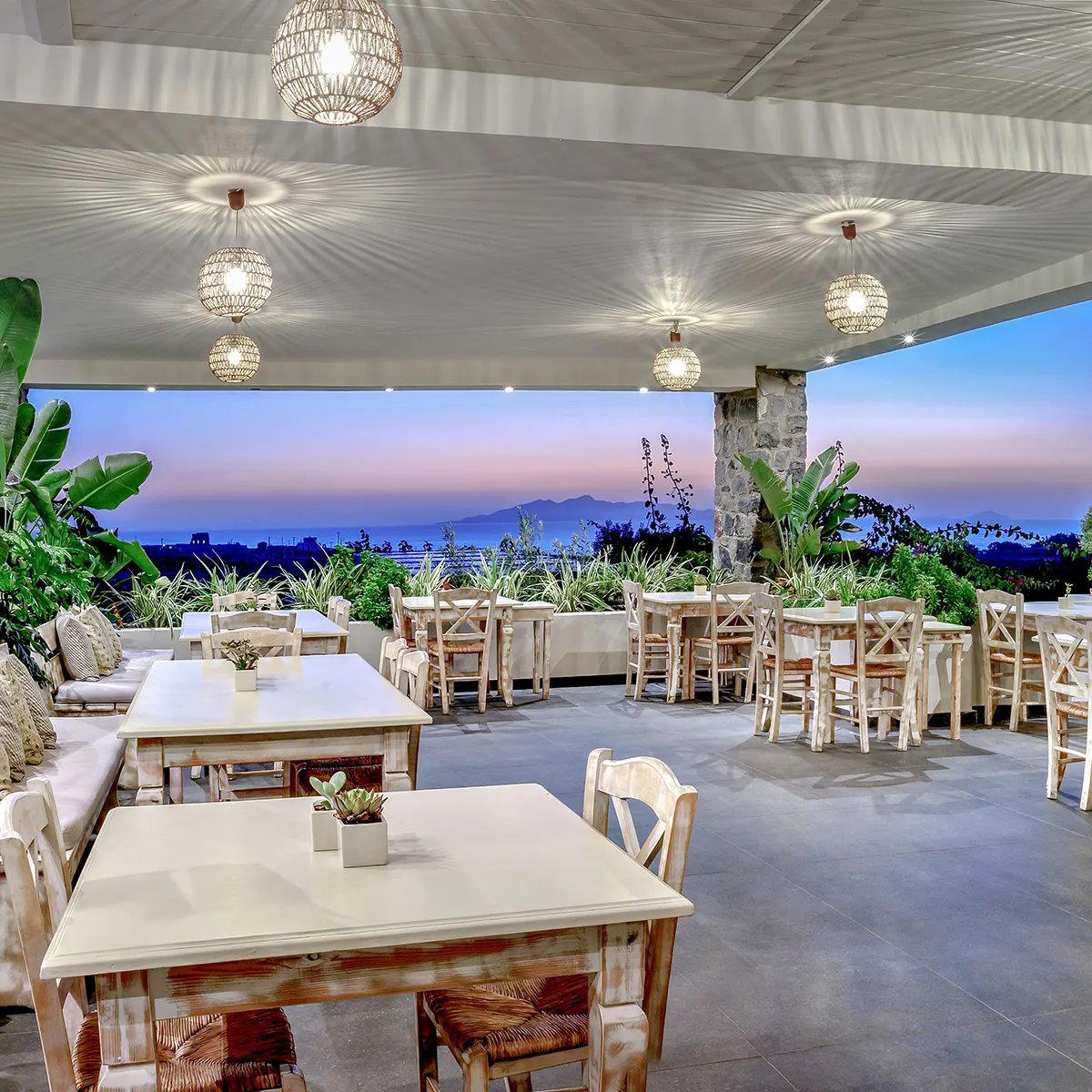
Restaurants in Santorini
Browse all →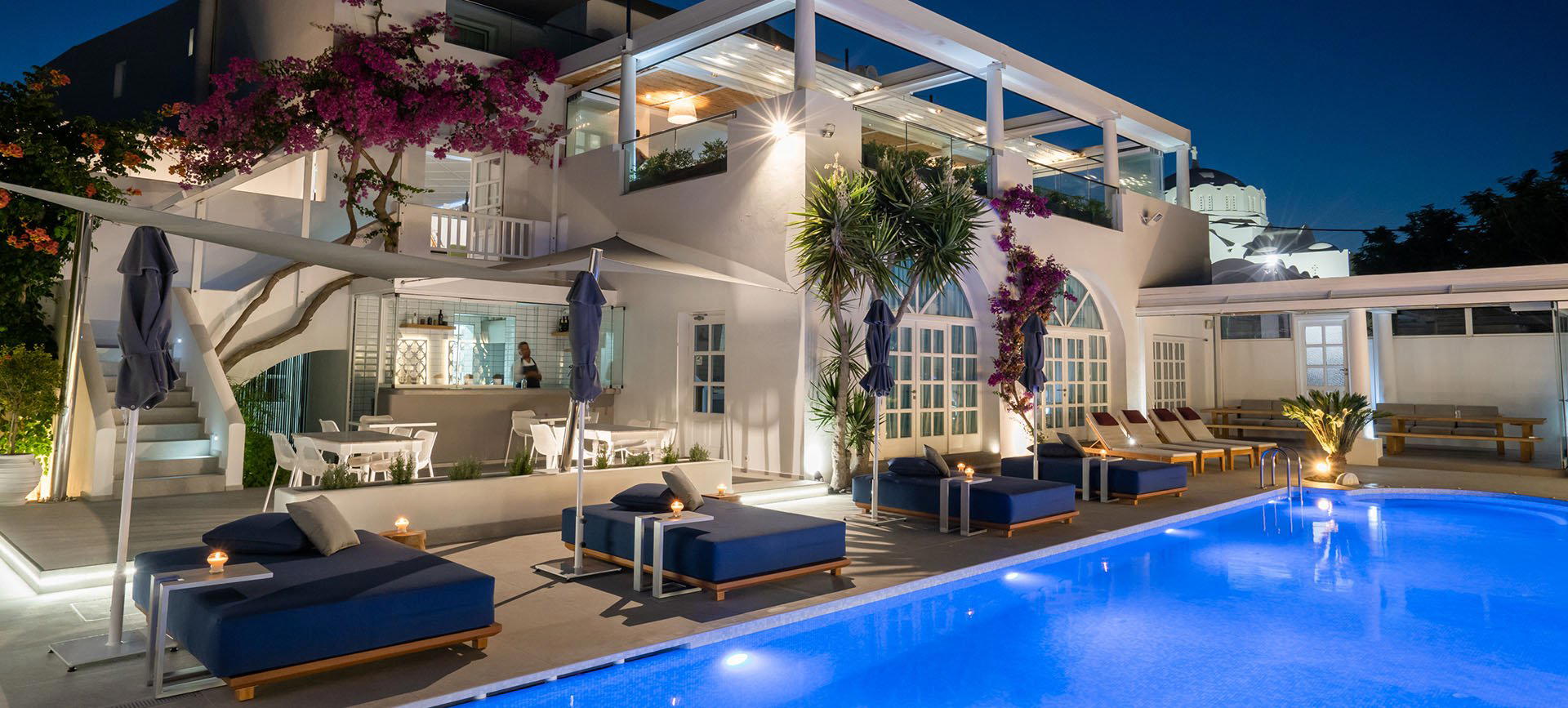
At a Glance
- Rustic
- Classic
- Iconic
- Intimate
- Group Outing
- Wine Education
- Family
- Solo Exploration
- Historic Building
- Estate Grounds
- Cave Tasting
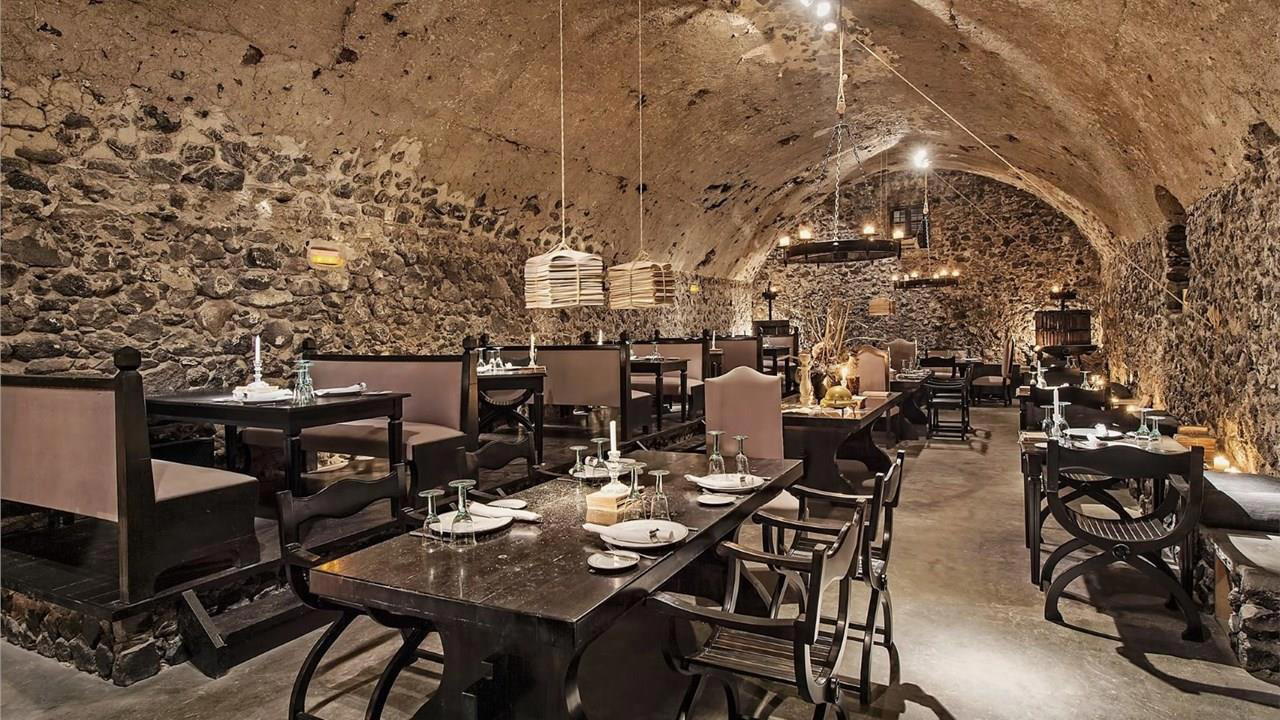
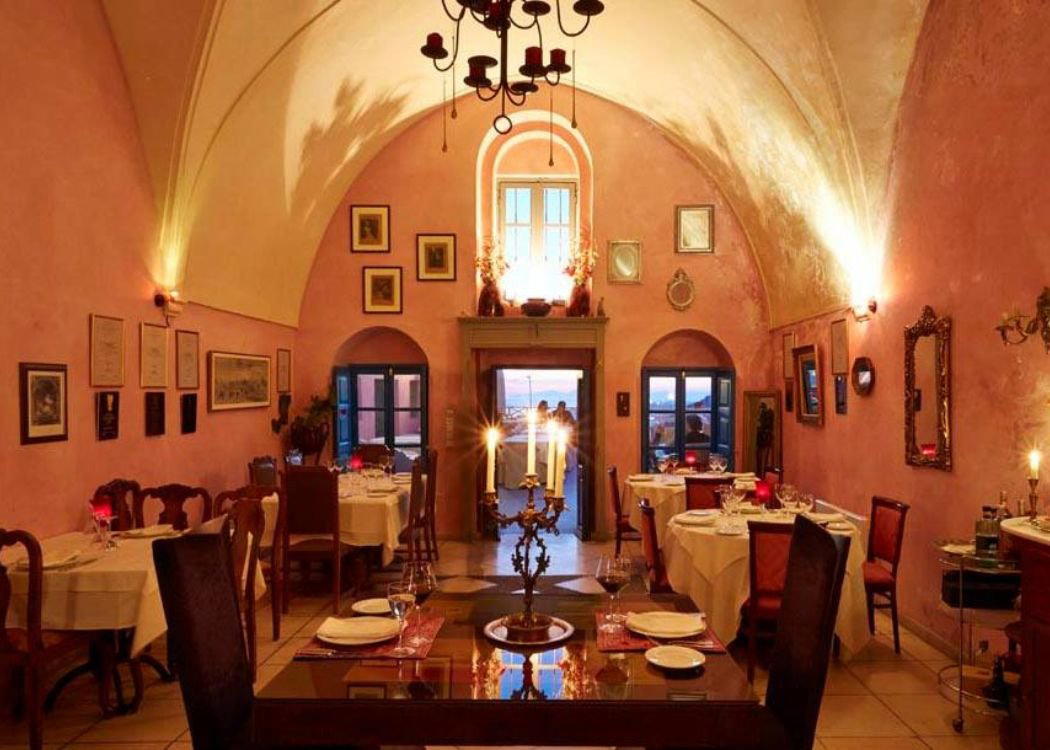
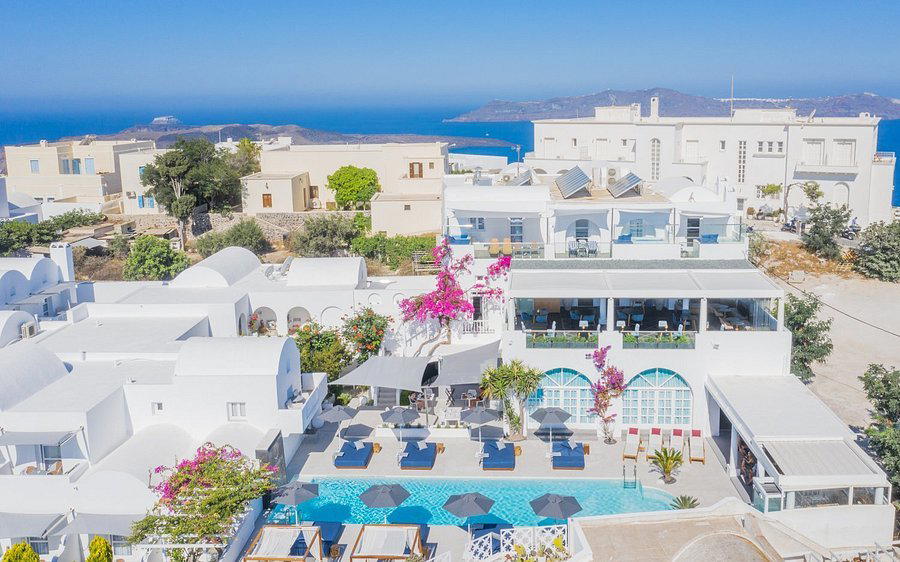
Nostalgic and educational with antique distillery equipment, traditional Santorini architecture, Greek music, and cultural heritage displays creating a throwback atmosphere.