
Falstaff Winery - Listed
Operating from volcanic soils planted primarily with Assyrtiko, the cooperative brings together hundreds of grower-members whose basket-trained vines feed a cellar programme spanning dry whites, Nykteri, and Vinsanto.

Pearl is the En Primeur Club membership app — saves, bookings, and concierge access live there. Same editors, same standards.
- Address
- Pyrgos Kallistis 847 00
- Phone
- +30 2286 028058
- Website
- santowines.gr
- Directions
- Get directions
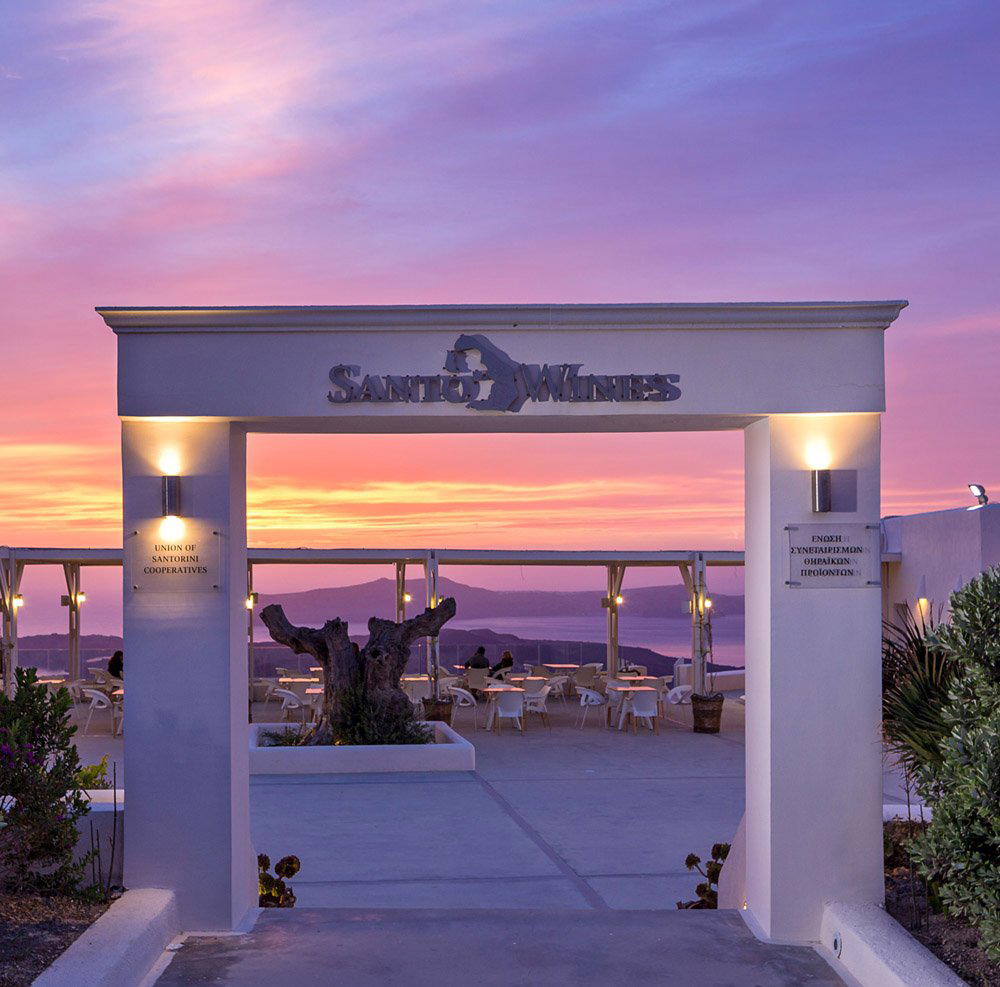
Where the Caldera Meets the Cooperative
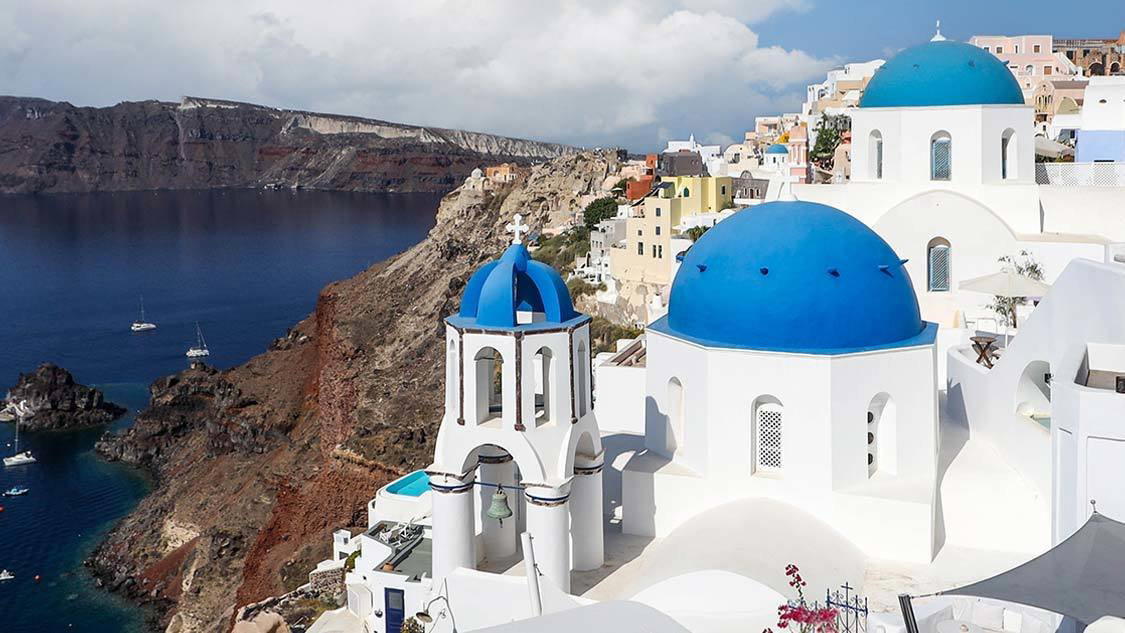
The approach to SantoWines at Pyrgos Kallistis frames what the cooperative represents before you reach the cellar door. Pyrgos is one of Santorini's inland villages, set back from the cliff-edge spectacle that defines the island's tourist geography, and that positioning matters: the cooperative's working identity is rooted in agriculture and collective production, not performance for passing crowds. The volcanic plateau stretches around it, and the low, basket-trained vines that supply the cooperative's cellars grow in the same pumice-heavy soil that has defined Santorini viticulture for centuries. Arriving here, the physical context of the wine makes immediate sense.
The cooperative model that underpins SantoWines is not a compromise on quality; across European wine regions, well-managed cooperatives consistently outperform expectations when cellar discipline is tight and member agreements enforce yield control. On Santorini, where vineyard fragmentation is extreme and most individual plots are small family holdings, the cooperative aggregates volume and cellar investment that individual growers could not replicate alone.
Assyrtiko and the Cooperative Cellar
Santorini's wine identity is inseparable from Assyrtiko, a grape variety that has drawn sustained international attention over the past two decades. The variety's structural signature, high natural acidity and pronounced minerality derived from volcanic substrate, has positioned island-grown Assyrtiko as a reference point in the broader conversation about Mediterranean whites capable of ageing. SantoWines, as the island's largest producer by volume, handles a substantial share of the annual Assyrtiko crop, giving its cellar team consistent raw material to work across multiple style categories.
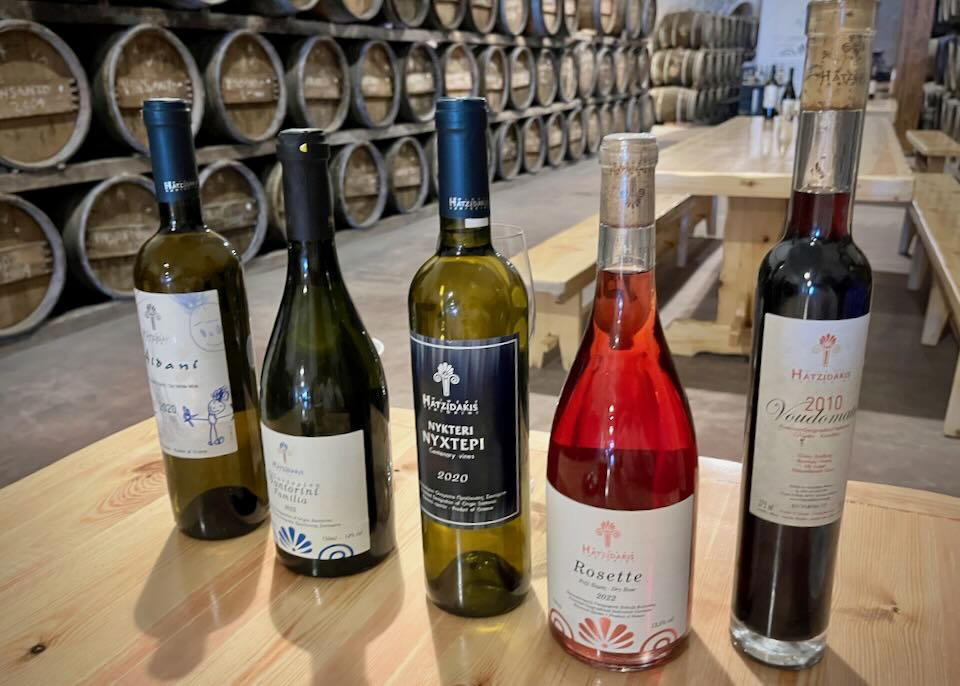
The cooperative's range covers dry white Assyrtiko at the entry and prestige levels, Nykteri (a traditional Santorini style produced from night-harvested grapes with extended skin contact or barrel-ageing depending on the producer), and Vinsanto, the island's historic sweet wine made from sun-dried Assyrtiko and Aidani. These three categories represent the full arc of what Santorini's volcanic viticulture can produce, from mineral-driven dry whites that pair directly with the island's seafood to the concentrated, oxidative sweetness of Vinsanto that has existed on trade routes since the Venetian period. For visitors assessing the island's wine output against a single reference, the cooperative's range offers the broadest cross-section available from one cellar address.
For further context on the island's wider producer set, Koutsoyannopoulos Winery operates a wine museum alongside production, while Boutari Winery (Santorini) represents a large mainland group's Santorini outpost. Canava Santorini Distillery (1974) sits at the distilled spirits end of the island's production tradition. Each occupies a different segment of what Santorini makes.
What Happens After Harvest
The editorial angle on any serious winery eventually arrives at what happens between harvest and bottle. For the cooperative model, that question carries particular weight because the decisions made in the cellar determine whether member-grown fruit reaches a coherent quality tier or simply becomes volume. Santorini's harvest calendar runs earlier than many European regions, typically August for Assyrtiko, driven by the island's intense summer heat and the vine's natural vigour regulation in basket-trained form. The kouloura, the circular basket shape vines are trained into here, is a direct response to the island's winds and the need to protect developing fruit, and it produces small, concentrated berries with thick skins. That concentration sets the parameters the cellar then works with.
For dry Assyrtiko, fermentation in stainless steel preserves the aromatic freshness and linear acidity that defines the variety's signature. Nykteri production historically involved pressing at night to minimise oxidation, though the term has evolved in application across producers. Vinsanto production follows a different logic entirely: harvested grapes dry on the surface for one to three weeks, concentrating sugars through evaporation before pressing and fermentation in small barrels where the wine ages for a minimum of two years under Greek appellation rules, though serious Vinsanto programmes run considerably longer. The depth of a well-aged Vinsanto, its dried-fruit concentration cut by residual acidity and mineral structure, is the outcome of decisions made across months and years, not hours in the cellar. In that sense, the cooperative's approach to its Vinsanto programme is where the quality story either holds or falls apart.
Greece's wine production extends well beyond Santorini's volcanic arc. Producers including Alpha Estate in Amyntaio have built reputations for precision in northern Macedonia, while Achaia Clauss in Patras carries a different kind of historical weight as one of the country's oldest established export houses. For a wider map of Greek wine geography, Acra Winery in Nemea works in the Agiorgitiko appellation that anchors red wine production in the Peloponnese. Internationally, the cooperative model has produced reference producers across France and beyond; Aberlour in Aberlour and Accendo Cellars in St. Helena represent entirely different production philosophies from different hemispheres, useful context for calibrating where SantoWines sits within the global production spectrum. Further afield in Greece, Abraam's Vineyards in Komninades, Aiolos Winery in Palaio Faliro, Akrathos Newlands Winery in Panagia, and Anatolikos Vineyards in Xanthi each reflect the geographic breadth of Greek viticulture beyond the island appellations.
Planning Your Visit
SantoWines sits at Pyrgos Kallistis, in the island's interior rather than along the caldera-rim circuit that dominates most Santorini itineraries. That positioning makes it a different kind of visit from the cliff-edge tastings above Oia or Fira: quieter, more production-focused, and more directly connected to the agricultural reality of where the wine comes from. Santorini's peak season runs from late May through September, when visitor volumes across the island are at their highest; if cellar depth and unhurried tasting time matter to you, the shoulder months of April, May, and October offer the same wines in a different register of the experience. For a broader orientation to the island's dining and drinking scene, the full Santorini restaurants guide maps the context around the cooperative and its peers.
Comparable Spots
Comparable venues nearby, for context on price, style, and recognition.
| Venue | Cuisine | Price | Awards | Notes |
|---|---|---|---|---|
| SantoWines (Santorini Coop)This venue — the venue you are viewing | Assyrtiko, Athiri | $10–20 | Falstaff Winery - Listed | Not listed |
| Boutari Winery (Santorini) | Assyrtiko | Not listed | Not listed | Megalochori |
| Venetsanos Winery | Assyrtiko, Nykteri | $30–50 | Falstaff Winery - Listed | Megalochori |
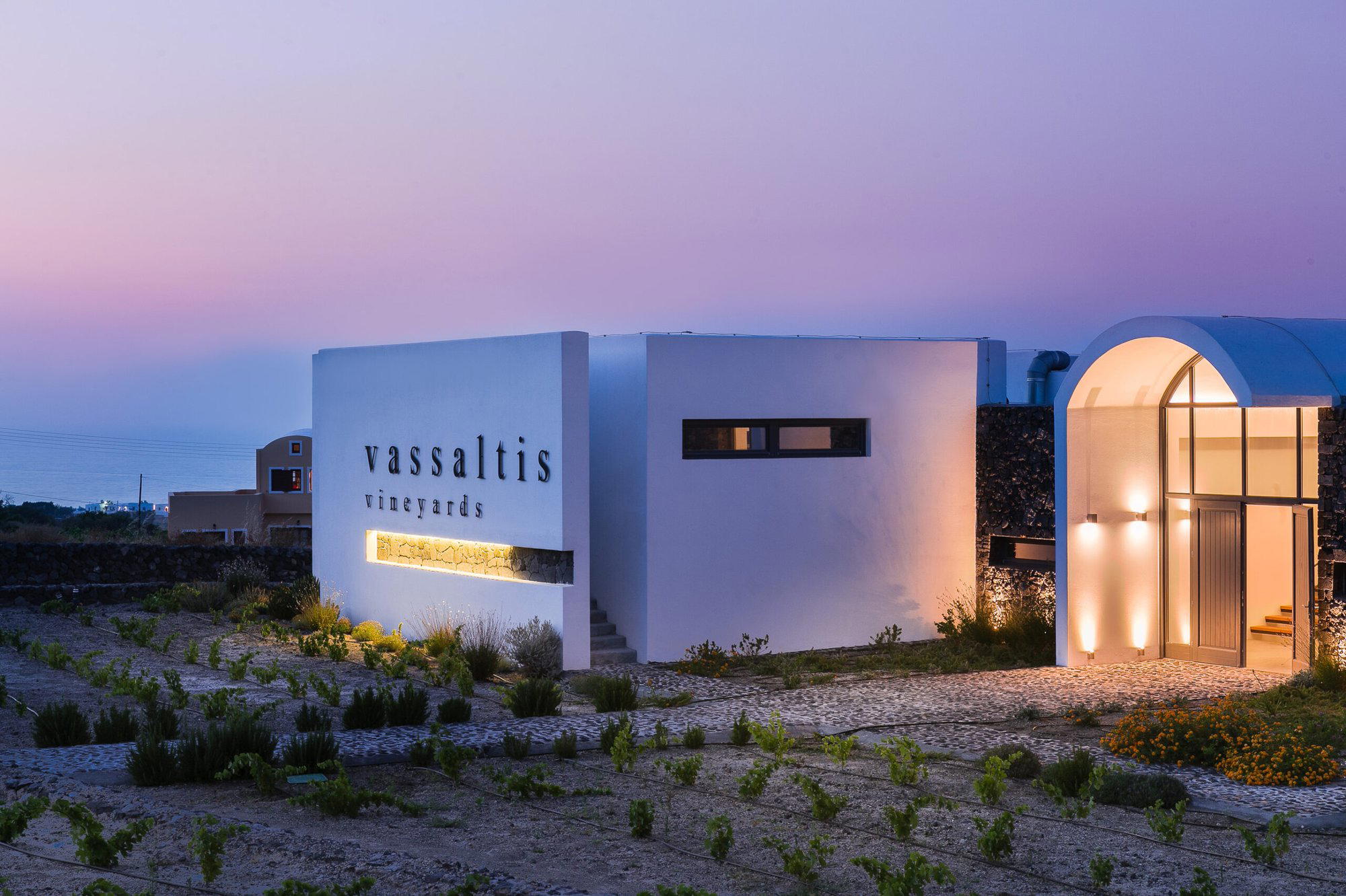
| Vassaltis Vineyards | Assyrtiko, Aidani | $20–30 | Falstaff Winery - Listed | Vourvoulos |
| Artemis Karamolegos Winery | Assyrtiko, Aidani | $10–20 | Falstaff Winery - Listed | Exo Gonia |
Recognition history
Dated appearances from independent guides and award organizations, with the underlying list record or original source where available.
Falstaff Winery - Listed
Falstaff
Continue exploring
More in Santorini
Wineries in Santorini
Browse all →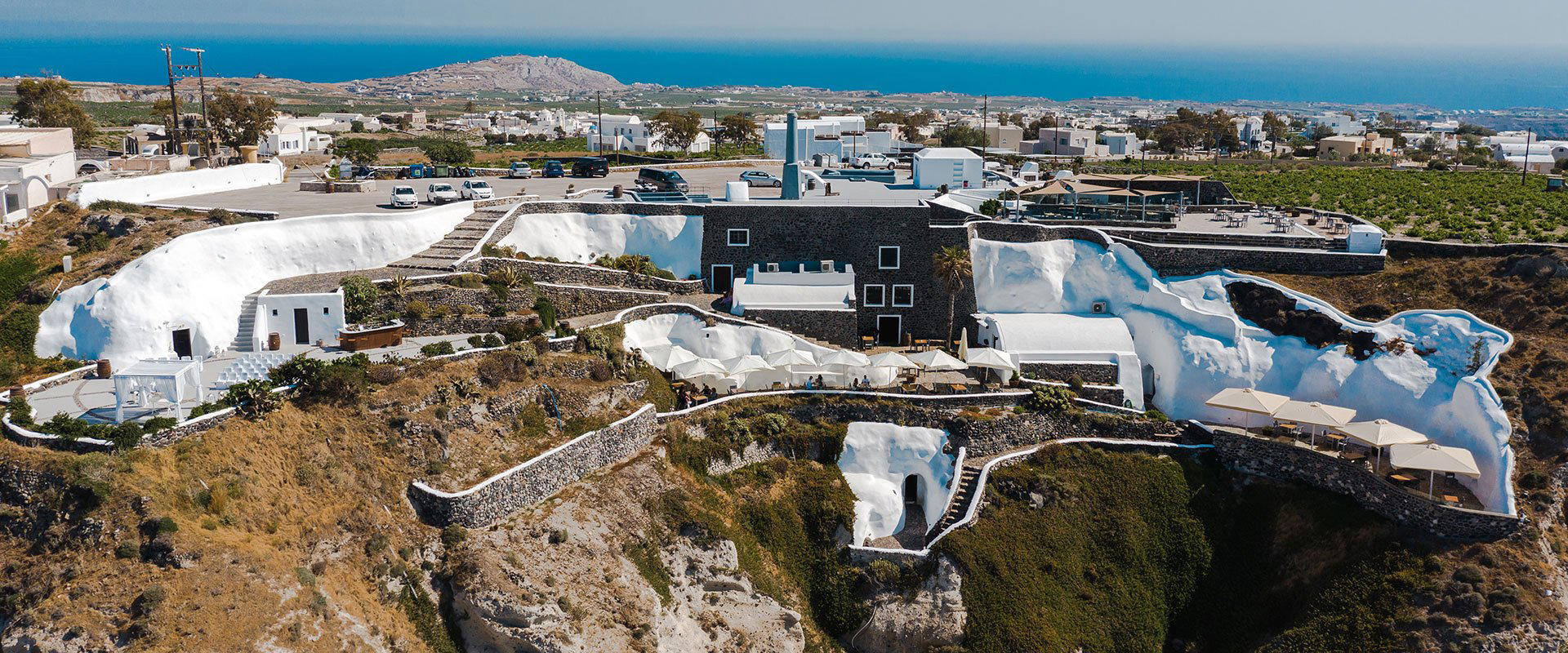

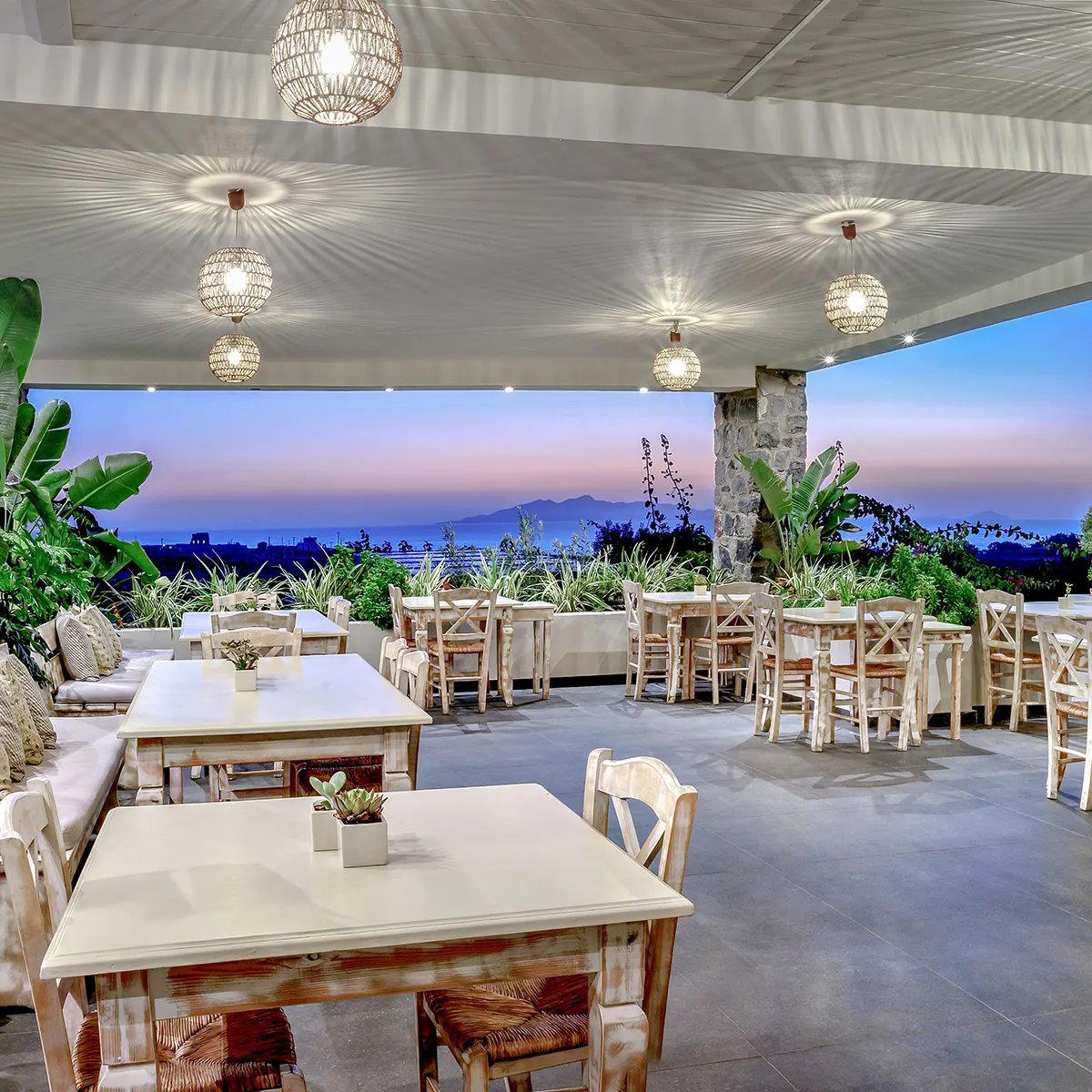
Bars in Santorini
Browse all →
Restaurants in Santorini
Browse all →

Details
- Scenic
- Modern
- Well Known
- Sophisticated
- Group Outing
- Celebration
- Special Occasion
- Family
- Wine Education
- Terrace
- Panoramic View
- Estate Grounds
- Private Tasting
- Design Destination
- Dry Farmed
- Mountain
- Vineyard
- Assyrtiko
- Vinsanto
- Red Blends
- Rosé
- Sparkling
- Still White
- Still Rosé
- Sparkling
- Dessert
- Guided Tasting
- Wine Flight
- Tour Plus Tasting
- Food Pairing Tasting
- Greek
- English
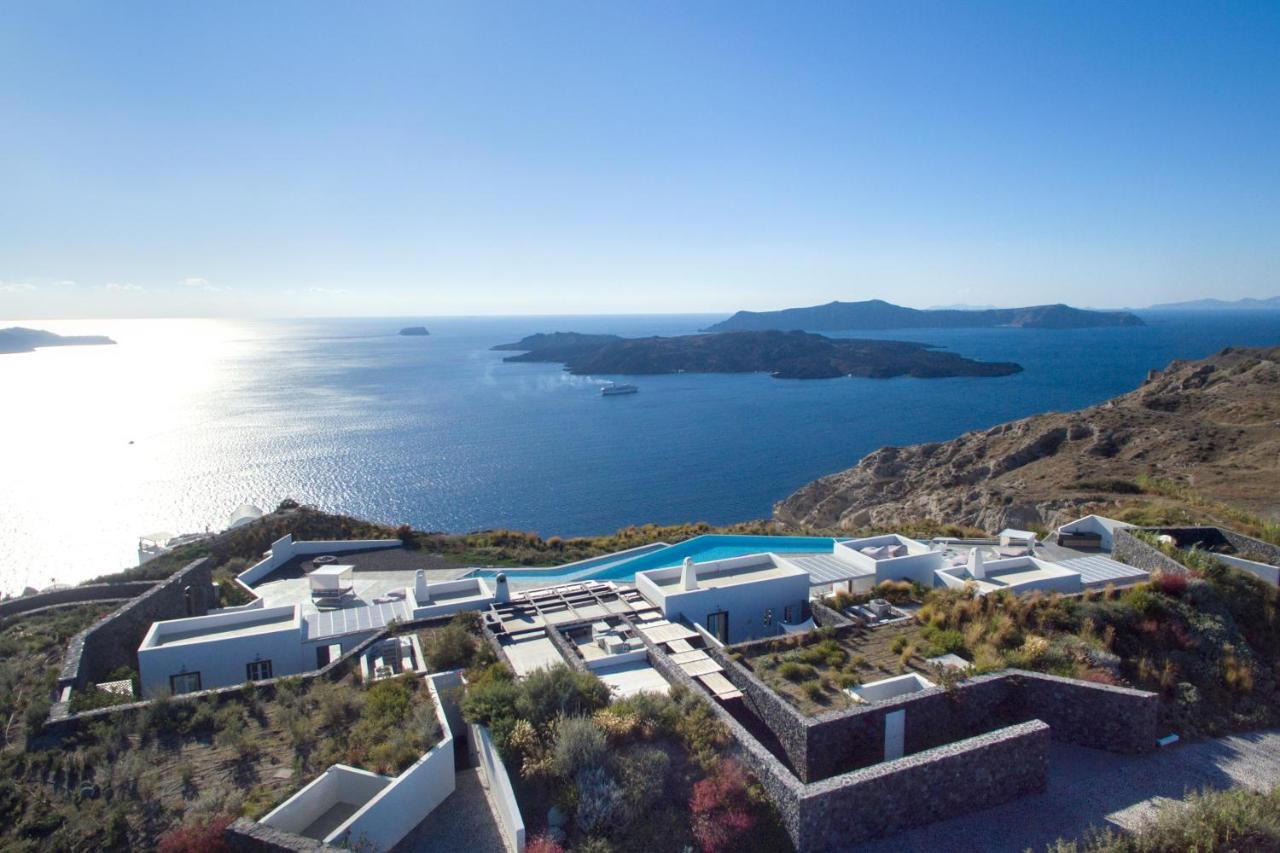
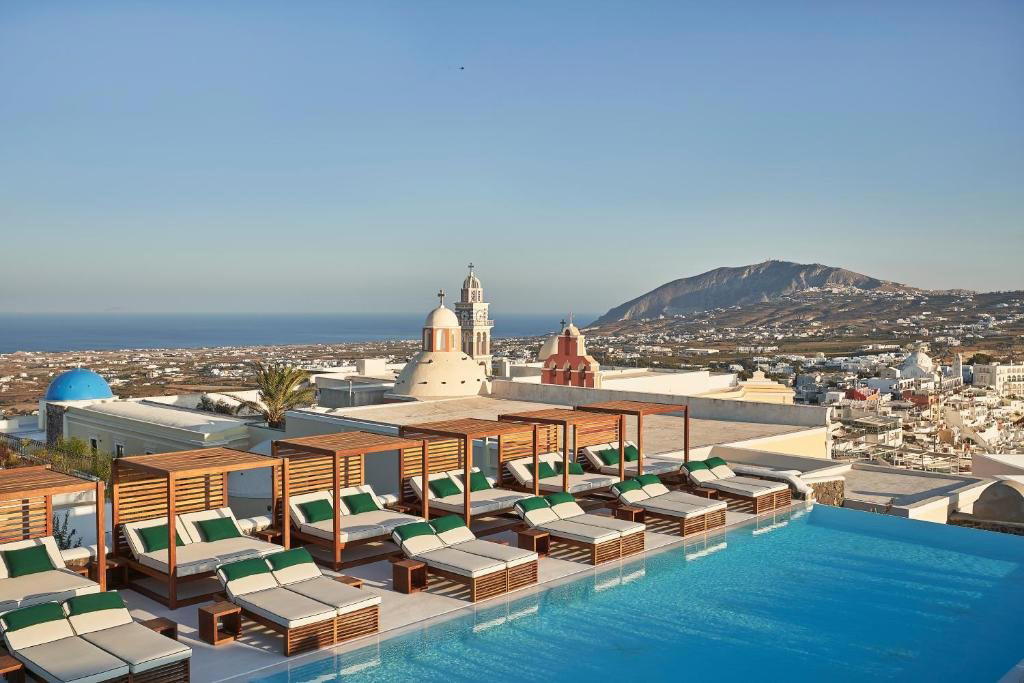
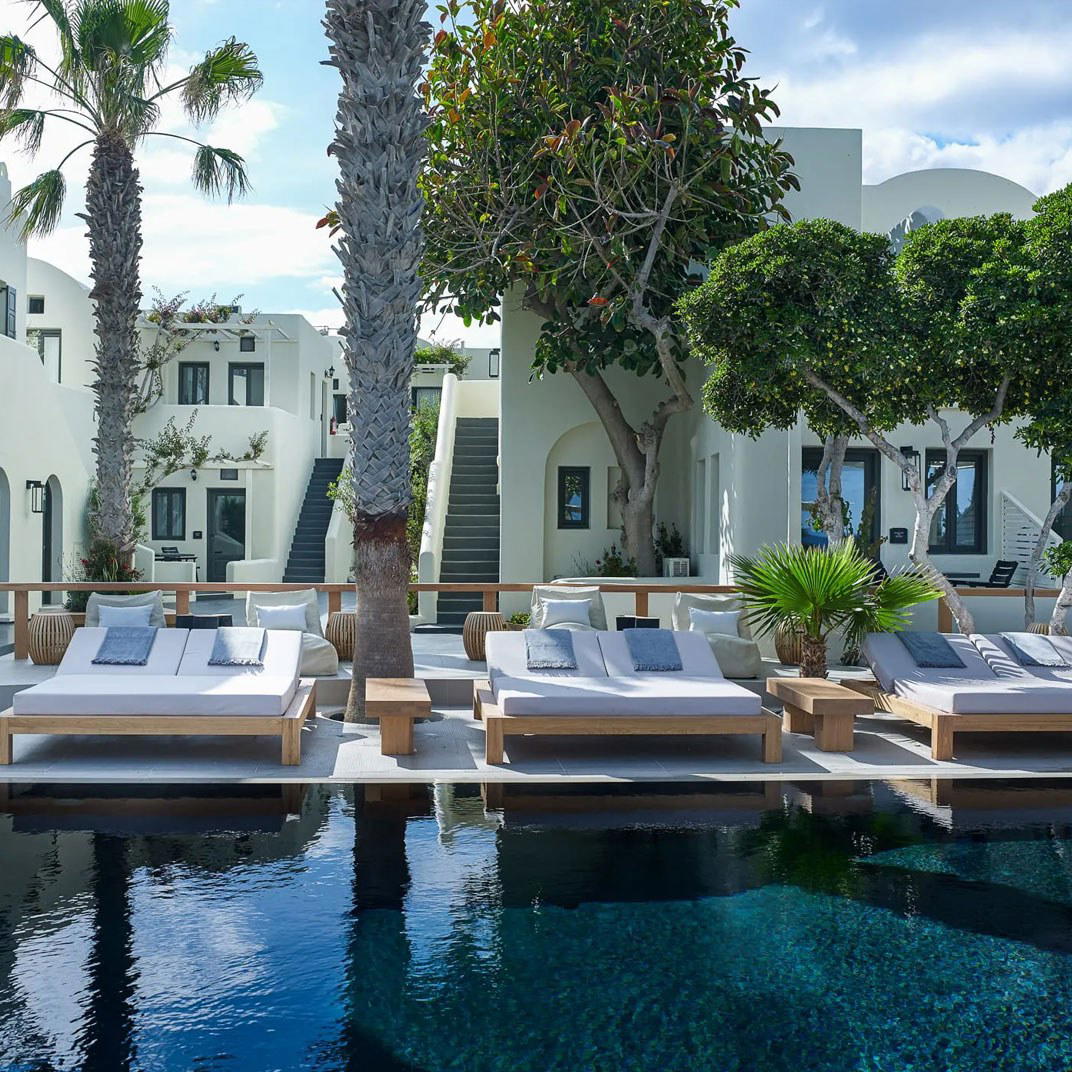
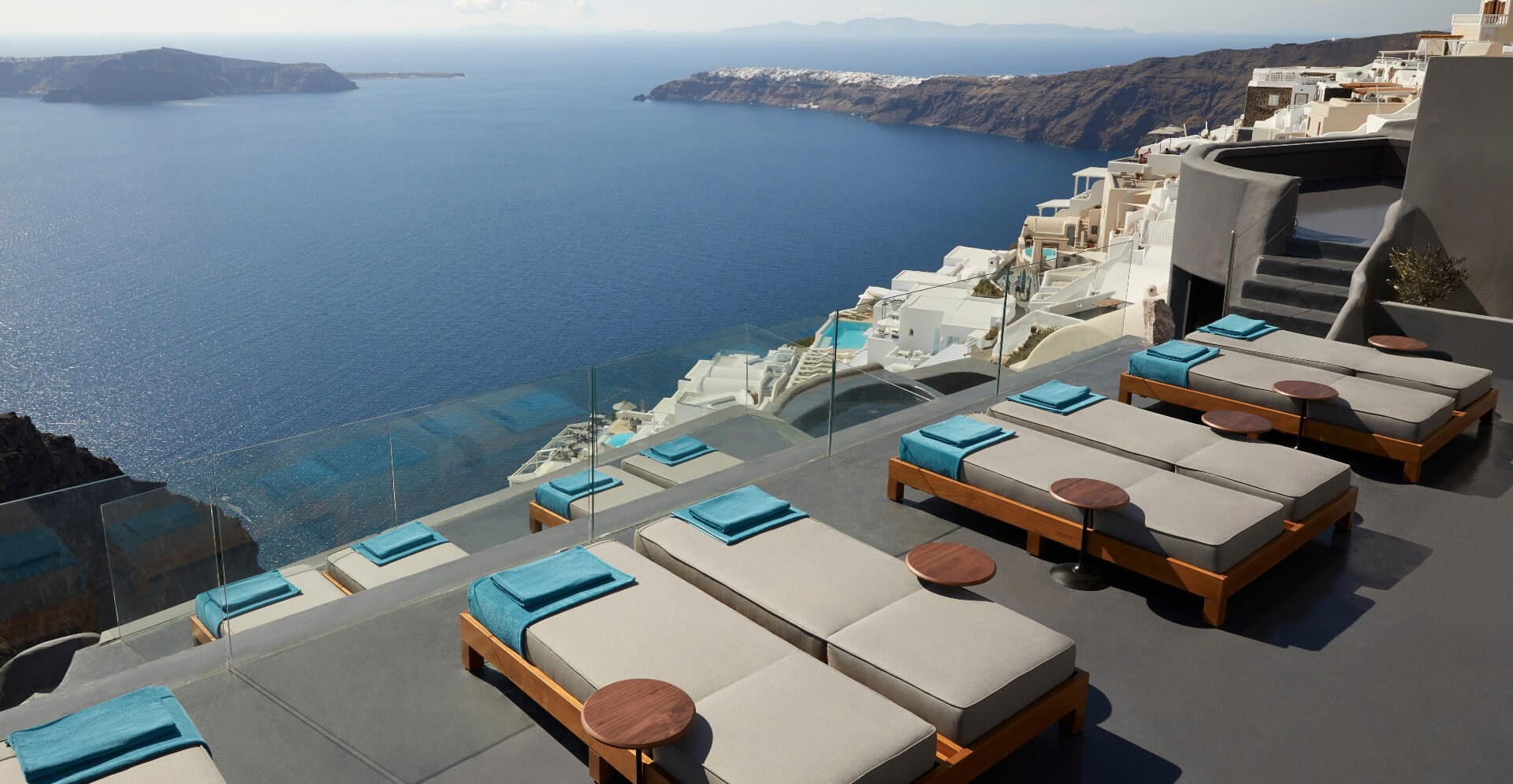
Modern, spacious, and scenic, with a caldera-facing terrace designed for sunset viewing and a contemporary wine tourism center atmosphere.