
Falstaff Winery - Listed
Koutsoyannopoulos Winery - Volcan Wines treats Santorini wine as a matter of geology and memory, not only tasting-room hospitality. Its cave setting in Vothonas, underground wine museum, Assyrtiko-led portfolio, and family winery format make it a useful stop for travelers who want Santorini’s volcanic wine culture explained through place rather than labels alone.

Pearl is the En Primeur Club membership app — saves, bookings, and concierge access live there. Same editors, same standards.
- Address
- Vothonas, Cyclades, Griechenland
- Phone
- +30 2286 031322
- Website
- kwm.gr
- Directions
- Get directions
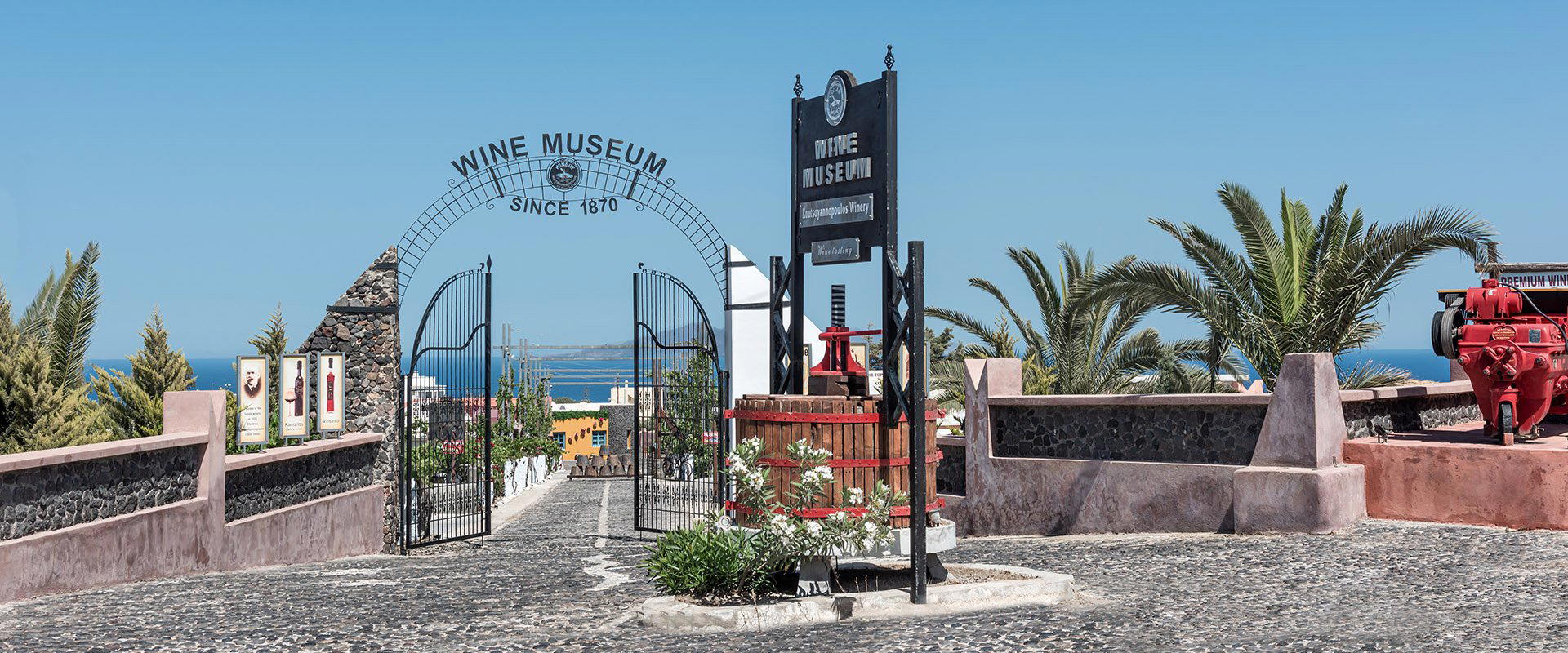
Koutsoyannopoulos Winery - Volcan Wines in Vothonas is best understood as an atmospheric winery visit rather than a conventional restaurant or bar listing. The appeal is its underground, museum-like setting: an immersive cave environment that presents Santorini's winemaking history in a scenic, rustic, classic, quiet way. For travelers who want a hidden-gem stop in Vothonas, the draw is the setting itself and the sense of being removed from the busier surface rhythm of the island. It reads less like a place to evaluate by a menu or a cocktail list, and more like a setting-led experience where the surroundings carry much of the visit.
What can be stated confidently is that Koutsoyannopoulos Winery - Volcan Wines offers a distinctive cave-like, museum-style atmosphere in Vothonas, with a listed price of $10 per person. That limited but useful information is enough to frame the venue clearly: it is a Santorini wine-history stop with a defined mood, a defined location, and a simple listed per-person price, but not enough to make more detailed promises.
A cave-museum setting built around Santorini's winemaking history
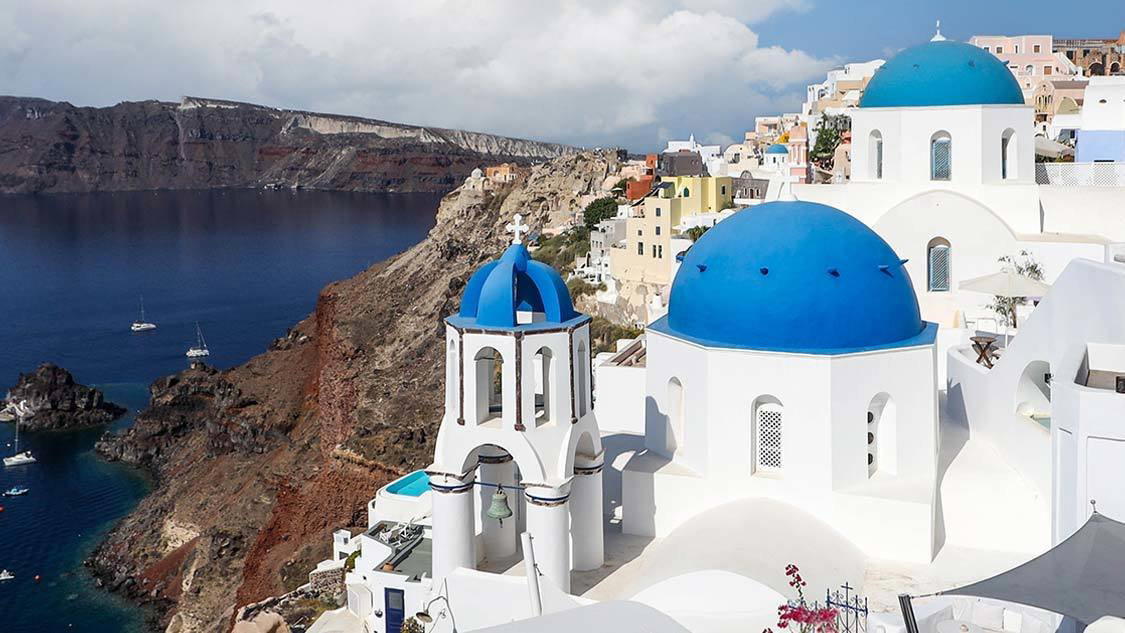
The setting is the core reason to consider Koutsoyannopoulos Winery - Volcan Wines. Its description points to an underground and museum-like environment, with an immersive cave setting that presents Santorini's winemaking history. That makes it a useful stop for visitors who want atmosphere and context rather than a generic venue experience. The cave-museum framing gives the visit a strong sense of place, because it connects the physical environment with the broader idea of Santorini as a wine island.
The mood is described as scenic, rustic, classic, quiet, and hidden-gem. Those qualities matter for travelers planning a slower Vothonas itinerary, especially if they prefer a setting that feels sheltered and historical rather than loud or highly polished. The venue's identity is tied to the cave-like presentation and the sense of Santorini winemaking history being staged spatially. In practical terms, that means the atmosphere is not just background decoration; it is the main reason the stop stands out from a more standard drinking or dining listing.
Beyond that, the page should stay careful. Readers should treat this as a venue with a confirmed museum-like cave atmosphere and a listed per-person price, not as a fully documented technical winery profile. The safest way to describe it is as an evocative setting for encountering Santorini's winemaking history, without assuming the details of how that encounter is structured.
What the visit is for
Koutsoyannopoulos Winery - Volcan Wines suits visitors who are drawn to quiet, historical, and scenic environments. The information supports describing it as underground, museum-like, immersive, rustic, classic, and historical in feel. It is not necessary to add unconfirmed claims about food pairings, group capacity, reservation rules, family history, or specific guided programming to explain its appeal. The existing facts already point to the right audience: travelers who value atmosphere, local context, and a more tucked-away Vothonas setting.
The confirmed price is $10 per person. That makes the venue easy to evaluate for travelers comparing simple Vothonas itinerary options, but the available facts do not confirm what is included beyond the general venue experience. Anyone who needs current details about timing, format, accessibility, or inclusions should verify directly before going. That is especially important because the strength of the listing lies in the confirmed setting and mood, not in a confirmed schedule of services or a detailed breakdown of what a visit contains.
For comparison, the only specifically venue reference here is Koutsoyannopoulos Winery - Volcan Wines itself. Keeping the focus narrow is useful: it prevents the venue from being stretched into a broader restaurant or nightlife recommendation when the supported description is about a cave-like wine-history environment.
How to place it in a Santorini itinerary
Koutsoyannopoulos Winery - Volcan Wines is strongest as an atmospheric Vothonas stop for travelers interested in Santorini's winemaking history and an underground, museum-like cave setting. Its appeal is quiet and scenic rather than flashy: rustic, classic, and hidden-gem in tone. It can work well in planning terms for visitors who want a more contemplative pause, especially one shaped by setting and historical atmosphere rather than by a long list of confirmed amenities.
Plan around the basics: the venue is in Vothonas, the listed price is $10 per person, and the setting is immersive, cave-like, and museum-oriented. With that caution in mind, the clearest reason to go is the distinctive underground atmosphere and the chance to place Santorini's winemaking history within a scenic, quiet, rustic setting.
Recognition history
Dated appearances from independent guides and award organizations, with the underlying list record or original source where available.
Falstaff Winery - Listed
Falstaff
Continue exploring
More in Vothonas
Wineries in Vothonas
Browse all →

Bars in Vothonas
Browse all →
Restaurants in Vothonas
Browse all →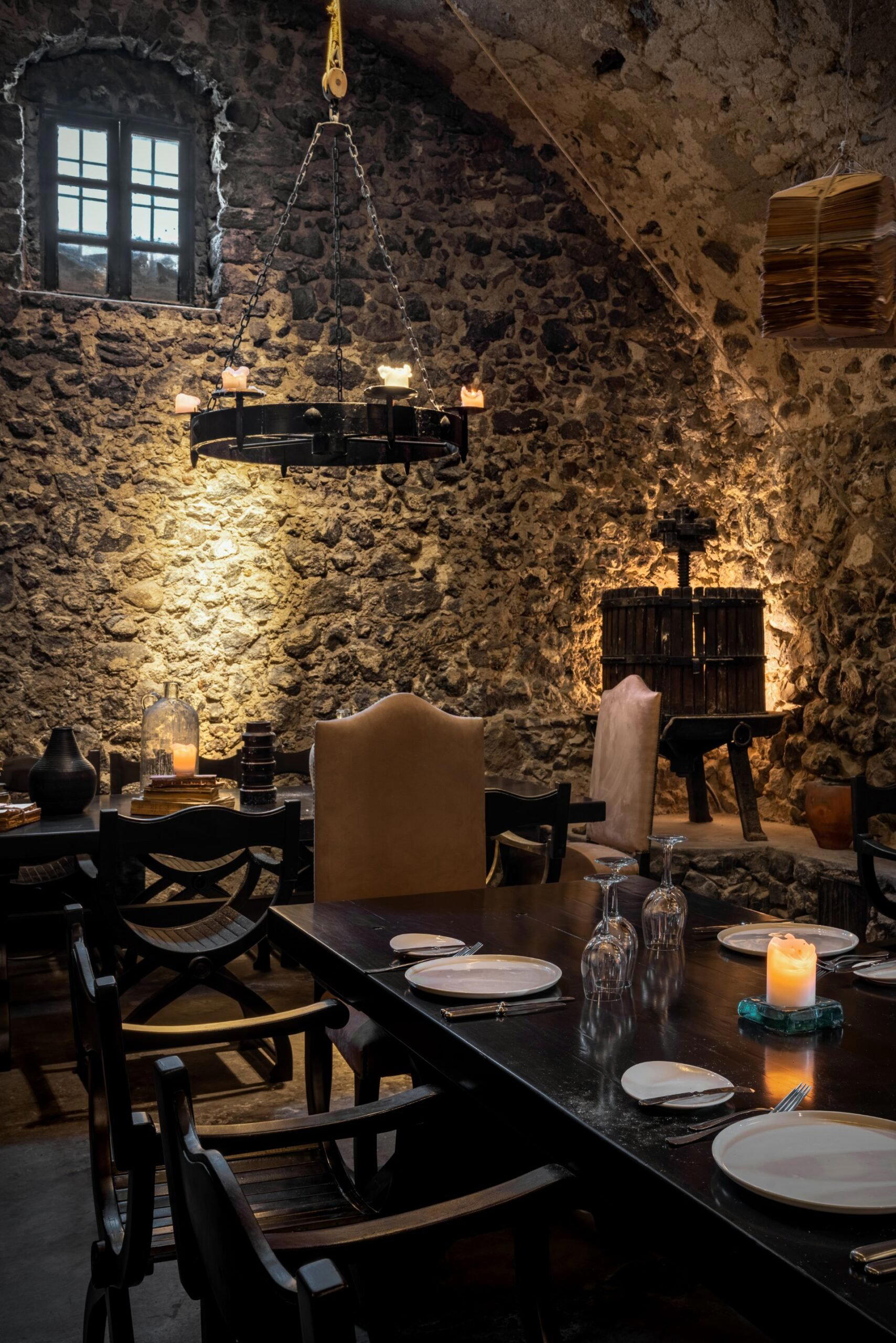
Details
- Scenic
- Rustic
- Classic
- Quiet
- Family
- Group Outing
- Wine Education
- Special Occasion
- Cave Tasting
- Historic Building
- Design Destination
- Assyrtiko
- Vinsanto
- White
- Rosé
- Red
- Still White
- Still Rosé
- Still Red
- Dessert
- Guided Tasting
- Museum Tour Tasting
- English
Underground and museum-like, with an immersive cave setting that presents Santorini's winemaking history.