


Star Wine List · Wine Spectator Best of Award of Excellence
Our verdict
One of Santorini's most enduring fine dining addresses, Selene has operated for 36 years and now occupies the Katikies Garden Hotel in Fira, housed in a former monastery. Chef Ettore Botrini leads a contemporary Greek kitchen backed by a 3,000-bottle cellar under Wine Director Yiannis Karakasis. Ranked #494 in the 2025 Opinionated About Dining Europe list, it sits at the sharper end of the island's dining tier.

Pearl is the En Primeur Club membership app, where members save venues, book tables and use the concierge.
The menu
What to order
- Santorini fava
- Charcoal-kissed octopus
- Sea urchin spaghetti
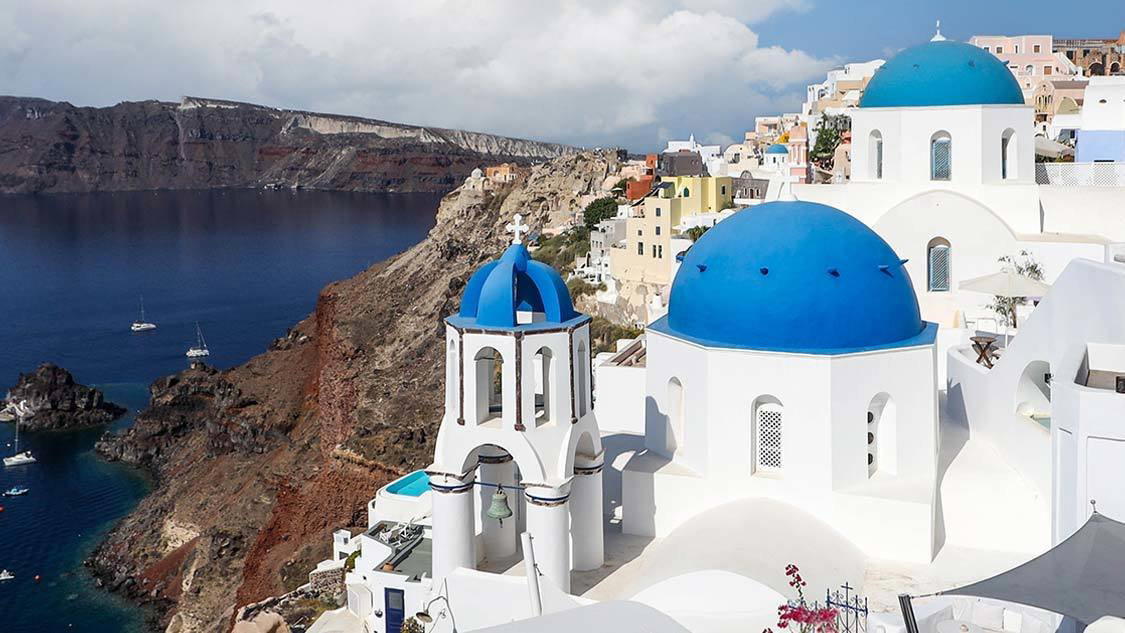
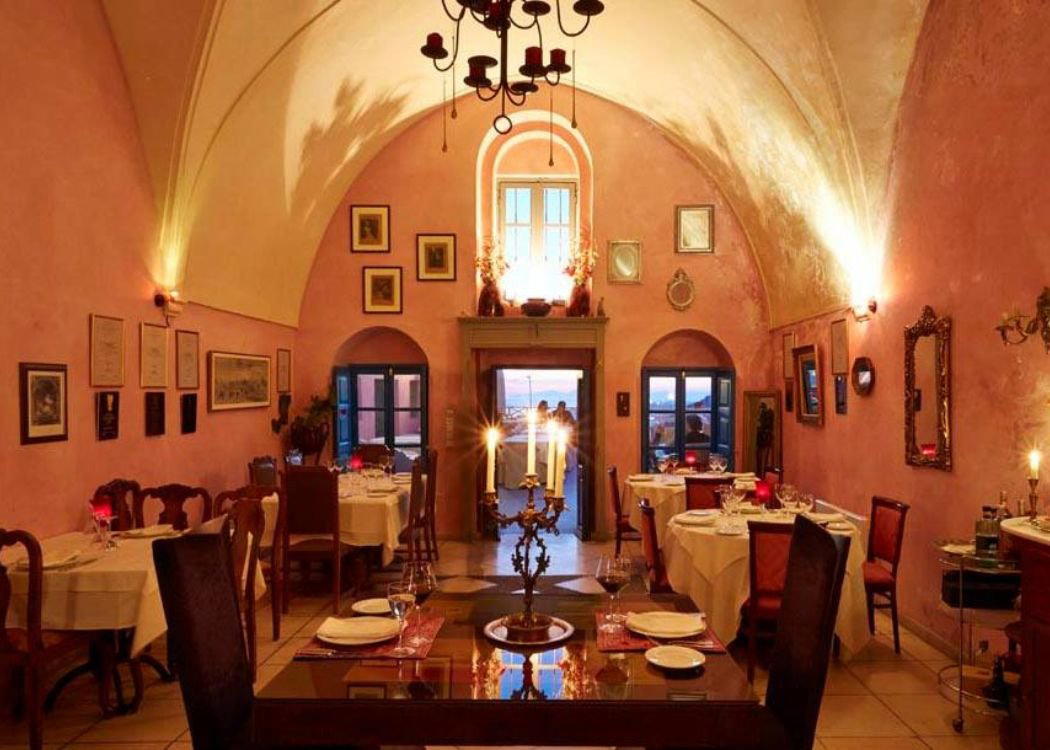
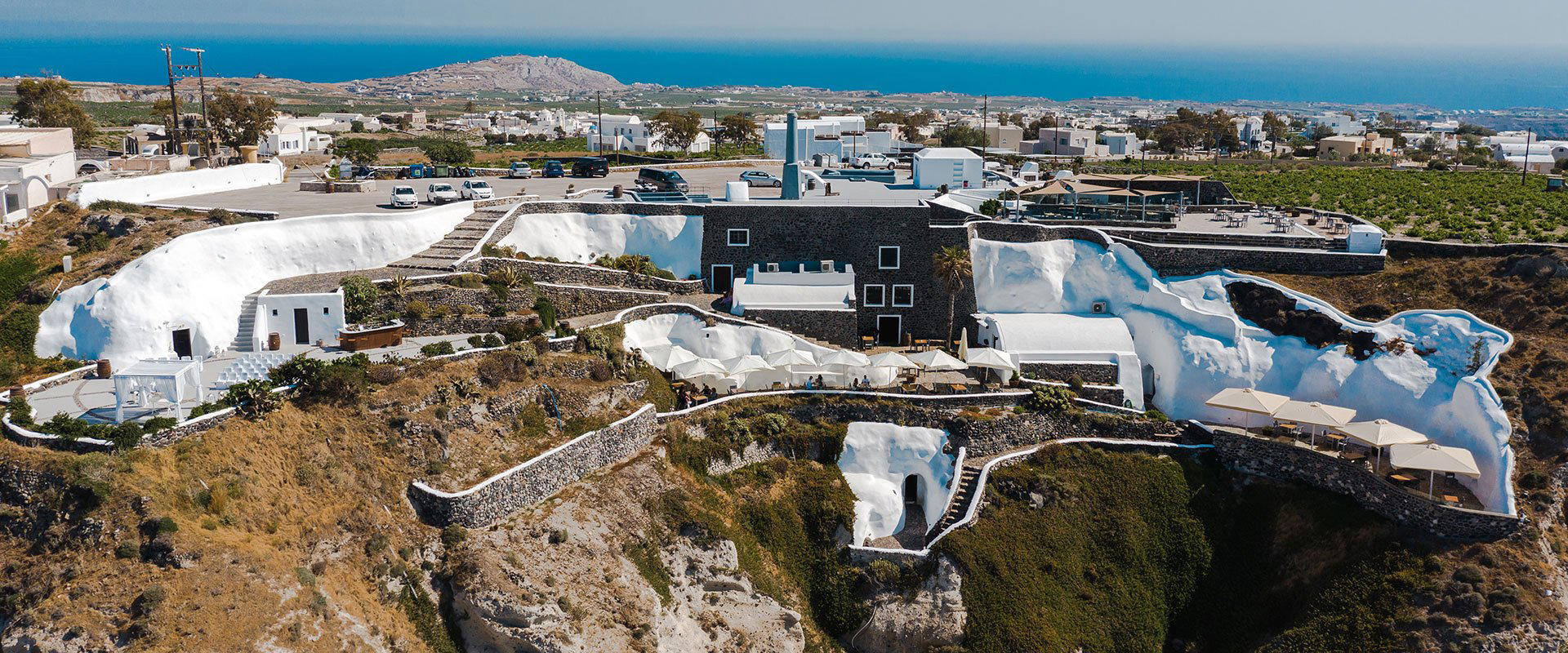
The Setting: A Monastery Turned Dining Room
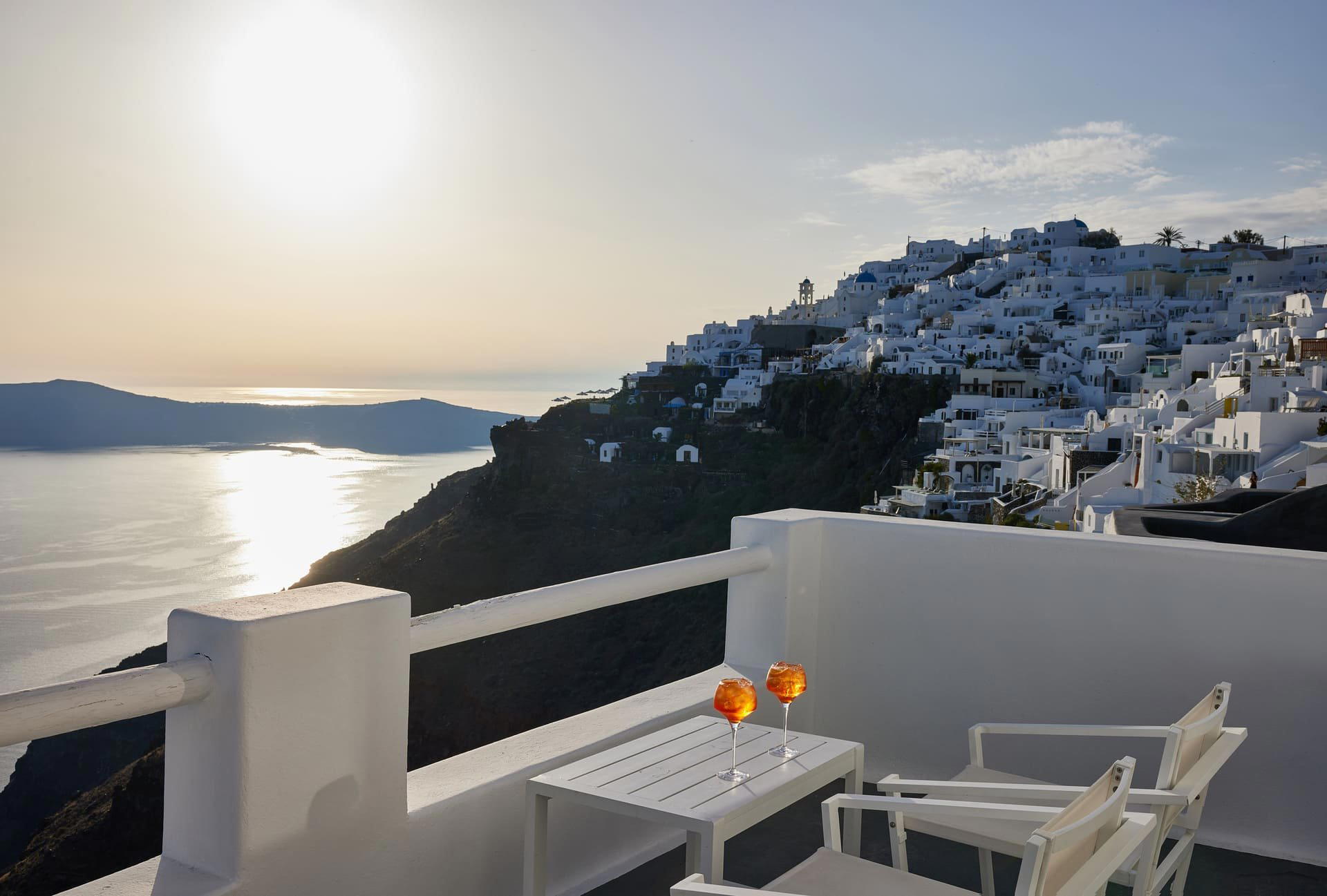
Fira's restaurant scene has a problem that most Greek island towns share: the drama of the view tends to overwhelm the food on the plate. The caldera panorama is so persuasive that kitchens can coast on it. What separates the handful of serious addresses from the terrace-and-taverna majority is a willingness to treat the food as the subject rather than the backdrop.
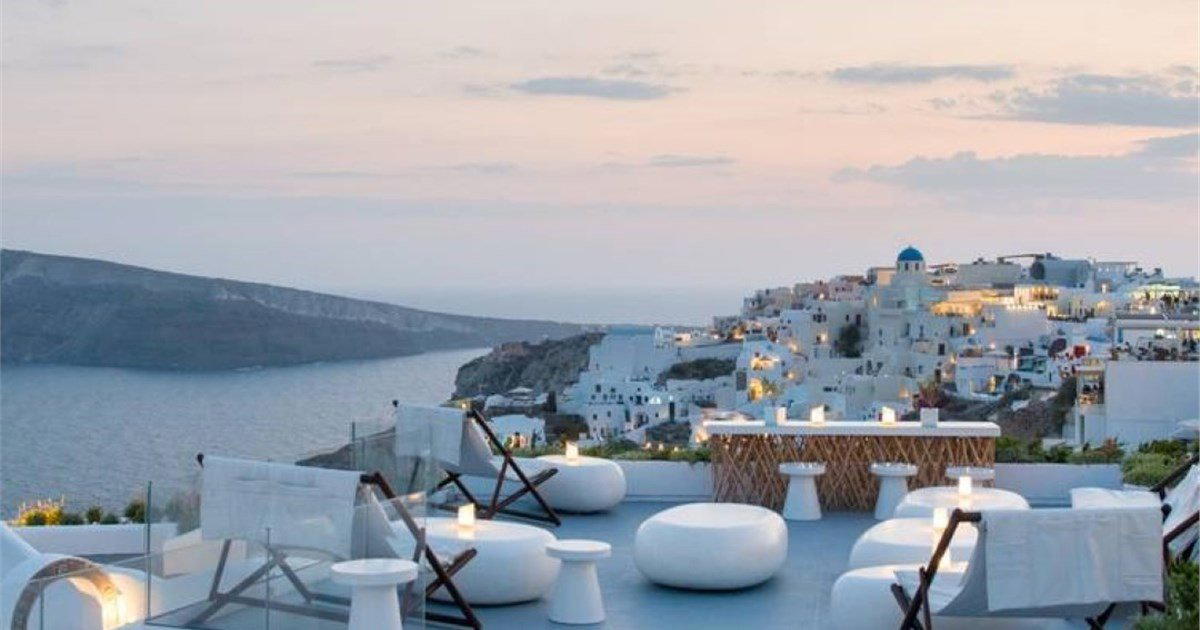
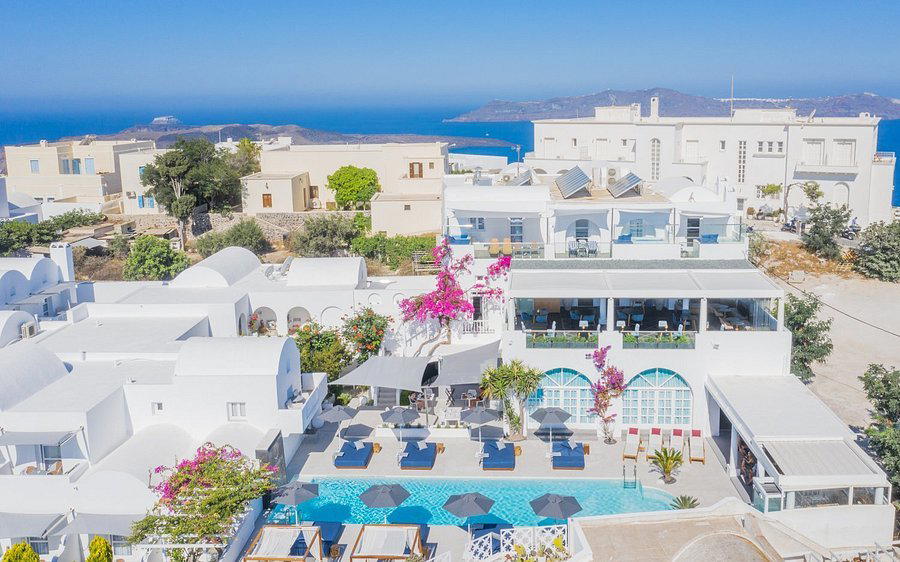
The building itself does a great deal of the work before service begins. An old Catholic monastery on the Fira hillside carries the kind of architectural weight that no amount of design budget can manufacture, thick volcanic stone walls, proportioned archways, the specific cool-and-quiet that comes from centuries of non-hospitality use. The transition from caldera-facing terrace to interior dining room marks a shift in register that frames the meal before the menu arrives. For anyone planning a visit, Fira is easily reached from most parts of Santorini by the island's main road network, and Katikies Garden sits within walking distance of central Fira's main square.
Thirty-Six Years in a Tradition That Keeps Reinventing Itself
Greek fine dining has had an awkward relationship with its own taverna inheritance. The classic Greek eating house, family-run, produce-led, unpretentious in presentation, is one of the most honest formats in Mediterranean cooking. For decades, Greek restaurants with fine dining ambitions felt they had to apologise for that inheritance, dressing the food in French technique to signal seriousness. The better operators in the current generation have moved past that tension, using the taverna's core logic (seasonal ingredients, regional specificity, communal generosity) as the foundation rather than something to be transcended.
Selene sits in that tradition with the confidence that 36 years of operation tends to produce. The contemporary Greek framing in Chef Ettore Botrini's kitchen does not abandon its roots for European fine dining conventions. Instead, it treats Aegean ingredients, Santorini's famously mineral-rich volcanic soil produces fava beans, cherry tomatoes, and white aubergines unlike those grown elsewhere in Greece, as the argument for the food's character. That specificity of place is what the leading Greek cooking has always had, and what the taverna tradition understood long before tasting menus made it a marketing point. For broader context on the island's contemporary dining scene, see our full Santori restaurants guide.
Chef Ettore Botrini and the Kitchen's Competitive Position
In Athens, addresses like Delta and Koukoumavlos in Fira itself occupy similar positions: serious wine programs, contemporary technique applied to Greek produce, pricing that reflects both ingredient quality and the cost of operating at this level. Botrini's background extends beyond Santorini, his family name is attached to Etrusco in Kato Korakiana, one of the Ionian islands' most recognised fine dining addresses, which gives some indication of the culinary lineage at work here.
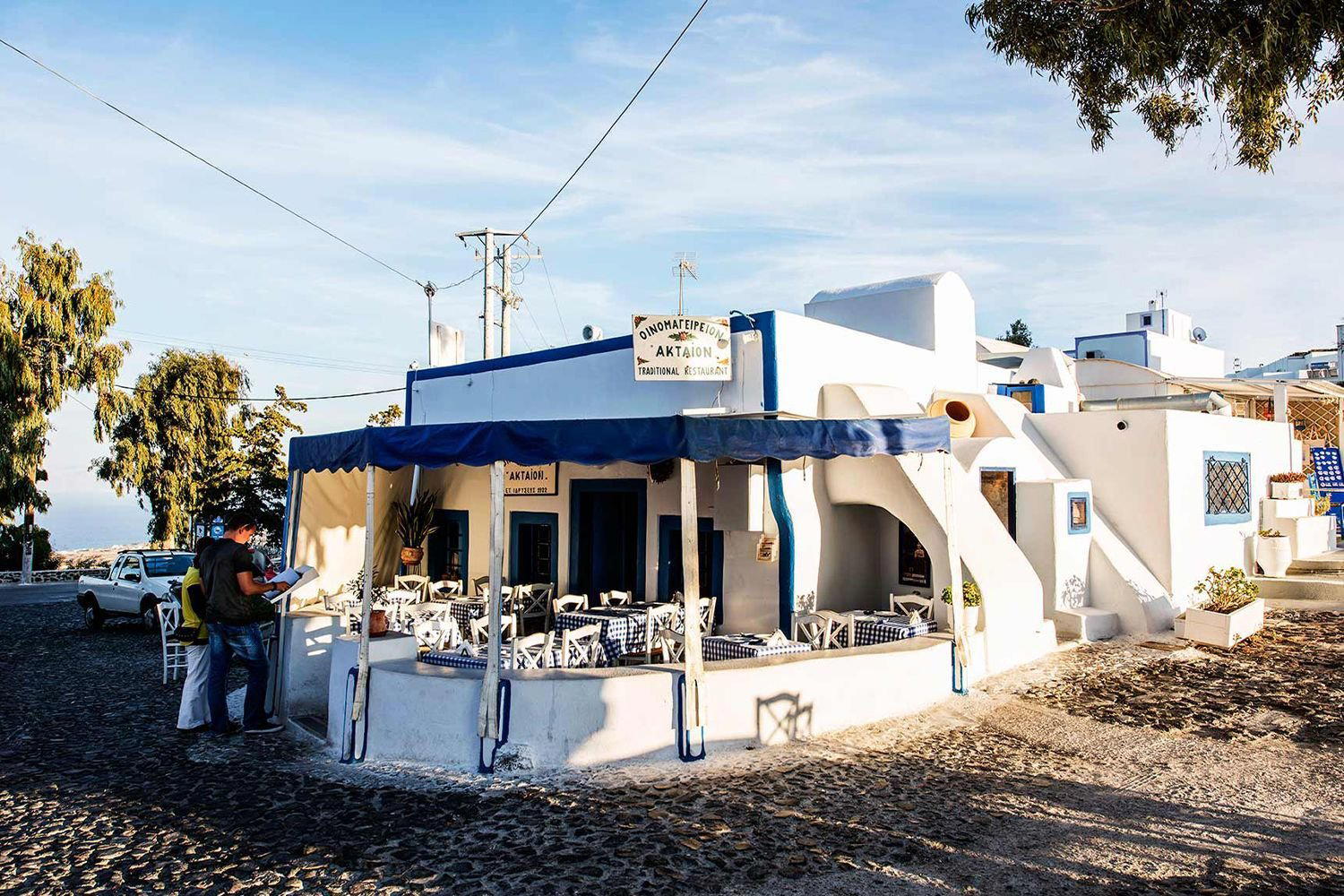
The 2025 Opinionated About Dining ranking places Selene at #494 among European restaurants, a list that weights critical and peer opinion rather than popularity metrics. That positioning puts it inside a competitive set that includes serious Greek addresses operating well beyond tourist-season convenience dining. On Santorini specifically, it sits alongside Lycabettus in Oia at the more formal end of island dining, while Aktaion in Firostefani represents a different, more casual approach nearby. For reference points elsewhere in the Greek islands, Almiriki in Mykonos and the Myconian Utopia Resort in Elia occupy broadly comparable positions in their respective markets, as does Olais in Kefalonia.
The Wine Program: A Serious Argument for Greek Bottles
Wine Director Yiannis Karakasis oversees a cellar of 3,000 bottles across 580 selections, with the list's primary strengths sitting in Greece, France, and Italy. The wine pricing is recorded at the $$$ tier, meaning the list carries significant depth above the $100-per-bottle mark, alongside broader range pricing. For a restaurant making a case for Greek fine dining, the composition of that list matters: a serious Greek wine program is both a statement of regional identity and a practical advantage, given that Santorini's Assyrtiko has built genuine international recognition over the past two decades as one of the Mediterranean's most distinctive white wine varieties.
A cellar of this depth on an island where most restaurants treat wine as an afterthought represents a real differentiator. It also contextualises the food menu in a way that a purely imported list would not. The combination of Botrini's contemporary Greek kitchen and Karakasis's list is what separates Selene from the category of view-first restaurants that dominate the Santorini market. For those exploring Santorini's wine culture beyond the table, our full Santori wineries guide covers the island's producers in detail.
Planning Your Visit
Selene serves both lunch and dinner, which gives it a flexibility that most fine dining addresses at this price point do not offer. Lunch in particular makes sense as a format on Santorini, where the island's characteristic afternoon light and the relative quiet before the evening crowd arrives can change the character of a meal considerably. General Manager Vasileios Koumpis oversees operations under owner Nikolaos Pagonis, and the front-of-house structure reflects the kind of long-running operation where roles are defined rather than fluid.
Given the restaurant's 36-year history and its placement in the OAD Europe ranking, reservations in high season (July through August) require advance planning. The $$$-tier pricing applies to the food menu as recorded; the wine list carries its own premium above that. For those building a broader Santorini itinerary, our Santori hotels guide, bars guide, and experiences guide cover the rest of the island's serious offerings. For comparable fine dining references at a global level, the technical ambition here sits in a different register from destination addresses like Le Bernardin in New York City or Atomix, but the regional specificity argument is the same: the leading reason to eat here is that the food could not convincingly exist anywhere else.
For an operation that has been running for nearly four decades, that consistency is itself an editorial argument.
Frequently asked questions
What is the overall feel of Selene?
Does Selene work for a family meal?
What is the signature dish at Selene?
In Context: Similar Options
| Venue | Cuisine | Price | Awards | Notes |
|---|---|---|---|---|
| SeleneThis venue (the venue you are viewing) | Contemporary Greek & Cycladic | $150–200 | Star Wine List · Wine Spectator Best of Award of Excellence | Not listed |
| Spondi | French with Greek Influences | $100–150 | 1 Michelin Star · La Liste Top Restaurants | Contemporary Greek, French |
| Tudor Hall | Contemporary | Not listed | Michelin 1 Star | Not listed |
| Botrini's | Greek Fine Dining | $100–150 | 1 Michelin Star · Star Wine List | Contemporary Greek, Mediterranean Cuisine |
| Hytra | Modern Greek Fine Dining | $100–150 | 1 Michelin Star · We're Smart World 4 Radishes | Modern Greek, Modern Cuisine |
| Aleria | Modern Greek Fine Dining | $100–150 | Michelin Plate · Star Wine List | Greek |
Recognition history
Dated appearances from independent guides and award organizations, with the underlying list record or original source where available.
Star Wine List
Star Wine List
Opinionated About Dining Top Restaurants in Europe Recommended
Opinionated About Dining
Wine Spectator Best of Award of Excellence
Wine Spectator
Full recognition history (5 entries)
Opinionated About Dining Top Restaurants in Europe Ranked #494
Opinionated About Dining
Wine Spectator Best of Award of Excellence
Wine Spectator
Continue exploring
More in Santorini
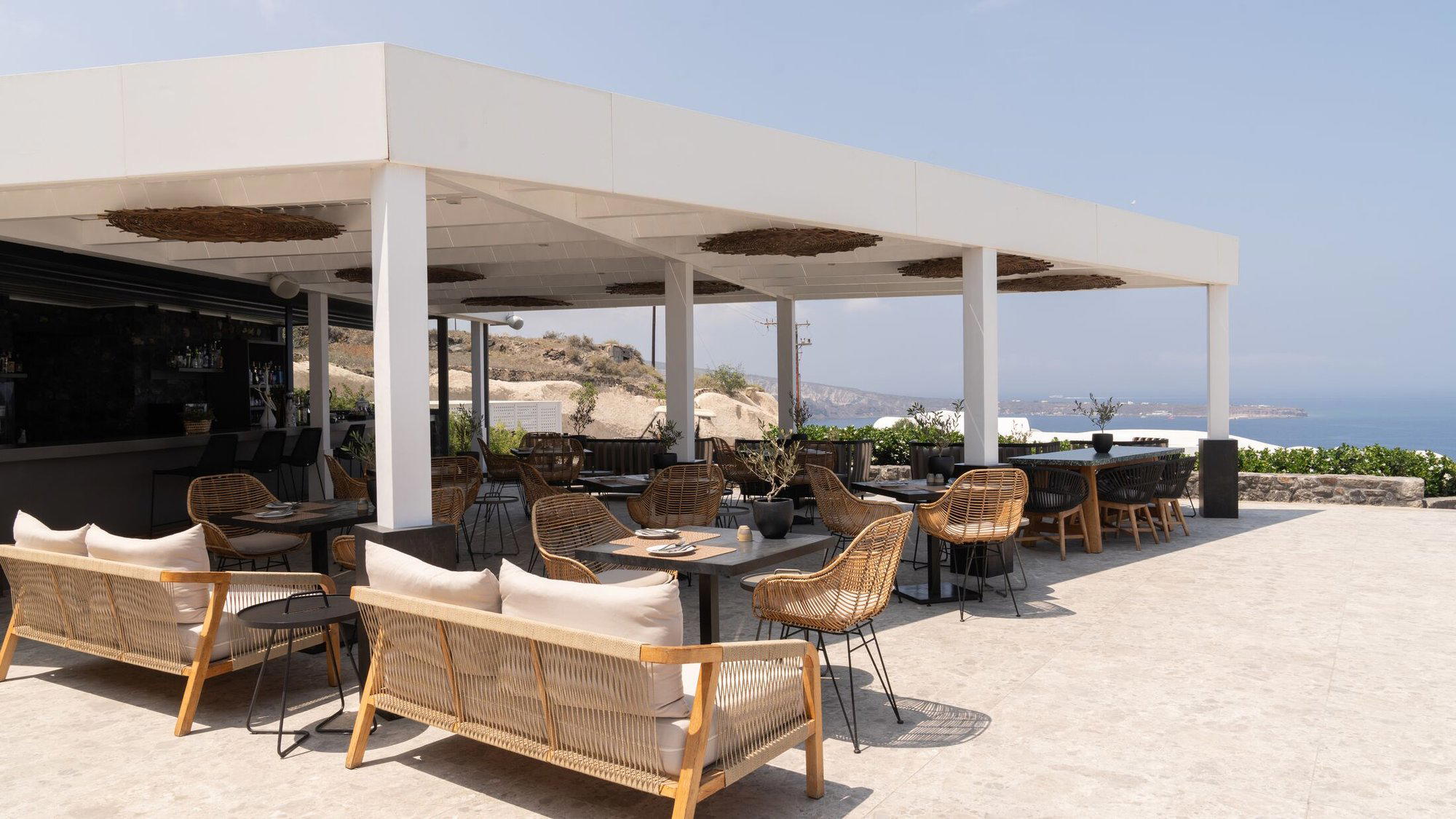
Restaurants in Santorini
All restaurants in Santorini →
Bars in Santorini
All bars in Santorini →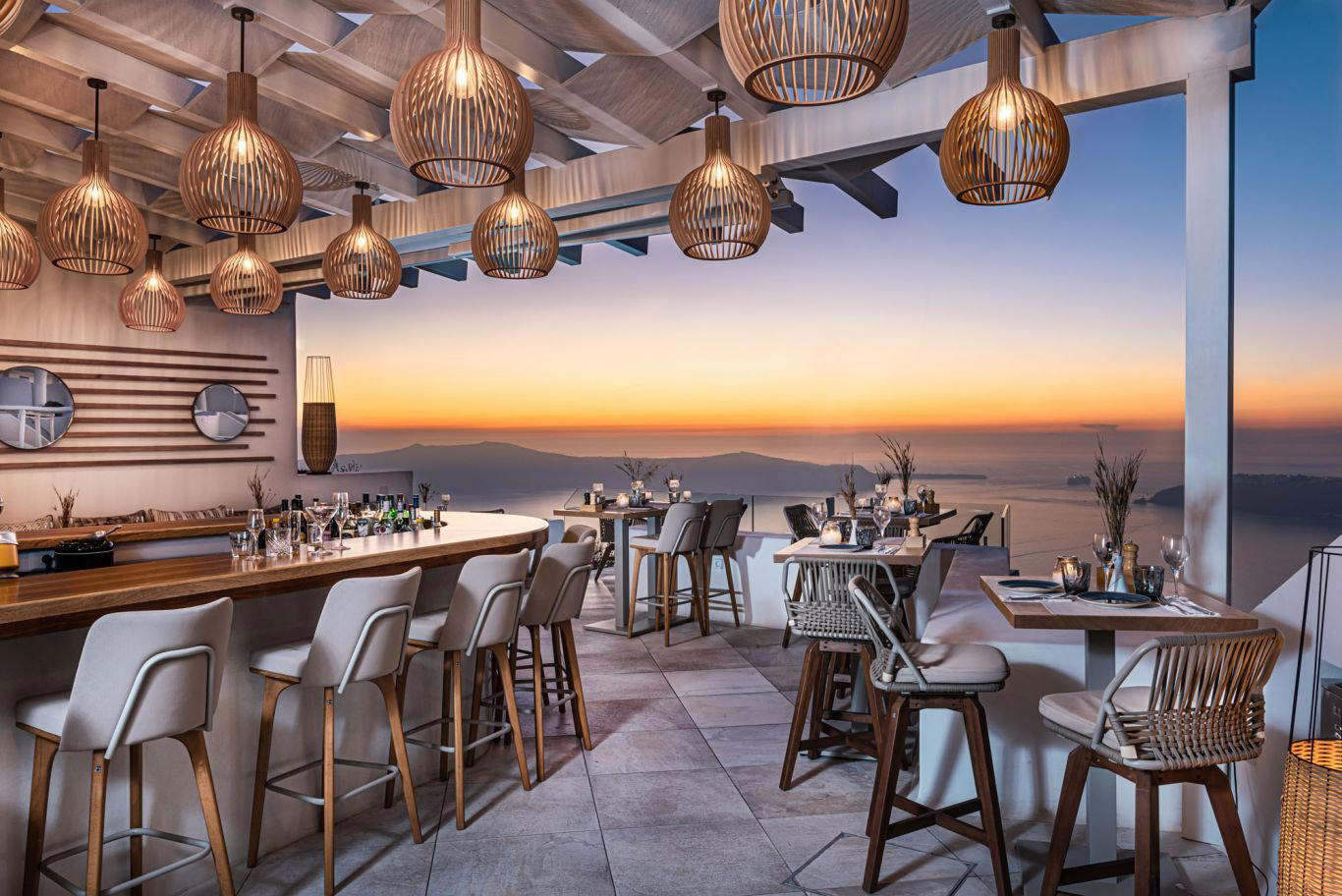
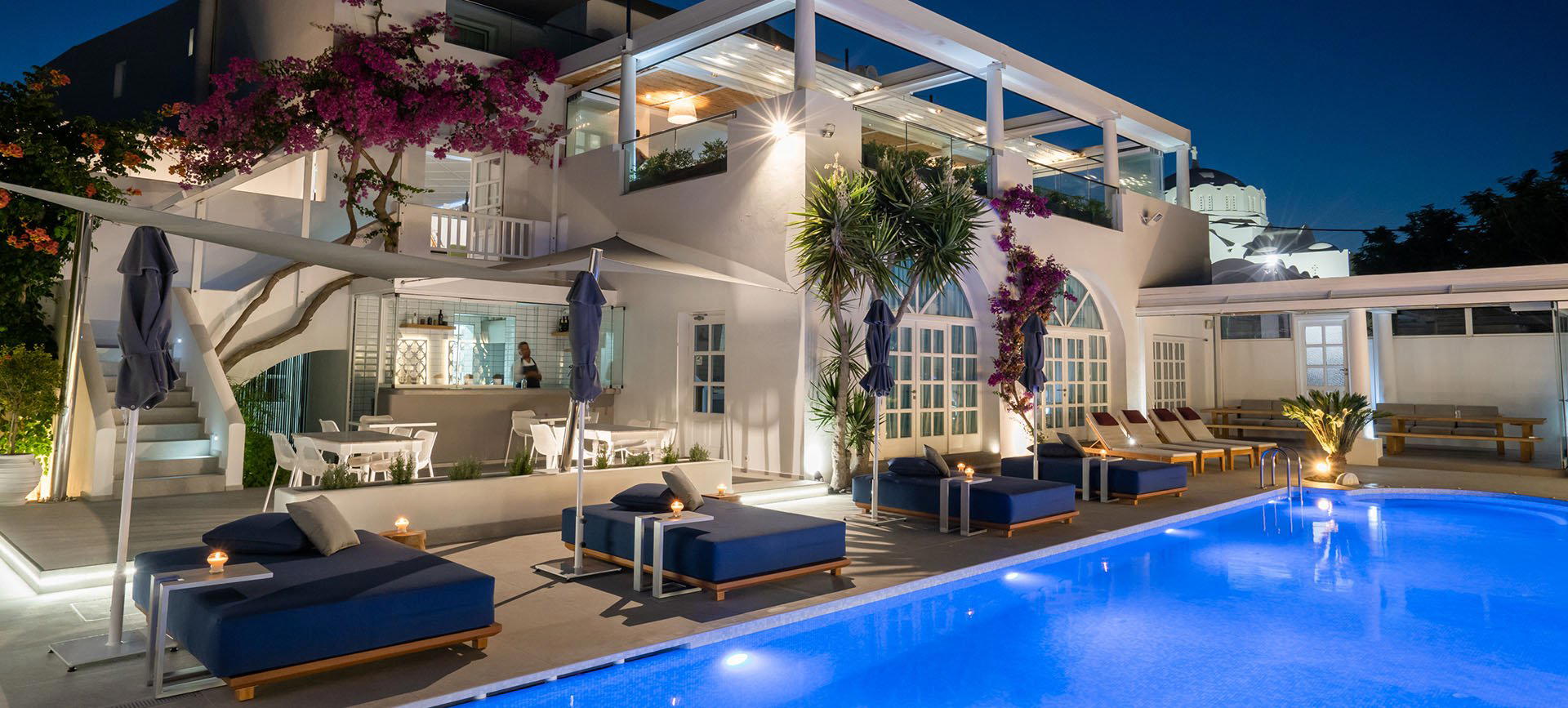
Hotels in Santorini
All hotels in Santorini →
Selene
The wine
Selene holds the Wine Spectator Best of Award of Excellence, which Wine Spectator gives to lists of usually 350 or more selections.
- Wine program
- Deep wine list
- Wine Spectator
- Wine Spectator Best of Award of Excellence
- Selections
- 580
- Bottles in cellar
- 3,000
- List strengths
- Greece, France, Italy
- Wine director
- Yiannis Karakasis
- Extensive wine list
- Sommelier-led
Details
- Romantic
- Elegant
- Sophisticated
- Date Night
- Special Occasion
- Courtyard
- Open Kitchen
- Historic Building
- Extensive Wine List
- Sommelier Led
- Local Sourcing
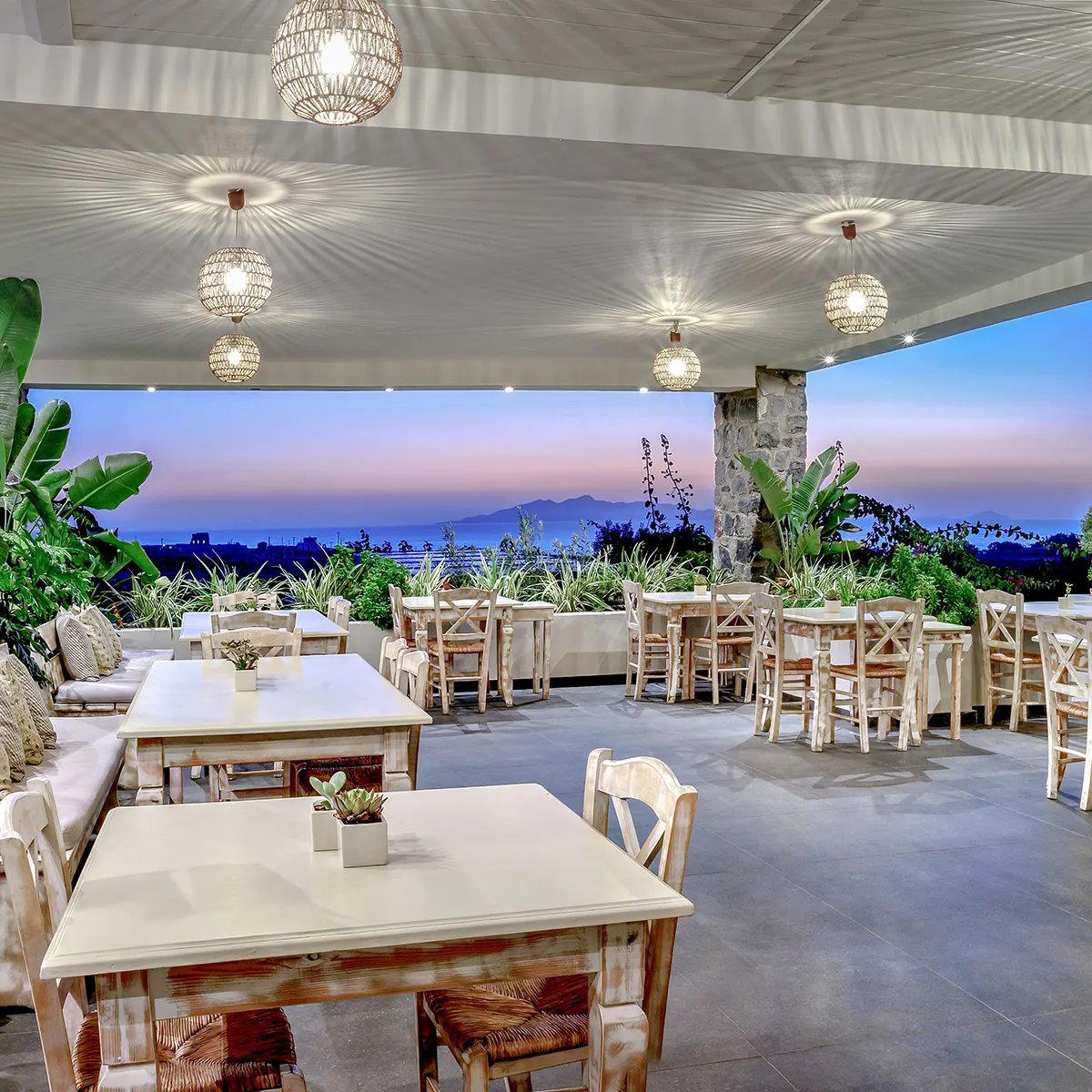
Picturesque courtyard with palm trees, fountain, and relaxed romantic atmosphere under open skies.