Alati
In Megalochori, one of Santorini's quieter inland villages, Alati occupies the kind of unhurried setting the island's caldera-facing restaurants have largely abandoned. The kitchen draws on the volcanic soil and maritime proximity that define Cycladic ingredient culture, placing it in a dining tradition that runs deeper than the view. A useful anchor for visitors seeking something beyond the sunset-terrace circuit.
Pearl is the En Primeur Club membership app — saves, bookings, and concierge access live there. Same editors, same standards.
- Address
- Megalochori 847 00, Greece
- Phone
- +302286081796
- Website
- vedema.gr
- Directions
- Get directions
 Saves & bookings on Pearl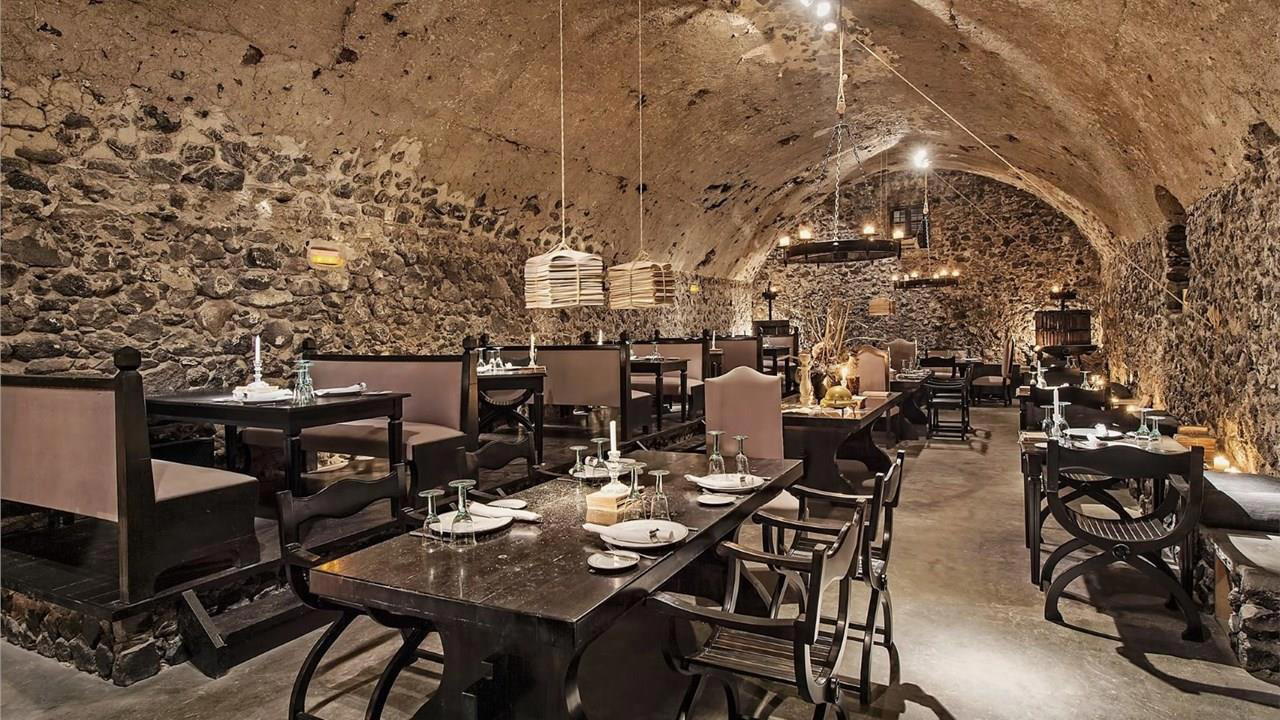
Megalochori and the Case for Eating Inland
Santorini's dining reputation is built almost entirely on altitude and light. The caldera edge draws the crowds, and the restaurants that line it price accordingly, often treating the view as a substitute for culinary rigour. Megalochori sits apart from that logic. One of the island's most intact traditional villages, it retains the whitewashed courtyard architecture and slower rhythms that much of Santorini traded away during the tourism acceleration of the 1990s and 2000s. Eating here means opting out of the spectacle economy, which tends to concentrate the visitor who is actually interested in what's on the plate. Alati operates in that context, in a setting where the physical environment works quietly rather than dramatically.
The village itself is a ten-to-fifteen minute drive south of Fira, accessible by car or scooter along the main island road. It is worth arriving with enough time to walk the narrow lanes before sitting down. The built environment does a great deal to calibrate expectations: bell towers, vine-draped passages, and the particular silence of a Cycladic afternoon all condition how food tastes.
What Grows Here, and Why It Matters
Santorini's agricultural identity is more specific than most Greek islands. The volcanic caldera soil, low in organic matter but high in minerals, produces ingredients that carry a distinctly saline, concentrated character. The island's Assyrtiko grape is well-documented expression of this terroir, but the same logic extends to the kitchen: fava from Santorini (a protected designation product made from yellow split peas rather than broad beans) carries an earthiness and sweetness absent in mainland versions, and the island's cherry tomatoes, sun-dried on rooftop terraces through August, develop a depth that fresh tomatoes from irrigated mainland soils simply do not replicate.
This ingredient specificity is what separates the more serious Cycladic kitchens from those operating on imported produce dressed with local aesthetic. Across the Greek islands, the restaurants that hold up to scrutiny over multiple visits tend to be those with short, legible supply chains rooted in what the land and sea around them actually produce. Selene in Santorini has built its reputation over decades on exactly this principle, becoming a reference point for ingredient-led Greek cooking on the island. Aktaion in Firostefani operates in a similar register, closer to the caldera but with comparable seriousness about sourcing. Alati sits in this broader tradition, in a village whose agricultural surroundings remain more present than in the resort-heavy north.
The Cycladic Ingredient Tradition in Practice
Understanding where Santorini's kitchen sits within Greek cuisine more broadly requires some frame of reference. Contemporary Greek cooking in Athens, as demonstrated by venues like Delta and Selene, has moved toward a precise, technique-forward idiom that treats Greek ingredients as raw material for modern composition. Island cooking tends to preserve a different relationship with those ingredients, one where simplicity is a method rather than a limitation. The leading taverna cooking on Santorini is not unsophisticated; it is disciplined in a way that requires excellent raw material, because there is nowhere to hide.
The Cyclades more broadly sustain a strong tradition of this kind. Cantina in Sifnos and Margiora in Kythnos both represent the island cooking tradition where local sourcing and restrained technique are understood as inseparable. On Kefalonia, Olais operates in a similar spirit. What these places share is a kitchen orientation that begins with what is available locally rather than with a menu concept that could theoretically be executed anywhere.
Further afield, this sourcing-first philosophy appears in different registers. Etrusco in Kato Korakiana on Corfu applies it to a longer-form tasting format. Athenolia in Kyparissia anchors its menu to Peloponnese olive culture. Salis in Chania does the same for Cretan produce. The pattern across all of them is that the ingredient's provenance is load-bearing information, not decoration.
Placing Alati in Santorini's Dining Tier
Santorini's restaurant market has stratified sharply over the past decade. At the upper end, caldera-facing venues with international positioning command prices comparable to destination restaurants in Paris or New York. Mid-tier venues in less photogenic locations often deliver comparable or better cooking at meaningfully lower prices, because they are not subsidising the real estate of the view. Megalochori sits in the latter category by geography alone, which tends to self-select a clientele with different priorities.
Among the Greek islands, the restaurants drawing sustained critical attention tend to be those that resist the view-premium model. Almiriki in Mykonos and To Psaraki in Vilcahda have both built followings on the back of kitchen quality rather than setting spectacle. Old Mill in Elounda takes a different approach again, integrating heritage architecture with serious cooking in a way that earns its premium on substance. The common thread is that the kitchen, not the postcard backdrop, is doing the primary work.
Planning a Visit
Megalochori is most comfortably visited between late April and October, when the village remains at its easiest to enjoy before the August peak compresses everything. Arriving by car or scooter is the practical choice; the village is not on a main bus route and taxis from Fira involve the usual island wait times in high season. Reservations are essential year-round. Myconian Ambassador in Platis Gialos and Myconian Utopia in Elia provides a useful point of contrast, as does the resort-integrated kitchen at Avaton in Halkidiki. Across all formats, the principle holds: kitchens that position themselves away from the tourist spectacle economy tend to focus more on the plate.
Fast Comparison
Comparable venues nearby, for context on price, style, and recognition.
| Venue | Cuisine | Price | Notes |
|---|---|---|---|
| AlatiThis venue — the venue you are viewing | Modern Greek Fine Dining | $$$$ | Not listed |
| Fanari Restaurant - Oia | Modern Greek Fine Dining | $$$$ | Oia |
| Black Rock Restaurant | Post-Modern Greek Fine Dining | $$$$ | Oia |
| The Athenian House | Modern Greek Fine Dining | $$$$ | Imerovigli |
| Pavilion Restaurant | Refined Greek Fine Dining | $$$$ | Elia |
| Dinner in the Sky Athens | Modern Greek Fine Dining | $$$$ | Thiseio |
Continue exploring
More in Megalochori
Restaurants in Megalochori
Browse all →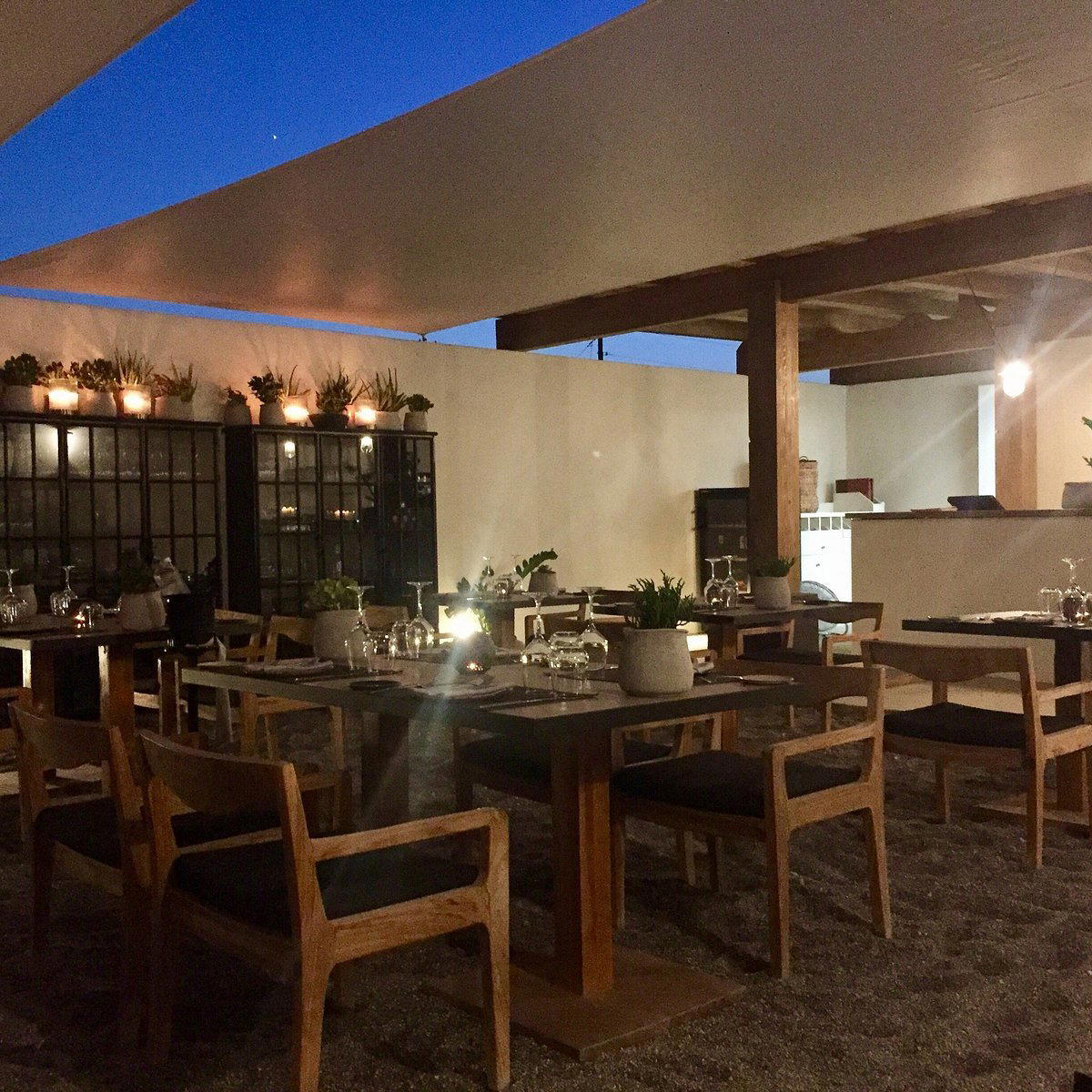
Hotels in Megalochori
Browse all →
At a Glance
- Romantic
- Elegant
- Sophisticated
- Scenic
- Date Night
- Special Occasion
- Celebration
- Wine Cellar
- Terrace
- Historic Building
- Hotel Restaurant
- Panoramic View
- Extensive Wine List
- Sommelier Led
- Local Sourcing
- Farm To Table
- Organic
- Vineyard
- Street Scene
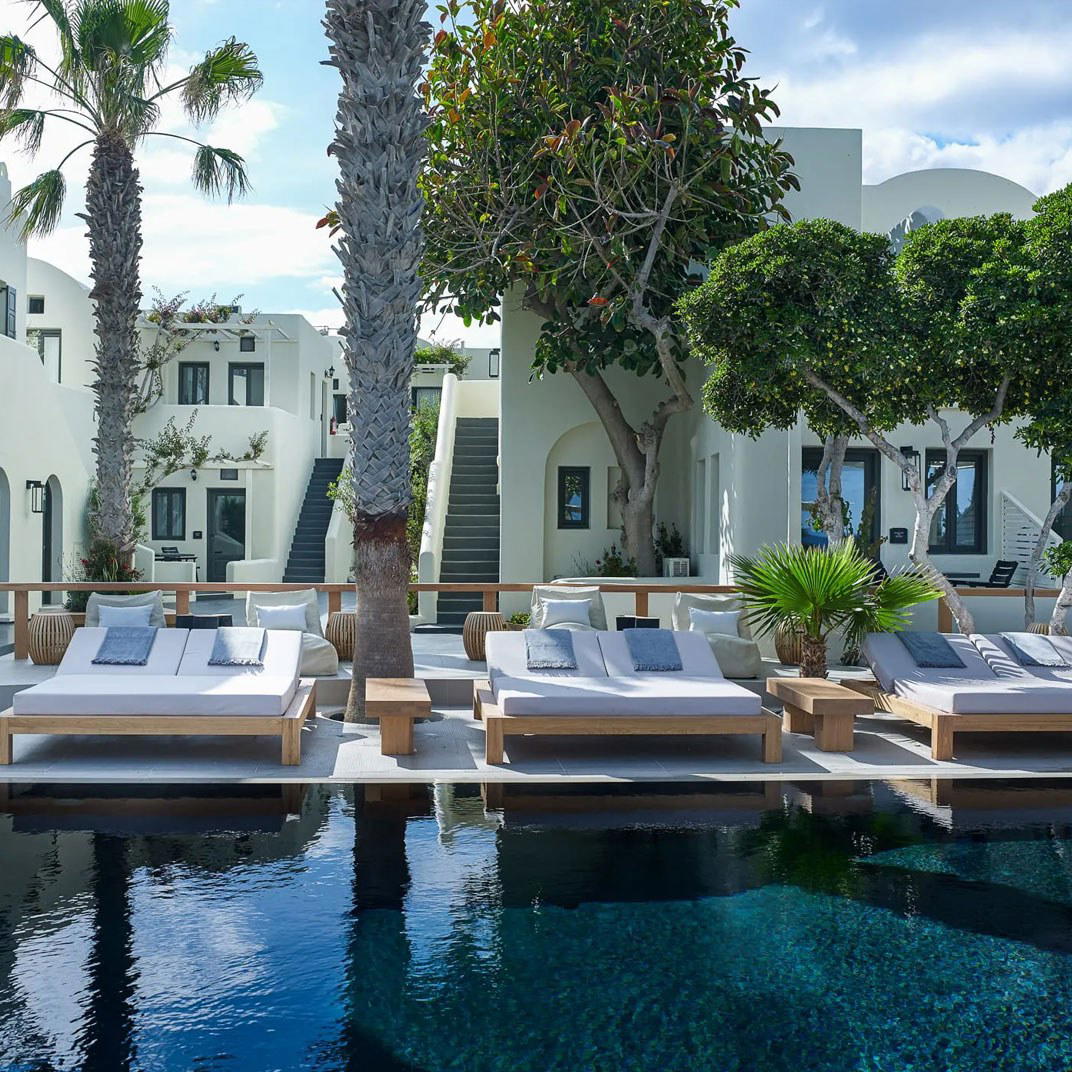
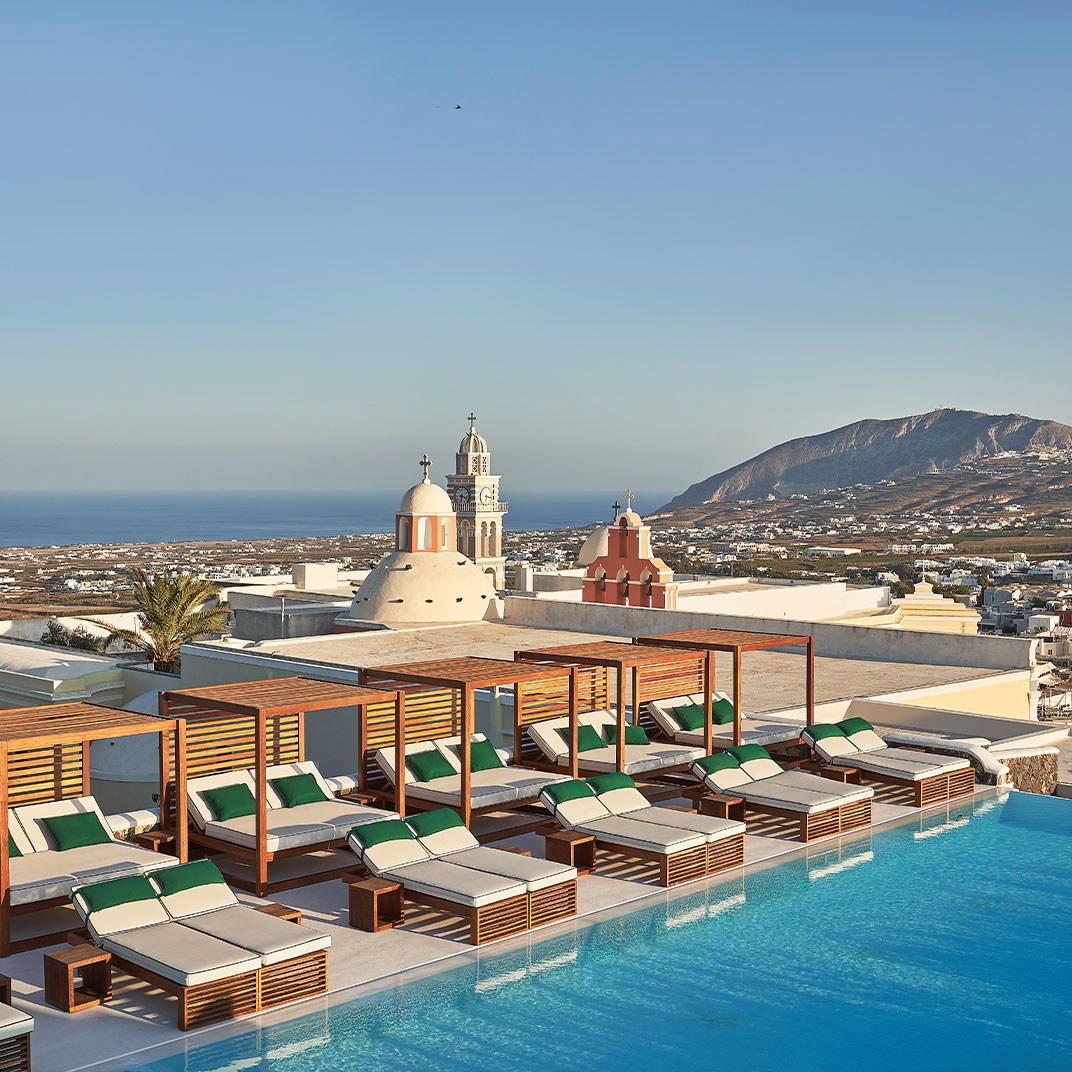
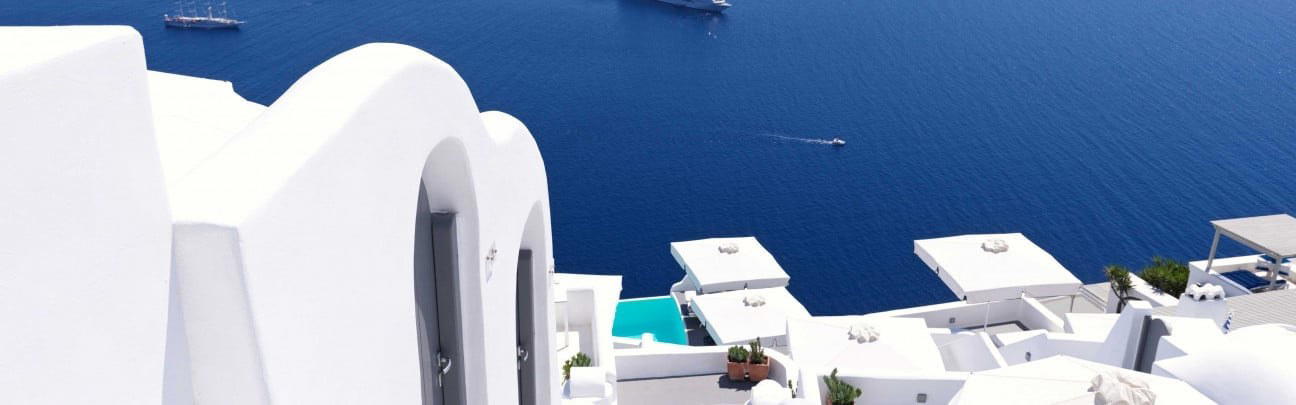
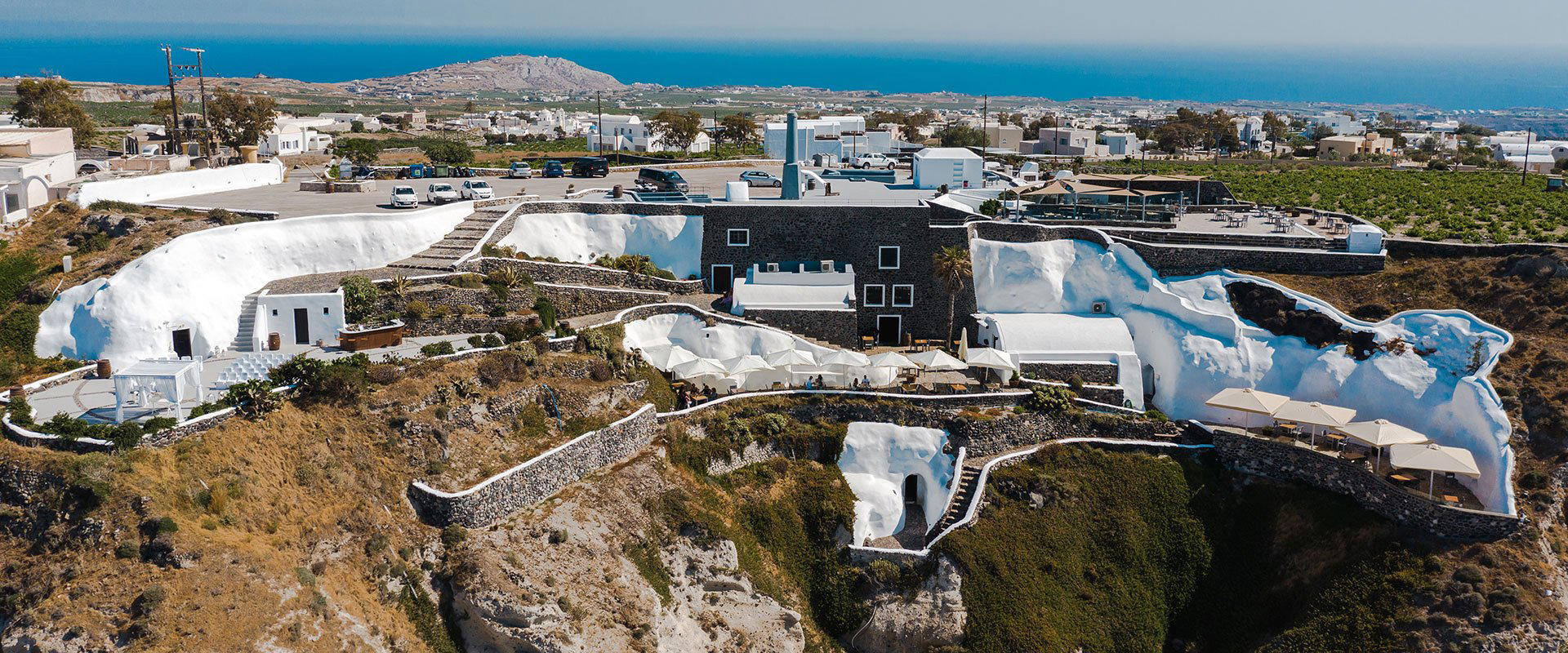
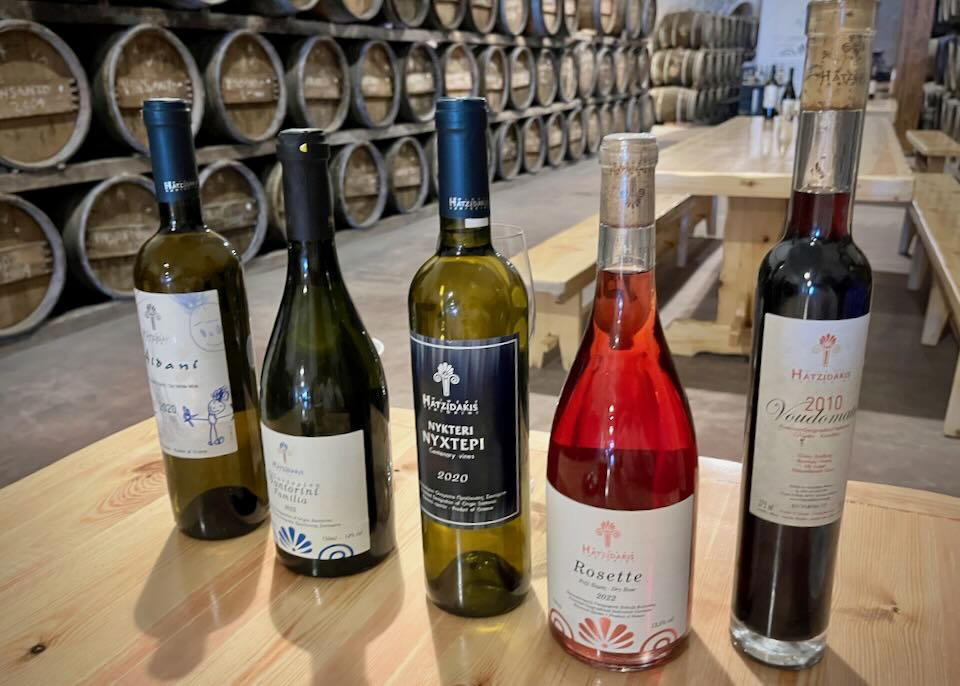
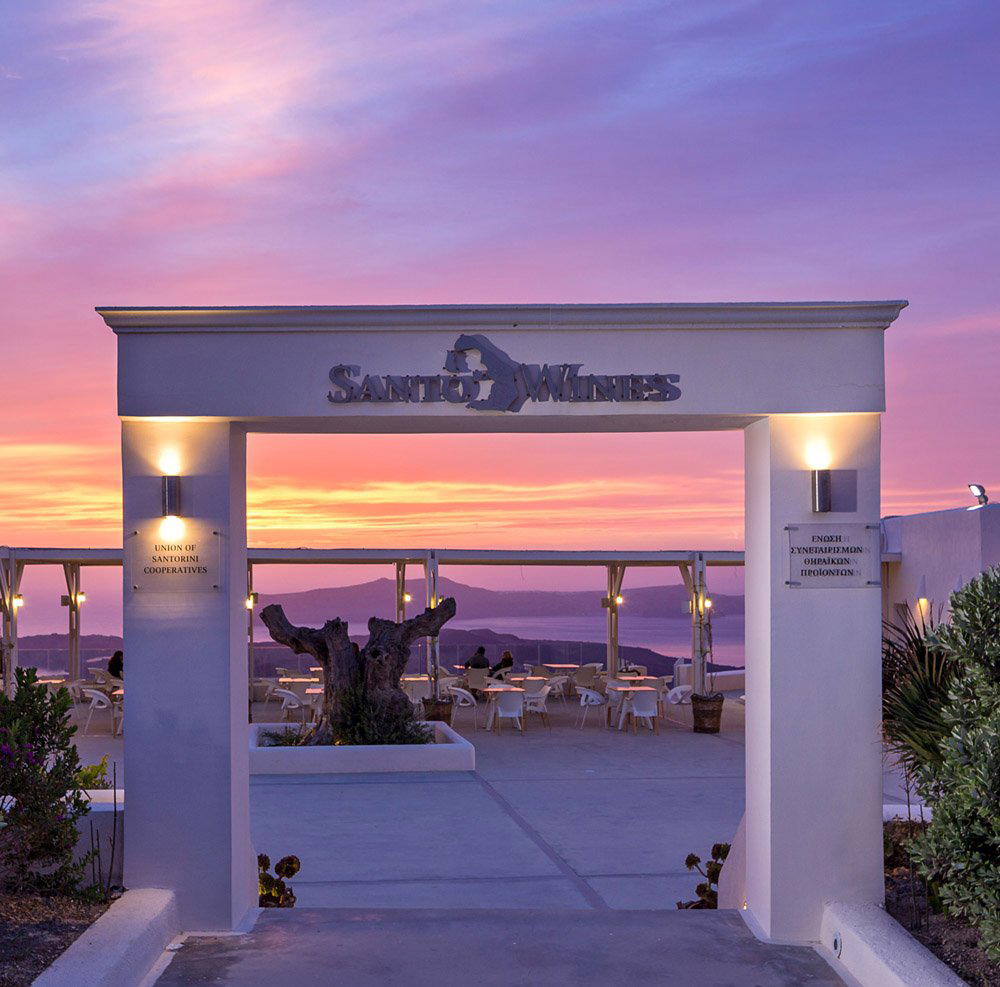
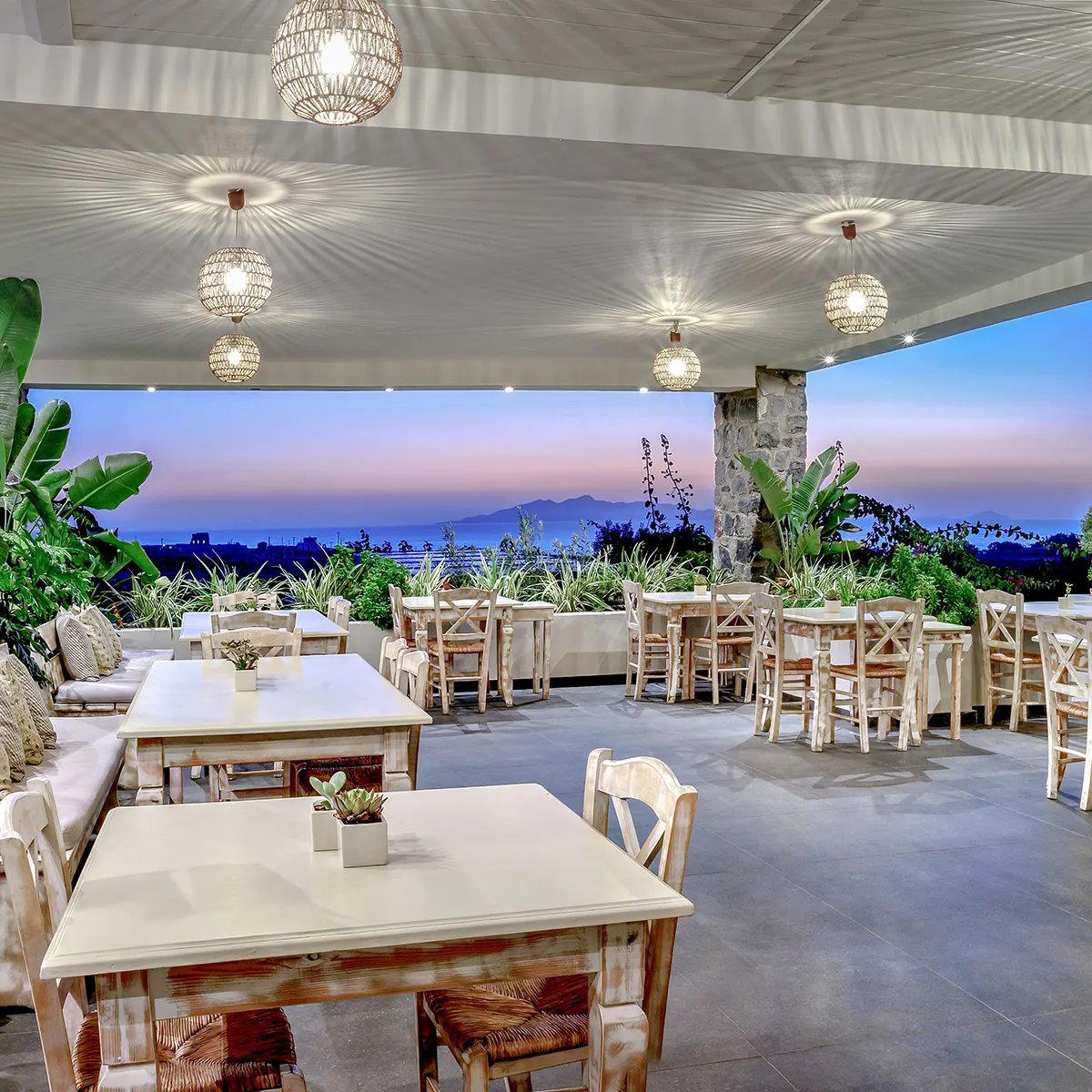
Atmospheric and refined with candlelit historic stone interiors in the cellar, elegant terrace seating with warm and inviting service creating an intimate yet sophisticated setting.