
Bruno Giacosa in Neive sits among the most closely watched addresses in Piedmont wine. The estate, built around the Langhe's most demanding nebbiolo sites, earned a Pearl 4 Star Prestige rating in 2025. For collectors tracing the arc of Barolo and Barbaresco, this is a foundational reference point.
 Discover on Pearl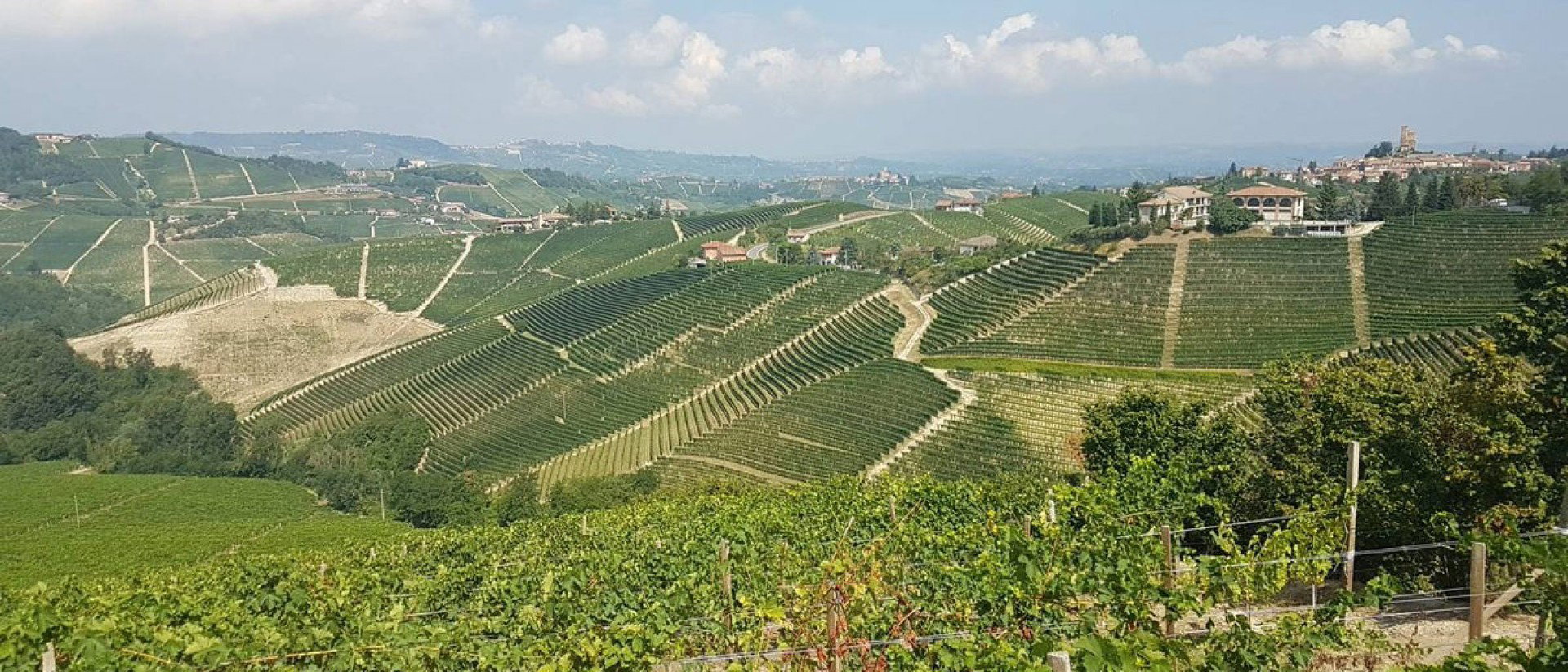
The village of Neive sits on a ridge above the Tanaro valley, its stone houses looking south toward Barbaresco's commune and north toward the broader sweep of the Langhe hills. On a clear morning in autumn, when the fog sits in the valley floor and the sun catches the upper vineyards, it becomes obvious why this corner of Piedmont produces wine with the particular density and aromatic complexity that made the region famous. The address at Via XX Settembre, 52 is not a converted farmhouse made over for tourism. It is a working winery, and that distinction shapes every aspect of the visit.
Nebbiolo and the Neive Terroir
To understand what Bruno Giacosa represents, it helps to understand what nebbiolo does in the Langhe and why the communes of Neive and Barbaresco produce results that diverge so clearly from the Barolo zone to the southwest. Nebbiolo is one of the more site-sensitive varieties in Europe. It ripens late, demands well-drained calcareous marl soils, and responds sharply to altitude and aspect. In the Barolo communes around La Morra and Castiglione Falletto, the soils tilt toward Helvetian and Tortonian deposits that produce wines with different structural signatures than the soils of Neive and Treiso, which anchor the Barbaresco appellation. The Barbaresco communes generally produce nebbiolo with a tighter aromatic frame in youth and a capacity for mid-palate finesse that differs from Barolo's more muscular profile, though this comparison has been overstated historically and both appellations now produce across a wide range of styles.
The shortlist, unlocked.
Hard-to-book tables, cellar releases, and concierge-planned trips.
Get Exclusive Access →Within Neive specifically, the cru vineyards that carried Giacosa's reputation, most notably Albesani and Santo Stefano di Neive, occupy aspects that channel the afternoon sun while sitting at elevations that preserve acidity. The result is a harvest window that, in strong vintages, produces fruit with enough concentration to support long aging without the softness that warmer, lower sites can introduce. That combination of structure and aromatic precision is the geological argument for why these wines have attracted the collector attention they have over decades.
The Estate's Position in Piedmont Wine
Among the estates that shaped how the international wine trade understood Barolo and Barbaresco in the second half of the twentieth century, Giacosa occupies a particular position. The winery received a Pearl 4 Star Prestige rating in 2025, placing it in a peer set that includes the most formally recognised producers in Italy. For context, estates in comparable standing across other Italian regions include L'Enoteca Banfi in Montalcino, Poggio Antico, and further afield, Lungarotti in Torgiano, each of which anchors its regional identity in a different way but shares the characteristic of having defined what is possible in its appellation over multiple generations.
The Giacosa name is inseparable from the tradition of selecting across multiple communes rather than farming a single estate. The model of purchasing grapes from growers in benchmark sites, then vinifying them separately, was not unique to this producer, but the consistency of the selections across difficult and easy vintages alike became a reference point for how the appellation could be tracked over time. That approach now sits alongside a different generation of estate-grown production, and the two philosophies coexist within the broader Barbaresco peer group. For comparison, Aldo Conterno in Monforte d'Alba represents the estate-farming model applied to Barolo with similar rigour, while Giacosa built its identity partly through the selector's eye for raw material across the appellation.
Winemaking Philosophy and the Long-Aging Tradition
The Langhe's traditional winemaking argument, extended maceration times and large Slavonian oak casks for aging, has been challenged and partially revised over the past thirty years by producers who adopted shorter macerations and small French barriques. The resulting split in Barolo and Barbaresco into broadly "traditional" and "modernist" camps became one of the more discussed stylistic debates in Italian wine. Giacosa sat clearly in the traditional camp, with extended cask aging that required patience from both the producer and the buyer. This approach imposes real commercial constraints: wine tied up in barrel for two or three years cannot respond quickly to market movements, and the wines released are typically not accessible for several more years after purchase. For collectors, that timeline is part of the value proposition. For casual visitors, it means that what you encounter on a cellar visit is wine at a specific and often very early stage of its development.
That same commitment to slow, cask-based maturation connects the Giacosa approach to producers in other Italian regions who work with long-aging varieties. Castello di Volpaia in Radda in Chianti and Planeta in Menfi both move through the same tension between traditional aging protocols and a wine market that has grown more comfortable with earlier-drinking styles. The difference is that nebbiolo from Barbaresco requires the aging commitment more than most varieties, and Giacosa's archive of older releases makes that argument empirically rather than theoretically.
Neive as a Base for the Langhe
Visiting the estate means being in Neive, which is one of the four communes of the Barbaresco DOCG and one of the smaller hilltop villages in the Langhe that has preserved its character without heavy tourist infrastructure. The village is accessible from Alba, approximately ten kilometres to the southwest, making it a practical base for a broader Langhe itinerary that might include Barbaresco's tower, the vineyards of Treiso, or the grappa producers nearby. Distilleria Romano Levi operates in the same village and offers a complementary angle on Piedmontese production traditions. For spirits producers further afield, Nonino Distillery in Pavia di Udine and Poli Distillerie in Schiavon show how the grappa tradition extends across northern Italy.
The grape harvest in the Langhe typically runs from late September through October, with nebbiolo the last variety picked. Visiting in this window means encountering the vineyards at maximum intensity, though it also means the roads and villages are at their most congested. Late November through early spring offers a quieter visit with the vineyards pruned back to bare canes against the winter fog. Our full Neive guide covers the broader village context, including where to eat and what else to visit in the commune.
Planning Your Visit
The winery sits at Via XX Settembre, 52 in Neive, a short walk from the medieval centre. As with most serious Piedmontese wine estates, visits are not casual walk-in affairs. The production focus and the small-volume nature of the wines mean that access to tasting and cellar space is managed carefully. Appointments should be arranged in advance, ideally several weeks ahead, particularly during harvest season and in the spring when trade buyers are active. The website and phone details are not publicly listed in the standard directories, so initial contact is leading made through wine trade contacts, specialist Italian wine importers, or through collector networks where existing relationships with the estate can facilitate introductions.
For comparison, similar booking discipline applies at Accendo Cellars in St. Helena and at Ca' del Bosco in Erbusco, where production reputation has created demand that exceeds casual visitor capacity. For collectors who prefer to encounter these wines through a retail or restaurant lens before committing to a cellar visit, the better Langhe restaurants in Alba and Barbaresco carry vertical stocks that allow a preliminary read on how specific vintages are developing.
The shortlist, unlocked.
Hard-to-book tables, cellar releases, and concierge-planned trips.
Get Exclusive Access →Frequently Asked Questions
Fast Comparison
These are the closest comparables we have in our database for quick context.
| Venue | Cuisine | Price | Awards | Notes |
|---|---|---|---|---|
| Bruno Giacosa | This venue | |||
| L'Enoteca Banfi | ||||
| Poggio Antico | ||||
| Antinori nel Chianti Classico | ||||
| Argiano | ||||
| Biondi-Santi Tenuta Greppo |
Access the Cellar?
Our members enjoy exclusive access to private tastings and priority allocations from the world's most sought-after producers.
Get Exclusive AccessThe shortlist, unlocked.
Hard-to-book tables, cellar releases, and concierge-planned trips.
Get Exclusive Access →