
Falstaff Winery - 5 Stars
Bartolo Mascarello is a small family cellar in Barolo where traditional Nebbiolo remains the point: blended Barolo from Canubbi, San Lorenzo, Rue and Rocche di Annunziata, fermented in old concrete and aged in large neutral botti. The interest here is not spectacle but terroir discipline, a working model of Barolo before barrique polish and single-cru branding became dominant.

Pearl is the En Primeur Club membership app — saves, bookings, and concierge access live there. Same editors, same standards.
- Address
- Barolo, Piedmont, Italien
- Directions
- Get directions
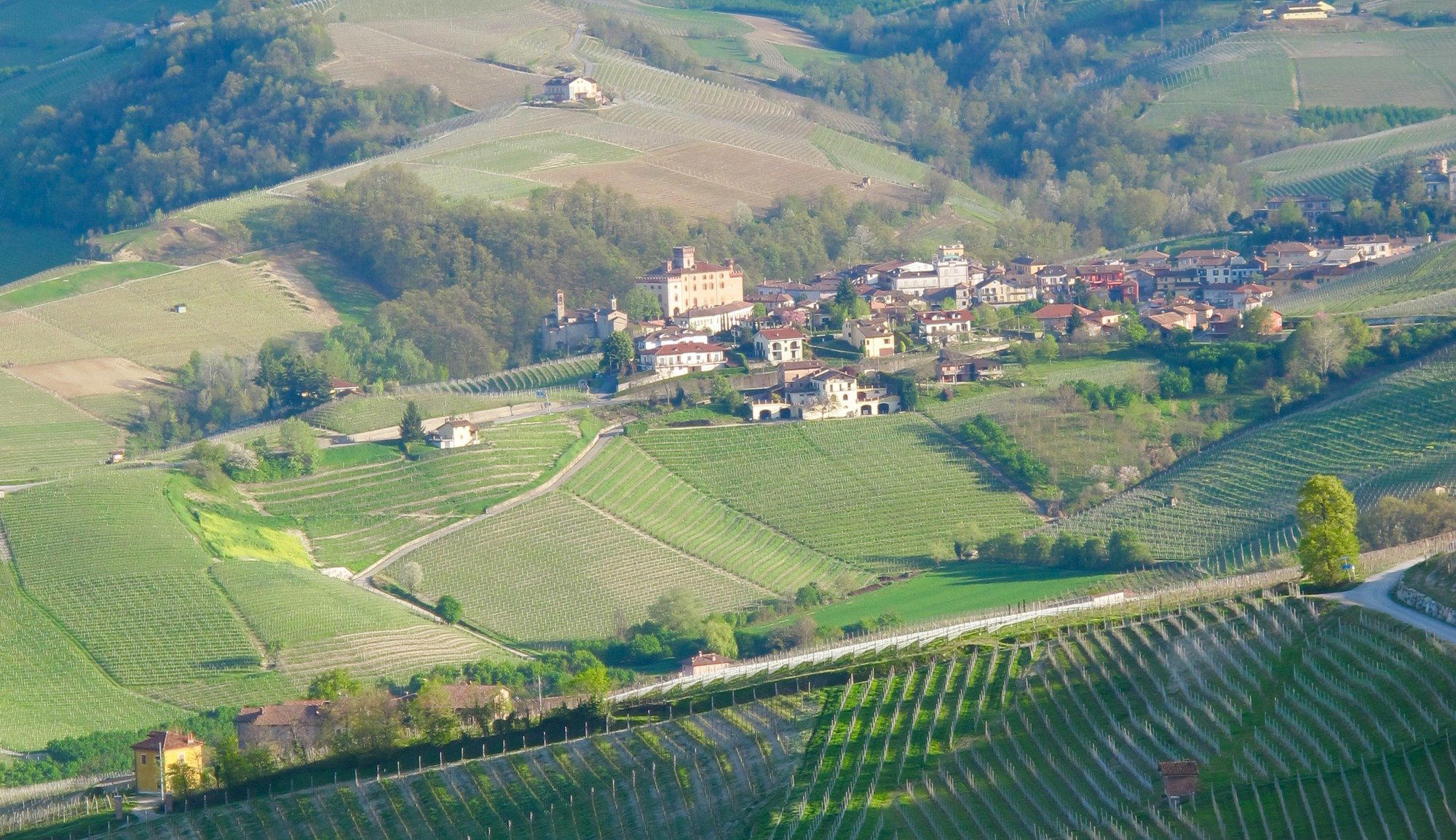
Central Barolo has plenty of places that can be described through visitor amenities, labels or production claims. Bartolo Mascarello should be described more carefully. The picture is narrower but distinctive: a tiny, historic family cellar in central Barolo, with an atmosphere that feels almost like a working museum. The known physical language is old concrete tanks, large neutral botti and virtually no modern technology. That is enough to set the tone without adding unsupported claims about specific wines, vineyard holdings, service formats or visitor access.
The most reliable way to frame Bartolo Mascarello is as a traditional, low-tech Barolo cellar rather than as a hospitality-led destination. Its appeal comes from restraint: a small historic setting, cellar equipment that points to continuity, and a mood focused on the work of wine rather than on staged experience. For readers comparing Barolo venues, that distinction matters. Some places are easy to summarize by menus, tasting formats, opening hours or broad visitor programs. Here, the confirmed information supports a simpler and more serious description: a compact family cellar in Barolo whose atmosphere is defined by tradition, old vessels and minimal technology.
A tiny historic cellar in central Barolo
The setting is central Barolo, not a broader regional address or a specific street-level location. The cellar is described as tiny and historic, which gives the place a different register from larger, more visitor-oriented wine properties. The phrase “working museum” is useful because it captures the tension in the atmosphere: this is not merely an antique display, but the setting does have an archival feeling. Old concrete tanks and large neutral botti are part of that impression, and the lack of modern technology reinforces the sense of continuity.
That does not mean every detail often associated with traditional Barolo can be asserted here. Without support, the page should not claim specific vineyards, grapes, bottling choices, fermentation methods, aging periods, production volumes, founding dates, ownership details, visitor policies or awards. The grounded point is visual and atmospheric: Bartolo Mascarello presents itself as a small, historic family cellar in Barolo where the cellar language is old, neutral and low-tech.
Price is listed as $$$$, so readers should understand the venue as a premium Barolo reference rather than a casual budget stop. The price marker is the only commercial detail available here. It should not be expanded into claims about bottle costs, tasting fees, allocations, private visits or purchase requirements.
Old concrete tanks, large neutral botti and a low-tech mood
The strongest confirmed details are the cellar’s material cues. Old concrete tanks and large neutral botti define the room more clearly than any invented narrative would. Concrete and large neutral wood both suggest a practical, traditional cellar vocabulary. The page can safely say that the atmosphere is staunchly traditional and low-tech, because that is part of the description. It should not go further into technical specifics that are not confirmed here.
Those limits are important. A traditional atmosphere is not the same as a production sheet. The better editorial approach is to keep the focus on what is known: a tiny historic family cellar in central Barolo, old concrete tanks, large neutral botti, little modern technology and a serious, restrained mood.
That grounded description still gives readers a useful sense of place. Bartolo Mascarello is not being presented here as a restaurant, bar or hotel, and the page should not borrow language from those categories. The attraction is the cellar itself: small scale, historic character and a traditional environment where the physical setting carries much of the meaning.
How to use Bartolo Mascarello in a Barolo itinerary
Because only limited details, readers should treat Bartolo Mascarello as a carefully defined Barolo reference point rather than a fully documented visitor listing. The safe planning facts are the city, the premium price marker and the cellar atmosphere.
For a Barolo itinerary, the value of Bartolo Mascarello is contextual. It represents a traditional, low-tech cellar mood in the center of town, with a compact historic setting and old vessels that make the place feel closer to a working museum than a polished showroom. That makes it especially relevant for travelers who want to understand the more restrained side of Barolo’s wine culture. Other dining, drinking and lodging choices in Barolo can be considered separately, but they should not be used to fill in unsupported details about this cellar.
The editorial takeaway is simple: Bartolo Mascarello in Barolo is best described through restraint. It is premium-priced, tiny, historic, family-cellar-like and strongly traditional in atmosphere. Its confirmed identity rests on old concrete tanks, large neutral botti and a near absence of modern technology. Anything beyond that should be checked directly before being treated as fact.
Recognition history
Dated appearances from independent guides and award organizations, with the underlying list record or original source where available.
Falstaff Winery - 5 Stars
Falstaff
Continue exploring
More in Barolo
Wineries in Barolo
Browse all →
Bars in Barolo
Browse all →
Restaurants in Barolo
Browse all →
Details
- Classic
- Well Known
- Rustic
- Intimate
- Historic
- Cozy
- Wine Education
- Special Occasion
- Solo Exploration
- Romantic Getaway
- Historic Building
- Estate Grounds
- Private Tasting
- Sustainable
- Dry Farmed
- Vineyard
- Street Scene
- Nebbiolo
- Dolcetto
- Barbera
- Freisa
- Still Red
- Private Allocation Pick‑ups
- Cellar Tasting
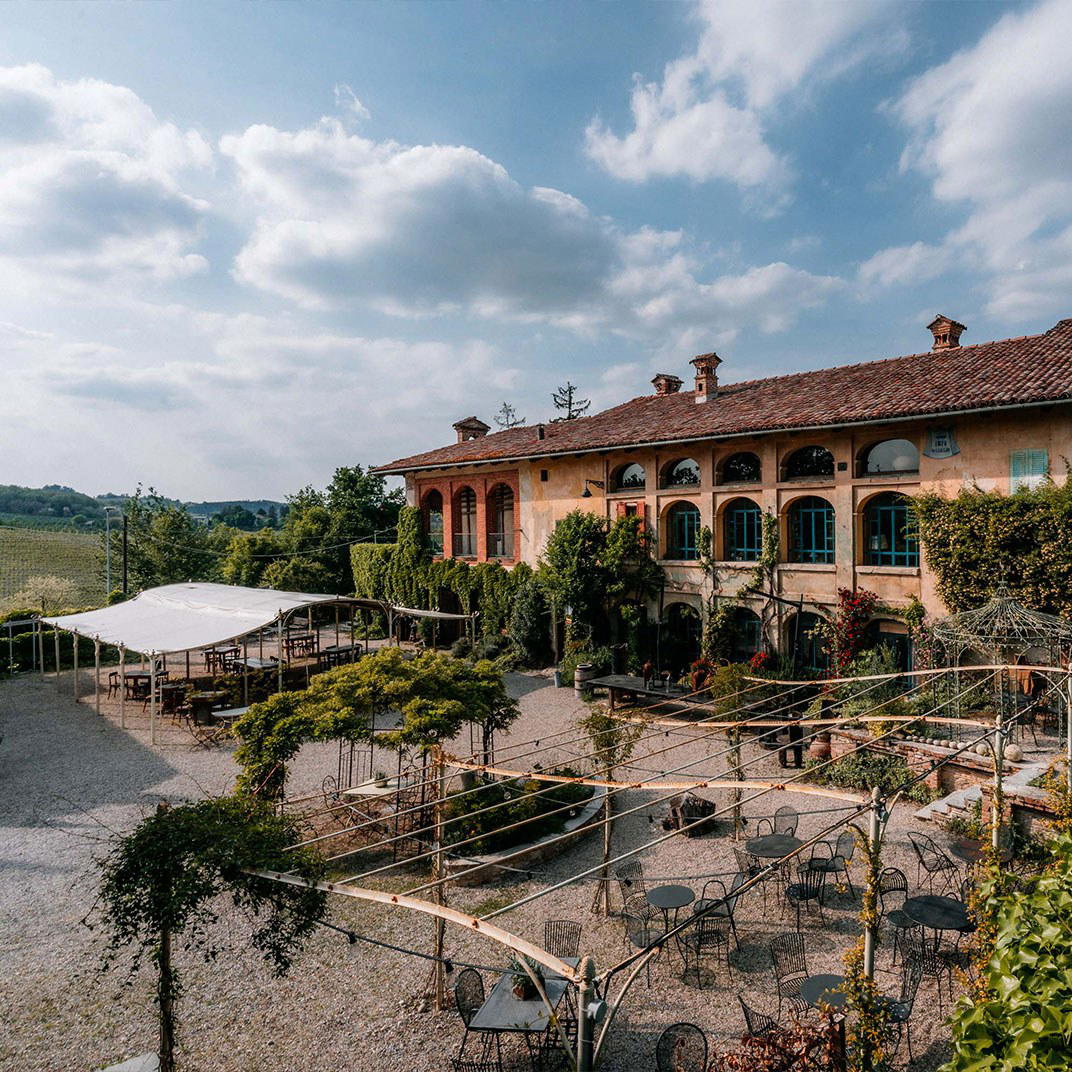
A tiny, historic family cellar in central Barolo that feels almost like a working museum, with old concrete tanks, large neutral botti and virtually no modern technology, reflecting a staunchly traditional, low-tech atmosphere focused entirely on the wine rather than visitor amenities.