Salzburgerstube

Salzburgerstube: Modern Austrian fine dining at Hotel Salzburgerhof pairs a formal, quiet dinner with a leisurely pace and a sommelier-led wine list.
Pearl is the En Primeur Club membership app — saves, bookings, and concierge access live there. Same editors, same standards.
- Address
- Auerspergstraße 11, 5700 Zell am See, Austria
- Phone
- +4365427650
- Website
- salzburgerhof.at
- Directions
- Get directions
 Saves & bookings on Pearl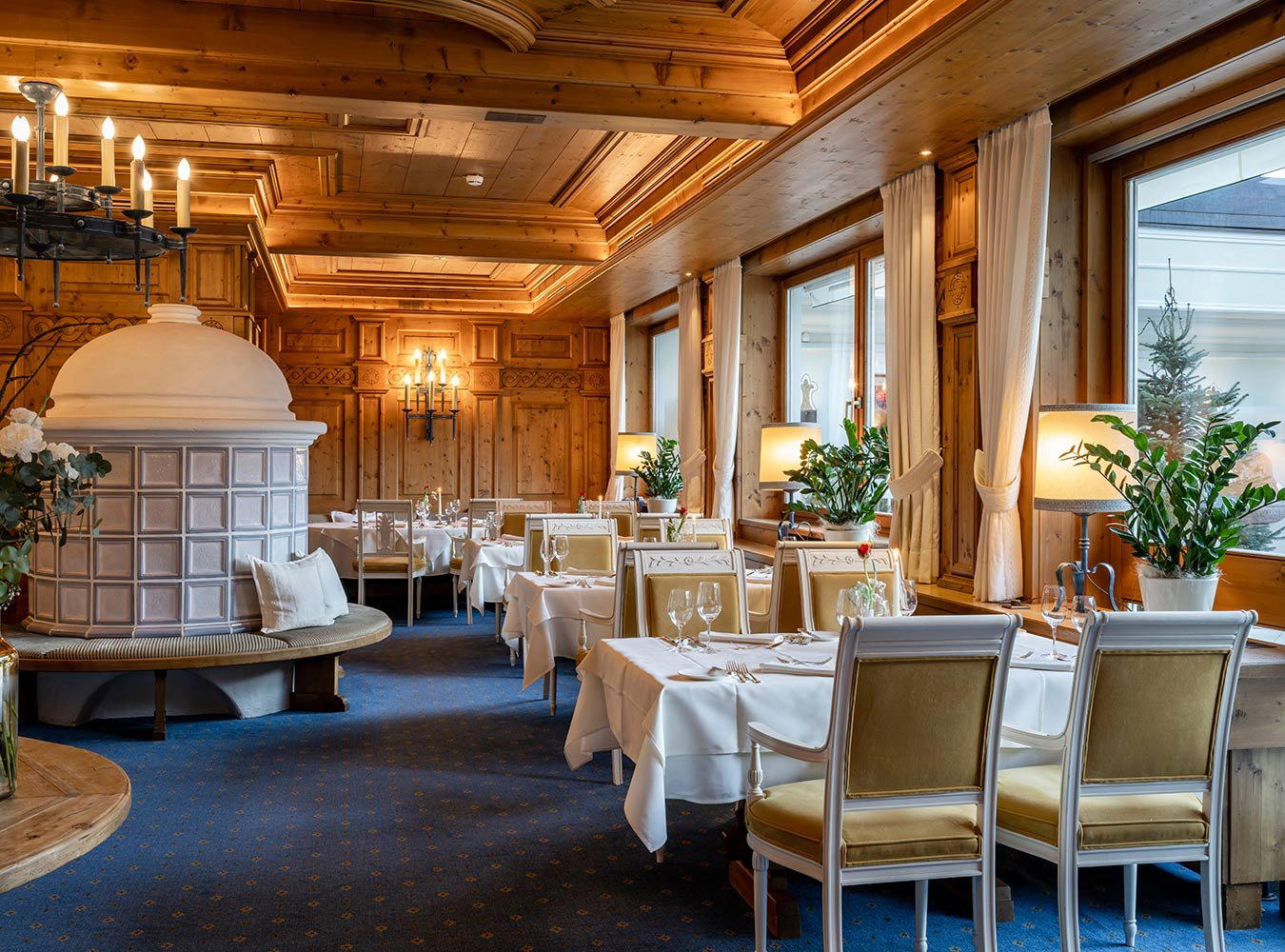
Austrian Alpine Dining and the Tradition Behind the Stubeformat
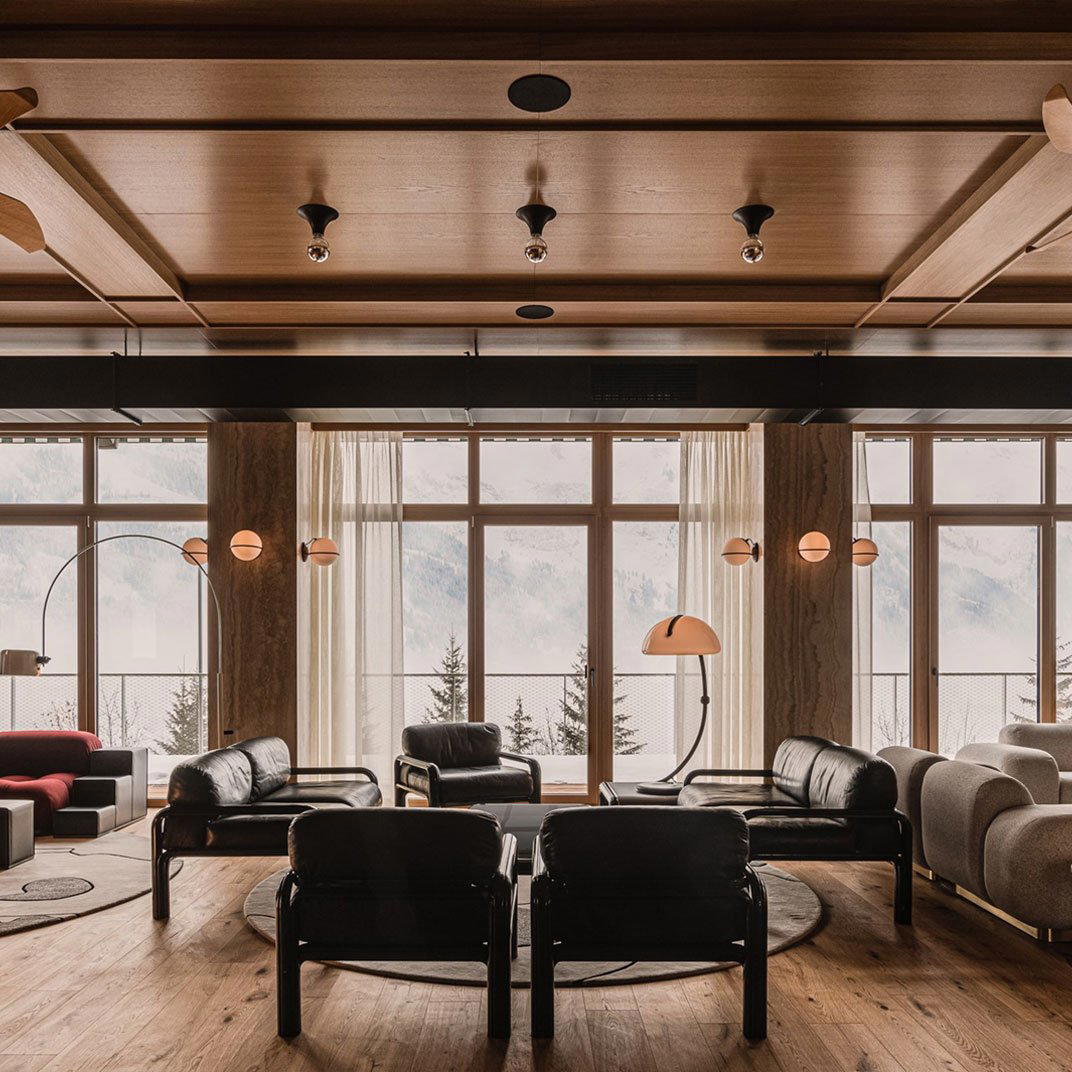
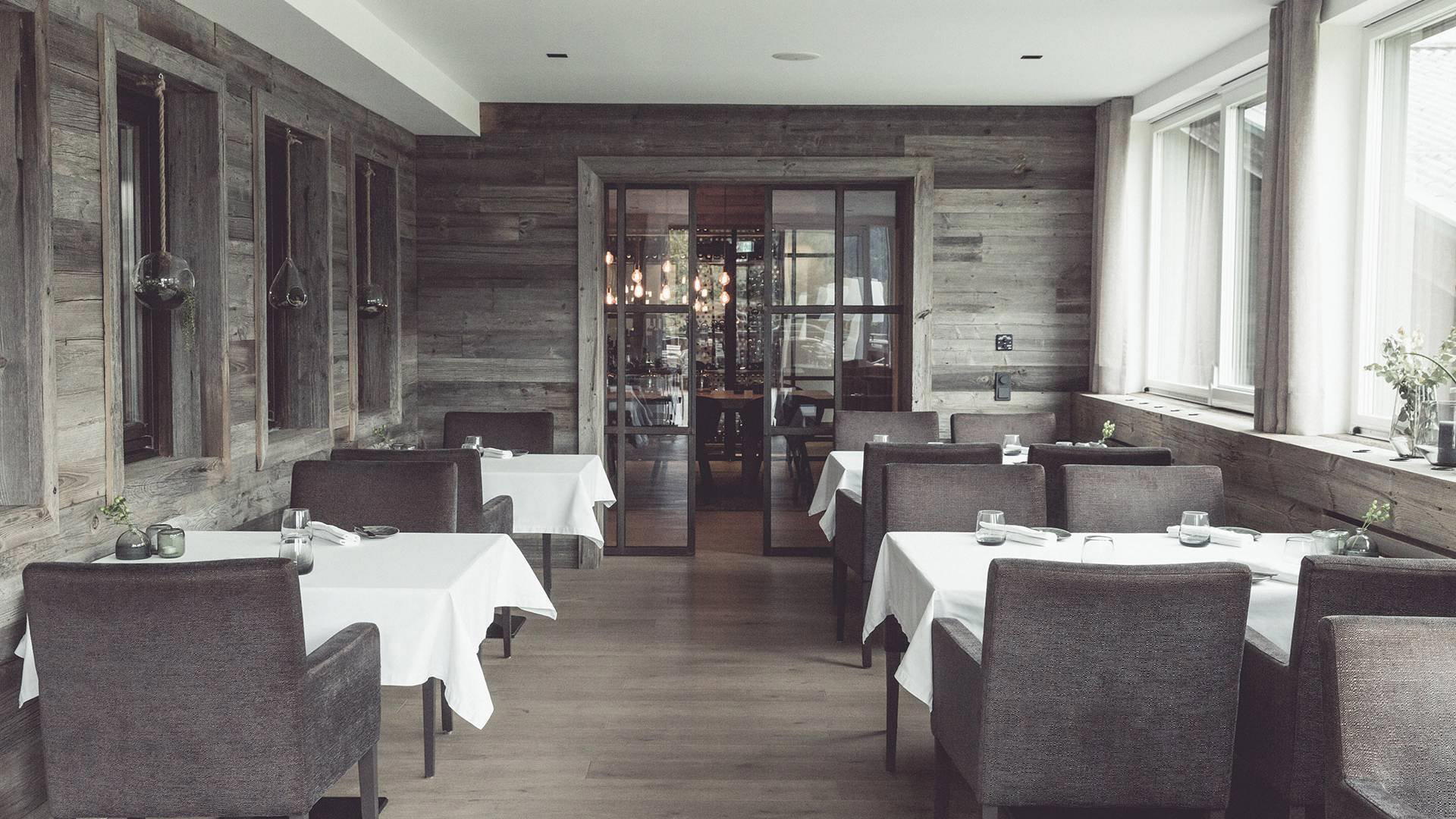
In the Salzburg region, the word Stube carries specific architectural and cultural weight. It describes a wood-panelled room designed for warmth in the literal sense: low ceilings, heavy timber, and proportions that compress a space until it radiates heat from the people inside it. This format is not incidental to Alpine dining, it is the condition that shaped the cuisine. Slow-braised meats, dense dumplings, and fortifying broths developed in direct response to the physical environment, and the rooms built to serve them look the way they do because of the same environment. Salzburgerstube, on Auerspergstraße in Zell am See, operates within this tradition and is framed by the town's position as a year-round resort destination between the Zeller See and the Kaprun glacier.
Zell am See occupies a specific tier in Austrian alpine tourism: large enough to support a sustained dining scene, small enough that the better addresses are known by reputation. The town draws winter skiers and summer lake visitors in roughly equal measure, which means the restaurants serving a serious local audience have to function across both seasons. That dual-season demand has, over decades, pushed the better addresses here toward the kind of cooking that works whether a guest has just come off a ski slope or a lakeside trail.
The Salzburger Stube Format in Regional Context
Austrian regional cooking in the Salzburg province is distinct from Viennese Bürgerküche and from the heavier, lard-forward traditions further east. The Pinzgau valley, in which Zell am See sits, has its own dialect of Alpine cooking: cheese from local dairies, freshwater fish from the lake, game from the surrounding forests, and bread dumplings that appear in some variation on almost every menu. These are not nostalgia items, they reflect a supply chain that has remained locally anchored because the geography makes distant sourcing difficult and expensive.
This regional specificity is what separates a Stube with genuine culinary roots from one that has assembled a costume of Alpine aesthetics. The distinction matters when choosing where to eat in a mountain town, and it is the lens through which Salzburgerstube should be read alongside its peers. For comparison, Erlhof in Zell am See holds a regional cuisine designation at the €€€ tier, while MAYER's Restaurant operates in the classic cuisine category at €€€€. Together these three form the clearer upper tier of the town's dining options. Speisenmeisterei, Steinerwirt, and Two Timez fill out the broader local scene.
How the Stube Tradition Scales Across Austria
To understand what a venue like Salzburgerstube is doing, it helps to place it within the wider Austrian dining conversation. At the recognised forefront of Austrian gastronomy, Steirereck im Stadtpark in Vienna and Obauer in Werfen demonstrate how regional Austrian cooking can be formalised into destination-restaurant territory with national and international recognition. Closer to the Salzburg province, Döllerer in Golling an der Salzach has made Alpine cooking into a focused editorial statement, and Ikarus in Salzburg operates on an entirely different model, a rotating guest-chef format that places the city on an international circuit.
In the ski resort tier specifically, Griggeler Stuba in Lech and Gourmetrestaurant Tannenhof in Sankt Anton am Arlberg show how Stube-format rooms can anchor serious fine dining programs in resort towns. Both carry recognised awards and price at the higher end of the alpine resort dining tier. Kräuterreich by Vitus Winkler in Sankt Veit im Pongau represents the herb-driven, garden-to-table approach that has become one of the more distinctive directions in Salzburg province cooking. Meanwhile, Landhaus Bacher in Mautern an der Donau and Ois in Neufelden extend the picture of how Austria's regional dining tradition plays out beyond the alpine zone. Restaurant 141 by Joachim Jaud in Mieming completes a view of how Tyrolean-adjacent cooking continues to find new articulations within a conservative regional tradition.
For readers approaching from outside the European alpine dining world entirely, the contrast with something like Le Bernardin in New York City or Atomix in New York City is instructive: those are restaurants where the chef's conceptual programme is the primary object of attention. Austrian Stube dining inverts that relationship. The room, the season, and the regional supply chain are primary; the kitchen's role is to execute them with fidelity.
Planning a Visit: What to Know Before You Go
Zell am See is accessible by train on the Tauern Railway, with direct and connecting services from Salzburg taking roughly one to two hours depending on the service. The town is compact enough that Auerspergstraße is reachable on foot from the main station and from the central lake promenade. As is common with Austrian regional restaurants of this type, the seasonal rhythm matters: the town is busiest in January and February for winter sports, and again in July and August for the lake. Visitors planning around either peak should note that reservations at the better addresses fill earlier than the town's low-key profile might suggest.
Reservations are recommended. The address is Auerspergstraße 11, 5700 Zell am See, Austria.
Cost and Credentials
Comparable venues nearby, for context on price, style, and recognition.
| Venue | Cuisine | Price | Awards | Notes |
|---|---|---|---|---|
| SalzburgerstubeThis venue — the venue you are viewing | Zell am See, Modern Austrian Fine Dining | $$$$ | Not listed | Not listed |
| Steinerwirt | Zell am See center, Modern Austrian | $$ | Not listed | Not listed |
| Two Timez | Not listed | $$$ | Not listed | Zell am See city center, Alpine Austrian with International Options |
| Zum Hirschen | old town, Traditional Austrian | $$ | Not listed | Not listed |
| Erlhof | Not listed | $$$ | Michelin Plate | Thumersbach, Traditional Austrian Regional Cuisine |
| Speisenmeisterei | Not listed | $$$$ | Not listed | Thumersbach, Mediterranean-Asian Fine Dining |
Recognition history
Dated appearances from independent guides and award organizations, with the underlying list record or original source where available.
Falstaff Restaurant - 94 Falstaff Points
Falstaff
Continue exploring
More in Zell am See
Restaurants in Zell am See
Browse all →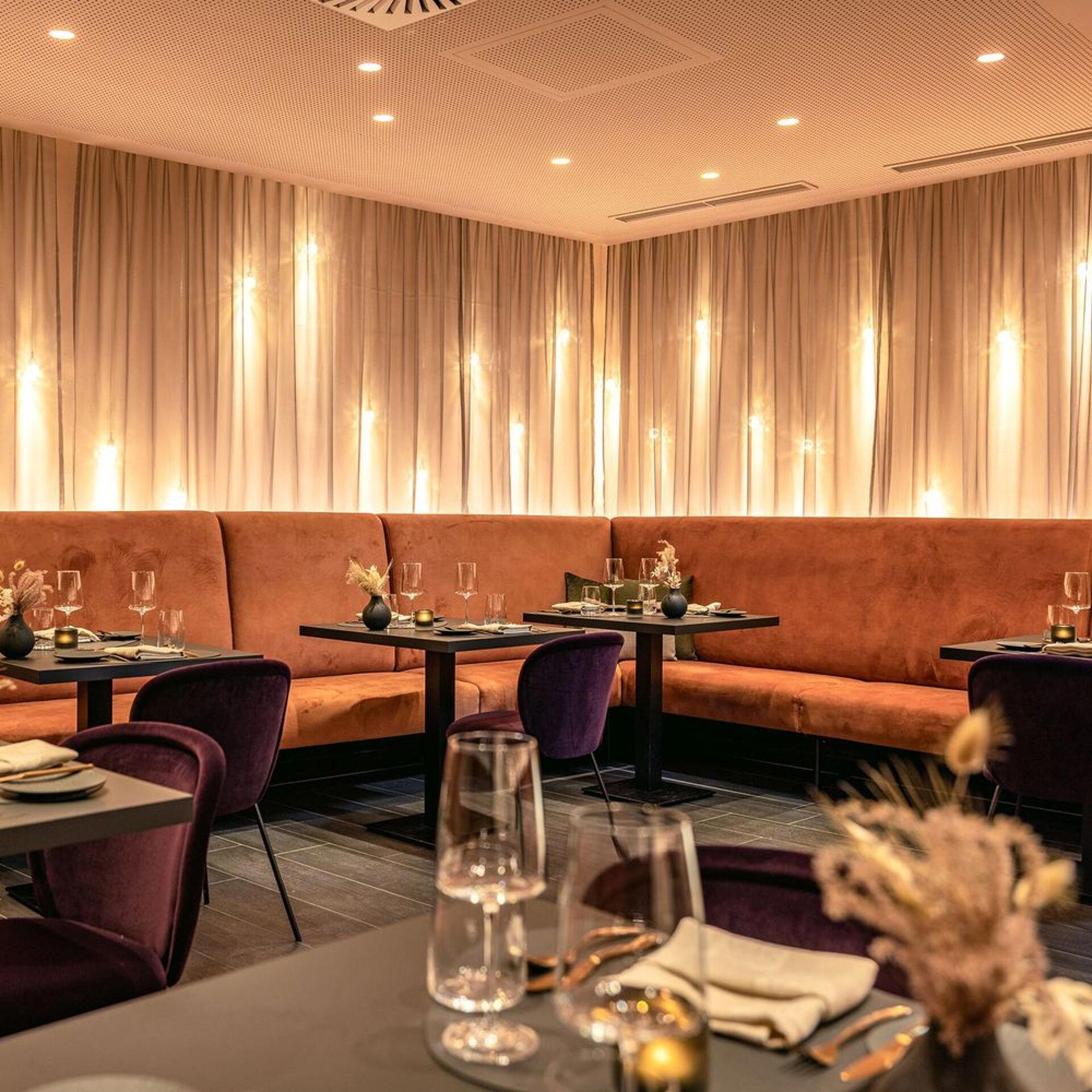
Bars in Zell am See
Browse all →


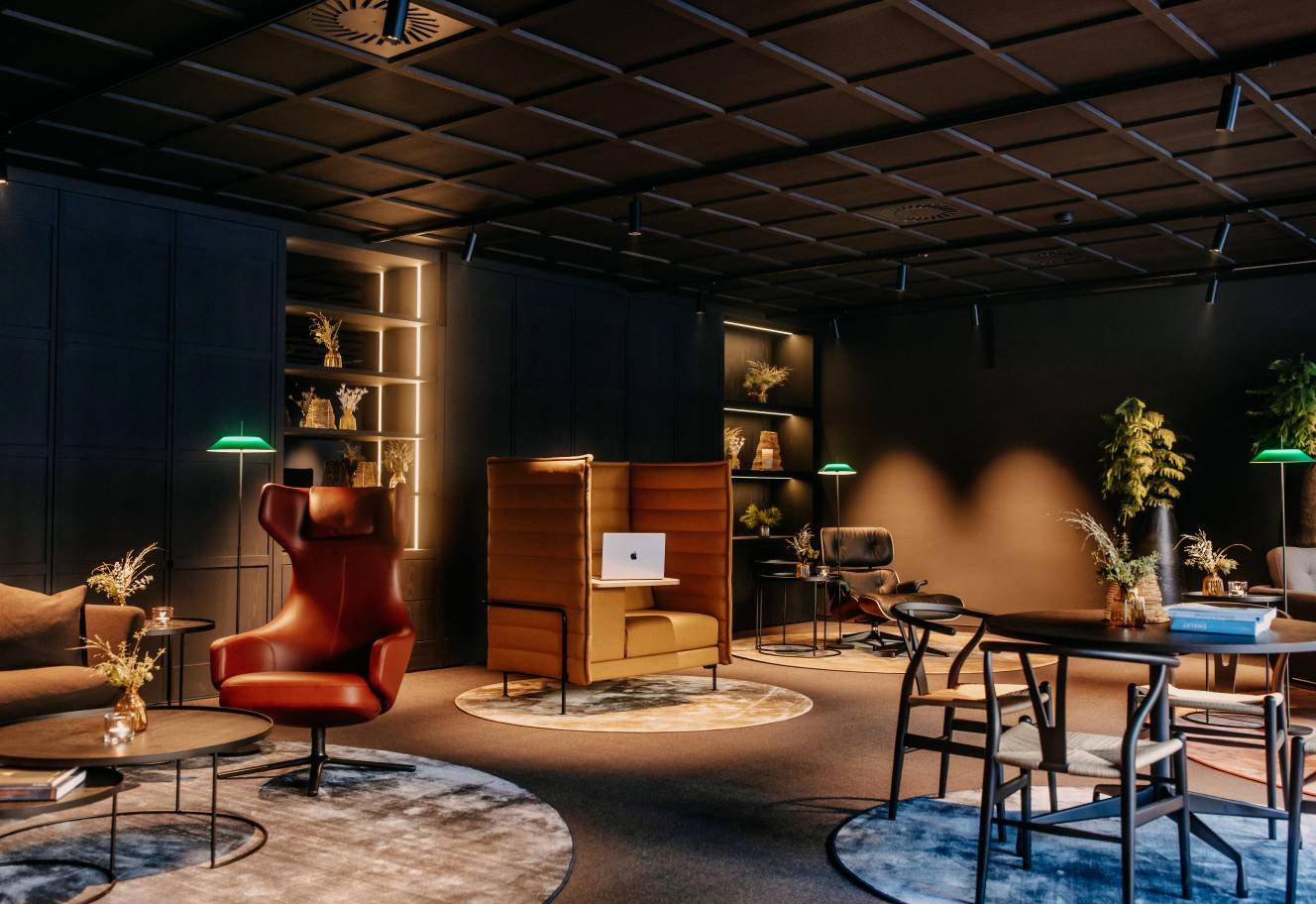
Hotels in Zell am See
Browse all →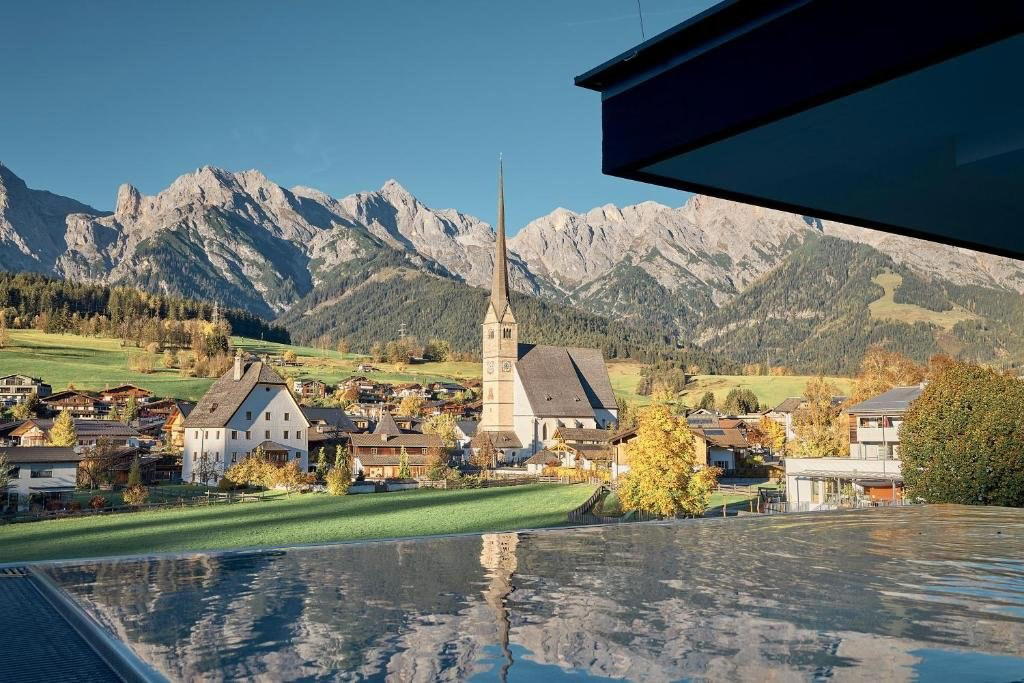
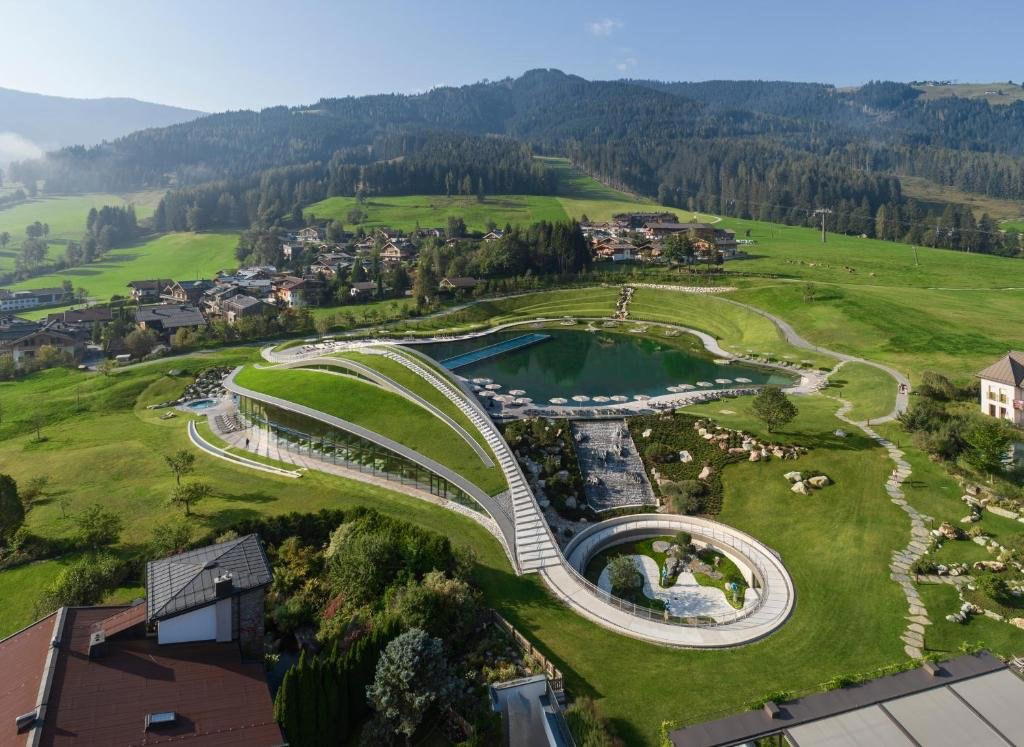
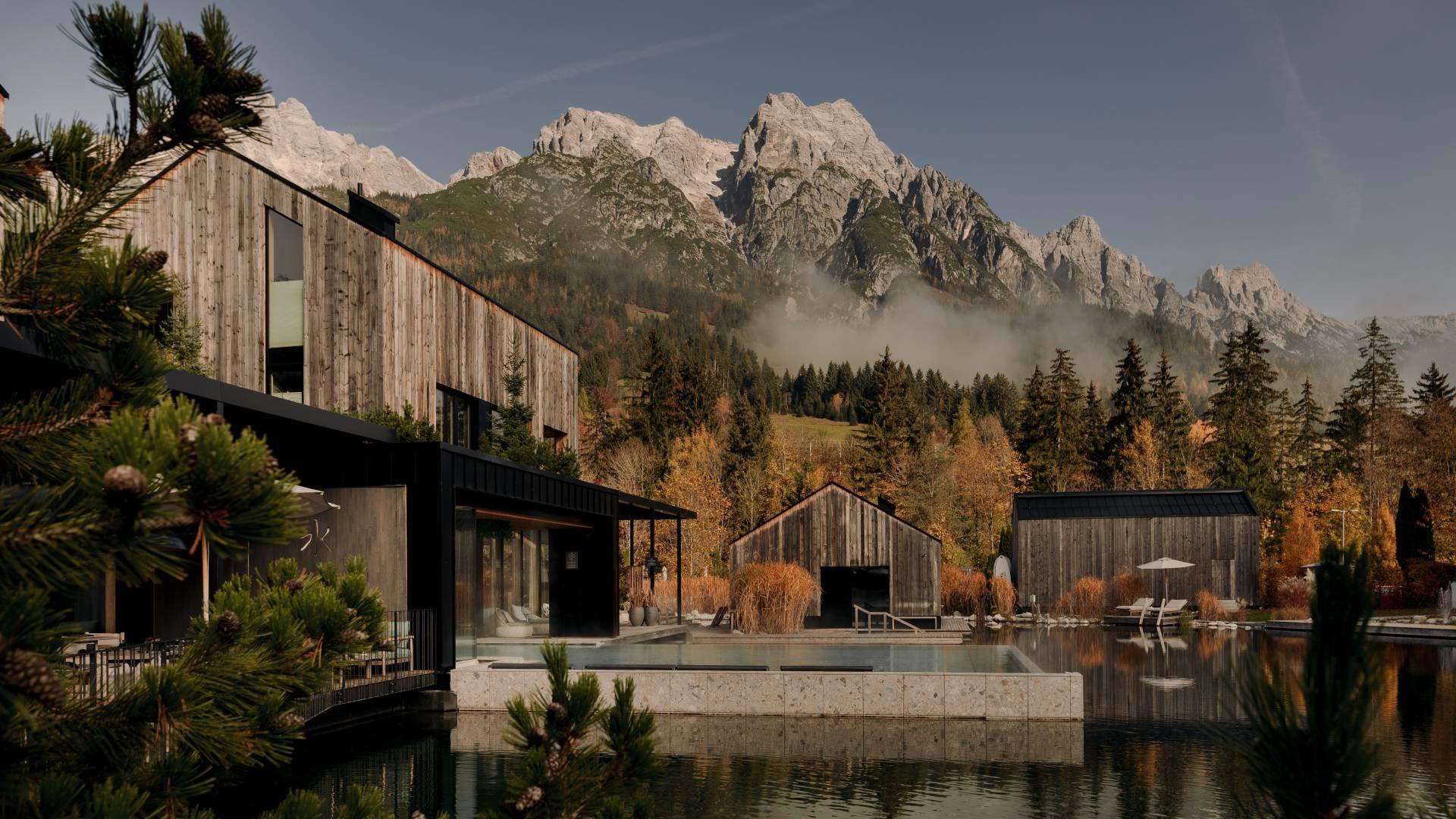
Wineries in Zell am See
Browse all →
At a Glance
- Elegant
- Sophisticated
- Classic
- Intimate
- Date Night
- Special Occasion
- Business Dinner
- Hotel Restaurant
- Extensive Wine List
- Local Sourcing
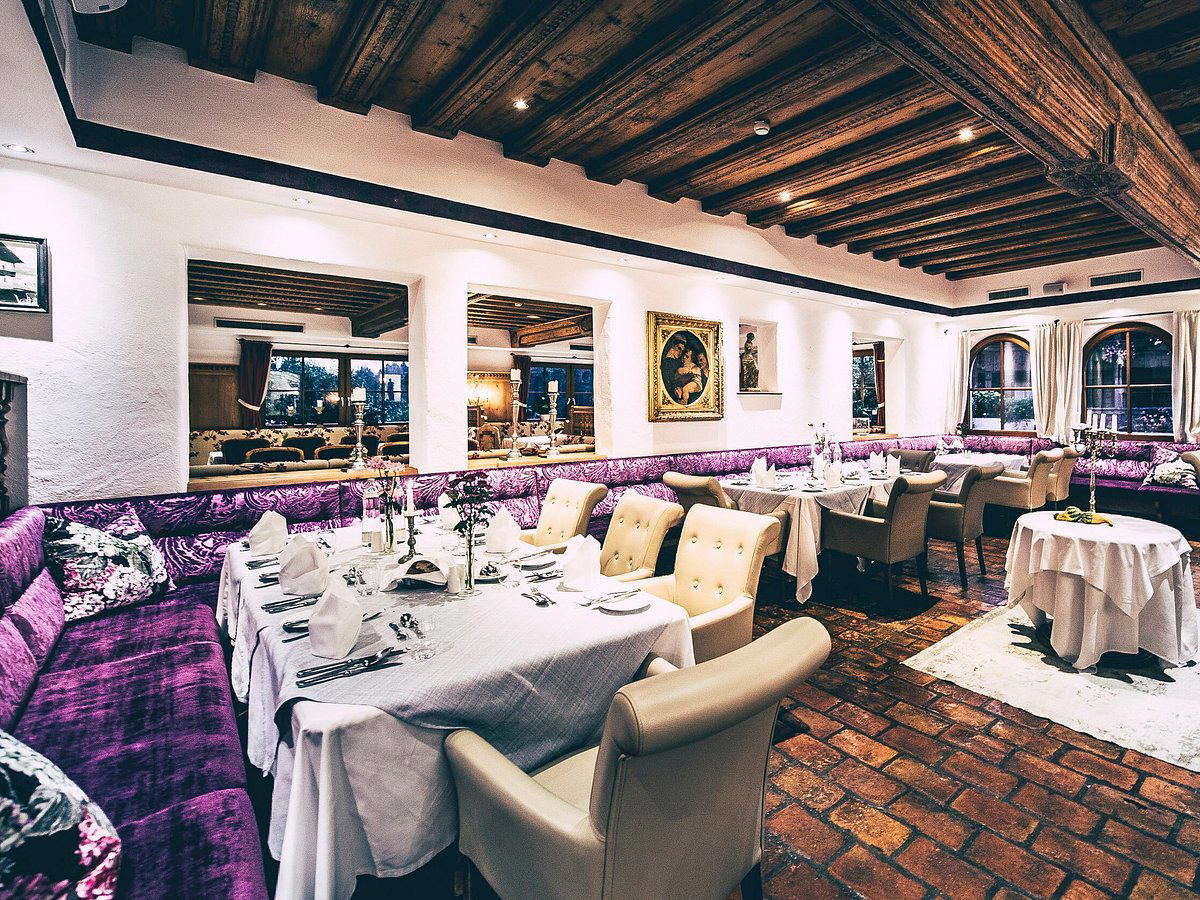
Classic, elegant, and refined hotel-restaurant atmosphere with a spacious dining room and a polished fine-dining feel.