Speisenmeisterei
Friendly hosts showcase bold Asian-Southern flavors.
- Address
- Seeuferstraße 6, 5700 Thumersbach, Austria
- Phone
- +4369912197876
- Website
- speisenmeisterei.at
- Directions
- Get directions
Lake Zell in the Frame
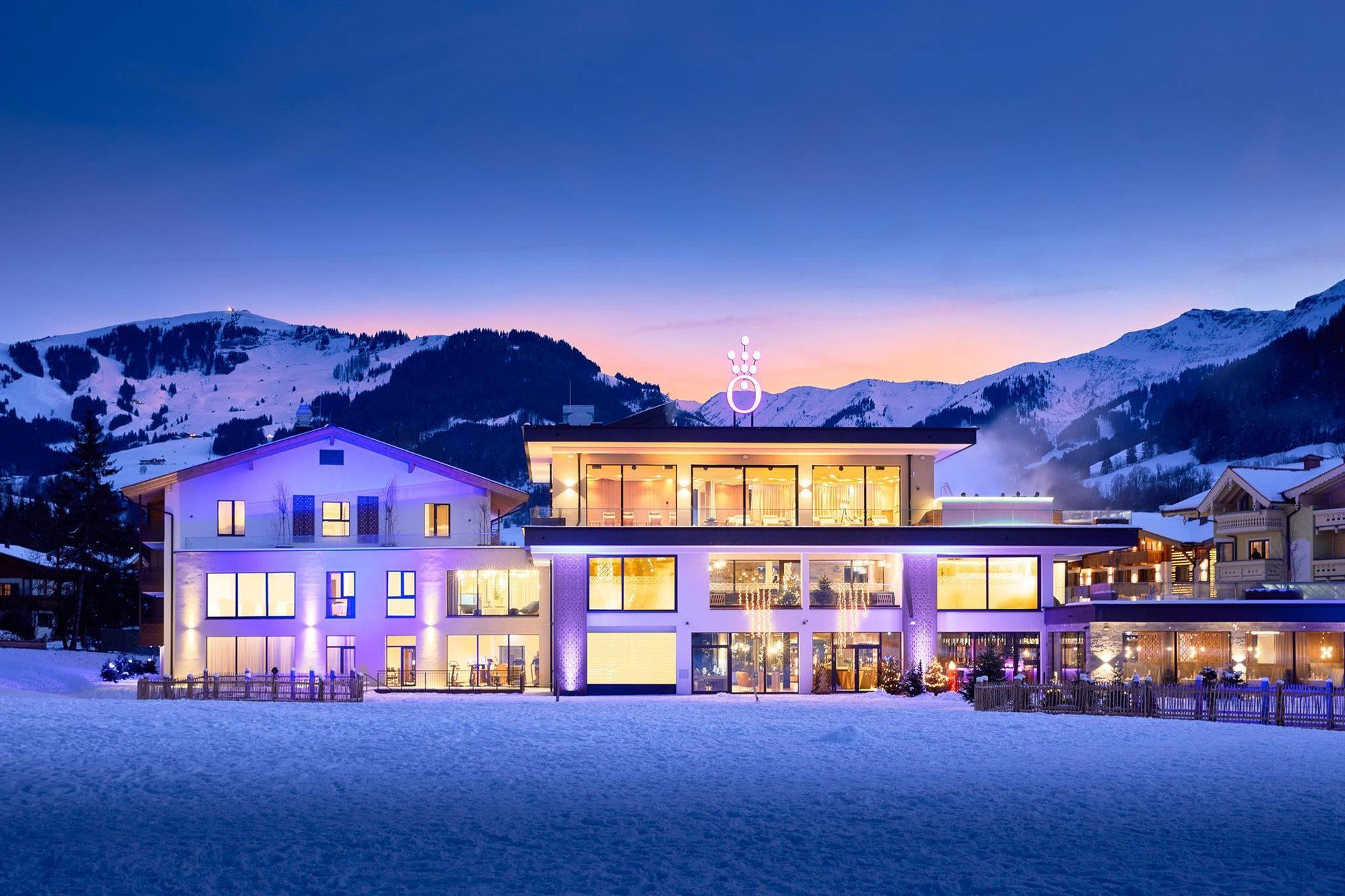
The approach to Thumersbach sets the terms before you reach the door. You follow the Seeuferstraße along the eastern shore of Zellersee, the water flat and grey-green in alpine light, the Kitzsteinhorn holding position on the far side of the valley. The road is quiet on this bank, deliberately so: Thumersbach sits across the lake from Zell am See's main town and functions as its counterpoint, a shoreline strip with fewer tourists and a different pace. Speisenmeisterei occupies address number 6 on that strip, and the positioning itself signals something about what kind of meal you are entering.
The Ritual of the Table in Alpine Austria
Austrian alpine dining at the serious end of the register operates by its own set of conventions. The meal is not rushed. There is an expectation that several hours belong to the table, that courses arrive with deliberate spacing, and that the guest is meant to settle into the rhythm rather than direct it. This pacing tradition, shared by the better rooms across Salzburgerland, draws from a Central European dining culture where the table is a destination rather than a transaction. Restaurants like Döllerer in Golling an der Salzach and Obauer in Werfen have long anchored this tradition in the Salzburg region: multi-course progression, wine service that paces with the kitchen, and a refusal to compress the experience into something faster or more casual. Speisenmeisterei, positioned on Zellersee's eastern shore, belongs to this broader pattern of serious alpine rooms where the rhythm of the meal is itself part of the offering.
That tradition connects upward to Austria's most decorated tables. Steirereck im Stadtpark in Vienna and Ikarus in Salzburg represent the national benchmark for structured, progression-based dining, and the principles filtering down from those rooms, attentiveness to local product, deliberate pacing, seasonal anchoring, are increasingly present in the better provincial tables across the country.
Where Speisenmeisterei Sits in the Zell am See Scene
Zell am See's restaurant offer is wider than the ski-resort assumption suggests. The town supports a range of registers, from the classic cuisine positioning of MAYER's Restaurant at the higher price tier to the regional focus of Erlhof and the more casual formats of Two Timez, Salzburgerstube, and Steinerwirt. Speisenmeisterei's location in Thumersbach places it physically apart from this cluster, which affects both the audience it draws and the atmosphere it can sustain. Guests arrive by intention rather than proximity; the table is chosen, not stumbled upon. That self-selection tends to produce a room of people who have already committed to the meal before they sit down, which is a precondition for the kind of unhurried dining the kitchen appears to be set up for.
For readers building a broader alpine Austria itinerary, the regional comparison set extends further afield. Kräuterreich by Vitus Winkler in Sankt Veit im Pongau emphasises herb-led Austrian cooking with a strong seasonal identity, while Gourmetrestaurant Tannenhof in Sankt Anton am Arlberg and Griggeler Stuba in Lech represent the Vorarlberg end of alpine fine dining, where the proximity to French-speaking Switzerland has historically inflected technique. These rooms form the peer context in which a serious Salzburgerland table like Speisenmeisterei competes for the same travelling guest.
Reading the Pace of a Meal Here
The structure of a European alpine tasting progression typically unfolds in three recognisable phases. An opening series of smaller preparations establishes register and signals the kitchen's priorities, often leaning on local dairy, cured fish from regional lakes, or preserved vegetables from the summer harvest. A middle section carries the meal's weight, with the protein courses arriving with the longest spacing. A closing phase, usually built around local cheeses or dairy-rich dessert preparations, returns the meal to the regional frame it opened with. This architecture is not arbitrary: it reflects both the product calendar of alpine agriculture and the expectation that guests will remain seated long enough to move through it without feeling hurried.
For comparison, this format is broadly shared across the better Austrian provincial rooms and connects to a Central European dining ritual that has been documented at tables from Landhaus Bacher in Mautern an der Donau to Ois in Neufelden. At the international end, the same disciplined pacing principle appears in different culinary contexts at rooms like Le Bernardin in New York City and Atomix in New York City, where the progression of a meal is managed as carefully as the cooking itself. The underlying logic is consistent: when a kitchen invests in sourcing and technique at a certain level, the pacing of service becomes part of how that investment is communicated to the guest. Compression works against it. And at Restaurant 141 by Joachim Jaud in Mieming, the same unhurried architectural approach to the meal operates in a similarly removed alpine setting, reinforcing that this is a regional characteristic rather than an individual quirk.
Planning the Visit
Thumersbach sits directly across the lake from Zell am See's main town. In summer, a passenger ferry crosses Zellersee regularly, making the lakeside approach a practical and atmospheric alternative to driving the longer road route around the shoreline. In winter, road access is the standard option. The eastern shore is quieter than the town centre in both seasons, and the evening light across the water in summer months extends well into the evening at alpine latitudes, which affects how a lakeside table feels. For a broader orientation to the town's dining options,
Cuisine-First Comparison
Comparable venues nearby, for context on price, style, and recognition.
| Venue | Cuisine | Price | Awards | Notes |
|---|---|---|---|---|
| SpeisenmeistereiThis venue — the venue you are viewing | Mediterranean-Asian Fine Dining | $$$$ | Not listed | Not listed |
| Steinerwirt | Modern Austrian | $$ | Not listed | Zell am See center |
| Two Timez | Alpine Austrian with International Options | $$$ | Not listed | Zell am See city center |
| Salzburgerstube | Modern Austrian Fine Dining | $$$$ | Not listed | Zell am See |
| Zum Hirschen | Traditional Austrian | $$ | Not listed | old town |
| Flos Restaurant | Dining | Not listed | Michelin Plate | Zell am See |
Continue exploring
More in Zell am See
Restaurants in Zell am See
Browse all →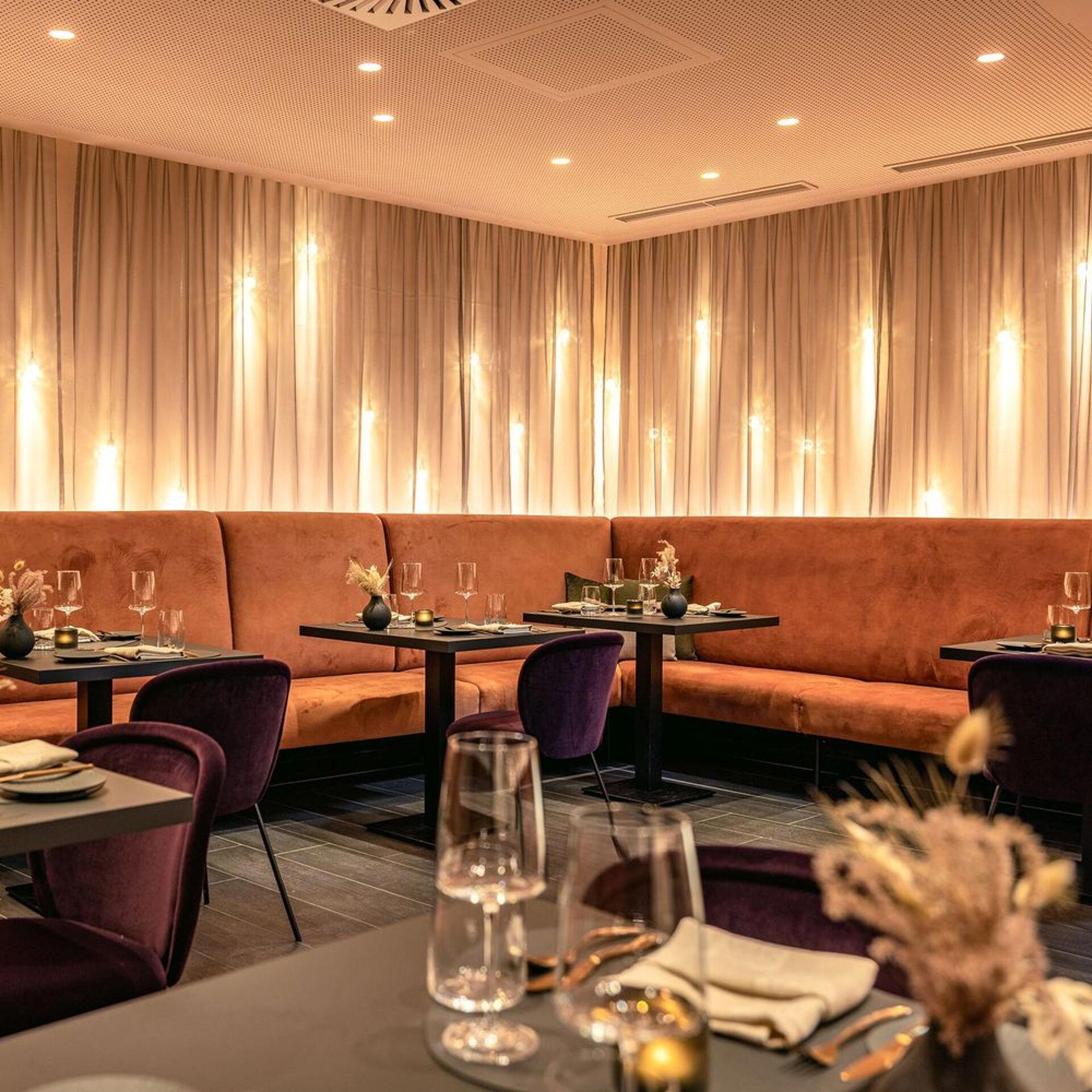
Bars in Zell am See
Browse all →


Hotels in Zell am See
Browse all →
Wineries in Zell am See
Browse all →
At a Glance
- Intimate
- Elegant
- Sophisticated
- Romantic
- Historic
- Date Night
- Special Occasion
- Celebration
- Private Dining
- Historic Building
- Waterfront
- Open Kitchen
- Extensive Wine List
- Sommelier Led
- Local Sourcing
- Farm To Table
- Waterfront
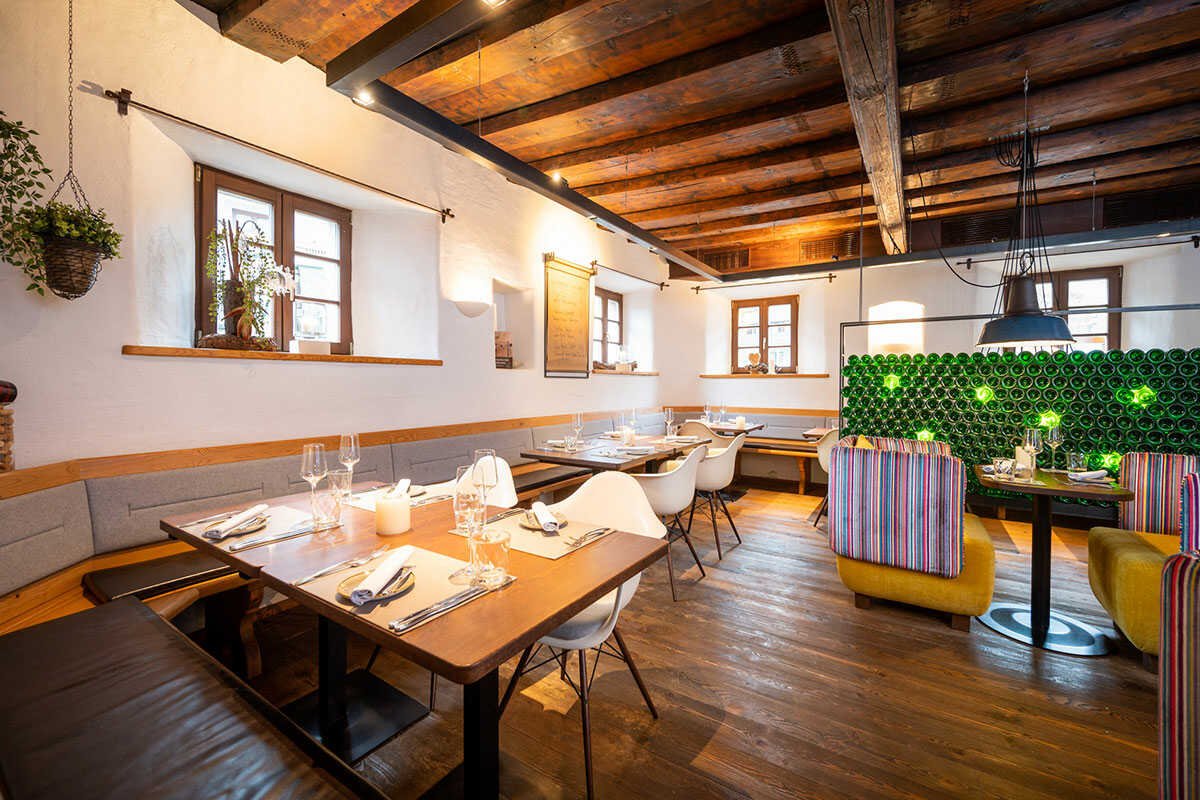
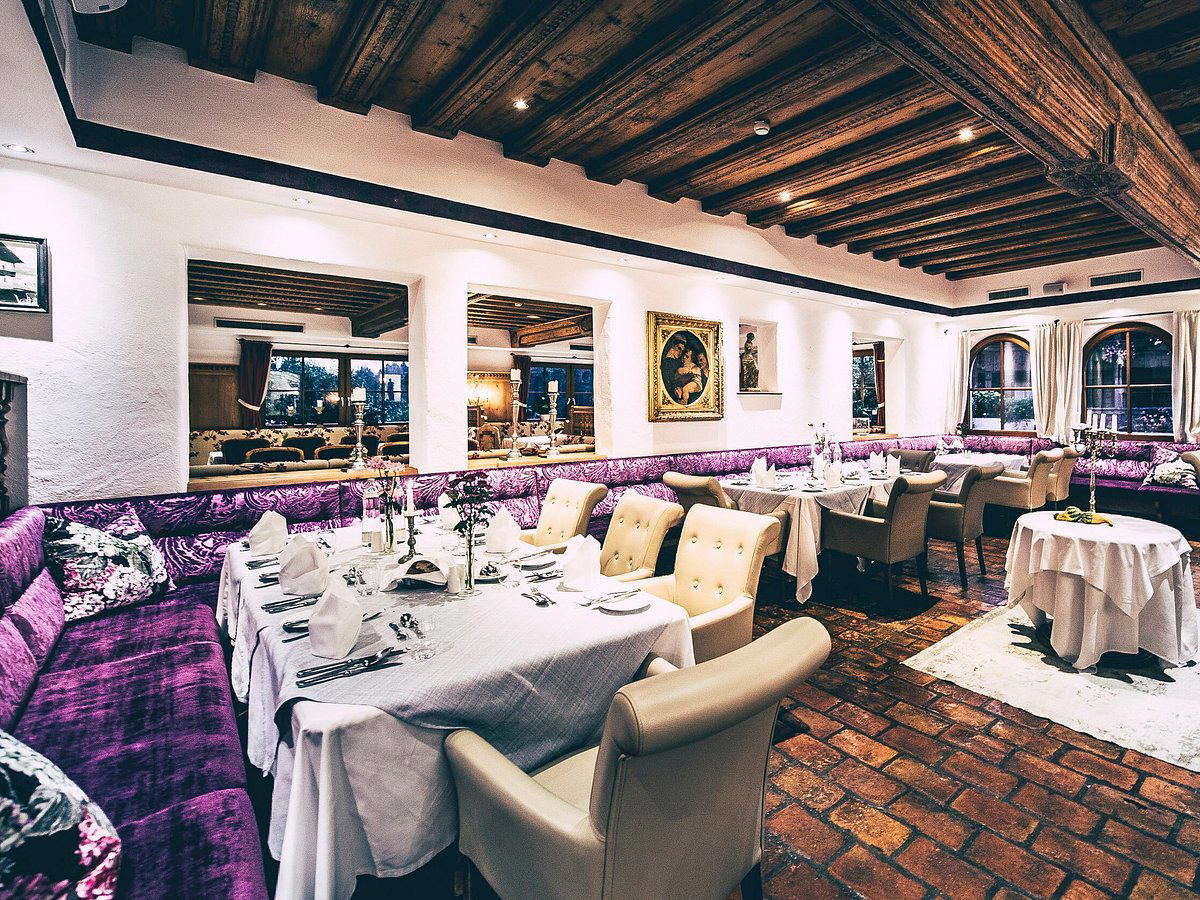
Historic stone walls with contemporary design elements create an intimate, refined atmosphere where modern culinary innovation meets centuries-old architecture; candlelit and sophisticated.