
Zuicho Grand Lisboa Palace earned a World of Fine Wine London Awards regional win for Asia, placing it among Macau's most recognised Japanese dining addresses. Situated within the Grand Lisboa Palace resort, the restaurant operates in a city where French-trained kitchens and Cantonese institutions have long dominated the upper tier — making a Japan-rooted counter a meaningful point of difference in the local fine-dining map.
 Discover on Pearl
Pearl is the En Primeur Club membership app — saves, bookings, and concierge access live there. Same editors, same standards.
Where Grand Lisboa Palace Places Its Japanese Bet
Macau's fine-dining tier has historically been anchored by French kitchens and Cantonese institutions. The city's casino resort model imported European names early — Robuchon au Dôme and Alain Ducasse at Morpheus established that template — while Cantonese rooms like Jade Dragon and Chef Tam's Seasons built their own decorated track records. Within that context, a Japanese restaurant earning regional recognition at the World of Fine Wine London Awards represents a genuine shift in where the city's culinary attention is landing. Zuicho, operating inside the Grand Lisboa Palace complex, sits at the point where Macau's resort ambition meets a cuisine that has its own highly codified standards.
The Grand Lisboa Palace Setting
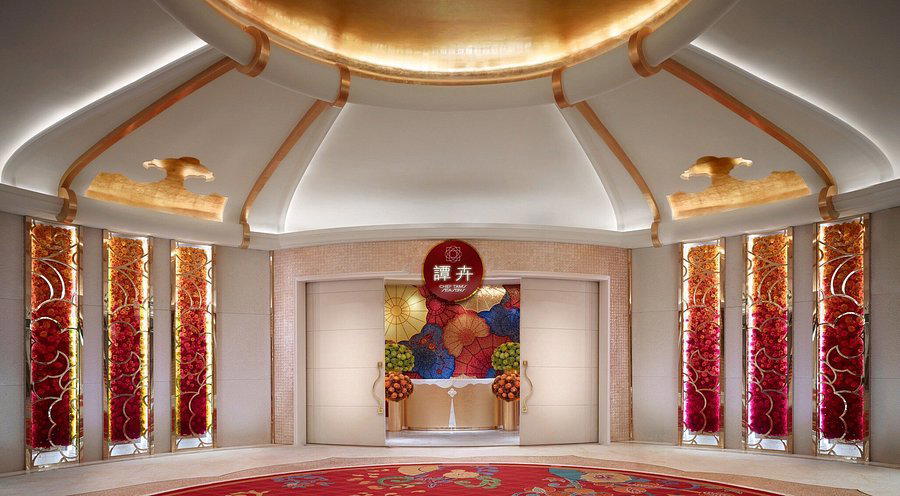
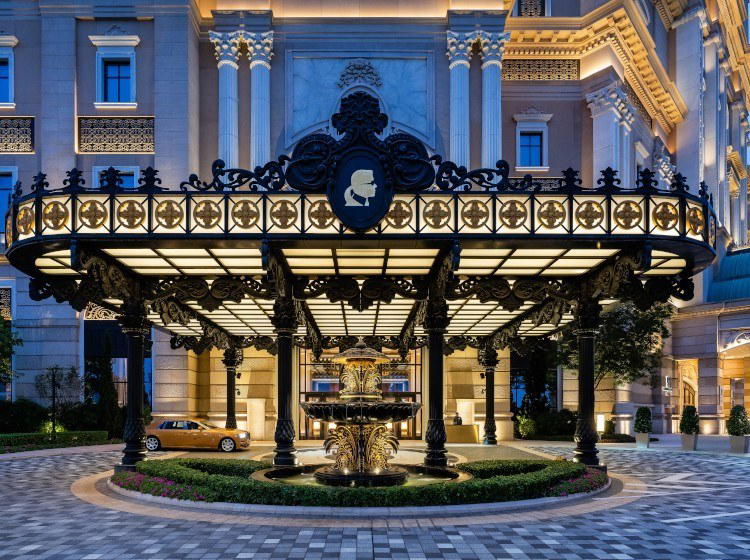
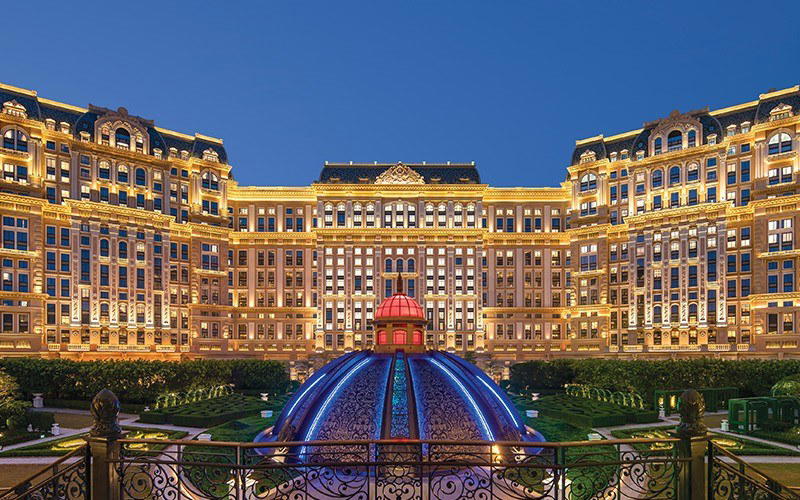
Grand Lisboa Palace is the newer anchor in SJM Resorts' Macau portfolio, a complex that opened with deliberate scale and a cultural programming emphasis distinct from the older Lisboa properties on the peninsula. The resort occupies the Cotai Strip's less congested northern edge, and arriving at Zuicho means passing through an environment designed around curation rather than casino-floor density. The corridor approach to a Japanese fine-dining room inside a resort property matters more than it might seem: the transition between the resort's public scale and the comparative restraint of a Japanese counter format creates an arrival experience that shifts the register before you sit down. That contrast between exterior scale and interior precision is something Japanese fine dining rooms in major resort properties across Asia have learned to manage carefully, and it shapes guest expectations from the first moment.
Cotai and What It Asks of a Restaurant
Cotai Strip addresses carry specific pressures. The guest mix skews toward high-spending visitors with access to multiple dining options within a short walk, which means a restaurant earns its repeat business through differentiation rather than convenience. Zuicho's World of Fine Wine London Awards regional win for Asia is the clearest external signal that it has cleared that bar: that particular award programme focuses on wine programme quality and food-and-wine coherence, which positions Zuicho in a different peer conversation from restaurants recognised purely on kitchen output. In a city where Cantonese wine pairings and French cellar lists dominate the award-winning tier, a Japanese restaurant earning that kind of recognition points to a serious beverage programme sitting alongside the food. For regional comparison, the award places Zuicho in the same conversation as recognised Japanese and Chinese fine-dining addresses across Asia, including standout tables like Xin Rong Ji in Beijing, 102 House in Shanghai, and Ru Yuan in Hangzhou.
Japanese Fine Dining in the Macau Context
The city's Japanese dining offer has grown significantly as the resort sector expanded into Cotai, but the upper end remains smaller than comparable tiers in Hong Kong or Tokyo. Macau lacks the dense local clientele that sustains a high-volume omakase culture; instead, its premium Japanese rooms depend on visitors who arrive with prior fine-dining experience and specific expectations about product quality and service rhythm. That dynamic pushes Japanese kitchens in Macau toward the more formal, structured end of the format spectrum rather than the casual izakaya or robatayaki modes that do well in denser urban markets. Zuicho's positioning within Grand Lisboa Palace aligns with that pattern: the resort's overall pitch to guests is premium and considered, and a Japanese room that earned external recognition for its wine integration fits that profile precisely. For comparison, the Hunan-Sichuan register that Feng Wei Ju occupies in Macau represents the other end of the Chinese dining spectrum , regional and spice-forward , while Zuicho operates in an entirely separate culinary grammar.
Wine, Japan, and What the Award Actually Signals
The World of Fine Wine London Awards regional win is not a kitchen-only credential. The programme's methodology weights how well a restaurant's wine offer integrates with the food, which means Zuicho's recognition reflects something beyond sourcing quality fish or executing clean knife work. Japanese cuisine's relationship with wine has evolved considerably over the past decade: sake-forward pairings gave way to a more hybrid approach in which Burgundy, Champagne, and aged German Riesling appear alongside traditional Japanese beverages. A restaurant recognised in this specific award context has presumably committed to a cellar and a floor team that can communicate that pairing logic to guests, many of whom will arrive with wine knowledge rather than sake knowledge. That is a specific operational investment, and it places Zuicho in a peer set that includes recognised tables across China and Asia more broadly, from Xin Rong Ji in Chengdu and Imperial Treasure Fine Chinese Cuisine in Guangzhou to Dai Yuet Heen in Nanjing , restaurants where the beverage programme contributes meaningfully to the overall experience rather than serving purely as a revenue line.
Planning a Visit
Zuicho operates within the Grand Lisboa Palace complex on Cotai, accessible via the resort's shuttle network from the ferry terminals and the border gates, which makes it reachable from Hong Kong in under an hour door-to-door on a fast ferry. For guests not staying at Grand Lisboa Palace, the recommendation is to treat the visit as a destination evening rather than a quick dinner stop: the resort's scale and the Japanese dining format both reward a slower approach. Reservations at this tier in Macau generally move through the resort's central booking infrastructure, and for high-demand periods including Golden Week, Chinese New Year, and major convention weeks, securing a table several weeks ahead is the standard requirement rather than the exception. Dress code expectations at Japanese fine-dining rooms within luxury resort properties in Macau sit at smart-casual as a floor, with formal or business attire more common among regular visitors. For a broader picture of the city's dining and hospitality options, see our full Macau restaurants guide, our full Macau hotels guide, our full Macau bars guide, our full Macau wineries guide, and our full Macau experiences guide. For wider regional context, comparable fine-dining experiences in the same international award tier include Le Bernardin in New York City and Emeril's in New Orleans, both recognised addresses where kitchen discipline and beverage programme coherence operate in tandem.
The Short List
These are the closest comparables we have in our database for quick context.
| Venue | Notes | Price |
|---|---|---|
| Zuicho Grand Lisboa Palace | This venue | |
| Lai Heen | Cantonese, $$$ | $$$ |
| Aji | Nikkei, Innovative, $$$$ | $$$$ |
| Five Foot Road | Sichuan, $$ | $$ |
| Robuchon au Dôme | French Contemporary, $$$$ | $$$$ |
| Feng Wei Ju | Hunan-Sichuan, Hunanese, $$ | $$ |
At a Glance
- Elegant
- Sophisticated
- Intimate
- Opulent
- Special Occasion
- Date Night
- Chefs Counter
- Open Kitchen
- Hotel Restaurant
- Extensive Wine List
- Sake Program
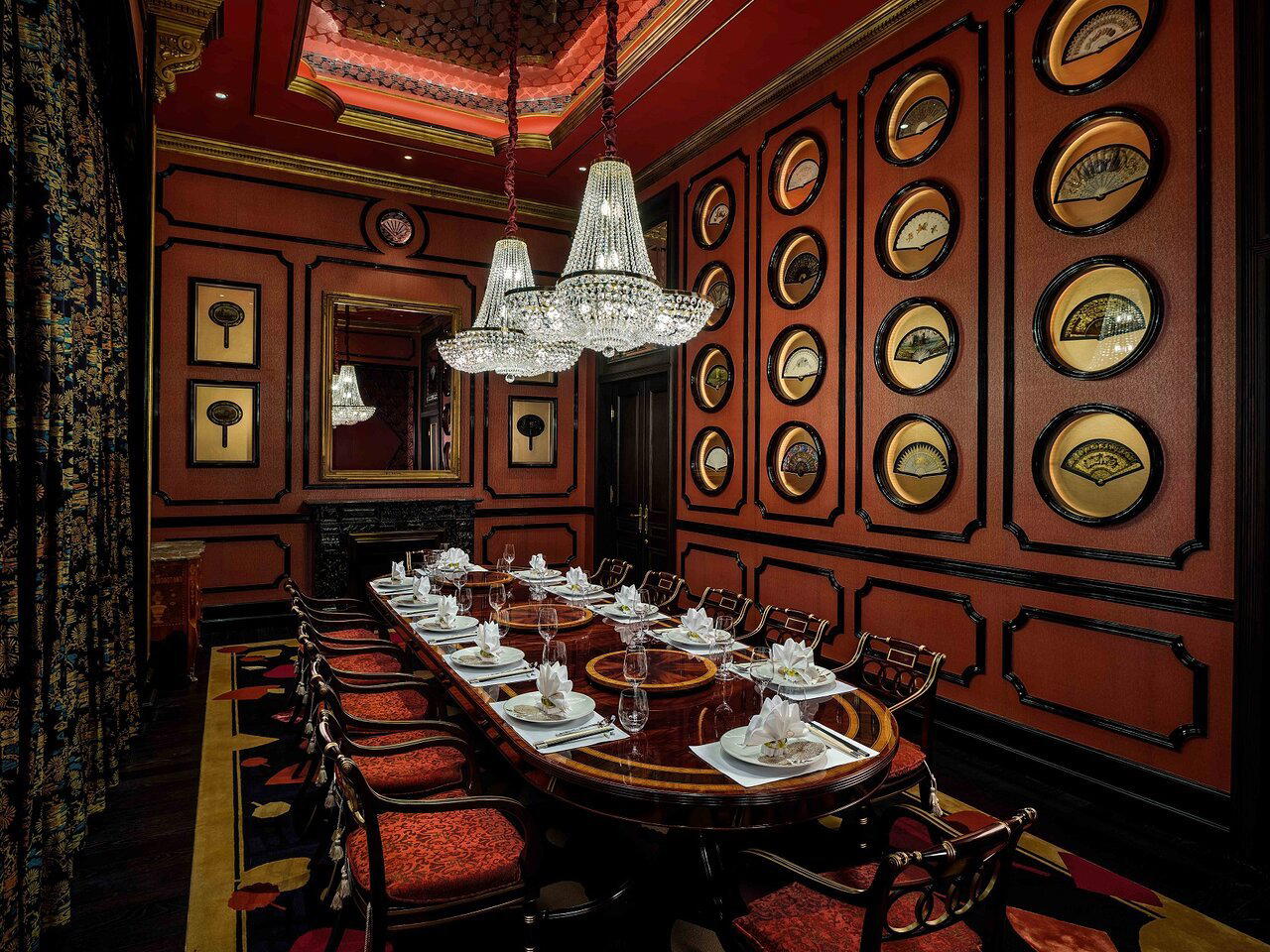
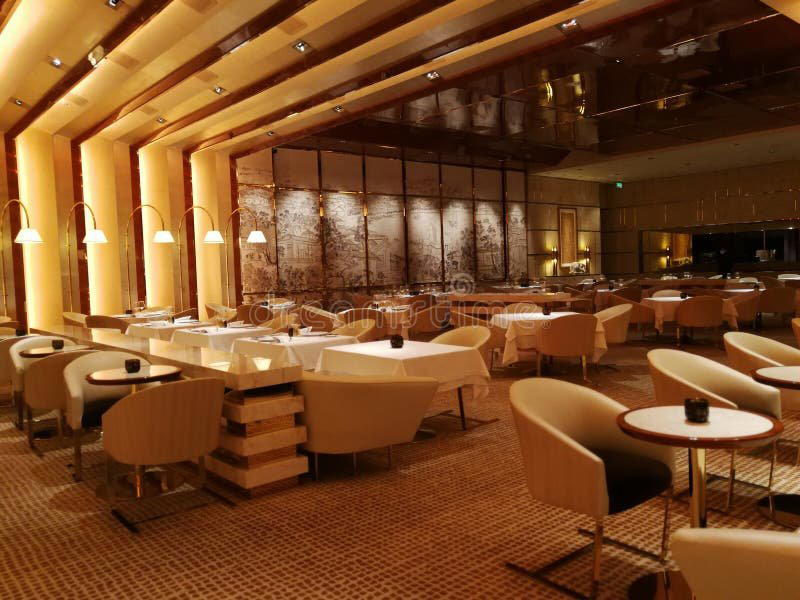
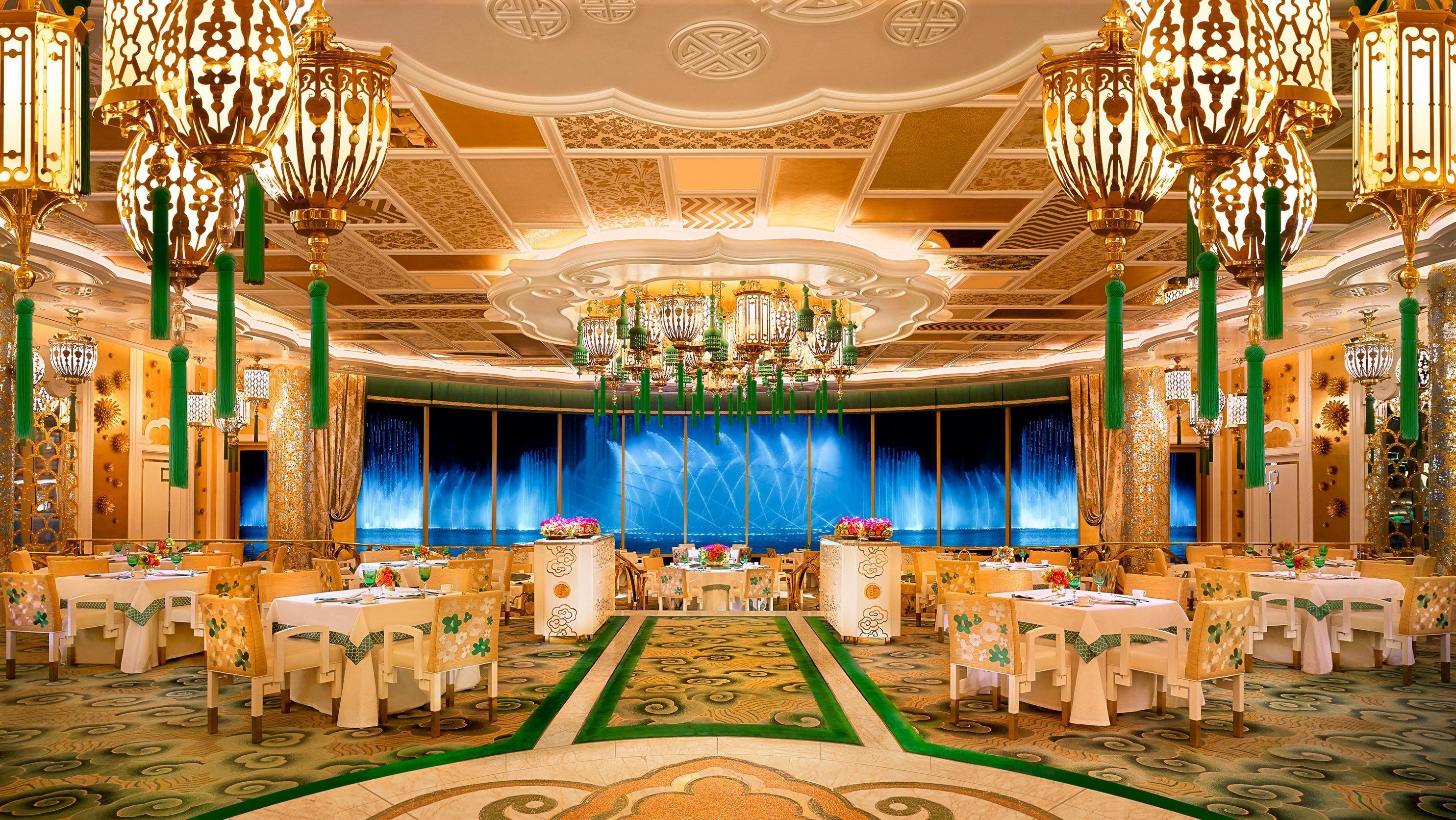
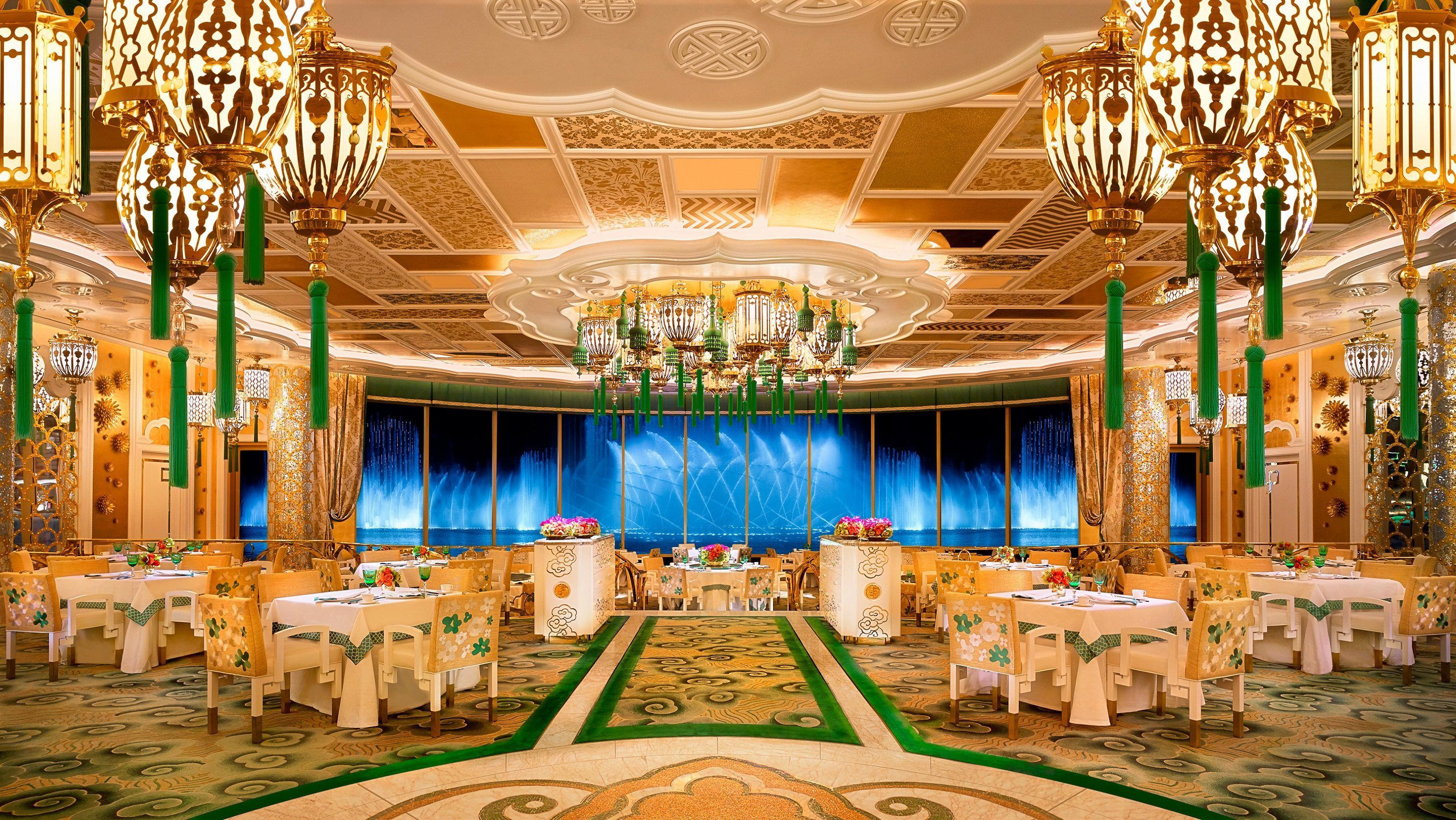
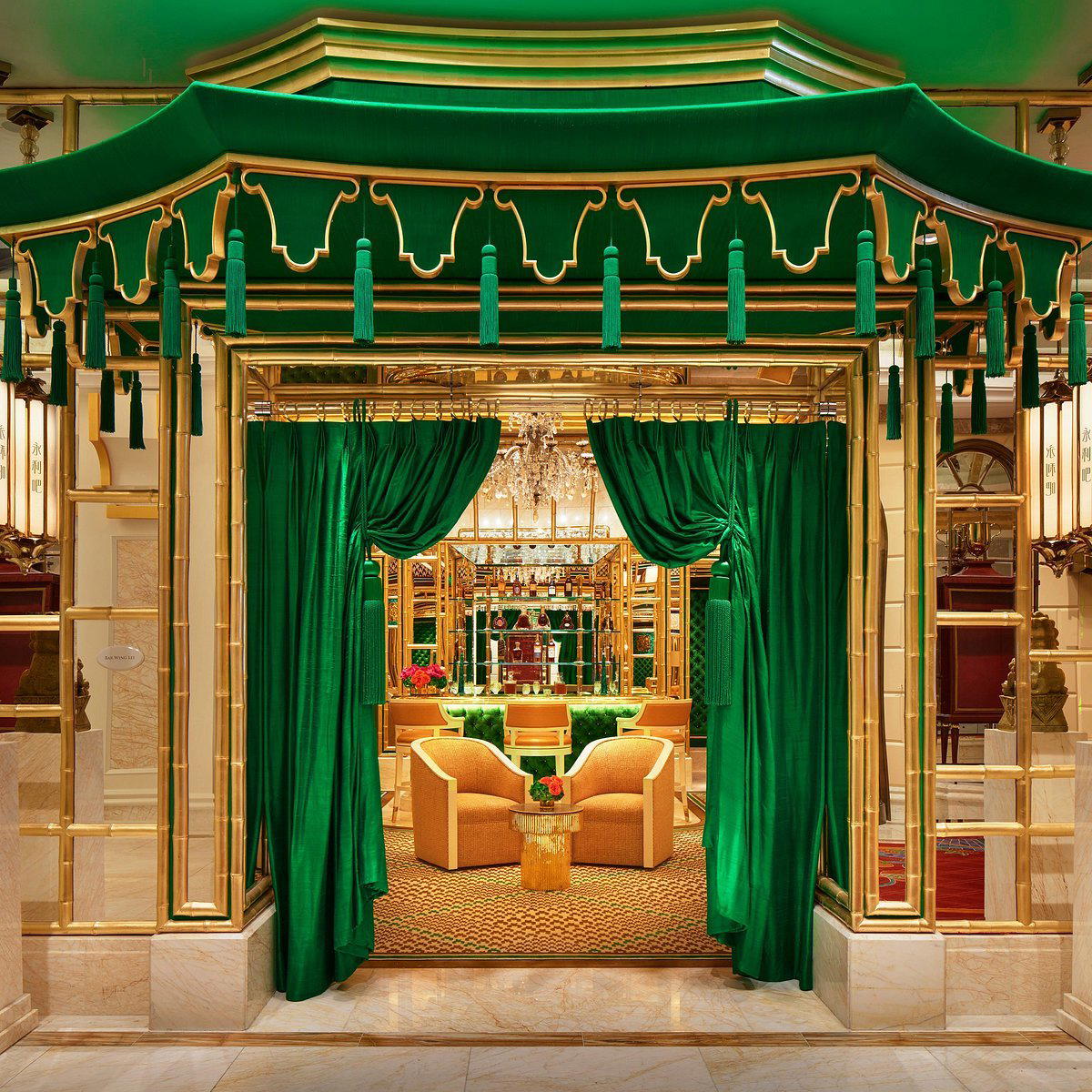
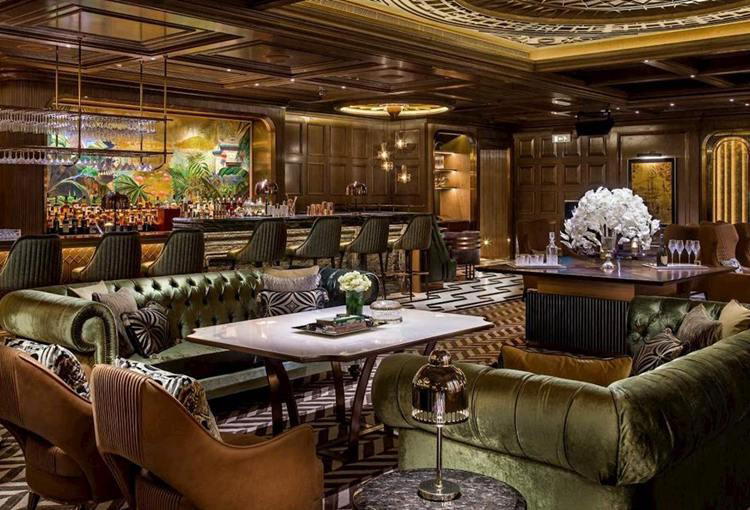
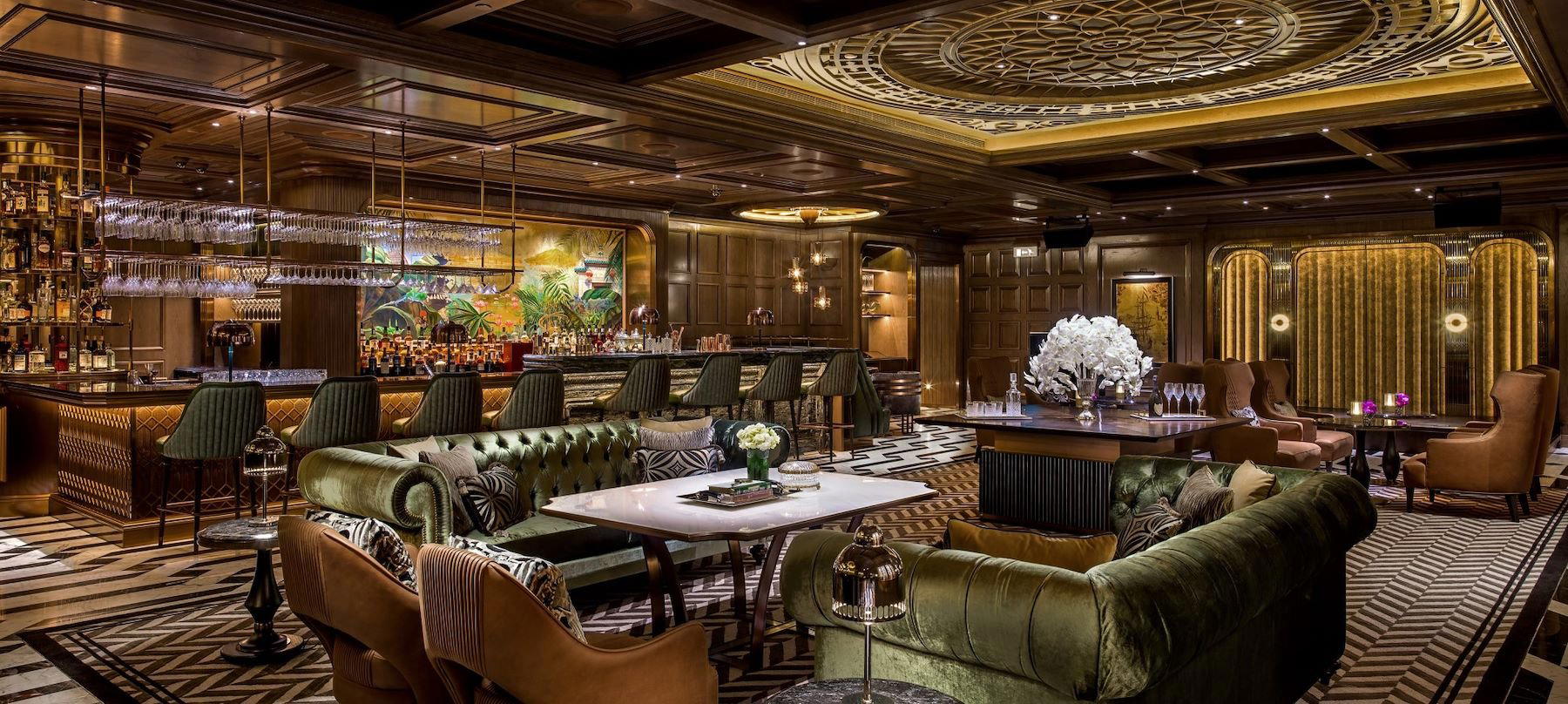
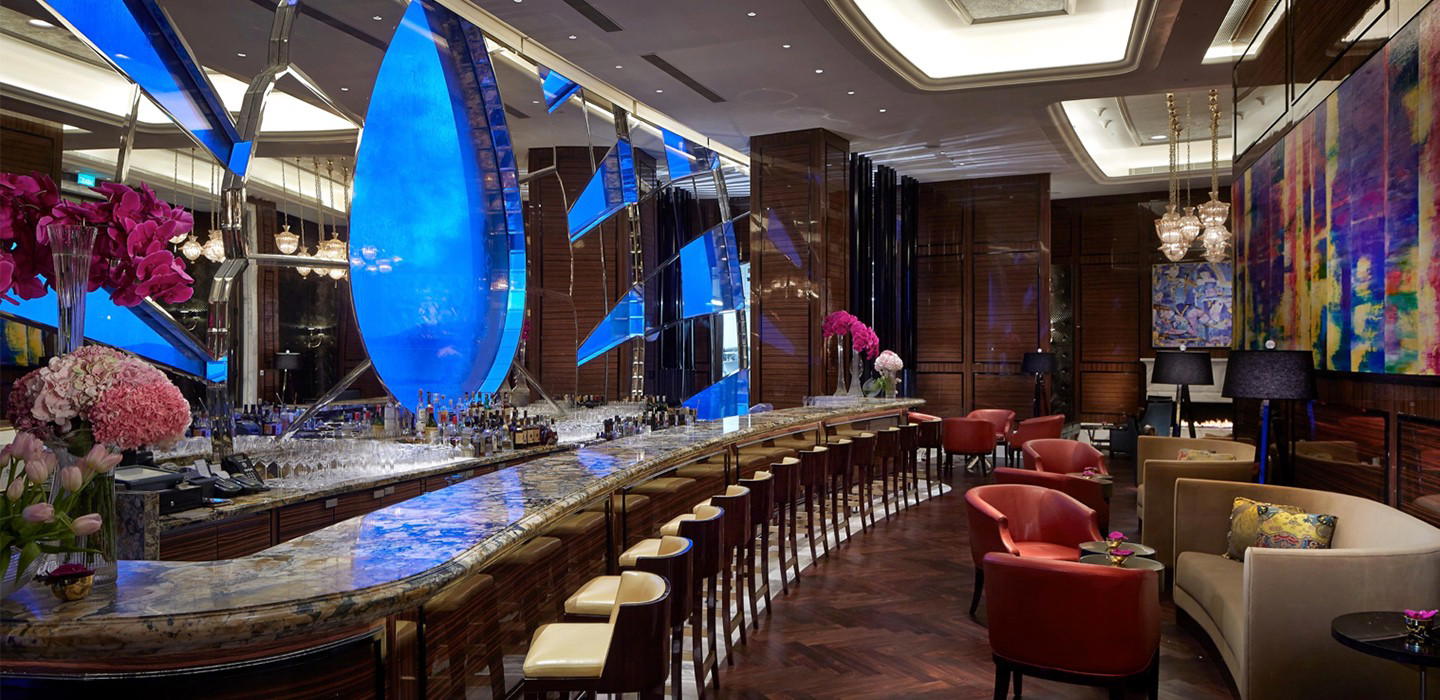
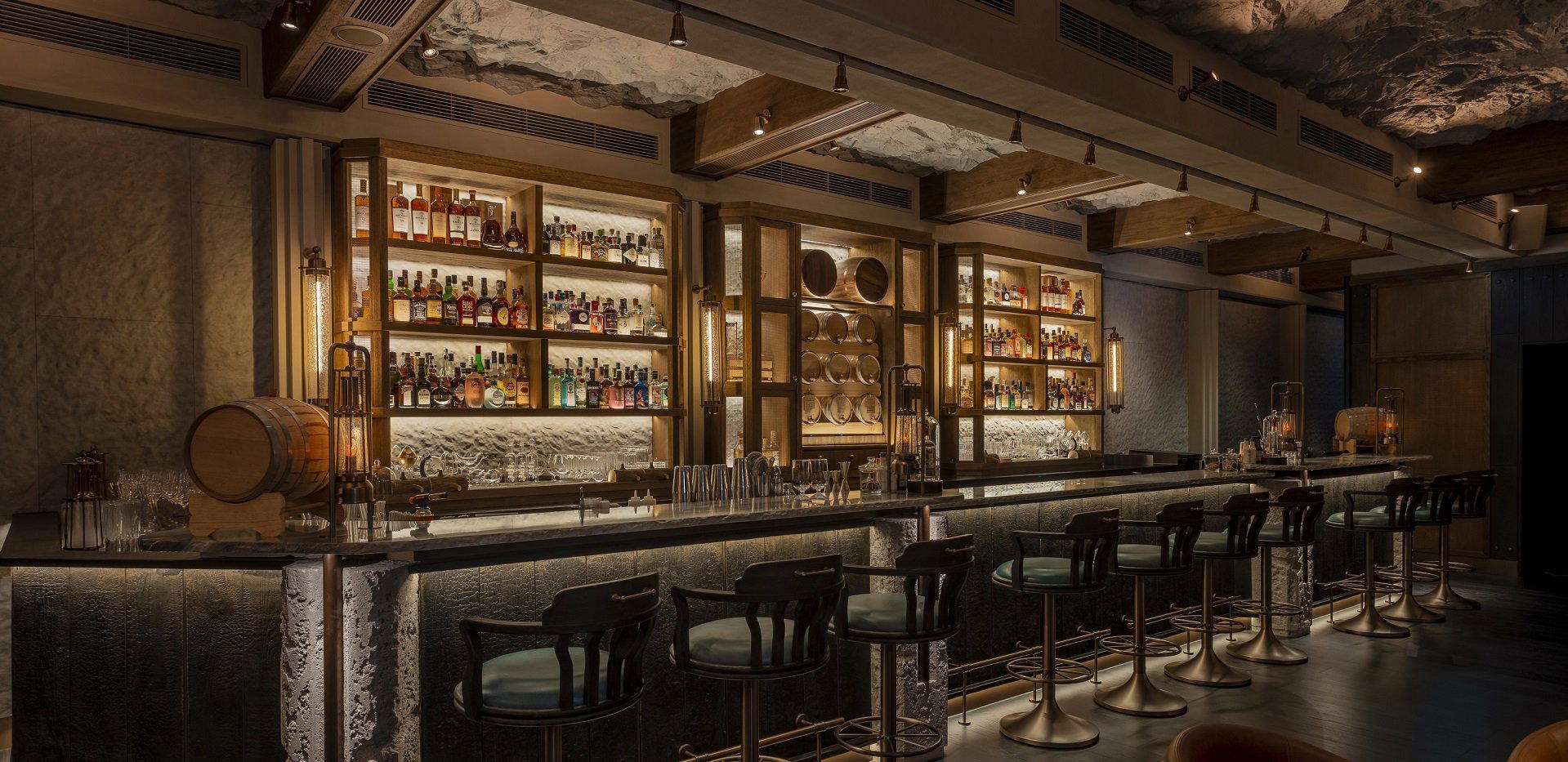
Cultured, gracious and elegant space with intimate, hushed atmosphere centered around the chef's counter and open kitchen.