
SCMP 100 Top Tables Bars
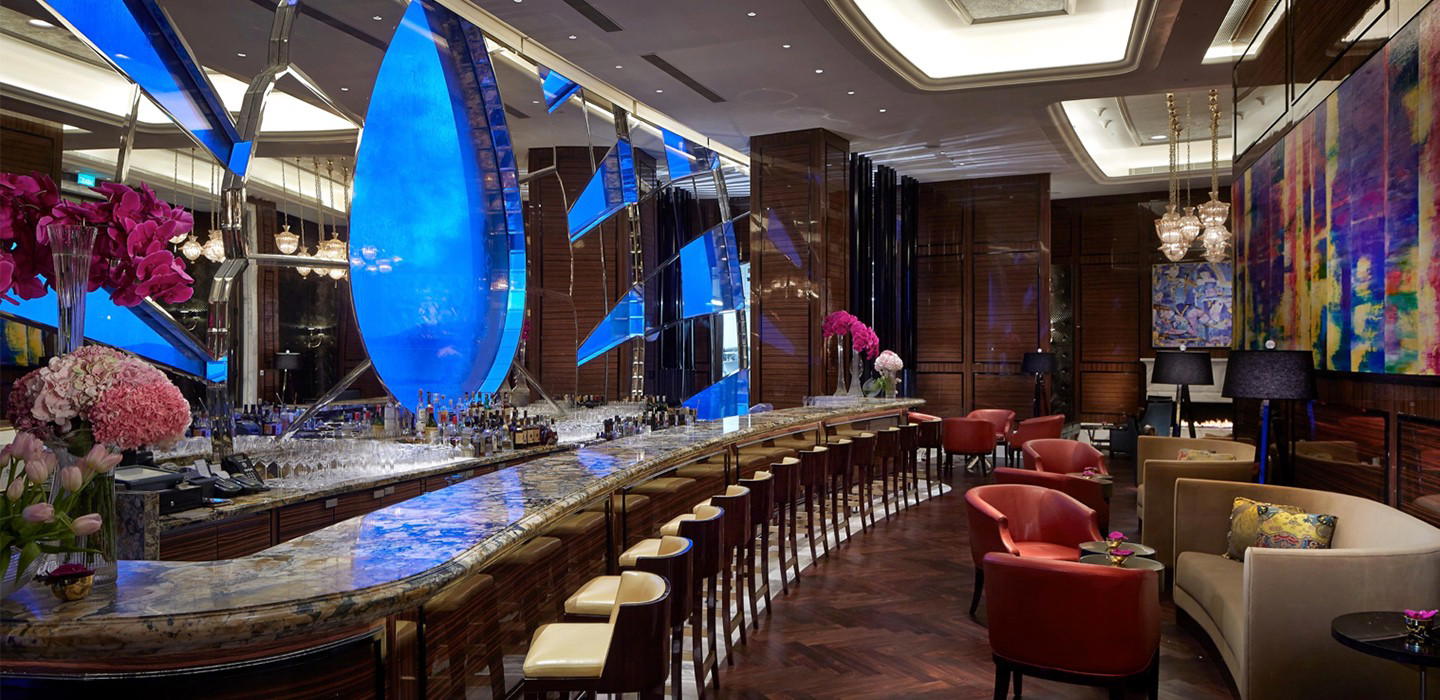
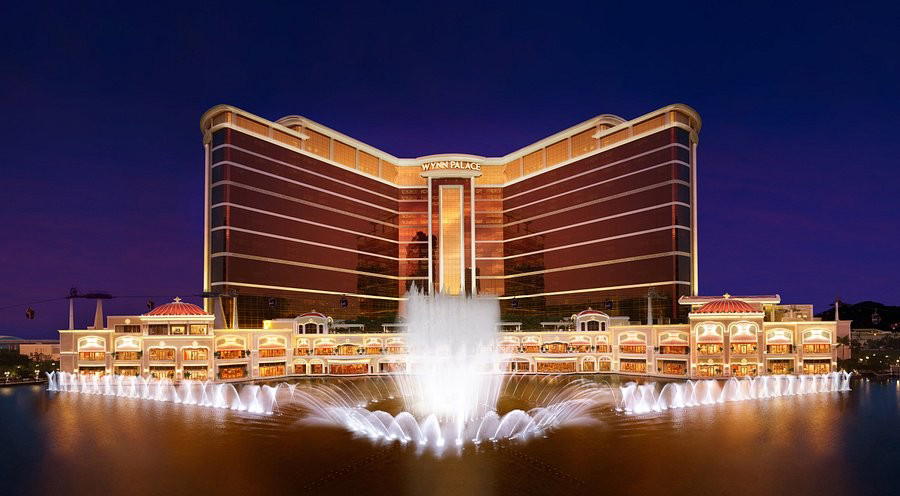
Wing Lei Bar belongs to Macau’s polished hotel-bar circuit, where casino-resort scale meets a more composed lounge rhythm. The draw is less about spectacle than controlled atmosphere: a late-day cocktail setting inside Wynn Palace, useful for readers comparing Cotai’s grand hotel bars with quieter lounge formats across the city.

Pearl is the En Primeur Club membership app, where members save venues, book tables and use the concierge.
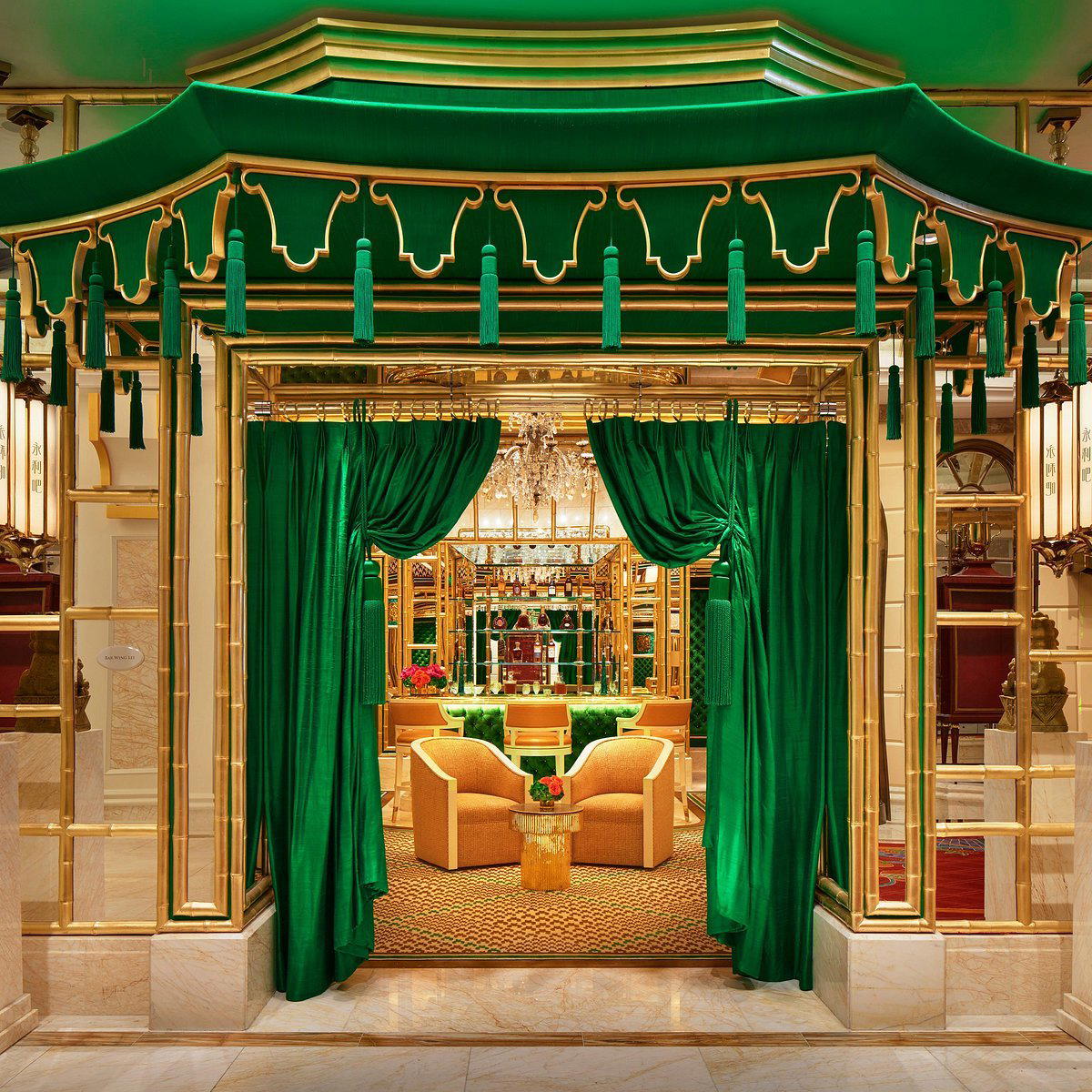
Approaching a serious bar in Macau is rarely neutral. The city has built much of its premium drinking culture inside polished hospitality settings, where scale, lighting, service choreography and late-night pacing shape the room before the first drink arrives. Wing Lei Bar fits that grammar: a composed lounge in Macau, with the formality of premium hospitality and an after-dark cadence rather than the street-level looseness of older neighbourhood bars.
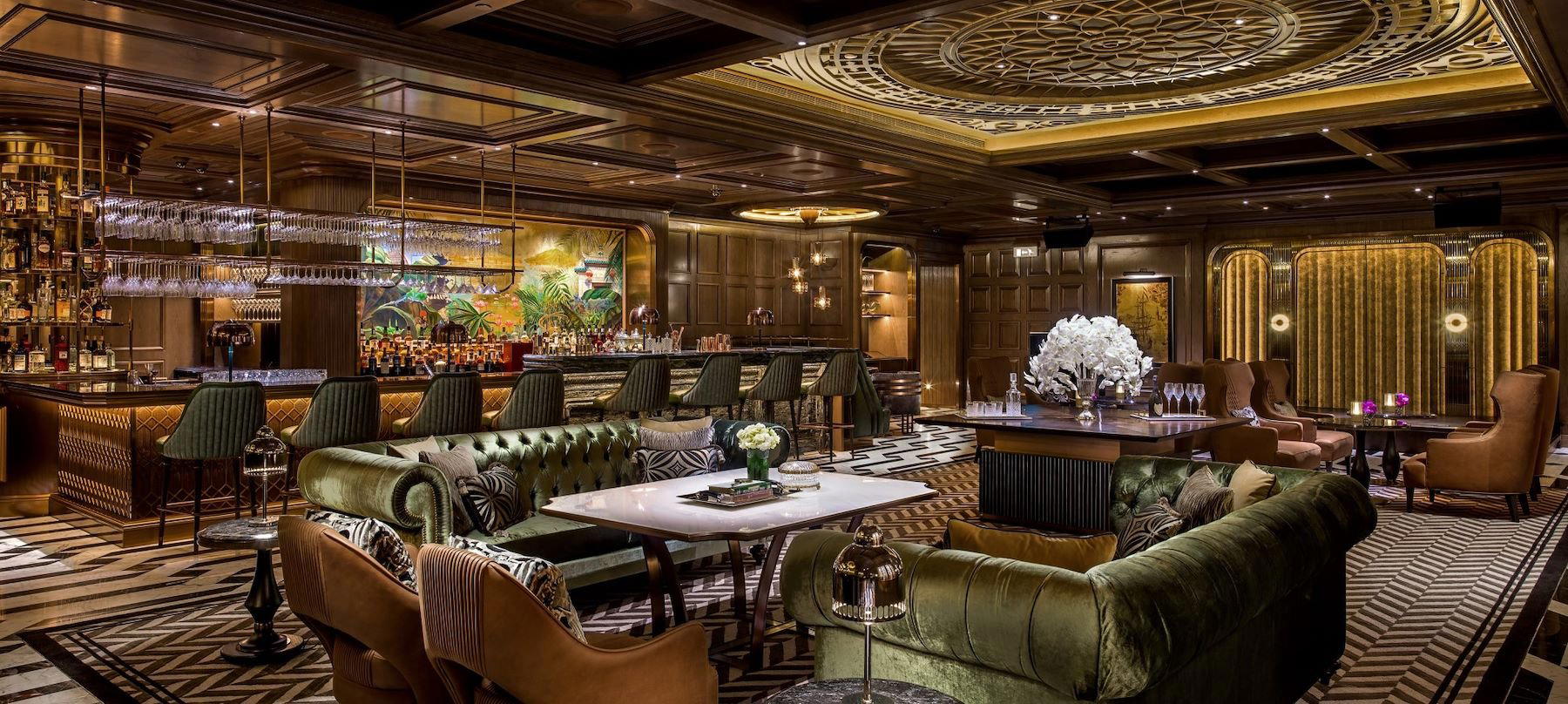
That matters because Macau’s bar scene is not one scene. It divides between polished lounges for international guests, dining-adjacent bars that absorb pre- and post-meal traffic, and smaller rooms where the cocktail programme carries more of the identity. Wing Lei Bar sits in the first two categories. Its value is setting and sequence: a place to read the evening, reset between dining and wider night movement, or hold a quieter drink while Macau runs at full volume.
Macau hotel drinking, measured rather than theatrical
Macau’s premium bars often borrow grand-hospitality language: polished surfaces, controlled sound, seating for lingering, and service that avoids the speed of a standalone cocktail bar. That can be an advantage when the city is crowded. A lounge within a premium hospitality context gives visitors predictability, climate control and occasion without making the night feel like a separate cross-town project.
Wing Lei Bar is best understood within that polished-lounge category, not against small independent cocktail counters. Macau comparisons include Bar Patuá, Grand Hyatt Macau Lobby, The Book Lounge, THE KARL LAGERFELD Bar and Lounge, and The St. Regis Bar (Macau), all pointing to the same broader pattern: here, premium bars are part of the hospitality architecture rather than peripheral add-ons. The room, route through the property and pacing of service carry nearly as much weight as the drink list.
That does not make the category anonymous. It makes discipline more visible. In a resort-style bar, the weak version feels decorative; the stronger version handles guests before dinner, after dinner, between meetings, or late in the evening with no appetite for a loud room. Wing Lei Bar’s Macau setting gives it a built-in audience, but the editorial question is whether the format suits the night. For a composed Macau drink, it does. For a bartender-led counter where drink-making is the entire performance, other formats may fit more cleanly.
The cocktail programme works through restraint and setting
The assigned lens is the cocktail programme, but public detail favours category analysis over invented drink names or tasting notes. That is useful. Macau has many bars where the menu is less about one famous serve than how drinks function inside a larger evening: aperitif before dinner, nightcap after a long meal, champagne or classic cocktails in a room that supports conversation. Wing Lei Bar belongs to that integrated mode.
In dense cocktail cities, drinkers often prize technical transparency: clarified serves, house ferments, rare spirits, guest-shift culture, and menus that read like lab notes. Macau’s premium bars usually play differently. They depend on range, consistency and comfort for a broad international audience. Creative vision is expressed through balance and service rhythm rather than aggressive menu rhetoric. That makes the bar sensible for travellers who want a polished drink without turning the evening into a study session.
The listed award signal attached to Wing Lei Bar gives it credibility, though the bar should not be reduced to trophy language. Its recognition on SCMP 100 Top Tables 2026 - Bars helps separate serious lounge programmes from decorative resort spaces. It does not, alone, tell readers what to order or how the room feels at midnight. The stronger read is that recognition places the bar inside Macau’s competitive luxury-hospitality circuit, where service consistency and room control are part of the product.
Readers building a broader Macau itinerary should treat this as one stop in a larger map, not the whole drinking plan. For more city context, compare it with other Macau lounges and dining-adjacent bars. Wider reference points sit in our full Macau bars guide, while dining-led evenings are better planned with our full Macau restaurants guide and hotel choices through our full Macau hotels guide.
How to place it in a Macau night
The practical use case is clear: Wing Lei Bar works when the evening is already centred on Macau. Macau rewards tight routing. Moving between different parts of the city can reshape a night, especially when dinner, drinks and wider logistics are split across zones. A bar in a premium hospitality setting reduces friction and gives the evening a controlled middle act rather than a separate excursion.
For visitors treating Macau as a full cultural itinerary, drinking should sit alongside restaurants, hotels and specialist experiences rather than compete with them. The city’s premium appeal comes from compression: dining, resort architecture, gaming-floor energy, historic traces and late service hours within a small geography. That is why a lounge of this type can be more useful than it first appears. It structures the gap between planned meals and unscripted night movement.
EP Club readers comparing bar cultures beyond Macau can use Wing Lei Bar as a polished-lounge benchmark. It differs from destination cocktail rooms in other cities, where identity may be more tightly bound to concept or locality. Here, the point is Macau’s premium polish: controlled, late-running, and designed to absorb the city’s high-spend rhythm without making every drink the centre of attention.
For a fuller itinerary, pair the bar map with our full Macau wineries guide and our full Macau experiences guide. The verdict is practical rather than breathless: choose Wing Lei Bar when the night calls for a composed Macau lounge with credible recognition and minimal logistical drag. Choose a smaller cocktail counter when the drink programme itself needs to carry the entire evening.
How It Stacks Up
Comparable venues by cuisine and price in the same metro.
| Venue | Cuisine | Price | Awards | Notes |
|---|---|---|---|---|
| Wing Lei BarThis venue (the venue you are viewing) | cocktail_bar | $30–50 | SCMP 100 Top Tables Bars | Not listed |
| Bard’s Bar | cocktail_bar | Not listed | Not listed | Hampton Court, Londoner Grand |
Recognition history
Dated appearances from independent guides and award organizations, with the underlying list record or original source where available.
SCMP 100 Top Tables Bars
SCMP 100 Top Tables
Continue exploring
More in Macau
Bars in Macau
All bars in Macau →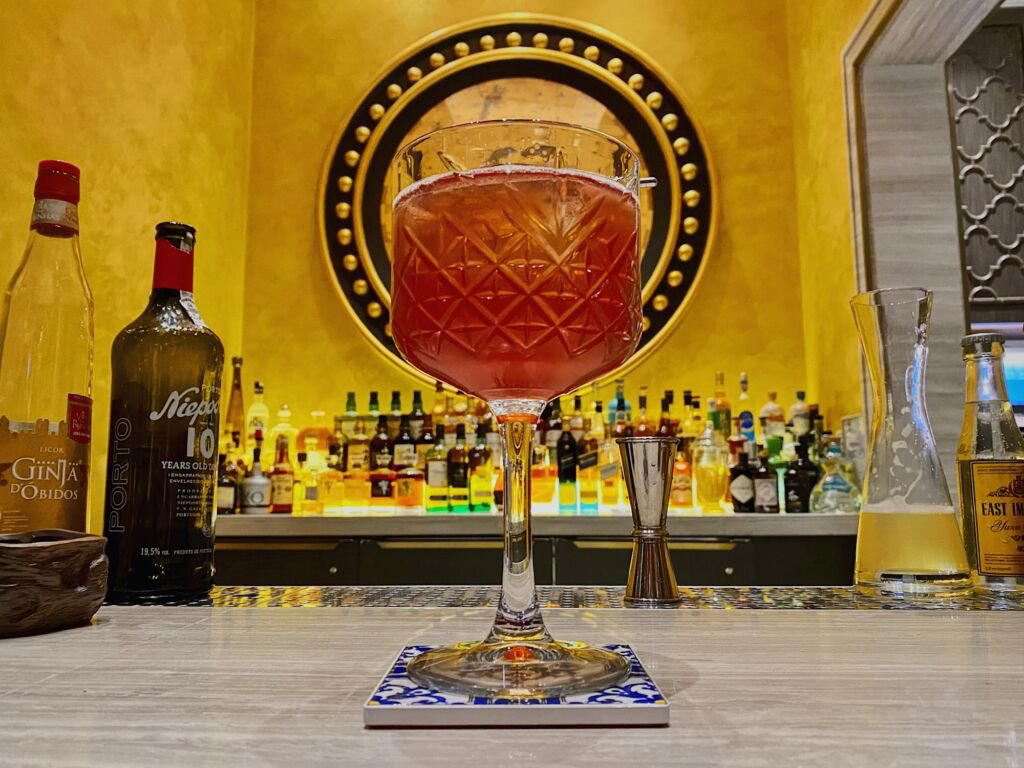
Restaurants in Macau
All restaurants in Macau →
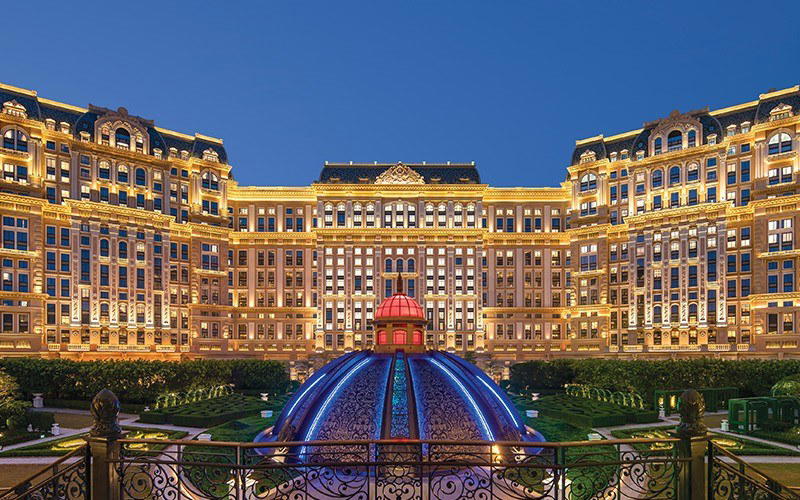
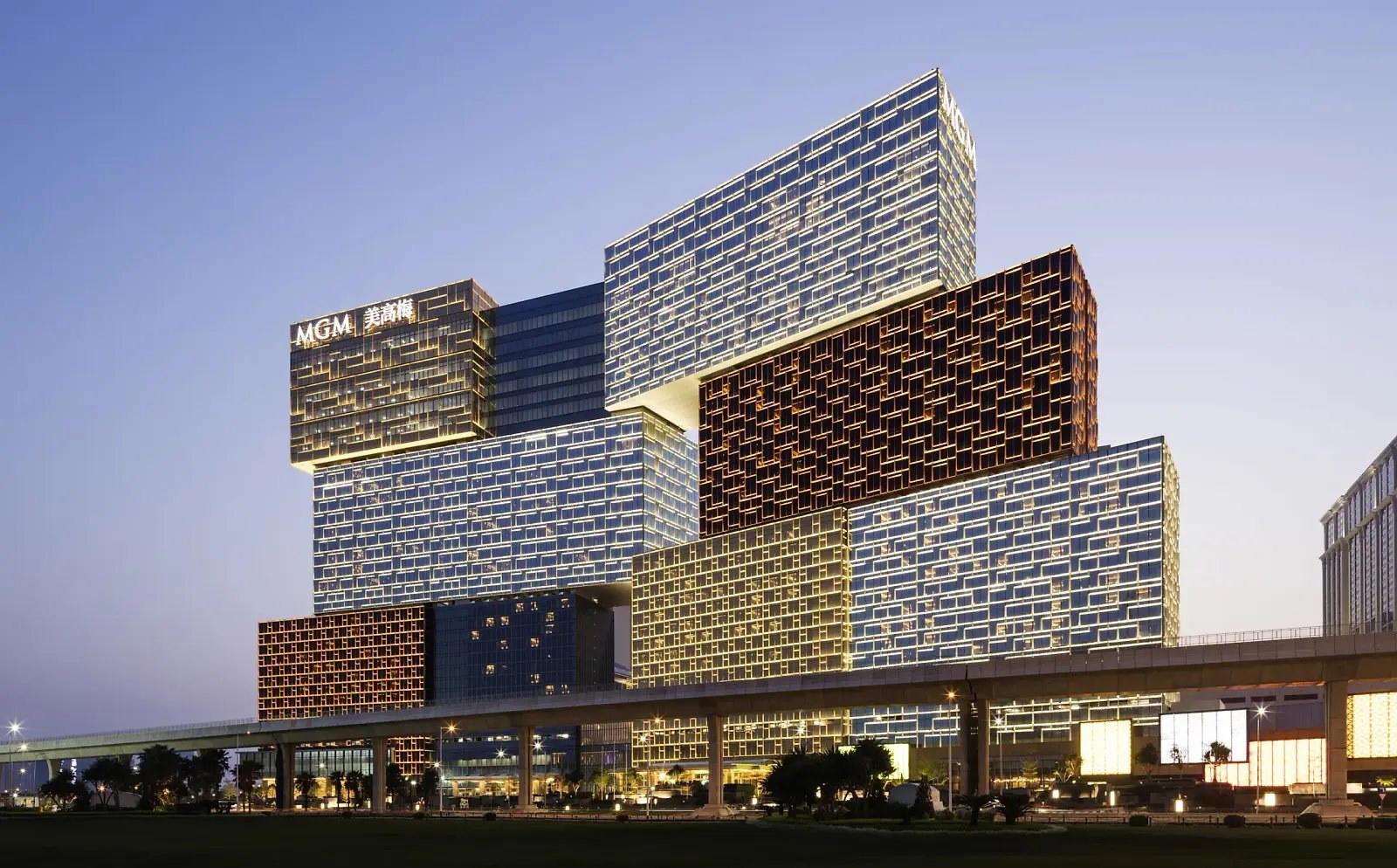
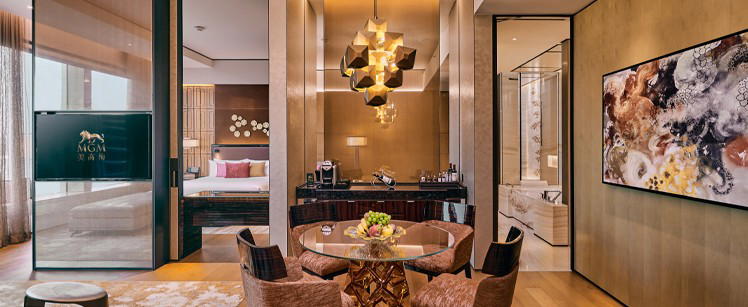
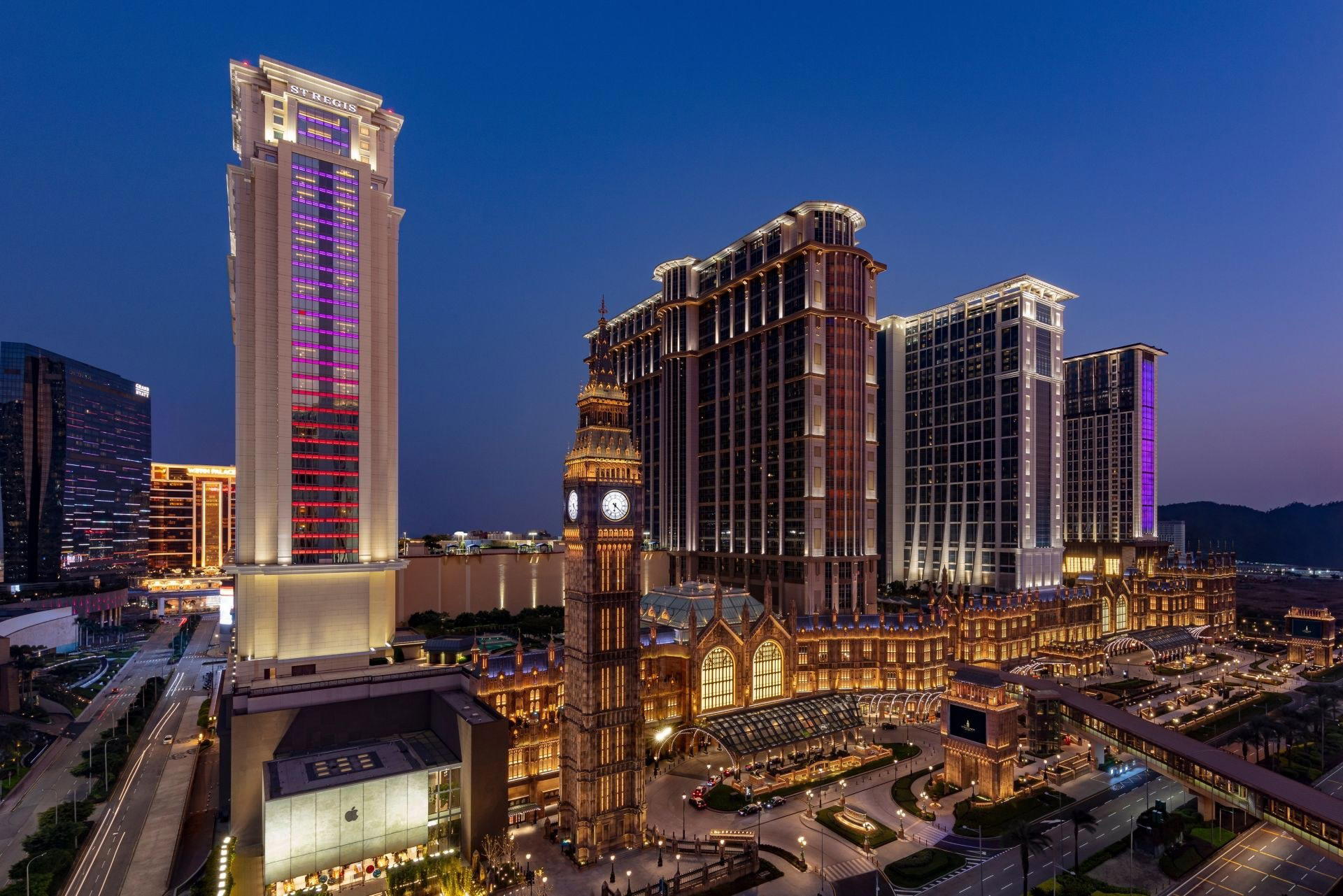
Wing Lei Bar
The drinks
- Craft cocktails
- Classic cocktails
Signature drinks: Clear & Spressy Danger, Hand of God, Manchester Tart, Tommy's Holiday.
Details
- Elegant
- Sophisticated
- Intimate
- Modern
- Date Night
- After Work
- Late Night
- Special Occasion
- Casual Hangout
- Hotel Bar
- Design Destination
- Seated Bar
- Lounge Seating
- Craft Cocktails
- Classic Cocktails
- Low Abv
Current opening hours
- Monday
- 5 PM–1 AM
- Tuesday
- 5 PM–1 AM
- Wednesday
- Closed
- Thursday
- 5 PM–1 AM
- Friday
- 5 PM–1 AM
- Saturday
- 5 PM–1 AM
- Sunday
- 5 PM–1 AM
Hours can change for holidays and private events. Hours as of .
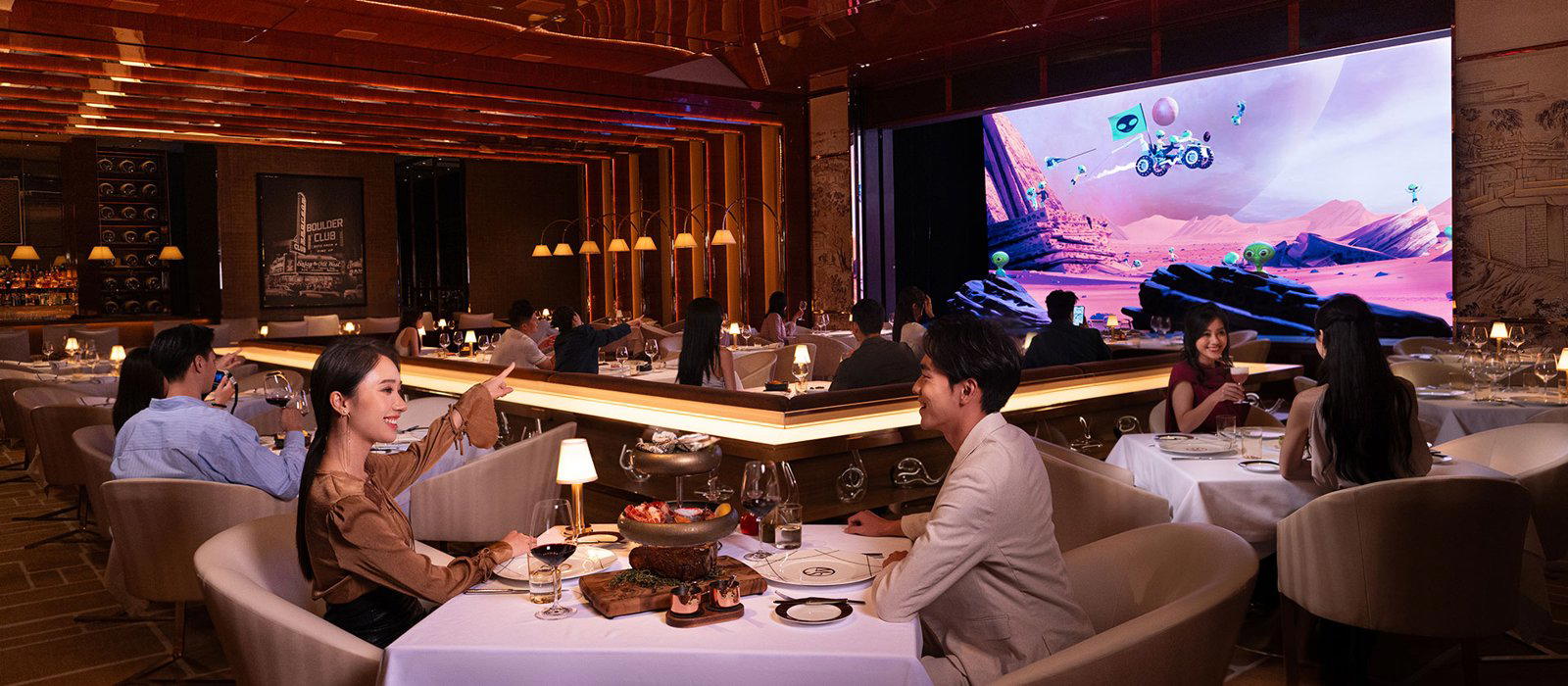
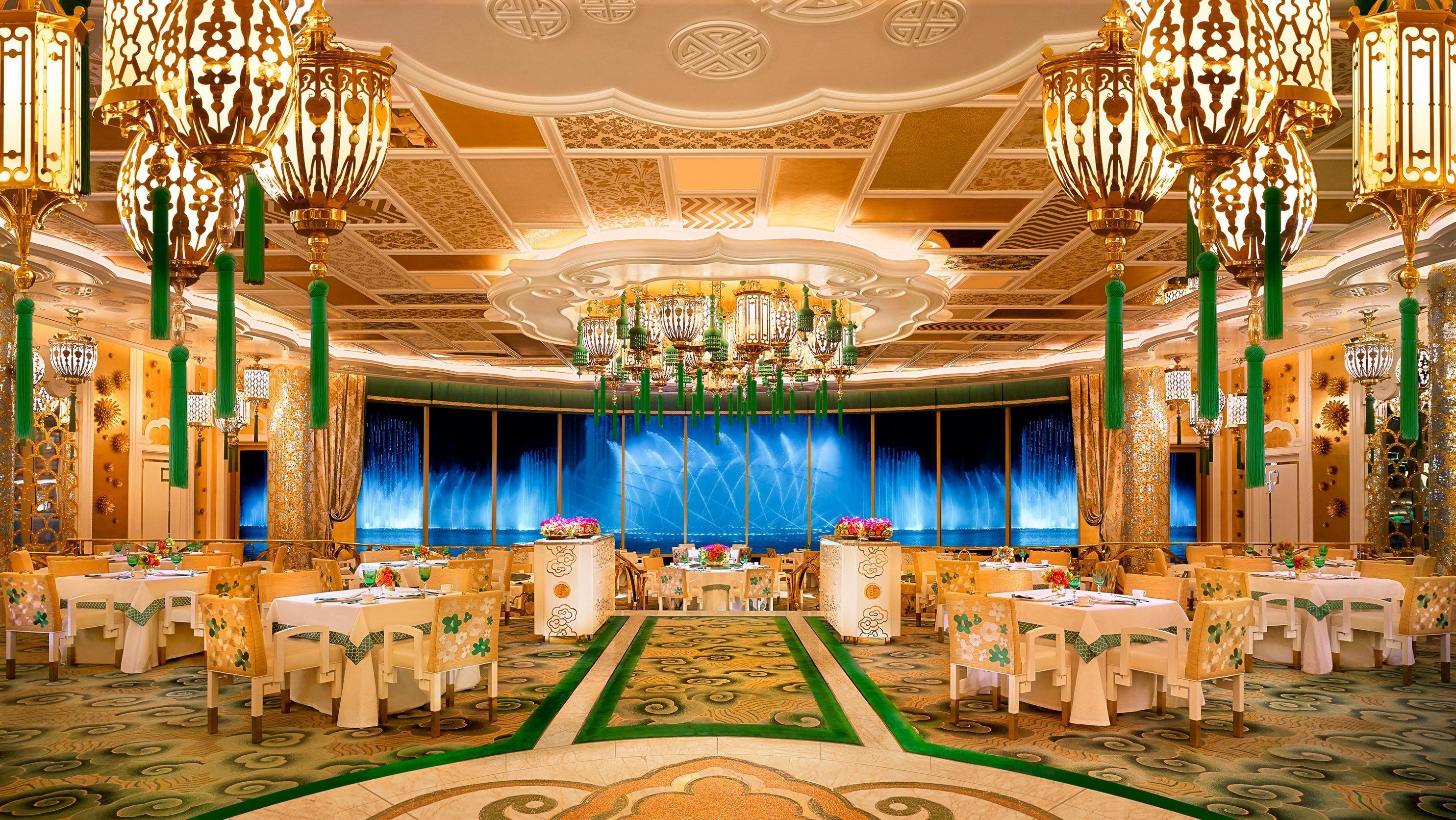
Glittering, elegant, and refined, with a jewel-box feel, mirrored surfaces, crystal lighting, and a sophisticated luxury-hotel atmosphere.