




Among Macau's Michelin-starred Chinese restaurants, Feng Wei Ju occupies a distinct position: two stars for Hunan-Sichuan cooking in a city where Cantonese fine dining dominates the recognition lists. Set on the fifth floor of the Star World Hotel, the room runs gold and red, the portions run generous, and the price point sits well below what comparable starred Chinese cooking demands elsewhere in the city.
Pearl is the En Primeur Club membership app — saves, bookings, and concierge access live there. Same editors, same standards.
- Address
- 5th Floor, Star World Hotel, Macao
- Phone
- +853 8290 8668
- Website
- starworldmacau.com
- Directions
- Get directions
 Saves & bookings on Pearl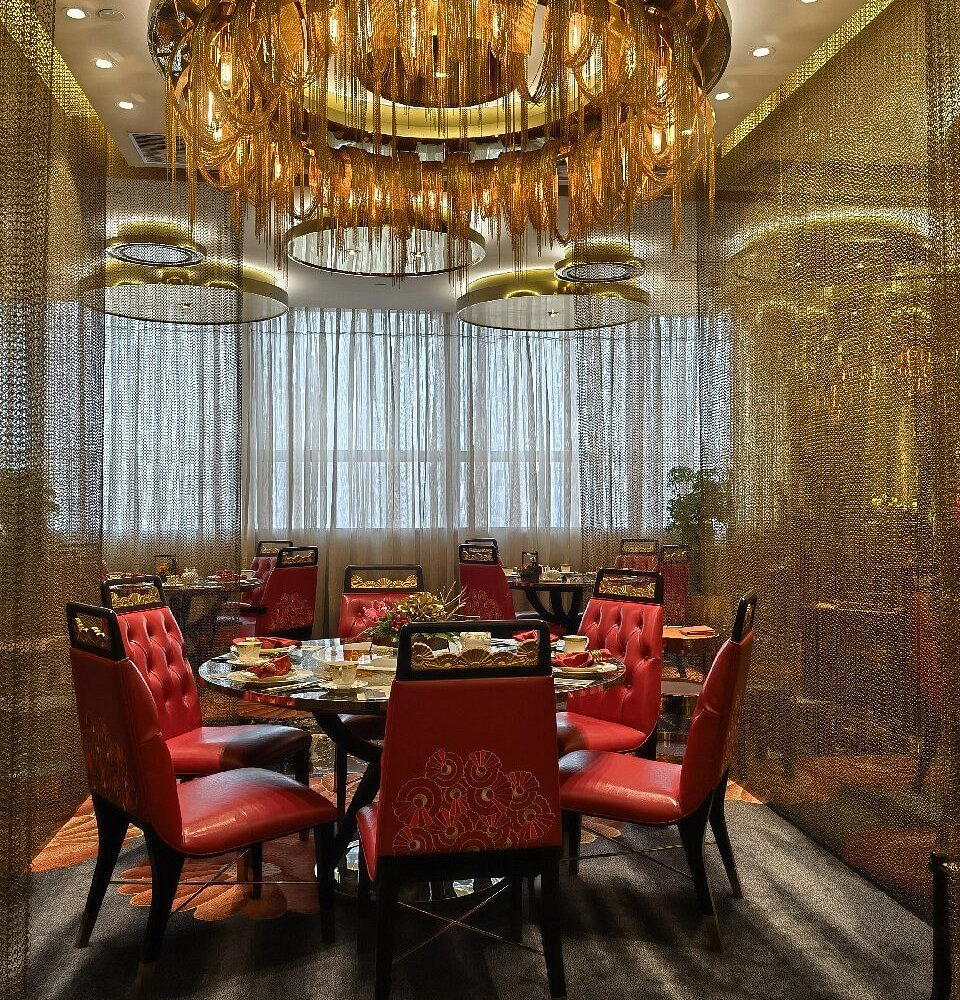
Gold, Red, and Chilli: Macau's Case for Hunan-Sichuan Fine Dining
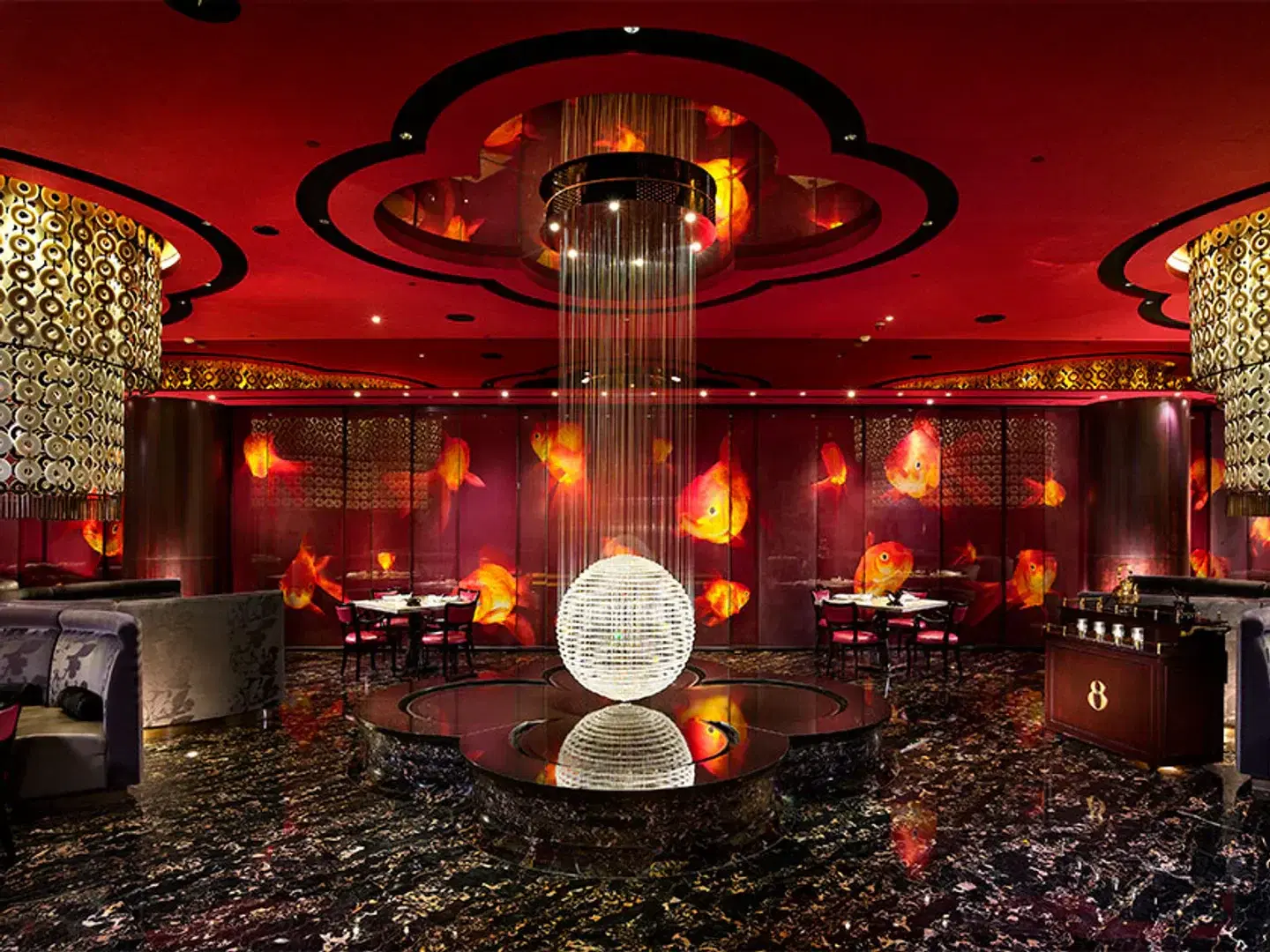
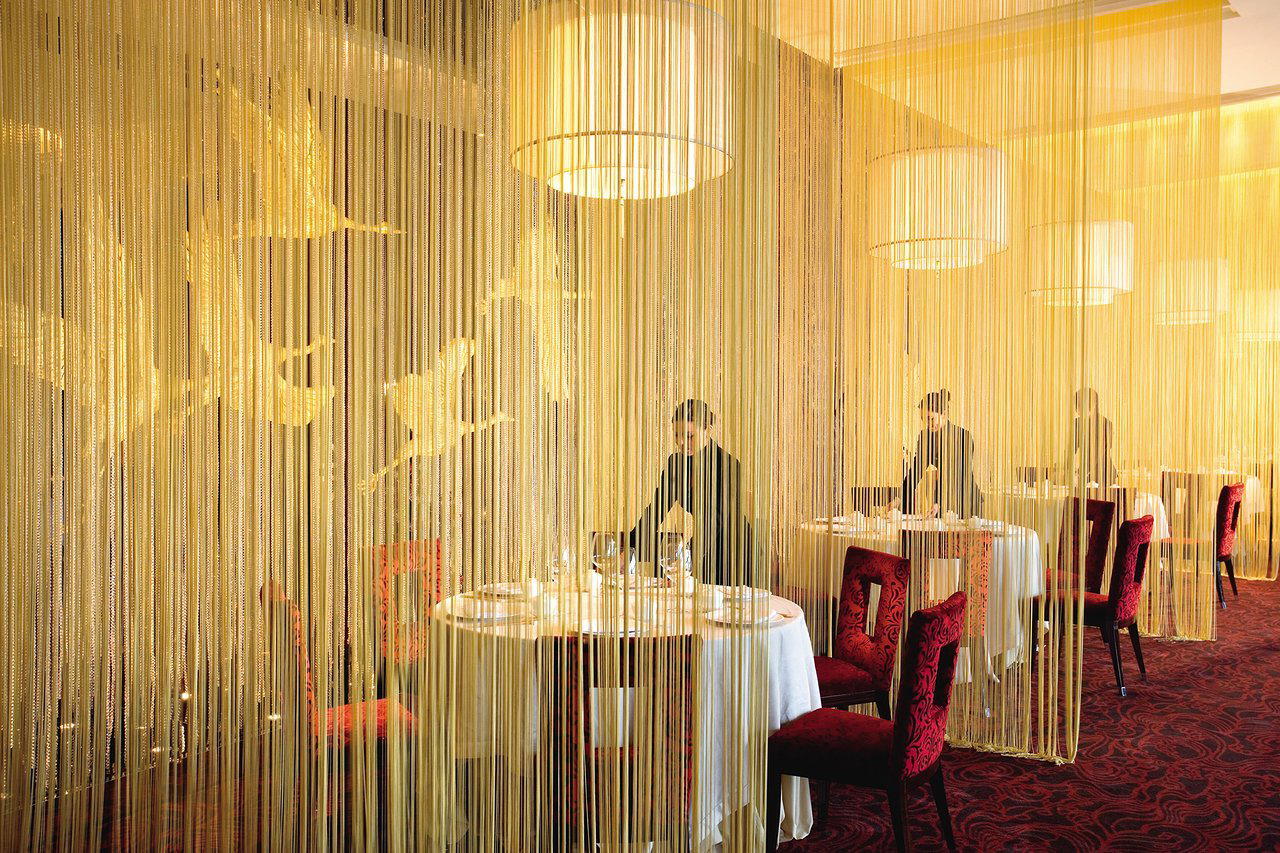
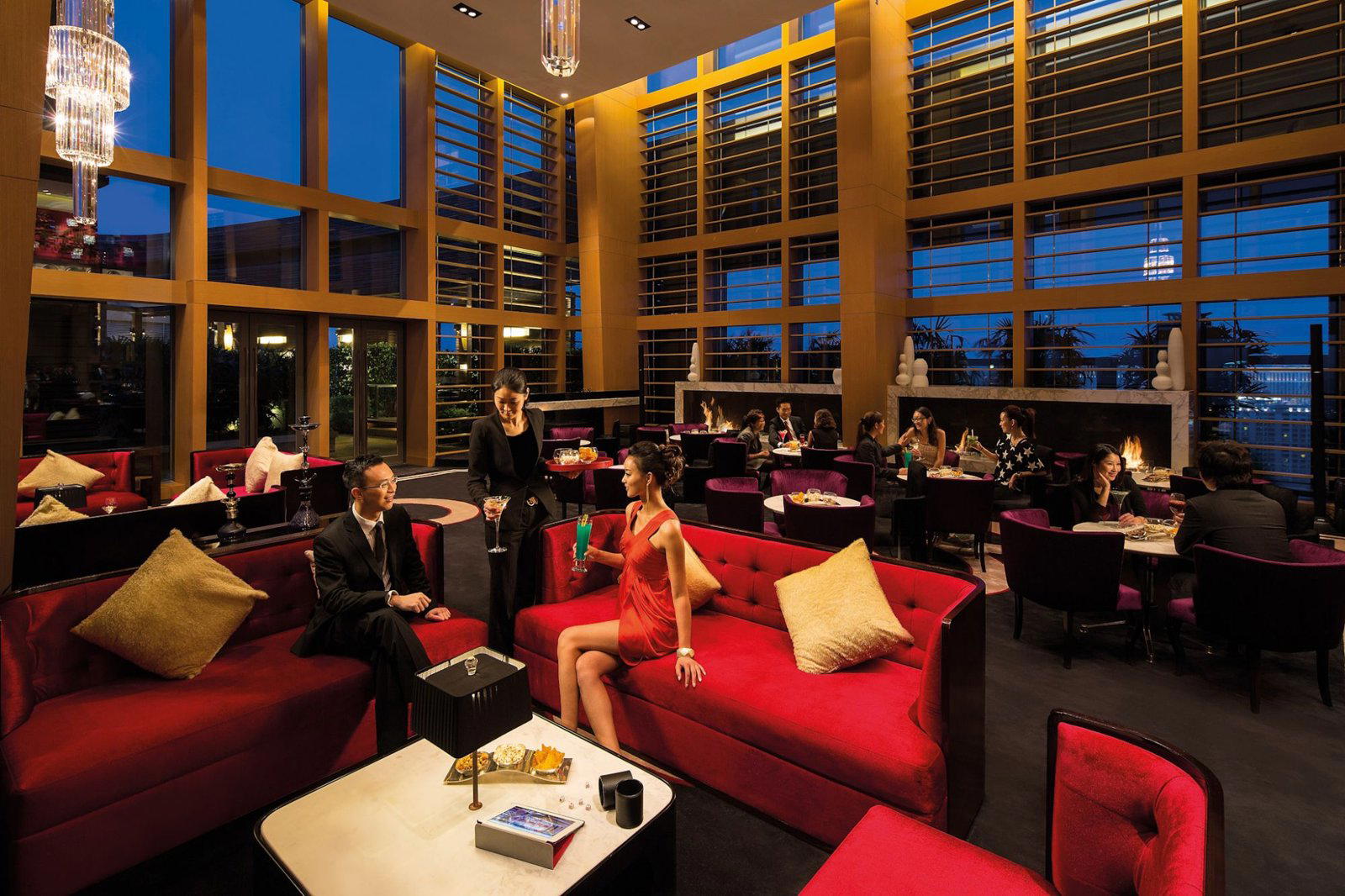
Walk into the fifth floor of the Star World Hotel and the room makes its intentions clear immediately. The walls and furnishings run in gold and red, the traditional Chinese festive palette, applied here at a scale and density that feels deliberate rather than decorative. This is not the subdued, linen-and-ceramics register that many high-end Chinese restaurants adopt to signal refinement. Feng Wei Ju operates in a different visual grammar: warm, celebratory, and unapologetically bold, which happens to mirror the cooking it houses.
That cooking is Hunan-Sichuan, a pairing that covers two of China's most heat-forward culinary traditions. In Macau, where the Michelin guide skews heavily toward Cantonese and Cantonese-adjacent Chinese restaurants, a two-Michelin-star address built around the chile-driven repertoires of Hunan and Sichuan occupies genuinely distinct territory. Jade Dragon and Chef Tam's Seasons work in Cantonese registers; The Eight at Grand Lisboa, also a two-star address, similarly anchors its identity in Cantonese technique. Feng Wei Ju's comparable set across those categories is essentially itself.
What You Eat Here, and Why It Matters
The menu organises around Sichuan classics and Hunanese fare, with hand-pulled noodles as a third pillar. The display kitchen, where chefs pull noodles in view of the dining room, adds a performative element that is common in northern Chinese restaurants but relatively rare at this price tier in Macau. Watching the dough stretch and fold serves both entertainment and transparency, a useful signal about where the kitchen's craft lies.
The Sichuan side of the menu includes sautéed chicken with peanuts and chilli, a preparation that maps closely to the gongbao tradition, where dried chillies and Sichuan peppercorns create the numbing-hot mala sensation the cuisine is built around. On the Hunanese side, steamed carp fish head with chilli anchors the selection. Hunanese cooking uses fresh rather than dried chillies for much of its heat, producing a different kind of sharpness compared to the Sichuan approach. The distinction matters: these are not interchangeable regional styles grouped for convenience, but two distinct culinary traditions that share a high tolerance for spice and a preference for bold, direct flavour over the more restrained, ingredient-forward logic of Cantonese cooking.
Boiled mandarin fish fillets in chilli oil arrive in portions described as generous enough for several diners to share, which connects directly to how the restaurant's value proposition works at its price tier. At a $$ price point, which positions Feng Wei Ju significantly below the $$$$ tier occupied by Robuchon au Dôme and Alain Ducasse at Morpheus, the combination of sharing-format dishes and starred recognition creates a cost-per-experience ratio that is harder to find in Macau's premium dining tier.
The Recognition Record and What It Signals
Feng Wei Ju holds two Michelin stars as of 2025, alongside a Black Pearl Diamond designation, the mainland-China-focused restaurant guide that has become a meaningful secondary credential across the region. La Liste, which aggregates critical opinion across global restaurant guides, scored the restaurant at 80.5 points in 2025 and 77 points in 2026. Opinionated About Dining, which draws on a network of experienced independent reviewers, ranked it 231st among Asian restaurants in 2025, up from 269th in 2024 and following a Highly Recommended listing in 2023. The trajectory across all three systems is consistent: a restaurant building recognition steadily rather than peaking on a single cycle.
Chef Chan Chak-keong leads the kitchen. Within the context of Macau's Chinese fine dining, where lineage through major Cantonese institutions carries considerable weight, a kitchen specialising in Hunan-Sichuan cooking requires a different kind of credentialing, one built through mastery of technically demanding preparations rather than institutional succession. The improving Opinionated About Dining ranking across consecutive years reflects the kind of sustained critical engagement that comes from repeat visits rather than single-occasion attention.
For readers tracking similar recognition patterns elsewhere in China: Xin Rong Ji on Xinyuan South Road in Beijing and Xin Rong Ji in Chengdu represent parallel cases of regional Chinese traditions earning sustained formal recognition, as do 102 House in Shanghai, Ru Yuan in Hangzhou, and Imperial Treasure Fine Chinese Cuisine in Guangzhou. Dai Yuet Heen in Nanjing offers a useful regional comparison for how formal dining credentials translate across different city contexts. The broader pattern across all these addresses is the formalisation of Chinese regional cooking traditions within critical frameworks initially built around French technique.
Where It Sits in the Macau Dining Picture
Macau's premium restaurant tier is heavily weighted toward either Cantonese Chinese or European fine dining, with the casino resort model funding both at a scale that few other cities can match. The French Contemporary category alone carries entries like Robuchon au Dôme at three Michelin stars and Alain Ducasse at Morpheus, addresses that benchmark against global peers in cities like New York rather than regional competitors. Even within Chinese fine dining, the Cantonese tradition dominates: The Eight at four stars occupies the leading of that tier, while Chef Tam's Seasons and Jade Dragon fill the two-and-one-star positions below it.
Within that structure, the restaurant's position is relatively uncrowded. Five Foot Road, a Michelin one-star Sichuan address in Macau at the same $$ price tier, is the closest structural peer, but operates at one star rather than two, and focuses on Sichuan rather than the Hunan-Sichuan combination the restaurant offers. For visitors whose primary interest is exploring Chinese regional cooking at formal standards, the case for the restaurant is direct: it delivers two-star recognition in a regional style that Macau's dining scene covers thinly at that level, at pricing well below what other starred addresses in the city demand.
That lower profile is, in practical terms, an advantage for availability: the restaurant does not attract the advance-booking pressure of particularly prominent resort restaurants, though reservations are still advisable given its recognition credentials.
Planning Your Visit
The restaurant sits on the fifth floor of the Star World Hotel on Macao's main peninsula, away from the Cotai Strip resort cluster. That location places it outside the highest-traffic fine dining circuit but within direct reach for visitors moving between the peninsula and Cotai. The $$ pricing makes it one of the more accessible starred Chinese restaurants in the city by spend per head, with shared plates like the mandarin fish fillets designed to extend across a table rather than consume individual budgets. For visitors building a broader Macau dining itinerary, the full Macau restaurants guide maps the city's dining tiers in detail, while the Macau hotels guide, bars guide, wineries guide, and experiences guide cover the wider territory. For those tracking the recognition trajectory of formal Chinese dining at a global scale, addresses like Atomix in New York offer a useful point of comparison for how regional culinary traditions earn critical traction within international frameworks.
Just the Basics
Comparable venues nearby, for context on price, style, and recognition.
| Venue | Cuisine | Price | Notes |
|---|---|---|---|
| Feng Wei JuThis venue — the venue you are viewing | Hunan-Sichuan, Hunanese | $$ | Not listed |
| The Huaiyang Garden | Not listed | $$$$ | Cotai, Two-Michelin-Star Huaiyang Cuisine |
| The Eight | Sé, Modern Cantonese Fine Dining | $$$$ | Not listed |
| Wing Lei | NAPE, Modern Cantonese Fine Dining | $$$$ | Not listed |
| Alain Ducasse at Morpheus | Cotai, Contemporary French Fine Dining | $$$$ | Not listed |
| Lai Heen | Cotai, Michelin-Starred Cantonese | $$$$ | Not listed |
Recognition history
Dated appearances from independent guides and award organizations, with the underlying list record or original source where available.
Black Pearl 1 Diamond
Black Pearl
La Liste Top Restaurants
La Liste
Michelin 2 Stars
Michelin
SCMP 100 Top Tables Restaurants
SCMP 100 Top Tables
Black Pearl 1 Diamond
Black Pearl
La Liste Top Restaurants
La Liste
Michelin 2 Stars
Michelin
Opinionated About Dining Top Restaurants in Asia Ranked #231
Opinionated About Dining
Michelin 2 Stars
Michelin
Opinionated About Dining Top Restaurants in Asia Ranked #269
Opinionated About Dining
Opinionated About Dining Top Restaurants in Asia Highly Recommended
Opinionated About Dining
Continue exploring
More in Macau
More from Chef Chan Chak-keong
Browse all →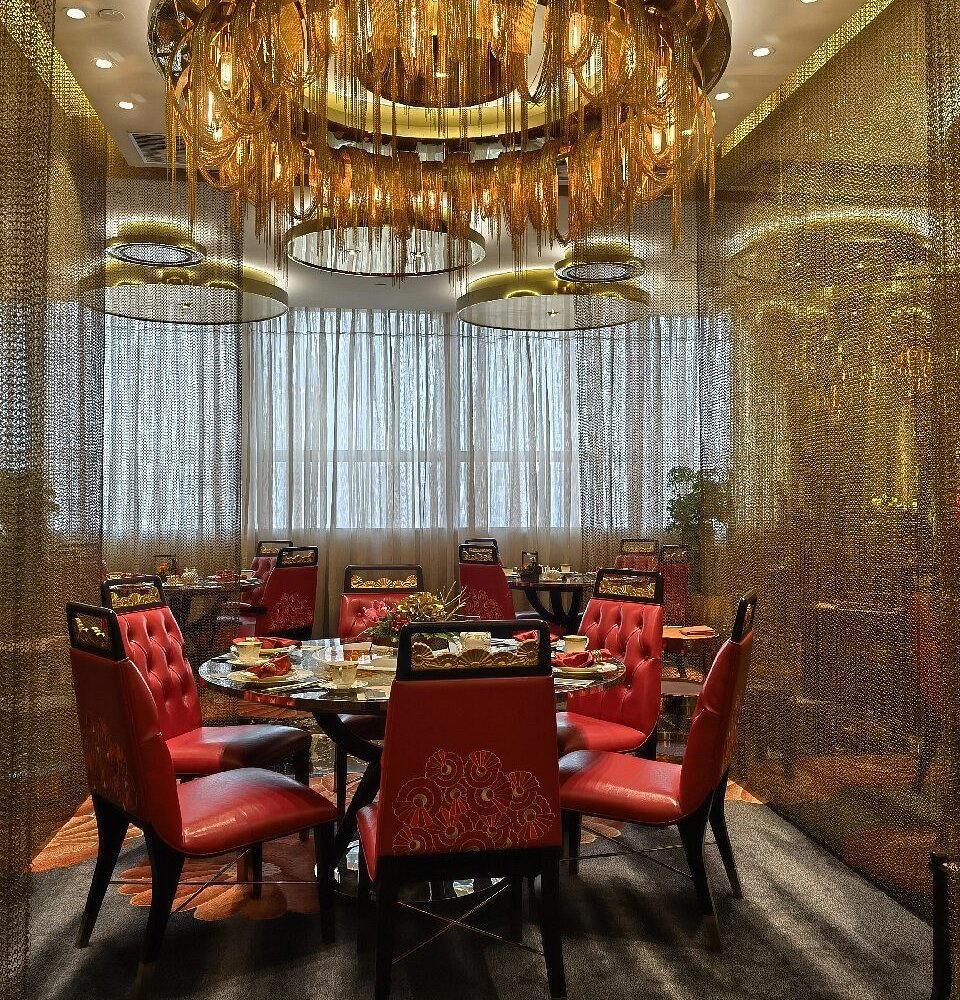
Restaurants in Macau
Browse all →
Bars in Macau
Browse all →
At a Glance
- Elegant
- Ornate
- Cozy
- Special Occasion
- Business Dinner
- Group Dining
- Open Kitchen
- Hotel Restaurant
- Private Dining
- Extensive Wine List
Current opening hours
- Monday
- 12–3 PM, 6–11 PM
- Tuesday
- 12–3 PM, 6–11 PM
- Wednesday
- 12–3 PM, 6–11 PM
- Thursday
- 12–3 PM, 6–11 PM
- Friday
- 12–3 PM, 6–11 PM
- Saturday
- 12–3 PM, 6–11 PM
- Sunday
- 12–3 PM, 6–11 PM
Hours can change for holidays and private events. Last verified .
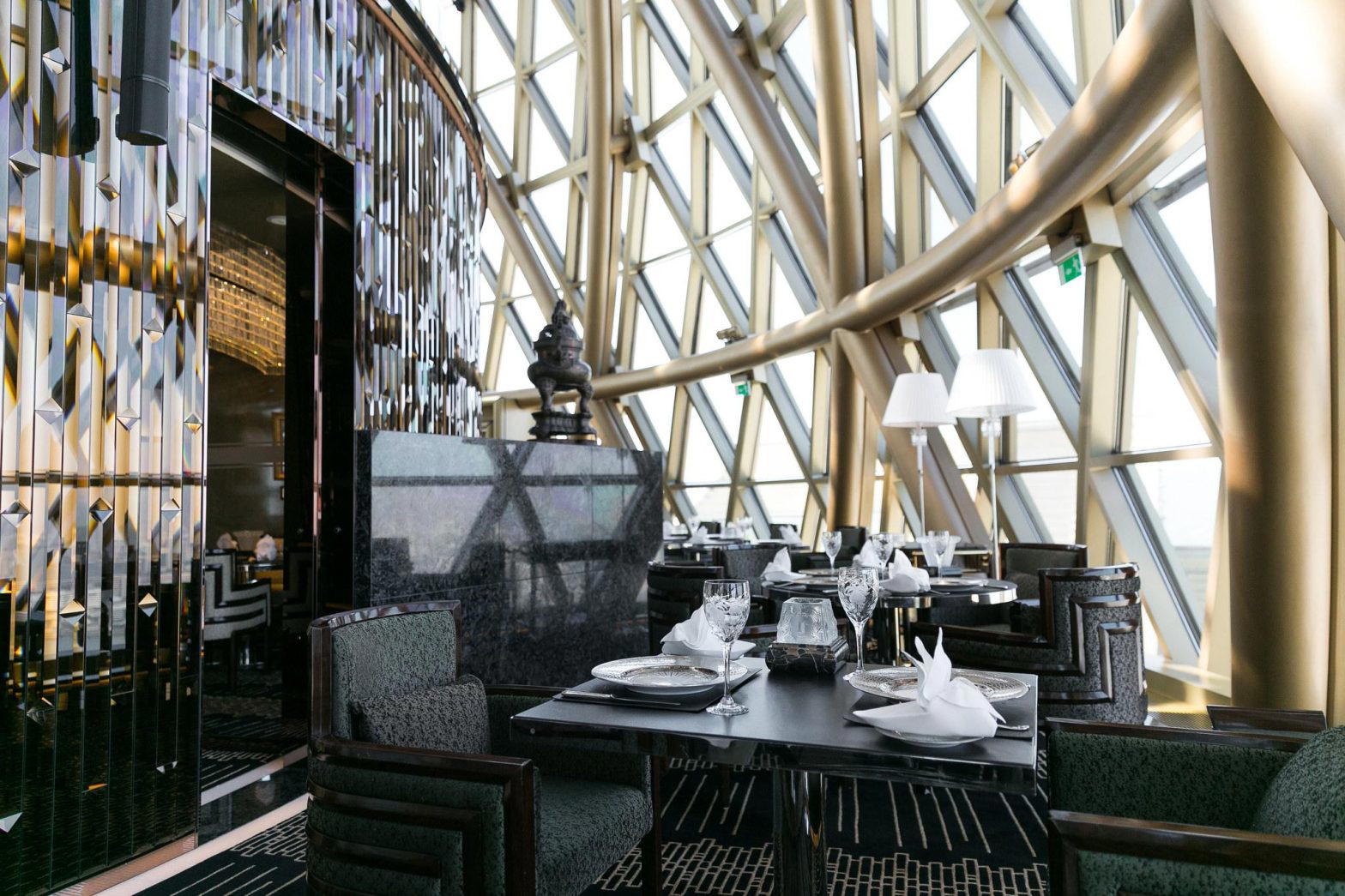
Ornate room covered in gold and red festive colors, with copper sheets, gold pillars, dark red leather chairs, and an impressive open kitchen display.