
Zouya belongs to Osaka’s konamon culture rather than its luxury dining circuit: okonomiyaki, stir-fried noodles, a house-style room, and a Tamade setting south of the city’s central dining zones. Its repeated selection for Tabelog 100 Okonomiyaki, including 2025, gives it a clear signal in a category where local loyalty often matters more than spectacle.
Pearl is the En Primeur Club membership app — saves, bookings, and concierge access live there. Same editors, same standards.
- Address
- 2 Chome-7-10 Tamadenishi, Nishinari Ward, Osaka, 557-0045, Japan
- Phone
- +81 6-6657-1616
- Website
- tabelog.com
 Saves & bookings on Pearl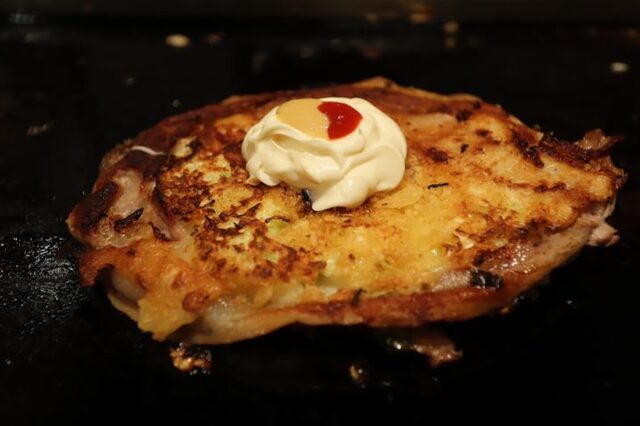
Approaching Tamade shifts the Osaka dining lens away from hotel counters and station-tower restaurants. The mood is lower, more residential, and closer to the city’s everyday konamon grammar: flour, cabbage, pork, sauce, heat, and the social rhythm of a griddle meal. In that setting, Zouya reads less like a destination staged for visitors and more like a working Osaka okonomiyaki address with enough recognition to pull diners beyond the usual Namba and Umeda circuits.
That matters in Osaka. The city’s casual food reputation is often flattened into neon shorthand, but okonomiyaki has its own internal hierarchy. Some places trade on speed and volume, some on late-night drinking, and a smaller group earns attention for consistency within a narrow, old-school format. Zouya sits in that last bracket, with selections for Tabelog 100 Okonomiyaki in 2019, 2022, 2023, 2024, and 2025. For a category built on repeat customers and small differences in batter, pork, heat control, and sauce balance, that repeat recognition is the useful signal.
Tamade puts Osaka's okonomiyaki culture back at street level
Osaka’s dining map often pushes travelers north and east: Umeda for department-store polish, Kitashinchi for expense-account meals, Shinsaibashi and Namba for density. Tamade, in Nishinari Ward, changes the tempo. The area’s appeal is not theatrical urban energy but proximity to the city’s domestic food habits, where a casual meal can carry as much local meaning as a formal counter.
That neighbourhood context also changes the way to read the room. A house-restaurant format, seating across two floors, tatami space, and a non-smoking policy place the experience closer to local group dining than chef-counter ceremony. Children are welcome, private rooms are not part of the format, and take-out is available. None of that signals luxury in the conventional sense; it signals a category where access, comfort, and routine matter. In Osaka, that is often where the sharper food memory sits.
For visitors building a wider Osaka itinerary, this is the counterweight to the city’s more curated addresses. A morning at 52CHO-ME BAKERY, a casual comparison with 551 Horai (551蓬莱), or a different European register at a canto (Italian) shows how broad the city’s casual-to-serious dining range has become. .cafe and 99 Pizza Napoletana Gourmet sit in different idioms, but the comparison is useful: Osaka rewards specialization more than category prestige.
Konamon, pork, and the discipline of a narrow menu
Okonomiyaki is sometimes described too casually as a Japanese savory pancake, which misses the point. In Osaka, konamon cooking is about how modest components behave under heat: the ratio of batter to cabbage, the timing of pork fat, the browning of the surface, the sauce layer, and the final balance between softness and structure. At Zouya, the public-facing emphasis falls on pork okonomiyaki, with butatama listed at JPY 820 and a medium draft beer at JPY 550. The broader spend band, JPY 1,000 to JPY 1,999, keeps it in the same accessible tier as several serious casual Osaka specialists.
That price context is important. Kamaage Udon Raku, Tsukiro, M Kasse, and Shinfuji Honten all occupy a similar low-thousands-yen bracket, while Kashiya sits lower. The common thread is not cuisine type; it is Osaka’s ability to sustain focused, highly specific meals at prices that would be entry-level snacks in other major dining cities. Zouya’s distinction comes from applying that economy to okonomiyaki, a dish that rarely benefits from luxury treatment and often suffers when it is overexplained.
The chef narrative is not the centre of the story here, and it does not need to be. The useful detail is format discipline: public material points to a desire to keep the menu narrow. In okonomiyaki, a tighter range can matter more than a long list of toppings. It allows the kitchen to repeat the same griddle decisions service after service, and repeatability is the currency of this cuisine. That is why awards such as Tabelog 100 Okonomiyaki carry weight in this category: they identify places that hold attention inside a deeply crowded local field.
How to place it within an Osaka trip
Zouya is not the address for diners looking to compress Osaka into a single polished evening. It makes more sense for a traveler who has already understood that the city’s food intelligence lives across formats: bakeries, udon counters, curry rooms, pork buns, okonomiyaki houses, sake bars, and formal dining rooms. The point is not to chase grandeur; it is to see how a humble category becomes exacting when a city takes it seriously.
Use it as a south-Osaka anchor rather than a filler meal between central stops. The nearest station is Tamade, which keeps the visit simple by rail, and the neighbourhood setting gives the meal a different register from the obvious tourist corridors. For broader planning, Our full Osaka restaurants guide is the natural companion, while Our full Osaka hotels guide, Our full Osaka bars guide, Our full Osaka wineries guide, and Our full Osaka experiences guide help place the meal inside a fuller city map.
Japan’s casual dining depth also rewards cross-city comparison. The precision of a focused Osaka okonomiyaki house sits far from -Grilled beef Sukiyaki- KAMAKURA TANUKIAN 鎌倉 たぬき庵 in Kamakura. 鮪と炭火焼き うお炭 秋葉原店 in Tokyo.know in Kumamoto, (Shoku) Vietnam in Kawasaki, [Curry Senmon Ten] Maruyama Kyoju. in Sapporo, and [ki:] in Kyoto. Even overseas Japanese formats such as Jōdo Saké Bar in Los Angeles and Onigiri Time in Pasadena underline the same point from a distance: Japanese casual food travels well, but Osaka’s konamon culture is at its clearest when read in its own neighbourhoods.
The Minimal Set
Comparable venues at the same tier.
| Venue | Cuisine | Price | Notes |
|---|---|---|---|
| ZouyaThis venue — the venue you are viewing | Not listed | $ | Not listed |
| Marusho Gyoza | Not listed | $ | Daito City, Traditional Japanese Gyoza Specialist |
| Menya Saisai Shouwa chou honten | Not listed | $ | Abeno, Ramen shop specializing in chicken-based broth |
| NEXT Shikaku | Chūō, Oyster ramen & tsukemen | $ | Not listed |
| Osaka Mentetsu | Kita, Osaka-style ramen counter | $ | Not listed |
| Okonomiyaki Kiji Honten | Kita, Osaka okonomiyaki & modan-yaki | $ | Not listed |
Recognition history
Dated appearances from independent guides and award organizations, with the underlying list record or original source where available.
Tabelog 100 #81 · No. 81
Tabelog · Tabelog 100 - Okonomiyaki - 2025
Continue exploring
More in Osaka
Restaurants in Osaka
Browse all →




Bars in Osaka
Browse all →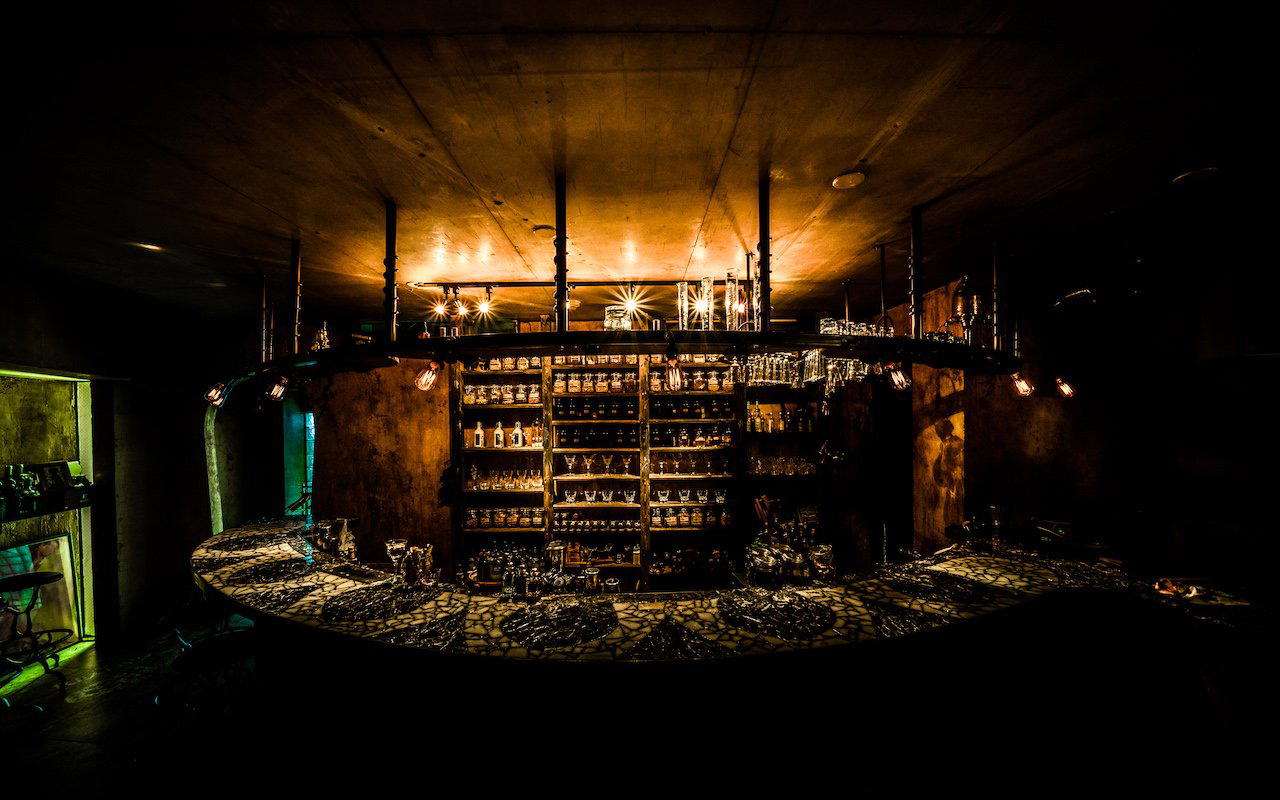


Hotels in Osaka
Browse all →



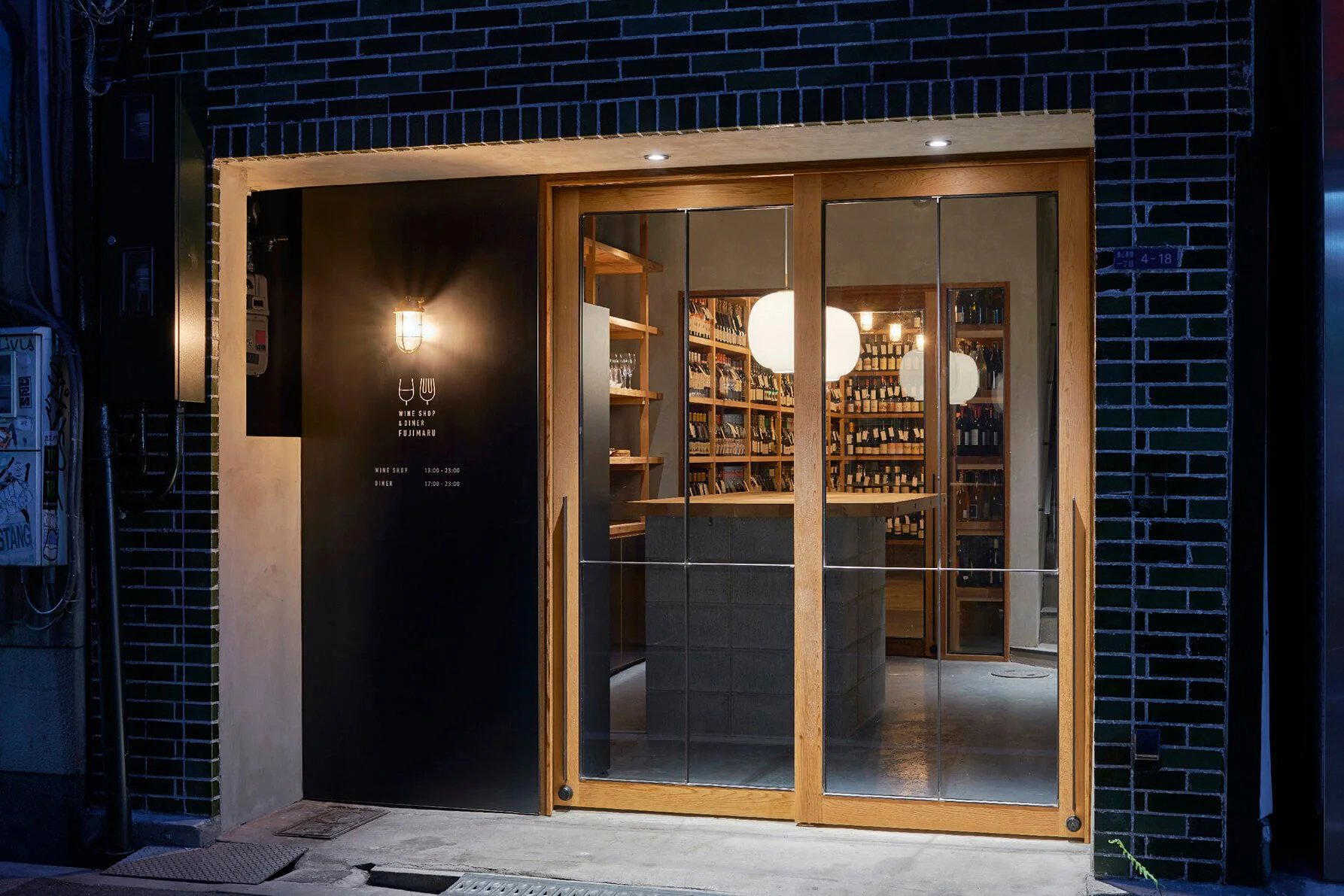
Wineries in Osaka
Browse all →
At a Glance
- Cozy
- Classic
- Lively
- Casual Hangout
- Family
- Solo
- Group Dining
- After Work
- Standalone
- Beer Program
Current opening hours
- Monday
- Closed
- Tuesday
- 5–9:30 PM
- Wednesday
- 5–9:30 PM
- Thursday
- 5–9:30 PM
- Friday
- 5–9:30 PM
- Saturday
- 5–9:30 PM
- Sunday
- 3–9:30 PM
Hours can change for holidays and private events. Last verified .
Casual and nostalgic neighborhood okonomiyaki joint inside a converted house, with simple interiors, tatami seating, and the lively sounds and aromas of okonomiyaki sizzling on the teppan.