
Osaka’s ramen culture rewards speed, specialization, and narrow formats rather than ceremony. NEXT Shikaku fits that current: a Namba ramen counter selected for Tabelog 100 Ramen Osaka 2025, with ramen, tsukemen, abura-soba, and maze-soba in a compact cashless setting suited to solo diners and small groups.
Pearl is the En Primeur Club membership app — saves, bookings, and concierge access live there. Same editors, same standards.
- Address
- 9-12 Nanbasennichimae, Chuo Ward, Osaka, 542-0075, Japan
- Phone
- +81 6-6643-7787
- Website
- instagram.com
 Saves & bookings on Pearl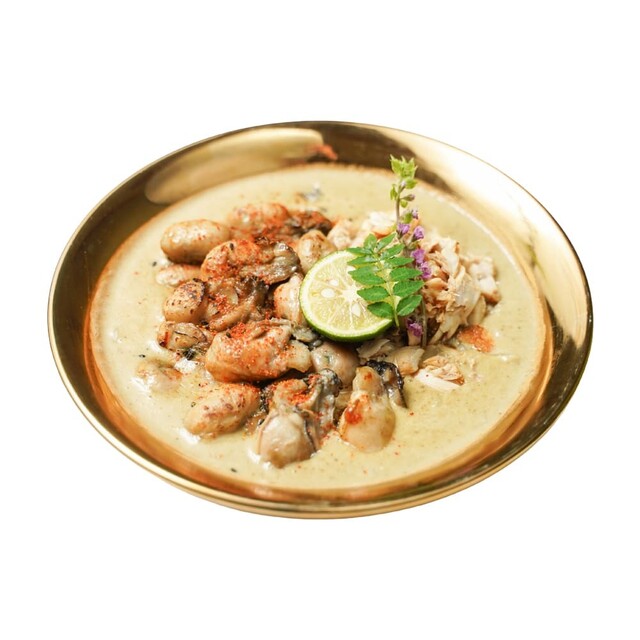
Nanbasennichimae is built for appetite at street level: shopfronts stacked close together, station foot traffic moving in waves, and kitchenware merchants nearby giving the area a practical, workaday rhythm. In that setting, ramen does not need theatrical framing. It works as sequence: choose the noodle format, commit to broth or sauce, eat while the bowl is alive with heat and texture, then leave room for the next Osaka stop.
NEXT Shikaku belongs to the modern Namba ramen circuit, where precision and turnover matter more than long dining-room ritual. Its Tabelog 100 Ramen Osaka 2025 selection gives it a clear trust signal in a city where ramen lists are crowded and fiercely local. The category range also matters: ramen, tsukemen, abura-soba, and maze-soba put the shop in the part of the scene where the meal can move from soup-led comfort to dipping noodles or sauced, brothless intensity without changing address.
Namba ramen as a progression, not a single bowl
Osaka’s casual dining strength has always been compression: big flavour, tight footprint, direct service. Ramen fits that grammar neatly, but the better contemporary shops increasingly read like small-format tasting counters. The progression is not multi-course in the fine-dining sense; it is a set of decisions around noodle weight, broth contact, oil, tare, and finishing pace. A soup ramen carries the arc in one vessel. Tsukemen separates noodle and dipping broth, stretching the meal into alternating bites. Abura-soba and maze-soba strip away soup as the main event and push seasoning, fat, and mixing to the foreground.
That spread is the useful way to read NEXT Shikaku. The shop is not competing with Osaka’s izakaya or kappo rooms on duration; it competes on how much variation can be packed into a short, focused meal. At the low-price end of the city’s dining range, that makes it a sharper choice than a generic station bowl, and more flexible than a single-specialty counter when the decision is between soup, dip, or sauce.
The 2025 Tabelog recognition places it inside a defined Osaka ramen cohort rather than a vague popularity tier. For travellers, that matters because ramen rankings in Japan tend to reflect local repeat behavior as much as visitor chatter. A 15-seat room, with counter seating and a larger shared table configuration, reinforces the point: this is a compact format built around pace, not a lingering reservation meal.
The Namba context: cheap, fast, and more technical than it looks
Namba’s dining map rewards short hops. A serious food day can move from ramen to pork buns, coffee, bakery counters, or late drinks without turning the itinerary into logistics. For a broader read on the area, Our full Osaka restaurants guide gives the city frame, while nearby casual reference points such as 551 Horai (551蓬莱), .cafe, 52CHO-ME BAKERY, 99 Pizza Napoletana Gourmet, and a canto (Italian) show how elastic Osaka’s casual-to-serious spectrum becomes within a single day.
Price is part of the editorial argument here. The listed range sits at JPY 999 and below, while some nearby casual comparison venues move into JPY 1,000 to JPY 1,999 or JPY 2,000 to JPY 2,999 territory. Chitose Honten occupies a similarly low bracket; THE BUTCHER and Oisi stand sit one step higher; Sakanaya Hidezou Tachinomi ten moves higher again. That does not make one format superior. It shows how Osaka lets diners choose between speed, standing drinks, richer grazing, and noodle specialization with unusually little friction.
The practical read is simple without turning the meal into a checklist. Reservations are unavailable, so the counter belongs to the walk-in rhythm of Namba rather than the calendar-planned side of Osaka dining. Cashless payment is the house rule, with major cards, transport IC cards, electronic money, and QR payments accepted. Non-smoking, wheelchair-accessible facilities, and child-friendly notes make the room easier to fold into a day than many compact ramen shops, especially for travellers moving through the area with luggage-light plans rather than a formal dinner schedule.
Where it fits in an Osaka itinerary
NEXT Shikaku is strongest as a focused noodle stop, not as the anchor for an entire evening. Use it when the day calls for a precise, low-commitment meal in Namba: before a bar crawl, between shopping and theatre, or as the counterpoint to a longer dinner elsewhere. The appeal lies in format breadth and recognition, not in ceremony.
Travellers building a fuller Osaka file can pair the restaurant view with Our full Osaka hotels guide, Our full Osaka bars guide, Our full Osaka wineries guide, and Our full Osaka experiences guide. For a wider Japan and Japanese-food lens beyond Osaka, compare the casual-specialist logic with -Grilled beef Sukiyaki- KAMAKURA TANUKIAN 鎌倉 たぬき庵 in Kamakura. 鮪と炭火焼き うお炭 秋葉原店 in Tokyo.know in Kumamoto, (Shoku) Vietnam in Kawasaki, [Curry Senmon Ten] Maruyama Kyoju. in Sapporo, [ki:] in Kyoto, Jōdo Saké Bar in Los Angeles, and Onigiri Time in Pasadena.
The critical takeaway is restrained but clear: in Namba, the meal does not need to be long to be serious. A recognized ramen shop with several noodle formats, a compact seating plan, and walk-in mechanics captures Osaka’s casual dining intelligence in miniature. The restaurant makes sense for diners who care less about ceremony and more about the way a bowl can carry structure, pace, and local appetite in under an hour.
How It Stacks Up
Comparable venues at a similar level for quick context.
| Venue | Cuisine | Price | Notes |
|---|---|---|---|
| NEXT ShikakuThis venue — the venue you are viewing | Oyster ramen & tsukemen | $ | Not listed |
| Kyu Yam Tei Nakanoshima youkan | Japanese spice curry house | $ | Kita |
| Tachinomiya Shiraishi | Japanese Tachinomi Stand‑Up Bar | $ | Kita |
| Kokoro ni Amai Anpanya Umeda ten | Japanese Anpan Bakery | $ | Kita |
| Osaka Naniwaya | Japanese taiyaki & kakigori sweets shop | $ | Kita |
| Chuka Soba Ibuki | Ramen & Tsukemen | $ | Kita |
Recognition history
Dated appearances from independent guides and award organizations, with the underlying list record or original source where available.
Tabelog 100 #76 · No. 76
Tabelog · Tabelog 100 - Ramen - OSAKA - 2025
Continue exploring
More in Osaka
Restaurants in Osaka
Browse all →




Bars in Osaka
Browse all →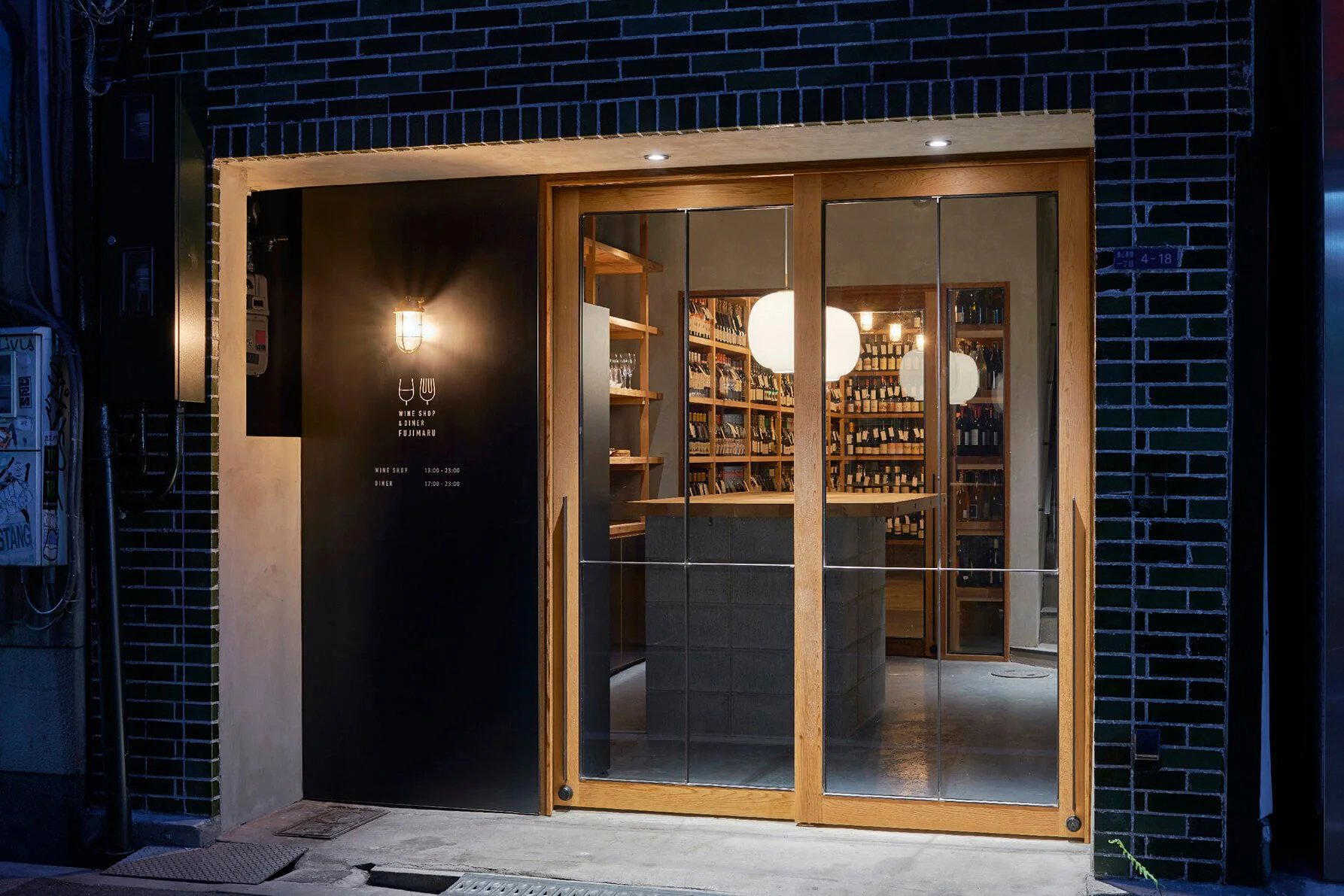
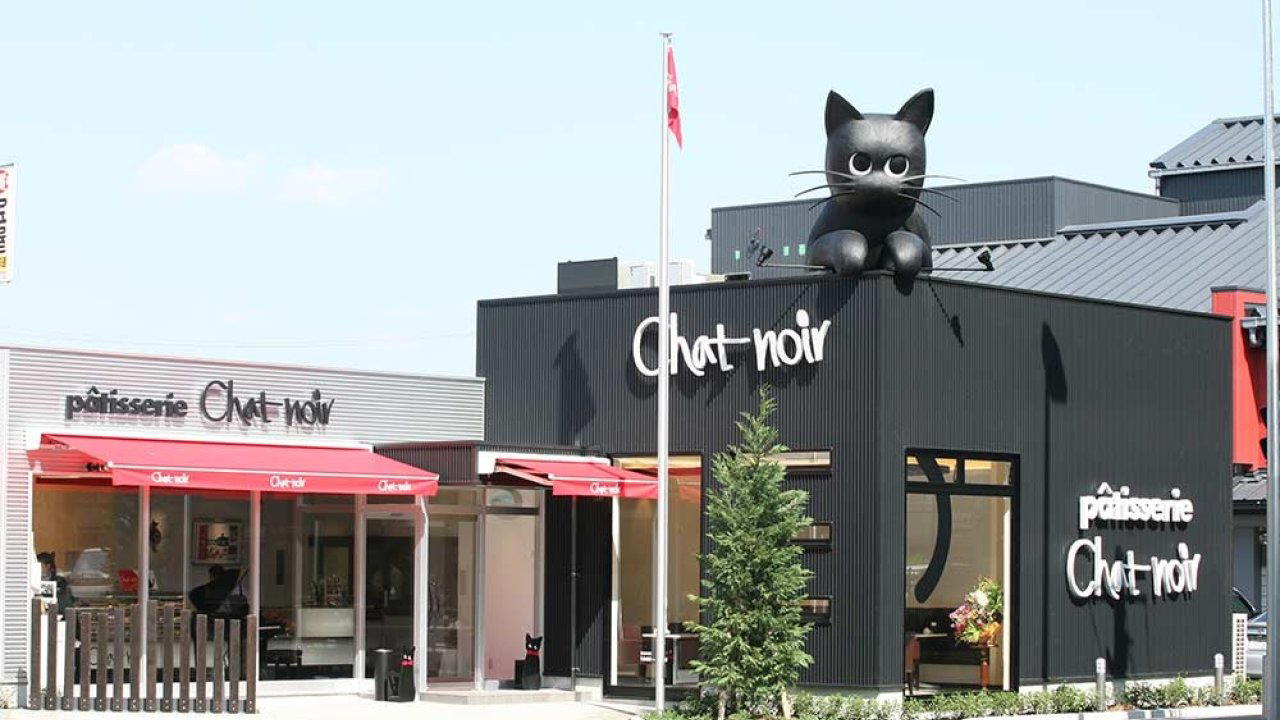


Hotels in Osaka
Browse all →



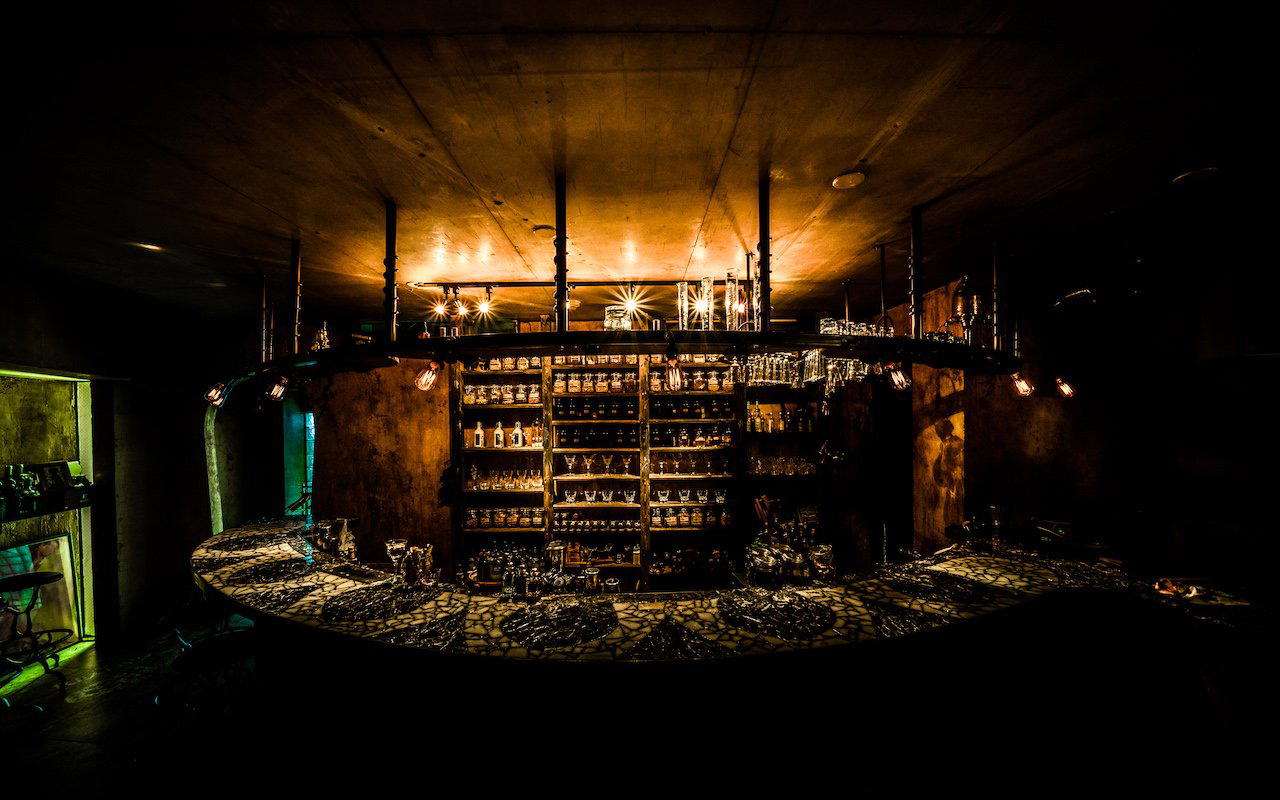
Wineries in Osaka
Browse all →
At a Glance
- Trendy
- Lively
- Cozy
- Solo
- Casual Hangout
- Late Night
- Chefs Counter
- Design Destination
- Standalone
Current opening hours
- Monday
- 10:30 AM–10:30 PM
- Tuesday
- 10:30 AM–10:30 PM
- Wednesday
- 10:30 AM–10:30 PM
- Thursday
- 10:30 AM–10:30 PM
- Friday
- 10:30 AM–10:30 PM
- Saturday
- 10 AM–10:30 PM
- Sunday
- 10 AM–10:30 PM
Hours can change for holidays and private events. Last verified .
A small, popular ramen shop near Namba with queues outside, casual counter-style seating, and a distinctive digital art projection setup that creates an immersive, modern, almost theatrical atmosphere around rich oyster ramen.