
Osaka treats okonomiyaki as everyday craft rather than ceremony, and Okonomiyaki Kiji Honten fits that tradition with a compact Umeda room, counter seating, and a menu centered on okonomiyaki and stir-fried noodles. Its repeated selection for Tabelog’s Okonomiyaki 100 gives the place a clear quality signal in a category where local loyalty matters more than luxury cues.
Pearl is the En Primeur Club membership app — saves, bookings, and concierge access live there. Same editors, same standards.
- Address
- Japan, 〒530-0017 Osaka, Kita Ward, Kakudacho, 9−20 新梅田 食道街
- Phone
- +81 6-6361-5804
- Website
- shinume.com
 Saves & bookings on Pearl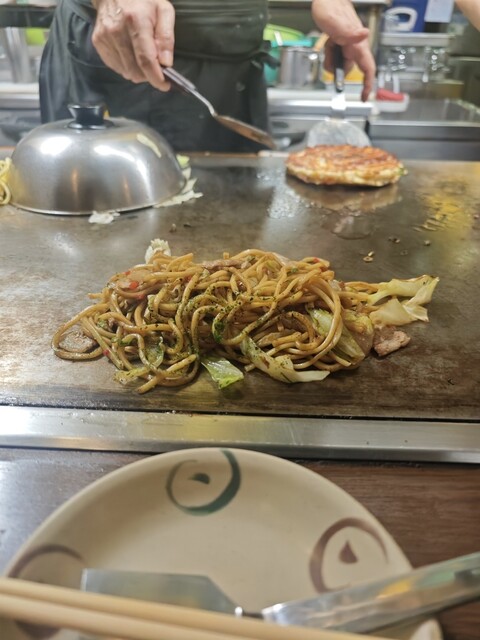
Shin-Umeda Shokudogai compresses Osaka dining into narrow corridors, low ceilings, quick decisions, and commuter movement. Okonomiyaki belongs there: not tasting-menu suspense, but a hotplate ritual of batter, cabbage, sauce, noodles, timing, and rhythm. Okonomiyaki Kiji Honten fits that older Umeda grammar: a small room, counter and table seating, and cooking that rewards attention without demanding reverence.
For travelers using Our full Osaka restaurants guide, the key distinction is that Osaka’s serious casual food culture is not a consolation prize beneath kaiseki or sushi. It is a parallel system with its own standards. A good okonomiyaki counter is judged on structure, heat control, pacing, and how easily it handles repetition. Osaka understands that a dish can be humble in price and demanding in execution.
Okonomiyaki as Osaka ritual, not street-food shorthand
Outside Japan, okonomiyaki is often reduced to “Japanese savory pancake,” accurate but insufficient. In Osaka, it carries a different social contract: lunch, after-work food, family food, and visitor initiation, often cooked in close view rather than behind a formal kitchen boundary. The point is not spectacle, but appetite and technique compressed into a dish that arrives whole, hot, and meant to be shared or finished without delay.
The Tabelog Okonomiyaki 100 selection in 2025 gives Okonomiyaki Kiji Honten a concrete trust signal in a category where Michelin-style hierarchy is less useful. The restaurant also appeared in the same Tabelog Okonomiyaki 100 selections for 2024, 2023, 2022, 2019, and 2018, important because consistency is the currency here. One flash of attention says less than repeated recognition across years.
The menu frame is usefully narrow: okonomiyaki and stir-fried noodles. That pairing places the meal inside Osaka’s flour-and-griddle culture, not a broader izakaya sprawl. Compared with Umeda’s quick-service orbit, including Umeda Kamatake Udon, Curry Shop MASARA, Kokoro ni Amai Anpanya Umeda ten, ECHIRE MARCHE AU BEURRE, and Tachinomiya Shiraishi, this address sits in the city’s seated, heat-driven casual tier: accessible, but dependent on turnover, patience, and small-room choreography.
That logic explains why it pairs well with other Osaka stops rather than replacing them. Read it alongside 551 Horai (551蓬莱) for everyday local demand, 52CHO-ME BAKERY for bakery culture, or .cafe for a quieter pause. Osaka rewards this sequencing: one meal for the griddle, one for the counter, one for the queue, one for late coffee.
The small-room discipline behind a casual meal
There are 23 seats, divided between counter and tables, and that number explains much. Small okonomiyaki rooms behave differently from larger tourist-facing restaurants. The meal has visible tempo: orders land, the hot surface takes focus, and tables turn to the pace of cooking rather than leisurely conversation. Counter seating keeps the craft in view; tables keep the room from becoming specialist-only.
Etiquette is simple. Arrive ready to decide, avoid treating the hotplate as a prop, and read the room’s pace. Osaka casual dining can be warm without being slow. Children are welcome, and the restaurant is family friendly, reinforcing that okonomiyaki is not dressed up as a luxury import. It remains part of the city’s everyday food architecture, even when outside attention makes certain counters more competitive.
The practical signals are direct. Take-out is available, an English multilingual menu is listed, private rooms are unavailable, and the room is non-smoking. Payment is cash-oriented: credit cards, electronic money, and QR code payments are not accepted. These details place the restaurant closer to Osaka’s older food-hall and shokudogai habits than to newer polished dining rooms.
For a broader Osaka itinerary, this meal should sit near transport rather than anchor an entire evening. Umeda’s density makes that easy. Pair the area with drinking research from Our full Osaka bars guide, hotels from Our full Osaka hotels guide, or daytime planning through Our full Osaka experiences guide. Wine-focused travelers can keep Our full Osaka wineries guide separate; okonomiyaki is a beer-and-comfort-food tradition before it is a pairing exercise.
How it fits a wider Japan food map
Okonomiyaki Kiji Honten is useful because it rejects the false divide between “serious” and “casual.” The award history supplies the credential; the format supplies the context. In Japan, a small, inexpensive restaurant can carry as much local meaning as a formal dining room if it has a clear specialty and enough repetition to sharpen craft. Osaka’s okonomiyaki counters deserve the same editorial attention as sushi, soba, ramen, curry, and udon, even when faster and less expensive.
Travelers building a Japan-wide eating route can use this as calibration. Compare its narrow Osaka specialization with [ki:] in Kyoto, [Curry Senmon Ten] Maruyama Kyoju. in Sapporo.know in Kumamoto, (Shoku) Vietnam in Kawasaki. 鮪と炭火焼き うお炭 秋葉原店 in Tokyo, and -Grilled beef Sukiyaki- KAMAKURA TANUKIAN 鎌倉 たぬき庵 in Kamakura. Each belongs to a different local grammar; the value is reading those grammars on their own terms.
There is also an overseas echo. Japanese casual formats export well, but local context changes meaning. Jōdo Saké Bar in Los Angeles and Onigiri Time in Pasadena speak to different audiences and rhythms, while Osaka’s okonomiyaki remains tied to commuter flow, compact rooms, and regional familiarity. Nearby Italian options such as 99 Pizza Napoletana Gourmet and a canto (Italian) show how broad the city’s casual-to-specialist spectrum has become.
The editorial case is not that this is a grand occasion restaurant. It is that Osaka’s food identity is built where specialization, speed, and local repetition meet. The restaurant gives that tradition a compact, award-recognized expression in Umeda, with enough structure to reward the detour and enough informality to honor the dish.
Cuisine and Credentials
Comparable venues to calibrate price, style, and recognition.
| Venue | Cuisine | Price | Notes |
|---|---|---|---|
| Okonomiyaki Kiji HontenThis venue — the venue you are viewing | Osaka okonomiyaki & modan-yaki | $ | Not listed |
| KALUTARA | Sri Lankan Curry House | $ | Nishi |
| Curry & Nice Katool | Japanese spice curry stand | $ | Chūō |
| Teishokudo Kongoseki | Japanese Curry & Teishoku | $ | Chūō |
| Men to Niku Daitsuru Tsuruhashi ten | Spicy Osaka Horumon Mazesoba & Ramen | $ | Tennōji |
| Udonya Kisuke | Osaka-style udon and tempura | $ | Kita |
Recognition history
Dated appearances from independent guides and award organizations, with the underlying list record or original source where available.
Tabelog 100 #87 · No. 87
Tabelog · Tabelog 100 - Okonomiyaki - 2025
Continue exploring
More in Osaka
Restaurants in Osaka
Browse all →




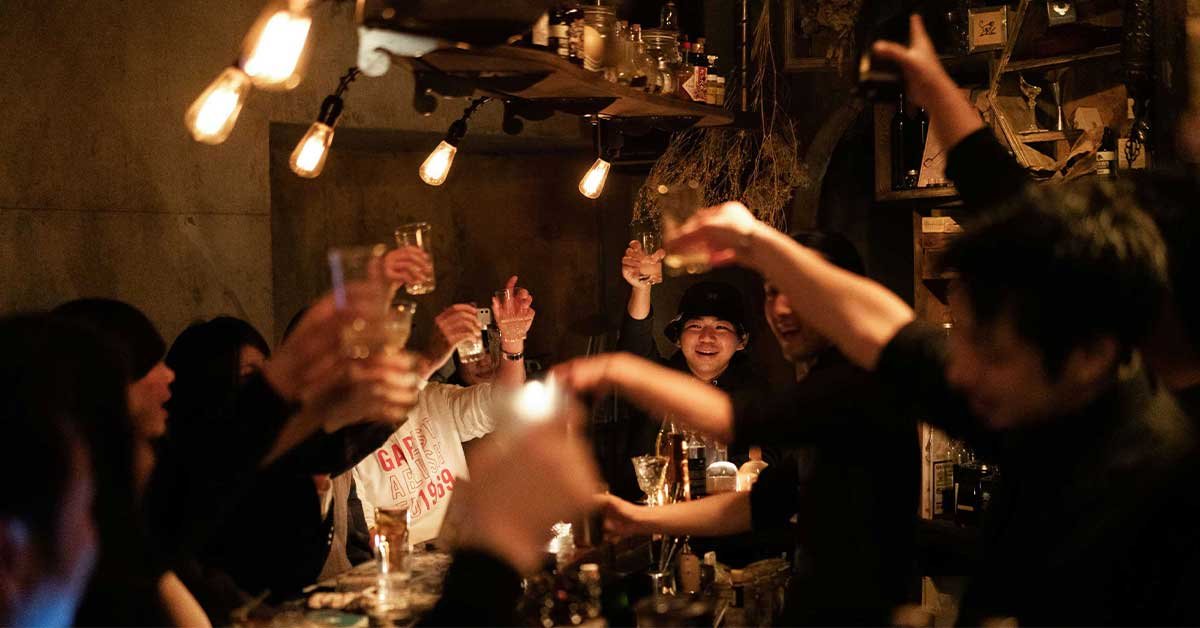
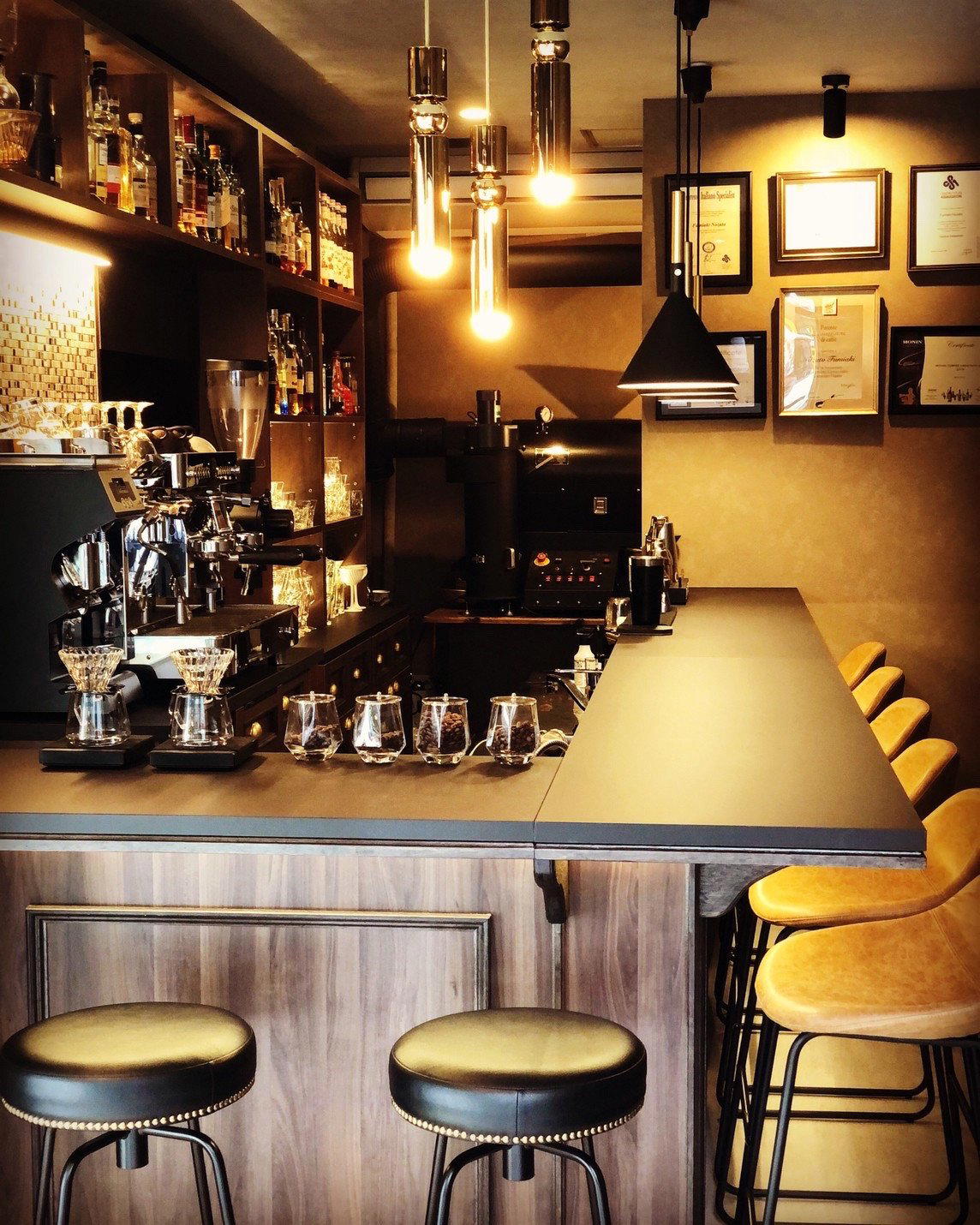
Bars in Osaka
Browse all →


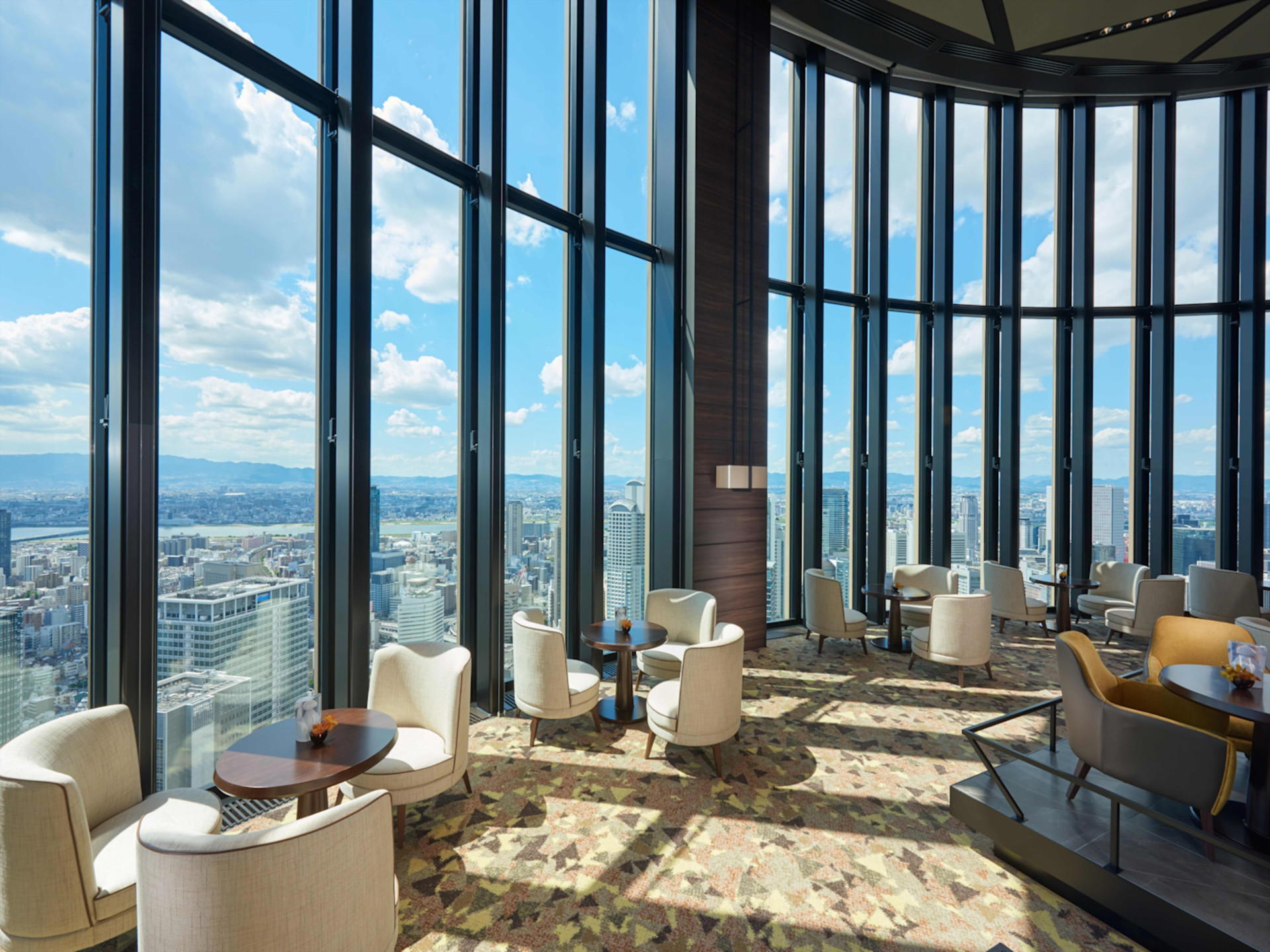
Hotels in Osaka
Browse all →



Wineries in Osaka
Browse all →
At a Glance
- Lively
- Well Known
- Cozy
- Energetic
- Solo
- Casual Hangout
- After Work
- Family
- Open Kitchen
- Standalone
- Beer Program
Current opening hours
- Monday
- 11:45 AM–8:30 PM
- Tuesday
- 11:45 AM–8:30 PM
- Wednesday
- 11:45 AM–8:30 PM
- Thursday
- 11:45 AM–8:30 PM
- Friday
- 11:45 AM–8:30 PM
- Saturday
- 11:45 AM–8:30 PM
- Sunday
- Closed
Hours can change for holidays and private events. Last verified .
A cramped second-floor okonomiyaki joint with a yellow sign, constant queues, and an open teppan where staff grill orders in front of guests amid sizzling sounds and savory aromas, creating an energetic, old-school Osaka atmosphere.