Zocca Cuisine D'Italia
Our verdict
Zocca Cuisine D'Italia brings Italian cooking to San Antonio's downtown core at 420 W Market Street, operating in a city where the fine-dining tier is actively expanding beyond its Tex-Mex foundations. The restaurant positions itself within a small cohort of ingredient-focused European kitchens that have emerged in San Antonio over the past decade, offering a counterpoint to the region's dominant barbecue and border-cuisine traditions.

Pearl is the En Primeur Club membership app — saves, bookings, and concierge access live there. Same editors, same standards.
- Address
- 420 W Market St, San Antonio, TX 78205
- Phone
- (210) 224-6500
- Hours
- Daily 7 AM–12 AM
- Website
- zoccariverwalk.com
- Directions
- Get directions
- Booking
- Book on OpenTable
Italian Cooking in a City Still Writing Its Fine-Dining Chapter
San Antonio's restaurant identity has long been defined by what grows and smokes here: Tex-Mex built on generations of cross-border tradition, barbecue from the Hill Country school, and a Riverwalk corridor that leans heavily on volume. What has shifted in recent years is the emergence of a smaller, more focused tier of European-trained or European-influenced kitchens that operate against that grain. Zocca Cuisine D'Italia, at 420 W Market Street in the downtown core, belongs to that cohort. Italian cuisine in Texas is not a novelty, but Italian cooking that takes sourcing seriously in a city without a deep Italian-American neighbourhood tradition is a more specific proposition, and Zocca occupies that space.
The address places it in the dense hospitality corridor south of Travis Park and close to the Convention Center, a neighbourhood where foot traffic is high but the dining options skew toward accessibility over depth. That context matters. Restaurants in this zone often default to broad menus and high-volume service. A kitchen with genuine Italian focus, sitting inside that geography, is positioned slightly against its own surroundings, which can work in a restaurant's favour when the cooking is consistent enough to draw deliberate visitors rather than passing trade.
What Ingredient Sourcing Means Inside Italian Tradition
Italian cuisine, at its most considered, is among the most ingredient-dependent in the world. Unlike French classical cooking, which has historically leaned on technique to transform raw material, Italian cooking tends to expose ingredients rather than conceal them. A pasta dish is largely a story about flour and egg quality. A braise is a conversation between meat, time, and the fat that carries it. This means that in Italian kitchens outside Italy, sourcing decisions carry disproportionate weight. The gap between a plate built around commodity inputs and one built around quality-tracked ingredients is wider in Italian cooking than in cuisines that can compensate through sauce complexity or spice depth.
San Antonio sits at an interesting agricultural intersection. The Hill Country to the north and west produces lamb, goat, and a growing range of heritage pork. Central Texas has developed a serious small-farm infrastructure over the past fifteen years, with producers supplying restaurants in Austin and San Antonio with seasonal vegetables, pastured eggs, and specialty grains. For an Italian kitchen operating here, that infrastructure is directly relevant. The question of whether a restaurant is drawing on that supply or defaulting to broadline distribution is not an aesthetic one; it determines whether the food can actually reflect the Italian sourcing ethic in a Texas context, or whether it simply replicates the form of Italian cooking without the underlying logic.
Across the American fine-dining tier, the sourcing conversation has matured considerably. Properties like Single Thread Farm in Healdsburg and Blue Hill at Stone Barns in Tarrytown have made farm-to-table integration a structural element rather than a marketing footnote. Closer to home, San Antonio's own Mixtli has built a nationally recognized tasting format around regional Mexican ingredients tracked to specific geographic origins. These are not the same category as a city-centre Italian restaurant, but they illustrate the benchmark: sourcing as a culinary argument, not a label.
San Antonio's European Kitchen Tier
The city's fine-dining tier now includes enough European-influenced kitchens to make comparison meaningful. Isidore has introduced a Texan fine-dining sensibility that borrows from French structure. 1Watson represents a newer generation of polished downtown dining. Further afield, the city's food culture also runs to the deeply casual: 2M Smokehouse represents a different but equally serious culinary commitment at the barbecue end of the spectrum, and 410 Diner anchors the comfort-food register. Zocca sits in a niche that none of those venues occupy: specifically Italian, in the downtown core, aimed at a diner who wants European cooking without the altitude of a full tasting-menu format.
For broader context on where Italian fine dining has reached in the American market, operations like Le Bernardin in New York City set the technical ceiling for European-heritage cooking on this side of the Atlantic, while Emeril's in New Orleans demonstrates how regional American cities can sustain ambitious European-influenced kitchens with strong local identities. Alinea in Chicago and Providence in Los Angeles show what the highest tier of commitment looks like in cities that have had longer to develop their fine-dining infrastructure. San Antonio is at an earlier stage in that arc, which means restaurants like Zocca are doing the harder work of building an audience rather than inheriting one. See our full San Antonio restaurants guide for a complete map of where the city's dining scene currently stands.
Other reference points in the American fine-dining conversation include The French Laundry in Napa, Lazy Bear in San Francisco, Addison in San Diego, The Inn at Little Washington, Atomix in New York City, and 8 1/2 Otto e Mezzo Bombana in Hong Kong, a property that has shown how Italian cooking travels when built around sourcing discipline rather than nostalgia. These are not direct comparators to a San Antonio neighbourhood Italian restaurant, but they establish the framework within which any serious Italian kitchen is implicitly measured.
Know Before You Go
| Address | 420 W Market St, San Antonio, TX 78205 |
|---|---|
| Cuisine | Italian |
| Phone | Not available — check current listings before visiting |
| Hours | |
| Booking | Walk-in availability not confirmed; advance contact recommended for weekend visits |
| Price Range | Not published, budget comparable to the downtown San Antonio fine-dining tier |
| Dress Code | Not specified; smart casual appropriate for the downtown location |
Frequently Asked Questions
Budget Reality Check
Comparable venues nearby, for context on price, style, and recognition.
| Venue | Cuisine | Price | Notes |
|---|---|---|---|
| Zocca Cuisine D'ItaliaThis venue — the venue you are viewing | Contemporary Italian with Texas Flair | $50–100 | Not listed |
| Moda Fare | Modern Italian | $30–50 | Convention Center District, Modern Italian |
| Nonna Osteria 1604 | Northern Italian Osteria | $50–100 | North Loop 1604, Northern Italian Osteria |
| Paesanos Riverwalk | Contemporary Mediterranean Italian | $30–50 | Downtown, Contemporary Mediterranean Italian |
| Ravello Italian Cuisine | Upscale Italian Steakhouse | $50–100 | Northeast, Upscale Italian Steakhouse |
| Albi's Vite Leon Springs | Authentic Italian | $20–30 | Leon Springs, Authentic Italian |
Continue exploring
More in San Antonio
Restaurants in San Antonio
Browse all →
Bars in San Antonio
Browse all →
Hotels in San Antonio
Browse all →
Wineries in San Antonio
Browse all →
Zocca Cuisine D'Italia
The wine
- Wine program
- Curated wine list
- Extensive wine list
- Craft cocktails
Details
- Elegant
- Sophisticated
- Lively
- Date Night
- Group Dining
- Special Occasion
- Waterfront
- Private Dining
- Terrace
- Extensive Wine List
- Craft Cocktails
- Local Sourcing
- Waterfront
- Street Scene
- A La Carte
- Vegetarian Friendly
- Vegan Options
- Gluten Free Options
Current opening hours
- Monday
- 7 AM–12 AM
- Tuesday
- 7 AM–12 AM
- Wednesday
- 7 AM–12 AM
- Thursday
- 7 AM–12 AM
- Friday
- 7 AM–12 AM
- Saturday
- 7 AM–12 AM
- Sunday
- 7 AM–12 AM
Hours can change for holidays and private events. Last verified .
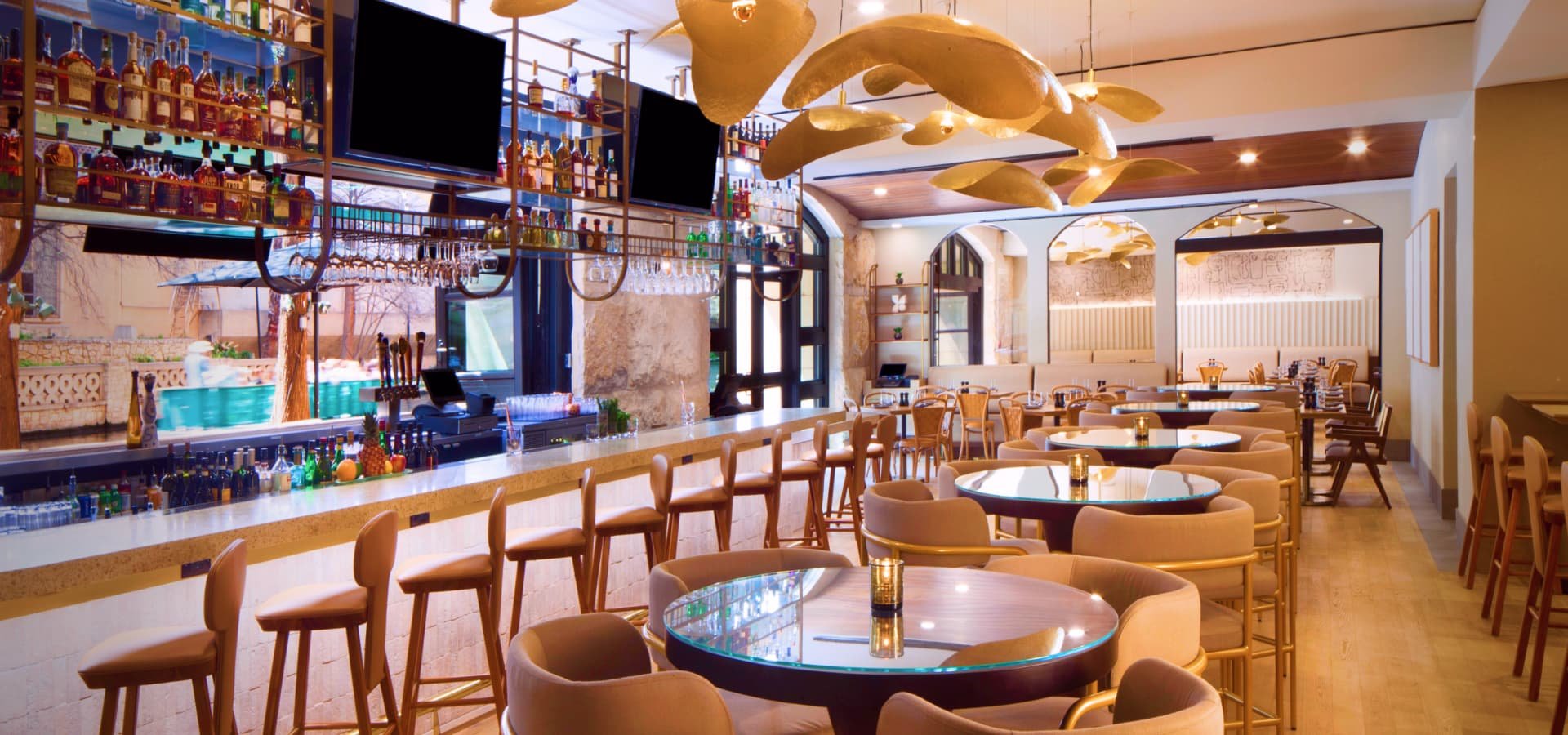
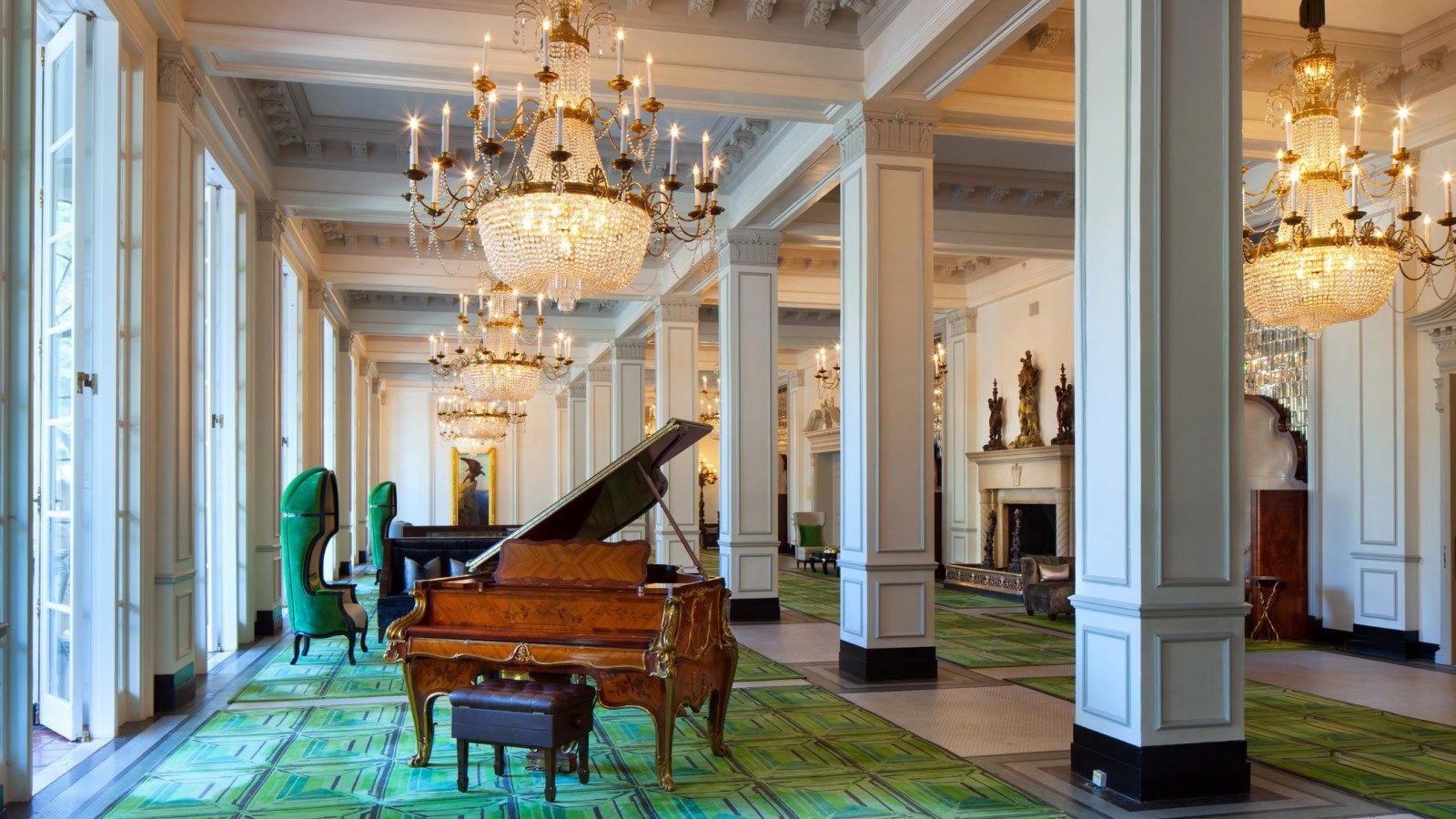
Casually elegant interior with burnished copper, rich wood, and onyx panels, complemented by a shaded riverside patio under towering cypress trees.