On Main Street's mid-rise stretch between Mount Pleasant and Riley Park, Zarak by Afghan Kitchen occupies a corner of Vancouver's more adventurous dining corridor. The restaurant brings Afghan cooking into a city whose immigrant-cuisine conversation has long centred on East and Southeast Asian traditions, positioning itself as one of the few places in Vancouver where the depth of Central Asian culinary heritage gets a proper platform.
Pearl is the En Primeur Club membership app — saves, bookings, and concierge access live there. Same editors, same standards.
- Address
- 2102 Main St, Vancouver, BC V5T 0K1, Canada
- Phone
- +16043183456
- Website
- zarakvancouver.com
- Directions
- Get directions
 Saves & bookings on Pearl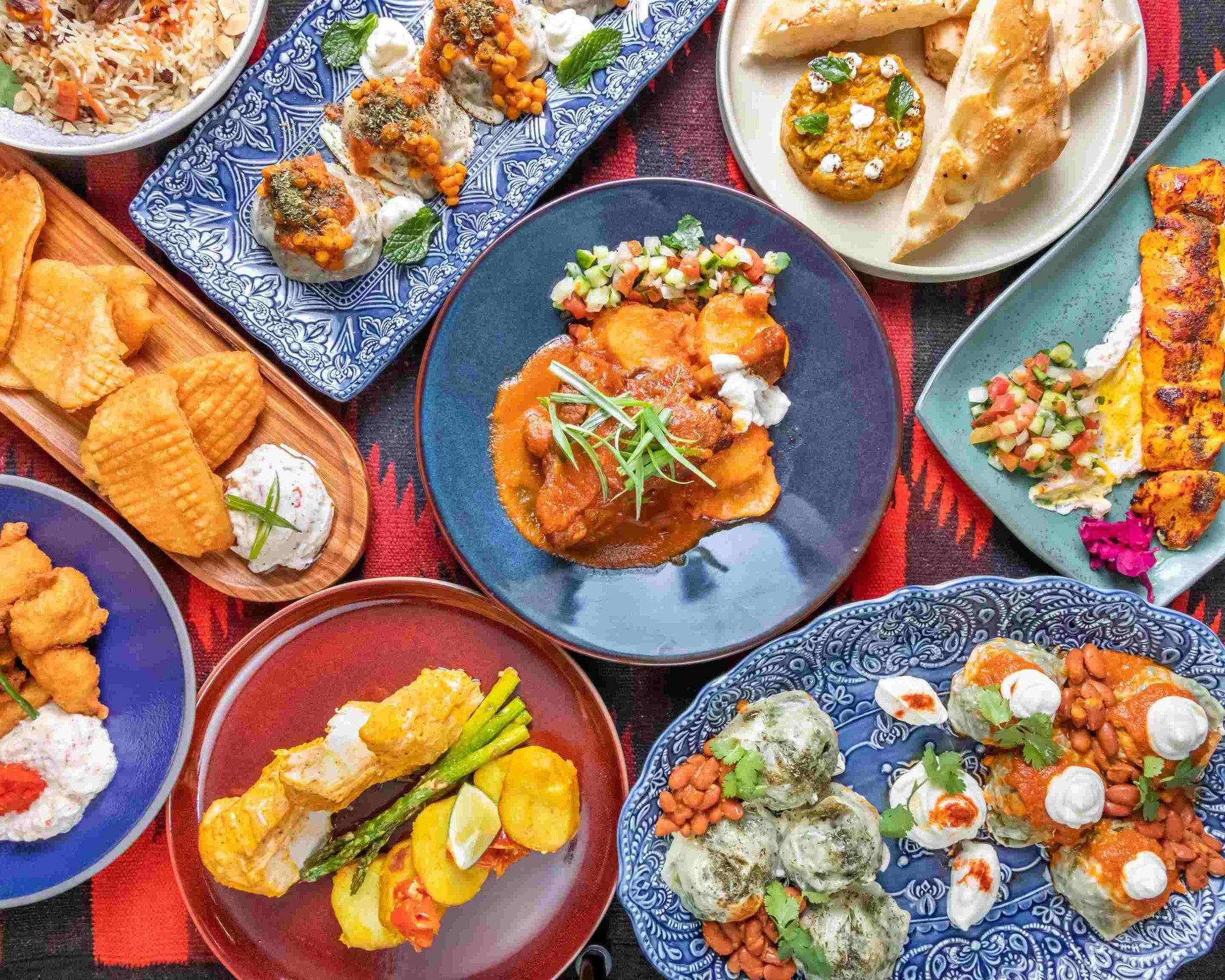
Where Afghan Cooking Sits in Vancouver's Dining Map
Vancouver's mid-price and upper-mid restaurant scene has spent the better part of the last decade consolidating around a familiar set of references: Japanese precision, Chinese regional depth, and contemporary Pacific Northwest localism. The room for Central Asian cooking in that conversation has been narrow. Afghan cuisine, specifically, has occupied the margins of Vancouver's immigrant-food culture for years, surfacing mainly in low-key neighbourhood spots on the east side with limited visibility beyond their immediate communities.
Zarak by Afghan Kitchen is a modern Afghan restaurant at 2102 Main St in Vancouver, with a recommended reservation policy and an average price of about $35 per person. It represents a different posture. The address places it in the Main Street corridor between Mount Pleasant and Riley Park, a stretch that has attracted a more editorially conscious dining crowd over the past several years. That geography matters: Main Street functions as a kind of counter-programming zone to downtown Vancouver's higher-spend, more formally positioned rooms like Masayoshi or Kissa Tanto. On Main, the expectation is that the cooking itself carries the argument, without the architecture of a $200-per-head tasting menu to do the signalling for it.
The Evolution of Afghan Cooking's Public Profile
To understand what Zarak represents, it helps to track how Afghan food has moved through Western dining cities over the past two decades. In the 1990s and early 2000s, Afghan restaurants in North America operated almost entirely within diaspora circuits: family-run, neighbourhood-anchored, and largely invisible to food media. The cuisine itself is complex, drawing on Persian, Central Asian, and South Asian threads, with dishes like qabili palau (a slow-cooked lamb and rice preparation fragrant with cardamom and raisins), mantu dumplings, and bolani flatbreads that carry significant technique and regional variation beneath a modest public profile.
The shift began in larger American cities where food media started paying attention to the breadth of Afghan regional cooking, particularly its rice traditions and the interplay between sweet and savoury that distinguishes it from neighbouring Persian or Pakistani cuisines. Vancouver was slower to follow. The city's food press has historically given more column inches to its Japanese and Chinese dining scenes, both of which are genuinely among the strongest in North America outside their countries of origin. Afghan cooking arrived late to that critical conversation.
Zarak's position on Main Street suggests it is aimed at changing that dynamic, placing itself where a more curious dining public is already looking. That is a calculated evolution from the back-street model that defined the cuisine's earlier Vancouver presence.
What the Setting Communicates
The physical fact of being on Main Street in 2024 carries specific meaning. The corridor has absorbed a wave of restaurants in the last five years that treat mid-market price points with serious culinary intent. It is the kind of street where the room is usually spare and the food is expected to do the work. For a cuisine like Afghan cooking, that framing is actually advantageous: the food has enough intrinsic character that it does not need production design to make it legible. The spice work, the slow-cooked proteins, and the layered rice dishes carry their own weight when given a setting that does not distract from them.
In that sense, Zarak occupies a position similar to what other immigrant-cuisine restaurants have carved out in comparable corridors in other Canadian cities. Jérôme Ferrer - Europea in Montreal and places like Alo in Toronto define the upper end of their respective cities' dining hierarchies, but the more interesting evolution in Canadian restaurant culture has often happened at the tier below, where cuisines that were previously treated as utilitarian get repositioned as worthy of serious attention. Zarak sits at that inflection point for Afghan cooking in Vancouver.
Afghan Cuisine's Technical Depth
The wider context matters here because Afghan cooking is frequently underestimated in North American dining coverage. The cuisine's rice traditions alone represent centuries of refinement: qabili palau involves a steaming method that produces separate, fragrant grains layered with caramelised carrots and raisins, a technique that has parallels in Persian and Uzbek cooking but its own distinct register. Kebab traditions in Afghan cooking involve careful marination and charcoal-grilling methods that differ meaningfully from their Turkish or Lebanese counterparts. Mantu, the steamed dumplings filled with spiced minced meat and topped with split peas and yoghurt, occupy a position in Afghan food culture equivalent to what pasta holds in Italian cooking: a test of a kitchen's baseline competence and care.
For Vancouver diners whose exposure to Afghan food has been limited, Zarak on Main Street represents a more accessible entry point than the east-side neighbourhood spots that preceded it. For those who already know the cuisine, the question is always whether the Main Street setting has compromised any of the cooking's integrity in the translation to a more visible platform. That is the central tension for any immigrant cuisine restaurant that makes the move from community anchor to broader dining conversation.
How It Compares in Vancouver's Mid-Tier
Vancouver's mid-tier restaurant field is crowded in some categories and genuinely thin in others. Contemporary rooms and Japanese formats dominate the critical conversation, with spots like AnnaLena and Barbara occupying the contemporary bracket and iDen & QuanJuDe Beijing Duck House holding a specific position in the Chinese dining tier. Afghan cooking, by contrast, has almost no comparably positioned peer in the city.
For readers who track the broader Canadian dining scene, the pattern at Zarak rhymes with what has happened in other regional contexts where a single well-positioned restaurant has effectively established a cuisine's critical legitimacy in a new market. Venues like Tanière³ in Quebec City did something similar for northern ingredient-focused cooking. The mechanism is the same: location, format, and price positioning that signals seriousness to the media and dining public most likely to write and talk about it.
Planning Your Visit
Zarak by Afghan Kitchen is located at 2102 Main Street, Vancouver, in the Mount Pleasant-Riley Park corridor. Booking is recommended. Hours are Wednesday to Friday from 5 to 10:30 PM, Saturday from 10 AM to 2 PM and 5 to 10:30 PM, and Sunday from 10 AM to 2 PM and 5 to 9 PM. The restaurant is closed Monday and Tuesday.
| Venue | Cuisine | Price Tier | Booking |
|---|---|---|---|
| Zarak by Afghan Kitchen | Afghan | Not confirmed | Check directly |
| AnnaLena | Contemporary | $$$$ | Advance recommended |
| Kissa Tanto | Fusion | $$$$ | Advance recommended |
| Masayoshi | Japanese | $$$$ | Advance required |
Readers with an interest in how other Canadian restaurants have positioned immigrant and regional cuisines for broader audiences may also find useful context in our coverage of Narval in Rimouski, Restaurant Pearl Morissette in Lincoln, The Pine in Creemore, Eigensinn Farm in Singhampton, Aux Anciens Canadiens in Quebec, Barra Fion in Burlington, and Bearspaw Golf Club in Calgary. For international reference points on how specialist cuisines earn critical traction in competitive dining markets, Le Bernardin in New York City and Atomix in New York City offer instructive benchmarks at the summit of the market.
- Bolani
- Mantu
- Lamb Shank
- Oyster Mushroom Kebab
- Shor Nakood
- Aushak
- Chicken and Waffles
Recognition, Side-by-Side
Comparable venues nearby, for context on price, style, and recognition.
| Venue | Cuisine | Price | Notes |
|---|---|---|---|
| Zarak by Afghan KitchenThis venue — the venue you are viewing | Modern Afghan | $$$ | Not listed |
| COFU Chinatown | Plant-Based Japanese Omakase | $$$ | Downtown Eastside |
| Selene Aegean Bistro | Modern Aegean Mediterranean | $$$ | Hastings East |
| Meo | Spanish-Korean Fusion Small Plates & Cocktails | $$$ | Downtown Eastside |
| Heirloom Restaurant | Vegetarian Fine Dining | $$$ | Fairview |
| La Terrazza | Fine-Dining Italian | $$$ | Yaletown |
Continue exploring
More in Vancouver
Restaurants in Vancouver
Browse all →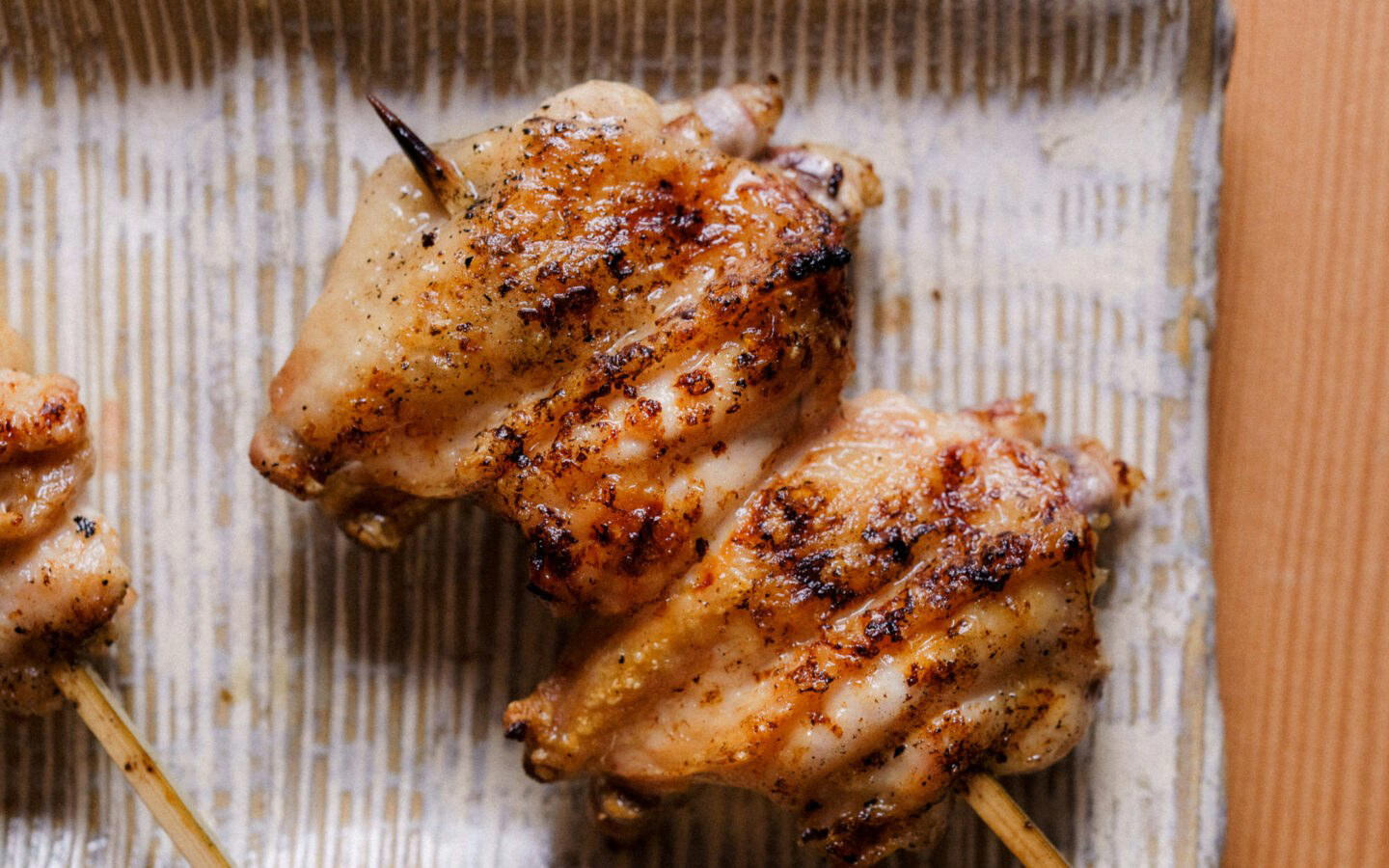
Bars in Vancouver
Browse all →
At a Glance
- Modern
- Elegant
- Warm
- Sophisticated
- Date Night
- Group Dining
- Special Occasion
- Brunch
- Design Destination
- Standalone
- Craft Cocktails
Current opening hours
- Monday
- Closed
- Tuesday
- Closed
- Wednesday
- 5–10:30 PM
- Thursday
- 5–10:30 PM
- Friday
- 5–10:30 PM
- Saturday
- 10 AM–2 PM, 5–10:30 PM
- Sunday
- 10 AM–2 PM, 5–9 PM
Hours can change for holidays and private events. Last verified .
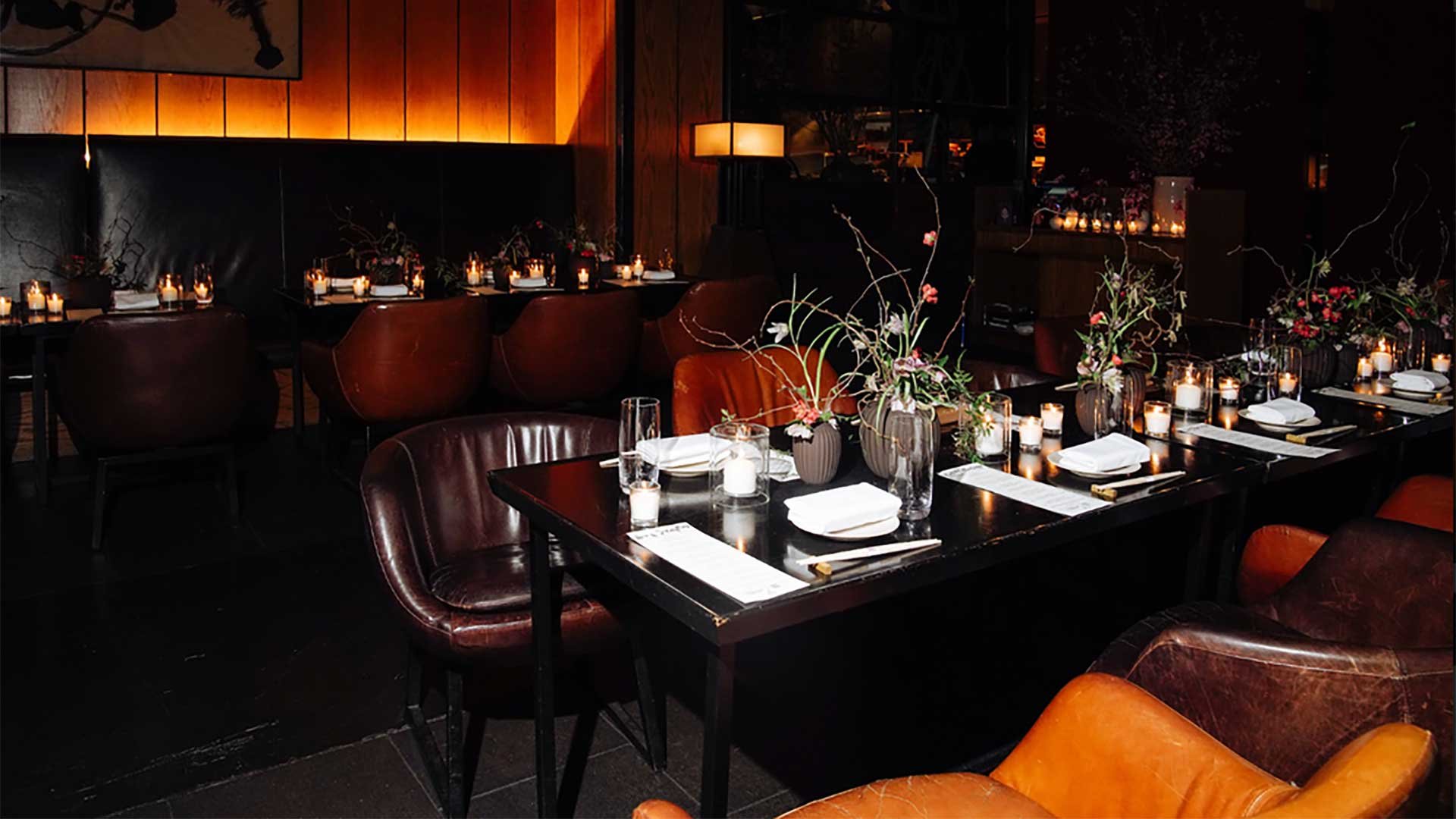
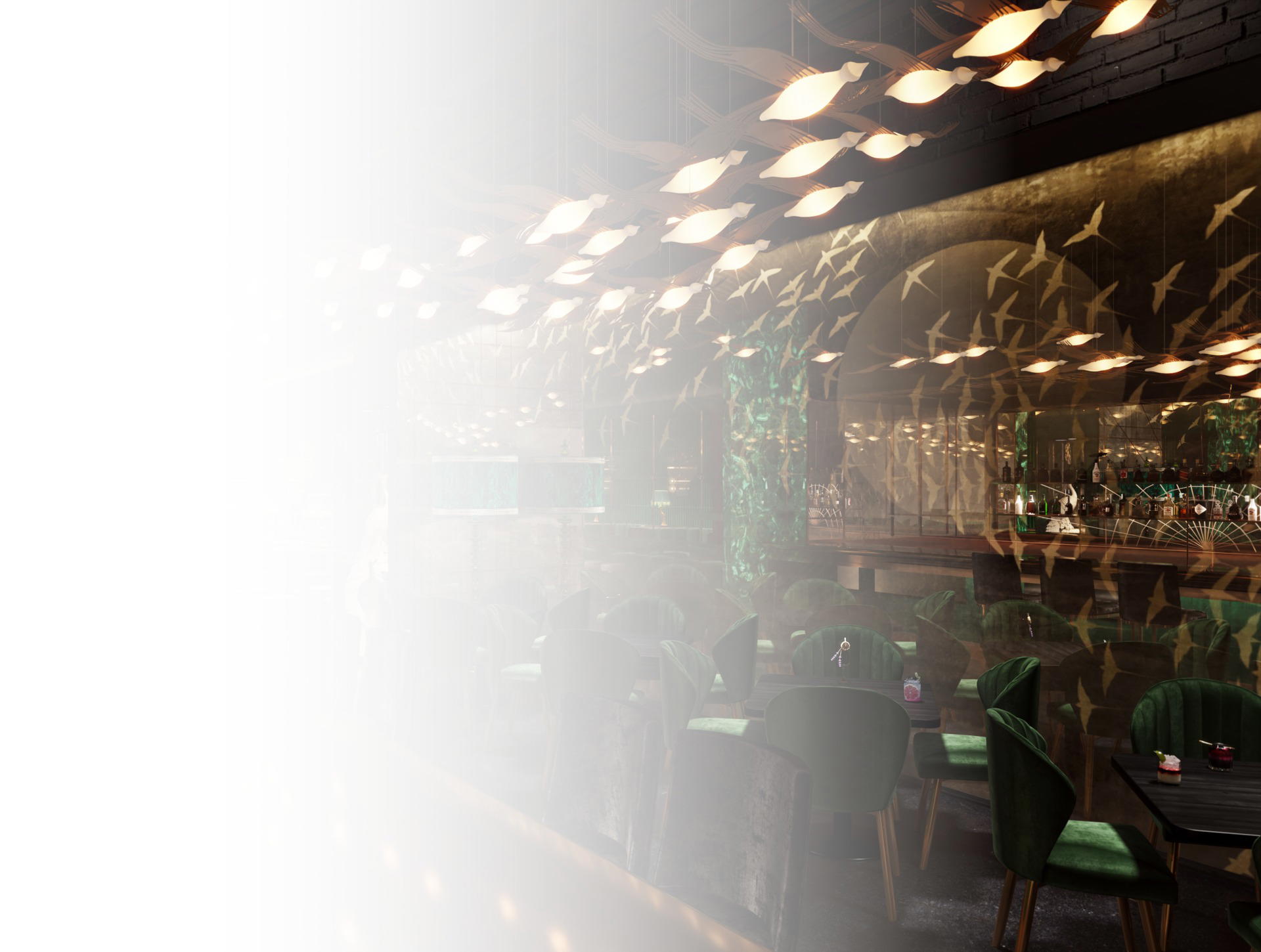
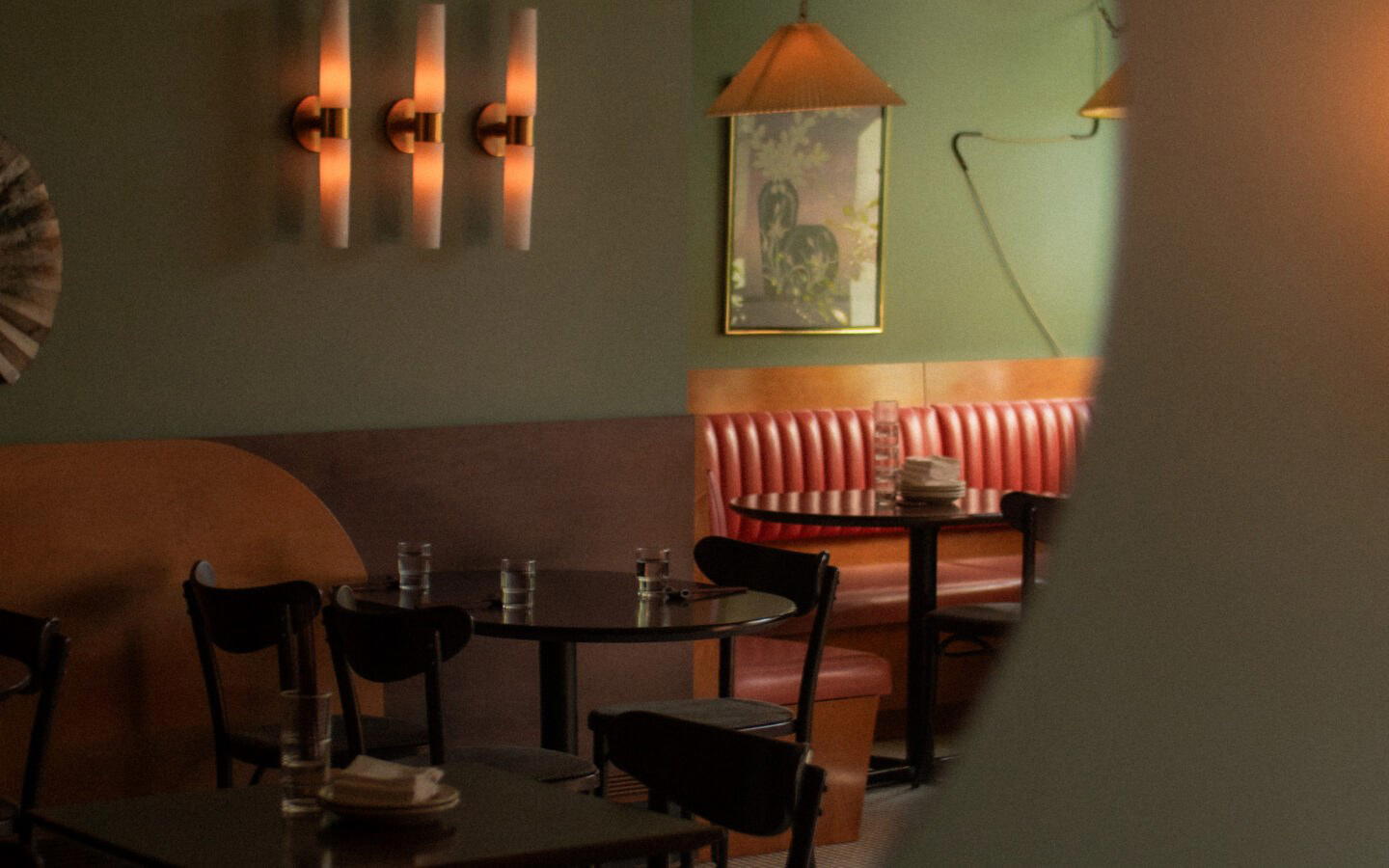
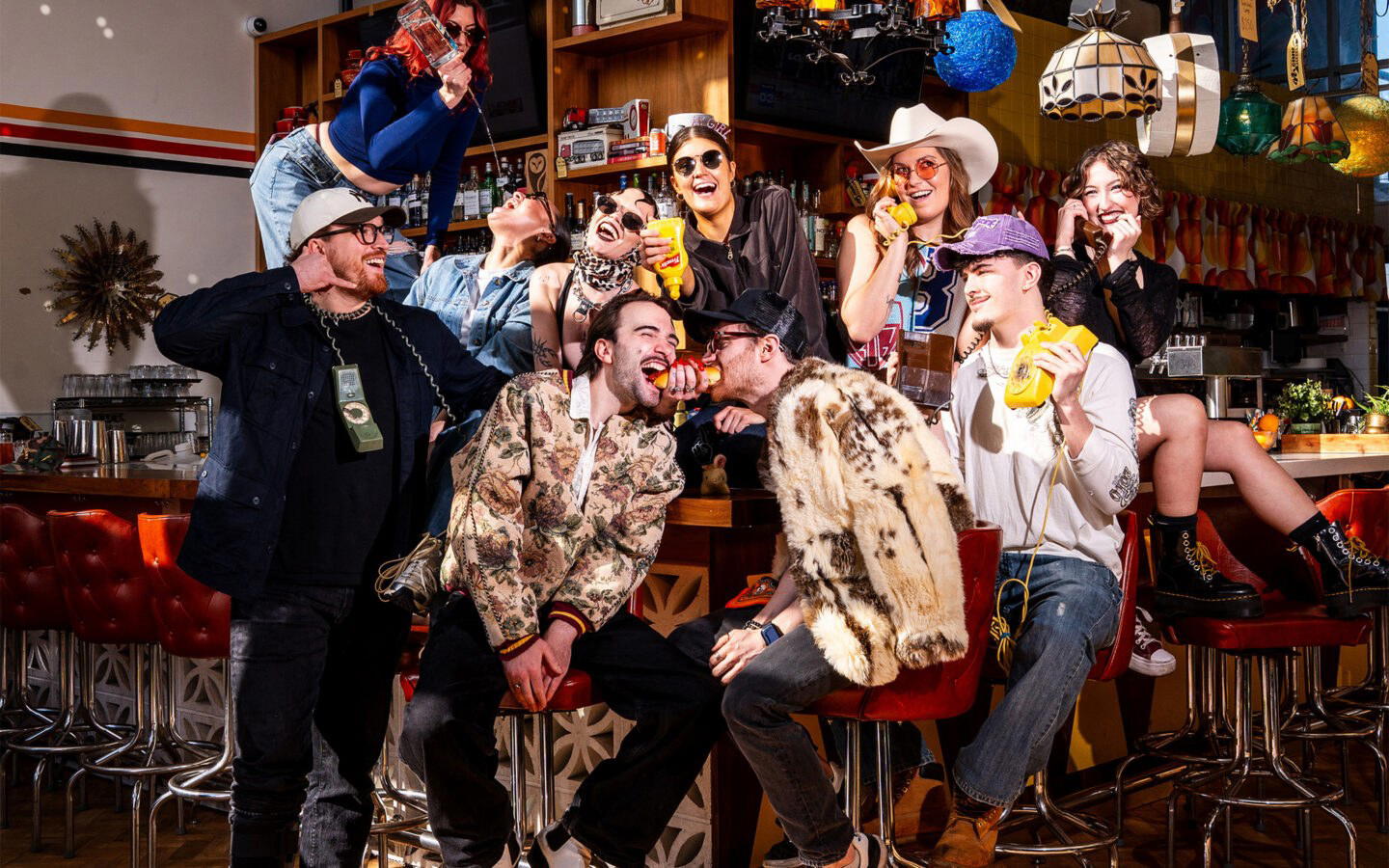
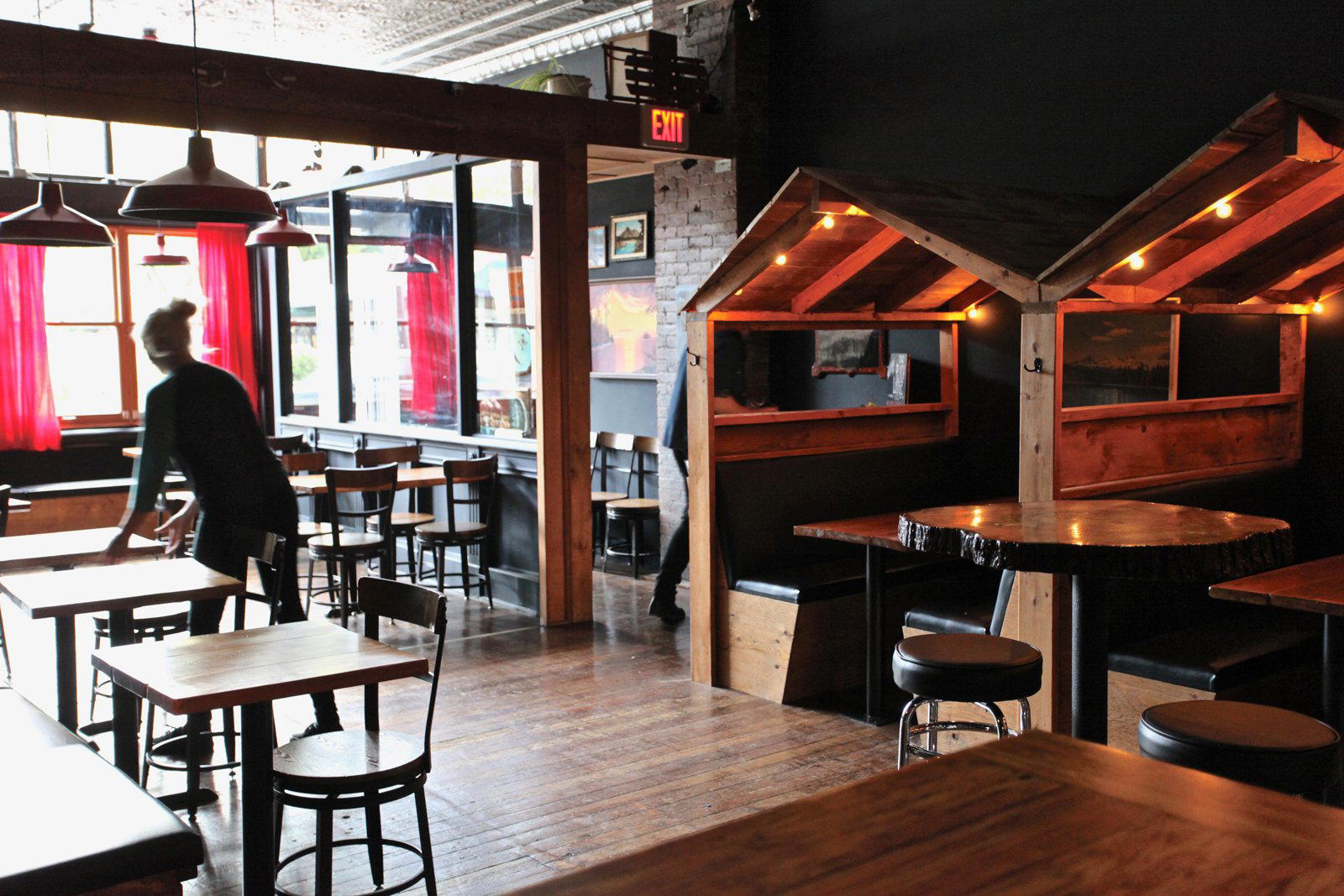
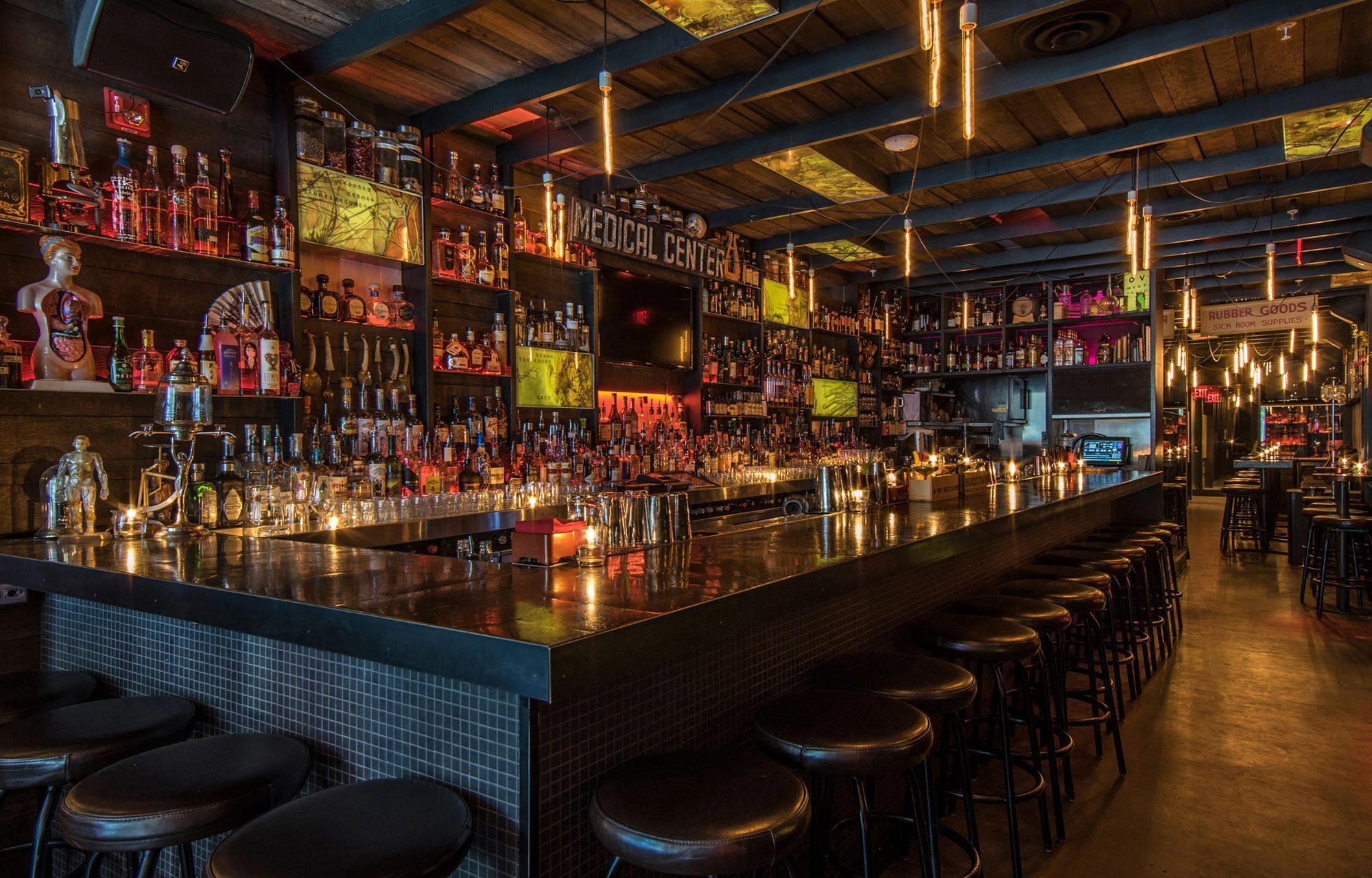
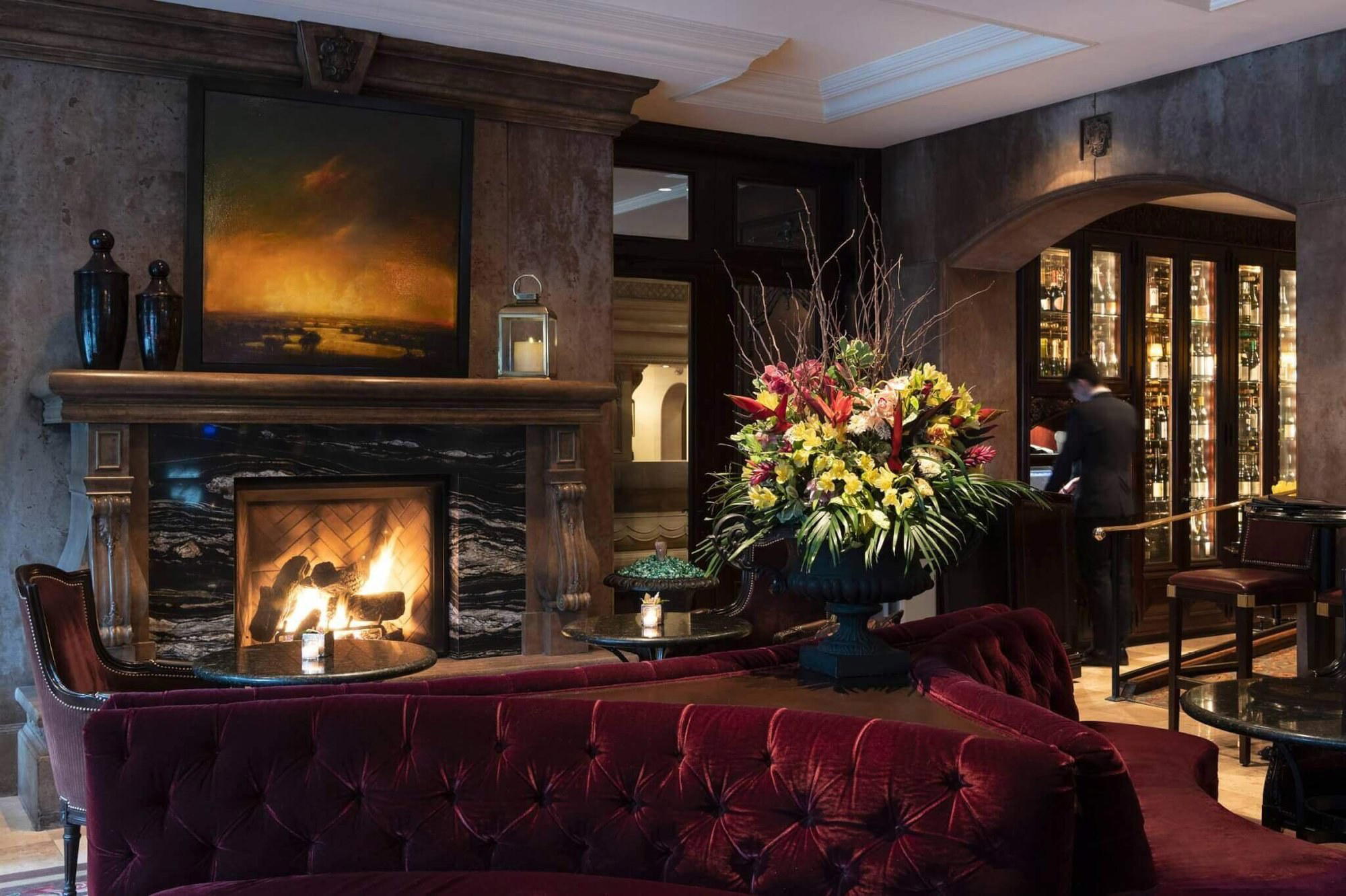
Warm and stylish with modern design elements threaded with traditional Afghan aesthetics; intimate yet inviting dining room with refined lighting.