Our verdict
Zama occupies a considered address on South 19th Street in Philadelphia's Rittenhouse Square corridor, where the city's more restrained dining registers sit apart from the louder new-American scene. The restaurant draws a repeat crowd that prioritizes precision over spectacle, placing it in a tier of Philadelphia dining where the room itself communicates intent before the first course arrives.

Pearl is the En Primeur Club membership app — saves, bookings, and concierge access live there. Same editors, same standards.
- Address
- 128 S 19th St, Philadelphia, PA 19103
- Phone
- (215) 568-1027
- Hours
- Mon–Thu 12–2:30 PM, 5–9 PMFri 12–2:30 PM, 5–10 PMSat 5–10 PMSun 5–9 PM
- Website
- zamaphilly.com
- Directions
- Get directions
- Booking
- Book on Resy
The menu
What to order
- Wasabi Hummus Roll
- Miso-Marinated Chilean Sea Bass
- Sashimi Platter
- Black Cod Saikyoyaki
- Tofu Beignets
- Berkshire Pork Tonkatsu
Where Rittenhouse Square's Quieter Register Begins
Philadelphia's dining geography has a clear internal logic. The blocks surrounding Rittenhouse Square attract a different kind of restaurant than the noisier corridors of Fishtown or East Passyunk: smaller rooms, more considered service cadences, a clientele that books ahead and returns regularly. South 19th Street sits in that zone, and Zama at 128 S 19th St operates within the conventions that address implies. The approach here is closer in spirit to the spare, technique-driven counters you find in cities with deeper sushi and Japanese dining traditions than to the casual izakaya format that has spread across American mid-market dining over the past decade.
That positioning matters in Philadelphia, where Japanese cuisine outside the chef-driven tier has historically leaned toward approachable roll formats rather than the cleaner omakase or kaiseki registers. Zama represents the city's more serious end of that spectrum, a counterpoint to the New American dominance that defines much of Rittenhouse's restaurant identity. Venues like Fork and Friday Saturday Sunday anchor that New American category nearby; Zama operates in a different register entirely.
The Atmosphere the Room Creates
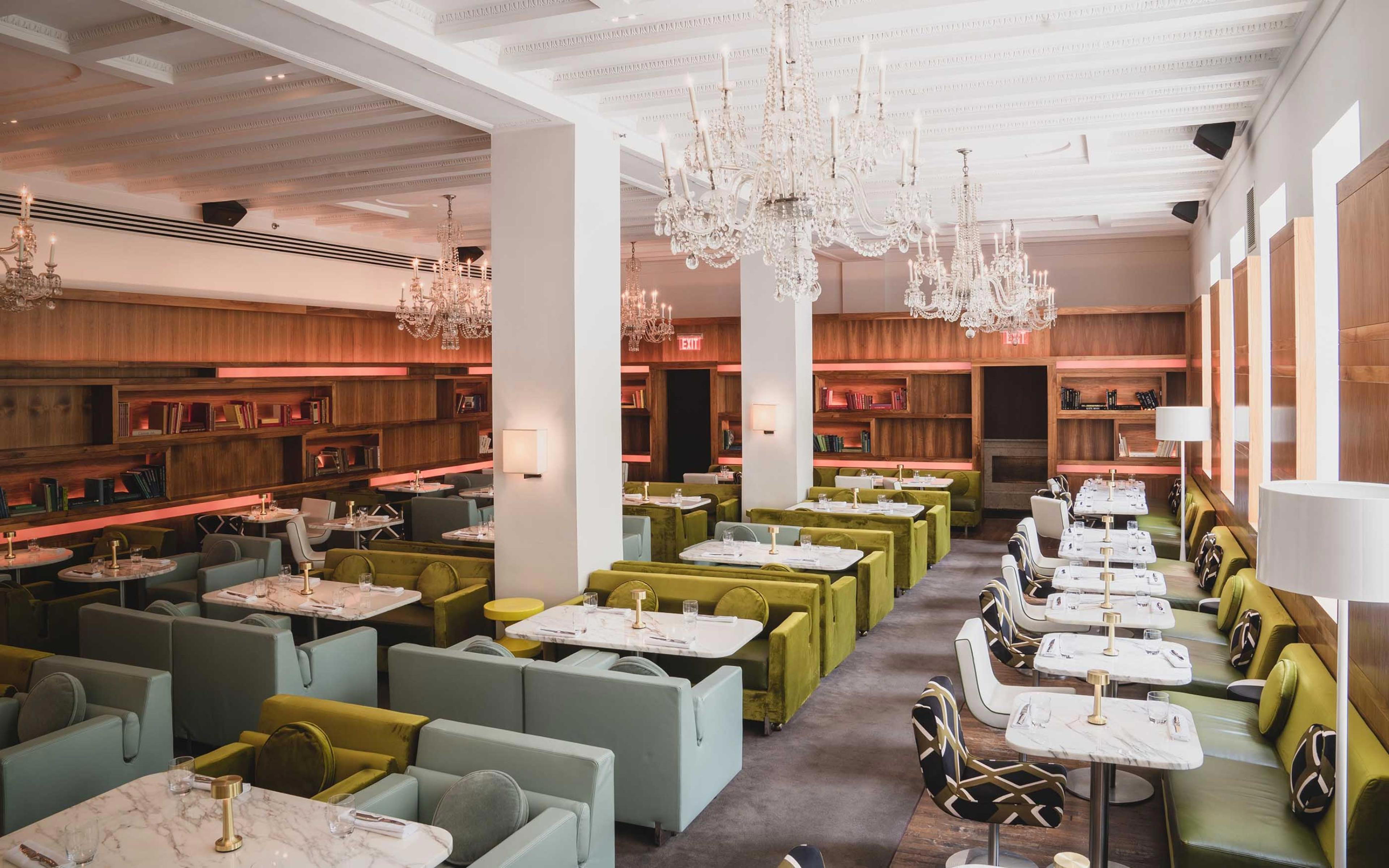
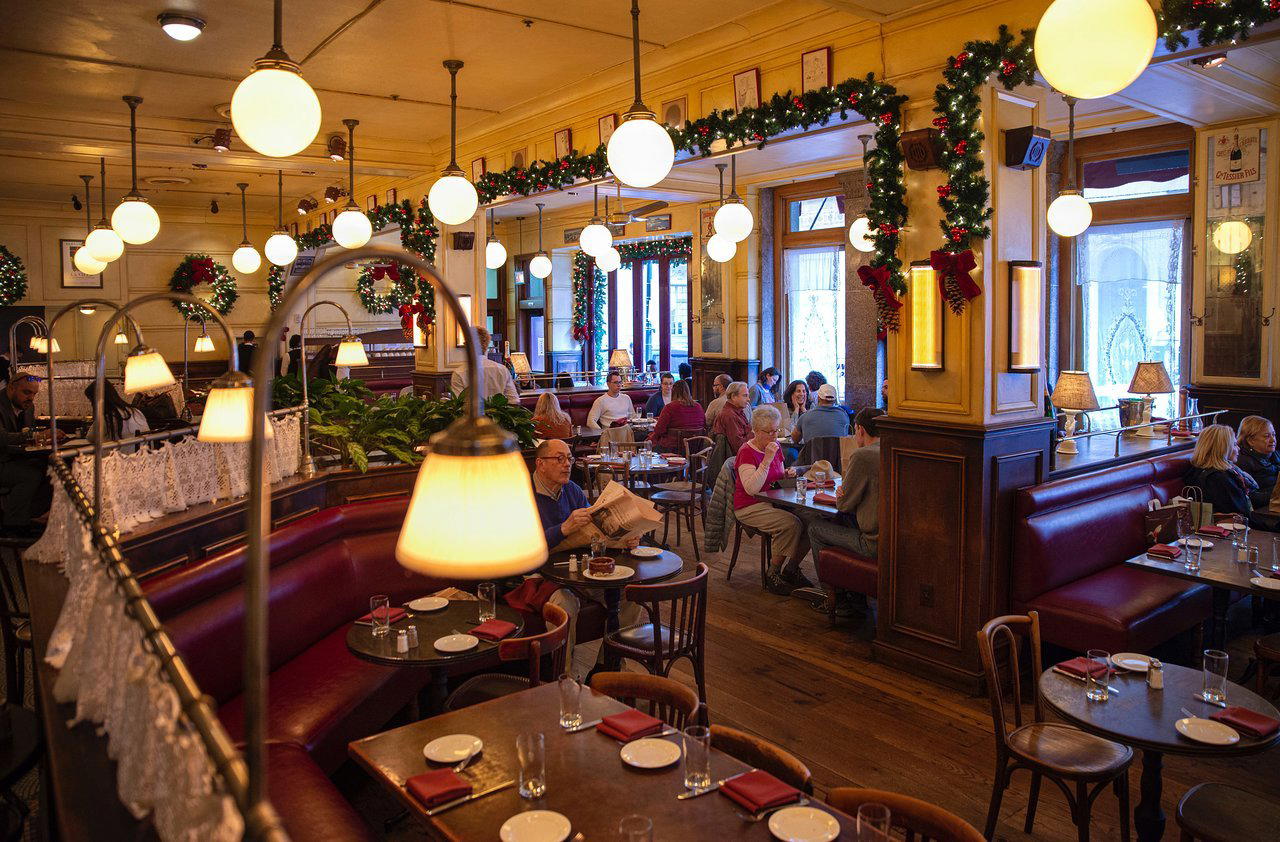
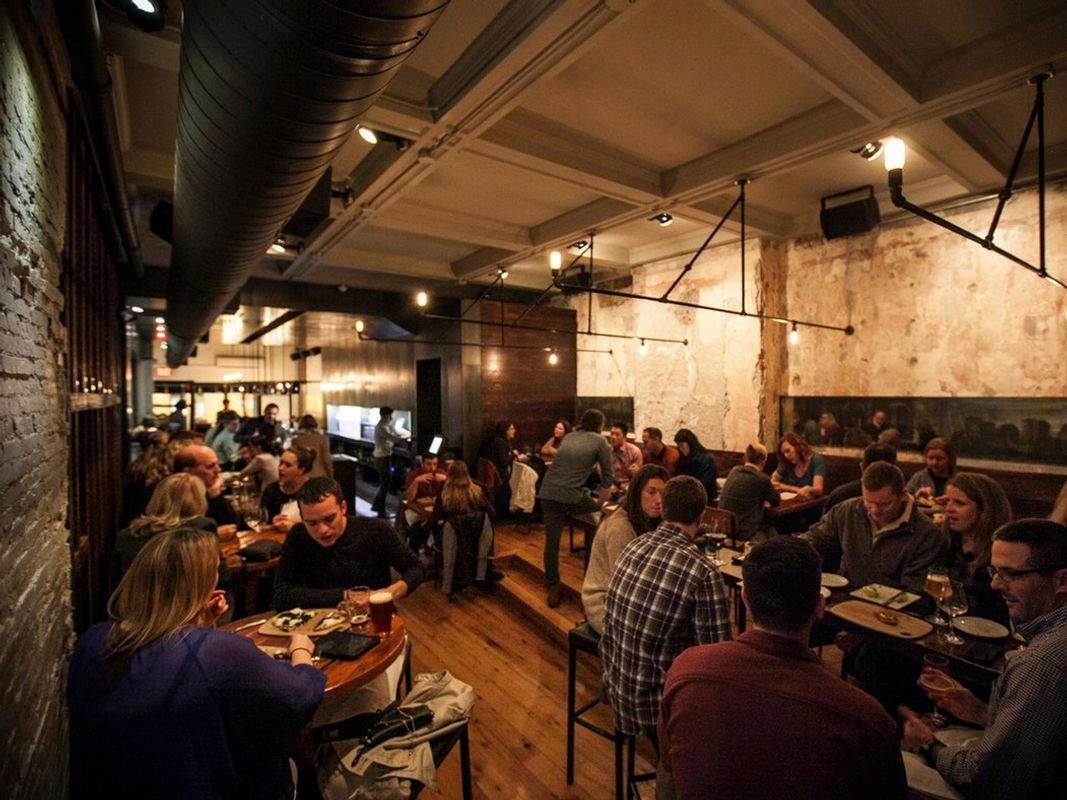
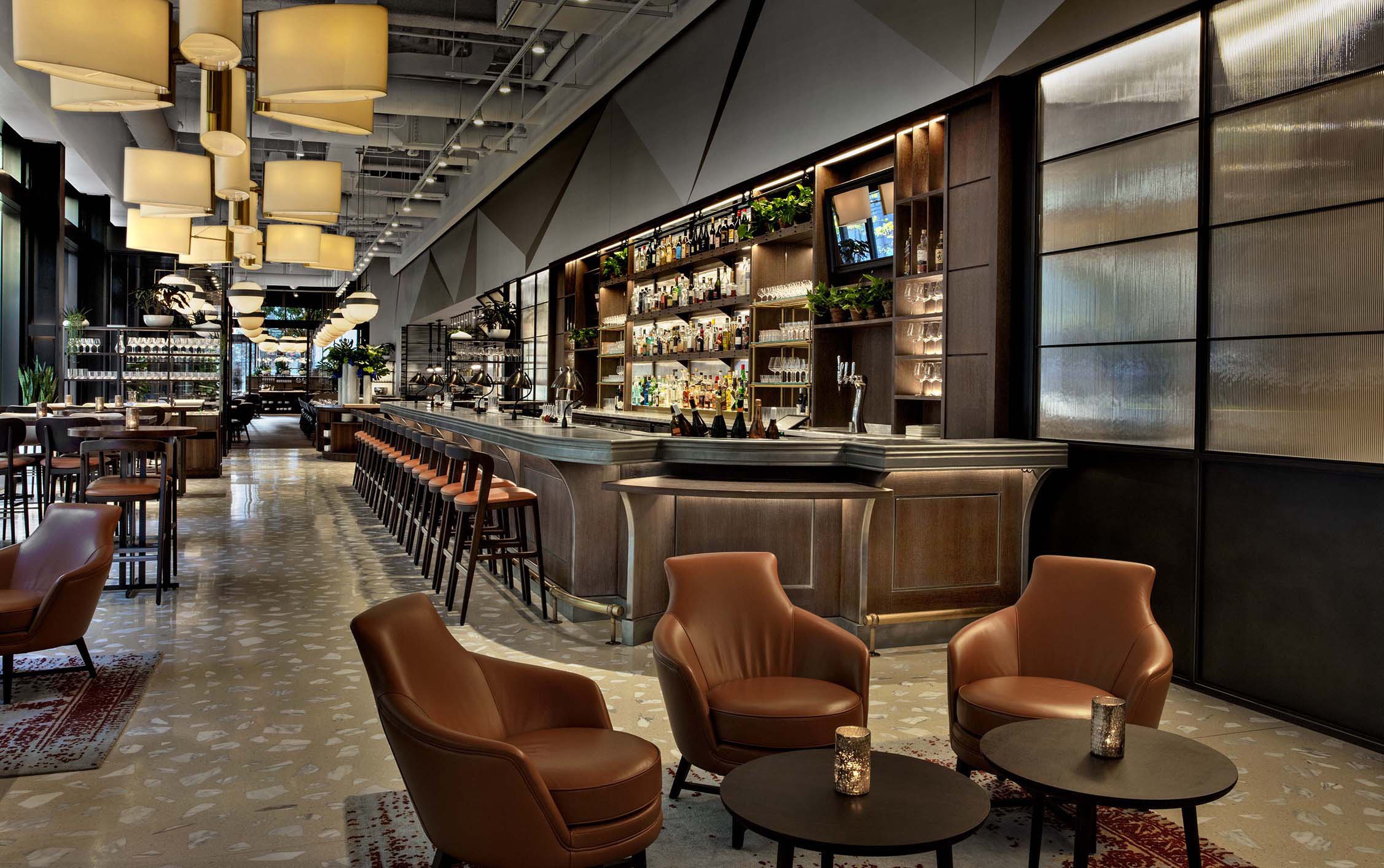
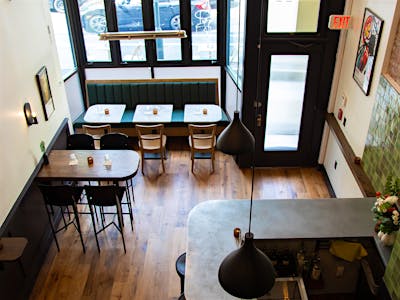
In Japanese-influenced dining rooms that aim for credibility, the physical environment does most of the communicating. The calibration Philadelphia diners encounter at Zama follows a pattern recognizable from comparable rooms in other American cities: a preference for clean material surfaces, deliberate lighting that focuses attention on the counter or table rather than the broader room, and an acoustic environment that allows conversation without requiring it to compete against a soundtrack. These are not accidental choices. They reflect a category-wide understanding that the sensory contract in serious Japanese dining begins before food arrives.
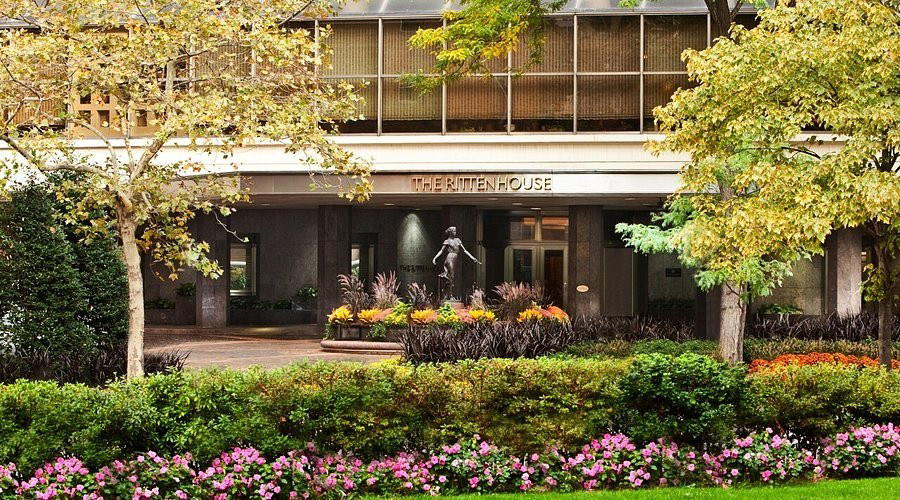
The neighborhood context reinforces the experience. Rittenhouse Square's western edge on 19th Street carries the low-traffic, residential-commercial texture that separates it from the heavier pedestrian corridors a few blocks east. Arriving at Zama from the square, you move through a block that settles rather than accelerates, which shapes the pace of the meal before you sit down. That geographical positioning is a practical asset for a restaurant operating in a register that depends on attentiveness rather than energy.
For comparison: in cities where premium Japanese dining has deeper roots, the quieter the address, the more intentional the restaurant within it tends to be. Philadelphia's Japanese dining scene is still developing that geography, and Zama's address on 19th Street is part of what signals its intent within that developing map. Philadelphia's broader Asian dining range is expanding, with venues like Kalaya and Mawn demonstrating how the city's appetite for precision and regional specificity in non-European cuisines has grown considerably.
To understand what Zama represents in Philadelphia, it helps to map it against the broader American premium Japanese dining tier. At the top of that tier sit counter-driven omakase rooms with national reputations: tasting menus priced at $200 or more per seat, multi-month booking windows, kitchens with direct Japan training credentials. Zama operates in the mid-to-upper band below that ceiling, where the trade-off is between accessibility and ceremonial formality. That band is arguably where the most interesting dining decisions happen in any city, because it requires restaurants to justify their positioning through consistency rather than prestige alone.
Philadelphia does not yet compete with New York or Los Angeles in the density of premium Japanese dining options. Atomix in New York City represents one version of how Korean fine dining intersects with Japanese technique at the very best of the American market. Zama's role in Philadelphia is to hold a position closer to the serious end of the local range while remaining accessible in a way that a strictly omakase format would not be.
That positioning is consistent with how serious Japanese restaurants have established themselves in mid-sized American cities over the past fifteen years. The template reappears in enough cities to be legible as a category pattern rather than a venue-specific phenomenon.
How Zama Fits Philadelphia's Broader Dining Argument
Philadelphia is a city that has spent a decade building a serious dining argument against the assumption that fine-dining credibility requires New York proximity. The evidence for that argument includes restaurants across multiple categories: My Loup has extended the city's French-influenced capability, while the continued growth of its Asian dining range demonstrates appetite for precision and authenticity outside the European tradition.
Nationally, the upper tier of American fine dining includes rooms with long-established authority: Le Bernardin in New York City, The French Laundry in Napa, Alinea in Chicago, Providence in Los Angeles, and Blue Hill at Stone Barns in Tarrytown. Philadelphia's leading rooms do not directly compete with that tier by format, but they are building the sustained reputation and repeat-diner culture that precede that kind of recognition. Zama fits within that accumulation project for the city's Japanese dining specifically.
Other American cities with aspirational fine dining scenes have demonstrated that the Japanese cuisine tier tends to develop as a leading edge of the broader movement upward in seriousness: Lazy Bear in San Francisco, Single Thread Farm in Healdsburg, Addison in San Diego, and The Inn at Little Washington each arrived at their current positions through years of consistent positioning before accruing national recognition. For Philadelphia, venues like Zama are part of a similar long arc. The city's guide for serious dining extends well beyond any single category; see our full Philadelphia restaurants guide for the broader picture. Internationally, the standard that makes Philadelphia's ambitions legible includes rooms like 8 1/2 Otto e Mezzo Bombana in Hong Kong and Emeril's in New Orleans, both of which built durable identities through cuisine-specific consistency rather than conceptual reinvention.
Planning Your Visit
Rittenhouse Square is reachable from Center City on foot or via the Market-Frankford Line to 15th Street, with a short walk west. South 19th Street itself has limited on-street parking but accessible garage options within two blocks. For a room operating in Zama's register, midweek visits typically offer a different pacing than weekends; the crowd at these types of Rittenhouse establishments tends toward neighborhood regulars midweek and destination diners on Fridays and Saturdays.
| Venue | Cuisine | Neighborhood | Format |
|---|---|---|---|
| Zama | Japanese | Rittenhouse Square | À la carte / omakase options |
| Fork | New American | Old City | À la carte |
| Friday Saturday Sunday | New American | Rittenhouse | À la carte |
| Kalaya | Thai | Fishtown | À la carte |
| Mawn | Cambodian / Pan-Asian | Center City | À la carte |
Frequently asked questions
What's Zama's location?
Zama is located at 128 S 19th St, Philadelphia, PA 19103, Philadelphia.
How does Zama compare to other Japanese restaurants in Philadelphia?
Zama's position on South 19th Street in the Rittenhouse Square neighbourhood places it in a different operating register from the Japanese restaurants clustered in Philadelphia's busier commercial corridors. Rittenhouse draws kitchens that rely on repeat local diners rather than high footfall, which typically produces a more focused menu and a quieter room. For Philadelphia, that combination of neighbourhood address and Japanese-influenced format is a relatively narrow category, giving Zama a distinct place in the city's dining geography.
What do regulars order at Zama?
Zama's menu is Japanese-influenced and positioned within Rittenhouse Square's more considered dining tier, where repeat visitors typically anchor to the kitchen's core Japanese preparations rather than fusion departures. Zama sits at 128 S 19th St, Philadelphia, PA 19103, and the room's format informs the kind of ordering pace the kitchen is built for.
Is Zama reservation-only?
Given its position in the Rittenhouse Square dining corridor, where demand for Japanese-influenced rooms tends to run ahead of walk-in availability, booking ahead is the practical approach. Contacting the venue directly before your visit is the most reliable way to confirm current policy.
What's the standout thing about Zama?
Zama occupies a specific position in Philadelphia's dining argument: Japanese-influenced cooking delivered in the Rittenhouse Square corridor, a neighbourhood that filters for a particular kind of committed restaurant rather than tourist-volume operations. That address on South 19th Street places it within walking distance of Center City's core, making it one of the more accessible serious Japanese rooms in the city. The dining room's physical environment and the kitchen's focus together define what sets it apart from broader Philadelphia options.
Reputation First
Comparable venues nearby, for context on price, style, and recognition.
| Venue | Cuisine | Price | Awards | Notes |
|---|---|---|---|---|
| ZamaThis venue — the venue you are viewing | Modern Japanese Sushi & Omakase | $30–50 | Not listed | Not listed |
| Tuna Bar | Modern Japanese Raw Bar | $30–50 | Not listed | Old City |
| Dancerobot | Japanese-American Comfort Izakaya | $30–50 | Resy Top Restaurants in America #7 | Rittenhouse Square |
| Kinme | Creative Sushi Rolls | $30–50 | Not listed | Washington Square West |
| Terakawa Ramen | Authentic Japanese Ramen | $20–30 | Not listed | Chinatown |
| Kissho House Omakase | Japanese Omakase | $150–200 | Resy Best of the Hit List | Rittenhouse Square |