Kinme
Our verdict
On Locust Street in Philadelphia's Washington Square West, Kinme occupies a corner of the city's growing appetite for precise, wine-forward dining. The address sits among a cluster of serious independent restaurants that have repositioned Philadelphia as a genuine dining destination rather than a secondary stop on the Northeast corridor.

Pearl is the En Primeur Club membership app — saves, bookings, and concierge access live there. Same editors, same standards.
- Address
- 1117 Locust St, Philadelphia, PA 19107
- Phone
- (215) 982-1722
- Hours
- Mon–Fri 12–10 PMSat 3–10 PMSun Closed
- Website
- kinmepa.com
- Directions
- Get directions
- Booking
- Book on OpenTable
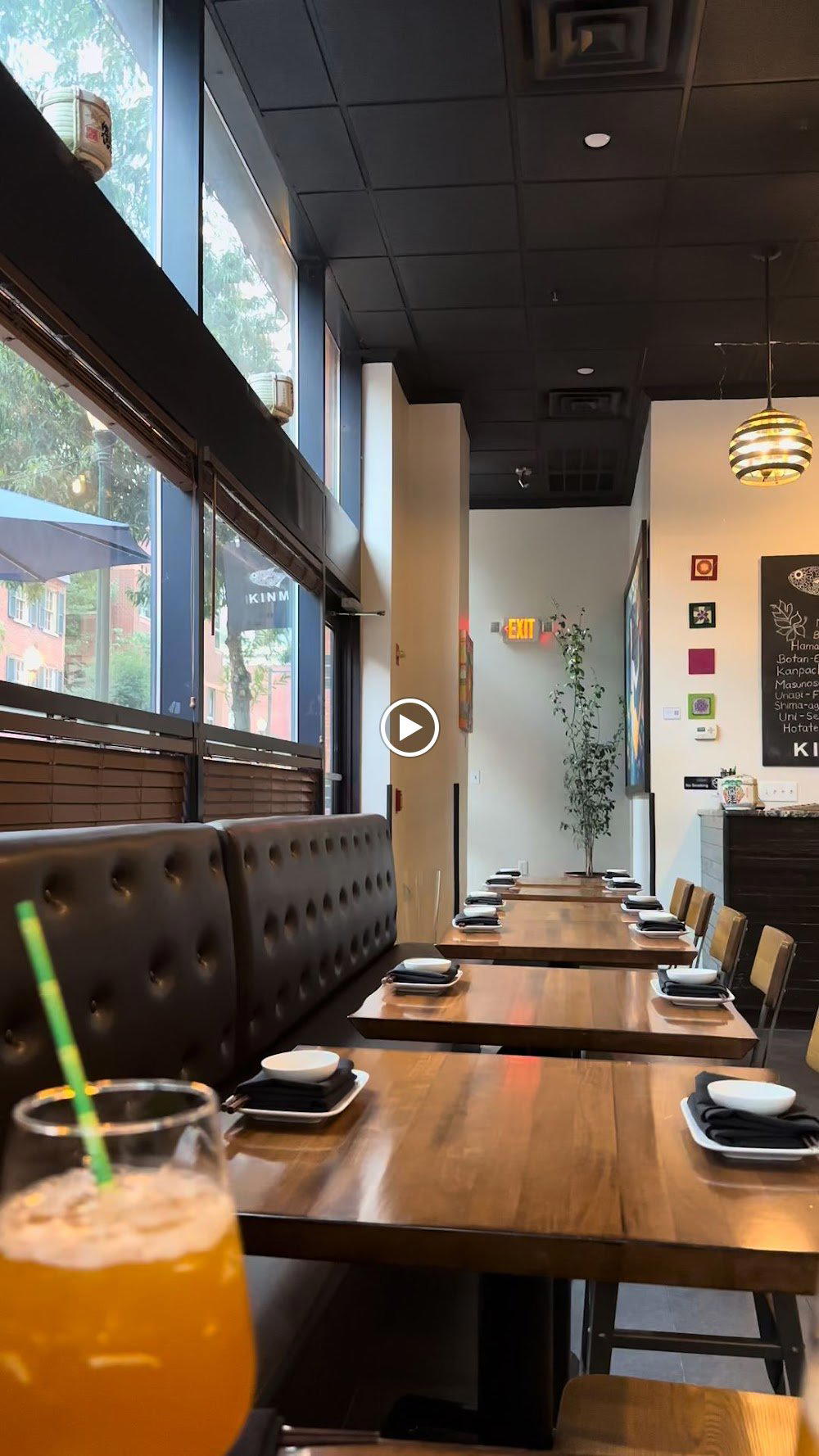
The menu
What to order
- Legally Blonde
- Phantom Roll
- South Pacific Roll
Washington Square West and the Restaurants That Defined It
Locust Street between 11th and 12th has become one of Philadelphia's more consequential dining blocks, not because of a single celebrated address but because of the cumulative density of independent operators who chose it. The corridor reflects a broader shift in Philadelphia dining over the past decade: away from the Center City power-lunch tradition and toward a more considered, often smaller-format approach to food and drink. Kinme, at 1117 Locust St, sits inside that pattern, in a neighborhood where the competition is provided by places like My Loup, the French-inspired room a few blocks over that has established itself as one of the city's serious wine destinations. The proximity matters: when two or three earnest, independently operated rooms share the same neighborhood, they reinforce one another's positioning and raise the baseline expectation for what a reservation in this part of the city should deliver.
Washington Square West has followed a path familiar from other American mid-sized cities where real estate conditions allowed independent restaurateurs to operate without the overhead that forces simpler, higher-turnover formats. That structural advantage tends to produce rooms where wine programs and beverage curation receive the same attention as the kitchen, because the operator has enough margin to invest in cellar depth rather than solely in table turns.
The Wine Tradition This Kind of Room Belongs To
Across the American independent dining tier, the wine list has become one of the primary differentiators between rooms that are merely competent and those that build a returning clientele. The shift is partly generational: a cohort of sommeliers trained in the early 2010s, many of whom passed through programs at places like Le Bernardin in New York City or absorbed the producer-driven philosophy that spread outward from Napa properties like The French Laundry, moved into smaller independent rooms and brought with them an expectation that the cellar should tell a story as coherent as the menu. The result, in cities like Philadelphia, is a tier of restaurants where the wine list operates as editorial — a point of view expressed in producer selection, regional emphasis, and the ratio of by-the-glass options to bottle-only depth.
Philadelphia's wine-forward rooms have drawn comparison with peer scenes in cities that invested early in this format. Friday Saturday Sunday on Spruce Street built its reputation partly on a natural-wine program that preceded the trend's mainstream arrival; Fork, the Old City institution, has maintained cellar depth across multiple ownership transitions. What Kinme represents is the next generation of that positioning: a room on a street that already carries dining credibility, placing itself inside a conversation about what a serious wine list looks like in 2024.
Curation Philosophy and Cellar Depth
The wine list at an address like Kinme's operates in a competitive field. Philadelphia diners in this price tier have access to rooms with significant cellar investment, and the comparison set extends beyond the immediate neighborhood. Nationally, the benchmark for wine-forward independent dining has been set by rooms like Single Thread Farm in Healdsburg, where the beverage program is treated as equal in ambition to the kitchen, or Blue Hill at Stone Barns in Tarrytown, where producer relationships and regional sourcing philosophy carry through from the plate to the glass. Those are large-format, high-investment operations, but the philosophical template they established — that curation depth signals seriousness, applies equally to smaller, urban independents.
In that context, the question for any wine-forward room on Locust Street is less about whether the list is long and more about whether it has a discernible point of view. A list that runs deep on a single producer, or that commits to an unusual regional emphasis, tells the returning guest something the kitchen alone cannot. It signals that there is a mind behind the cellar making choices rather than filling slots. That distinction is what separates a serious wine program from a competent one, and it is the standard against which rooms in Philadelphia's independent tier are increasingly measured.
How Kinme Sits in Philadelphia's Broader Dining Scene
Philadelphia's restaurant scene has diversified considerably in the past five years, and the competition for the serious-dining dollar now extends well beyond New American tasting menus. Kalaya in Bella Vista established that a Thai kitchen could operate at a level of technique and ambition previously reserved for European-derived formats. Mawn has done something similar for Cambodian and Pan-Asian cooking, building a reservation-driven audience for a cuisine that rarely attracts that kind of institutional attention. The effect on the broader market is that diners shopping for a serious evening now have genuine choices across format and cuisine type, which raises the competitive pressure on any room that positions itself through beverage rather than a singular kitchen identity.
Rooms like Atomix in New York City or Providence in Los Angeles demonstrate that ambitious wine programs can sit alongside a range of culinary traditions without friction, and that a cellar built with genuine curatorial intent holds its own against kitchens with more Michelin-visible credentials. Addison in San Diego and The Inn at Little Washington represent the formal end of that spectrum, where the wine program is inseparable from a total-experience proposition. Kinme operates at a different scale but inside the same conversation about what beverage seriousness signals to a returning guest.
For context on how Philadelphia compares to other cities where independently operated, wine-driven rooms have established themselves, see our full Philadelphia restaurants guide, which maps the scene across neighborhoods and formats. Comparable programs at very different scales can be found at Lazy Bear in San Francisco, Alinea in Chicago, Emeril's in New Orleans, and 8 1/2 Otto e Mezzo Bombana in Hong Kong, each of which has built long-term credibility through the combination of kitchen ambition and beverage depth that Kinme is positioned to pursue on Locust Street.
Planning Your Visit
Kinme is located at 1117 Locust St in Philadelphia's Washington Square West neighborhood, walkable from the Broad Street Line at Walnut-Locust and within a short distance of the cluster of independent dining rooms that define this part of Center City. The immediate block rewards arriving early enough to walk the neighborhood before sitting down; the density of serious independent restaurants here means the pre-dinner decision to stay in the area rather than travel to another neighborhood is generally a sound one.
Frequently asked questions
Can I bring kids to Kinme?
Kinme's address on Locust Street in Washington Square West places it firmly in Philadelphia's serious-dining corridor, a block where the mood skews adult and considered. Older teenagers comfortable with a deliberate dining pace are a different matter.
What is the atmosphere like at Kinme?
Kinme sits on one of Philadelphia's more consequential dining blocks, Locust Street between 11th and 12th in Washington Square West, where the surrounding rooms set a tone that rewards attention rather than spectacle. The neighborhood draws a crowd that comes to eat rather than to be seen, and the address at 1117 Locust reflects that orientation. Expect a room calibrated for the table rather than the street.
How does Kinme fit into Philadelphia's independent dining scene on Locust Street?
Locust Street in Washington Square West has consolidated into one of Philadelphia's more competitive dining stretches, where independent rooms compete directly for the serious-dining dollar alongside established names citywide. Kinme at 1117 Locust occupies that tier without the institutional backing of a large restaurant group, which in Philadelphia's current climate is itself a signal of a kitchen operating on conviction rather than scale.
What should I order at Kinme?
When in doubt at a focused independent room on a block like Locust Street, the safest move is to ask the server what the kitchen is running well that evening and let the response guide the meal.
What's the address for Kinme?
Kinme is located at 1117 Locust St, Philadelphia, PA 19107, Philadelphia.
Comparison Snapshot
Comparable venues nearby, for context on price, style, and recognition.
| Venue | Cuisine | Price | Notes |
|---|---|---|---|
| KinmeThis venue — the venue you are viewing | Creative Sushi Rolls | $30–50 | Not listed |
| Bleu Sushi | Modern Japanese Sushi | $30–50 | Washington Square West |
| Shiroi Hana | Authentic Japanese Sushi | Not listed | Rittenhouse Square |
| Kotosushi | Japanese Sushi & Hibachi | $20–30 | Old City |
| Double Knot | Modern Japanese Izakaya | $50–100 | Washington Square West |
| Tomo Sushi & Ramen | Japanese Sushi & Ramen | $20–30 | Old City |
Continue exploring
More in Philadelphia
Restaurants in Philadelphia
Browse all →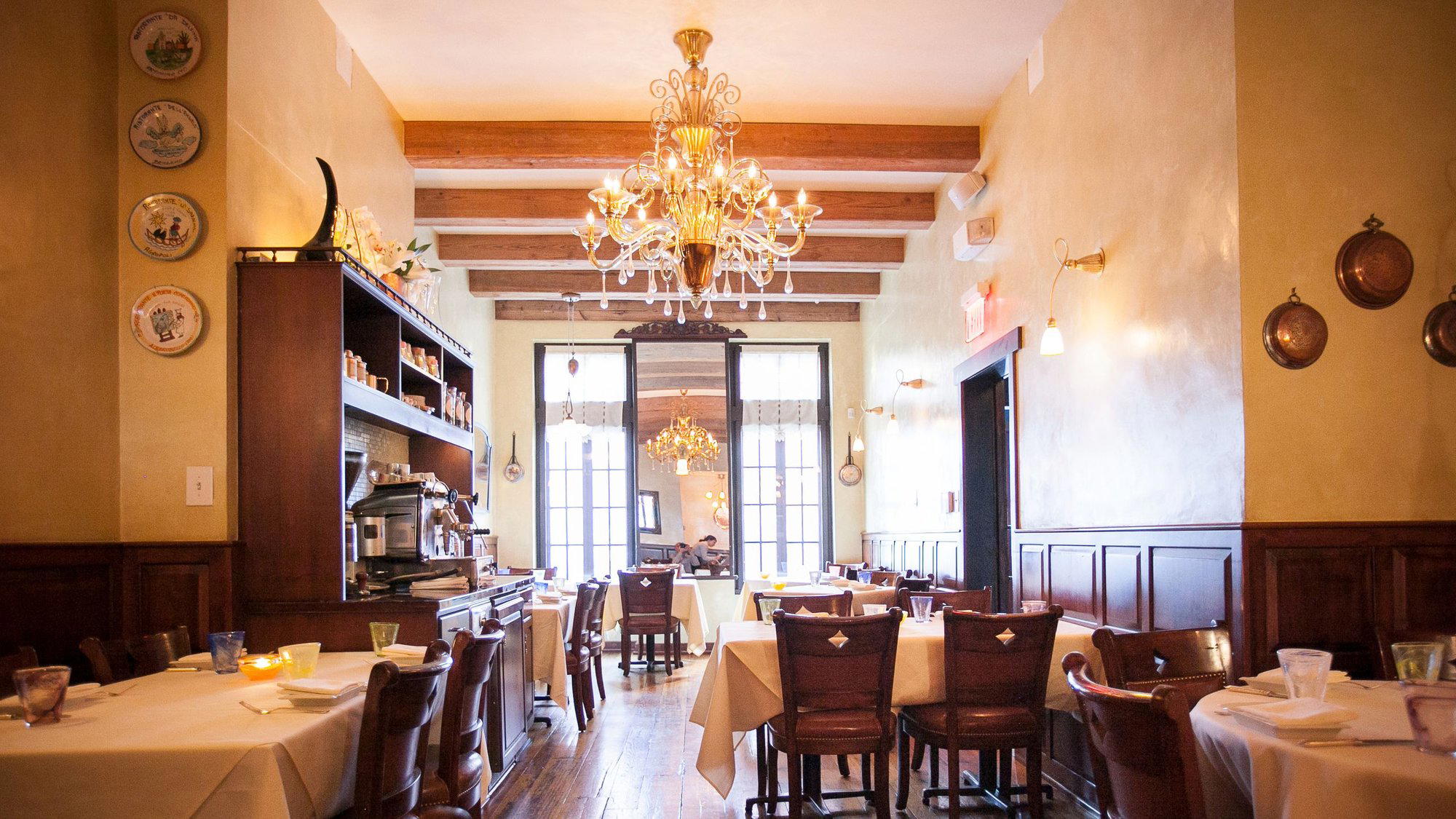
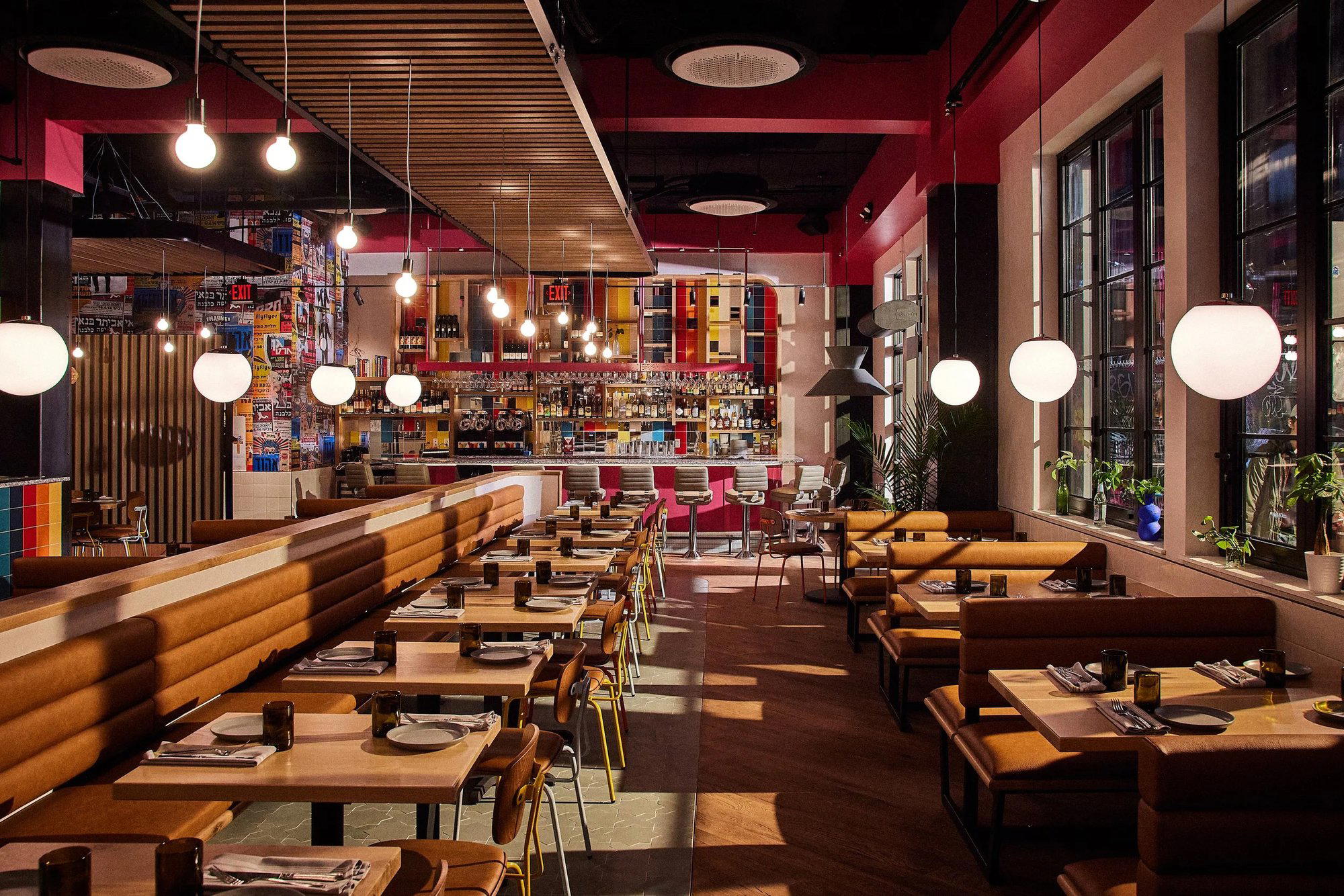
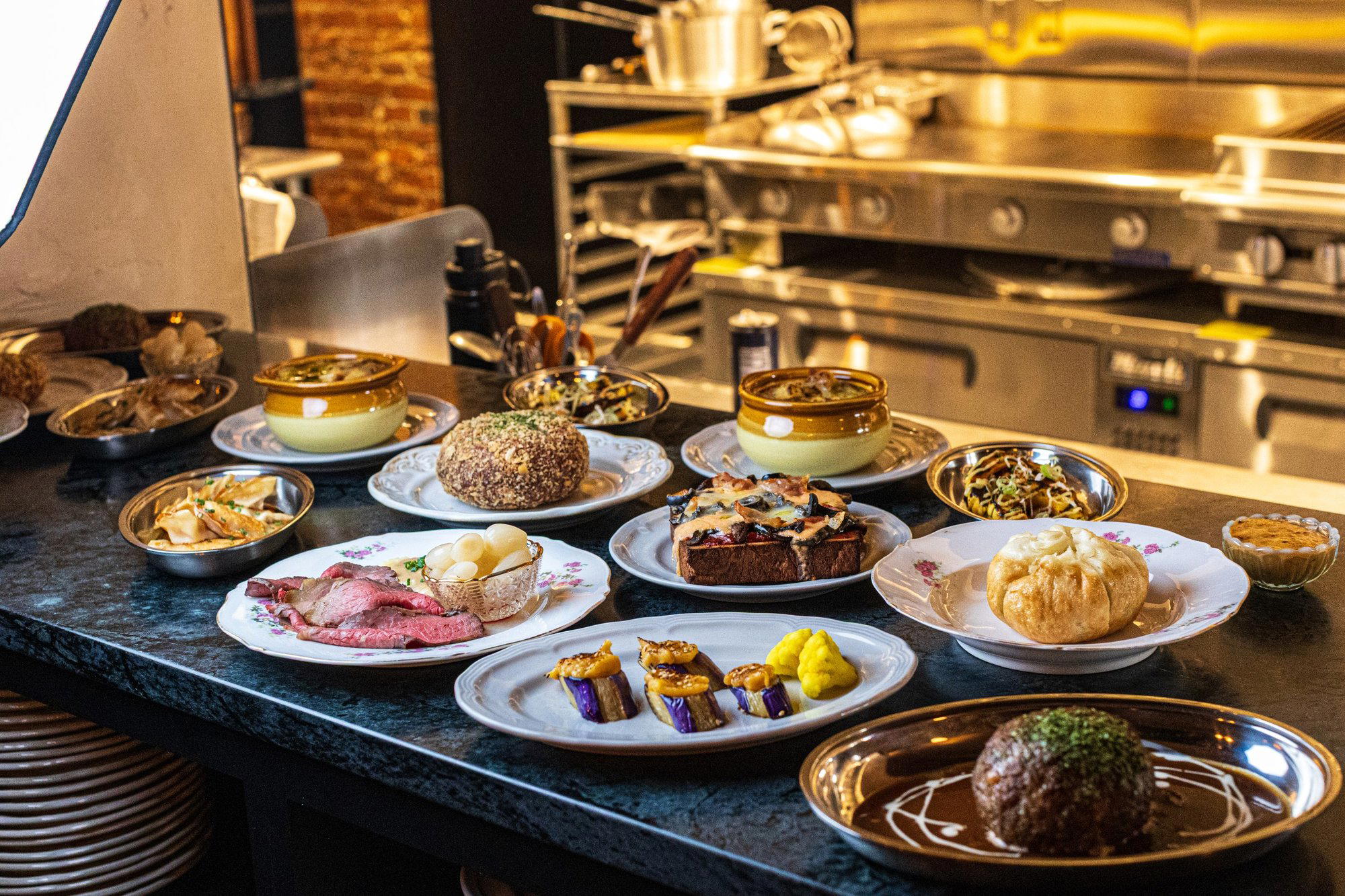
Bars in Philadelphia
Browse all →
Details
- Cozy
- Modern
- Intimate
- Date Night
- Casual Hangout
- Group Dining
- Open Kitchen
- Byob
- A La Carte
- Small Plates
- Vegetarian Friendly
Current opening hours
- Monday
- 12–10 PM
- Tuesday
- 12–10 PM
- Wednesday
- 12–10 PM
- Thursday
- 12–10 PM
- Friday
- 12–10 PM
- Saturday
- 3–10 PM
- Sunday
- Closed
Hours can change for holidays and private events. Last verified .
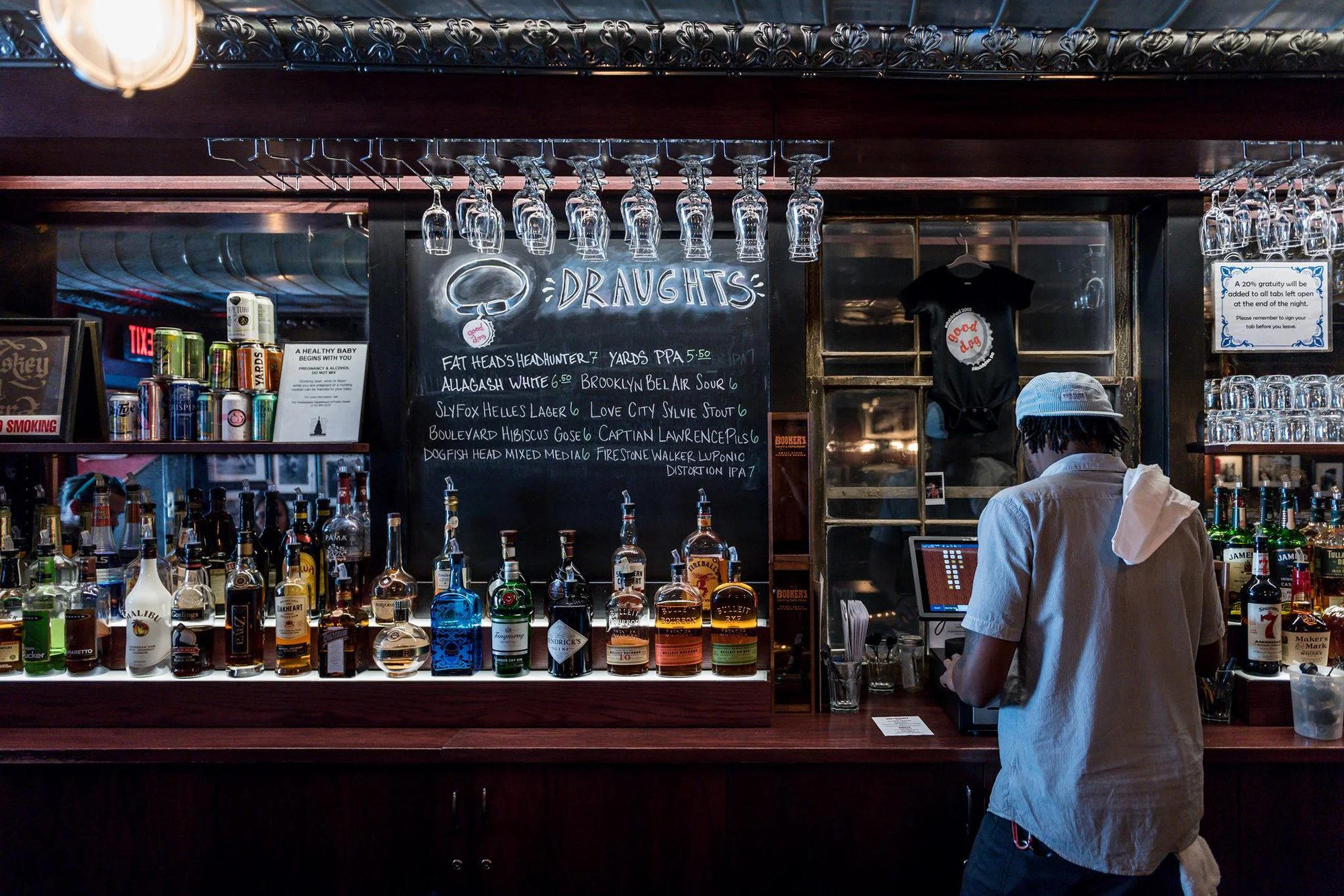
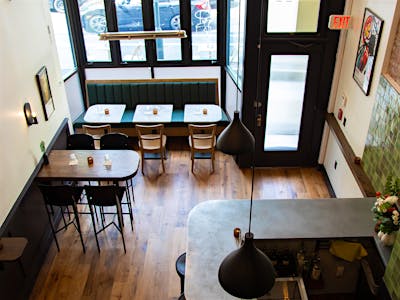
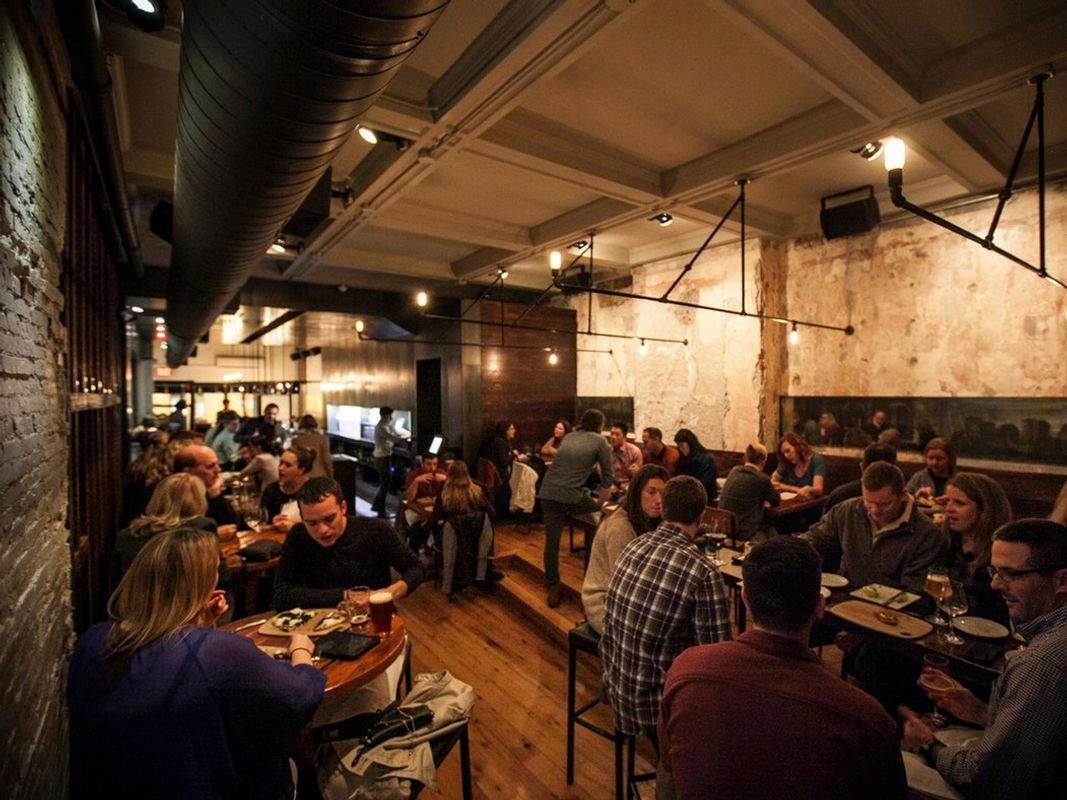
Cozy with leather booth seating, a long sushi bar, and warm lighting ideal for casual hangs or date nights.