Terakawa Ramen
Our verdict
On North 9th Street in Philadelphia's Chinatown, Terakawa Ramen occupies a city block where the ramen format itself does much of the talking. The kitchen works within the disciplined Japanese ramen tradition, producing bowls that reward attention to pacing, temperature, and construction. For a city with a growing Japanese dining presence, Terakawa holds a consistent place in the conversation.

Pearl is the En Primeur Club membership app — saves, bookings, and concierge access live there. Same editors, same standards.
- Address
- 204 N 9th St, Philadelphia, PA 19107
- Phone
- (267) 687-1355
- Hours
- Mon ClosedTue–Thu 11:30 AM–9:45 PMFri–Sat 11:30 AM–10:45 PMSun 11:30 AM–9:45 PM
- Website
- terakawaramen.com
- Directions
- Get directions
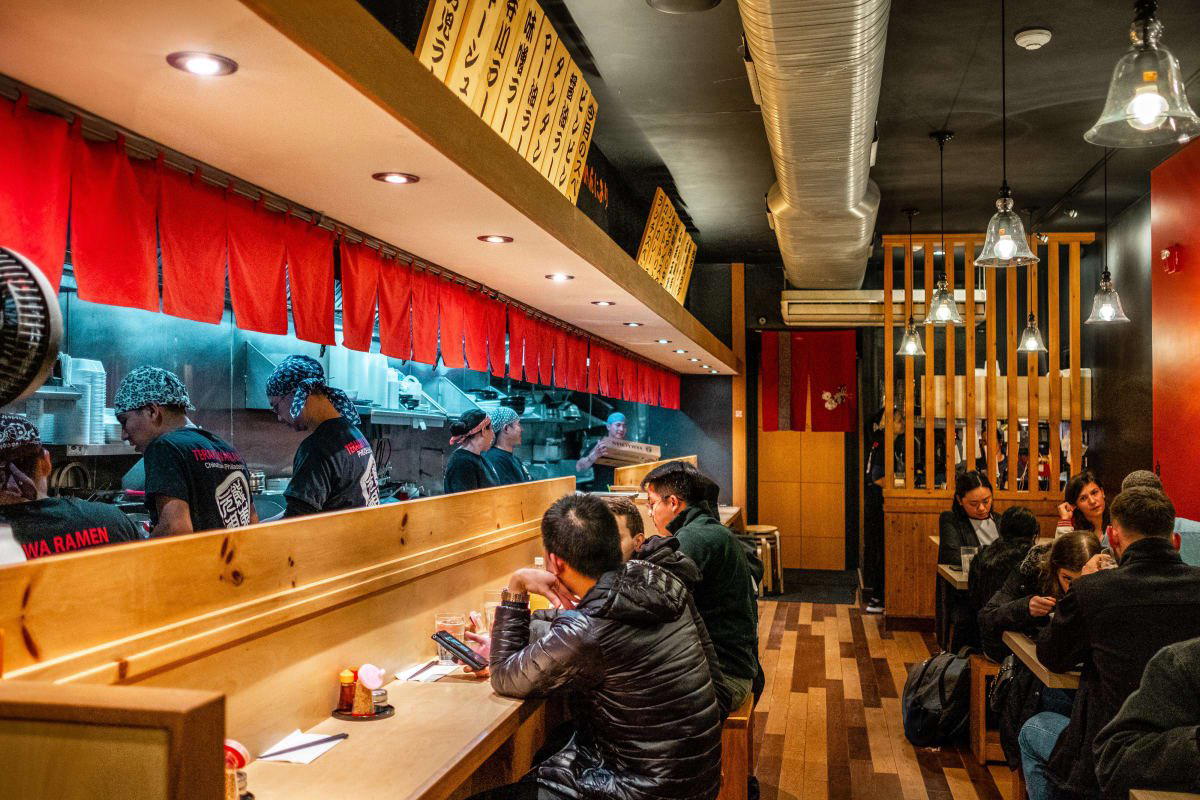
Where Chinatown Meets the Ramen Counter
North 9th Street in Philadelphia's Chinatown is one of those blocks where the city's competing food cultures operate in close quarters. Vietnamese pho shops, Cantonese roast-meat windows, and bubble tea counters share the same stretch of pavement, each claiming a different register of the Asian dining tradition. Into this context, Terakawa Ramen arrives as something distinct: a kitchen committed to the Japanese ramen format in a neighborhood that largely operates in other culinary languages. Walking up to 204 N 9th St, the surrounding streetscape does the framing work before you step inside. The density of the block, the foot traffic, the aromas crossing from adjacent kitchens — all of it signals that this is a neighborhood where cooking is taken seriously at the street level, without ceremony or pretense.
The Ritual of the Bowl
Ramen has a ritual logic that sets it apart from most other noodle formats. It is not a dish designed for lingering conversation or multi-course extension. It arrives at a specific temperature, begins cooling the moment it leaves the kitchen, and rewards the diner who engages with it immediately. The broth-to-noodle ratio, the placement of toppings, the soft-set of an egg at its center — each element is timed and calibrated, and the window for experiencing the bowl at its intended state is shorter than most diners expect. In Japan, where ramen culture is codified to a degree unmatched in any other single-dish tradition, the protocol is clear: eat without pause, slurp without apology, and finish before the noodles have absorbed enough broth to go soft.
Philadelphia's ramen scene has developed that sensibility gradually, pulling it from a novelty import into a format with genuine local practitioners. Terakawa fits within that arc. The address on 9th Street, inside a neighborhood defined by working-format Asian food rather than destination dining, reinforces the register: this is a place built around the bowl, not around the room or the occasion. That positioning matters when considering how ramen differs from, say, the tasting-menu tradition represented by restaurants like Smyth in Chicago or Lazy Bear in San Francisco, where the meal is structured as a sequence of incremental revelations over two or three hours. Ramen operates in the opposite direction: a single, complex object that asks for your full attention over fifteen to twenty minutes.
What the Format Demands
The ramen format imposes discipline on both sides of the counter. The kitchen must execute consistently across service because there is no secondary course to recover from a weak opening; the bowl is the meal. The diner, in turn, must arrive ready to commit. This is not a format that accommodates distraction well. The soup cools, the noodles swell, and the toppings lose their textural distinction if the diner spends the first five minutes on a phone or in extended conversation. Good ramen shops, in Tokyo's Shinjuku, in Fukuoka's Hakata, in New York's East Village, understand this, and many have structured their spaces accordingly: counter seating oriented toward the kitchen, minimal ambient distraction, an environment that quietly communicates the expected pace.
Chinatown's dining tradition in Philadelphia is not far removed from that sensibility. The neighborhood's best-regarded spots tend to be direct in format, modest in decor, and consequential in output. The comparison is instructive when reading Terakawa against the wider Philadelphia restaurant conversation. The more architecturally considered dining rooms of Fork or Friday Saturday Sunday, both operating in the New American tradition with rooms designed to extend the experience, belong to a different category entirely. So does the deeply sourced Cambodian and pan-Asian cooking at Mawn, which operates with its own kind of intensity but across a different format logic. Ramen, in its correct form, concentrates everything into a single vessel.
Philadelphia's Japanese Dining Position
Philadelphia is not a city that competes with New York or Los Angeles for depth of Japanese dining. The omakase and kaiseki tier that defines Atomix in New York or the ingredient-forward precision of Providence in Los Angeles has limited direct equivalents here. What Philadelphia does have is a Chinatown corridor with genuine Asian food culture at the working level, and within that, a small set of Japanese-format spots that take their category seriously. Terakawa occupies that tier. It is not positioning itself against the city's French-influenced rooms or the technique-forward tasting menus; it is competing within the specific logic of Japanese noodle craft, where fidelity to broth construction, noodle quality, and topping execution are the only metrics that matter.
That specificity is, in itself, a meaningful editorial point. Philadelphia diners who want to understand how the city's food culture has diversified beyond its cheesesteak and Italian Market identity can do worse than a comparison that includes the Mexican culinary tradition at South Philly Barbacoa and the French-leaning precision of My Loup alongside a committed ramen counter. Taken together, they illustrate a city that has moved past its monolithic reputation. See our full Philadelphia restaurants guide for a wider map of that diversity.
Eating at Terakawa: What to Know
The ramen ritual works well when approached with some preparation. Arrive knowing the format asks something of you. Order without overthinking, the menu structure at most Japanese ramen counters is built to guide, not to overwhelm, and the distinctions between broth styles (tonkotsu, shoyu, shio) carry real meaning that makes the choice worth a moment's consideration. Eat promptly once the bowl arrives. If you're ordering sides or additional items, pace them so they don't interrupt the window when the main bowl is at its finest temperature and texture.
Ramen at this price tier and format is among the most democratic expressions of Japanese culinary discipline available in American cities. It doesn't require the reservation infrastructure of The French Laundry in Napa or Blue Hill at Stone Barns. It doesn't demand the kind of contextual preparation that makes the most out of an evening at Le Bernardin in New York City. What it does ask is that you show up with appetite, attention, and willingness to let the bowl set the pace.
How does Terakawa Ramen compare to other Japanese ramen spots in Philadelphia?
Philadelphia's Japanese ramen presence sits within its Chinatown corridor, a neighborhood where working-format Asian dining has operated for decades alongside a wider range of Chinese, Vietnamese, and pan-Asian kitchens. Terakawa's address on North 9th Street places it at the center of that ecosystem. Among American cities with comparable Asian dining density, Philadelphia's Chinatown operates at a level of culinary seriousness that rewards visiting multiple spots across different traditions, and Terakawa holds its place as a Japanese-format practitioner within that wider grid.
Frequently asked questions
Where is Terakawa Ramen located?
Terakawa Ramen is located at 204 N 9th St, Philadelphia, PA 19107, Philadelphia.
Is Terakawa Ramen a good option for solo diners in Philadelphia?
The ramen counter format is one of the few dining structures where solo eating is the default rather than the exception. At 204 N 9th St in Philadelphia's Chinatown, a single seat at the counter places a solo diner directly in the working rhythm of the kitchen with no social awkwardness and no minimum order pressure. For anyone eating alone in central Philadelphia, a ramen counter is a more purposeful choice than a table-service room.
What dish is Terakawa Ramen famous for?
Terakawa's reputation in Philadelphia's Chinatown is built around its adherence to the Japanese ramen format rather than fusion or localized adaptations. The kitchen operates at 204 N 9th St within a dense corridor of working Asian dining, which puts the focus squarely on bowl execution and broth consistency.
Can I walk in to Terakawa Ramen?
Ramen counters in North American Chinatown districts — including Philadelphia's — typically run on a walk-in basis rather than advance reservations. Terakawa's position on N 9th St, in a block where foot traffic and lunch-to-dinner turnover drive the format, supports that expectation. Arriving early in a service window reduces wait time, particularly on weekends when the Chinatown corridor sees sustained foot traffic.
Similar Picks
Comparable venues nearby, for context on price, style, and recognition.
| Venue | Cuisine | Price | Notes |
|---|---|---|---|
| Terakawa RamenThis venue — the venue you are viewing | Authentic Japanese Ramen | $20–30 | Not listed |
| Fuji Mountain | Japanese Sushi and Seafood | $20–30 | Rittenhouse Square |
| Bleu Sushi | Modern Japanese Sushi | $30–50 | Washington Square West |
| Shiroi Hana | Authentic Japanese Sushi | Not listed | Rittenhouse Square |
| Craftsman Row Saloon | Modern Comfort Food & Gastropub | $20–30 | Washington Square West |
| Sazon Restaurant & Cafe | Authentic Venezuelan | Not listed | West Poplar |
Continue exploring
More in Philadelphia
Restaurants in Philadelphia
Browse all →
Bars in Philadelphia
Browse all →
Details
- Cozy
- Trendy
- Casual Hangout
- Family
- Group Dining
- Byob
- A La Carte
- Vegetarian Friendly
- Vegan Options
Current opening hours
- Monday
- Closed
- Tuesday
- 11:30 AM–9:45 PM
- Wednesday
- 11:30 AM–9:45 PM
- Thursday
- 11:30 AM–9:45 PM
- Friday
- 11:30 AM–10:45 PM
- Saturday
- 11:30 AM–10:45 PM
- Sunday
- 11:30 AM–9:45 PM
Hours can change for holidays and private events. Last verified .
Cozy and intimate small space with bar and table seating, lively atmosphere that fills up quickly.