Tuna Bar
Our verdict
Tuna Bar occupies a notable address in Philadelphia's Old City at 205 Race Street, positioning itself within a neighborhood that has long drawn serious dining to its historic blocks. The name signals a focused approach to seafood in a city whose restaurant scene increasingly rewards specialist operators.

Pearl is the En Primeur Club membership app — saves, bookings, and concierge access live there. Same editors, same standards.
- Address
- 205 Race St, Philadelphia, PA 19106
- Phone
- (215) 238-8862
- Hours
- Mon ClosedTue–Thu 1:30–10 PMFri–Sat 1:30–11 PMSun 1:30–10 PM
- Website
- tunabar.com
- Directions
- Get directions
- Booking
- Book on OpenTable
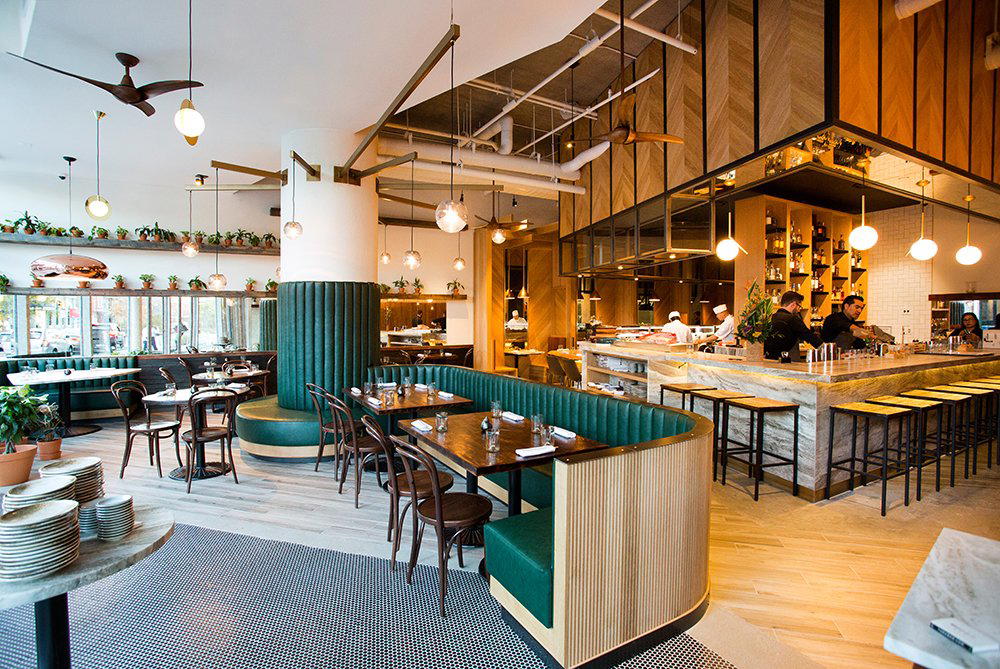
Old City, Focused Concept
Philadelphia's Old City has always carried a particular dining logic: the neighborhood's mix of cobbled streets, converted warehouses, and proximity to the waterfront attracts operators who want heritage atmosphere without the tourist-trap pricing of, say, a pier-adjacent tourist district. The address at 205 Race Street places Tuna Bar squarely in that zone, a few blocks from the Delaware River and within walking distance of the kind of low-key wine bars and serious independent restaurants that have quietly made this pocket of the city worth tracking. In a city where the dining conversation increasingly centers on South Philadelphia's immigrant-driven kitchens — places like South Philly Barbacoa, which has drawn national food press for years — and the refined New American programs of Rittenhouse and Midtown, Old City occupies its own register: approachable enough for a first-time visitor, specific enough for a local who has already worked through the obvious options.
A restaurant named Tuna Bar makes a particular kind of promise. It signals a centered menu, a kitchen confident enough in one product to build an identity around it, and an implicit argument that tuna, treated with enough seriousness, can carry a dining room the way that beef carries a steakhouse or pasta carries a trattoria. That kind of specialist positioning is harder to execute than it looks, and it tends to attract a different diner than the generalist New American programs that dominate Philadelphia's higher-end tier.
The Case for Seafood Specialism in a Landlocked-Feeling City
Philadelphia sits on the Delaware River, not on the open Atlantic, but it has never been without access to serious seafood. The city's wholesale markets and its proximity to the Chesapeake, the Jersey Shore fishing ports, and the broader Northeast Atlantic supply chain mean that a kitchen committed to sourcing can work with product that competes with what arrives on tables in Boston or New York. The question is whether the technique matches the ingredient.
This is the tension that defines the most interesting seafood-focused restaurants in American cities that are not coastal in the way that, say, San Francisco or Los Angeles are coastal. Restaurants like Providence in Los Angeles or Le Bernardin in New York City have built durable reputations by pairing elite sourcing with French-inflected classical technique. Closer to home, the broader Philadelphia scene has shown increasing appetite for that intersection: imported methods applied to ingredients that arrive through well-established Northeast supply lines. Fork and Friday Saturday Sunday both operate in that register, building menus that reflect global culinary training while staying grounded in what the mid-Atlantic produces well.
A venue that centers tuna specifically is working with one of the most technically demanding proteins in any kitchen. Bluefin and yellowfin both require precise temperature management, careful aging decisions, and a sourcing relationship that goes beyond what most restaurants are willing to maintain. The name Tuna Bar implies those commitments, and the address in Old City puts it in a neighborhood where that kind of focused ambition tends to find its audience.
Local Ingredients, Global Technique
The intersection of imported culinary methods and local or regionally sourced product is one of the defining tensions in contemporary American fine dining. Restaurants like Smyth in Chicago, Single Thread Farm in Healdsburg, and Blue Hill at Stone Barns in Tarrytown have each built significant reputations by treating that intersection as the central editorial argument of their menus. The technique arrives from classical European or Japanese training; the ingredient comes from a specific farm, fishery, or forager within a defined radius.
Philadelphia's own version of this tension plays out differently than in New York or California, partly because the city's dining culture has historically undervalued itself, and partly because the ingredient base is genuinely strong in ways that outside observers miss. The Delaware Valley produces well across meat, produce, and dairy; the proximity to both the Jersey Shore and the Chesapeake means fish and shellfish with genuine regional character. A kitchen that knows how to apply precision technique to that supply base is working in fertile ground.
Tuna, notably, sits outside that purely local-sourcing frame. Premium tuna at this level travels: it comes from the Pacific, from the Mediterranean, from fishing operations that supply the same product reaching Tokyo or Barcelona. What a restaurant like Tuna Bar does with that globally sourced protein is apply whatever kitchen methodology its cooks have trained in, whether that is Japanese raw preparation, classical French sauce work, or the kind of wood-fire and char technique that has spread across American restaurants over the past decade. The specifics of that approach at this address remain leading confirmed through a visit, but the concept category is clear.
For context on how that global-technique, focused-product model operates at the highest level, Atomix in New York City applies Korean culinary logic to globally sourced premium product, while Atelier Moessmer Norbert Niederkofler in Brunico has built an entire program around regional Alpine ingredients filtered through refined technique. The underlying argument is the same: provenance plus method, clearly stated.
Where Tuna Bar Sits in the Philadelphia Scene
Philadelphia's restaurant scene in 2024 occupies an interesting structural position: well past its years of being described as an underrated secondary market, but not yet carrying the international profile of New York, Chicago, or San Francisco. The city's ambitious dining rooms tend toward New American breadth rather than single-product focus, and the most talked-about openings in recent years have skewed toward immigrant-driven concepts, including Mawn for Cambodian and pan-Asian cooking, and My Loup for French-inspired precision.
Within that context, a bar-format seafood concept anchored by tuna occupies a relatively specific niche. The bar format itself signals something: counter seating, a direct sightline into preparation, a menu structure that probably moves faster and with less ceremony than a full-service dining room. That format has proven durable at the ambitious end of the American market, from the omakase counters that define the upper tier of Japanese dining in New York to the tasting menus served at counters in restaurants like Lazy Bear in San Francisco. A tuna bar concept at 205 Race Street is making a version of that counter-format bet in a neighborhood that can support it.
See our full Philadelphia restaurants guide for how Tuna Bar fits into the broader city dining map, alongside comparisons to other neighborhood-specific options.
Know Before You Go
Address: 205 Race St, Philadelphia, PA 19106
Neighborhood: Old City, Philadelphia
Concept: Seafood-specialist bar format centered on tuna
Nearby: Old City sits within walking distance of Society Hill and the historic waterfront; parking is limited on Race Street and surrounding blocks, so transit or rideshare is practical for most visitors
Comparable programs nationally: For reference points on what premium seafood specialism looks like at the highest tier, Le Bernardin, Addison in San Diego, and The Inn at Little Washington each represent different approaches to refined seafood and fine dining in the broader Northeast and Mid-Atlantic corridor
Frequently asked questions
Where is Tuna Bar in Philadelphia?
Tuna Bar is located at 205 Race St, Philadelphia, PA 19106, Philadelphia.
Is Tuna Bar in Philadelphia good for a solo dining experience at the bar?
Bar-format seafood concepts are structurally well-suited to solo diners: the counter seat places guests close to the kitchen's rhythm and makes a single-focus menu easier to work through course by course. Tuna Bar's address at 205 Race St in Old City puts it within a neighborhood that draws both local regulars and visitors, which tends to keep counter energy consistent on weekday evenings as much as weekends. If solo counter dining in Philadelphia is the goal, a seafood-specialist format with a defined ingredient focus is a logical fit.
What should I order at Tuna Bar?
The name signals the kitchen's priorities: tuna preparations are the defining argument of the menu. Bar-format seafood concepts built around a single primary ingredient typically rotate preparations by cut and technique, so the format rewards following the kitchen's current direction rather than defaulting to a single dish. Arriving at 205 Race St and asking what's running that day is the practical approach.
What's the best way to book Tuna Bar?
Confirmed booking details were not available at publication. Philadelphia's mid-to-upper bar-format dining operators generally run reservations through Resy or OpenTable, with walk-in counter seats held for same-day guests.
What is Tuna Bar known for?
Tuna Bar is known for its seafood-specialist positioning in Philadelphia's Old City, with tuna as the kitchen's organizing ingredient. In a city where serious seafood tends to appear as one component within broader New American menus, a concept built explicitly around a single fish occupies a distinct structural position. That focus, in a neighborhood defined by converted warehouse dining rooms and a historically varied restaurant mix, gives Tuna Bar a clear identity within the Philadelphia scene.
Style and Standing
Comparable venues nearby, for context on price, style, and recognition.
| Venue | Cuisine | Price | Awards | Notes |
|---|---|---|---|---|
| Tuna BarThis venue — the venue you are viewing | Modern Japanese Raw Bar | $30–50 | Not listed | Not listed |
| Zama | Modern Japanese Sushi & Omakase | $30–50 | Not listed | Rittenhouse Square |
| Dancerobot | Japanese-American Comfort Izakaya | $30–50 | Resy Top Restaurants in America #7 | Rittenhouse Square |
| Palizzi Social Club | Traditional Abruzzese-Italian Social Club | $50–100 | Not listed | Wharton |
| Fuji Mountain | Japanese Sushi and Seafood | $20–30 | Not listed | Rittenhouse Square |
| Pine Street Grill | Elevated American Bar & Grill | $30–50 | Not listed | Rittenhouse Square |
Continue exploring
More in Philadelphia
Restaurants in Philadelphia
Browse all →
Bars in Philadelphia
Browse all →
Details
- Cozy
- Elegant
- Modern
- Sophisticated
- Date Night
- Casual Hangout
- Special Occasion
- Open Kitchen
- Sake Program
- Craft Cocktails
- Local Sourcing
- Small Plates
- A La Carte
- Sake
- Wine
- Vegan Options
Current opening hours
- Monday
- Closed
- Tuesday
- 1:30–10 PM
- Wednesday
- 1:30–10 PM
- Thursday
- 1:30–10 PM
- Friday
- 1:30–11 PM
- Saturday
- 1:30–11 PM
- Sunday
- 1:30–10 PM
Hours can change for holidays and private events. Last verified .
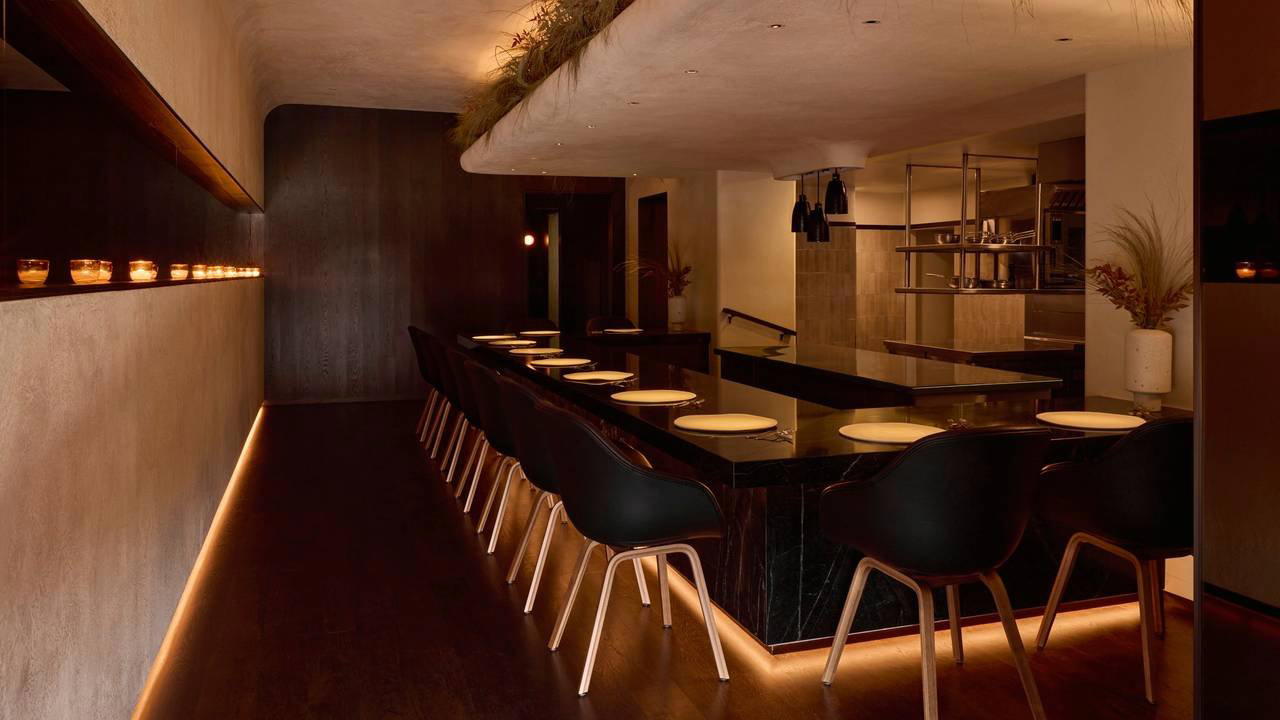
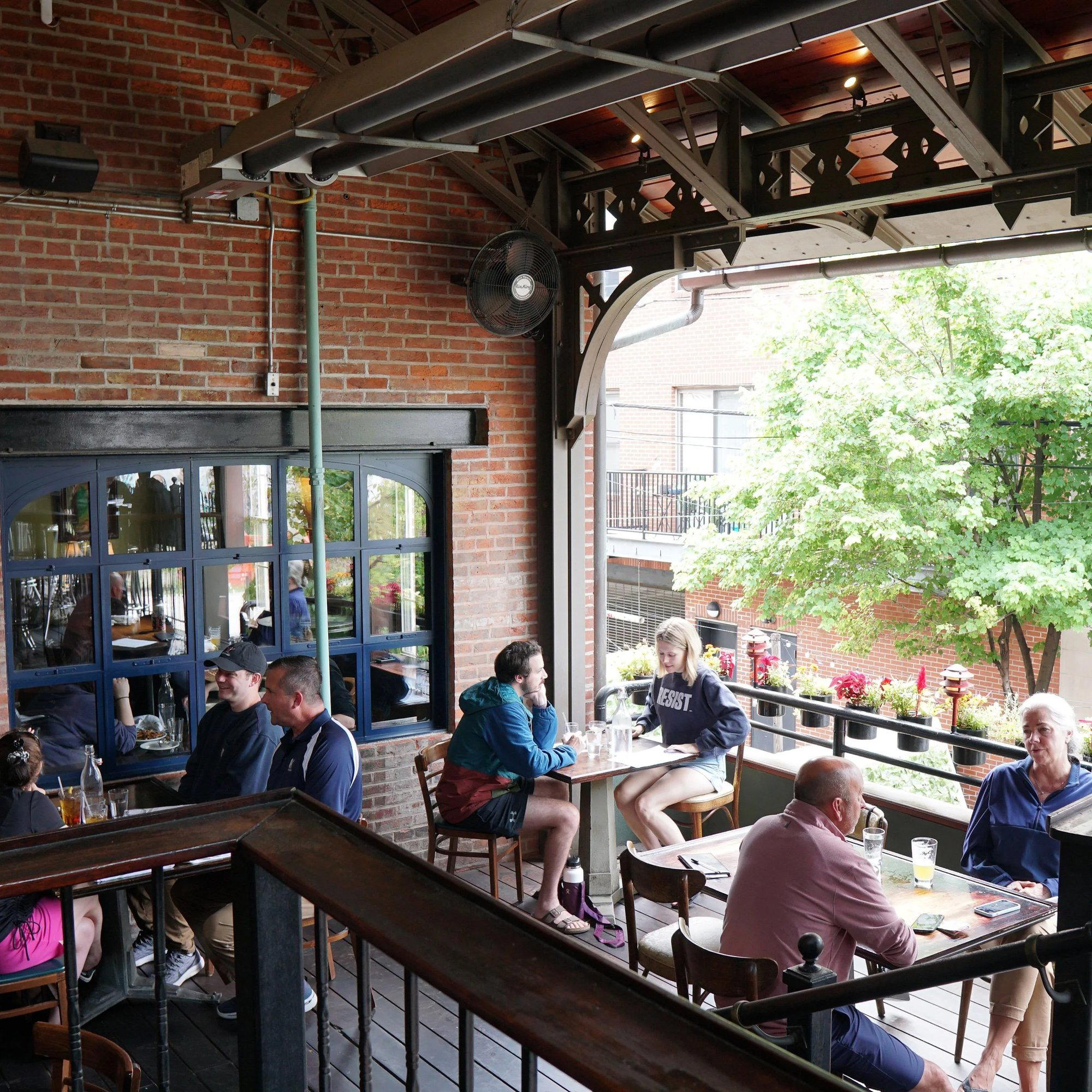
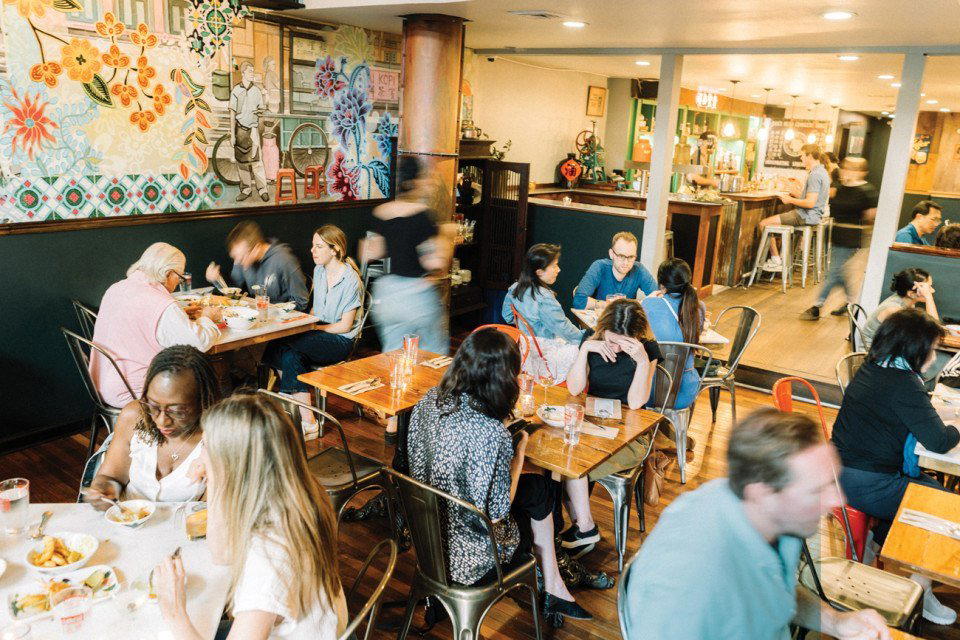
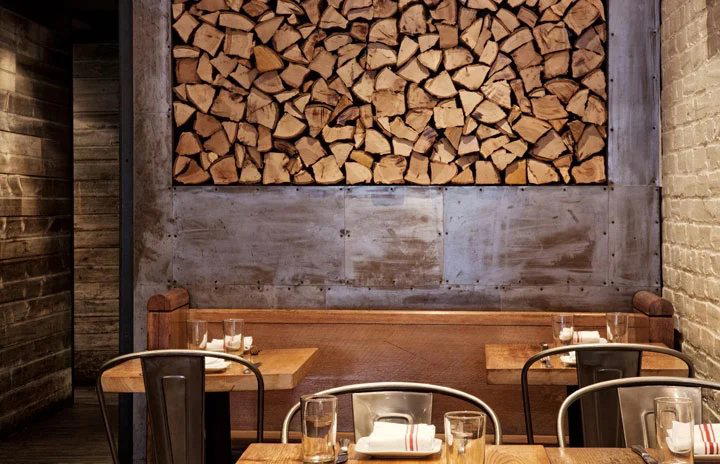
Cozy candlelit ambiance with relaxing upscale atmosphere, modern and stylish design.