Kissho House Omakase

Resy Best of the Hit List
Our verdict
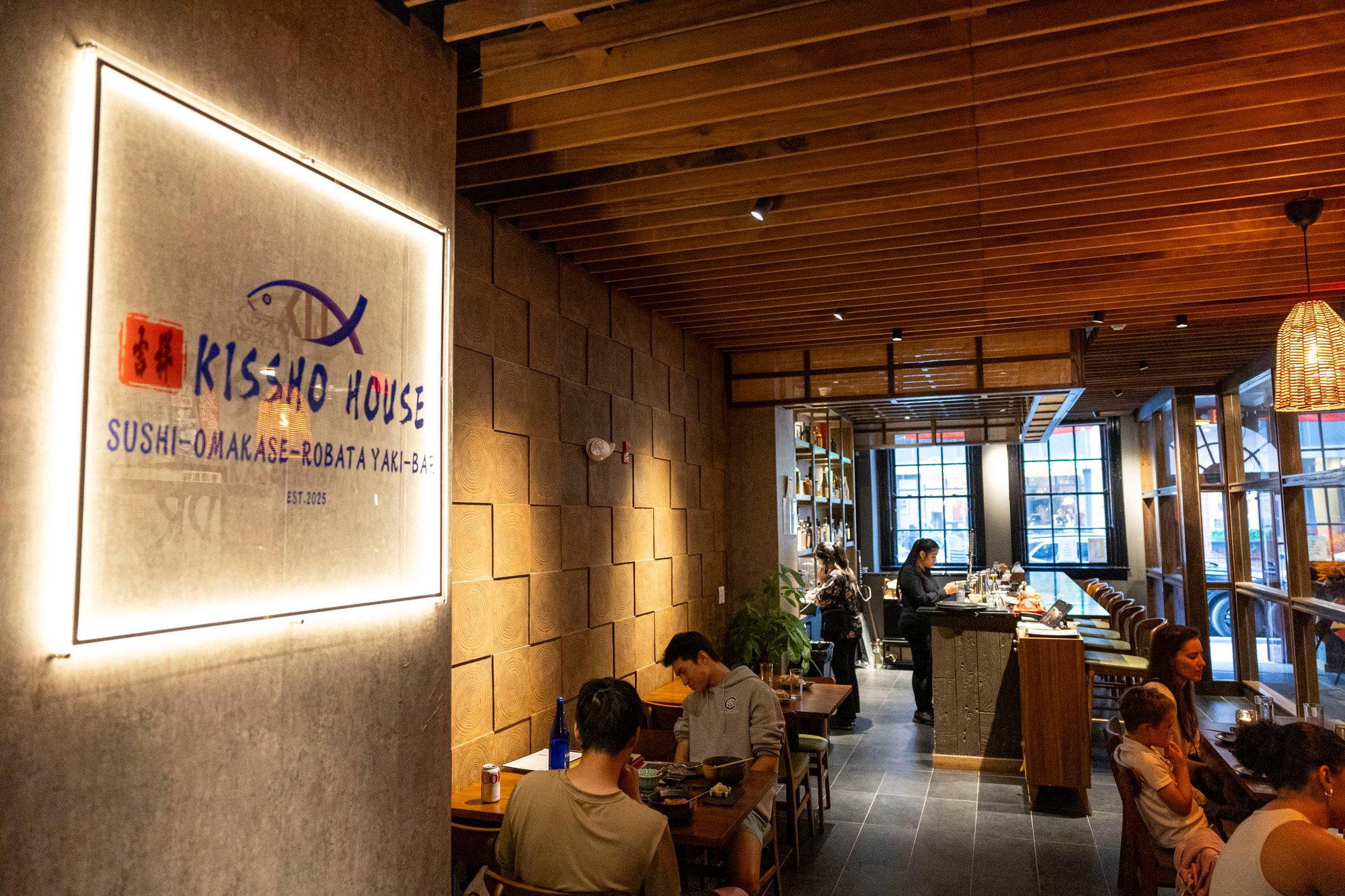
Kissho House Omakase on Locust Street brings the counter-format omakase tradition to Philadelphia's dining scene, earning a spot on Resy's Best of the Hit List in 2025.

Pearl is the En Primeur Club membership app, where members save venues, book tables and use the concierge.
The menu
What to order
- Wagyu nigiri with fried baby sardines
- Anago sea eel
- Kinmedai
- Sanma pike mackerel
Omakase in Philadelphia: A Format Finding Its Footing
Across American cities, the omakase counter has moved from novelty to fixture over the past decade. In New York, dedicated counters like Atomix have demonstrated that the format sustains serious critical attention outside Japan. In Philadelphia, that shift has been slower but traceable. The city's tasting-menu scene has long leaned toward European-inflected formats, represented by long-standing institutions like Fork and more recent arrivals like Friday Saturday Sunday, whose New American approach sits in a different competitive tier entirely. The arrival and recognition of Kissho House Omakase on Locust Street marks a meaningful step in Philadelphia developing a credible small-format counter tradition of its own.
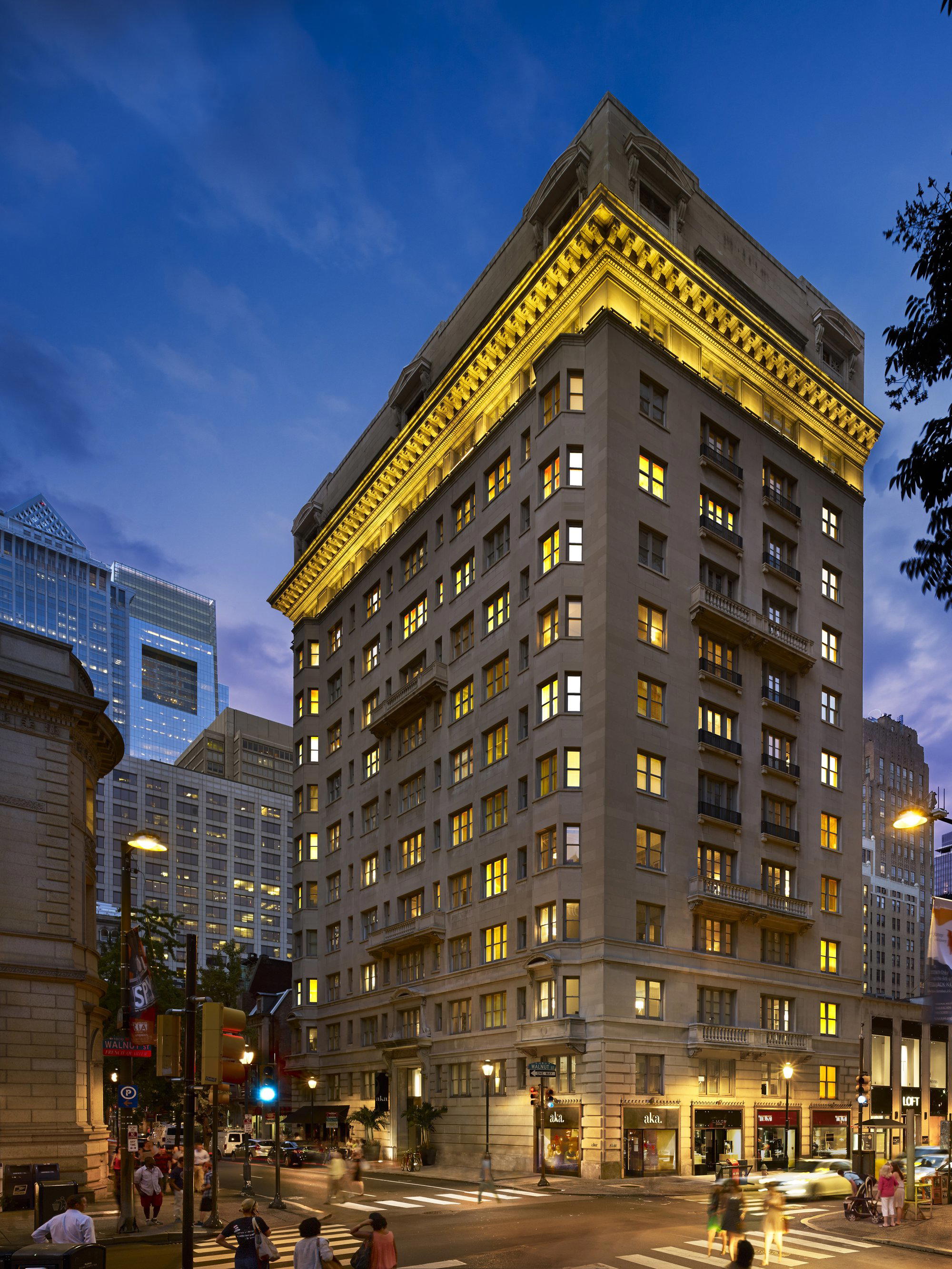
Kissho House operates at 1522 Locust St in the Avenue of the Arts corridor, a stretch of Center City that skews toward performance venues and residential density rather than the concentrated restaurant rows of Rittenhouse Square or East Passyunk. Approaching the address, you are in a part of Philadelphia that has more in common with a hotel district than a dining neighborhood, quiet sidewalks, pre-theater foot traffic, the kind of block where a discreet counter restaurant can operate without the ambient noise of a busy dining strip. That physical remove from the city's more visible dining clusters is not accidental; omakase counters have historically done well in slightly removed locations where the room itself controls the atmosphere entirely.
The Counter Format and What It Demands
The defining quality of the omakase format is the transfer of editorial control from the diner to the kitchen. There is no menu to study, no substitution logic, no negotiation over courses. What the counter offers on a given evening is what the counter has decided to offer, and the experience depends entirely on the kitchen's discipline and sourcing rigor. This is a different contract than the one offered at Philadelphia's broader tasting-menu restaurants, where fixed menus still leave room for a sense of diner participation. The omakase counter is closer to the experience at reservation-heavy destination restaurants like Lazy Bear in San Francisco or Alinea in Chicago: the kitchen drives, and the diner follows.
At the level where Kissho House operates, earning a place on Resy's Best of the Hit List for 2025, the expectation is that the counter format is being executed with enough consistency to warrant pre-planning from diners who take the category seriously.
Lunch vs. Dinner: How the Divide Shapes the Experience
The omakase format tends to differentiate more sharply between lunch and dinner service than most restaurant categories. At dinner, counter restaurants across the country lean into ceremony: slower pacing, more courses, a room that fills gradually and settles into near-silence as the meal progresses. The evening omakase counter is essentially theatrical in structure, even when the room is spare. Contrast this with lunch service, which in the Japanese counter tradition often runs as an abbreviated, more accessible format, fewer courses, a lower price point, and a different energy in the room. Diners at lunch tend to include a higher proportion of those discovering the format for the first time, while evening seatings attract more repeat visitors who understand the rhythm.
For a counter in Philadelphia's price tier and recognition context, this divide has practical implications. Resy's 2025 listing recognition suggests Kissho House is drawing serious attention, which in turn suggests dinner seatings are the higher-demand, harder-to-book slot. A lunch visit, if offered, provides an entry point into the format without the full commitment of an evening seating. This pattern holds across the counter category nationally: at venues like The French Laundry in Napa or Single Thread Farm in Healdsburg, the lunch-versus-dinner question is among the first practical decisions a prospective guest makes. At Kissho House, the same logic applies, though the specific service format should be confirmed directly through current booking channels.
Positioning Kissho House within Philadelphia's broader fine-dining context requires acknowledging how the city's tasting-menu tier has evolved. Philadelphia has developed meaningful diversity in its upper price tiers, from the Southeast Asian-influenced cooking at Mawn to the French-informed precision of My Loup. What those restaurants share is a willingness to ask diners to commit to a format rather than a menu. Kissho House extends that logic further: the omakase counter removes even the remaining degrees of diner freedom and asks for full trust in the kitchen.
The counter format draws comparison to the Japanese-inflected counters of New York and Los Angeles more naturally than to the European-influenced tasting menus that have historically defined Philadelphia's upper tier. For context, venues like Le Bernardin in New York represent the French fine-dining tradition that Philadelphia long emulated; Kissho House represents a different tradition entirely, one where the cuisine lineage and service format both derive from Japanese counter culture rather than the European brigade system.
Philadelphia's dining scene has also shown it can sustain format-driven restaurants outside the obvious ingredient-driven narratives. South Philly Barbacoa built its reputation on technique and sourcing specificity rather than category familiarity. The city's diners have demonstrated they will follow serious kitchens into less familiar territory, which bodes well for the kind of trust the omakase counter requires.
Planning a Visit
Kissho House Omakase is located at 1522 Locust St in Center City Philadelphia, accessible by foot from much of the downtown core and within a short distance of several SEPTA lines. Resy's 2025 recognition as part of their Hit List suggests demand has been sufficient to generate meaningful advance booking pressure, and planning several weeks ahead for dinner seatings is a reasonable baseline. For the broader context of what else Philadelphia offers in hotels, bars, and experiences alongside a visit, our full Philadelphia restaurants guide, hotels guide, bars guide, wineries guide, and experiences guide cover the city's current options across categories.
Frequently asked questions
Is Kissho House Omakase better for a quiet night or a lively one?
The omakase counter format is inherently intimate. Seatings are small by design, conversation stays at the counter level, and the kitchen sets the pace, making this the kind of evening where focus on the meal is the point. Kissho House earned a spot on Resy's Best of the Hit List for 2025, which signals a destination with genuine pull rather than ambient noise.
What's Kissho House Omakase's location?
Kissho House Omakase is located at 1522 Locust St, Philadelphia, PA 19102, Philadelphia.
What distinctions does Kissho House Omakase have?
Kissho House Omakase has received recognition including: Resy Best of the Hit List (2025).
What do people recommend at Kissho House Omakase?
Because the format is omakase, there is no à la carte menu to pick from, the kitchen determines what you eat and in what order. That transfer of control is the format's defining premise. Kissho House's recognition on Resy's 2025 Hit List suggests the execution is holding up against Philadelphia's expanding tasting-menu tier.
How far ahead should I plan for Kissho House Omakase?
Counter omakase restaurants in American cities at this recognition level, Resy Best of the Hit List 2025, typically book out two to four weeks in advance for weekend seatings, and sometimes further for prime Friday and Saturday slots. Kissho House is located at 1522 Locust St in Center City; checking Resy directly is the most reliable way to gauge current lead times.
At a Glance
| Venue | Cuisine | Price | Awards | Notes |
|---|---|---|---|---|
| Kissho House OmakaseThis venue (the venue you are viewing) | Japanese Omakase | $150–200 | Resy Best of the Hit List | Not listed |
| Fork | Seasonal New American | Not listed | James Beard Award Outstanding Restaurateur #1 · Wine Spectator Award of Excellence | New American |
| Friday Saturday Sunday | Modern American Tasting Menu | $100–150 | 1 Michelin Star · World's 50 Best #40 | New American |
| South Philly Barbacoa | Authentic Mexican Barbacoa Taqueria | $10–20 | James Beard Award Best Chef: Mid Atlantic · Chef's Table Featured on Chef's Table | Mexican |
| Barbuzzo | Mediterranean Small Plates & Pizza | $30–50 | Not listed | Italian |
| Federal Donuts | Fried Chicken & Donuts | $10–20 | Not listed | Doughnuts |
Recognition history
Dated appearances from independent guides and award organizations, with the underlying list record or original source where available.
Resy Best of the Hit List
Resy