



Michelin Plate · Guía Repsol 1 Sol · Macarfi 8.4 Food Rating
Our verdict
Zalacaín occupies a rare position in Madrid dining: a French-Basque classic that shaped the city's fine-dining grammar before the avant-garde era rewrote it. In Chamartín, the room and its historic à la carte, smoked salmon búcaro, Tellagorri cod, steak tartare, remain a reference point for how Spain's capital once defined formal restaurant ambition. Recognised by both Michelin and Opinionated About Dining's Classical Europe list, it belongs in any serious reading of the city.

Pearl is the En Primeur Club membership app, where members save venues, book tables and use the concierge.
The menu
What to order
- Tellagorri cod
- Beef Wellington
- Cheese croquettes
- Mushroom and foie gras lasagna
- Búcaro Don Pío
A Room That Remembers What Fine Dining Felt Like Before It Reinvented Itself
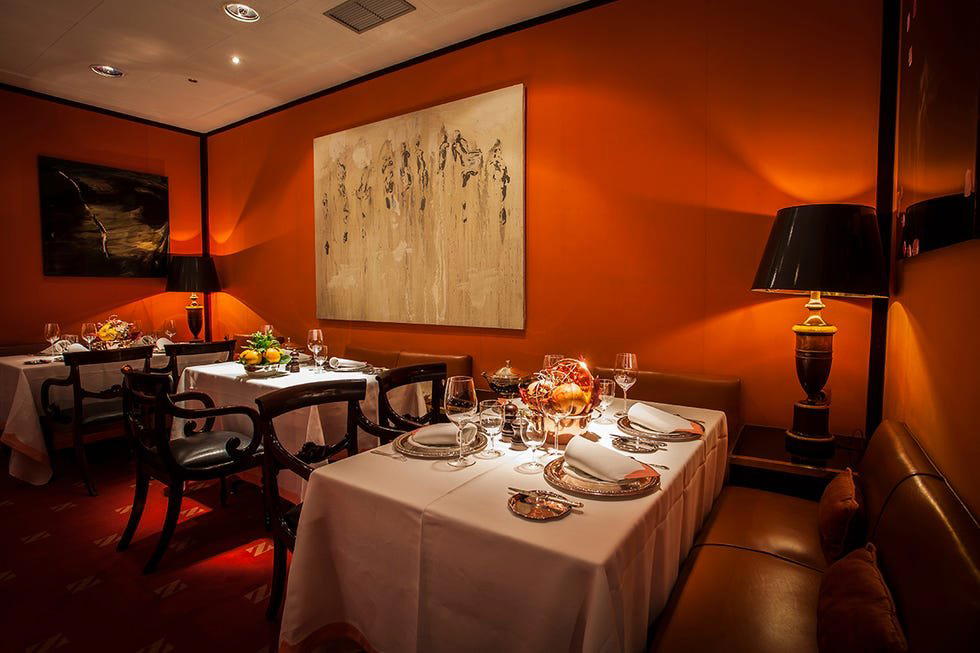
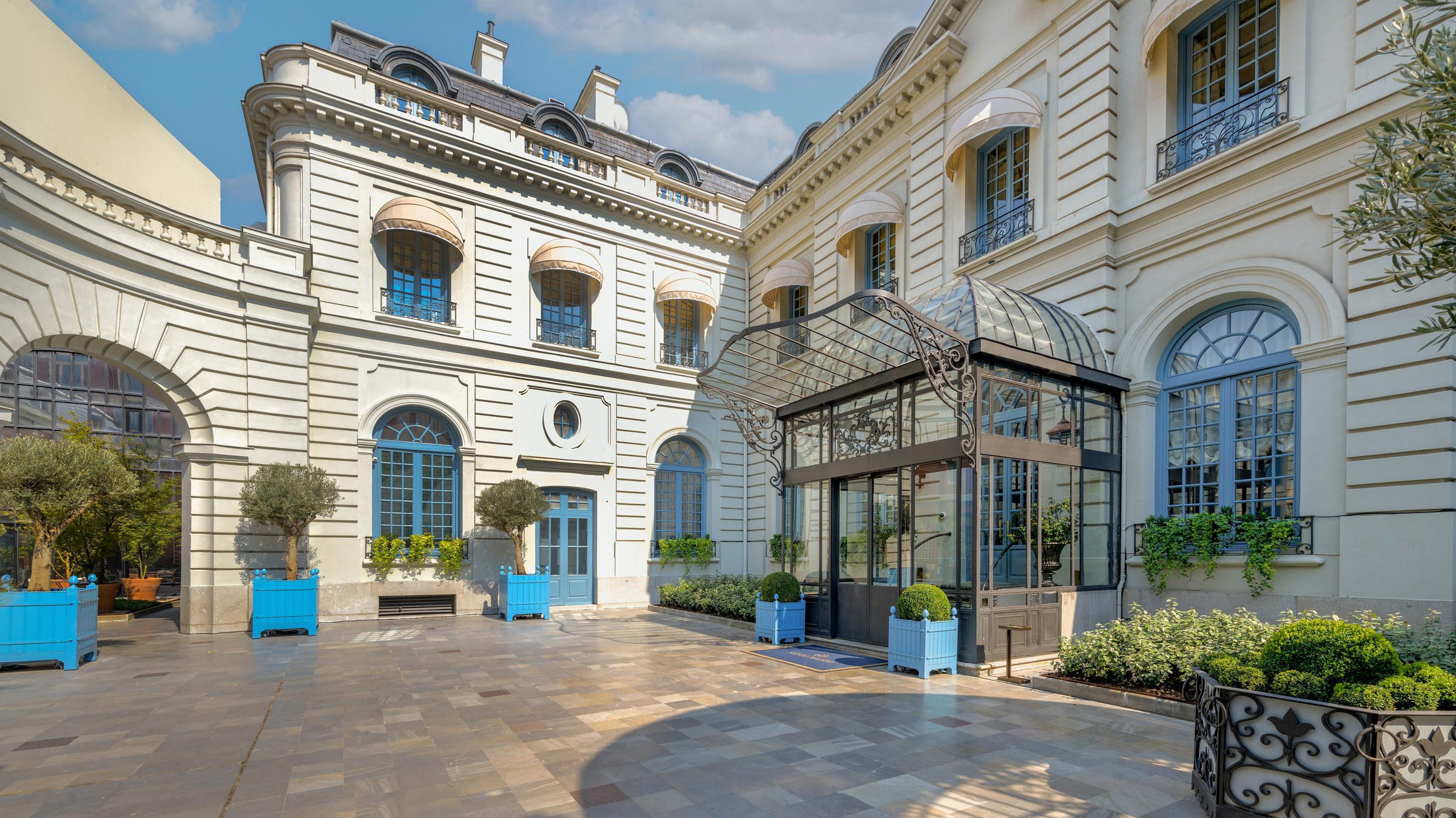
There is a specific register of dining room that Madrid's newer generation of creative restaurants DiverXO, DSTAgE, Deessa, has largely moved away from: wood panelling, white linen, a wine list that precedes the food in the conversation, service conducted with formal choreography rather than casual familiarity. Zalacaín, on Calle de Álvarez de Baena in the residential Chamartín district, is one of the clearest surviving examples of that register in the Spanish capital. Approaching the address, there is no theatrical signage or industrial repurposing. The building signals permanence and discretion in equal measure, architectural language that itself communicates something about what happens inside.
That language is worth reading carefully, because Zalacaín is not simply a legacy venue holding ground. It is a reference point for understanding how Madrid developed its fine-dining identity in the latter decades of the twentieth century, and what an alternative lineage to the avant-garde looks like when it continues on its own terms.
French-Basque Roots in a Spanish Capital Context
Spain's restaurant conversation is frequently framed around two axes: the Basque Country, which produced both the classical grands restaurants of San Sebastián (see Arzak in San Sebastián) and the later avant-garde experiments that reoriented global gastronomy, and Catalonia, which gave the world El Celler de Can Roca in Girona and the molecular generation. Madrid, by contrast, built its fine-dining credentials partly by absorbing and adapting French technique through a Basque filter, the French-Spanish, French-Basque tradition that Zalacaín represents.
That hybrid is not a compromise. It is a legitimate culinary grammar that shaped a generation of Spanish restaurant culture, one where classical French structure (saucing, precision, formal service) met the product-first instincts of the Basque kitchen. The result differs substantially from what you find at a progressive asador or a contemporary tasting-menu counter. It also differs from the purely creative format offered by venues like Coque or Paco Roncero. Zalacaín sits in a different competitive set entirely: it maps more naturally against classical European houses than against Madrid's current avant-garde tier.
Opinionated About Dining, whose Classical Europe list tracks exactly this kind of restaurant, ranked Zalacaín at number 190 in 2024, following a Highly Recommended citation in 2023. That placement situates it within a pan-European peer group of houses that have maintained classical form while much of the industry moved in other directions, a cohort that includes some of the most technically demanding kitchens on the continent.
The À la Carte as Institutional Memory
Where much of Madrid's €€€€ tier has converged on the tasting menu as the primary format, a structural choice visible across DiverXO, Deessa, and the broader creative segment, Zalacaín retains an à la carte featuring historic dishes alongside a tasting menu option. This is not a minor operational detail. In classical European dining, the à la carte is a statement about the relationship between kitchen and guest: the kitchen has mastered its repertoire well enough to execute individual dishes to order, and the guest has agency over the meal's composition and pacing.
The historic dishes on that à la carte function as something closer to institutional memory than nostalgia. The Búcaro "Don Pío", smoked salmon, quail's egg, caviar, is the kind of composed starter that encodes decades of refinement. Tellagorri cod references Basque ingredient tradition. The steak tartare signals classical French preparation as a live act rather than a museum exhibit. Chef Julio Mirailles oversees a kitchen where these dishes must hold their own without the protective framing that novelty provides elsewhere.
This is a harder task than it might appear. Classical dishes have no technical complexity to hide behind, no theatrical presentation to redirect attention. The product and the execution carry everything. It is why the OAD Classical Europe ranking is a meaningful credential here: that list specifically rewards kitchens where tradition is sustained at a technical level, not simply preserved as atmosphere.
How Zalacaín Fits the Ordering Ritual
The editorial angle for understanding Zalacaín is not tapas culture in the street-food or bar sense, but rather the broader Spanish instinct toward choice, negotiation, and shared decision-making at the table. The à la carte format rewards that instinct more than a locked tasting menu does. A table can construct a meal that moves between Basque product references and classically French preparations, between composed starters and simply executed mains, in a way that reflects the group's own reading of the kitchen's strengths.
That kind of agency is increasingly scarce at Madrid's leading price tier. It is one of the functional distinctions that places Zalacaín in a different category from the multi-course, no-substitution formats dominant elsewhere in the €€€€ bracket. For a reader choosing between Zalacaín and venues like Coque or Paco Roncero, format preference should be part of the calculation alongside cuisine type and price.
Internationally, the classical French-Basque register finds clear parallels at houses like Le Bernardin in New York City, another kitchen where classical technique and product precision coexist with formal room atmosphere. The comparison is instructive: both venues have maintained critical recognition precisely because they have not chased the format shifts that most of their price-tier peers have adopted.
Chamartín and the Question of Location
Chamartín is not Madrid's primary dining district. The concentration of both creative fine dining and traditional tabernas sits further south and west, in Salamanca, Chueca, and Malasaña. Chamartín's identity is residential and commercial, home to corporate headquarters and embassy-adjacent streets. That context matters: Zalacaín's address makes it a destination rather than a neighbourhood drop-in, reinforcing the intentionality of the visit. You come here because you have decided to come here, not because you walked past the door.
For visitors planning around Zalacaín, the Chamartín location integrates reasonably with the broader Madrid itinerary. The city's restaurant geography is walkable enough in the central districts, and the surrounding area offers context for understanding how Madrid's upper-professional dining culture operates outside the tourist circuits. Our full Madrid restaurants guide maps the broader scene, while the Madrid hotels guide, bars guide, and experiences guide cover adjacent planning decisions.
Spain's wider classical fine-dining circuit, Azurmendi in Larrabetzu, Aponiente in El Puerto de Santa María, Quique Dacosta in Dénia, Disfrutar in Barcelona, offers useful comparison for calibrating where Zalacaín fits in the national picture. That distinction matters when building a Spanish fine-dining itinerary. For readers whose interest runs toward technically accomplished, formally delivered cooking without the conceptual overlay, Zalacaín is the Madrid address that fills that slot at the leading price tier.
Practical Planning
| Detail | Zalacaín | DiverXO | Coque |
|---|---|---|---|
| Cuisine type | French-Basque, Classic | Progressive-Asian, Creative | Spanish, Creative |
| Price tier | €€€€ | €€€€ | €€€€ |
| Format | À la carte + tasting menu | Tasting menu | Tasting menu |
| Michelin recognition | Michelin Plate (2025) | 3 stars | 2 stars |
| OAD Classical Europe | #190 (2024) | Not listed | Not listed |
| District | Chamartín | Tetuán | Salamanca |
| Not compared here | Not compared here |
Zalacaín's address is Calle de Álvarez de Baena, 4, Chamartín, 28006 Madrid. For winery visits complementing a Madrid trip, our Madrid wineries guide covers regional options. Further afield in the creative Spanish restaurant circuit, Atomix in New York City offers an instructive international comparison for tasting-menu format at a similar price tier.
What Regulars Order at Zalacaín
The historic à la carte is the entry point most consistent with the restaurant's identity and critical reputation. Regulars return to the dishes that have defined the kitchen across decades: the Búcaro "Don Pío" with smoked salmon, quail's egg, and caviar as a composed opener; Tellagorri cod as the central Basque product reference; steak tartare as the classical French preparation that the kitchen executes in the room. These dishes appear in OAD notes and venue documentation as the core of what Zalacaín preserves and continues to refine under Chef Julio Mirailles. The tasting menu exists for those who want the kitchen to determine the sequence, but the à la carte is where the restaurant's argument, that classical form has not exhausted its relevance, is made most directly. Michelin Plate recognition in 2025 and OAD Classical Europe ranking at #190 in 2024 both affirm that the argument remains credible.
Comparable Spots, Quickly
| Venue | Cuisine | Price | Awards | Notes |
|---|---|---|---|---|
| ZalacaínThis venue (the venue you are viewing) | Classic Spanish Fine Dining | Not listed | Michelin Plate · Guía Repsol 1 Sol | Not listed |
| DiverXO | Avant-Garde Spanish Tasting Menu | $300–500 | 3 Michelin Stars · World's 50 Best #4 | Progressive - Asian, Creative |
| Deessa | Modern Valencian Fine Dining | $150–200 | 2 Michelin Stars · La Liste Top Restaurants | Modern Spanish, Creative |
| Smoked Room | Modern Japanese Fire Omakase | $200–300 | 2 Michelin Stars · La Liste Top Restaurants | Progressive Asador, Contemporary |
| Coque | Modern Spanish Fine Dining | $300–500 | 2 Michelin Stars · La Liste Top Restaurants | Spanish, Creative |
| Paco Roncero | Avant-Garde Spanish Fine Dining | $150–200 | 2 Michelin Stars · La Liste Top Restaurants | Creative |
Recognition history
Dated appearances from independent guides and award organizations, with the underlying list record or original source where available.
Michelin Plate
Michelin
Guía Repsol 1 Sol
Guía Repsol
Macarfi 8.4 Food Rating
Macarfi
Opinionated About Dining Classical in Europe Ranked #106
Opinionated About Dining
Full recognition history (8 entries)
Michelin Plate
Michelin
Michelin Plate
Michelin
Opinionated About Dining Classical in Europe Ranked #190
Opinionated About Dining
Opinionated About Dining Classical in Europe Highly Recommended
Opinionated About Dining
Continue exploring
More in Madrid
Restaurants in Madrid
All restaurants in Madrid →
Bars in Madrid
All bars in Madrid →
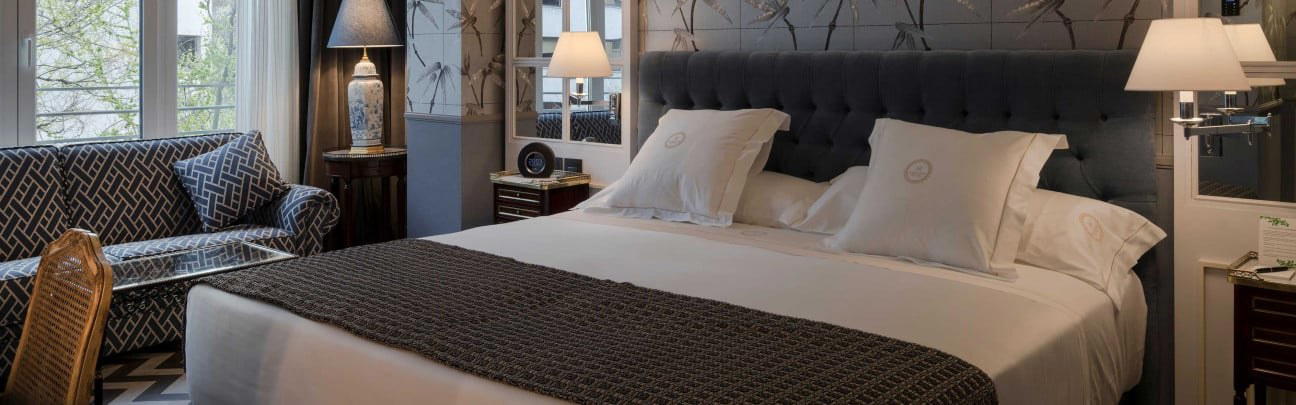
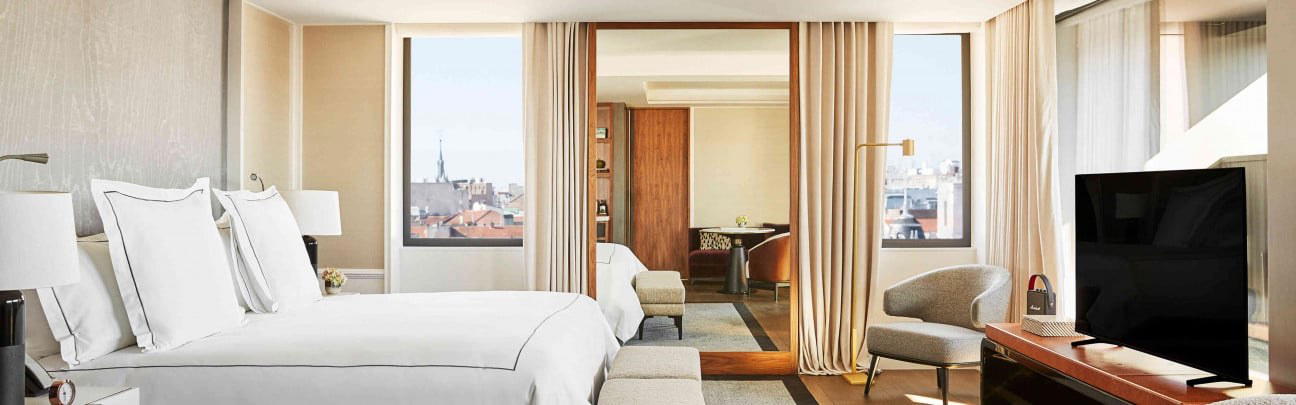

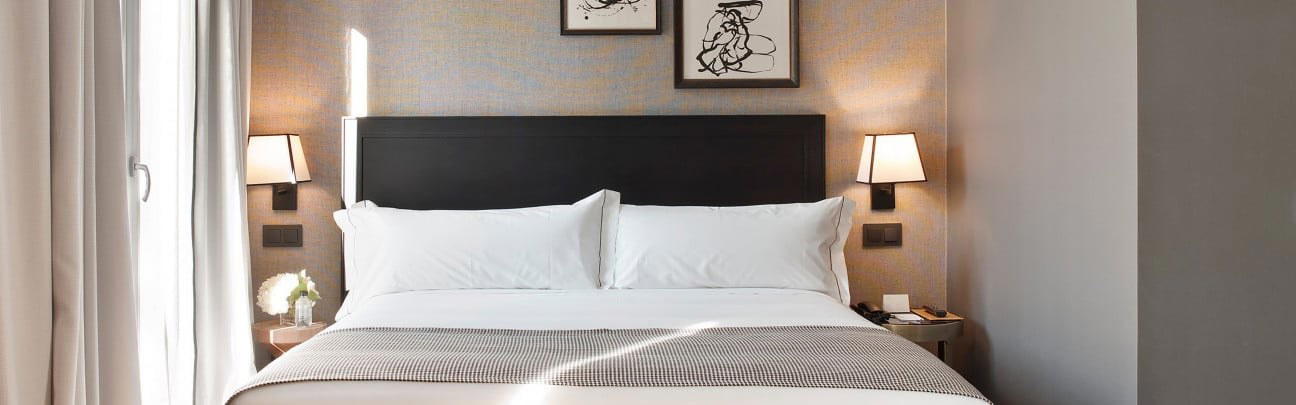

Zalacaín
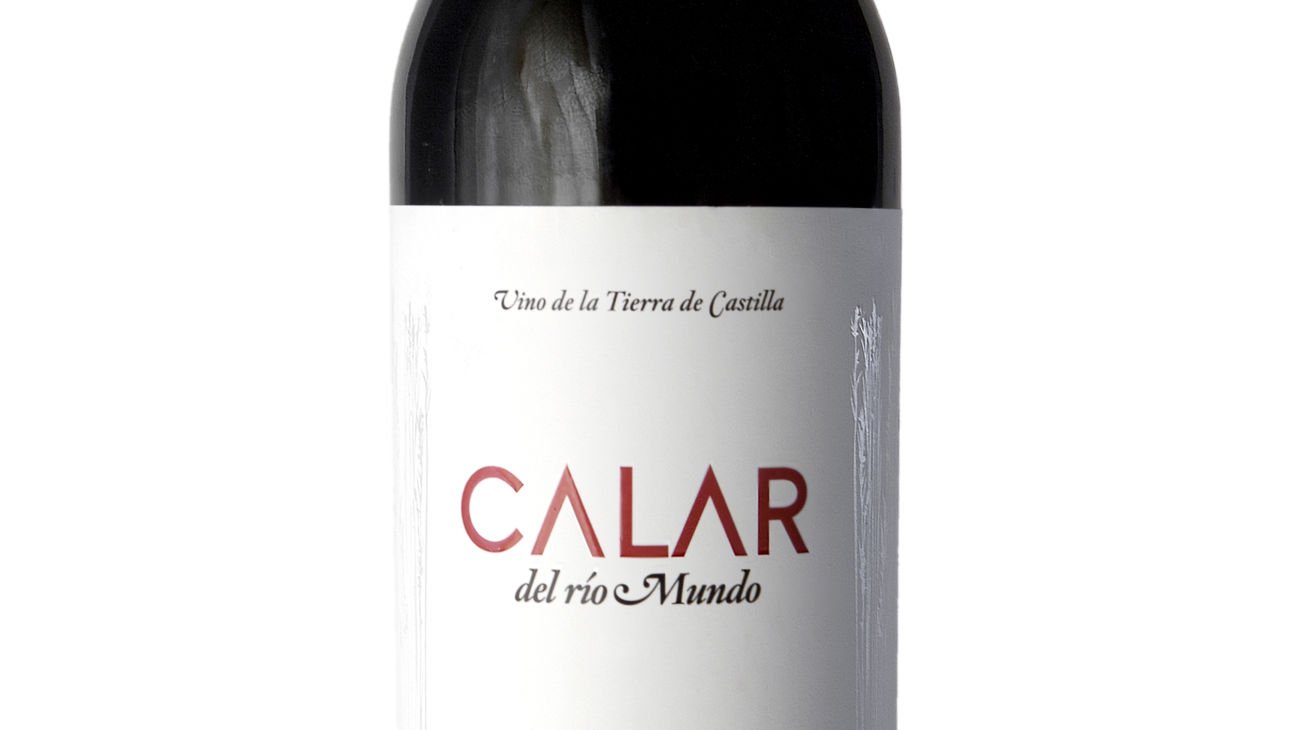
The wine
- Wine program
- Deep wine list
- Extensive wine list
- Sommelier-led
Details
- Elegant
- Classic
- Sophisticated
- Well Known
- Ornate
- Business Dinner
- Special Occasion
- Celebration
- Private Dining
- Historic Building
- Wine Cellar
- Extensive Wine List
- Sommelier Led
- A La Carte
- Tasting Menu
- Vegetarian Friendly
- Gluten Free Options
- Vegan Options
Current opening hours
- Monday
- 1:30–3 PM, 8:30–11 PM
- Tuesday
- 1:30–3 PM, 8:30–11 PM
- Wednesday
- 1:30–3 PM, 8:30–11 PM
- Thursday
- 1:30–3 PM, 8:30–11 PM
- Friday
- 1:30–3 PM, 8:30–11 PM
- Saturday
- 1:30–3 PM, 8:30–11 PM
- Sunday
- Closed
Hours can change for holidays and private events. Hours as of .
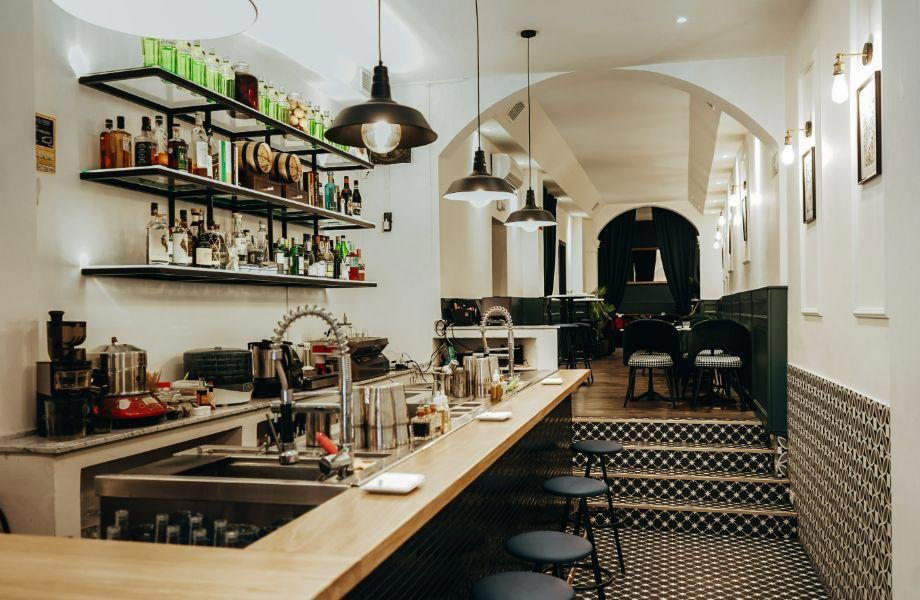
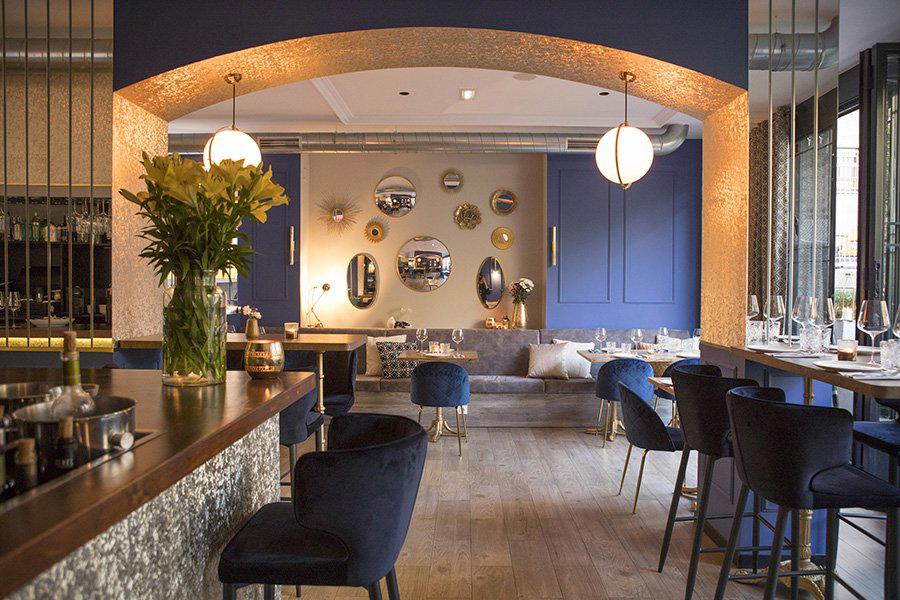
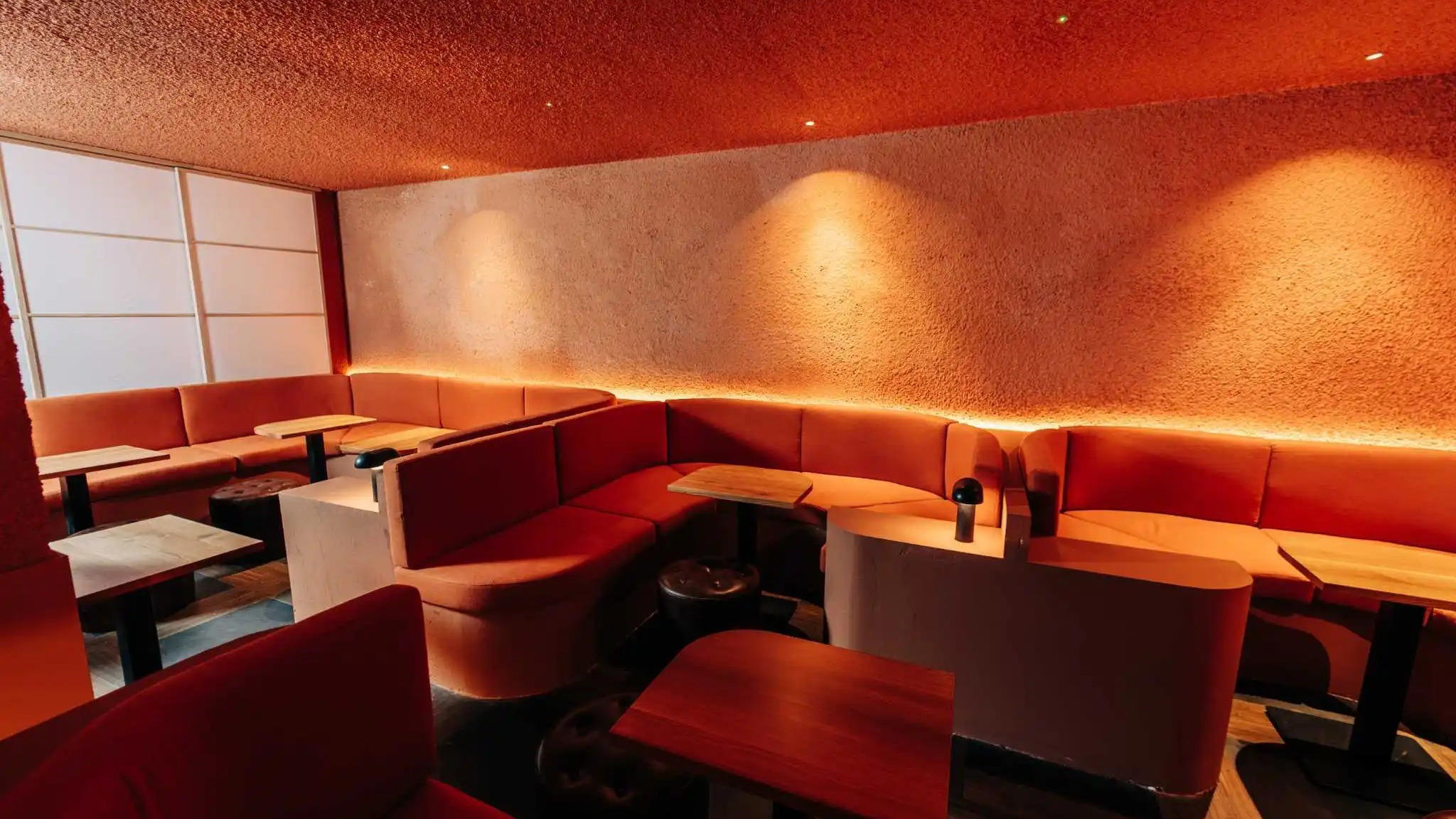
Formal, old-school elegance with warm red walls, dark wood, chandeliers, white tablecloths, and a staid, cordial atmosphere evoking classic haute cuisine.