Zago sits on Via S. Giuseppe in Tricesimo, a small town in Friuli-Venezia Giulia where the cooking tradition runs deeper than the tourist infrastructure. The address places it within a regional dining scene shaped by cross-border influences from Slovenia and Austria, where ingredient provenance and seasonal discipline tend to define a kitchen's ambitions more than any single chef's biography.
Pearl is the En Primeur Club membership app — saves, bookings, and concierge access live there. Same editors, same standards.
- Address
- Via S. Giuseppe, 51, 33019 Tricesimo UD, Italy
- Phone
- +394321573985
- Website
- ristorantezago.it
- Directions
- Get directions
 Saves & bookings on Pearl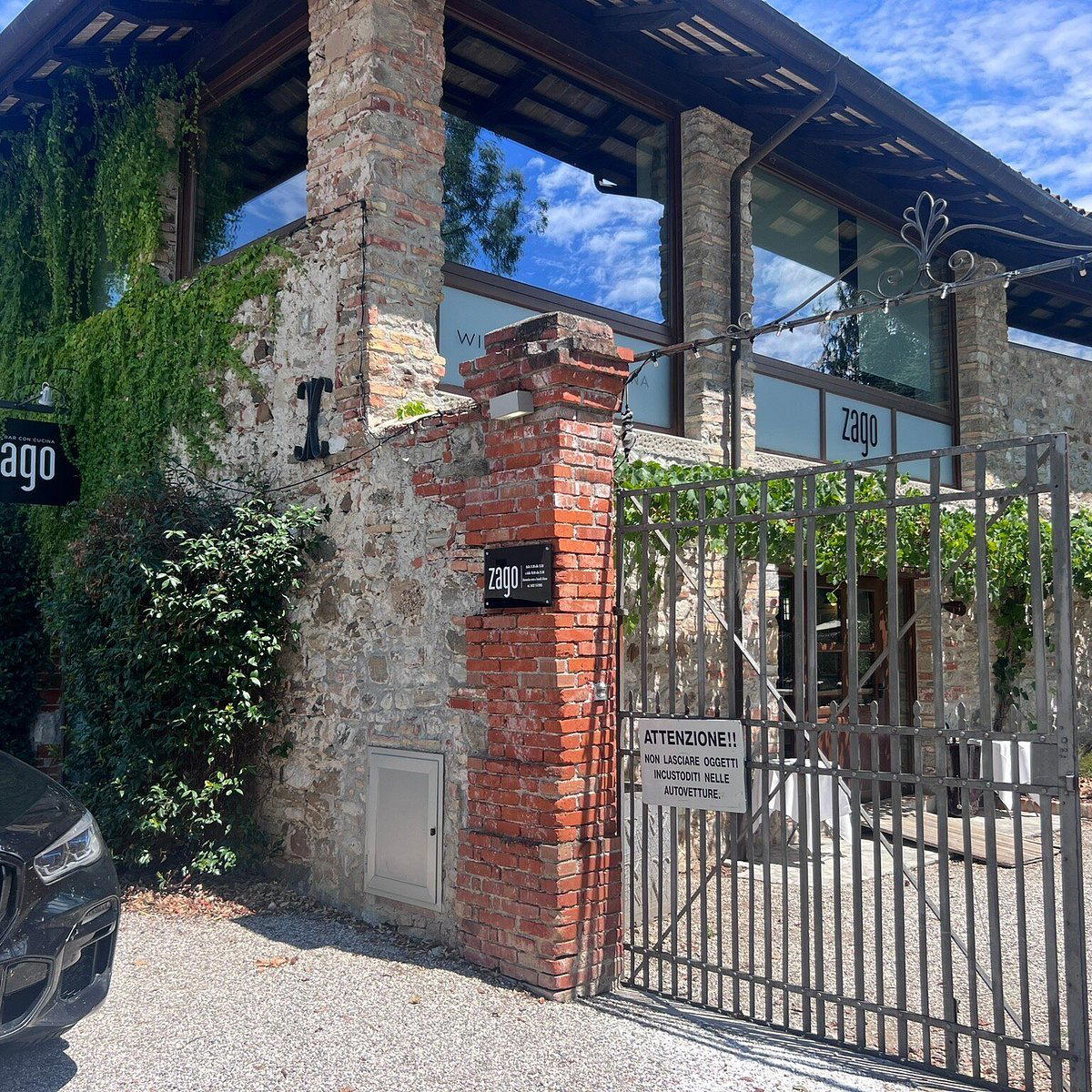
Where Friuli's Larder Meets the Table
Tricesimo is the kind of town that doesn't announce itself. It sits in the Udine province of Friuli-Venezia Giulia, roughly midway between the Alps and the Adriatic, in a corridor where Austrian, Slovenian, and Venetian influences have been layering into local cooking for centuries. The region produces some of northern Italy's most compelling raw ingredients: white asparagus from the sandy plains, aged Montasio from the plateau dairies, air-cured San Daniele prosciutto from the Tagliamento valley, and wines from Collio and the Colli Orientali del Friuli that remain largely unknown to international buyers. In this context, the kitchens that matter here are not defined by tasting-menu theatrics but by how well they read what the surrounding landscape is offering at any given moment.
Zago is located at Via S. Giuseppe, 51 in Tricesimo, putting it within walking distance of the town centre and a short drive from Udine, which functions as Friuli's main urban hub. The approach along Via S. Giuseppe is characteristic of the provincial Friulian built environment: understated, functional, with no street-level signalling of the dining ambition that can be found behind the door. For the diner arriving from Udine or from the motorway junction to the north, that absence of performance is itself a statement about what this part of Italy values in a restaurant.
Sourcing as Editorial, Not as Marketing
Friuli-Venezia Giulia's dining culture has long operated on a principle that much of Italy is now scrambling to claim: that the sourcing of ingredients is not a talking point but a structural decision that shapes every aspect of a menu. The region's geography makes this almost inevitable. Producers here are small, often family-run, and the distances between farm, dairy, or smokehouse and restaurant table are short enough that freshness is a baseline expectation rather than a premium feature.
The territories that supply Friulian kitchens are specific and traceable. San Daniele PDO ham comes from a production zone centred on the town of the same name, roughly 25 kilometres west of Tricesimo, where the confluence of alpine and Adriatic air creates the curing conditions that no other Italian region can replicate. Montasio PDO cheese has been produced in Friuli and parts of the Veneto since the thirteenth century, with the fresher versions carrying a milky sweetness and the aged formats acquiring the granular, nutty depth that makes them serious table cheeses. Frico, the crisp cheese-and-potato cake that functions as Friuli's most recognisable culinary export, depends entirely on the quality of the Montasio used; a kitchen that takes it seriously is making a sourcing argument every time it appears on the menu.
This is the tradition into which Zago inserts itself. For restaurants operating at this address in this town, the competitive reference point is not the Michelin-starred theatres of the Italian northeast, though places like Le Calandre in Rubano or Casa Perbellini 12 Apostoli in Verona define the ceiling of regional ambition, but the daily discipline of cooking with what the local supply chain provides, without substitution or seasonal cheating.
The Friulian Dining Pattern and Where Zago Fits
Friuli-Venezia Giulia has a dining structure that differs from Tuscany or Emilia-Romagna in one important way: it lacks a dominant export restaurant that international visitors use as a primary reference. The region's most decorated kitchens, including the alpine-focused sourcing program at Atelier Moessmer Norbert Niederkofler in Brunico (across the border in South Tyrol but philosophically adjacent), have built recognition on exactly the kind of territorial cooking that the region has always practised. Nationally, the benchmark kitchens, Osteria Francescana in Modena, Dal Pescatore in Runate, Enoteca Pinchiorri in Florence, operate in cities with international tourist infrastructure that amplifies their visibility. Friulian restaurants, by contrast, draw a more local and regional clientele, which tends to make them more honest about what they are.
In a town the size of Tricesimo, the dining options are few and self-selecting. Antica Trattoria da Miculan and Da Toso represent the trattoria tier that anchors the local scene; Zago occupies its own address and position within that small set. See our full Tricesimo restaurants guide for a mapped view of what the town offers across different formats and price points.
How to Plan the Visit
Tricesimo is most easily reached by car from Udine, approximately 12 kilometres to the south via the SS13. The town is also served by regional train connections from Udine station, though a car is the practical choice for anyone planning to combine the meal with exploration of the surrounding Friulian hills or the wine estates of the Colli Orientali. A useful time of year to visit this part of Italy for table purposes is late spring, when the white asparagus season in the Friulian lowlands peaks, and again in autumn, when the mushroom and game supply is at its most varied. Summer visits are quieter in terms of tourist pressure; the region does not run at the seasonal extremes of the Veneto or the Dolomites.
Broader Table for Reference
The coastal sourcing discipline visible at Uliassi in Senigallia and Quattro Passi in Marina del Cantone is a different expression of the same Italian instinct: let the supply chain define the menu. At the other end of the ambition register, Piazza Duomo in Alba, Reale in Castel di Sangro, Enrico Bartolini in Milan, Da Vittorio in Brusaporto, and La Pergola in Rome each represent the category of Italian fine dining where ingredient sourcing has been formalised into a philosophy with international recognition. For international points of comparison, Le Bernardin in New York City and Atomix in New York City demonstrate how ingredient-led discipline translates into different cultural contexts entirely.
Comparison Snapshot
Comparable venues nearby, for context on price, style, and recognition.
| Venue | Cuisine | Price | Awards | Notes |
|---|---|---|---|---|
| ZagoThis venue — the venue you are viewing | Friulian Seafood | $$$ | Not listed | Not listed |
| Da Toso | Traditional Friulian Trattoria | $$$ | Not listed | Tricesimo |
| Antica Trattoria da Miculan | Traditional Friulian Trattoria | $$ | Bib Gourmand | main square |
| Costantini | Traditional Friulian Italian | $$$ | Not listed | Collalto |
| Aquila Nera | Modern Friulian Osteria | $$$ | Not listed | historic center |
| L'Ultimo Mulino | Traditional Italian in Historic Mill | $$$ | Not listed | Fiume Veneto |
Continue exploring
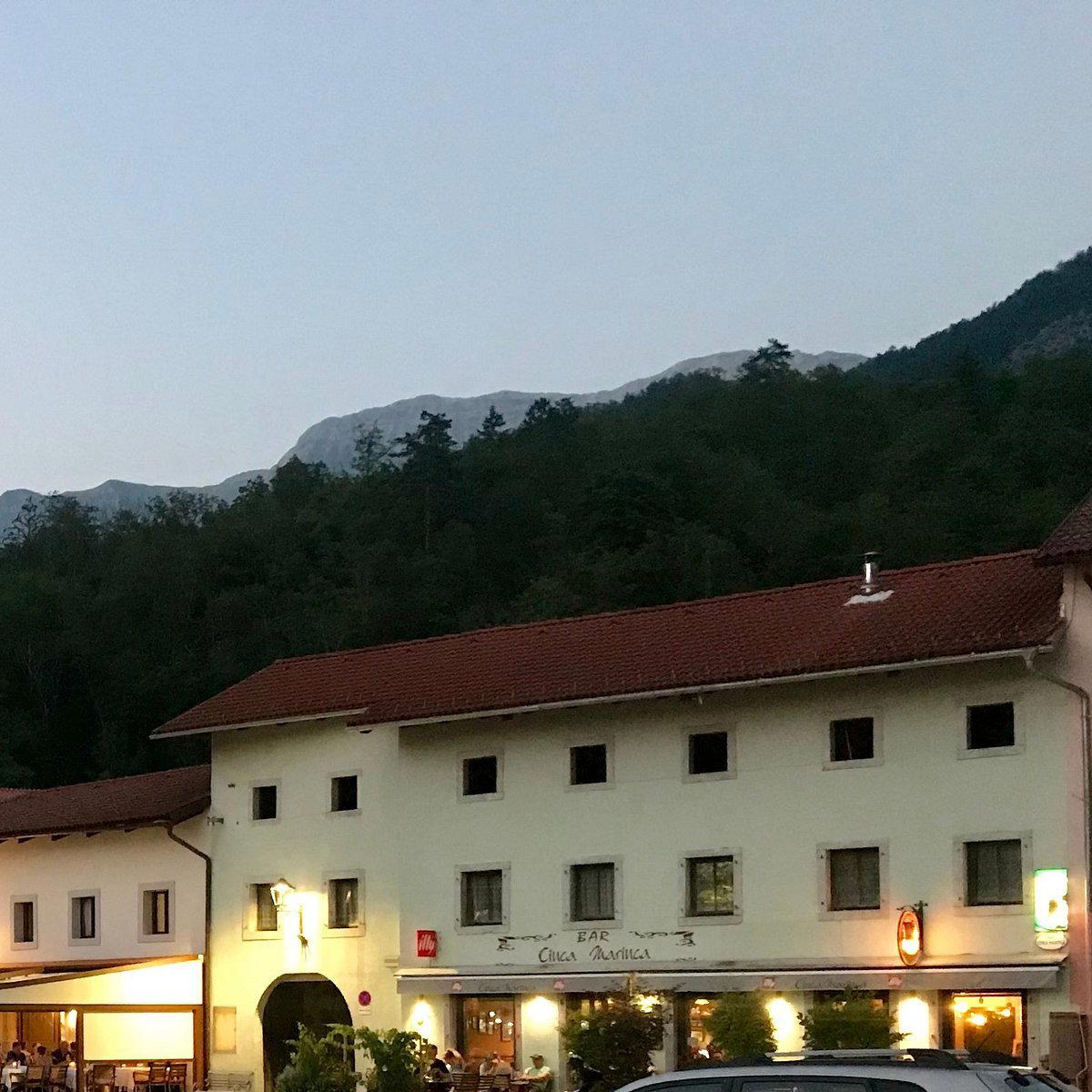
More in Tricesimo
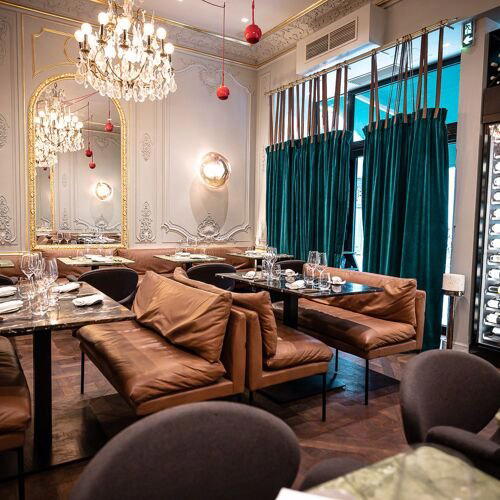
Restaurants in Tricesimo
Browse all →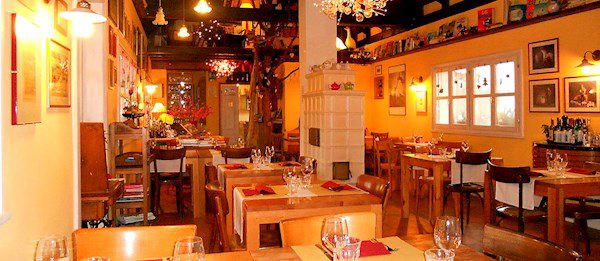
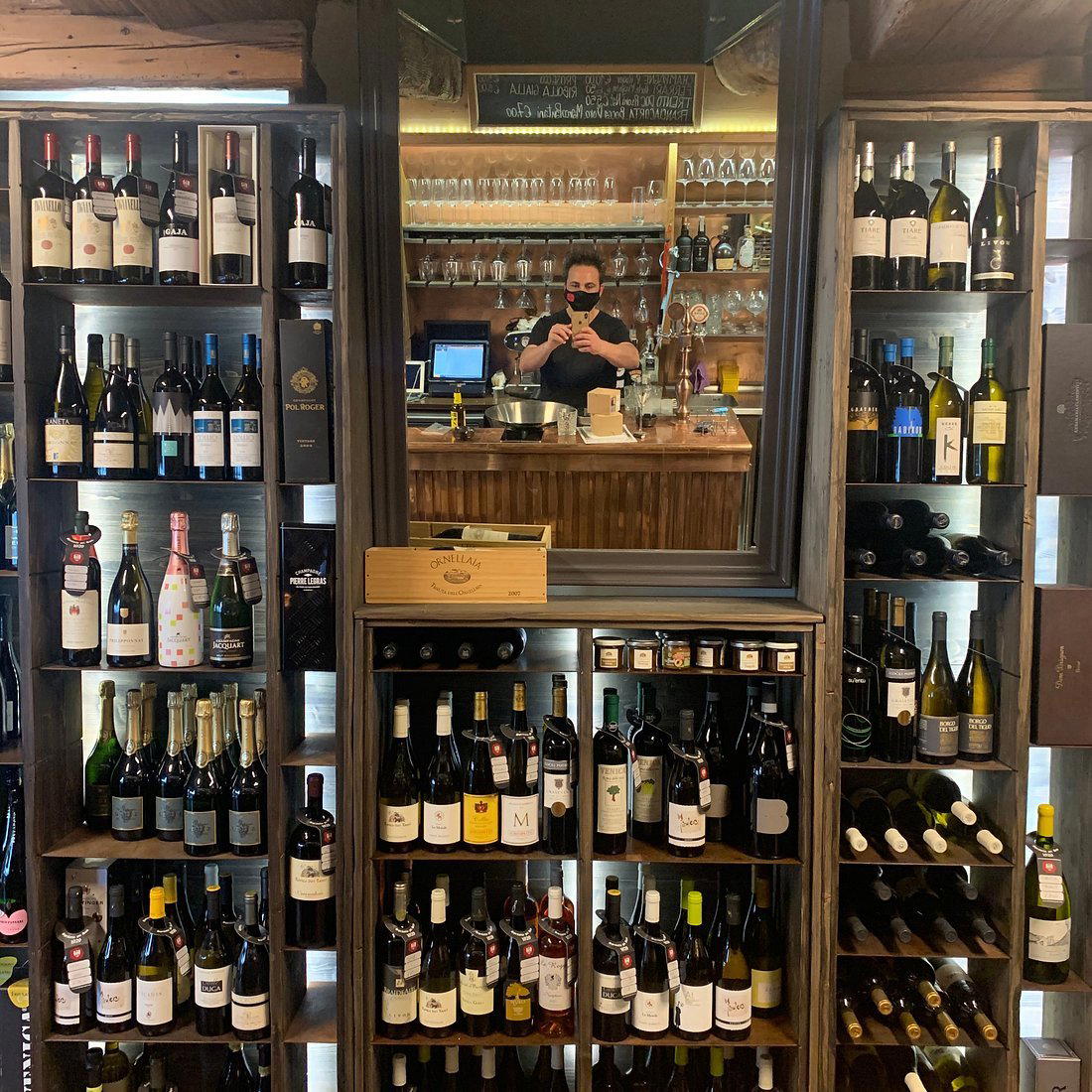
Bars in Tricesimo
Browse all →
Hotels in Tricesimo
Browse all →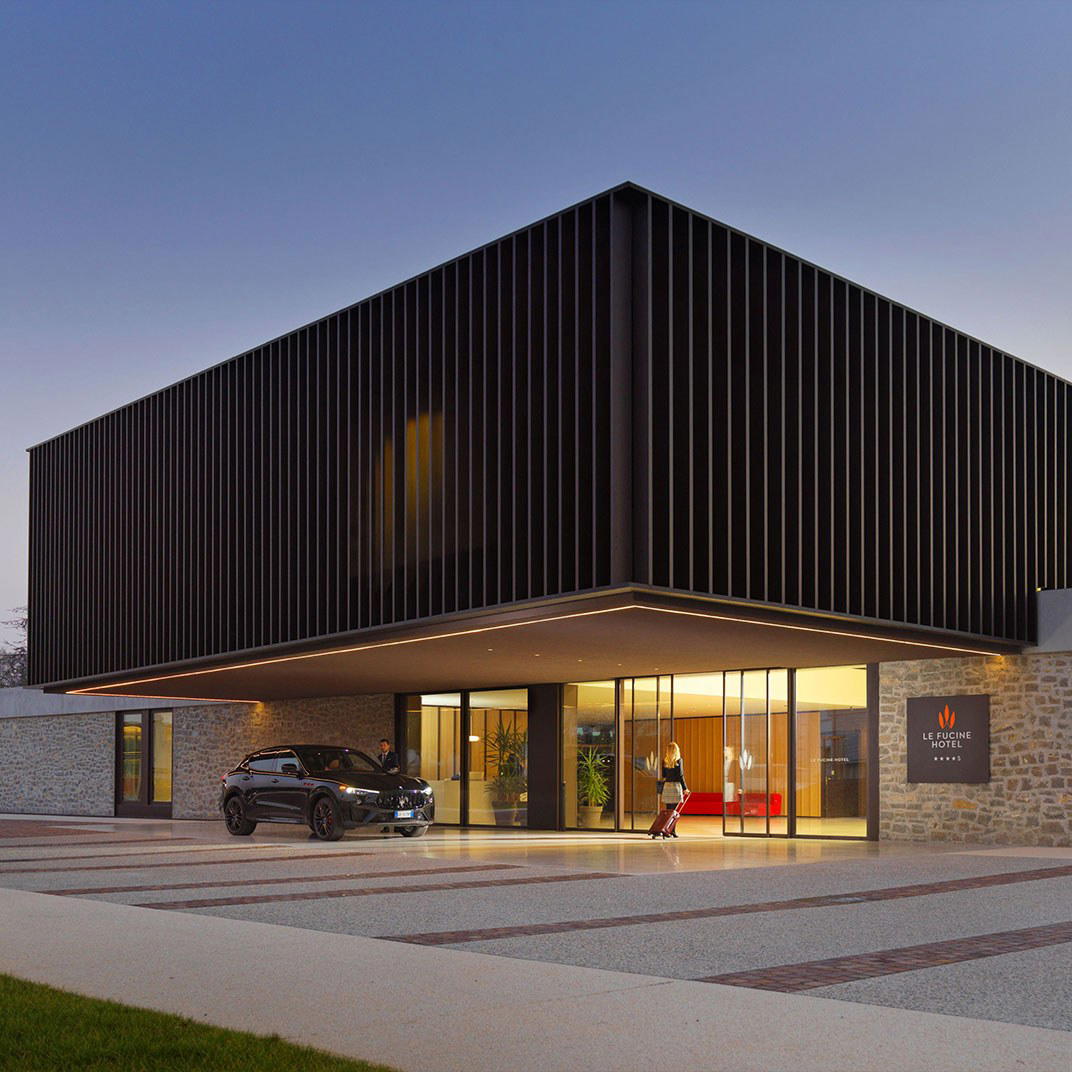
At a Glance
- Elegant
- Intimate
- Cozy
- Rustic
- Date Night
- Special Occasion
- Garden
- Extensive Wine List
- Local Sourcing
- Garden
Current opening hours
- Monday
- Closed
- Tuesday
- 12–3 PM, 7–10 PM
- Wednesday
- 12–3 PM, 7–10 PM
- Thursday
- 12–3 PM, 7–10 PM
- Friday
- 12–3 PM, 7–10 PM
- Saturday
- 12–3 PM, 7–10 PM
- Sunday
- 12–3 PM
Hours can change for holidays and private events. Last verified .
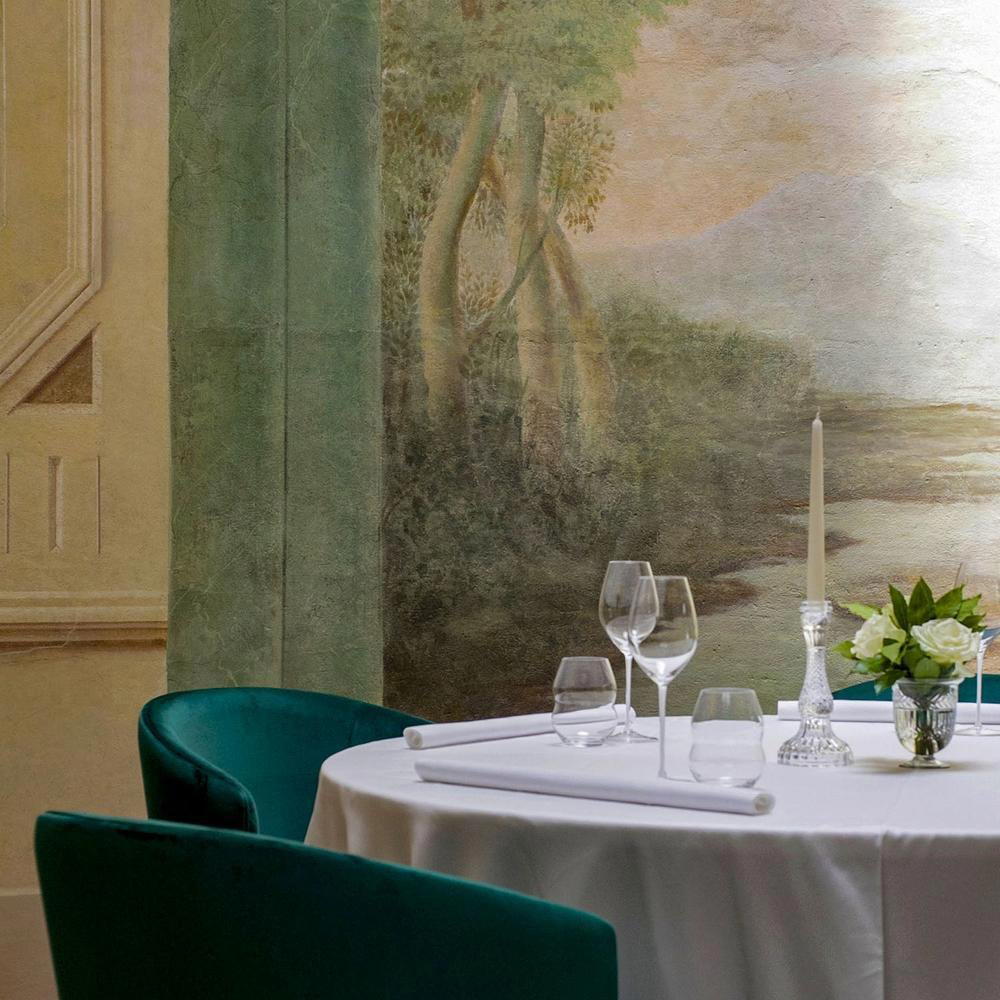
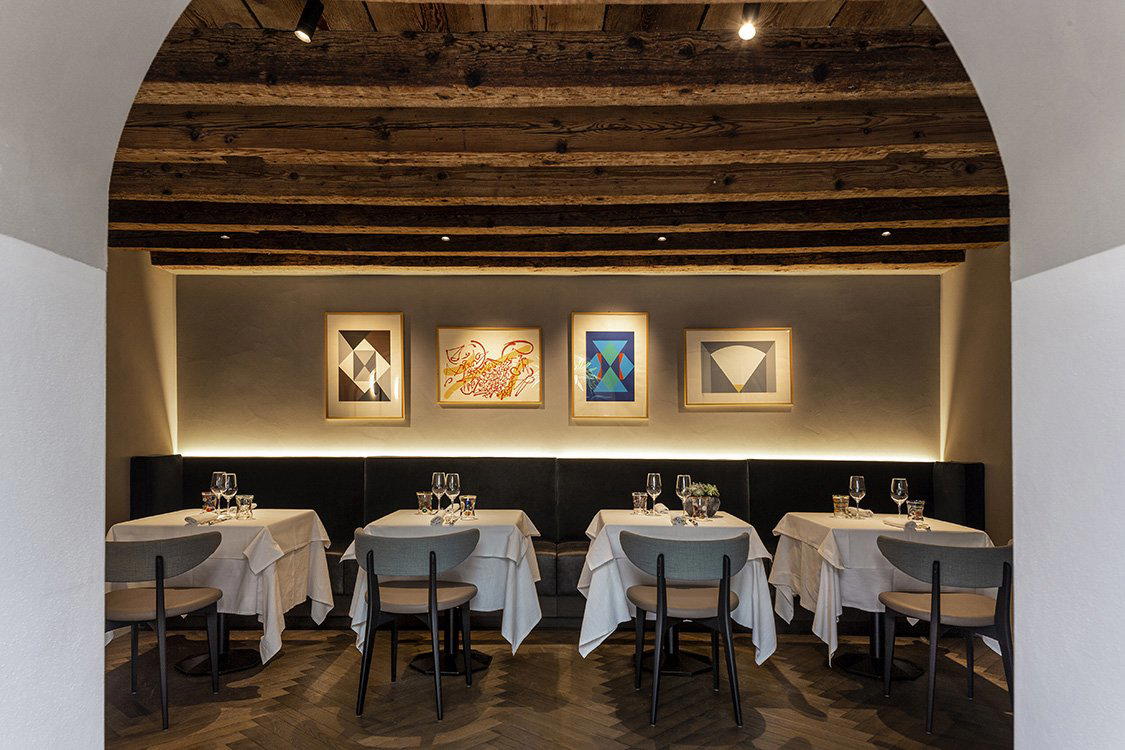
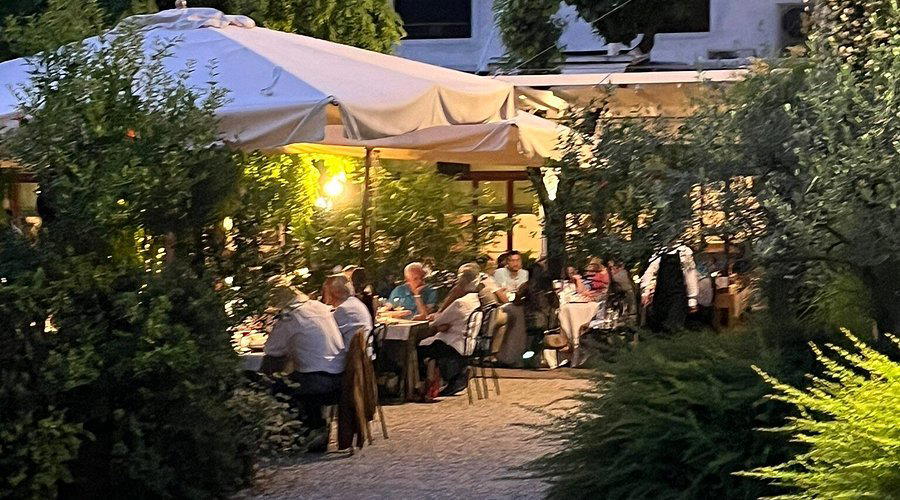
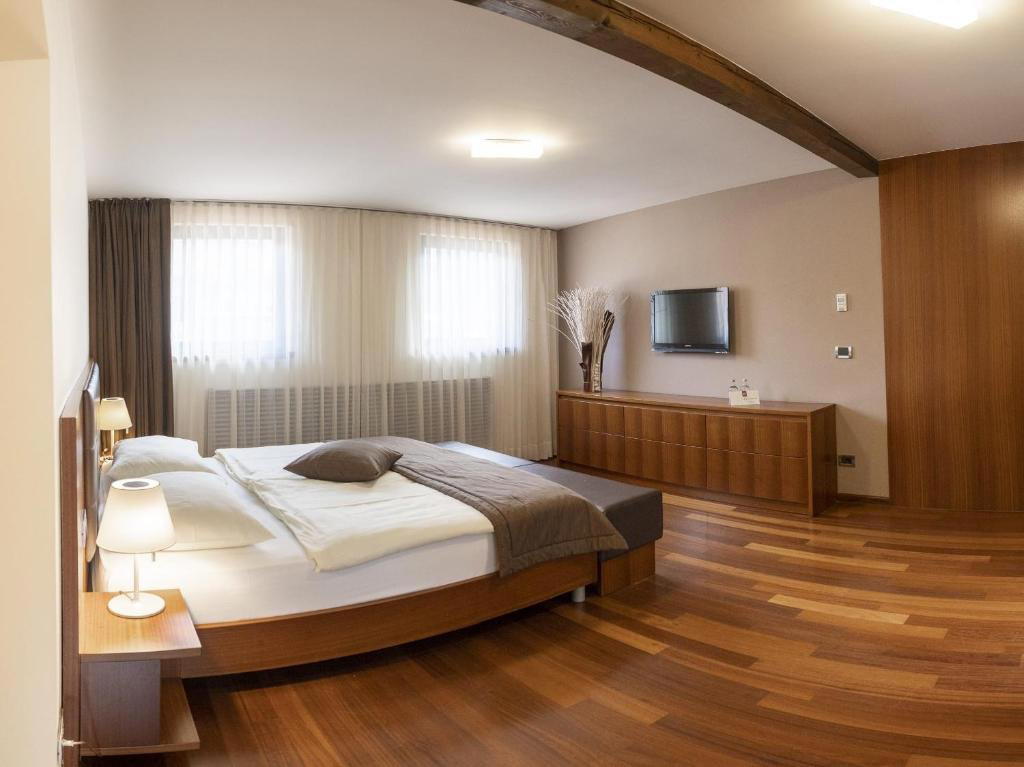
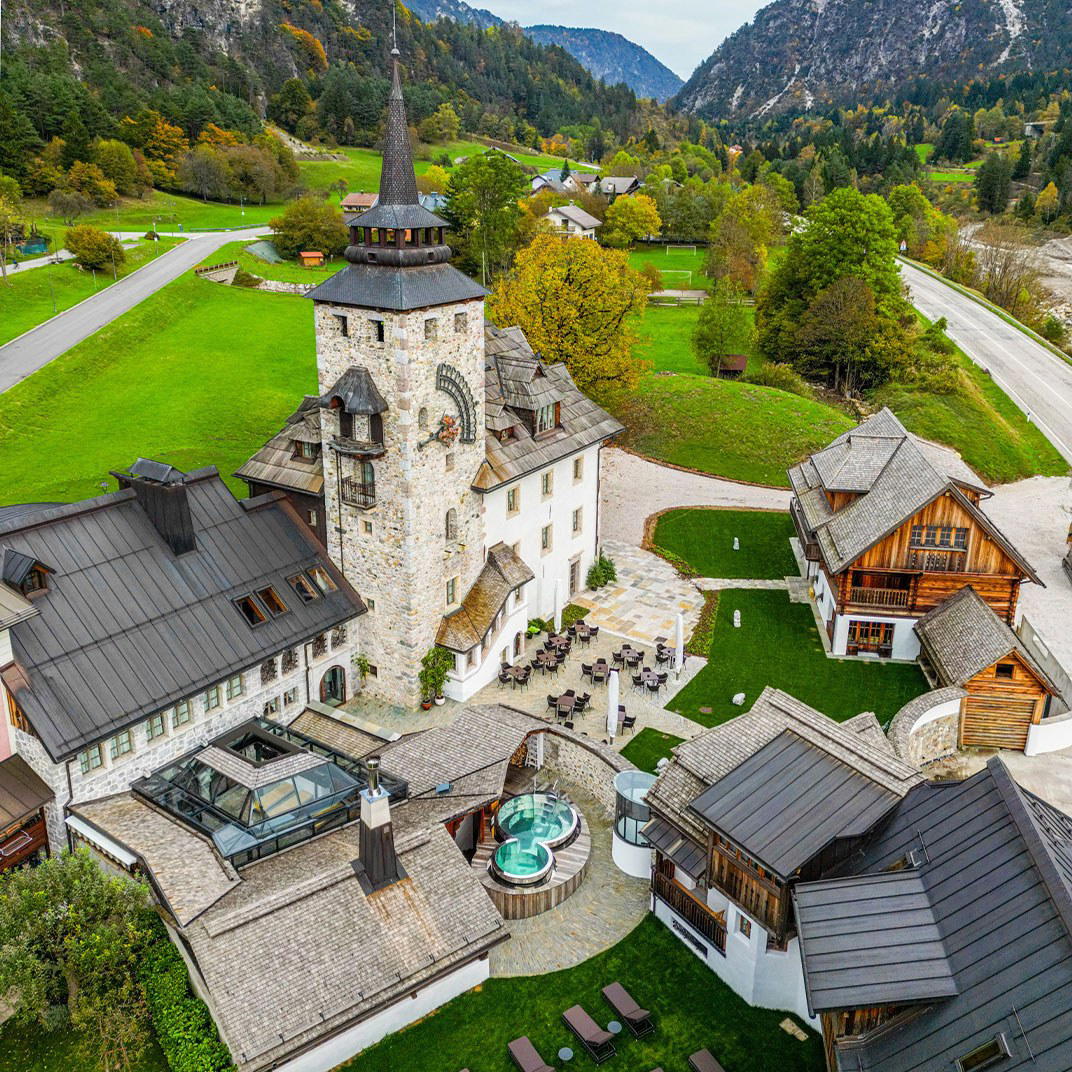
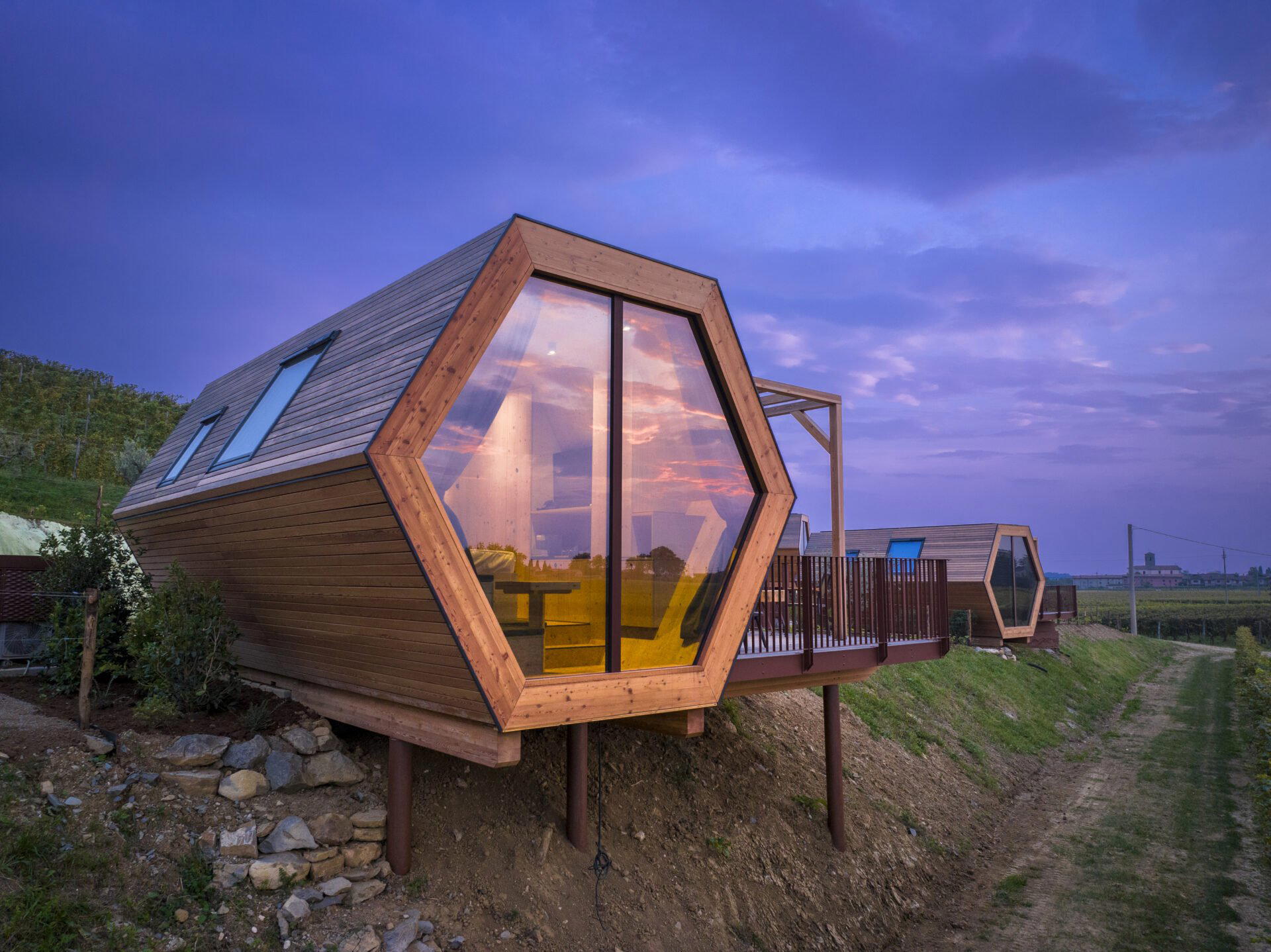
Elegant and intimate atmosphere in well-restored 18th-century farm buildings, with curated lighting creating a reserved, tranquil, and welcoming space well-suited for romantic dinners.