In Tarcento, a small town in Friuli-Venezia Giulia where the Natisone valley meets the pre-Alps, Costantini operates as a fixture of the local dining tradition rather than a destination built for outside attention. The kitchen draws on the ingredient logic of northeastern Italy, where provenance and season have always driven the plate, placing it in a regional dining culture that values material over spectacle.
Pearl is the En Primeur Club membership app — saves, bookings, and concierge access live there. Same editors, same standards.
- Address
- Via Pontebbana, 12, 33017 Collalto UD, Italy
- Phone
- +39432792372
- Website
- albergocostantini.com
- Directions
- Get directions
 Saves & bookings on Pearl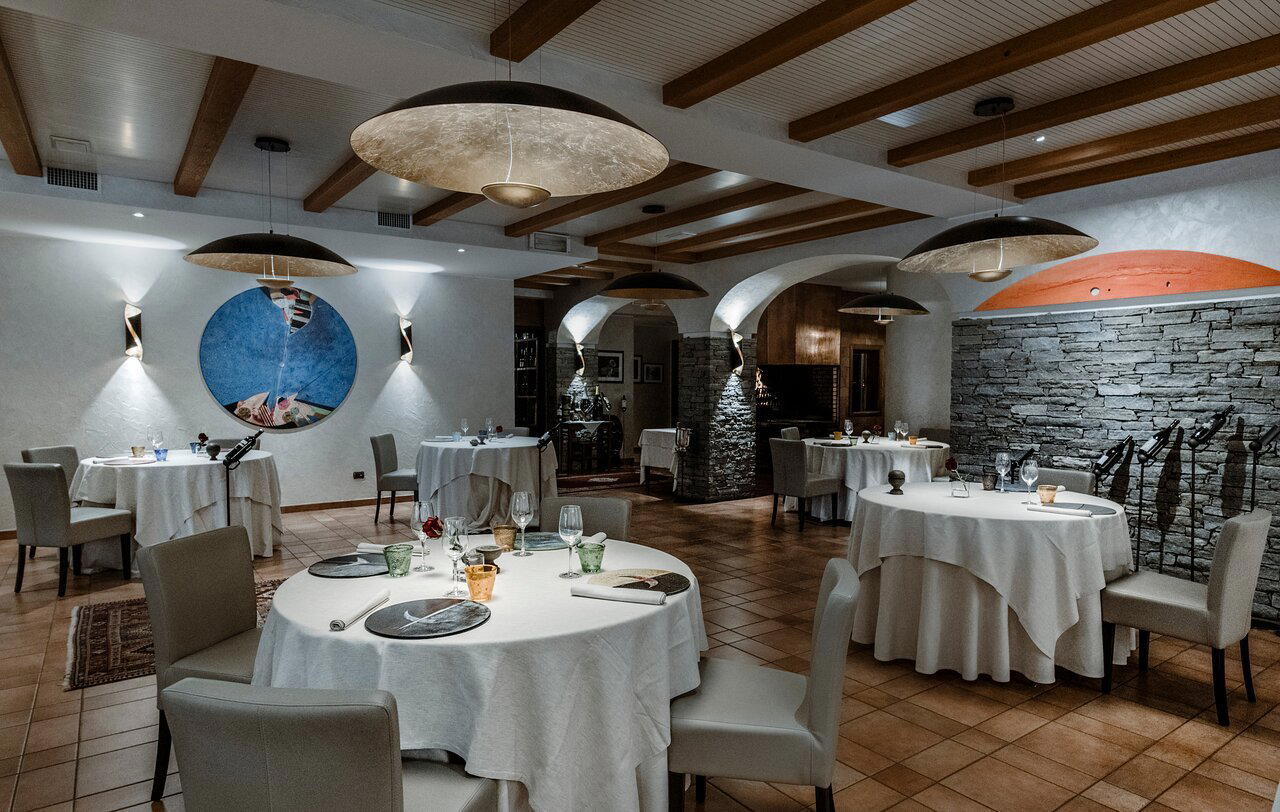
Where Friuli's Ingredient Culture Takes Hold
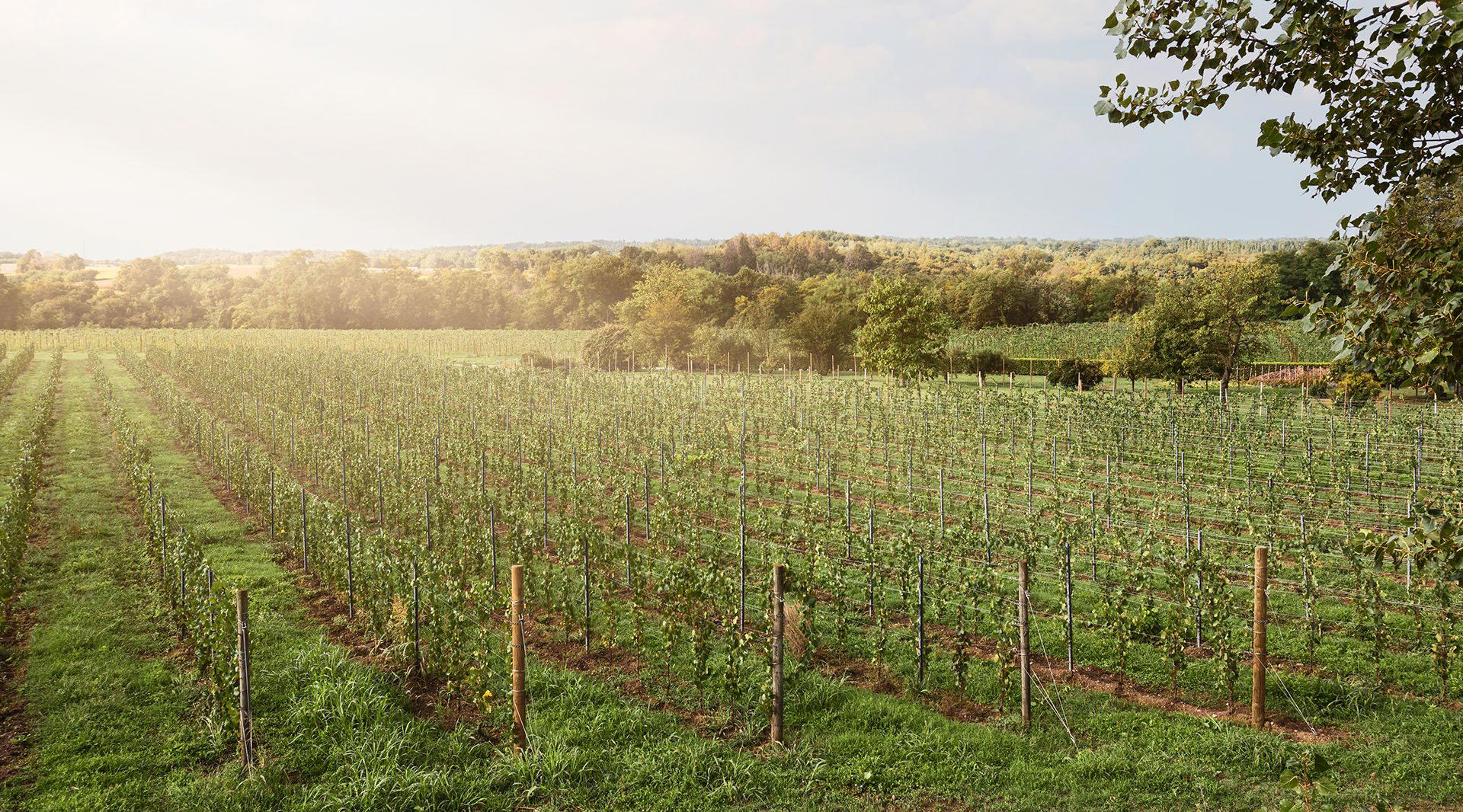
The road into Tarcento from Udine runs north through flatlands that give way, gradually, to the first ridges of the Carnic and Julian pre-Alps. The air changes before the landscape does. By the time you reach Collalto, the hamlet where Costantini sits on Via Pontebbana, the agricultural logic of Friuli-Venezia Giulia is already legible in what grows around you: orchards, small holdings, river-fed pasture. In this part of northeastern Italy, the relationship between what the land produces and what arrives on the plate has always been more direct than in cities further south or west.
Tarcento itself sits in a corner of Italy that receives less international dining traffic than it deserves. The region's higher-profile restaurants tend to cluster around Udine or, further afield, in the Collio wine zone toward the Slovenian border. A town like Tarcento, with a population under ten thousand, operates outside the circuits that bring critics and destination diners to a region. Costantini, at its address on Via Pontebbana, belongs to that quieter tier: a restaurant whose audience is primarily local and regional, and whose authority comes from consistency rather than recognition capital.
The Friulian Ingredient Tradition
To understand what a restaurant like Costantini represents, it helps to understand what Friuli-Venezia Giulia has always done with its raw materials. This is a region that sits at the convergence of Italian, Slavic, and Central European culinary traditions, and that convergence shows up in the ingredients as much as the techniques. San Daniele prosciutto, aged in the microclimate of the Tagliamento valley, is produced less than forty kilometres from Tarcento. Montasio, the DOP cheese that appears in frico, the region's most argued-over dish, comes from the plateau above. The rivers running down from the Alps carry trout. The forests carry game and fungi. The growing season in the foothills is shorter and colder than on the Veneto plain, which concentrates flavour in vegetables and pushes producers toward preservation techniques that have been part of the regional table for generations.
Restaurants operating in this culinary zone face a choice that shapes their identity: work within the ingredient logic of the place, or import the conventions of fine dining from outside it. The kitchens that have lasted in towns like Tarcento have, almost without exception, taken the former route. The region's most respected trattorie and ristoranti tend to read as extensions of their supply chains rather than as concepts imposed onto a location.
This places Costantini in a tradition that runs across northeastern Italy, though it expresses itself differently depending on proximity to the sea, the mountains, or the wine country. Compare this to the approach taken at Atelier Moessmer Norbert Niederkofler in Brunico, where Alpine ingredient sourcing is framed through a high-concept tasting menu, or at Dal Pescatore in Runate, where a multi-decade family tradition in Lombardy's Po valley has accumulated Michelin recognition over generations. Costantini operates without that institutional infrastructure, in a town that has not been positioned as a dining destination, which means its relationship with its ingredients carries a different kind of weight: practical, unperformed, and rooted in what the surrounding area actually produces each season.
Tarcento's Dining Peers
Within Tarcento, the restaurant sits alongside a small number of other established addresses. Da Gaspar operates in a similar register, drawing on Friulian tradition with a focus on the kind of cucina that has defined the region for generations. Osteria di Villafredda takes a slightly different approach, with an osteria format that leans into wine and more casual service rhythms. These three addresses collectively represent what Tarcento offers at the table: not a scene in the contemporary sense, but a cluster of kitchens that have maintained standards within a specific and coherent culinary geography.
Further afield in Italy, the restaurants that have built international profiles from ingredient-led approaches in regional settings include Uliassi in Senigallia, which has turned the Adriatic coastline's supply chain into a three-Michelin-star program, and Reale in Castel di Sangro, where Abruzzo's agricultural produce forms the conceptual spine of the kitchen. In northern Italy, Piazza Duomo in Alba and Le Calandre in Rubano represent what happens when that same ingredient logic attracts the critical infrastructure of awards and media attention. The distance between those kitchens and a restaurant in Tarcento is partly one of recognition, and partly one of scale and ambition. Neither gap implies a quality deficit at the smaller end.
For those comparing ingredient-driven Italian dining at the international level, the full range runs from Osteria Francescana in Modena and Enoteca Pinchiorri in Florence through regional specialists like Quattro Passi in Marina del Cantone and Da Vittorio in Brusaporto, and further to more format-driven addresses like Villa Crespi in Orta San Giulio and Casa Perbellini 12 Apostoli in Verona. Outside Italy entirely, the technical rigour of ingredient sourcing as a culinary philosophy shows up in different contexts, from Le Bernardin in New York City to Lazy Bear in San Francisco and Enrico Bartolini in Milan. The common thread is a kitchen that treats sourcing as a structural decision rather than a marketing angle.
Planning a Visit
Tarcento is accessible from Udine by car in under thirty minutes, following the A23 autostrada north before taking the provincial roads into the foothills. The town is not on a rail line that most visitors would use as a primary route, so driving or arranging private transfer from Udine is the practical approach. Collalto, the specific hamlet where Costantini is located at Via Pontebbana 12, sits just outside the town centre, which means arriving by car is direct and parking is not a concern. Reservations are recommended. Reservations are recommended.
In Context: Similar Options
Comparable venues nearby, for context on price, style, and recognition.
| Venue | Cuisine | Price | Notes |
|---|---|---|---|
| CostantiniThis venue — the venue you are viewing | Traditional Friulian Italian | $$$ | Not listed |
| Da Gaspar | Traditional Friulian Trattoria | $$ | Tarcento |
| Osteria di Villafredda | Traditional Friulian Osteria | $$ | Loneriacco di Tarcento |
| Blu Marino | Italian Seafood | $$$ | Bibione |
| FIVE | Contemporary Italian Mediterranean | $$$ | Porta Venezia |
| Arcoriccardo | Traditional Italian Seafood | $$$ | Old Town |
Continue exploring
More in Tarcento
Restaurants in Tarcento
Browse all →
Bars in Tarcento
Browse all →
Hotels in Tarcento
Browse all →
At a Glance
- Elegant
- Classic
- Cozy
- Special Occasion
- Family
- Celebration
- Hotel Restaurant
- Extensive Wine List
- Local Sourcing
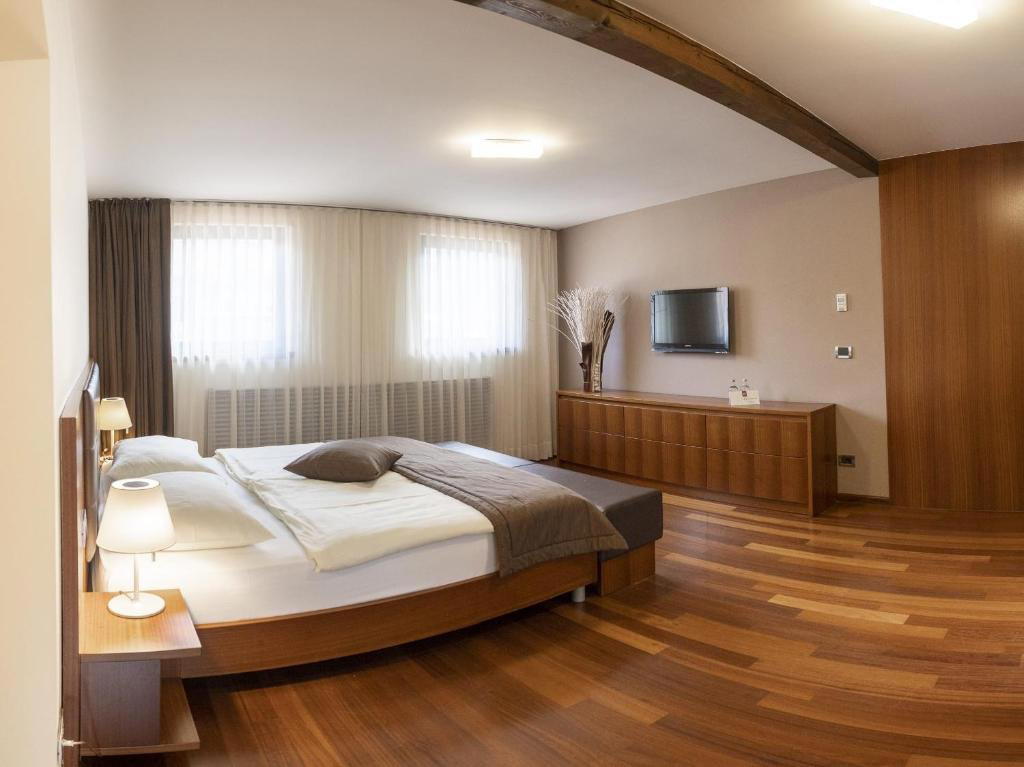
Elegant and pleasant atmosphere with friendly service, praised for making guests feel at home amid a sophisticated yet welcoming setting.