Located on Rue Jean Giraudoux in Paris's 16th arrondissement, Yoshi occupies a specific niche within the city's competitive upper tier of Japanese-influenced dining. Where peers like Kei work through a Franco-Japanese lens at the contemporary French table, Yoshi positions itself differently, a reference point for those tracking how Japanese culinary traditions have evolved and embedded themselves into the Parisian fine-dining conversation.
Pearl is the En Primeur Club membership app — saves, bookings, and concierge access live there. Same editors, same standards.
- Address
- 11 Rue Jean Giraudoux, 75116 Paris, France
- Phone
- +33147204894
- Website
- module.thefork.com
- Directions
- Get directions
 Saves & bookings on Pearl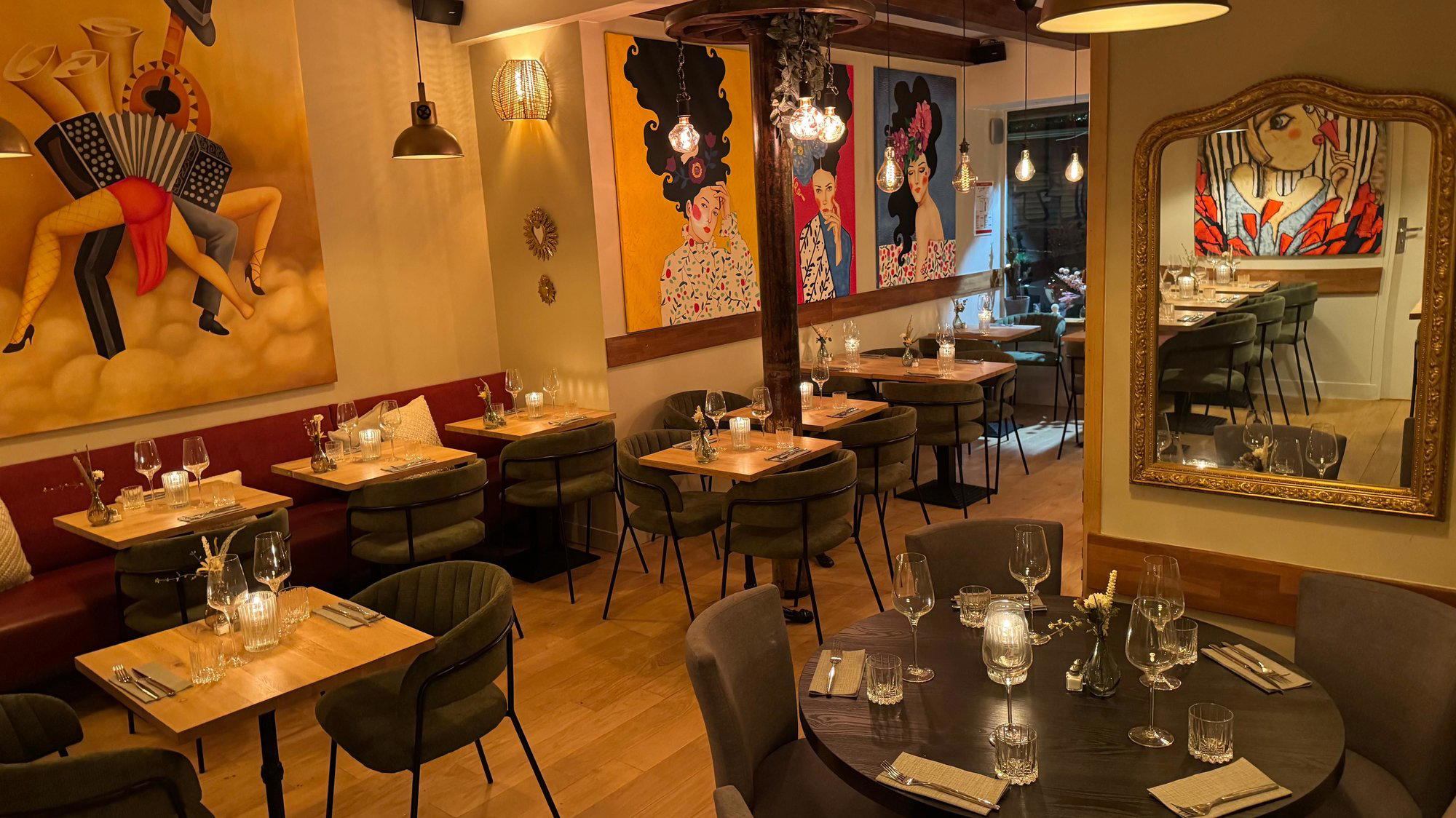
Japanese Fine Dining in Paris: A Moving Target
Paris's relationship with Japanese cuisine at the upper end of the market has shifted considerably over the past two decades. What began as a novelty tier, Japanese chefs cooking French food, or French-trained Japanese chefs reinterpreting their own tradition, has matured into something more layered. The 16th arrondissement, where Yoshi sits at 11 Rue Jean Giraudoux, Paris, has long served as a backdrop for this evolution: a residential, embassy-district neighbourhood where a certain kind of quiet, serious dining room has always found its clientele. The arrondissement's dining character is not defined by trend-chasing; it rewards precision and longevity over spectacle.
That context matters when placing Yoshi. The broader conversation around Japanese fine dining in Paris now involves a handful of distinct positions. There are the fusion-forward operators, exemplified by Kei, which holds Michelin recognition for its contemporary French framework filtered through a Japanese sensibility. There are the classicists at the French table, L'Ambroisie on Place des Vosges or Le Cinq in the 8th, where Japanese influence is essentially absent but against which any serious Paris dining room is implicitly measured. And then there are venues like Yoshi, which sit closer to the Japanese tradition itself while operating within a Parisian fine-dining framework.
How the Category Has Reinvented Itself
The evolution of Japanese fine dining in Paris mirrors, with a lag, what happened in London and New York. Early iterations often required a kind of cultural translation layer: menus were built to reassure French diners unfamiliar with raw fish, fermented seasonings, or umami as a structural principle rather than an accent. That accommodation has gradually given way to a more confident posture. Today's Paris Japanese dining rooms at the upper tier tend to assume more from their guests, less explanation, more precision, a willingness to let the ingredient carry the narrative without French-classical scaffolding to justify it.
For comparison, consider how Atomix in New York handles Korean fine dining at the highest level: the tasting card format, the refusal to over-explain, the assumption of a guest who will meet the kitchen halfway. A similar shift has played out, more slowly, in Paris's Japanese segment. Venues that once leaned heavily on French technique as a legitimizing frame now operate with considerably more autonomy from that tradition. Yoshi's address in the 16th positions it within a clientele that has broadly kept pace with this evolution, regulars in this arrondissement tend to have accumulated enough dining experience to engage with a more direct Japanese format.
The 16th Arrondissement as Context
The neighbourhood around Rue Jean Giraudoux is not where Paris generates its loudest dining conversation. That energy sits further east, in the 10th and 11th, or in pockets of the 9th. The 16th operates on a different register: residential, established, with a concentration of international residents and long-term Parisians who prefer reliability over novelty. For a restaurant like Yoshi, this is a functional advantage. The clientele it draws is likely to return, to book in advance, and to engage with a menu that rewards attention rather than demanding it through novelty.
Within France's broader fine-dining geography, the reference points shift depending on how you define the comparable set. Paris's leading creative tables, Alléno Paris au Pavillon Ledoyen and Arpège, operate at a different scale of ambition and recognition. The regional French temples, from Troisgros in Ouches to Bras in Laguiole and Auberge de l'Ill in Illhaeusern, define a separate tradition rooted in terroir and multigenerational continuity. Yoshi's comparable set is more specific: it sits alongside the cohort of Paris Japanese and Japanese-influenced rooms that have staked a position in the upper-mid to high tier of the market, distinct from the grand classique French tradition but serious enough to be placed in the same conversation by informed diners.
What the Evolution Looks Like Now
The clearest signal of how a Japanese fine-dining room has evolved in Paris is usually visible in how it handles its menu architecture. Early-generation venues in this category built menus around accessibility: familiar French courses with Japanese product or technique inserted at deliberate points. More evolved iterations tend to invert that logic, Japanese structural principles (the balance of temperature, texture, and seasoning; the primacy of the ingredient over the sauce) govern the sequence, and French influence, where it appears, serves the Japanese frame rather than the other way around.
This shift is not distinctive to Paris. Le Bernardin in New York has traced a parallel arc in how it handles Japanese product and technique within a French seafood framework. In the French provinces, restaurants like AM par Alexandre Mazzia in Marseille and Flocons de Sel in Megève show how chefs with exposure to Japanese precision have absorbed it into their own idiom without labeling the result. For a dedicated Japanese fine-dining room like Yoshi, the question is less about fusion and more about where on the spectrum between tradition and adaptation the menu currently sits, and whether that position has moved over time.
For the Paris dining circuit more broadly, venues like Assiette Champenoise in Reims, Au Crocodile in Strasbourg, Auberge du Vieux Puits in Fontjoncouse, and Paul Bocuse in Collonges-au-Mont-d'Or represent the traditional French fine-dining continuum against which any Paris room, regardless of cuisine, is implicitly compared. Japanese fine dining in Paris has earned its own terms of reference, but it remains in dialogue with that inheritance.
Planning Your Visit
Address: 11 Rue Jean Giraudoux, 75116 Paris, France. Reservations are recommended. Dress: casual. Budget: About $25 per person. Getting there: The 16th arrondissement is accessible by Metro lines 9 and 6; Trocadéro and Boissière stations are both within reasonable walking distance of Rue Jean Giraudoux.
The Quick Read
Comparable venues nearby, for context on price, style, and recognition.
| Venue | Cuisine | Price | Notes |
|---|---|---|---|
| YoshiThis venue — the venue you are viewing | Not listed | $$ | Not listed |
| Yatai Ramen | Not listed | $$ | 8th arrondissement (Saint-Honoré), Japanese Ramen with French Fusion |
| Iza by Kura | Passy, Japanese Izakaya | $$ | Not listed |
| Ito Chan | Pigalle, Japanese Ramen Canteen | $$ | Not listed |
| Sumo | Sorbonne, Japanese & Chinese Sushi | $$ | Not listed |
| Nanaumi | Gaillon, Traditional Japanese | $$$ | Not listed |
Continue exploring
More in Paris
Restaurants in Paris
Browse all →

Hotels in Paris
Browse all →
Wineries in Paris
Browse all →
At a Glance
- Classic
- Lunch
- Dinner
- Open Kitchen
Current opening hours
- Monday
- 12–2:30 PM, 7–10:30 PM
- Tuesday
- 12–2:30 PM, 7–10:30 PM
- Wednesday
- 12–2:30 PM, 7–10:30 PM
- Thursday
- 12–2:30 PM, 7–10:30 PM
- Friday
- 12–2:30 PM, 7–10:30 PM
- Saturday
- 12–2:30 PM, 7–10:30 PM
- Sunday
- 7–10:30 PM
Hours can change for holidays and private events. Last verified .
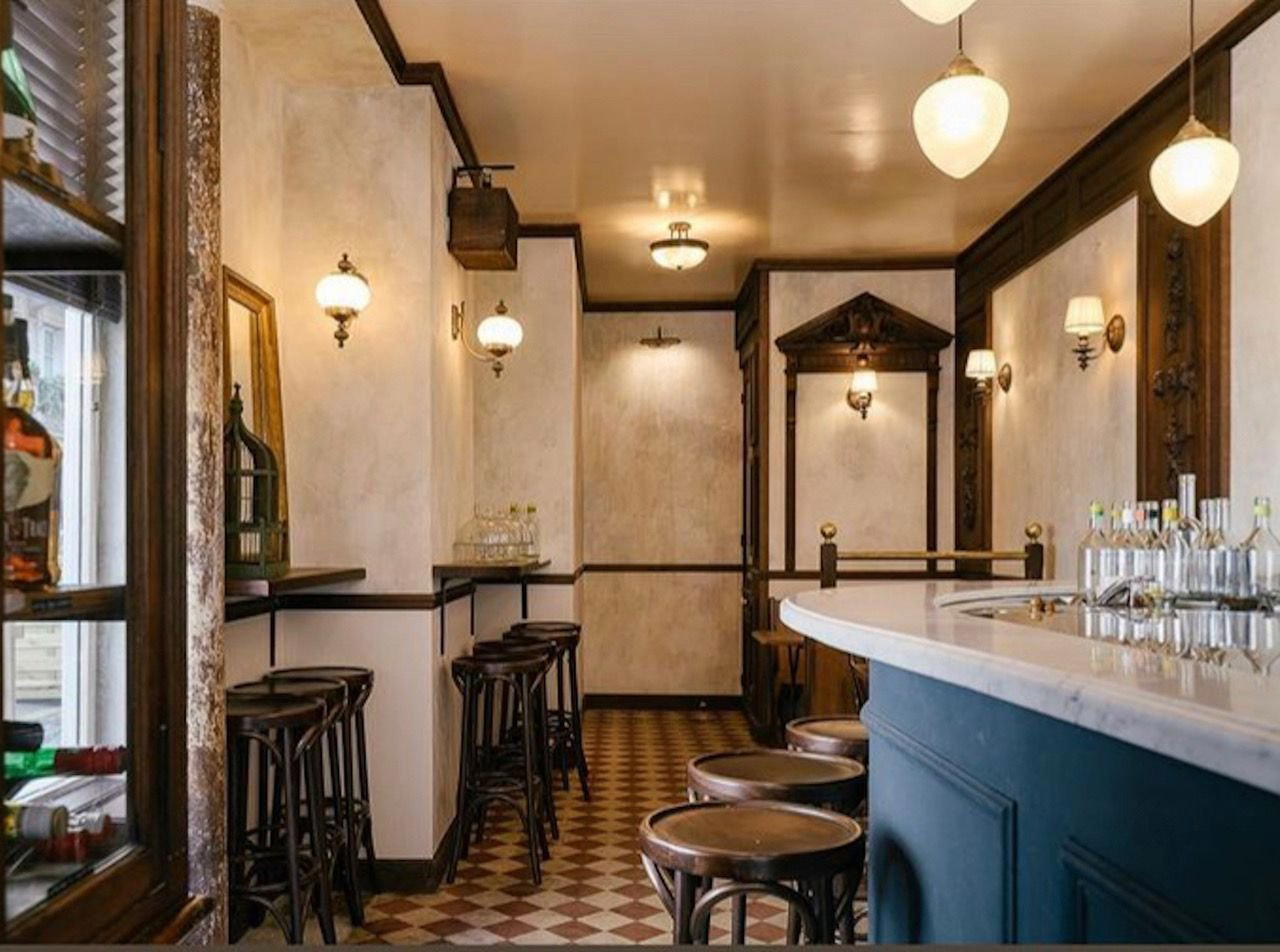
Casual atmosphere with open kitchen view and focus on precise Japanese cooking.