On Rue Pierre Fontaine in the 9th arrondissement, Ito Chan sits within a Paris neighbourhood that has developed one of the city's more concentrated pockets of Japanese-influenced dining. The address places it a short walk from Pigalle and the lower slopes of Montmartre, where a younger, restaurant-literate crowd has replaced the old cabaret trade. Booking details and current hours are best confirmed directly with the venue.
- Address
- 2 Rue Pierre Fontaine, 75009 Paris, France
- Phone
- +33 9 52 91 23 00
- Website
- itoeats.fr
- Directions
- Get directions
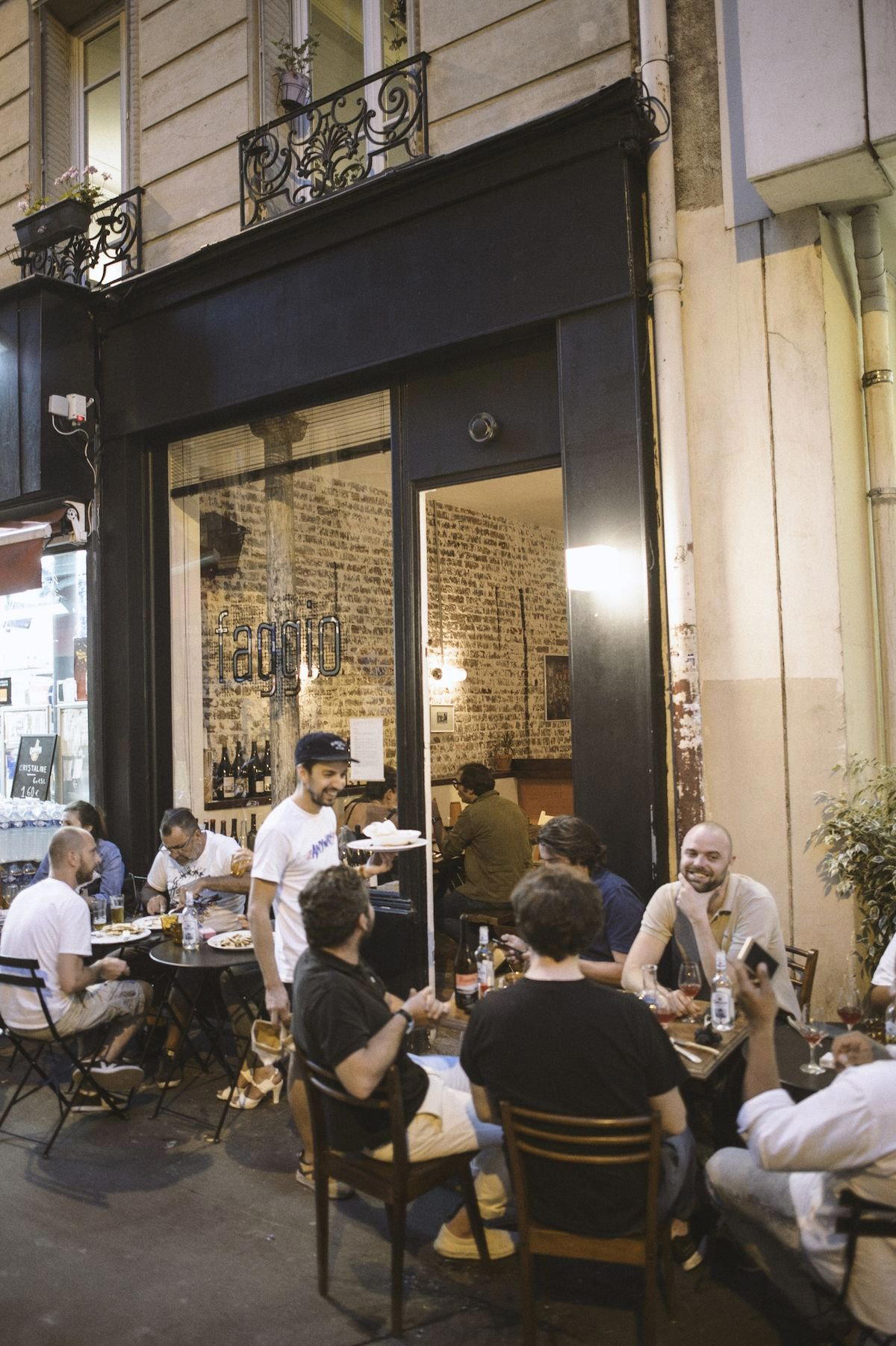
The 9th's Japanese Dining Moment
Paris has absorbed Japanese culinary influence across two distinct waves. The first, concentrated in the 1st and 2nd arrondissements around Rue Sainte-Anne, built a dense grid of ramen shops, izakayas, and sushi counters that served a largely expatriate Japanese community from the 1980s onward. The second wave moved further west and south, but a quieter tributary ran north into the 9th, where the blocks around Pigalle and South Pigalle, an area the city's restaurant crowd now abbreviates to SoPi, absorbed a generation of smaller, format-conscious Japanese-rooted tables. Ito Chan at 2 Rue Pierre Fontaine is a Japanese Ramen Canteen in Paris's 9th arrondissement, priced at about $12 per person, and sits in that second current, in a neighbourhood that now trades as much on its dining density as on any residual nightlife associations.
The immediate comparison set for a Japanese address in this part of the 9th is not Michelin-weighted French houses like L'Ambroisie in the Marais or Le Cinq at the Four Seasons George V across the river. The competitive set is smaller, neighbourhood-scaled, and defined by a different kind of ambition: precision over grandeur, counter service over brigade ceremony, seasonal restraint over constructed theatre. That positioning matters when assessing what Ito Chan represents in the city's dining map.
Lunch vs. Dinner: Where the Divide Matters Here
In Paris's mid-range and specialist restaurant segment, the lunch-to-dinner divide is more operationally meaningful than it is at the grand tables. At three-Michelin-star addresses like Arpège or Alléno Paris au Pavillon Ledoyen, a weekday lunch menu often delivers the same kitchen at meaningfully lower cost, because the format is designed to pull the business crowd. At smaller Japanese-influenced addresses in the 9th, the dynamic shifts. The kitchen is frequently the same kitchen regardless of service, but the mood changes considerably. Lunch in this neighbourhood draws a local, often professional crowd, creative industry workers, editors from nearby media offices, regulars who treat the counter as a midday reset. Dinner brings visitors with more time and often more deliberate intent.
For a venue like Ito Chan, that divide means the daytime service is frequently where the room feels most like itself: unhurried, precise, without the performance pressure that evening covers can introduce. If the format is counter-led or omakase-adjacent, dinner adds the ritual weight that those structures carry. Lunch strips it back. Neither is strictly better, but they are different experiences in tempo and social register, and the choice should reflect what the diner is actually looking for on a given day.
The broader French regional dining circuit makes this contrast sharp by comparison. At destination addresses like Mirazur in Menton, Flocons de Sel in Megève, or Troisgros in Ouches, the journey to the table is part of the meal and lunch is often the primary booking. In Paris, the calculus is different: proximity collapses the occasion, and a restaurant like Ito Chan in the 9th is close enough to walk to, which changes how people use it across the week.
The Rue Pierre Fontaine Address
The street itself is short and angled, running between Boulevard de Clichy and the tighter grid of streets that feed into Place Pigalle. It is a working restaurant street without pretension, which is consistent with the kind of address a small, format-conscious Japanese table would occupy. The 9th arrondissement has a residential density that larger arrondissements lack, and the dining rooms that have succeeded here over the past decade tend to fit the rhythm of neighbourhood use: lunch trade from the local professional population, dinner covers that are booked but not remote.
Contrast with destination dining outside the capital is worth marking. Institutions like Paul Bocuse's Auberge du Pont de Collonges, Bras in Laguiole, or Auberge de l'Ill in Illhaeusern operate in contexts where the setting is inseparable from the offer. In Paris, the room carries less of that weight, what carries it instead is format, precision, and consistency of execution. That is the standard a serious counter in the 9th is judged against.
Japanese Influence in a French Context
Paris has produced a small but genuinely distinguished category of Japanese-led or Japanese-influenced restaurants operating within or adjacent to French fine dining frameworks. Kei, with three Michelin stars, represents one trajectory: Japanese technique absorbed into classical French structure, recognised at the summit of the formal hierarchy. The restaurant operates in a different register, neighbourhood-scaled and without the institutional weight of that tier, but part of the same broader movement in which Japanese sensibility has reshaped how precision and restraint are understood in a Paris dining room.
That movement is not confined to France. Le Bernardin in New York has long demonstrated how Japanese-inflected discipline applied to product-forward cooking can hold the highest critical position in a non-Japanese market. Lazy Bear in San Francisco shows a different model, where format and communal structure carry as much weight as the cooking itself. The restaurant's position in the 9th places it in the same broader conversation, at a different scale and price point.
Planning Your Visit
The restaurant is walk-in friendly, so no advance reservation is needed. The address at 2 Rue Pierre Fontaine, 75009 Paris is accessible by Metro via Pigalle (lines 2 and 12), which puts it within a short walk of the restaurant. For the lunch service specifically, arriving with a confirmed booking on weekdays is advisable, this part of the 9th draws a consistent local trade that fills smaller rooms quickly at midday. Dinner pacing in the neighbourhood tends to be later than the Paris average for tourist-facing restaurants, reflecting the local residential character of the area. Comparable addresses in the French dining circuit, including Les Prés d'Eugénie in Eugénie-les-Bains, La Table du Castellet, Auberge du Vieux Puits in Fontjoncouse, and Georges Blanc in Vonnas, require advance planning on a different scale than a Paris neighbourhood table, but even in the city, smaller counter-format rooms fill on relatively short lead times.
A Pricing-First Comparison
Comparable venues nearby, for context on price, style, and recognition.
| Venue | Cuisine | Price | Notes |
|---|---|---|---|
| Ito ChanThis venue — the venue you are viewing | Pigalle, Japanese Ramen Canteen | $$ | Not listed |
| Yoshi | Not listed | $$ | 16th Arr. - Passy, Japanese Sushi & Sashimi |
| Nanashi Charlot | Le Marais, Japanese-Inspired Bento | $$ | Not listed |
| Ito Izakaya | Saint-Georges, Seasonal Japanese Izakaya | $$ | Not listed |
| Sumo | Sorbonne, Japanese & Chinese Sushi | $$ | Not listed |
| AO Izakaya | Not listed | $$$ | 9th Arr., Franco-Japanese Izakaya |
Continue exploring
More in Paris
Restaurants in Paris
Browse all →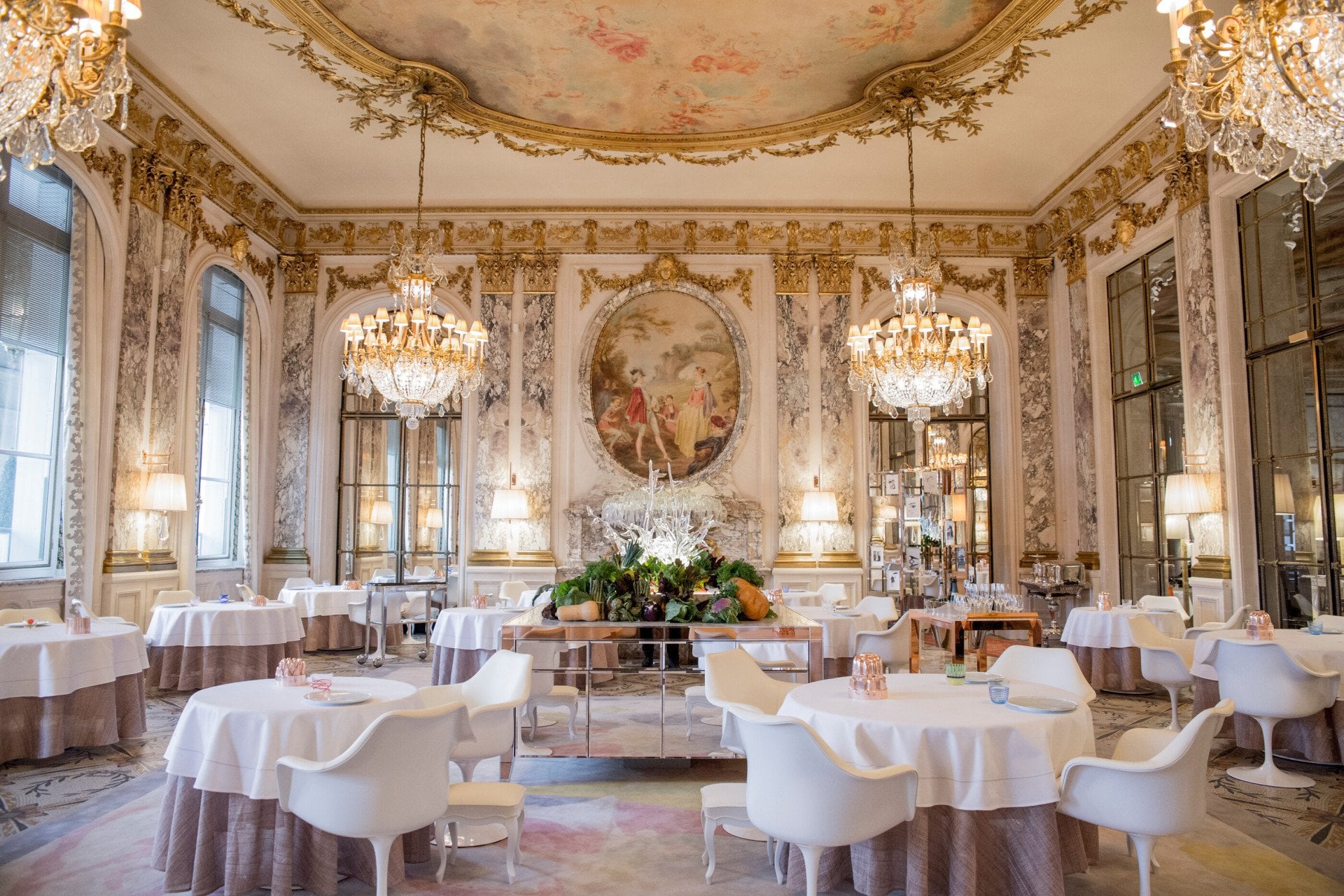
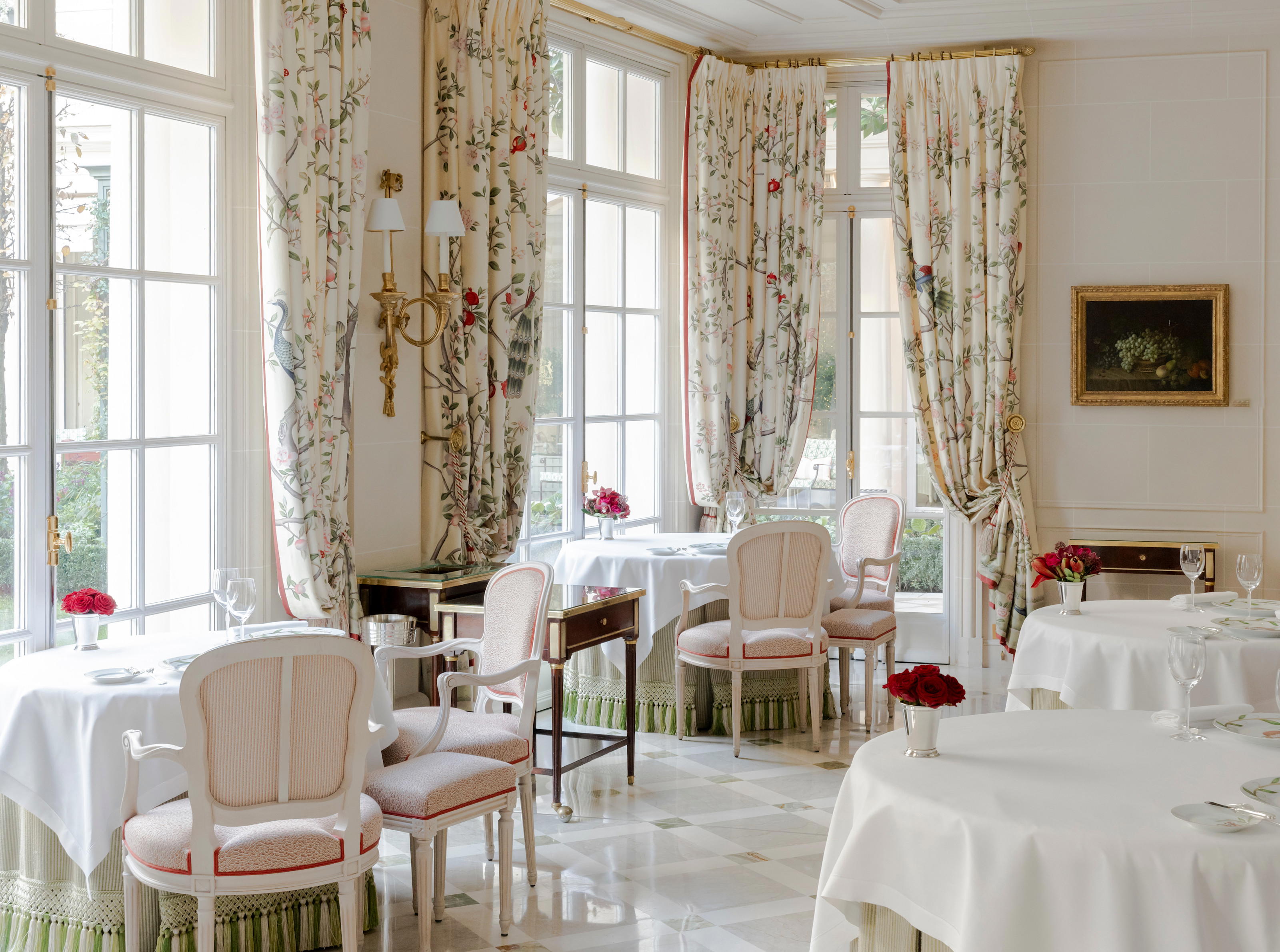
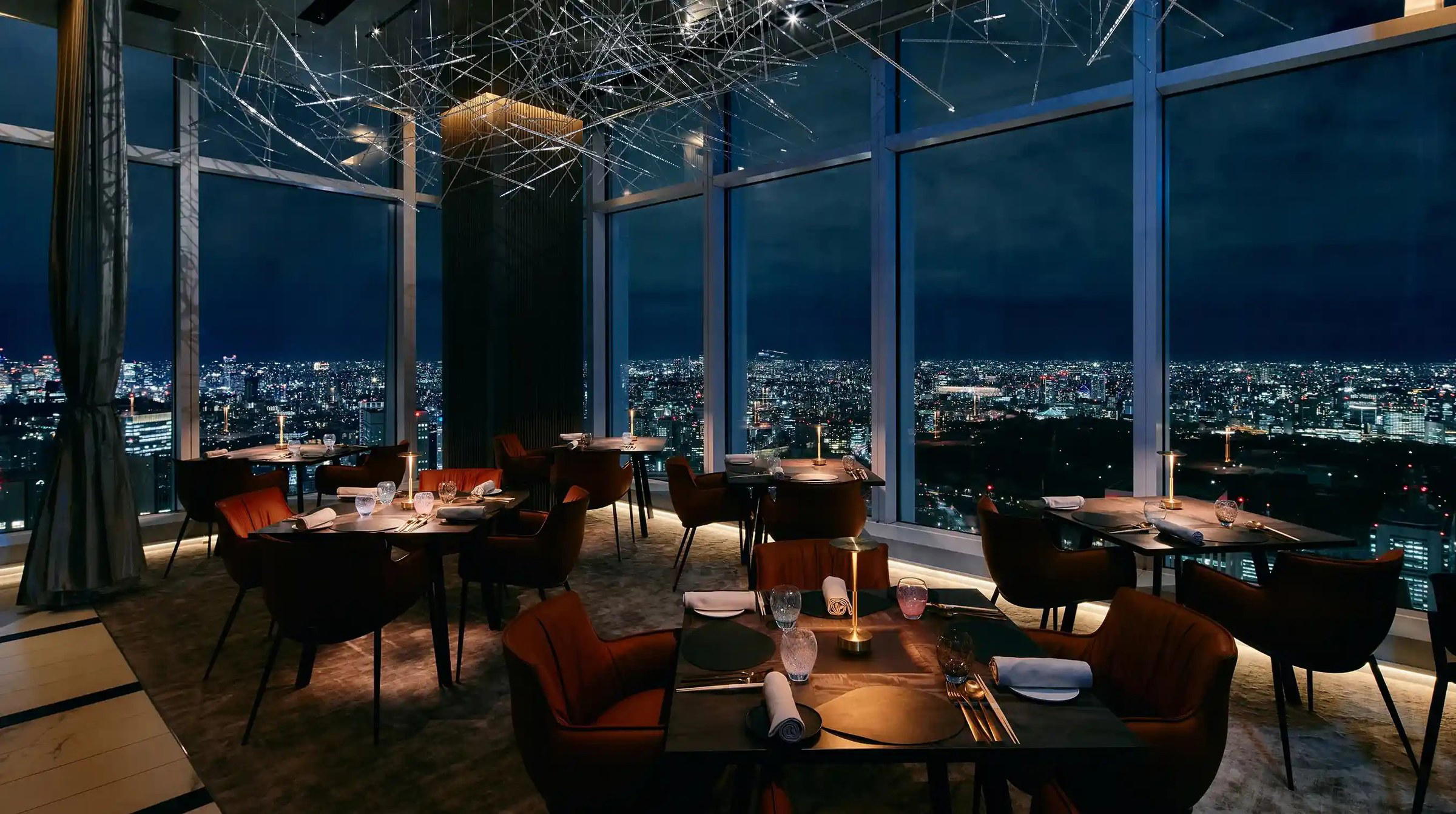
Bars in Paris
Browse all →

Hotels in Paris
Browse all →
Wineries in Paris
Browse all →
At a Glance
- Cozy
- Trendy
- Casual Hangout
Compact and bustling with tables close together, creating an casual, authentic Japanese eatery feel.