On Rue du Faubourg Saint-Honoré, one of Paris's most formal retail and dining corridors, Yatai Ramen occupies an address that places Japanese ramen in direct conversation with the French capital's haute cuisine tradition. The format draws from the Japanese street-stall model, informal, counter-focused, broth-centred, transposed into the 8th arrondissement's dense concentration of Michelin-starred rooms and luxury hotels.
Pearl is the En Primeur Club membership app — saves, bookings, and concierge access live there. Same editors, same standards.
- Address
- 127 Rue du Faubourg Saint-Honoré, 75008 Paris, France
- Phone
- +33144072282
- Website
- yatairamen.fr
- Directions
- Get directions
 Saves & bookings on Pearl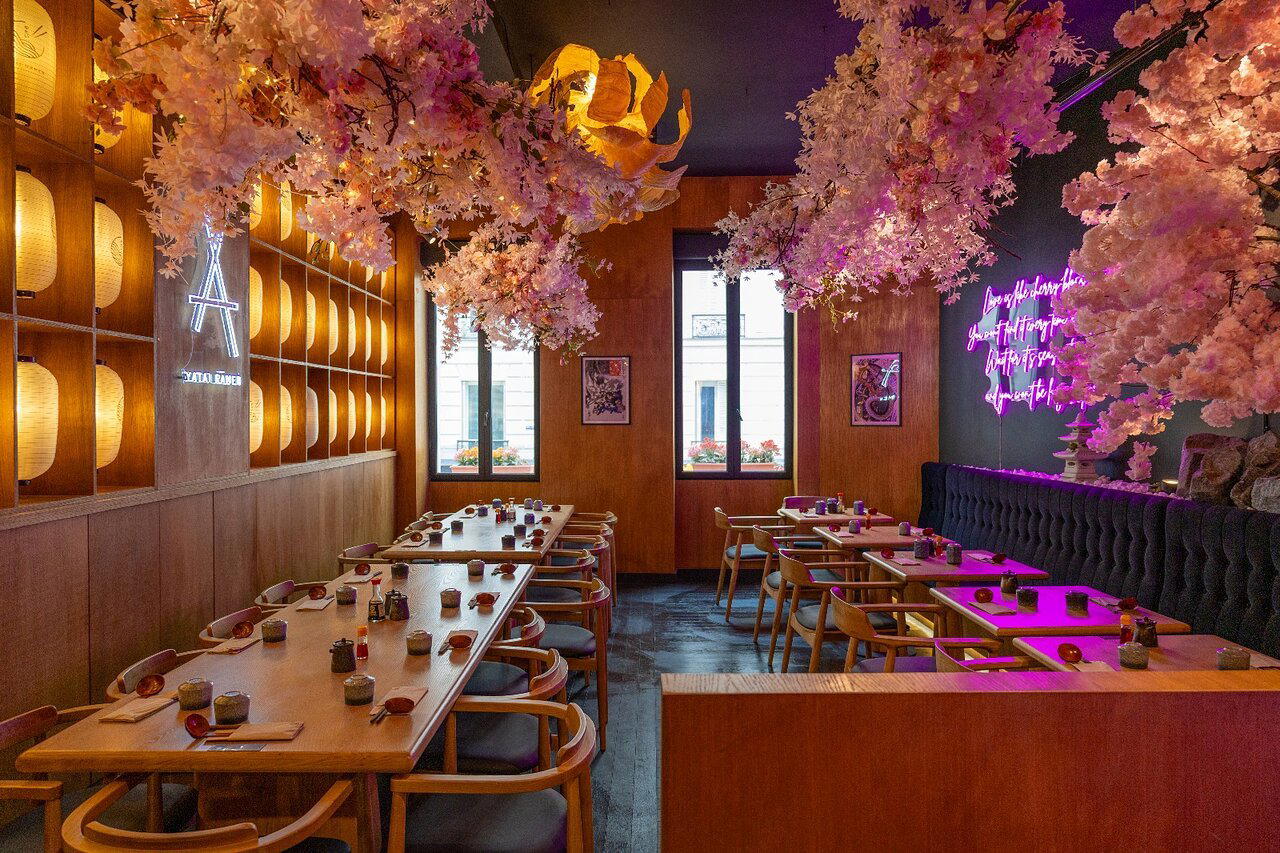
Japanese Ramen on Paris's Most Formal Street
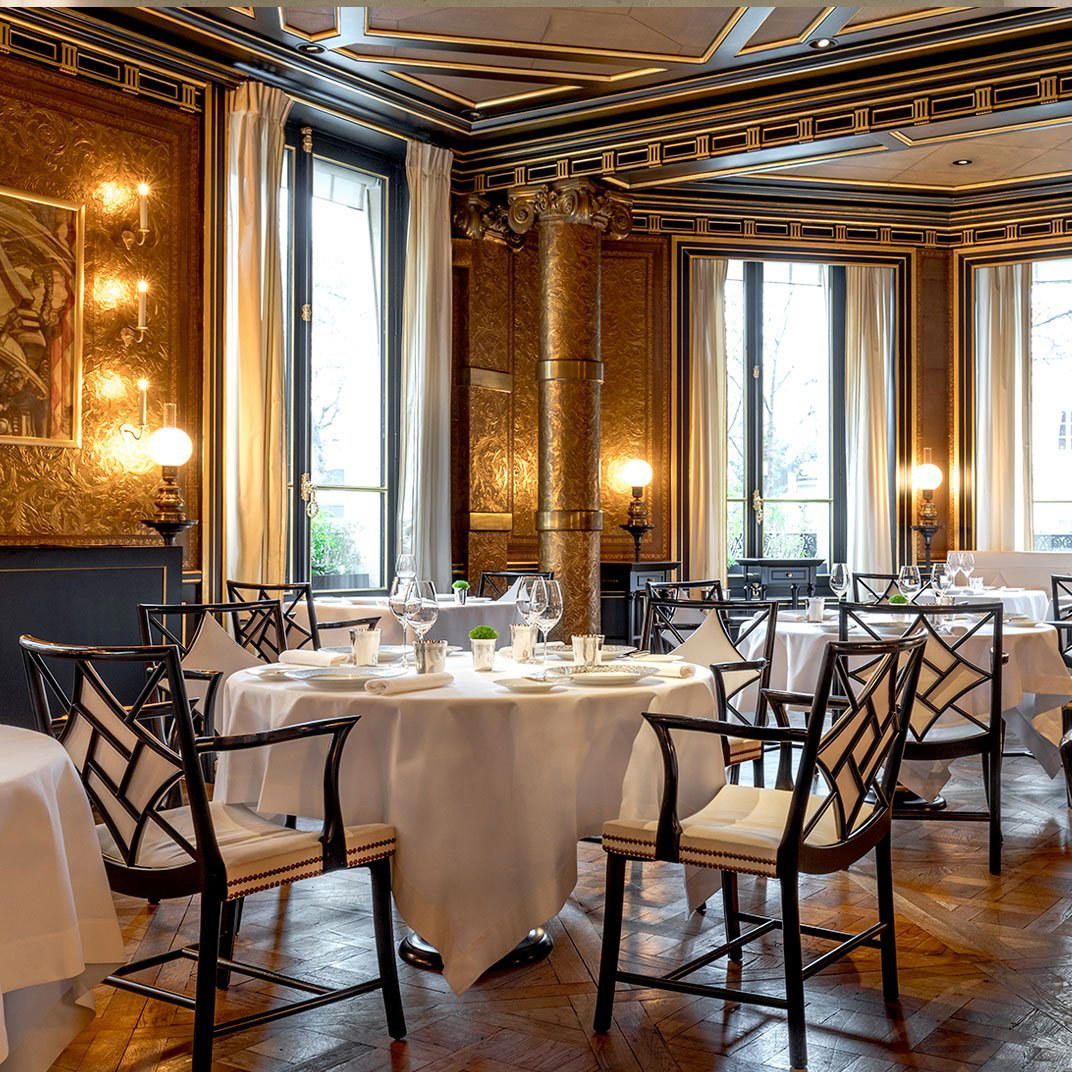
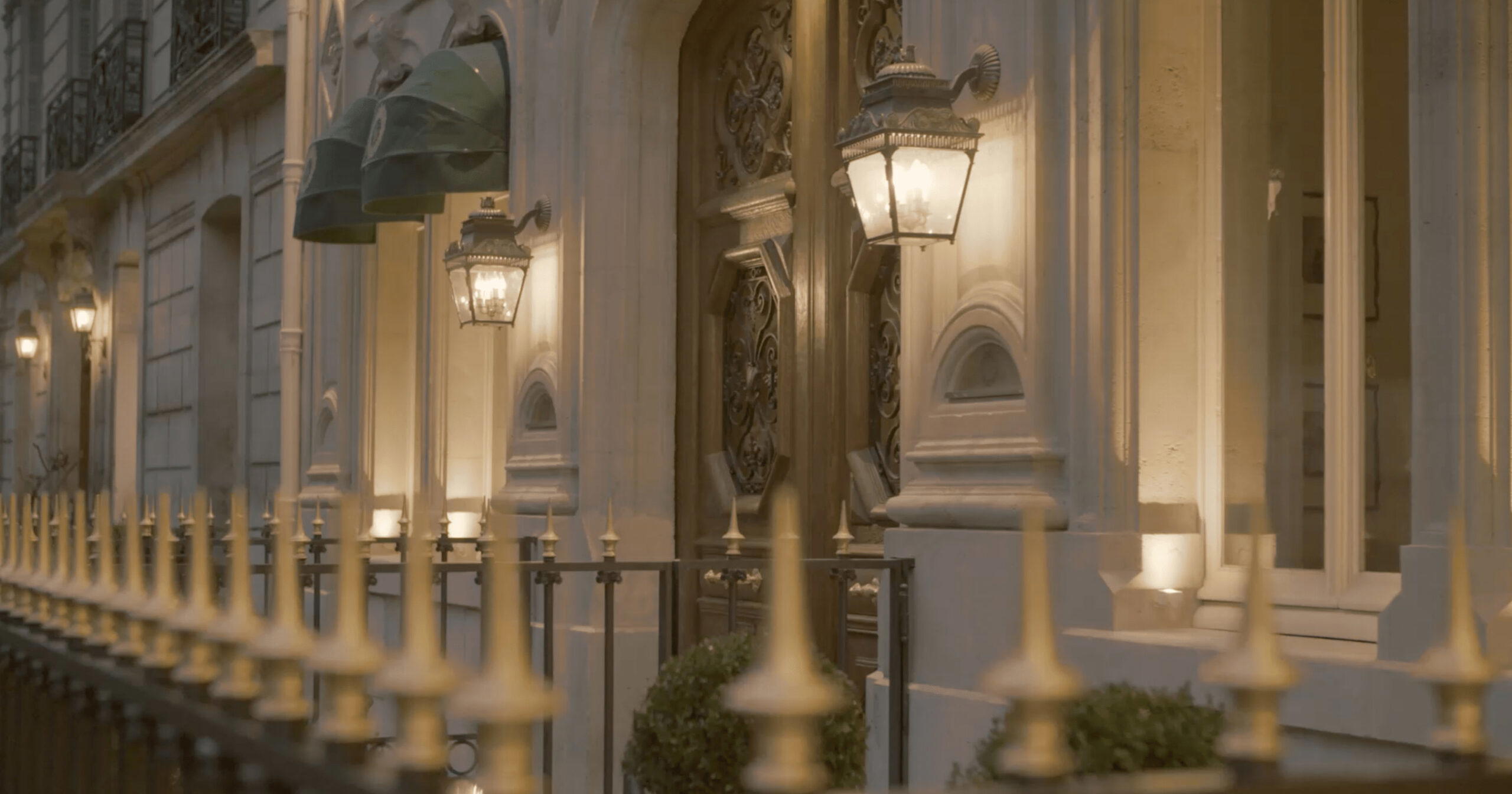
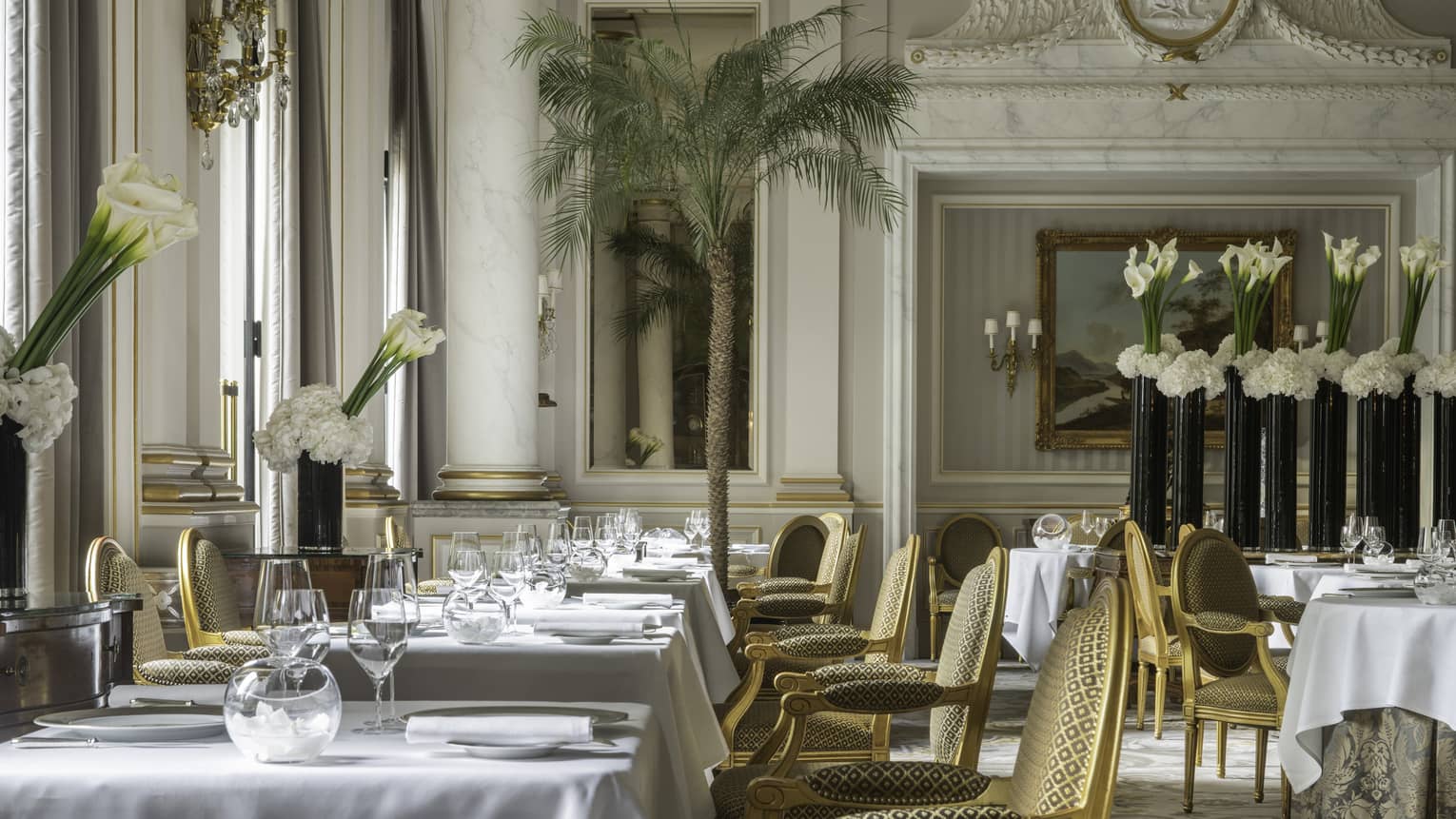
Rue du Faubourg Saint-Honoré is not a street that does things quietly. Within a few hundred metres of Yatai Ramen's address at number 127, you will find the kind of restaurants that require weeks of advance planning and a considered approach to the bill, rooms like Le Cinq at the Four Seasons Hôtel George V, where French modern cuisine meets full grand-hotel ceremony, and the creative counter at Alléno Paris au Pavillon Ledoyen. It is a street that has historically rewarded formality. Which makes the yatai format, the Japanese open-stall, counter-service model that originated in Fukuoka's street markets, a considered counterpoint to its neighbours.
Ramen in Paris has followed a familiar arc. What began as a handful of imported chain formats in the early 2010s has grown into a category with genuine range, from fast-casual bowls near the Grands Boulevards to more considered broth-forward houses in the Marais and Canal Saint-Martin. The 8th arrondissement sits slightly apart from that cluster: it is haute cuisine territory, which makes a ramen address here less about neighbourhood dining and more about a deliberate positioning against a different kind of occasion.
The Occasion Case for Ramen in the 8th
There is a particular dining occasion that grand French restaurants in Paris handle well and that Japanese ramen addresses handle differently but no less effectively: the meal that marks something. In the classic French register, that means rooms like L'Ambroisie on the Place des Vosges or Arpège in the 7th, where the occasion is carried by the architecture of the service, the ceremony of the trolleys, the weight of the menu. The ramen format offers a different kind of milestone meal, one where the occasion is carried by the product itself, by the hours of preparation condensed into a bowl of broth, by the specificity of a restaurant that has chosen to do one thing in depth rather than many things broadly.
This is a model that has worked in cities with serious ramen cultures. Fukuoka's street stalls, Tokyo's standing-counter shops, the allocation-only ramen rooms that have appeared in London and New York in recent years, all of them make the case that a bowl of ramen, correctly executed, is as legitimate a vehicle for a significant meal as a multi-course tasting menu. The geography of 127 Rue du Faubourg Saint-Honoré puts that argument in its sharpest possible Parisian context.
Kei, the Japan-meets-French-technique room near the Palais-Royal that holds three Michelin stars, and within day-trip range of destinations like Mirazur in Menton and Flocons de Sel in Megève. Ramen in this context is not a detour from a France dining itinerary; it is a calibration of it.
The Yatai Format as a Dining Model
The word yatai refers to the wheeled or semi-permanent food stalls that remain a defining feature of street food culture in Fukuoka and, to a lesser degree, in Osaka and Tokyo. The format is defined by its directness: a counter, a small number of seats, a focused menu anchored to a single broth style, and a pace of service that is quick without being perfunctory. In Japan, the leading yatai are generational operations; the stall's longevity is part of its credential. Translated to a Parisian address, the format carries with it an implied argument about what a significant meal can look like when it strips away the apparatus of fine dining and concentrates on the quality of the base product.
Paris has seen versions of this logic applied in other categories. The natural wine bars of the 11th arrondissement, the fromageries that operate as destination counter experiences, the specialist charcuterie rooms that anchor a meal to a single cured product, all of them are expressions of the same idea. Yatai Ramen on Faubourg Saint-Honoré extends that idea into the Japanese broth register, in a postcode that has more conventionally housed it in French classical and modern forms.
The French dining tradition has its own deep vocabulary for celebration meals, the sort of rooms that feature in Paul Bocuse's Auberge du Pont de Collonges outside Lyon, or in the Alsatian grandeur of Auberge de l'Ill in Illhaeusern and Au Crocodile in Strasbourg. Those rooms carry their occasion-marking weight through accumulation: courses, silverware, service choreography. A focused ramen counter proposes a different calculus, where depth in a single preparation substitutes for breadth across many.
Placing Yatai Ramen in the Wider Paris Occasion Dining Map
The 8th arrondissement's dining concentration means that a meal at the restaurant is rarely the only meal on a visitor's Paris schedule. The street's proximity to the Golden Triangle of luxury retail and the cluster of palace hotels makes it a natural stop for a lunch that does not require the formal commitment of an evening tasting menu. In that sense, the yatai format functions as a peer to the brasserie tradition, a mode of eating that is serious without being ceremonial, that can anchor a midday occasion without demanding an afternoon of recovery.
For comparison across French regions, the pattern of serious eating extending beyond Paris is well-documented: Bras in Laguiole, Assiette Champenoise in Reims, Troisgros in Ouches, and Auberge du Vieux Puits in Fontjoncouse are all within France's serious dining circuit. Within Paris itself, the cross-cultural creative argument is made at rooms like AM par Alexandre Mazzia in Marseille, where technique crosses cultural reference points in a way that shares conceptual ground with what a well-executed Japanese format on a grand French street is also attempting. Internationally, the comparison extends to Le Bernardin in New York and Atomix, both of which demonstrate how a focused, culturally specific format can hold its own in a city defined by a different culinary tradition.
Side-by-Side Snapshot
Comparable venues nearby, for context on price, style, and recognition.
| Venue | Cuisine | Price | Notes |
|---|---|---|---|
| Yatai RamenThis venue — the venue you are viewing | Japanese Ramen with French Fusion | $$ | Not listed |
| Kodawari Ramen (Tsukiji) | Authentic Tsukiji-Style Fish Ramen | $$ | Louvre / Palais-Royal |
| Pink Koï | Modern Japanese Fusion Robatayaki | $$$ | Les Halles |
| AO Izakaya | Franco-Japanese Izakaya | $$$ | 9th Arr. |
| Kinugawa | Contemporary Japanese | $$$ | 7th arrondissement |
| Sumo | Japanese & Chinese Sushi | $$ | Sorbonne |
Continue exploring
More in Paris
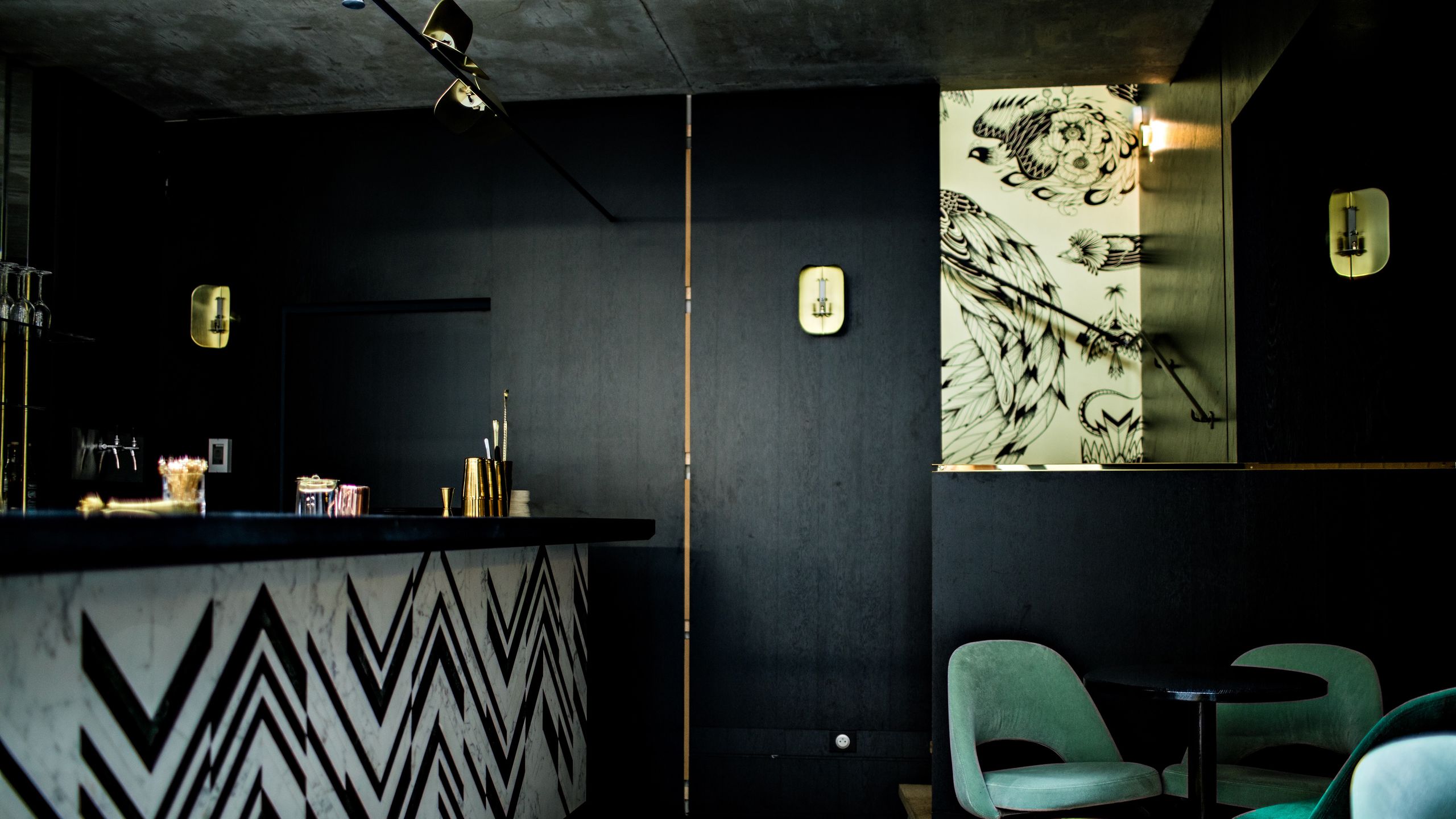
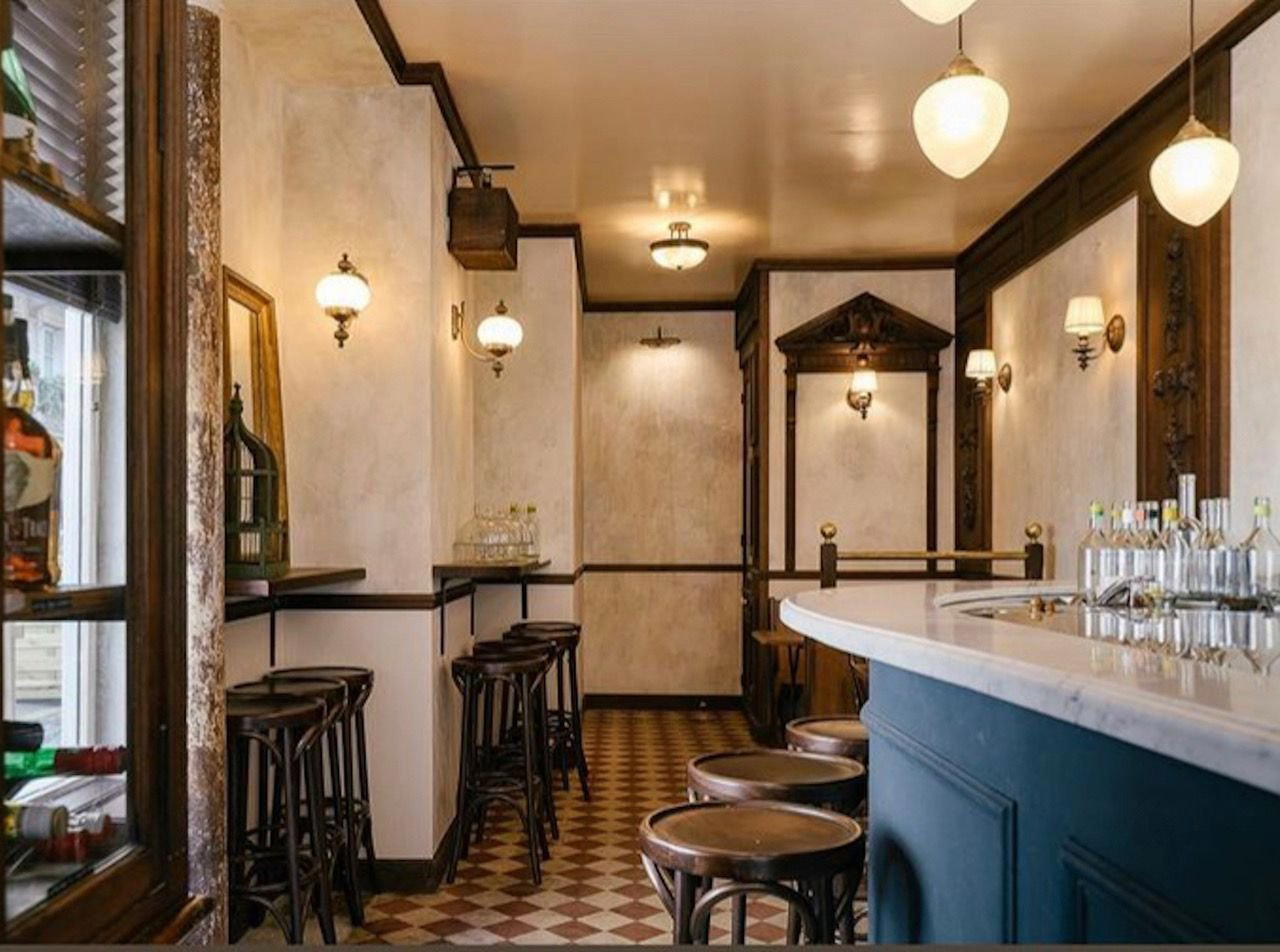
Restaurants in Paris
Browse all →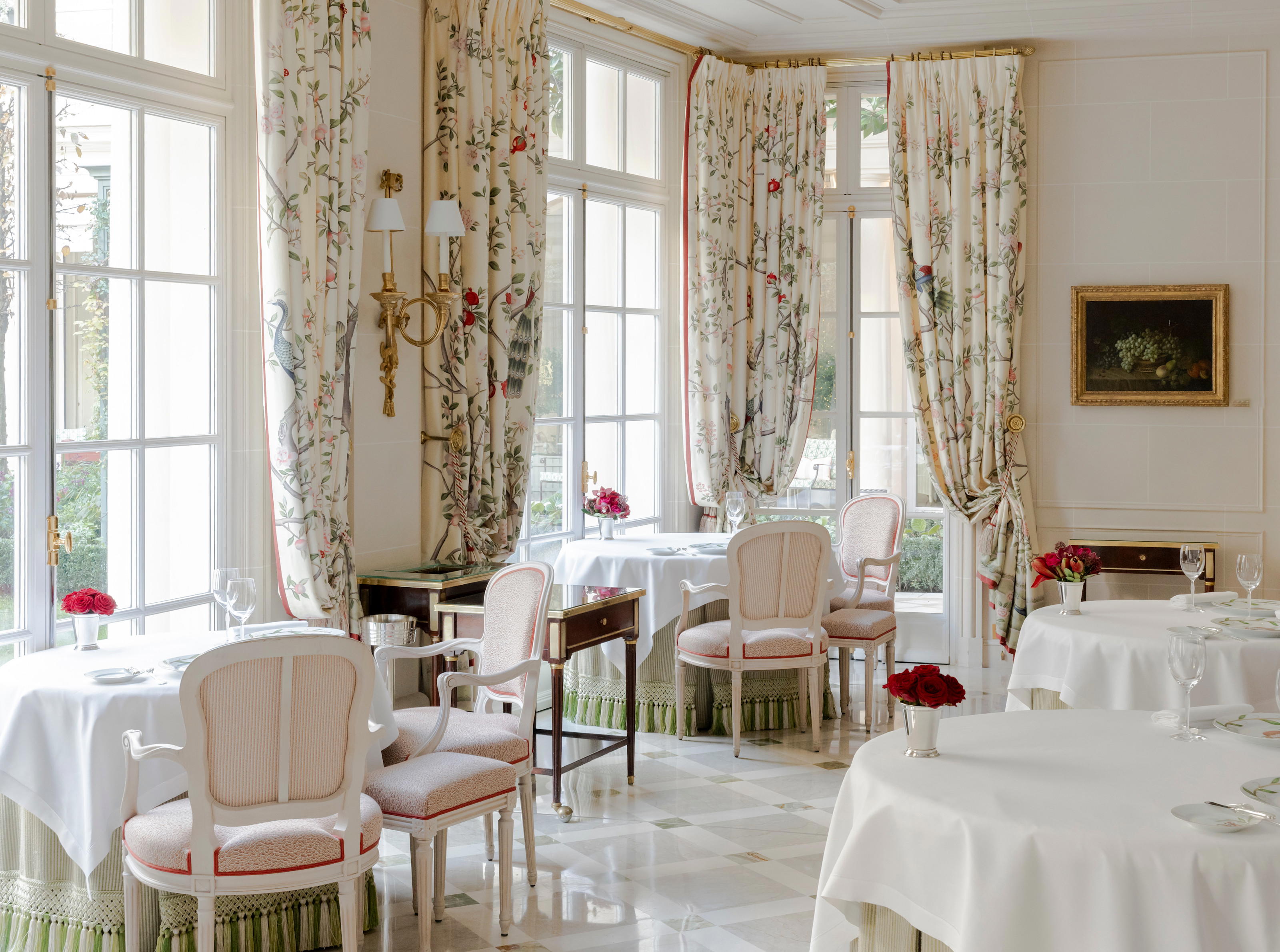

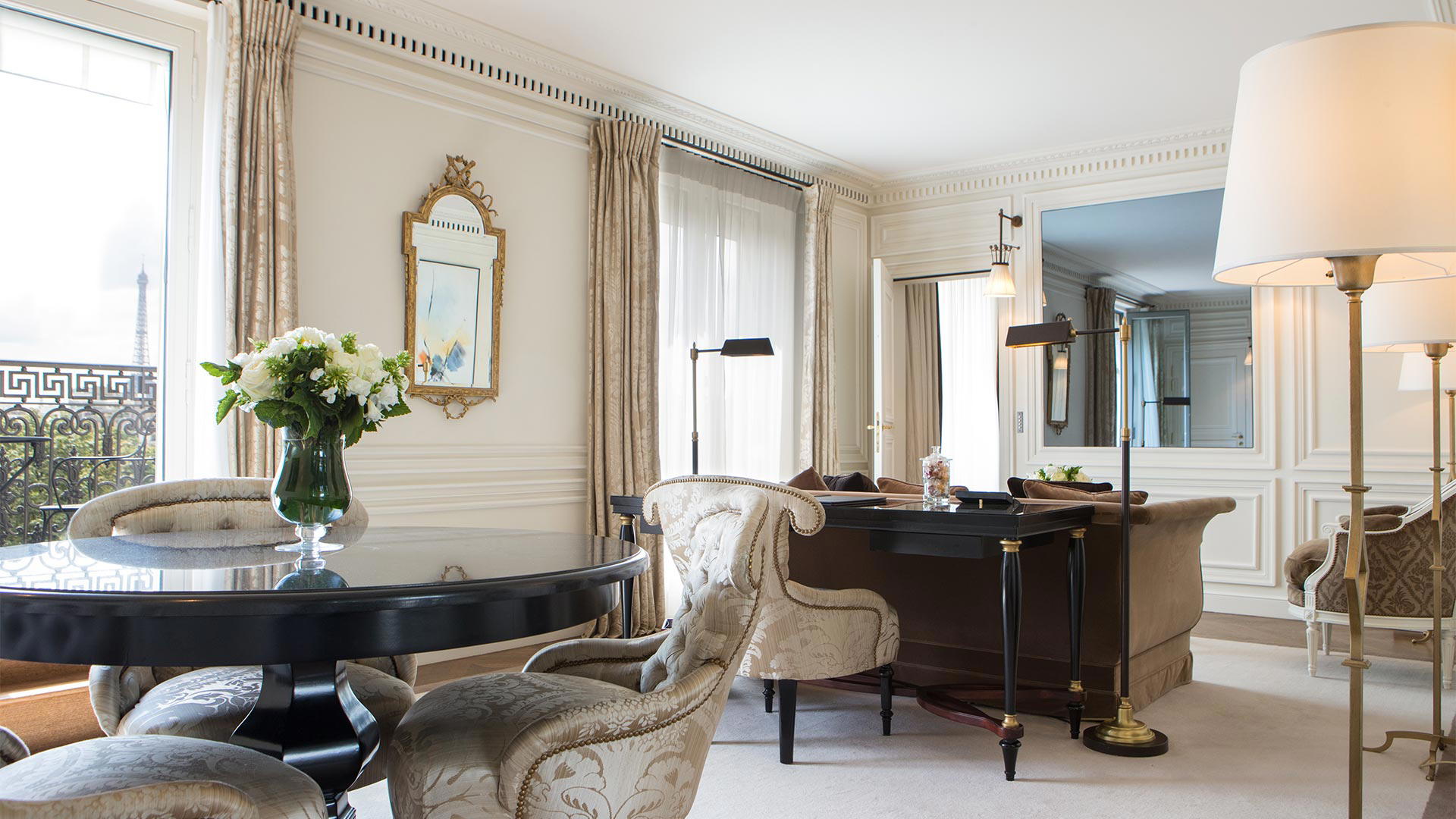
Hotels in Paris
Browse all →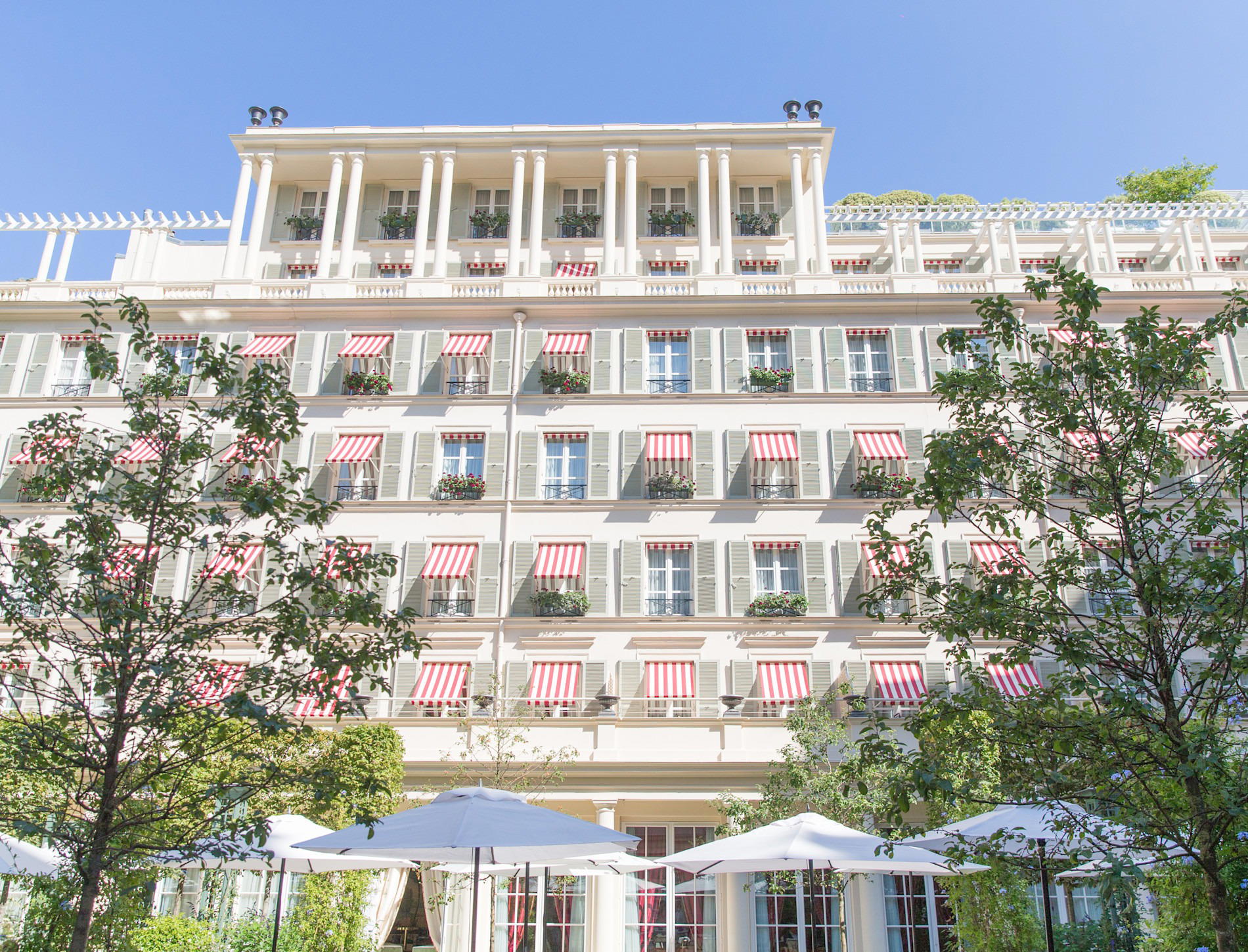
Wineries in Paris
Browse all →
At a Glance
- Modern
- Cozy
- Casual Hangout
- Group Dining
- Family
- Open Kitchen
- Standalone
- Beer Program
- Farm To Table
Current opening hours
- Monday
- 11:30 AM–2 PM, 6:30–10 PM
- Tuesday
- 11:30 AM–2 PM, 6:30–10 PM
- Wednesday
- 11:30 AM–2 PM, 6:30–10 PM
- Thursday
- 11:30 AM–2 PM, 6:30–10 PM
- Friday
- 11:30 AM–2 PM, 6:30–10 PM
- Saturday
- 11:30 AM–3 PM, 6:30–10 PM
- Sunday
- 11:30 AM–3 PM, 6:30–10 PM
Hours can change for holidays and private events. Last verified .
Well-cared-for Japanese-inspired décor with a modern, welcoming atmosphere; quiet and away from noise and crowds despite central Paris location.