Our verdict
Kintaro Sushi Senopati occupies a quiet address on Jl. Suryo in Jakarta's Senopati corridor, a neighbourhood that has become the city's most concentrated stretch of Japanese dining. The setting positions it within a tier of sushi counters that serve a clientele largely indifferent to the informal warung circuit below and the hotel-based Japanese fine dining above.

Pearl is the En Primeur Club membership app — saves, bookings, and concierge access live there. Same editors, same standards.
- Address
- Jl. Suryo No.20, Rw. Bar., Kec. Kby. Baru, Jakarta, Daerah Khusus Ibukota Jakarta 12180, Indonesia
- Phone
- +6281717170366
- Hours
- Daily 11 AM–9:30 PM
- Website
- api.whatsapp.com
- Directions
- Get directions
- Booking
- Book on the venue's website
The menu
What to order
- Crispy Gyu Katsu
- Salmon Mentai Don
- Nori Nachos
Senopati's Japanese Dining Tier and Where Kintaro Sits
Jakarta's Senopati and Kebayoran Baru district has spent the better part of a decade consolidating into the city's most legible fine-casual corridor. The streets running off Jl. Senopati and Jl. Suryo host a density of Japanese restaurants, modern Indonesian kitchens, and European-influenced bistros that collectively serve Jakarta's most internationally travelled dining public. Kintaro Sushi Senopati, at Jl. Suryo No.20, operates inside that corridor rather than at its fringes, which means it competes directly with the neighbourhood's other Japanese counters rather than drawing on geographic novelty. In a city where Japanese cuisine spans everything from fast-casual conveyor-belt formats to multi-course kaiseki, the Senopati tier occupies a middle ground where execution and consistency matter more than ceremony.
For context on how this neighbourhood fits into Jakarta's broader dining map, the full Jakarta restaurants guide covers the city's key districts and the categories of dining that define each one. The Kebayoran Baru and Senopati pocket sits apart from the Central Jakarta hotel cluster and the Kemang strip — the latter better represented by places like Abunawas Restaurant's Kemang branch — and draws a crowd that tends to treat the neighbourhood as a dining destination rather than a convenience stop.
The Wine and Beverage Question at Sushi Counters in Jakarta
Across Southeast Asia's major cities, the question of how a sushi counter handles its beverage program has become a meaningful differentiator. The default in many markets is a short sake list assembled for recognition value rather than depth, paired with a wine list that leans on familiar labels rather than thoughtful curation. Jakarta's more ambitious Japanese venues have started to move away from that pattern. The city's growing cohort of wine-literate diners, partly shaped by venues like Cork and Screw-adjacent programming and the natural wine conversations happening at places like August, has created demand for beverage programs that treat the pairing question seriously.
At a sushi counter specifically, that question is non-trivial. The canonical pairing logic runs toward clean, high-acid whites, aged junmai daiginjo sake, and occasionally lighter Burgundy-adjacent Pinot Noir for richer preparations. A counter that handles its beverage program with precision is signalling something about the seriousness of its overall operation. The sommelier or beverage lead role at a sushi venue is a different discipline from a sprawling French restaurant like Le Bernardin in New York, where cellar depth runs into thousands of references, but the intellectual demands on the selector are comparable: the pairings are less forgiving precisely because the food is so restrained.
Among Jakarta's Japanese venues, the beverage tier is still stratified. Some counters treat wine as an afterthought, a gesture toward Western diners, while others have invested in sake programs that function as genuine educational resources for guests. Where Kintaro Senopati's program sits within that stratification is information that rewards direct inquiry at the time of booking, since beverage lists in this segment of the market tend to evolve seasonally and are rarely published in full online.
Jakarta's Sushi Counter Format Compared to Regional Peers
The omakase counter format, fixed-course, chef-directed, often eight to twelve seats, has spread across Southeast Asia's premium dining tier in the past five years. Bangkok, Singapore, and Kuala Lumpur all have established omakase ecosystems with counters that have received formal recognition from regional guides. Jakarta's scene is younger and less formally documented, though the demand base is comparable. Venues like Kita in Kecamatan Menteng represent the broader Japanese-influenced fine dining conversation happening across the city.
For comparison, Bali's dining circuit has moved toward international recognition faster, Locavore NXT in Ubud is the clearest example of a regional venue building a formal awards profile, but Jakarta's scale and its concentration of high-net-worth residents makes it a more structurally significant market for a venue operating at the premium tier. The challenge for Jakarta's Japanese counters is that the city's dining press and awards infrastructure is less developed than Singapore's or Bangkok's, which means reputation tends to travel through social networks and repeat-visitor word of mouth rather than formal critical channels.
That dynamic gives venues in the Senopati corridor a particular operating logic: the guest relationship matters more than public-facing brand building, and consistency across visits is the primary trust signal. Venues like Bistecca and Aged + Butchered Jakarta operate in adjacent premium categories where that same repeat-visitor calculus applies.
The Senopati Address and What It Implies for Planning
Jl. Suryo No.20 sits within easy walking distance of the core Senopati restaurant strip, though Jakarta's traffic patterns make the neighbourhood more accessible by ride-hailing apps than by private car at peak hours. The Kebayoran Baru district is well served by the Gojek and Grab infrastructure, and the address is direct to locate. For visitors staying in the SCBD or Sudirman corridor, the journey is short by Jakarta standards. Visitors based further north, in Menteng or Central Jakarta, should account for significantly longer transit times during evening rush.
The broader Senopati dining circuit rewards a multi-stop approach. The neighbourhood has enough density that a pre-dinner drink at a nearby bar, or a post-dinner dessert stop at a venue like Bakerzin's broader portfolio, is logistically feasible. Jakarta's premium dining is also worth cross-referencing with what's happening in nearby cities: Kunyit in Bandung and Agreya Coffee in Bogor represent the day-trip options for visitors spending time in the greater Jakarta region.
For those whose Jakarta itinerary includes a broader range of Asian dining formats, the city's hotpot circuit is worth noting as a point of contrast: Chongqing Liuyishou Hotpot in South Jakarta and Hai Di Lao in Central Jakarta operate at a completely different register, communal and high-volume, which throws the counter-format sushi experience into sharper relief. The contrast between formats is part of what makes Jakarta's dining diversity worth engaging with deliberately rather than defaulting to one neighbourhood or cuisine category. Korean-influenced fine dining, represented in the regional conversation by venues like Atomix in New York, has a comparable counter-format logic that illustrates how the omakase structure has travelled across culinary traditions.
Planning Notes
Booking details, current hours, and pricing for Kintaro Sushi Senopati are best confirmed directly via the venue's current contact channels, as this information is subject to change and was not available at the time of publication. For Jakarta's premium Japanese counters as a category, advance planning of at least one to two weeks is advisable for weekend sittings, with weekday availability generally more accessible. The Senopati address is most reliably reached by ride-hailing, and parking in the immediate vicinity of Jl. Suryo can be constrained during peak evening hours.
Frequently asked questions
What part of town is Kintaro Sushi Senopati in?
Kintaro Sushi Senopati is located at Jl. Suryo No.20, Rw. Bar. Kec. Kby. Baru, Jakarta, Daerah Khusus Ibukota Jakarta 12180, Indonesia, Jakarta.
Is Kintaro Sushi Senopati suitable for a business dinner in Jakarta?
The omakase counter format at Jl. Suryo No.20 in Kebayoran Baru lends itself to focused, sequential dining rather than the open-table flexibility that traditional business entertaining often requires. In Jakarta's Japanese dining tier, counters of this kind tend to seat small groups and maintain a chef-directed pace, which suits a two- to four-person meeting over a longer meal. Confirm seat configuration and group capacity with the venue before booking a corporate occasion.
What's the must-try dish at Kintaro Sushi Senopati?
Kintaro Sushi Senopati operates within Jakarta's omakase counter format, where the chef directs the sequence rather than a single dish anchoring the meal. Specific menu items rotate and are best confirmed with the venue directly before your visit. What the Senopati address signals is a kitchen operating within a neighbourhood that holds Jakarta's most concentrated tier of serious Japanese dining.
How far ahead should I plan for Kintaro Sushi Senopati?
Omakase counters in Jakarta's Senopati and Kebayoran Baru corridor, particularly those with eight to twelve seats, typically fill one to four weeks ahead depending on the day and season. Kintaro's position on Jl. Suryo No.20 places it within the most active stretch of that dining strip, which adds pressure on weekend slots. check the venue's official channels for current booking availability and lead times.
Comparable Venues
Comparable venues nearby, for context on price, style, and recognition.
| Venue | Cuisine | Price | Notes |
|---|---|---|---|
| Kintaro Sushi SenopatiThis venue — the venue you are viewing | Modern Japanese Sushi | $20–30 | Not listed |
| Sushi Masa | Premium Japanese Omakase & Sushi | $50–100 | Penjaringan |
| MAISON TATSUYA Teppanyaki PAKUBUWONO | Japanese Teppanyaki | Not listed | Gunung |
| Osteria GIA Pondok Indah Mall 2 | Casual Italian Trattoria | $20–30 | Pondok Pinang |
| The Cafe | International Buffet | Not listed | Gelora |
| Seasonal Tastes at The Westin Jakarta | International Buffet | Not listed | Karet Kuningan |

Details
- Modern
- Trendy
- Cozy
- Date Night
- Casual Hangout
- Open Kitchen
- Sake Program
- Garden
- A La Carte
- Halal
Current opening hours
- Monday
- 11 AM–9:30 PM
- Tuesday
- 11 AM–9:30 PM
- Wednesday
- 11 AM–9:30 PM
- Thursday
- 11 AM–9:30 PM
- Friday
- 11 AM–9:30 PM
- Saturday
- 11 AM–9:30 PM
- Sunday
- 11 AM–9:30 PM
Hours can change for holidays and private events. Last verified .
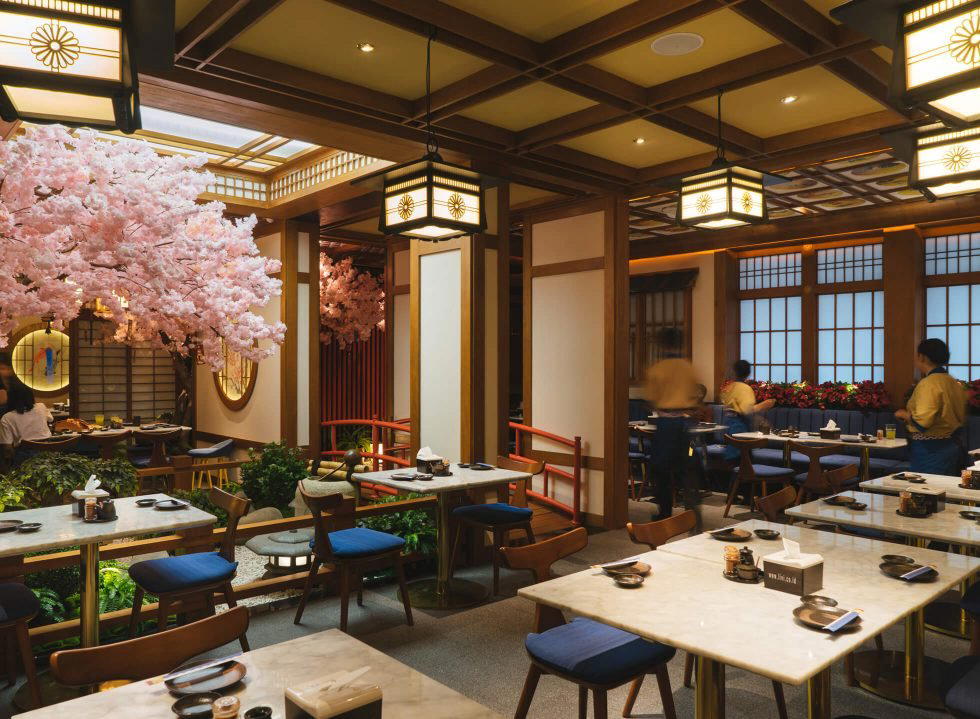
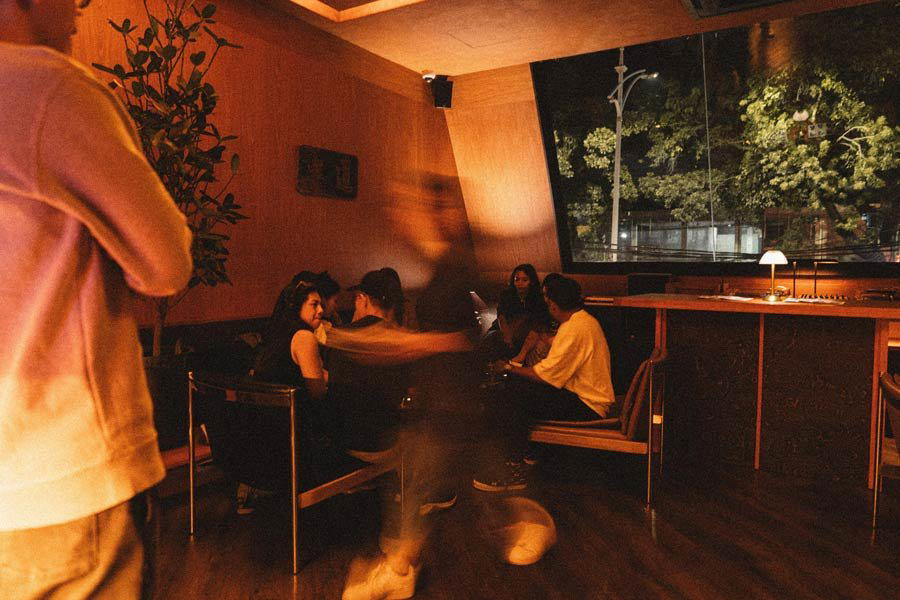
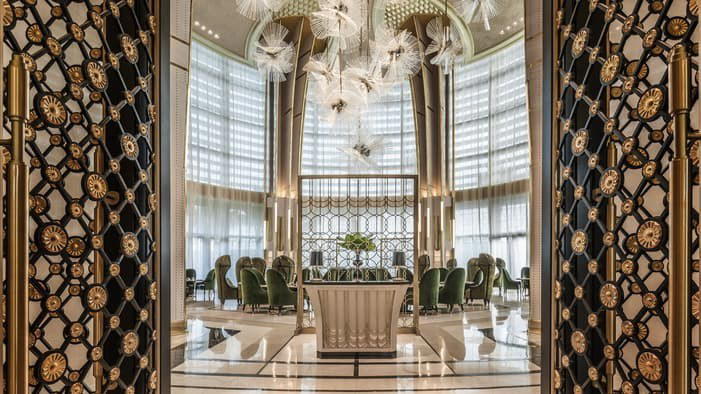
Beautifully designed interior with thoughtful details like sakura elements, mini gardens, and photo-worthy spots, creating an immersive and aesthetically pleasing Japanese atmosphere.