Ramen Danbo
A Japanese ramen chain with a devoted following, Ramen Danbo on Capitol Hill brings Fukuoka-style tonkotsu to Seattle's dense, ramen-literate dining scene. The menu's structured customization system sets it apart from more casual noodle shops, letting diners dial in broth richness, noodle firmness, and garlic level with precision. Located at 1222 E Pine St, it occupies a neighborhood that takes its food seriously.
Pearl is the En Primeur Club membership app — saves, bookings, and concierge access live there. Same editors, same standards.
- Address
- 1222 E Pine St, Seattle, WA 98122
- Website
- ramendanbo.com
- Directions
- Get directions
 Saves & bookings on Pearl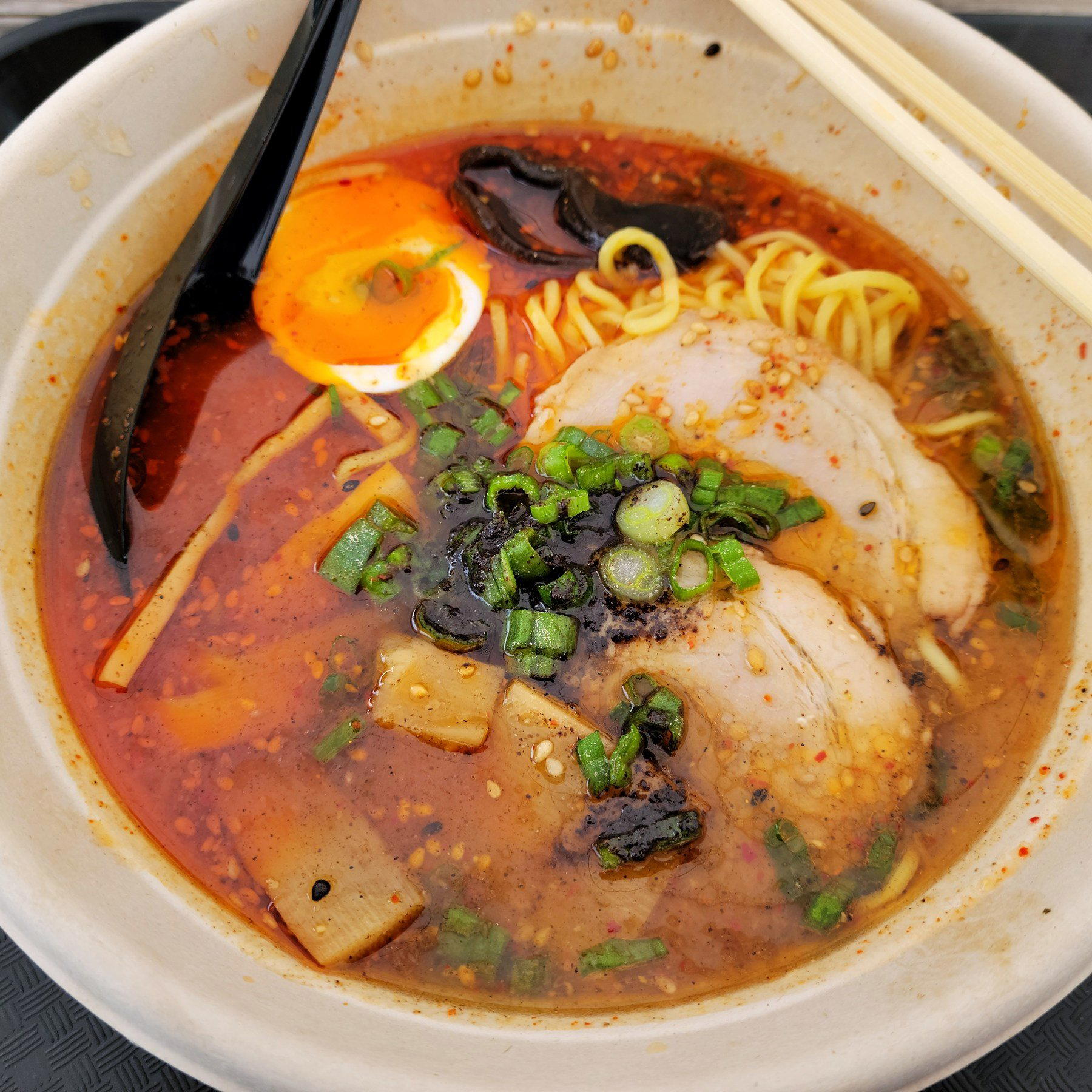
Capitol Hill and the Ramen Counter
Seattle's Capitol Hill has spent the better part of a decade consolidating into one of the Pacific Northwest's more serious dining corridors. The stretch around Pike and Pine hosts everything from reservation-only tasting menus to late-night counter seats, and the neighborhood's density means format and price signal matter. Within that context, Ramen Danbo at 1222 E Pine St occupies a specific position: a Japanese ramen chain with Canadian and US outposts, originating in Fukuoka, Japan, where tonkotsu is not a trend but a regional staple with decades of codified practice behind it.
The broader Seattle ramen scene has matured considerably. Where a single bowl of tonkotsu once read as novelty, it now sits alongside Vietnamese, Korean, and New American noodle formats at a range of price points. Within that competitive field, Fukuoka-lineage tonkotsu chains like Danbo operate as a distinct tier: consistent, technically specific, and built around a menu architecture that rewards repeat visits over single-occasion curiosity. That structure is worth understanding before you walk in.
Menu Architecture: The Customization System
Ramen Danbo's menu is built around a framework of adjustable variables rather than a fixed product. Tonkotsu broth forms the base, and from there diners are asked to specify richness level, noodle firmness, garlic quantity, and seasoning intensity. This system comes directly from Fukuoka ramen culture, where the counter experience has long involved the kitchen calibrating each bowl to the individual diner rather than serving a single house standard.
The practical effect is that two people ordering the same bowl can end up with noticeably different results. A diner who requests firm noodles and light broth gets a bowl closer to a cleaner pork-forward soup; someone who opts for rich broth and extra garlic gets something considerably more assertive. What the menu reveals, then, is a kitchen philosophy oriented around repeatability and customization rather than chef expression. This is not a seasonal, produce-driven format in the way that something like Single Thread Farm in Healdsburg or Blue Hill at Stone Barns in Tarrytown operates. The ambition here is precision within a defined system, which is its own form of discipline.
The kaedama option, standard at Fukuoka tonkotsu counters, allows additional noodles to be added to a remaining broth at a nominal charge. It is a small but telling detail: the bowl is designed to be finished with the broth, not abandoned. Regulars use it; first-timers should know it exists.
How Danbo Sits Within Seattle's Dining Spectrum
Seattle's full dining range runs from destination-tier fine dining to fast-casual counters, with a lot of interesting territory in between. On the more formal end, Canlis has defined refined New American dining in the city for generations, and Joule occupies a sharp position in New Asian cooking. These are reservation-forward, occasion-driven experiences with different price points and expectations entirely.
Ramen Danbo belongs to a different part of the spectrum, but it is not a casual afterthought. Within the ramen category specifically, it competes on technical consistency and brand provenance. The Fukuoka origin matters in the same way that a specific wine region matters: it signals a defined tradition with established standards, not an approximation. For Seattle diners who have also eaten at Danbo's Vancouver or Toronto locations, the consistency is itself a recommendation. For first-timers, the origin point provides useful context for what to expect: this is tonkotsu made by people who grew up with it.
The Capitol Hill Context
The address on E Pine St places the restaurant in a stretch of Capitol Hill that draws foot traffic across meal periods. The neighborhood is walkable, transit-connected, and home to a dining population that reads menus carefully. The demographic mix of longtime residents, tech workers, and a historically LGBTQ+ community has produced a block-by-block variety that few Seattle neighborhoods match. A ramen counter here operates in the company of serious competition and an audience that knows the difference between a bowl made to formula and one made to standard.
Seattle's other notable dining addresses, including 1415 1st Ave, 1744 NW Market St, and 2963 4th Ave S, each anchor different neighborhood dining characters. Capitol Hill's character tends toward density, intensity, and a willingness to support specialist formats, which is exactly the environment where a technically specific ramen counter can build a loyal following without needing to broaden its appeal.
Timing and the Bowl
Tonkotsu ramen is a year-round product, but it lands differently by season. In Seattle's damp winter months, from November through March, the broth-forward format aligns well with the conditions outside. Summer service in the city has its own logic, and lighter broth settings within the customization system make the format functional across weather. The kaedama and the adjustable richness scale mean the bowl can be calibrated for the occasion, which is a practical advantage in a city with genuinely variable weather.
Know Before You Go
- Address: 1222 E Pine St, Seattle, WA 98122
- Neighborhood: Capitol Hill, Seattle
- Format: Counter-service ramen with diner-adjustable broth and noodle variables
- Origin: Fukuoka, Japan; with North American locations in Canada and the US
- Kaedama: Additional noodles added to remaining broth, a Fukuoka tonkotsu tradition, ask when ordering
Comparable Venues
Comparable venues nearby, for context on price, style, and recognition.
| Venue | Cuisine | Price | Notes |
|---|---|---|---|
| Ramen DanboThis venue — the venue you are viewing | Fukuoka-style Hakata Tonkotsu Ramen | $$ | Not listed |
| Yoroshiku | Modern Hokkaido Ramen & Izakaya | $$ | Wallingford |
| Taku | Japanese Fried Chicken (Karaage) | $$ | Pike/Pine |
| Kushibar | Japanese Street Food & Kushiyaki | $$ | Belltown |
| Karaage Setsuna | Hawaiian-Japanese Fried Chicken | $$ | Belltown |
| Japonessa Sushi Cocina | Japanese-Latin Fusion Sushi Cocina | $$ | Pike Place Market |
Continue exploring
More in Seattle
Restaurants in Seattle
Browse all →
Bars in Seattle
Browse all →
Hotels in Seattle
Browse all →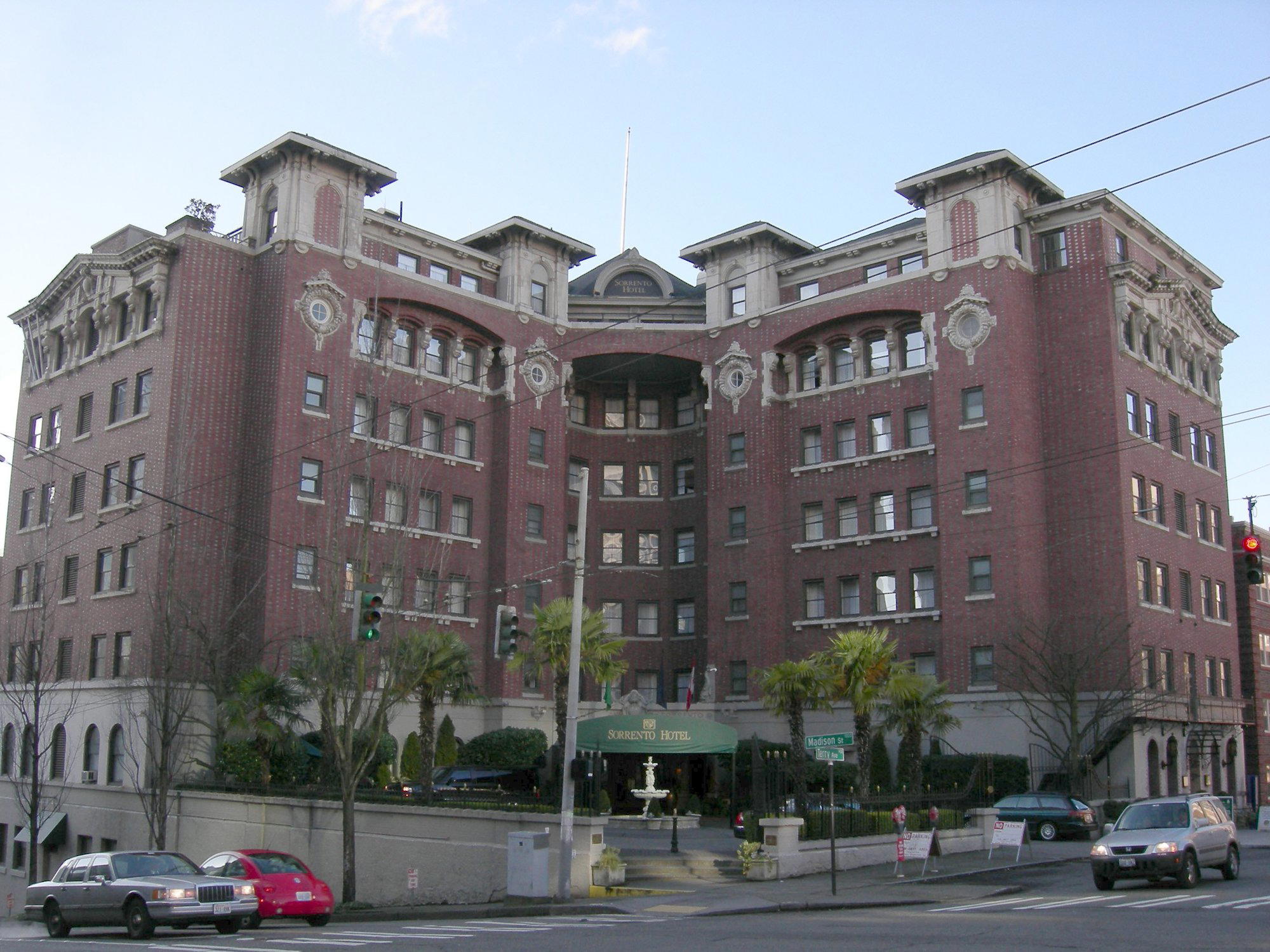
At a Glance
- Trendy
- Cozy
- Casual Hangout
- Late Night
- Sake Program
Current opening hours
- Monday
- 11 AM–11 PM
- Tuesday
- 11 AM–11 PM
- Wednesday
- 11 AM–11 PM
- Thursday
- 11 AM–11 PM
- Friday
- 11 AM–11 PM
- Saturday
- 11 AM–11 PM
- Sunday
- 11 AM–11 PM
Hours can change for holidays and private events. Last verified .
Compact and bustling spot with a casual, trendy ramen shop atmosphere focused on quick, high-quality slurps amid long lines.