
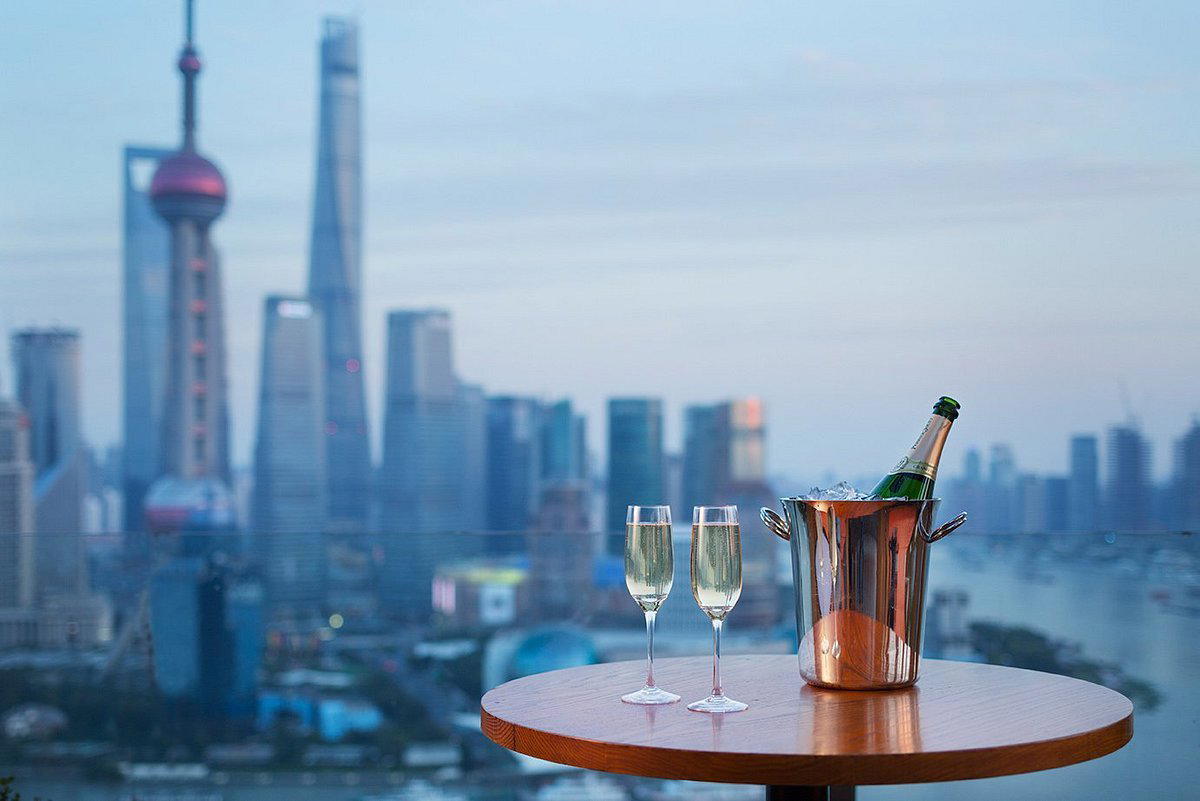
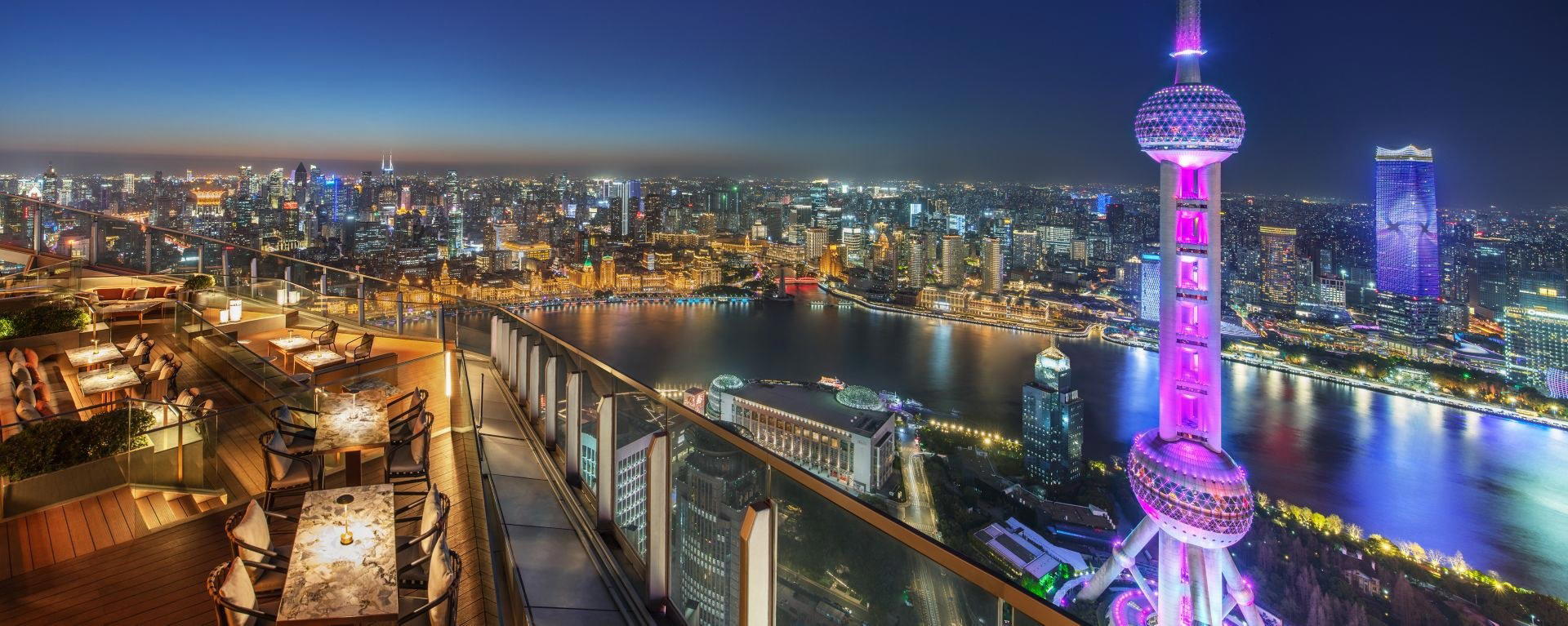
On the 56th floor of Raffles City The Bund, Yong Fu (Hongkou) frames the Pudong skyline and Huangpu River through floor-to-ceiling glass while serving a menu split between Ningbo classics and ingredient-forward novelty dishes. Live seafood arrives daily from Zhejiang Province, grounding the kitchen's ambition in genuine coastal sourcing discipline. It is one of Shanghai's more considered addresses for regional Chinese cuisine at altitude.
 Discover on Pearl
Pearl is the En Primeur Club membership app — saves, bookings, and concierge access live there. Same editors, same standards.
- Address
- 56F, East Tower, Raffles City The Bund, 1089 Dongdaming Road, Hongkou
- Phone
- +86 21 6686 7777
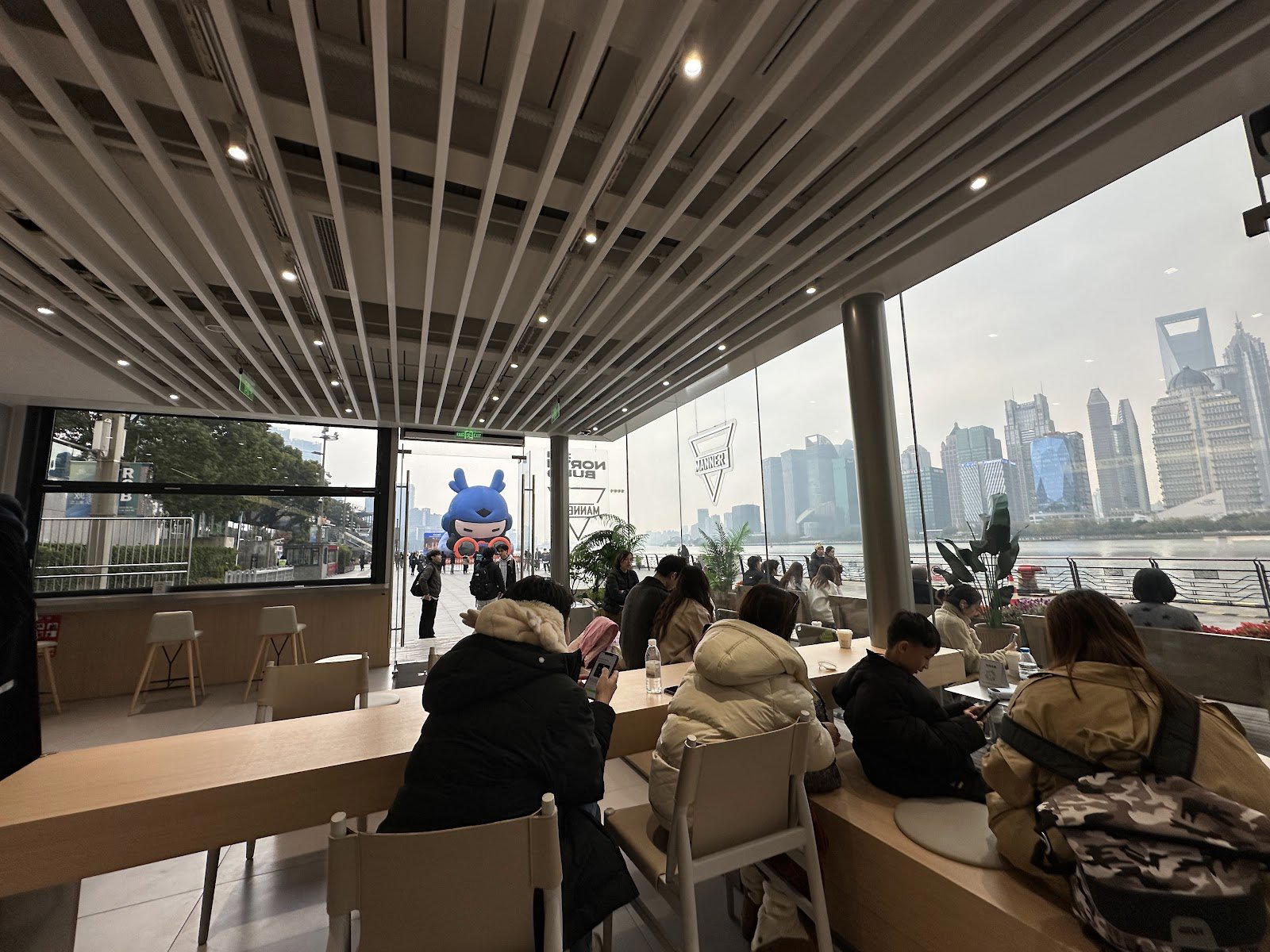
Above the Bund, Grounded in Zhejiang
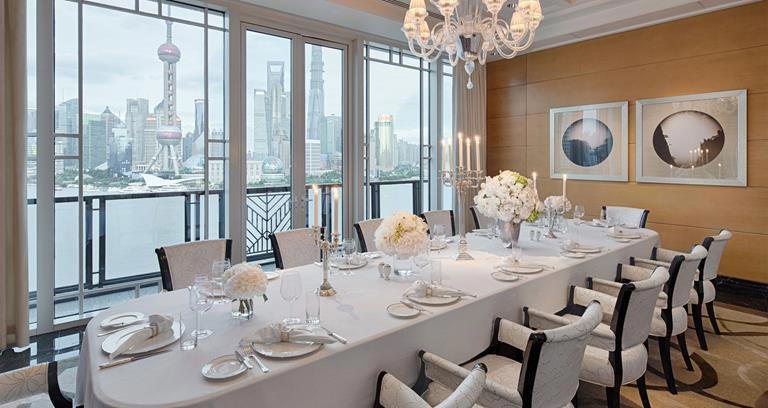
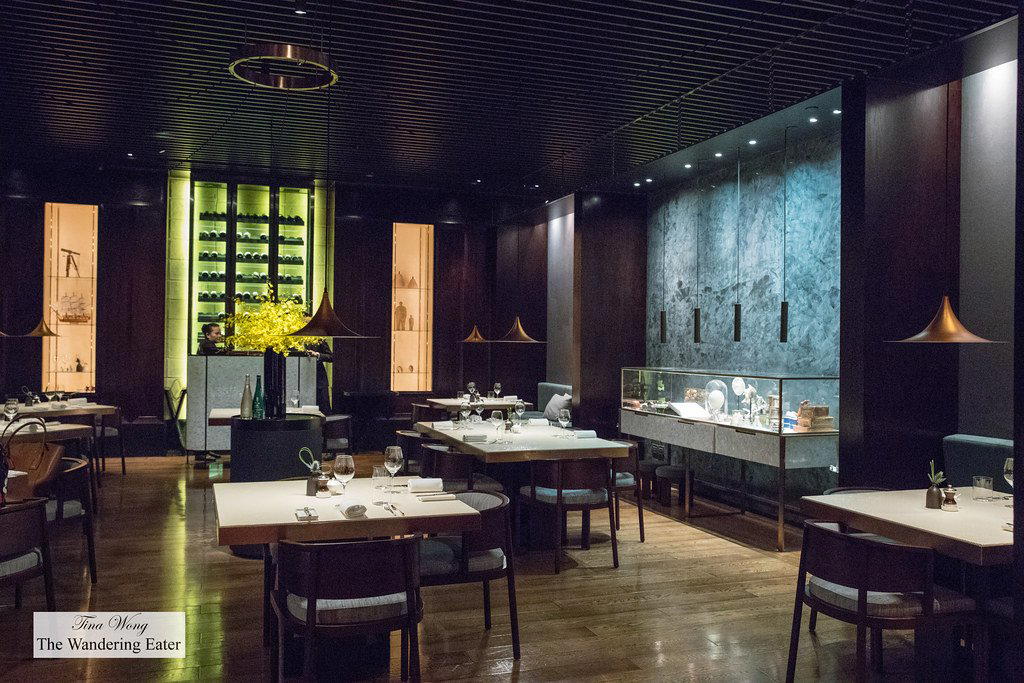
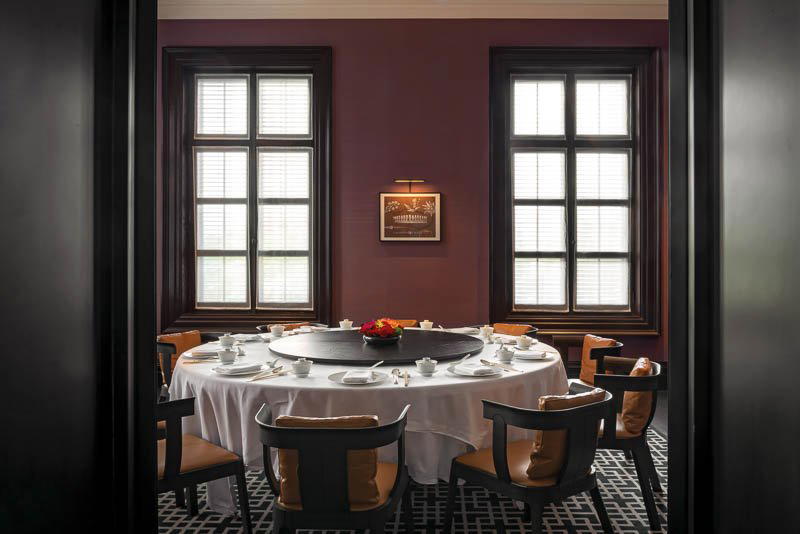
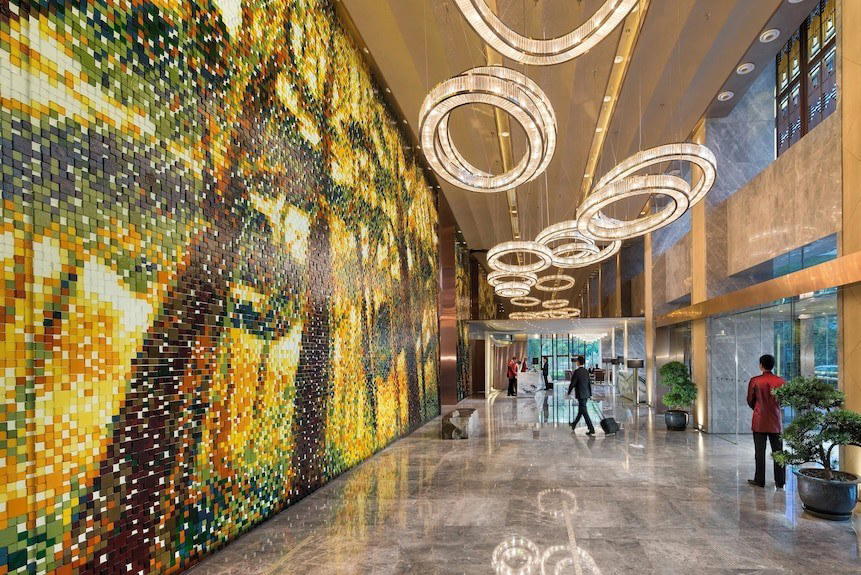
At 56 floors above Dongdaming Road, the room arrives before the menu does. Yong Fu (Hongkou) is a one-Michelin-star restaurant in Shanghai, serving modern Ningbo fine dining at a price tier of about $115 per person. Marble walls catch light from the Huangpu River below, and the chandelier arrangement draws the eye upward before the view pulls it back out across the Pudong skyline. It is a setting that many Shanghai rooftop restaurants attempt and few sustain, because the architecture tends to overwhelm the food. At Yong Fu (Hongkou), the two are in closer balance than the address might suggest, largely because the kitchen operates on sourcing discipline rather than spectacle.
Ningbo cuisine occupies a particular position in the broader conversation about Chinese coastal cooking. Where Cantonese kitchens in Shanghai, such as 102 House, tend toward refinement and technical polish, Ningbo's tradition leans into the sea with less mediation: preserved seafood, fermented pastes, and ingredients that carry salinity as a feature rather than a flaw. Yong Fu's menu engages that tradition while opening the second half to novelty dishes sourced from across China, a format that asks a kitchen to hold two registers simultaneously.
The Sourcing Framework
The supply chain behind the seafood program here is worth examining on its own terms, particularly for readers who think about where their food comes from. Live seafood is shipped from Zhejiang Province in the small hours of each morning, arriving at the kitchen ready for service rather than sitting in holding tanks for extended periods. That overnight logistics chain is not incidental; it reflects a commitment to condition that has direct consequences for how the product behaves on the plate.
Zhejiang Province's coastline, which runs south of Shanghai through Ningbo and Zhoushan, is among the more productive fishing regions in eastern China, supplying markets in the Yangtze Delta with crab, shrimp, and a range of smaller bivalves and molluscs that rarely travel well. The decision to source live and ship nightly rather than rely on local distributors carrying inventory positions the kitchen closer to the fishing cycle than most urban restaurants at this price point. For context, venues operating with comparable sourcing intensity in other traditions, such as Le Bernardin in New York City, have built their identities substantially around supply-chain transparency. Yong Fu's approach belongs to the same logic, applied to a regional Chinese framework.
Among the dishes that reflect this sourcing approach, stir-fried white crabmeat is one of the clearest demonstrations. The preparation is deliberately restrained, allowing the quality of the crab to carry the dish rather than building layers of seasoning over it. Sautéed cattail with shrimp roe similarly relies on ingredient quality: cattail, the freshwater reed vegetable used in Jiangnan cooking, loses its delicate texture quickly, so the shrimp roe that accompanies it needs to be at its finest to hold the dish together. Sticky rice balls with black sesame filling represent the kitchen's engagement with Ningbo's pastry tradition, where the glutinous rice skin and the density of the filling are the technical benchmarks.
Where Ningbo Meets the Rest of China
The menu's structure, half Ningbo classics and half novelty dishes using ingredients from across China, is an editorial decision with real implications. It signals that the kitchen is not operating as a preservation exercise. Shanghai's dining scene includes venues that hold tightly to regional authenticity, and it includes venues that use regional identity as a starting point for broader experimentation. Yong Fu (Hongkou) occupies the middle ground, which is both the most commercially viable position and the one that requires the most editorial confidence to execute without blurring into incoherence.
The comparison to other Zhejiang-tradition addresses in the city is instructive. Xin Rong Ji (West Nanjing Road) works in Taizhou cuisine, the coastal tradition immediately south of Ningbo, and has built a strong institutional reputation around its sourcing and technique. The Xin Rong Ji group also operates in Beijing and Chengdu, demonstrating how far the eastern coastal seafood tradition has traveled inland. Yong Fu's decision to anchor in Ningbo specifically, rather than the broader Zhejiang or Jiangnan category, gives it a tighter identity within that competitive space.
For readers interested in Shanghai's broader fine dining range, the city supports a wide spread of approaches. Taian Table operates at the innovative end of modern European cooking in the city, while Fu He Hui has built a serious reputation in premium vegetarian Chinese cuisine. 8 1/2 Otto e Mezzo Bombana covers the Italian fine dining tier. Yong Fu (Hongkou) sits in a different register from all of them, grounded in coastal Chinese tradition and refined by its location and sourcing program rather than by culinary fusion or imported technique. The full Shanghai restaurants guide maps the broader scene across neighborhoods and cuisine types.
For those tracking how Ningbo cooking travels, it is worth noting that comparable coastal Chinese seafood traditions have found audiences well beyond their home regions. Chef Tam's Seasons in Macau and Ru Yuan in Hangzhou represent different inflections of premium Chinese seafood dining that share the same underlying concern with product condition and sourcing provenance. Imperial Treasure Fine Chinese Cuisine in Guangzhou and Dai Yuet Heen in Nanjing operate in adjacent traditions where the sourcing philosophy overlaps even when the culinary lineage diverges.
Planning a Visit
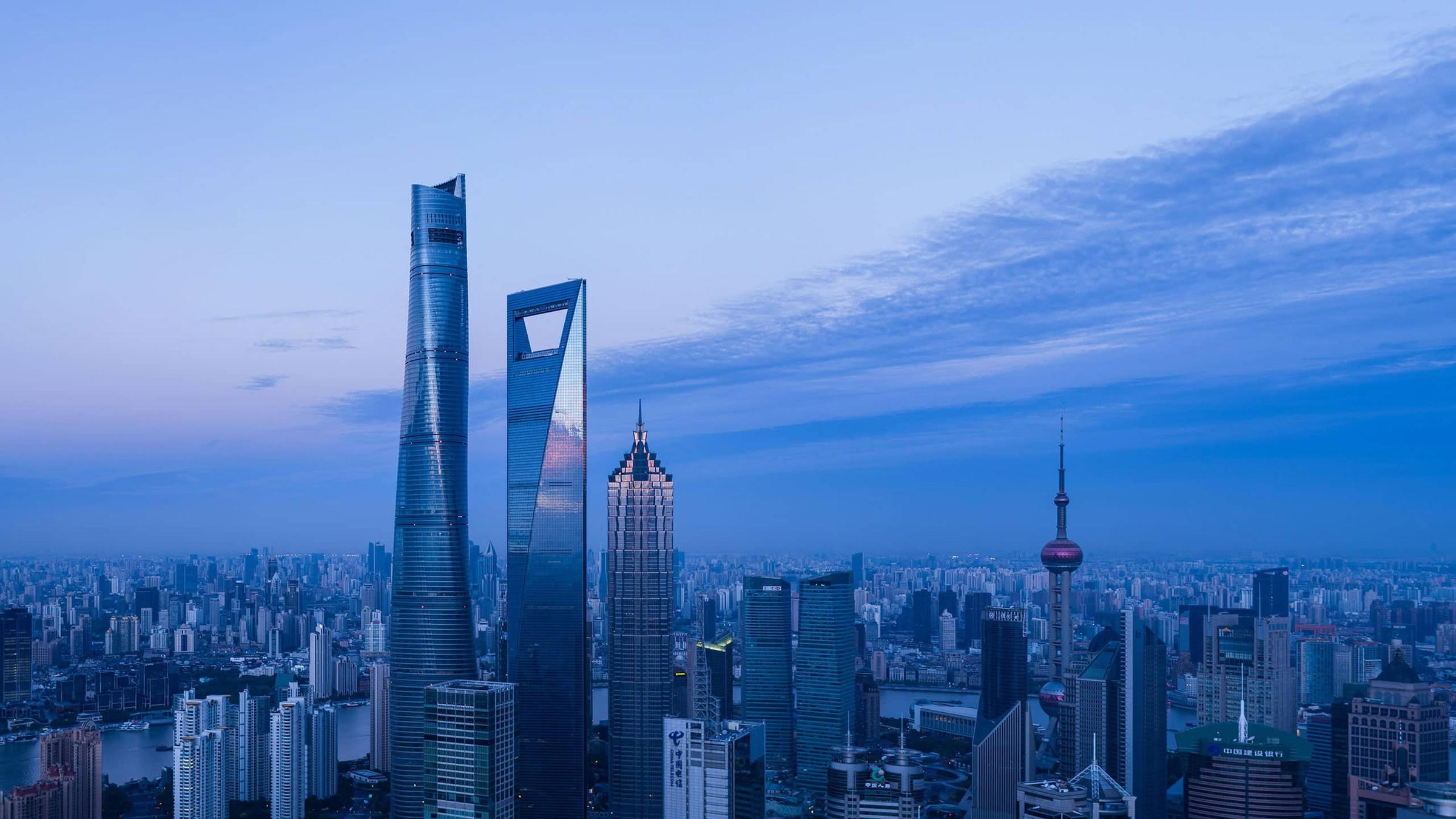
Yong Fu (Hongkou) sits on the 56th floor of Raffles City The Bund's East Tower at 1089 Dongdaming Road in Hongkou, a district on the north bank of the Suzhou Creek where it meets the Huangpu. The Bund itself is a short distance south across the water, and the skyline view from this height takes in both the historic waterfront and the Pudong towers. Given the combination of the view, the sourcing program, and the Raffles City address, this is a restaurant that attracts reservations from both local diners and visitors staying in the hotel. Planning several days ahead is advisable for weekends; table availability on weeknights can be more flexible, though this varies with season and local demand.
Recognition, Side-by-Side
Comparable venues nearby, for context on price, style, and recognition.
| Venue | Cuisine | Price | Awards | Notes |
|---|---|---|---|---|
| Yong Fu (Hongkou)This venue — the venue you are viewing | Modern Ningbo Fine Dining | $$$$ | Michelin 1 Star | |
| Seventh Son | Traditional Cantonese Dim Sum | $$$$ | Michelin 1 Star | Lan Ni Du |
| Moose (Pudong) | Refined Huaiyang Cuisine | $$$ | Michelin 1 Star | Yang Jia Du |
| Ming Court | Cantonese with Shanghainese Influences | $$$$ | Michelin 1 Star | Minhang |
| Sheng Yong Xing (Huangpu) | Michelin-Starred Beijing Peking Duck | $$$ | Michelin 1 Star | Huangpu |
| Yong Yi Ting | Modern Hangzhou and Jiangnan Cuisine | $$$$ | Michelin 1 Star | Yang Jia Du |
At a Glance
- Elegant
- Sophisticated
- Opulent
- Special Occasion
- Business Dinner
- Panoramic View
- Sustainable Seafood
- Skyline
- Waterfront
Swanky room with marble walls, exquisite chandeliers, overlooking Pudong skyline and Huangpu River.