
Oyama’s ramen scene is not built on luxury signals; it is built on extraction, wheat, queue discipline, and local repetition. YOKOKURA STOREHOUSE belongs in that conversation through its Tabelog Ramen EAST 100 selections in 2024 and 2025, a compact ramen and tsukemen format that reads as serious without turning lunch into ceremony.
Pearl is the En Primeur Club membership app — saves, bookings, and concierge access live there. Same editors, same standards.
- Address
- 596-76 Yokokura, Oyama, Tochigi 323-0813, Japan
- Phone
- +81 285-37-6162
- Website
- twitter.com
 Saves & bookings on Pearl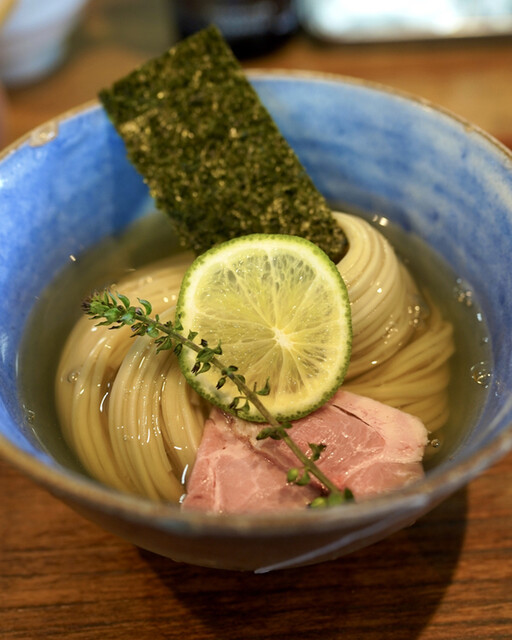
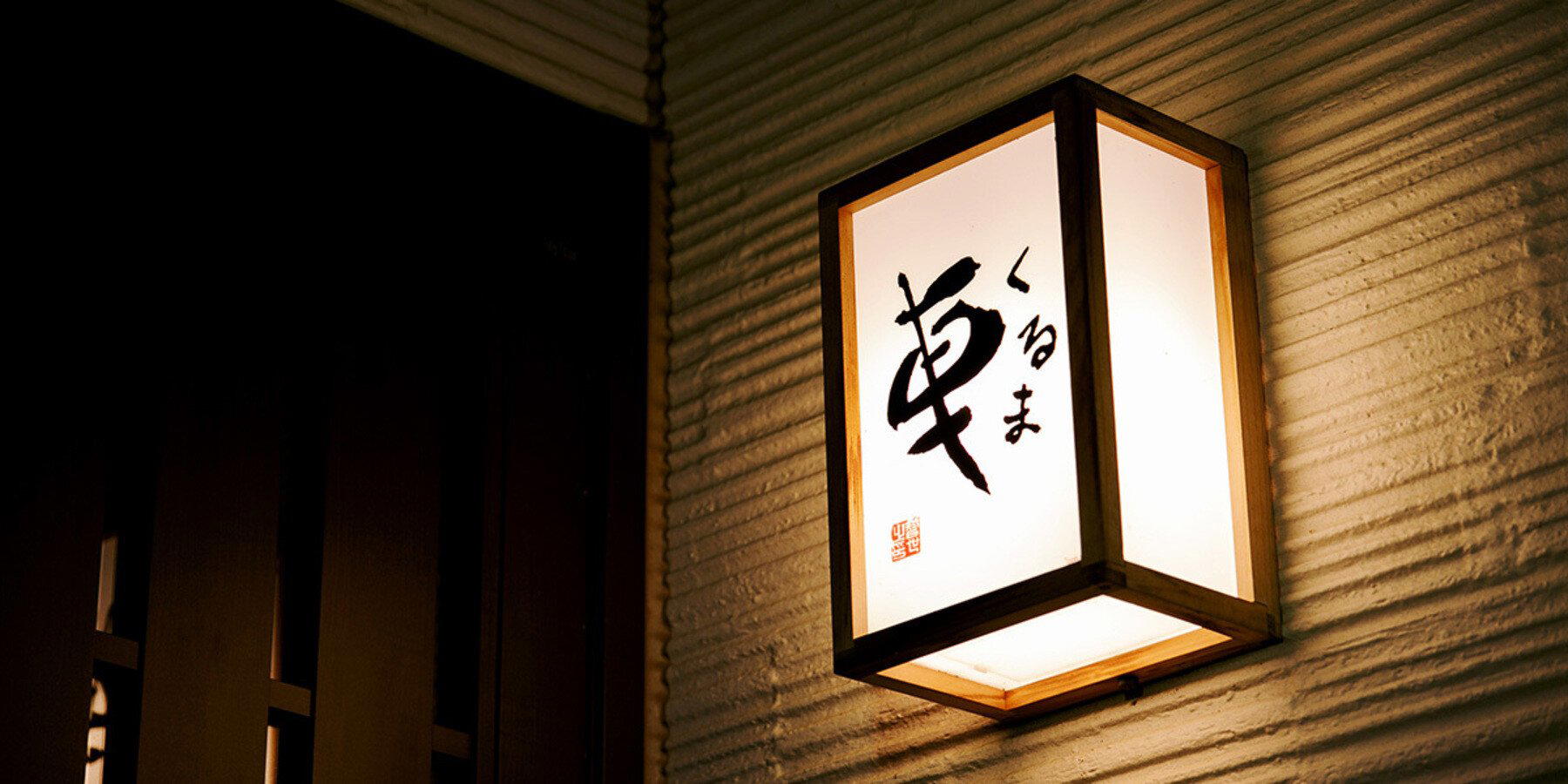
Approaching a serious ramen shop in a regional Japanese city is rarely theatrical. The cues are smaller: a house-style setting rather than a dining room designed for spectacle, counter seats that put the kitchen rhythm in view, and the quiet certainty of a place built for repeat local use rather than destination posing. In Oyama, that matters. The city sits in Tochigi, away from the hotel-heavy circuits that shape dining expectations in Tokyo and Kyoto, so a ramen counter has to earn attention through consistency, broth structure, noodle handling, and the friction of regular demand.
YOKOKURA STOREHOUSE enters that frame as a ramen, tsukemen, and cafe-format shop with Tabelog Ramen EAST 100 recognition in both 2024 and 2025. That award matters less as decoration than as placement: it moves the shop into an eastern Japan conversation where regional ramen houses compete on craft, not dining-room expense. For travelers building an Oyama food itinerary, it also changes the question. This is not a detour for luxury service; it is a stop for understanding how a suburban Tochigi ramen room can sit in the same evaluative field as better-known urban counters.
Ramen in Oyama is judged by broth, noodles, and repetition
Ramen outside the capital often shows its seriousness through sourcing logic rather than presentation language. Wheat choice, stock concentration, tare balance, and the calibration between noodle thickness and soup weight do the work. Tsukemen adds another test: noodles are served separately from the dipping broth, which exposes texture and temperature control more directly than a fully assembled bowl. A shop that lists both ramen and tsukemen is operating across two related but different disciplines, and the stronger versions make that distinction clear without needing a tasting-menu format.
That is why the ingredient-sourcing angle matters here. Tochigi sits in a part of Japan where agriculture is not abstract scenery; it shapes everyday eating. Ramen shops in such regions often signal ambition through the handling of staple materials rather than rare luxury products. Noodles become the central argument. Broth, tare, and fat carry the rest, but the bowl succeeds only if the wheat component has enough structure to survive heat, dipping, and speed of service. In that sense, the category rewards discipline more than novelty.
The Tabelog Ramen EAST 100 designation places YOKOKURA STOREHOUSE inside a competitive field where the benchmark is not expensive dining but focused execution. That distinction is useful for international travelers. Japan’s ramen culture can be misread through long queues and social media images, but the more meaningful signal is repeat selection in a category where small differences in consistency are punished quickly. The 2024 and 2025 inclusions suggest a shop that has held attention beyond a single wave of interest.
A compact room changes the pace of the meal
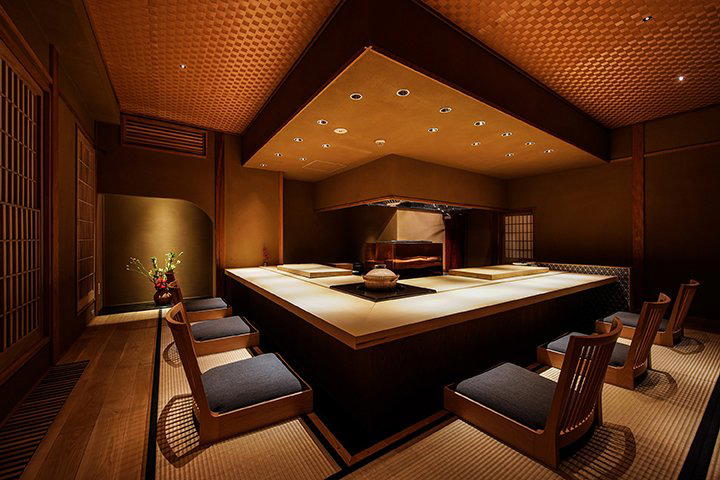
Small ramen rooms create their own etiquette. Conversation narrows, turnover matters, and the counter becomes part of the experience because the guest is close to the sequence of boiling, draining, saucing, and serving. YOKOKURA STOREHOUSE has 17 seats, split between counter and table seating, which puts it in the scale where timing and flow shape the meal as much as decor. That size favors solo diners and small groups; it is less suited to leisurely, multi-course social dining.
The format also helps explain the shop’s position in Oyama. Regional Japanese dining often divides between everyday specialists and occasion restaurants. Compare that with local references such as Fuji Kanda, Kaiseki Kadan, and Kappo, where the reader expects a different grammar of meal pacing and service. Ramen operates with sharper compression. The craft may be deep, but the meal is direct, and that directness is part of its cultural authority.
That compression does not make the category casual in the weak sense. A well-run ramen counter demands precision from the kitchen and cooperation from the room. The diner’s role is to arrive ready, order decisively, eat while the noodles are at their intended texture, and move on. It is a different form of seriousness from omakase or kaiseki, and in regional cities it can reveal more about daily taste than a formal dinner does.
How to place it within an Oyama itinerary
For visitors, the editorial case is strongest when YOKOKURA STOREHOUSE is treated as a category anchor rather than a standalone trophy. Oyama’s dining map can stretch from grill formats such as Robata OYAMA to Western-leaning rooms such as TROFEO Italian Cuisine, while ramen gives the city a lower-priced, higher-frequency lens. The appeal is not that it replaces a longer dinner; it gives a sharper reading of how local diners evaluate technique in an everyday setting.
Travelers comparing regional Japanese dining should also separate this kind of ramen stop from broader national categories. Sukiyaki in Kamakura, Tokyo izakaya formats, Osaka cafes, Kumamoto dining rooms, Kawasaki Vietnamese cooking, Sapporo curry counters, Los Angeles sake bars, and Pasadena onigiri shops all sit under the wide umbrella of Japanese or Japan-adjacent eating, but they solve different problems. For that wider mapping, EP Club’s city and category references include -Grilled beef Sukiyaki- KAMAKURA TANUKIAN 鎌倉 たぬき庵 in Kamakura, . 鮪と炭火焼き うお炭 秋葉原店 in Tokyo, .cafe in Osaka, .know in Kumamoto, (Shoku) Vietnam in Kawasaki, [Curry Senmon Ten] Maruyama Kyoju. in Sapporo, Jōdo Saké Bar in Los Angeles, and Onigiri Time in Pasadena.
Within Oyama, this is the sort of address to plan around with a narrow window and a flexible backup, because small ramen rooms leave little margin when demand concentrates. Build the rest of the day through Our full Oyama restaurants guide, then use the broader city rails for sleep, drinks, wine, and activities: Our full Oyama hotels guide, Our full Oyama bars guide, Our full Oyama wineries guide, and Our full Oyama experiences guide. The right expectation is a focused ramen stop with award-backed credibility, not a drawn-out restaurant occasion.
Comparable Spots, Quickly
Comparable venues by cuisine and price in the same metro.
| Venue | Cuisine | Price | Awards | Notes |
|---|---|---|---|---|
| YOKOKURA STOREHOUSEThis venue — the venue you are viewing | Modern Japanese Ramen | $$ | , | |
| CoCo Ichibanya (CoCo壱番屋) | Japanese Curry House | $$ | , | 小山町 |
| やまざと | Traditional Japanese Soba | $$ | , | 西祖谷山村 |
| Toyo (とよ) | Seafood Izakaya | $$ | , | Miyakojima Ward |
| Gion Tokuya | Traditional Japanese Desserts & Sweets | $$ | , | Gion |
| Tasuki Pass The Baton | Traditional Japanese Tea Room & Kakigori | $$ | , | Gion |
At a Glance
- Modern
- Minimalist
- Hidden Gem
- Energetic
- Solo
- Casual Hangout
- Open Kitchen
- Standalone
- Design Destination
- Beer Program
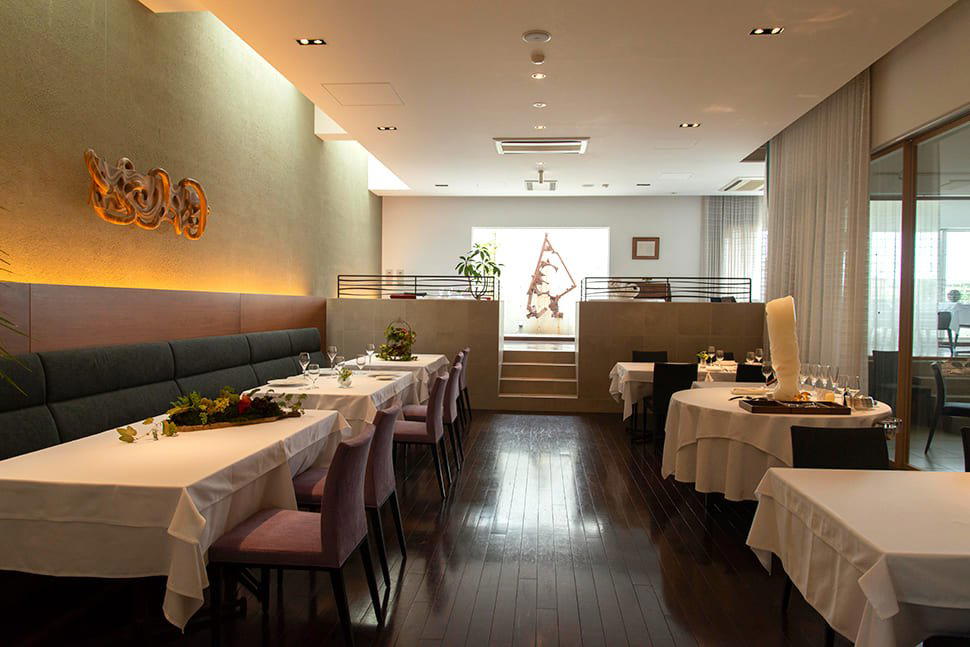
A compact, house-style ramen space with a focused, energetic atmosphere and a design-forward presentation that makes each bowl feel carefully composed.