Michelin Bib Gourmand
Our verdict
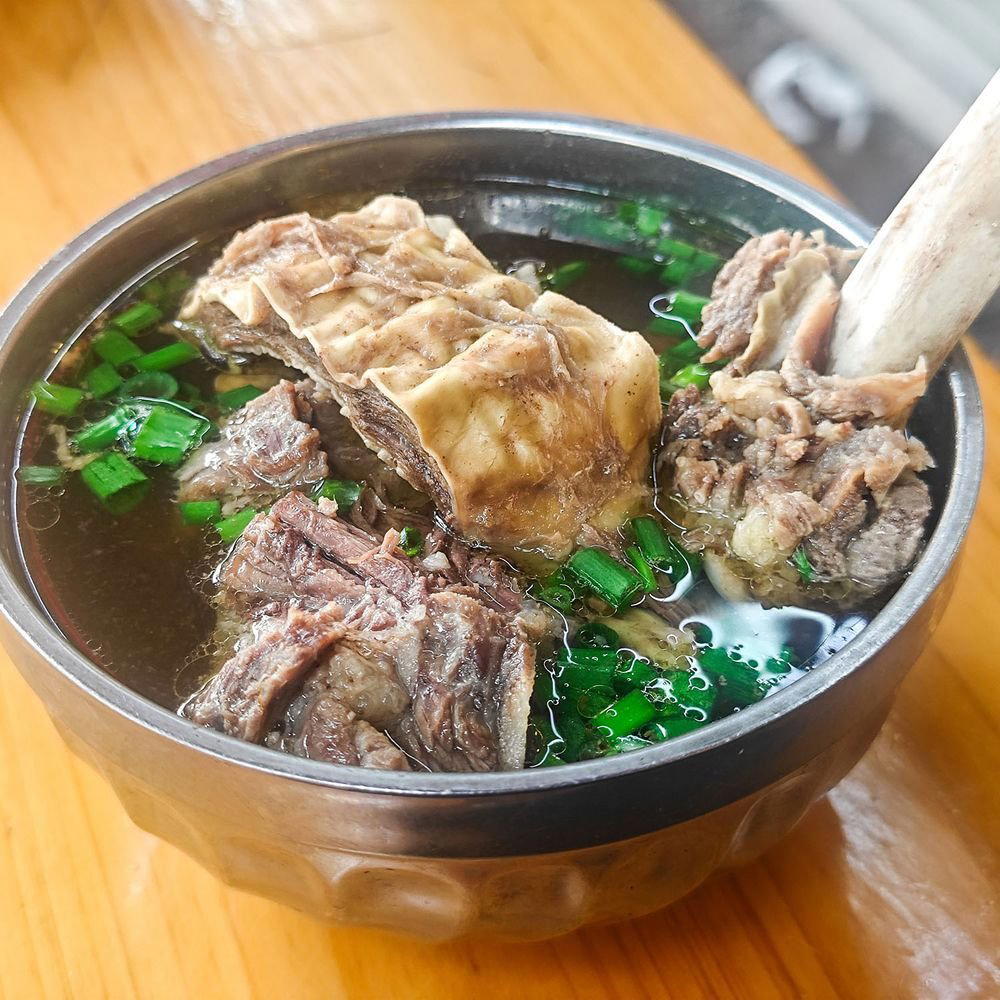
A Fuzhou institution since the 1960s, Yi Qiang on Dadao Road has outlasted decades of competition in the Taijiang district by staying faithful to a narrow, well-executed menu of beef-focused dishes. The beef rib soup, ground beef meatballs, and offal plates draw a loyal local crowd who return not for novelty but for consistency. Pair the soup with xiao long bao and you have one of Fuzhou's most honest lunch counters.

Pearl is the En Primeur Club membership app, where members save venues, book tables and use the concierge.
The Pull of a Decades-Old Beef Counter in Taijiang
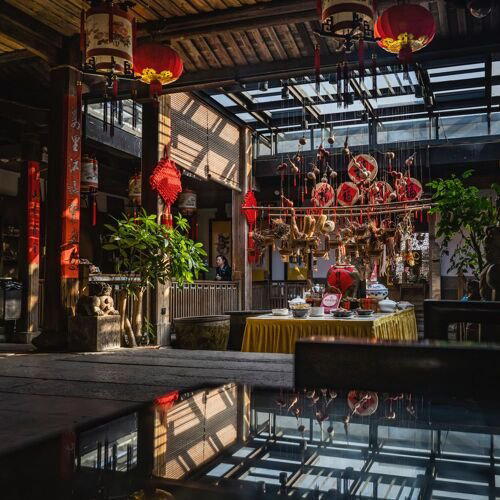
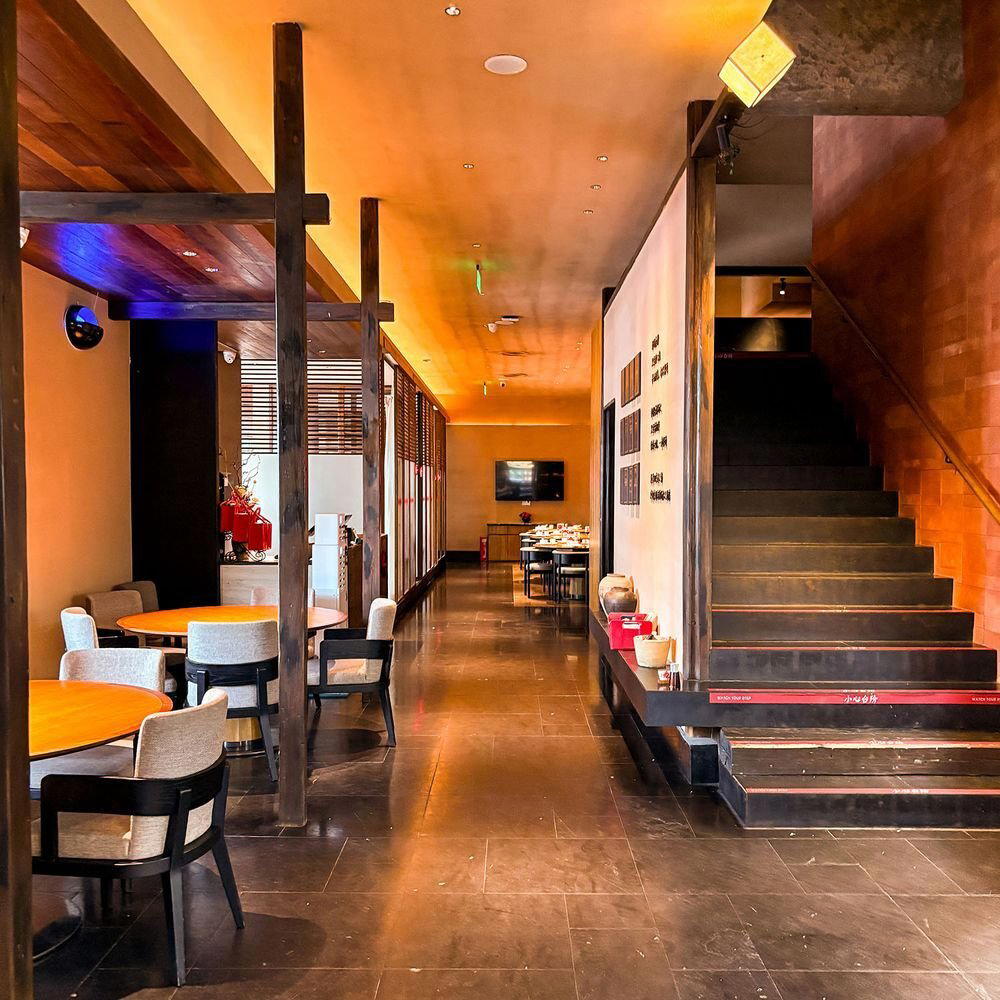
The first signal that something serious is happening inside Yi Qiang is olfactory. Before you reach the entrance on Chao Yang Jie, the scent of long-simmered beef bone and Chinese herb broth drifts into the street with the kind of confidence that only comes from decades of repetition. The dining room itself makes no effort to impress: the fit-out belongs to another era, the furniture is utilitarian, and the lighting has never been recalibrated for a smartphone. None of that matters to the regulars, who have been filing in since the 1960s for reasons that have nothing to do with interior design.
Taijiang, the commercial district that folds around this address, has seen wave after wave of dining concepts arrive and recalibrate. Fast-casual operators, regional chain restaurants, and newer Fujianese revival kitchens have all tested the neighbourhood. Yi Qiang has absorbed every trend by ignoring it. That positioning, quietly stubborn and entirely focused on a handful of beef preparations, is what defines its place in Fuzhou's food culture.
What Keeps the Regulars Coming Back
In Fuzhou's street-food and casual dining tier, longevity is an editorial argument in itself. A restaurant that has held the same address and the same core menu across six decades is making a claim about product confidence that no amount of rebranding can replicate. The regulars at Yi Qiang have internalised that claim: they come not to explore but to retrieve something they already know.
The anchor dish is the beef rib soup, a preparation that illustrates a broader principle in Southern Chinese broth-based cooking. The technique prioritises the natural sweetness of slow-cooked bone over aggressive seasoning. Here, Chinese herbs are present but restrained, adding a faint floral perfume without displacing the deep, mineral quality of the beef itself. The result is a broth that tastes of long hours rather than spice addition, which aligns it with the Fujianese preference for clear, ingredient-forward soups over the darker, more aggressively spiced broths found further inland.
Regulars who have mapped the menu over years tend to anchor their visit around the soup and then build outward. The beef offal preparation sits alongside the rib soup as a second pillar of the menu, offering a textural contrast to the cleaner broth experience. Ground beef meatballs, served with noodles and buns, round out the core repertoire. The xiao long bao, available alongside these dishes, functions less as a standalone attraction and more as a structural pairing: the bun absorbs the broth and changes the eating rhythm in a way that seasoned regulars have learned to use deliberately.
This is not a menu designed for variety-seekers. It is a menu for people who have decided what they want and return specifically to get it. That distinction separates Yi Qiang from the mid-range Fujianese restaurants in the same district, where broader menus and more contemporary presentation serve a different, less anchored clientele. For comparison, venues like Wenru No.9 (Fujian) and 167 Shan Hai Li operate with a wider scope and a more polished format, sitting in a different part of the market entirely.
Yi Qiang in Fuzhou's Casual Dining Context
Fuzhou's lower price-tier dining scene is anchored by a few distinct formats: noodle houses with long local pedigrees, small-plate specialists, and the kind of single-focus broth counters that Yi Qiang represents. Across the city, addresses like A Xin Xian Lao (Gongnong Road) have built loyal followings through similar mechanisms: a narrow product, consistent execution, and a customer base that values reliability over discovery.
The competitive pressure in Taijiang is real. The district houses a dense concentration of casual eating options, from budget noodle stalls to the kind of mid-market Huaiyang and Sichuan operations represented elsewhere in the city's dining spread, including Jiangnan Wok‧Rong (Huaiyang) and Chosop (Sichuan). That Yi Qiang has sustained its position within this environment for over sixty years reflects both the loyalty of an established customer base and the difficulty of replicating a slow-built broth recipe at scale.
The beef-focused casual counter as a format has parallels across Chinese regional cooking. In cities like Chengdu and Guangzhou, single-protein operations with long histories occupy a similar cultural position: they function as culinary reference points against which newer openings are measured. Fuzhou's version of that tradition is less documented internationally than the cuisine cultures of those larger cities, which makes places like Yi Qiang more significant as records of regional food practice than their modest surroundings might suggest. For broader regional context within China's dining scene, the editorial work across venues like Xin Rong Ji in Beijing, 102 House in Shanghai, Ru Yuan in Hangzhou, Xin Rong Ji in Chengdu, Chef Tam's Seasons in Macau, and Imperial Treasure Fine Chinese Cuisine in Guangzhou traces the range of what serious Chinese cooking looks like across formats and price points. Yi Qiang represents the other end of that spectrum: no tasting menus, no design thinking, no destination-dining pretension. Just a broth that has earned its standing one bowl at a time.
Planning Your Visit
Yi Qiang operates on Chao Yang Jie in the Taijiang commercial district, an area with strong foot traffic and reasonable transport links from central Fuzhou. No website or online booking infrastructure is recorded, which in practice means this is a walk-in operation. The approach most consistent with how regulars use it is to arrive at a standard meal time, expect a queue during peak hours, and plan the visit around the core menu rather than seeking alternatives within the room. Price point sits at the accessible end of the Fuzhou casual dining tier, consistent with single-dish beef counter operations across the region.
Given the absence of booking infrastructure, timing matters. Lunch service is the natural entry point for first-time visitors: the broth has been running longest by midday, the full menu is in play, and the room operates at the kind of energy that tells you something about how embedded it is in the surrounding neighbourhood's daily rhythm. For visitors planning a wider Fuzhou itinerary, the full Fuzhou restaurants guide maps the broader scene, with additional coverage across hotels, bars, wineries, and experiences. For those who want to trace Fujianese cooking at a different register, Wenru No.9 and 167 Shan Hai Li operate with a more formal presentation of regional cuisine. And for international comparison points that illustrate how single-focus culinary programs build authority over time, the work at Le Bernardin in New York City and Atomix in New York City sits at the opposite end of the format and price spectrum, but reflects a similar underlying logic: depth through concentration rather than breadth.
Frequently asked questions
What's Yi Qiang (Dadao Road) known for in terms of accolades?
Yi Qiang (Dadao Road) has received recognition including: This restaurant founded in the 1960s may look a bit dated, but the incredible smell of beef never fails to lure us in. Despite strong local competition, Yi Qiang stands out with their longstanding Fuzhou recipes, such as beef rib soup, beef….
Where is Yi Qiang (Dadao Road) located?
Yi Qiang (Dadao Road) is located at 3865+4JV, Chao Yang Jie, 台江商圈 Tai Jiang Qu, Fu Zhou Shi, Fu Jian Sheng, China, 350004, Fuzhou.
What should I eat at Yi Qiang (Dadao Road)?
The beef rib soup is the anchor dish: broth scented with Chinese herbs and built around a direct, beefy depth. Beyond that, the beef offal and ground beef meatballs served with noodles or buns represent the core of Yi Qiang's longstanding Fuzhou recipes. A basket of xiao long bao alongside the soup is the standard local pairing worth following.
What's the best way to book Yi Qiang (Dadao Road)?
Yi Qiang operates as a walk-in counter in the Taijiang commercial district on Chao Yang Jie, a high foot-traffic area that has sustained this address since the 1960s. No phone number or online booking channel is currently listed, so arriving early or during off-peak hours is the practical approach, particularly given the restaurant's local following.
A Tight Comparison
Comparable venues nearby, for context on price, style, and recognition.
| Venue | Cuisine | Price | Awards | Notes |
|---|---|---|---|---|
| Yi Qiang (Dadao Road)This venue (the venue you are viewing) | Chinese | Not listed | Michelin Bib Gourmand | Not listed |
| Chosop | Authentic Sichuan | $20–30 | Michelin Plate | Taijiang, Authentic Sichuan |
| 167 Shan Hai Li | Fu'an Coastal Seafood | Not listed | Michelin Bib Gourmand | Dining |
| Shan Hai Nan Yan | Fujianese with Cantonese influences | Not listed | Michelin Bib Gourmand | Taijiang, Fujianese with Cantonese influences |
| Xuanhe Cuisine | Traditional Fuzhou/Fujian Cuisine | Not listed | Michelin Plate | Dining |
| Yut Fei | Refined Cantonese | Not listed | Michelin Plate | Gulou, Refined Cantonese |
Recognition history
Dated appearances from independent guides and award organizations, with the underlying list record or original source where available.
Michelin Bib Gourmand
Michelin