Our verdict
Kinugawa occupies a specific niche in Paris's 8th arrondissement: Japanese fine dining positioned within reach of the avenue Montaigne crowd, where the benchmark is set less by raw fish and more by the discipline of the room. At 1bis Rue Jean Mermoz, it draws a clientele accustomed to the €€€€ tier occupied by neighbours like Le Cinq and L'Ambroisie, and it earns its place there through precision and consistency rather than spectacle.

Pearl is the En Primeur Club membership app, where members save venues, book tables and use the concierge.
The menu
What to order
- Miso-marinated black cod
- Toro tartare
- Sushi and sashimi platter
- Tempura
The 8th's Japanese Counterpoint
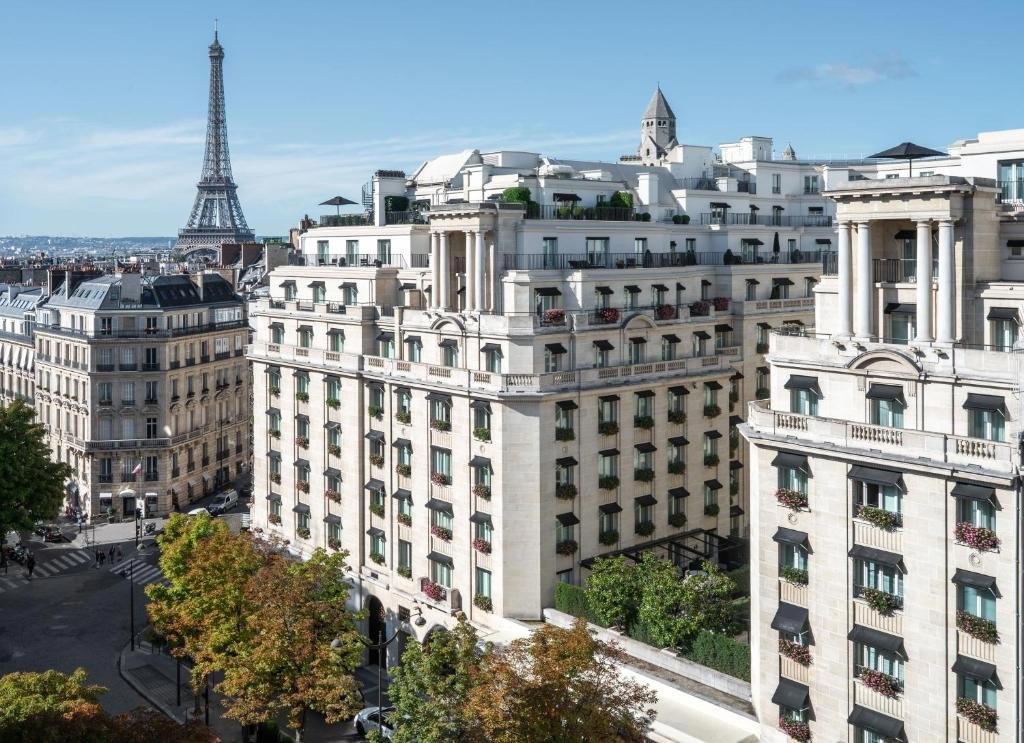
The 8th arrondissement is where Paris concentrates its heaviest investment in fine dining. Within a few blocks of Kinugawa's address on Rue Jean Mermoz, you have the formal grandeur of Le Cinq at the Four Seasons Hôtel George V and the classical weight of L'Ambroisie a short distance away. These are rooms built around French culinary orthodoxy, where ceremony and lineage carry as much authority as what arrives on the plate. Kinugawa operates in the same price neighbourhood and targets the same diner, but it arrives from an entirely different culinary tradition. That positioning, Japanese precision in a district defined by French formality, is the editorial fact that shapes every decision about whether and how to book.
Paris has a longer history with Japanese fine dining than most European cities. The wave of Japanese chefs who trained in French kitchens and then translated that discipline back into Japanese formats produced a generation of Paris restaurants that occupy a middle ground: technically French in their rigour, Japanese in their restraint. Kei, on Rue Coq Héron, is the clearest expression of that hybrid, with Michelin recognition anchoring its position. Kinugawa sits adjacent to that tradition without being identical to it. Where Kei fuses the two cuisines explicitly on the plate, Kinugawa's approach is more orthodox Japanese, using the 8th's address and clientele as context rather than culinary material.
Planning the Booking
For a restaurant at this address and at this price tier in Paris, the booking process matters as much as the meal itself. The 8th arrondissement's leading tables run on tight capacity and high repeat-visitor rates. Locals who know the room return regularly, which compresses availability for first-time visitors. The standard advice for any restaurant in this competitive set applies here: contact well ahead of your intended date, particularly if you are visiting during fashion week, the late-spring exhibition season, or the September return from summer holidays, when the neighbourhood's professional dining population surges.
Compared to the large-format multi-Michelin-starred rooms nearby, including Alléno Paris au Pavillon Ledoyen with its multiple-tasting-menu architecture, Japanese fine dining in Paris tends toward slightly smaller seating capacities and a more disciplined pace of service. That compression means fewer walk-in windows. If your schedule is fixed, treat your Kinugawa reservation the same way you would treat booking at Arpège or any other destination address in the arrondissement: assume it requires advance planning and build accordingly.
For context on how Paris's broader restaurant field is distributed, our full Paris restaurants guide maps the city's dining tiers across neighbourhoods and price points.
Where Kinugawa Sits in the Japanese-Paris Format
Japanese restaurants in Paris split into broadly three tiers. There is the accessible ramen and izakaya tier, the mid-market sushi and Japanese-fusion category, and then the small upper bracket of Japanese fine dining that prices against French gastronomic peers rather than against other Japanese restaurants. Kinugawa operates in that upper bracket. The comparison set is not Ippudo or any casual Japanese address. It is the same table as Le Cinq in terms of spend expectation and formality of environment.
That positioning reflects something real about how the Parisian luxury diner behaves. For a certain clientele in the 8th, Japanese fine dining functions as a change of register rather than a change of budget. They are not trading down. They are trading across cuisines while holding the same standard for room quality, service discipline, and ingredient sourcing. Kinugawa is built to serve that diner.
Internationally, the conversation about where Japanese cooking sits within fine dining has been defined partly by addresses like Atomix in New York, which built a Korean-Japanese tasting format that sits comfortably in the world's top-restaurant rankings, and Le Bernardin, which demonstrates how a non-French culinary tradition can occupy the summit of a French-trained critical culture. Kinugawa's ambition operates within that same broader logic, even if its scale and recognition sit differently.
The French Context This Venue Is Measured Against
To understand what Kinugawa is doing in Paris, it helps to understand the weight of the competition it shares a postcode with. France's most decorated restaurant tradition runs through addresses like Paul Bocuse's Auberge du Pont de Collonges near Lyon, the meditative precision of Bras in Laguiole, and the long-standing authority of Auberge de l'Ill in Alsace. At the contemporary end, Mirazur in Menton and AM par Alexandre Mazzia in Marseille represent a generation of French dining that has absorbed global influence without losing its anchoring. Relative to that field, a Japanese fine-dining address in the 8th is making a specific argument: that the discipline and ingredient philosophy of Japanese cooking earns a seat at the same table, literally and economically, as France's most celebrated traditions.
The argument is not new in Paris, but it remains a minority position. The city's critical culture still defaults to French technique as the primary reference point. Restaurants like Assiette Champenoise in Reims, Flocons de Sel in Megève, and Au Crocodile in Strasbourg draw on regional French identity as their authority. Kinugawa draws on something else: the transplanted authority of a culinary tradition that France's own Michelin infrastructure has increasingly recognised, in Tokyo and Kyoto above all, as among the most rigorous in the world.
What to Expect in the Room
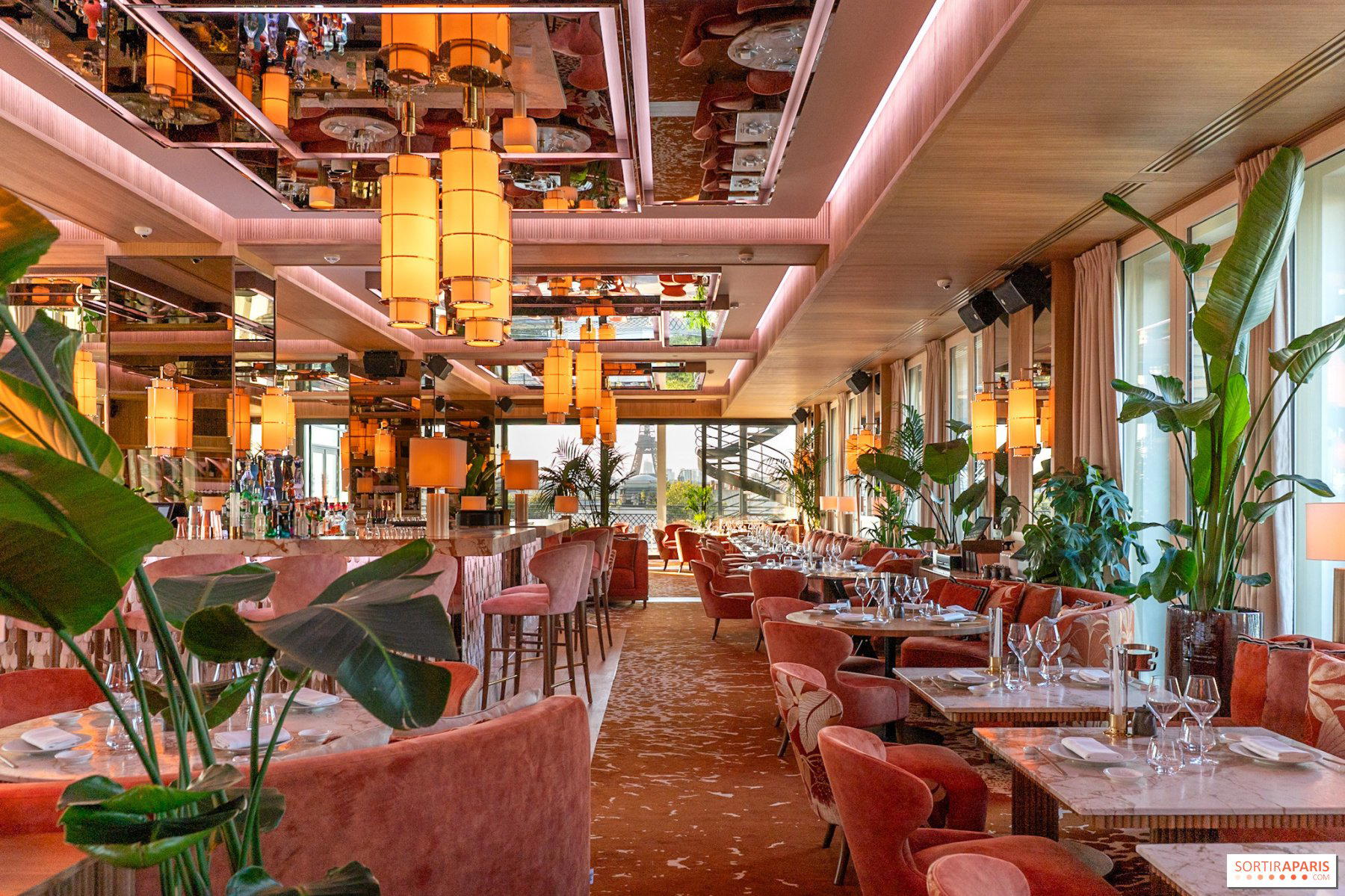
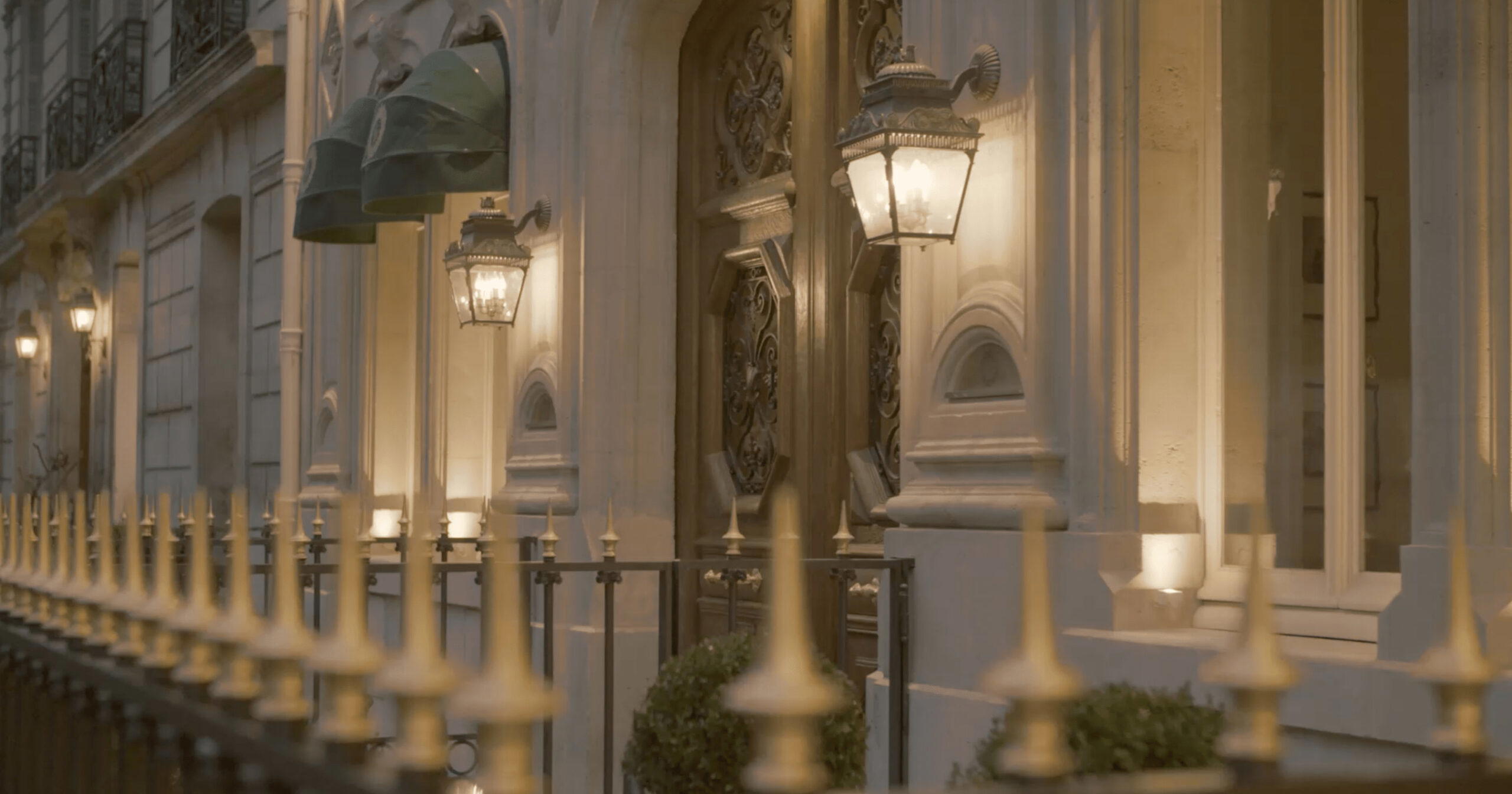
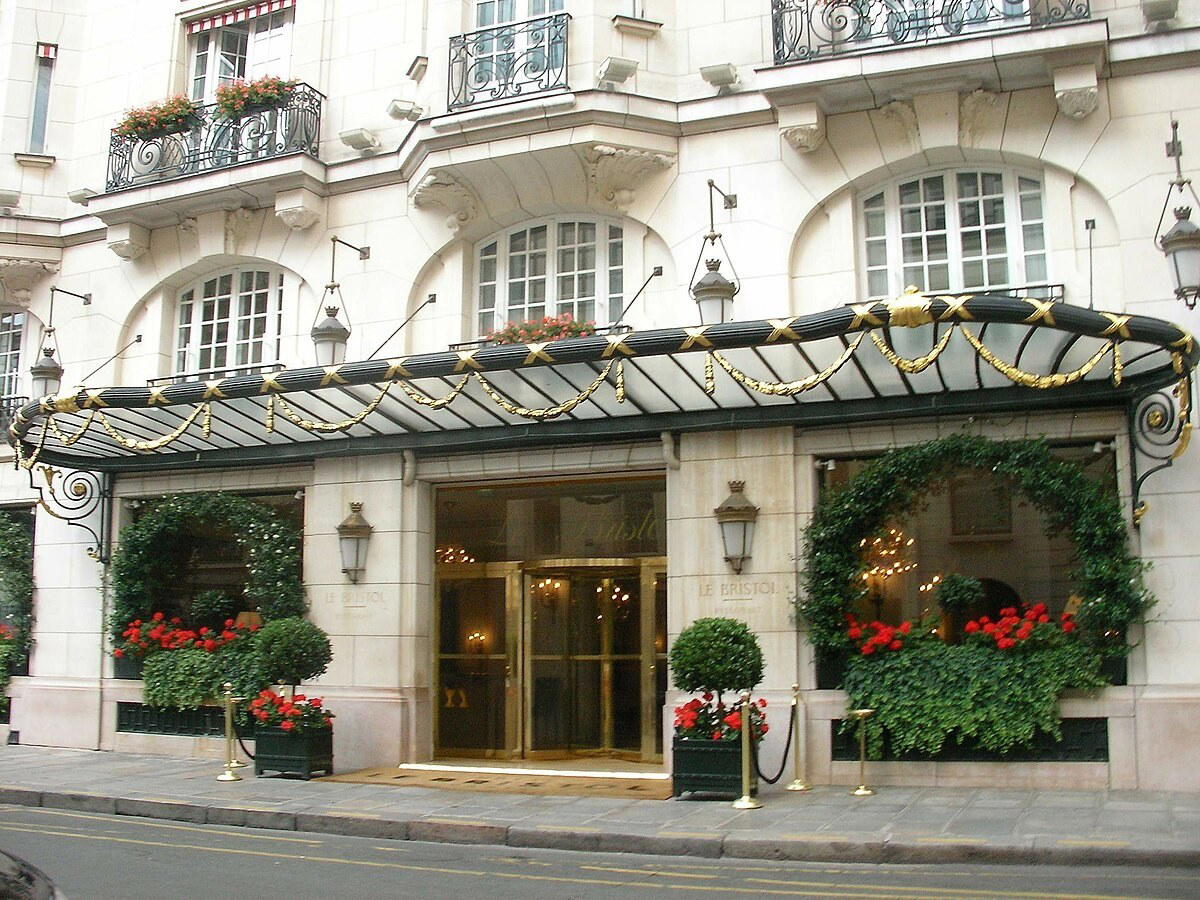
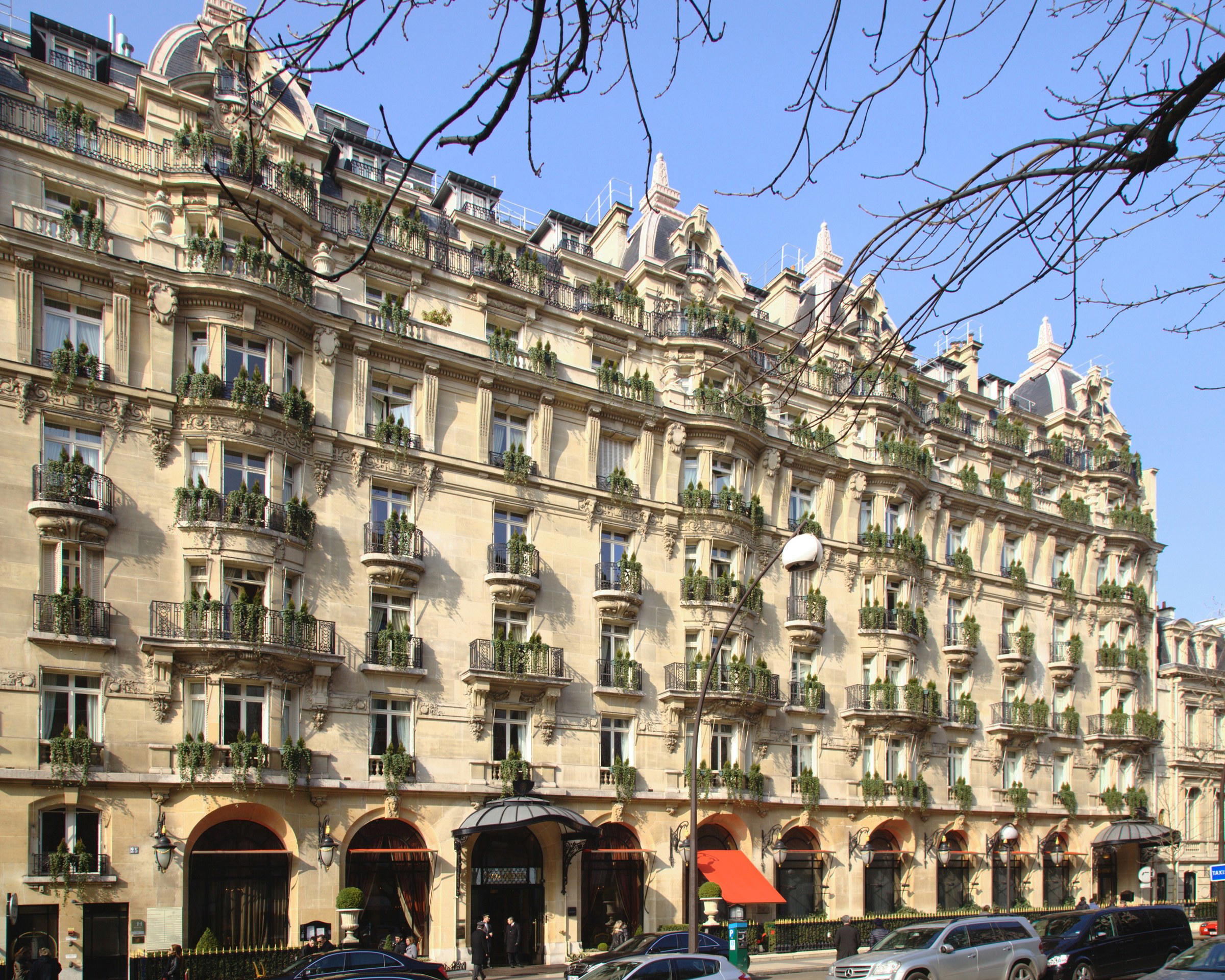
The physical address, 1bis Rue Jean Mermoz in the 8th, places Kinugawa inside one of Paris's most composed residential and luxury-commercial pockets, close to the avenue Franklin D. Roosevelt and the grid of streets that runs toward avenue Montaigne. The diner arriving here is not stumbling across the restaurant. They have made a decision and planned for it, and the room is calibrated to that expectation. Japanese fine dining at this tier in Paris is not experimental in format. It does not typically ask the diner to sit at a counter watching live knife work in the way a Tokyo omakase might. The experience is more aligned with French gastronomic pacing, a sequence of courses within a formal room, adapted to a Parisian clientele's expectations of how a meal at this price should flow.
Know Before You Go
- Address: 1bis Rue Jean Mermoz, 75008 Paris, France
- Arrondissement: 8th, close to avenue Franklin D. Roosevelt and avenue Montaigne
- Booking: Reserve well in advance, particularly around fashion weeks (late January, late February, September/October) and the May–June exhibition season
- Price tier: Positioned at the upper bracket of Paris dining, comparable in spend to French gastronomic peers in the same arrondissement
- Walk-ins: Not reliably available given the restaurant's size and clientele profile; a reservation is strongly advisable
- Allergies and dietary requirements: Communicate at the time of booking; Japanese fine dining menus at this tier typically require advance notice to accommodate dietary restrictions properly
Frequently asked questions
What part of town is Kinugawa in?
Kinugawa is located at 1Bis Rue Jean Mermoz, 75008 Paris, France, Paris.
How does Kinugawa Paris compare to Japanese restaurants in other French cities?
Paris concentrates the largest share of Japan's fine dining export in France, and the 8th arrondissement specifically hosts Japanese addresses operating at a gastronomic tier that other French cities rarely sustain. Kinugawa's position on Rue Jean Mermoz in the 8th places it within the most competitive Japanese fine dining cluster in the country. Comparable Japanese restaurants at this price and ambition level are largely absent outside the capital.
What should I eat at Kinugawa?
Kinugawa operates within the Japanese fine dining tradition calibrated for a Parisian clientele in the 8th arrondissement, where menus typically follow composed courses rather than à la carte selection. At this address and price tier, the kitchen is expected to set the direction. Arrive without a fixed agenda and let the menu structure guide the meal rather than requesting specific items at the door.
Can I walk in to Kinugawa?
At an upper-tier address in the 8th arrondissement on Rue Jean Mermoz, walk-in availability is limited at best and unreliable as a strategy. Paris's gastronomic tier fills covers through advance reservations, and the 8th in particular draws a clientele that books ahead. check the venue's official channels to confirm availability before arriving without a reservation.
What is Kinugawa known for?
Kinugawa is positioned at the intersection of Japanese fine dining and the gastronomic standards of Paris's 8th arrondissement, a postcode that houses some of France's most decorated restaurant addresses. The venue's location on Rue Jean Mermoz places it inside a pocket of the city where room quality, service register, and kitchen ambition are all measured against French fine dining benchmarks. That framing, Japanese discipline applied at Parisian gastronomic scale, is what defines the Kinugawa proposition.
How does Kinugawa handle allergies?
Japanese fine dining menus at this tier are typically constructed around a defined ingredient set, and substitutions can be difficult once service is underway. The practical step is to communicate any dietary restrictions or allergies at the time of booking, not on arrival. Reaching out in advance gives the kitchen the information it needs to accommodate or advise honestly.
Is eating at Kinugawa worth the cost?
Value at the upper price tier of the Paris 8th arrondissement is always measured against the comparison set, and that set includes some of the most decorated addresses in France. If you are spending at the gastronomic level, the question is whether Kinugawa's Japanese fine dining approach delivers at the same register as its French-cuisine neighbours on the same postcode. For diners specifically seeking Japanese precision within walking distance of the 8th's luxury-commercial core, it fills a position that few Paris addresses occupy at this price level.
Compact Comparison
Comparable venues nearby, for context on price, style, and recognition.
| Venue | Cuisine | Price | Notes |
|---|---|---|---|
| KinugawaThis venue (the venue you are viewing) | Contemporary Japanese | $50–100 | Not listed |
| AO Izakaya | Franco-Japanese Izakaya | $50–100 | 9th Arr., Franco-Japanese Izakaya |
| Onii-San - Izakaya | Modern Japanese Izakaya | $30–50 | Marais, Modern Japanese Izakaya |
| Tsukizi | Authentic Japanese Sushi | $30–50 | Saint-Germain-des-Prés, Authentic Japanese Sushi |
| Yoshi | Japanese Sushi & Sashimi | $20–30 | 16th Arr. - Passy, Japanese Sushi & Sashimi |
| Blueberry | Fusion Japanese Maki Bar | $30–50 | Saint-Germain-des-Prés, Fusion Japanese Maki Bar |
Continue exploring
More in Paris
Restaurants in Paris
All restaurants in Paris →
Bars in Paris
All bars in Paris →



Details
- Elegant
- Sophisticated
- Modern
- Date Night
- Special Occasion
- Rooftop
- Terrace
- Open Kitchen
- Sake Program
- Craft Cocktails
- Skyline
- Small Plates
- A La Carte
- Sake
- Cocktails
Current opening hours
- Monday
- 12–2:30 PM, 7:30–11 PM
- Tuesday
- 12–2:30 PM, 7:30–11 PM
- Wednesday
- 12–2:30 PM, 7:30–11 PM
- Thursday
- 12–2:30 PM, 7:30–11 PM
- Friday
- 12–2:30 PM, 7:30–11 PM
- Saturday
- 12:30–2:30 PM, 7:30–11 PM
- Sunday
- 7:30–11 PM
Hours can change for holidays and private events. Hours as of .
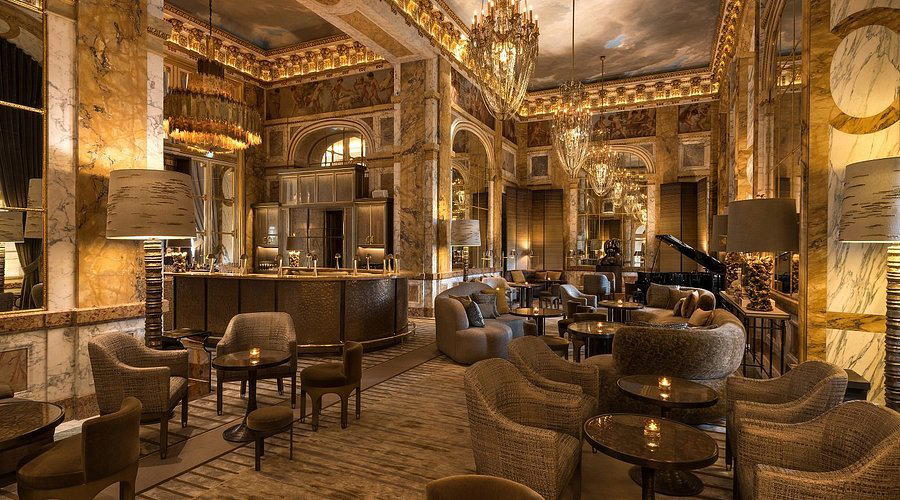
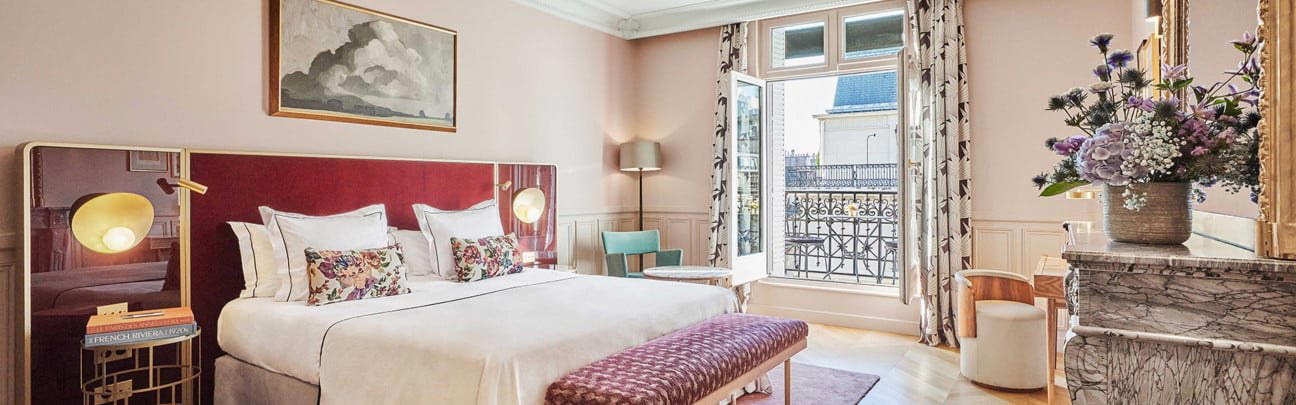
Elegant Parisian setting infused with Japanese serenity, featuring fluted natural wood, patterned fabrics, patinated bronze, mirrored surfaces, and sunset-hued lighting for immersive contemplation.