Michelin Bib Gourmand · Tabelog 100 #62
Our verdict
A Michelin Bib Gourmand-recognised pizzeria in Ikoma, Nara, earning consecutive honours in 2024 and 2025. YAMAOKA PIZZA sits inside a niche of Japanese-made Neapolitan-influenced pizza that has grown steadily across the Kansai region, offering serious craft at a single-yen price point that separates it sharply from the kaiseki-heavy dining scene surrounding it.

Pearl is the En Primeur Club membership app, where members save venues, book tables and use the concierge.
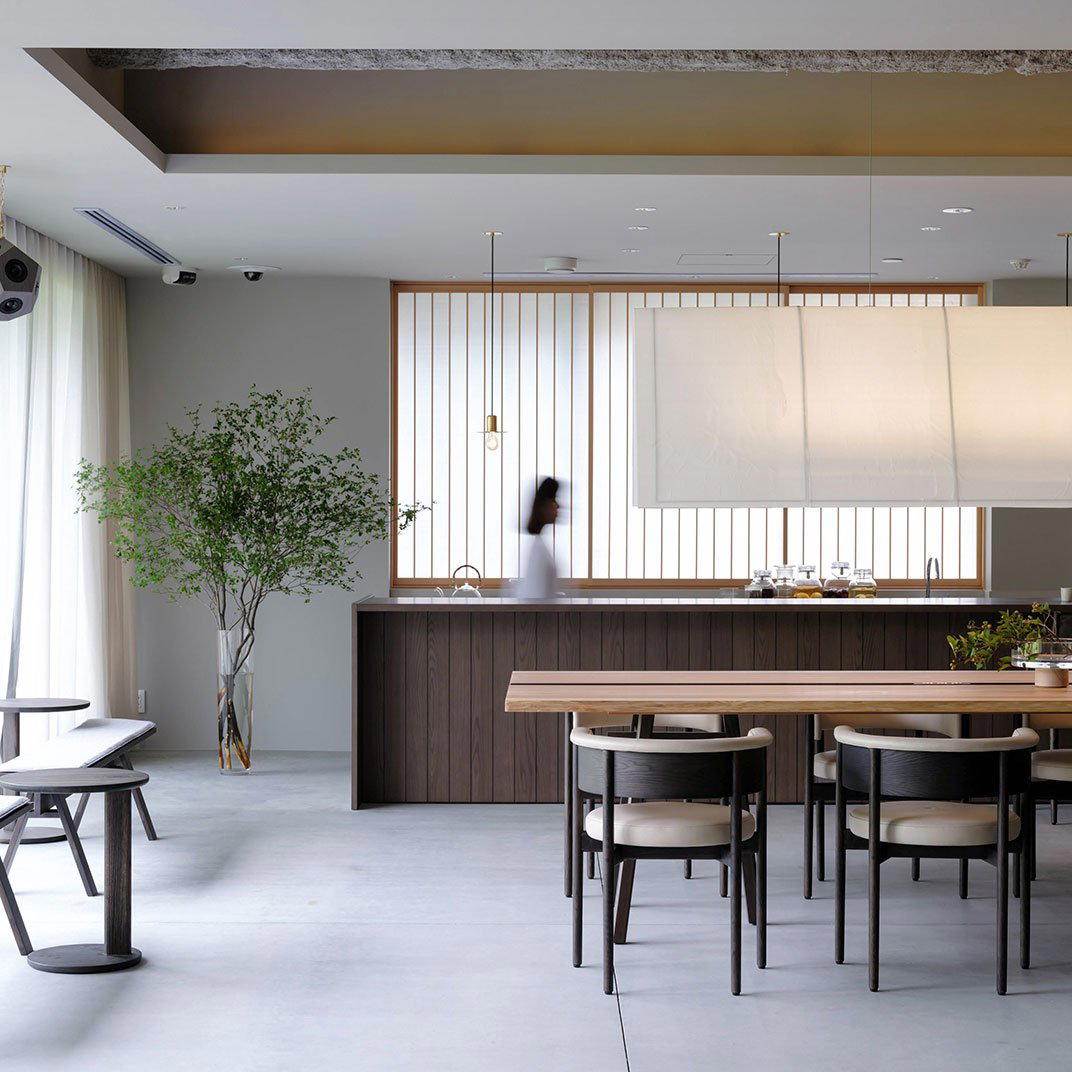
Pizza in the Shadow of Ancient Temples
Nara's dining identity has long been defined by its proximity to Kyoto and Osaka: kaiseki refinement on one side, casual tourist-facing set menus on the other. What sits between those poles is harder to find and, when you do find it, tends to be more interesting for it. The Kansai region's craft pizza movement is one such gap-filler. Over the past decade, a small but consistent number of independent pizzerias have opened across cities like Osaka, Kyoto, and now the wider Nara prefecture, some earning Michelin attention in the process. YAMAOKA PIZZA, operating out of Ikoma in Nara's western corridor, has entered that conversation with back-to-back Bib Gourmand distinctions from Michelin in 2024 and 2025.
The Bib Gourmand designation matters here more than it might elsewhere. In a city whose Michelin-recognised dining otherwise skews heavily toward high-end Japanese formats, the kaiseki rooms, the sushi counters, the precision-driven tasting menus you'll find at places like akordu or NARA NIKON, a budget-tier award going to a pizzeria signals something about how the category has matured. Michelin's inspectors don't give Bib Gourmands to novelty. They give them to places where cooking discipline and value align with consistency across visits.
How Japanese Craft Pizza Reached This Point
Understanding what YAMAOKA PIZZA represents requires stepping back from the single address. Japan's relationship with pizza has undergone a quiet but substantive shift over roughly thirty years. The chain-format Americanised pizza that dominated through the 1980s and 1990s gradually gave way, particularly in urban and semi-urban markets, to a more technique-conscious approach. Japanese pizzaiolos began training in Naples, importing specific wheat varieties and wood-fired equipment, and applying the same ingredient-sourcing rigour to pizza that Japanese chefs had long applied to ramen and soba. The result, by the 2010s, was a tier of Japanese pizza that could hold its own against the Neapolitan-trained producers it had studied. For reference on what that benchmark looks like at source, the Naples operations at 3.0 Ciro Cascella and 50 Kalò set the standard that serious Japanese practitioners measure themselves against.
YAMAOKA PIZZA's evolution tracks that broader arc. What began as a neighbourhood operation in Ikoma has, through two consecutive Michelin Bib Gourmand recognitions, confirmed a trajectory that moves it beyond local favourite status and into a category-level conversation about what craft pizza looks like in the Kansai region. The consecutive honours, not a single appearance but a sustained pattern, suggest a kitchen that has refined rather than plateaued. That kind of sustained recognition, especially at the ¥ price tier, is the clearest external validation available without firsthand tasting notes.
The Ikoma Address and What It Means
The venue sits at 455 Onitoricho in Ikoma, a city that sits between Nara and Osaka on the Kintetsu Osaka line and functions as a commuter satellite to both. It is not a tourist dining destination in the way central Nara is, which means the clientele skews local and repeat. That dynamic tends to produce a different quality of kitchen discipline than venues that depend on one-time visitors: a regular customer base creates accountability that a tourist-facing operation does not face in the same way. In Kansai more broadly, some of the most consistent mid-price dining has always operated in the commuter belt rather than in the historic centres, where rents, foot traffic patterns, and customer expectations all point differently.
For visitors making the trip from Nara city proper, Ikoma is straightforwardly reachable, though it sits outside the temple-and-park walking circuit that frames most tourist itineraries. That positioning also keeps YAMAOKA PIZZA off the radar of travellers who don't go looking, which partly explains how a Michelin-recognised address remains less visible than its awards would suggest in a major culinary capital.
The ¥ Price Tier and Its Implications
A single-yen price bracket in Japan's Michelin framework typically signals a meal under ¥2,000, placing YAMAOKA PIZZA in a tier occupied by serious ramen shops, neighbourhood teishoku counters, and, increasingly, craft pizza. That price positioning is not accidental in the Nara context. The kaiseki rooms that anchor the city's fine-dining reputation, places like Oryori Hanagaki, operate at a different price register entirely, and the gap between those formats and casual tourist dining has historically been wide. A Michelin-recognised operation at the ¥ tier occupies a meaningful middle position: serious enough to hold critical attention, accessible enough to serve a local audience without the reservation friction that surrounds the city's leading tables.
For context on how that price tier compares across the wider Kansai and Japan dining map, the Michelin Bib Gourmand format was designed precisely to surface this kind of address, the place that a well-informed local would recommend to someone who asked where to eat well without a significant financial commitment. YAMAOKA PIZZA fits that brief.
Situating YAMAOKA PIZZA in the Nara and Kansai Scene
Nara's dining scene, when mapped against Kansai as a whole, occupies a specific position: smaller than Osaka's scale, less codified than Kyoto's, but increasingly interesting at the independent mid-range level. The city has enough Michelin-recognised restaurants across formats to suggest a dining culture that sustains quality, even if the headline tables remain Japanese-cuisine dominated. For regional comparisons at the high end, HAJIME in Osaka and Gion Sasaki in Kyoto represent the ceiling of what the broader region produces. YAMAOKA PIZZA operates in an entirely different register, but the regional density of serious dining matters: it means that the ingredient supply chains, the training culture, and the customer expectations that support serious cooking are all present in the surrounding market.
Within Nara's pizza category specifically, the Michelin Bib Gourmand recognition sets YAMAOKA PIZZA apart from the other independent pizzerias operating in the prefecture. Nara has other credible pizza addresses, Pizzeria Luna Nuova and PIZZERIA TRATTORIA MAGAZZINO are both worth attention, but neither carries the same consecutive Michelin validation as YAMAOKA PIZZA at the time of writing.
For anyone building a broader Kansai and Japan itinerary that takes serious independent dining seriously across price tiers, YAMAOKA PIZZA represents the kind of address that anchors a day trip or a Nara afternoon. The fuller picture of what Nara's dining scene offers is mapped in our full Nara restaurants guide, alongside dedicated guides to hotels, bars, wineries, and experiences in the region. Across Japan, serious dining at different price points and formats is also documented at Harutaka in Tokyo, Goh in Fukuoka, 1000 in Yokohama, and 6 in Okinawa.
Know Before You Go
- Address: 455 Onitoricho, Ikoma, Nara 630-0237, Japan
- Price tier: ¥ (budget-accessible, Michelin Bib Gourmand range)
- Awards: Michelin Bib Gourmand 2024; Michelin Bib Gourmand 2025
- Getting there: Ikoma is accessible from both Nara and Osaka via the Kintetsu Osaka line; the address sits in the Ikoma city area rather than central Nara's temple district
- Hours, booking, and phone:
Frequently asked questions
How would you describe the cuisine at YAMAOKA PIZZA?
How much does it cost to eat at YAMAOKA PIZZA?
Pricing at YAMAOKA PIZZA is listed as ¥.
What's YAMAOKA PIZZA known for in terms of accolades?
YAMAOKA PIZZA has received recognition including: Michelin Bib Gourmand (2025); Michelin Bib Gourmand (2024).
What's the best thing to order at YAMAOKA PIZZA?
YAMAOKA PIZZA's consecutive Michelin Bib Gourmand awards in 2024 and 2025 point to consistent execution across the menu rather than a single standout item, but the ¥ price bracket suggests the pizza itself is the core draw and the reason inspectors returned. At this price tier, Bib Gourmand recognition in Japan typically signals that the house speciality is the safest call.
Accolades, Compared
| Venue | Cuisine | Price | Awards | Notes |
|---|---|---|---|---|
| YAMAOKA PIZZAThis venue (the venue you are viewing) | Craft Pizza | Not listed | Michelin Bib Gourmand · Tabelog 100 #62 | Not listed |
| akordu | Modern Spanish with Nara Influences | $150–200 | 2 Michelin Stars · La Liste Top Restaurants | Spanish, Innovative |
| Wa Yamamura | Traditional Kaiseki | $100–150 | 1 Michelin Star | Kaiseki, Japanese |
| Araki | Seasonal Japanese Tempura and Kaiseki | $100–150 | Michelin Plate · Tabelog Bronze #23 | Not listed |
| Tama | French with Local Nara Ingredients | $50–100 | Michelin Plate | Not listed |
| NARA NIKON | Kaiseki | $150–200 | 2 Michelin Stars · La Liste Top Restaurants | Japanese |
Recognition history
Dated appearances from independent guides and award organizations, with the underlying list record or original source where available.
Michelin Bib Gourmand
Michelin
Tabelog 100 #62 · No. 62
Tabelog · Tabelog 100 - Pizza - 2025
Full recognition history (4 entries)
Michelin Bib Gourmand
Michelin
Michelin Bib Gourmand
Michelin