Our verdict
Yak&Yeti sits on Bernardyńska 17A in Warsaw's Siekierki district, a southern residential quarter well removed from the city's central dining corridor. The address places it in a part of Warsaw where neighbourhood context does much of the work, and the name alone signals a departure from the modern Polish canon that dominates the capital's more recognised dining tier.

Pearl is the En Primeur Club membership app — saves, bookings, and concierge access live there. Same editors, same standards.
- Address
- Bernardyńska 17A, 02-904 Warszawa, Poland
- Phone
- +48797748777
- Hours
- Mon ClosedTue–Fri 11 AM–10 PMSat–Sun 12–10 PM
- Website
- yaknyeti.pl
- Directions
- Get directions
- Booking
- Book on the venue's website
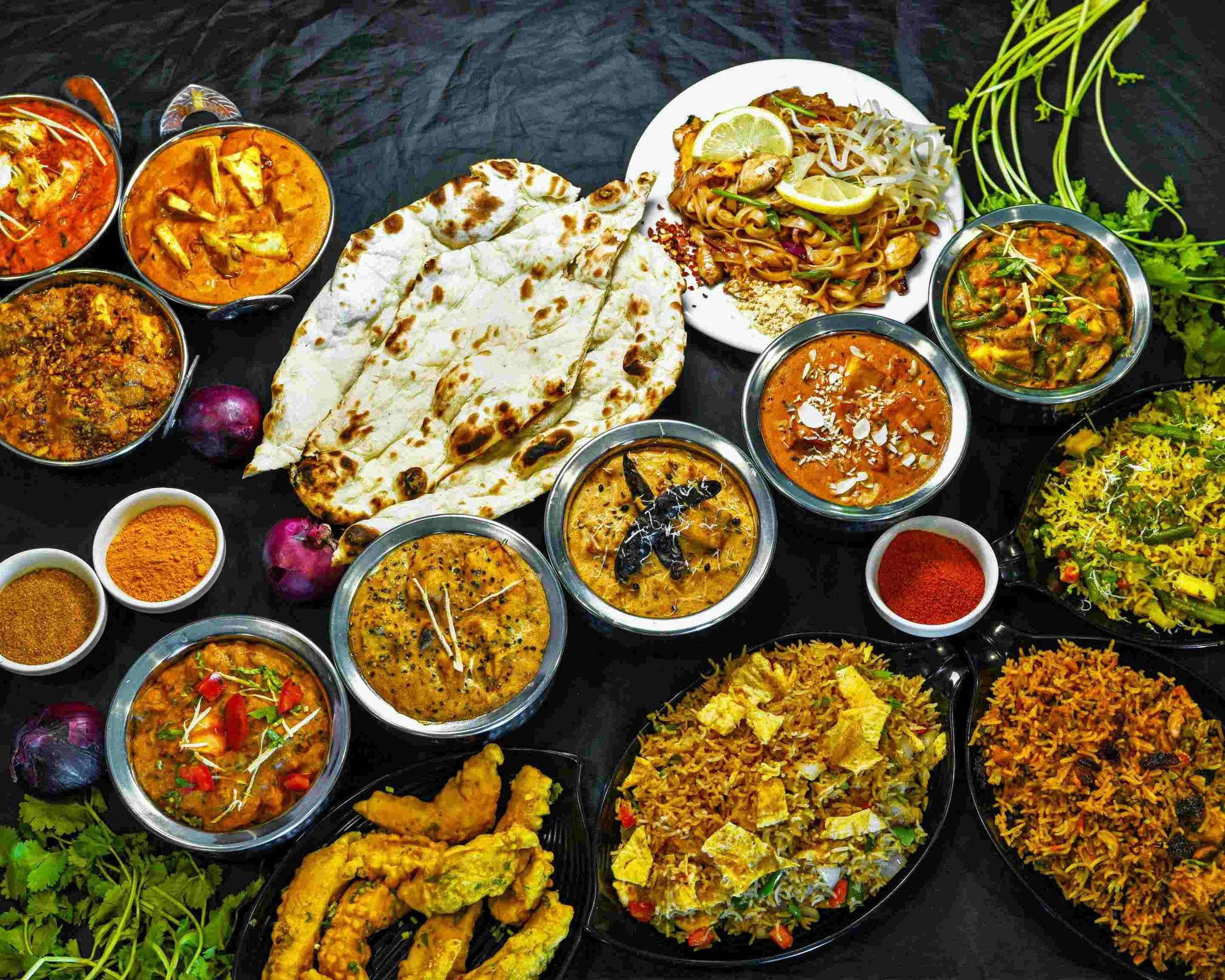
South of the Centre, Outside the Canon
Warsaw's most discussed restaurant addresses cluster around Śródmieście and the inner districts: hub.praga on the Praga side, NUTA drawing creative-cuisine regulars, Rozbrat 20 anchoring the modern European tier at a higher price point. Bernardyńska 17A is none of those. It sits in Siekierki, a southern residential district where the Vistula bends and the city feels noticeably quieter, less curated, and less oriented toward dining tourism. That physical remove is the first thing to understand about Yak&Yeti;: arriving here is an act of intention rather than convenience.
In cities where dining culture has matured, the restaurants that develop strongest local loyalty are rarely the ones tourists find first. They occupy neighbourhoods where the clientele arrives by habit rather than by algorithm, and where word of mouth carries more weight than awards coverage. Siekierki fits that description. The southern bank addresses of Warsaw don't appear in most international dining shortlists, which makes the presence of a named restaurant on Bernardyńska 17A worth paying attention to.
Reading the Name
Yak&Yeti; points directly toward the Himalayan region: Nepal, Tibet, northern India. In Warsaw's restaurant geography, that represents a distinct positioning. The city's modern dining tier is dominated by Polish-rooted kitchens, whether the updated traditional approach of alewino or the more contemporary framing at venues like Baken. Himalayan and South Asian cuisines occupy a much smaller segment of Warsaw's restaurant stock, and those that do operate with that focus often serve communities rather than the broader dining public.
Across European capitals, Nepalese and Tibetan restaurants have tended to establish themselves in residential districts rather than high-traffic dining corridors. The economics and the clientele both push in that direction: lower rents make the cuisine viable at accessible price points, and the dishes, built around dal, momo dumplings, thukpa noodle soups, and slow-cooked meat preparations, lend themselves to neighbourhood regulars rather than one-time visitors. Warsaw's version of this pattern appears to follow the same logic, with Bernardyńska 17A functioning as a neighbourhood address rather than a destination dining room.
What Himalayan Kitchens Bring to the Table
The culinary traditions associated with the Himalayan region draw on altitude farming, Buddhist dietary patterns, and trade routes that historically connected the Indian subcontinent with Central Asia. That means a cuisine built significantly around legumes, fermented foods, dumplings, and broth-based dishes that differ sharply from both Indian subcontinental cooking and the Central Asian traditions further north. Momo, the steamed or fried dumplings that are Nepal's most exported street food, have become the reference point for Himalayan cuisine in European cities in much the way that ramen or gyoza have served as entry points for Japanese food.
Dal bhat, the lentil and rice combination that functions as the daily staple across Nepal, carries a different register in a restaurant context: it becomes a test of depth in the legume preparation and the accompanying pickles and vegetables rather than an elaborate composed dish. Thukpa, the noodle soup with Tibetan origins, tends to be the cold-weather anchor of any Himalayan menu. For diners accustomed to the Warsaw dining norm of either modern Polish tasting menus or European bistro formats, a kitchen working in this tradition represents a genuine change of reference point.
Poland's broader restaurant scene has spent much of the last decade building international recognition through its fine dining tier. Bottiglieria 1881 in Kraków and Arco by Paco Pérez in Gdańsk mark the country's engagement with Michelin-level ambition. Regional destinations like Giewont in Kościelisko and Muga in Poznań show how the country's dining geography has expanded beyond its two largest cities. Within that expanding map, a Himalayan kitchen in Warsaw's southern district represents a different kind of story: not ambition in the awards sense, but specificity in the cultural sense.
The Siekierki Context
Understanding what Yak&Yeti; is requires understanding where it is. Siekierki sits south of the Łazienki Park axis, closer to the river's natural embankment than to the commercial streets that define central Warsaw dining. The neighbourhood is primarily residential, with a demographic that includes long-established Warsaw families and newer arrivals who have moved south as central Warsaw prices have climbed. Restaurants in this district tend to serve those residents rather than draw them away from the centre.
For the visitor arriving from central Warsaw, the journey to Bernardyńska 17A passes through a version of the city that most restaurant guides skip. That transit itself is informative: it shows how Warsaw has grown as a city and how its residential districts function independently of the tourism and corporate-dining economy that sustains the central addresses. The analogy holds across European cities: the most interesting neighbourhood restaurants are rarely convenient, but the lack of convenience is part of what keeps them local.
Visitors with time to spend outside the central corridor might usefully pair a visit to this part of Warsaw with awareness of what the southern districts offer in terms of the Vistula riverfront and the quieter residential character of the area. Practical planning for Yak&Yeti; should account for the address being outside the main tourist zone; the most direct approach from central Warsaw involves either a tram journey south or a short taxi ride, with the 17A address on Bernardyńska as the specific reference point. As with most neighbourhood restaurants outside the central dining hub, contacting the venue directly before visiting is the sensible approach for confirming current hours and whether reservations are taken.
For Warsaw's dining scene broadly, see our full Warsaw restaurants guide, which covers the city across price tiers and neighbourhoods. Those building a wider Polish itinerary will find relevant comparisons at Hashi Sushi in Gdańsk, Hattori Hanzo in Częstochowa, Kwestia Czasu in Białystok, Cudne Manowce in Olsztyn, Górnik in Kraków, and Włoska Restauracja Bellanuna in Rzeszów. For international reference points, the precision-led seafood approach of Le Bernardin in New York City and the Korean tasting-menu format of Atomix in New York City show how distinct culinary traditions establish themselves at the top of competitive urban dining markets.
Frequently asked questions
What should I eat at Yak&Yeti;?
Is Yak&Yeti; reservation-only?
What's Yak&Yeti; leading at?
Is Yak&Yeti; good for vegetarians?
How does Yak&Yeti; fit into Warsaw's wider Asian restaurant scene?
Budget Reality Check
Comparable venues nearby, for context on price, style, and recognition.
| Venue | Cuisine | Price | Notes |
|---|---|---|---|
| Yak&YetiThis venue — the venue you are viewing | Indian and Thai Restaurant | $10–20 | Not listed |
| Dom Funkcjonalny | Rotating international and plant-based cuisines | Not listed | Saska Kępa, Rotating international and plant-based cuisines |
| Krem | French Bistro Classics | $20–30 | Ujazdow, French Bistro Classics |
| Tikka - Tendur, Kebab I Chleb | Indian Tandoor Kebabs | $10–20 | Srodmiescie, Indian Tandoor Kebabs |
| Ósma Kolonia | Vegetarian Bistro with Local Ingredients | $10–20 | Żoliborz, Vegetarian Bistro with Local Ingredients |
| Poke Bowl Chmielna | Hawaiian Poke Bowls | $10–20 | Srodmiescie, Hawaiian Poke Bowls |

Details
- Casual Hangout
- Group Dining
- A La Carte
- Vegetarian Friendly
Current opening hours
- Monday
- Closed
- Tuesday
- 11 AM–10 PM
- Wednesday
- 11 AM–10 PM
- Thursday
- 11 AM–10 PM
- Friday
- 11 AM–10 PM
- Saturday
- 12–10 PM
- Sunday
- 12–10 PM
Hours can change for holidays and private events. Last verified .
Casual and welcoming atmosphere focused on flavorful Asian cuisine.