
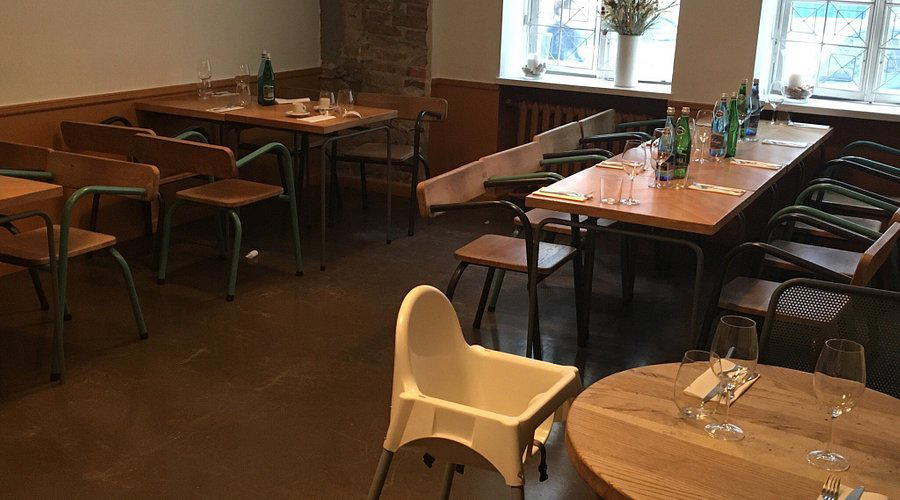
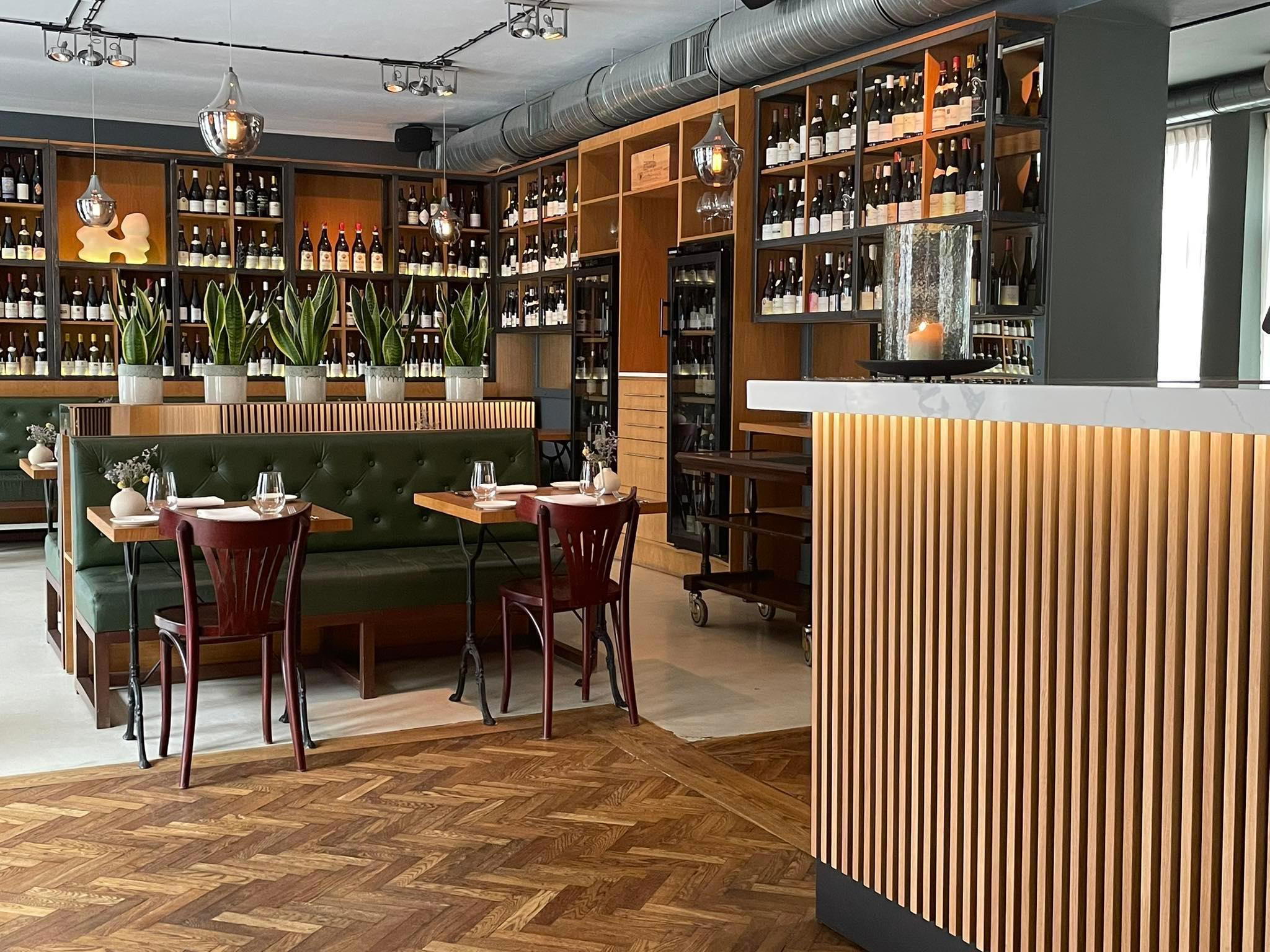
The second Warsaw outpost of Robert Mielżyński sits in Mokotów on Czerska Street, running around fifteen tables with sightlines into an open kitchen. Where the original built its name on wine retail and hospitality in Poznań, this address leans into the wine-bar format proper, placing serious bottles alongside food in a neighbourhood that rewards that kind of focused ambition.
Pearl is the En Primeur Club membership app — saves, bookings, and concierge access live there. Same editors, same standards.
- Address
- Czerska 12, 00-732 Warszawa, Poland
- Phone
- +48 501 173 513
- Website
- mielzynski.pl
- Directions
- Get directions
 Saves & bookings on Pearl
Mokotów's Quiet Shift Toward Serious Wine
Warsaw's wine bar scene has developed unevenly across its districts. The centre and Praga have absorbed most of the attention, while Mokotów has cultivated something quieter and more considered. Czerska Street sits within that southern district's residential fabric, and the wine bars that have taken root there tend to draw regulars rather than passing trade. Mielżyński na Czerskiej belongs to that pattern: a compact room of roughly fifteen tables, an open kitchen visible from most seats, and a format built around the idea that wine and food should arrive from a coherent point of view rather than as parallel tracks.
The Mielżyński name carries weight that predates Warsaw. The flagship Mielżyński - Wine Spirits Specialties in Poznań established Robert Mielżyński's reputation as one of Poland's most serious wine importers and retailers, building a selection with depth in natural, low-intervention, and artisan producers that was unusual for Poland when the brand first gained traction. That sourcing infrastructure is what gives the Czerska address its backbone. The wine list here is not assembled from a distributor catalogue; it draws on relationships with growers that took years to establish.
Sourcing as Structure
In the broader European wine bar context, the distinction between a bar that sells wine and one that sources wine is significant. The first category buys from wholesalers and marks up; the second maintains direct or near-direct relationships with producers, selects on taste rather than margin, and aligns the food program to match. Mielżyński na Czerskiej operates in the second category, which affects everything from the glass pours available on a given evening to how the kitchen approaches ingredients.
Open kitchens at this scale — a few tables, one dining room — tend to create accountability between what arrives on the plate and what pours into the glass. There is nowhere to hide a mismatch. The format rewards kitchens that think about provenance from the start, selecting producers and ingredients with the same specificity applied to wine. Warsaw has seen this model work at Lalou Wine Bar and at Blisko Bar, where focused lists and tight menus reinforce each other. Czerska fits within that cohort rather than operating separately from it.
The sourcing logic also connects to a broader Polish trend. Over the past decade, a generation of Warsaw operators has moved away from Franco-Italian reference points as the primary sourcing framework and toward Central and Eastern European producers: Georgian natural wines, Czech and Slovak small growers, Hungarian skin-contact whites, and Polish biodynamic producers working in regions like Zielona Góra. Mielżyński's import background positions this address to pull from that wider pool in a way that purely local bars cannot.
The Room and the Format
Fifteen tables is a specific count that shapes the experience in ways a larger room cannot replicate. At that capacity, the pace of service changes, the noise level stays manageable, and the kitchen can maintain consistency without scaling its output. Wine bars in Warsaw that have stayed small tend to do so deliberately: Grono Mokotowska, also operating in this district, runs on a similar logic of controlled scale. The tradeoff is booking pressure. Rooms this size fill on weekends from earlier in the week, and walk-in availability on Thursday through Saturday evenings in Mokotów should not be assumed.
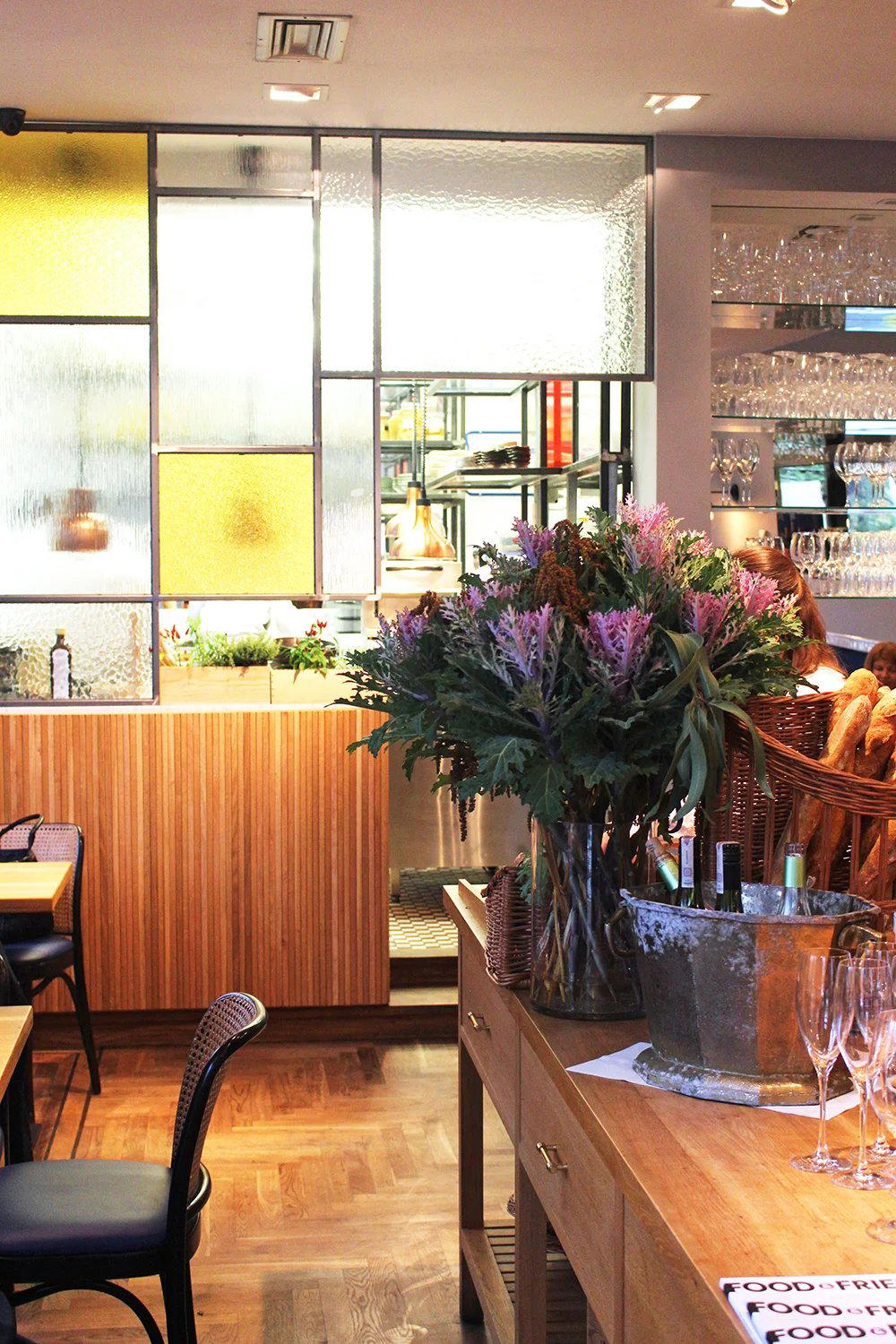
The open kitchen at Czerska is not a theatrical gesture. At this scale, it functions as a communication channel between the kitchen's pace and the front-of-house rhythm. It also means that the food arriving at your table has a visible provenance in terms of preparation, which aligns with the sourcing transparency that the Mielżyński brand has built its identity around. Comparing notes with a companion while watching a dish come together is a different register of dining than receiving plates from behind a closed door.
Warsaw now has enough serious wine bars to constitute a genuine scene rather than a collection of isolated addresses. The city's approach has split between natural-wine-forward spots that lean casual and European in reference, and more structured programs with broader regional coverage. Mielżyński na Czerskiej sits closer to the structured end, with the import pedigree to back a list that reaches into appellations and producers that smaller operators cannot access.
Handroll represents the opposite end of that spectrum in Warsaw, pairing a tight Japanese format with a wine list that operates as a supporting element rather than the lead. The contrast illustrates how the city's wine-bar operators have staked out distinct positions rather than converging on a single format. Further afield in Poland, the wine culture in Kraków has developed along similar lines: Kogel Mogel in Krakow and Mercy Brown in Kraków reflect the same shift toward producer-focused, low-intervention lists that Warsaw has pursued. The pattern is national, not local.
Internationally, the format has precedents in the kind of intimate, sourcing-led wine bars that have defined cities like Lyon, Copenhagen, and Ljubljana over the past fifteen years. Warsaw's version arrived later but has accelerated. For context on how that model has traveled further afield, Jewel of the South in New Orleans and Bar Leather Apron in Honolulu illustrate how the serious small-list format has taken root in cities with strong independent hospitality cultures, regardless of geography.
Planning Your Visit
Mielżyński na Czerskiej is at Czerska 12 in the Mokotów district of Warsaw. The address is residential and does not sit on a major tourist corridor, which keeps the room's atmosphere oriented toward regulars and wine-focused visitors rather than walk-in traffic. Booking ahead for weekend evenings is advisable given the room's limited table count. Phone and website details are best confirmed through current local listings, as the venue's contact information is managed through the broader Mielżyński network. For a wider map of where Czerska sits relative to the rest of the city's wine and dining options, our full Warsaw restaurants guide covers the district-by-district breakdown.
Outside Warsaw, the Mielżyński presence extends to Poznań and connects to a network of serious wine addresses across Poland. Podkowa Wine Depot in Żółwin and Copernicus Toruń Hotel in Torun reflect the broader infrastructure of serious wine hospitality that has developed outside the capital, for those building a Poland itinerary rather than a single-city trip.
How Mielżyński na Czerskiej Warsaw compares with similar nearby venues.
| Venue | Awards |
|---|---|
| Mielżyński na Czerskiej | Star Wine List (2026) |
Recognition history
Dated appearances from independent guides and award organizations, with the underlying list record or original source where available.
Star Wine List
Star Wine List
At a Glance
- Modern
- Cozy
- Trendy
- Sophisticated
- Date Night
- After Work
- Group Outing
- Design Destination
- Seated Bar
- Lounge Seating
- Natural Wine
Current opening hours
- Monday
- 12–11 PM
- Tuesday
- 12–11 PM
- Wednesday
- 12–11 PM
- Thursday
- 12–11 PM
- Friday
- 12–11 PM
- Saturday
- 12–11 PM
- Sunday
- 12–6 PM
Hours can change for holidays and private events. Last verified .
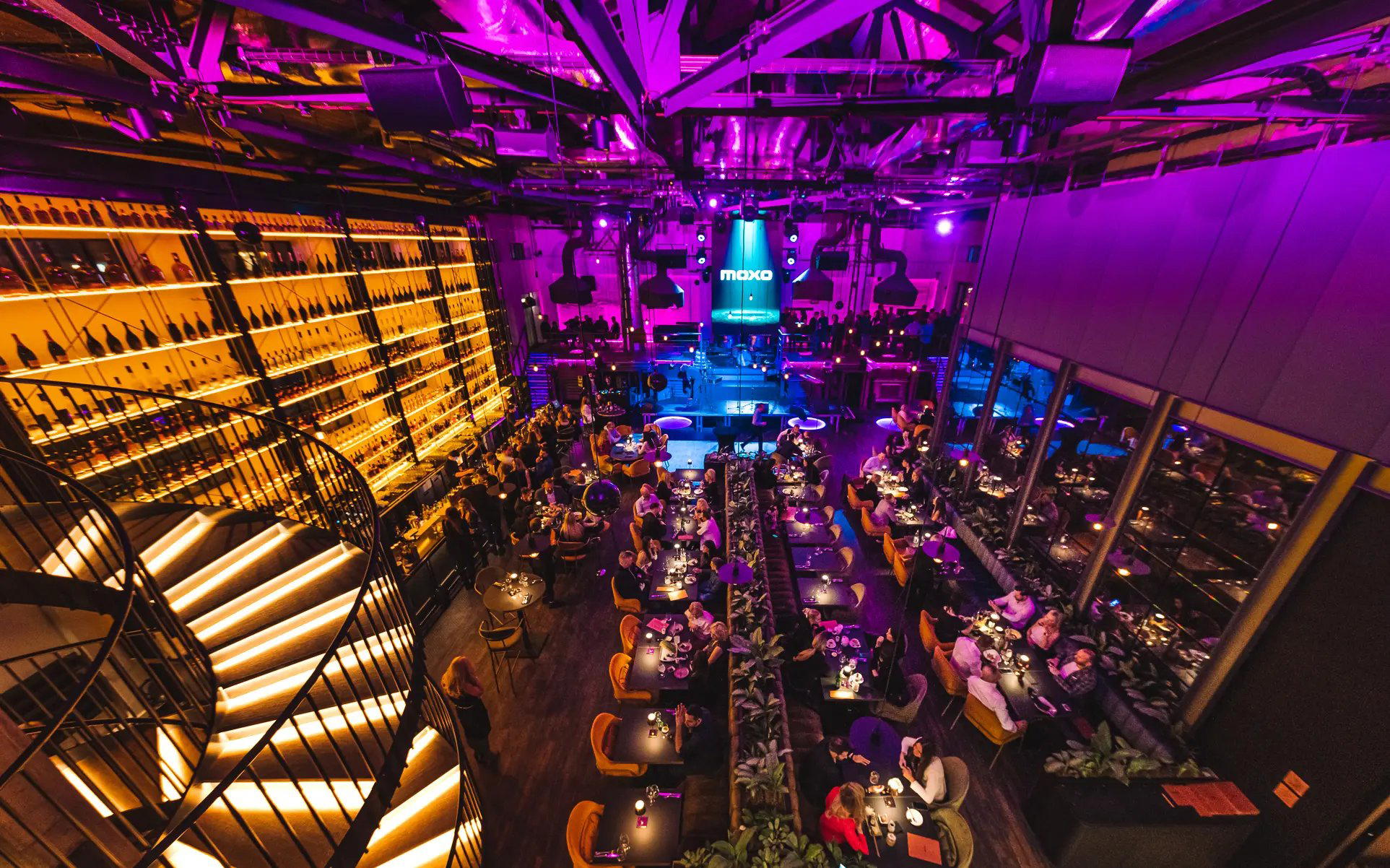
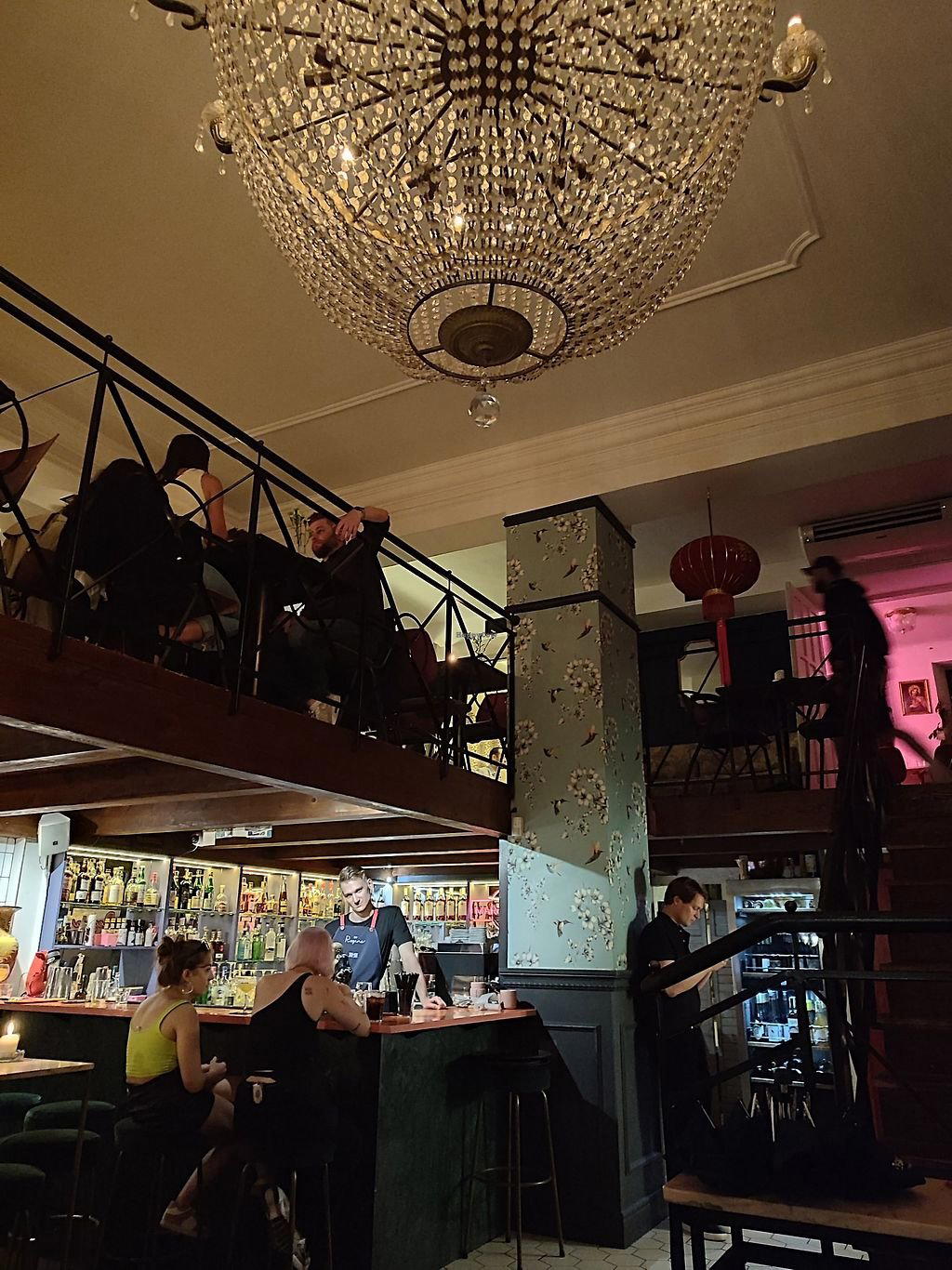
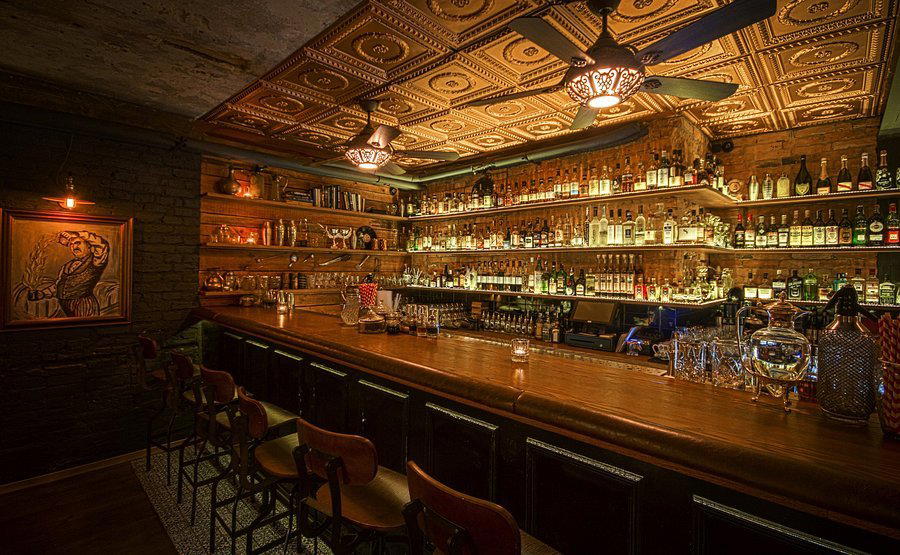
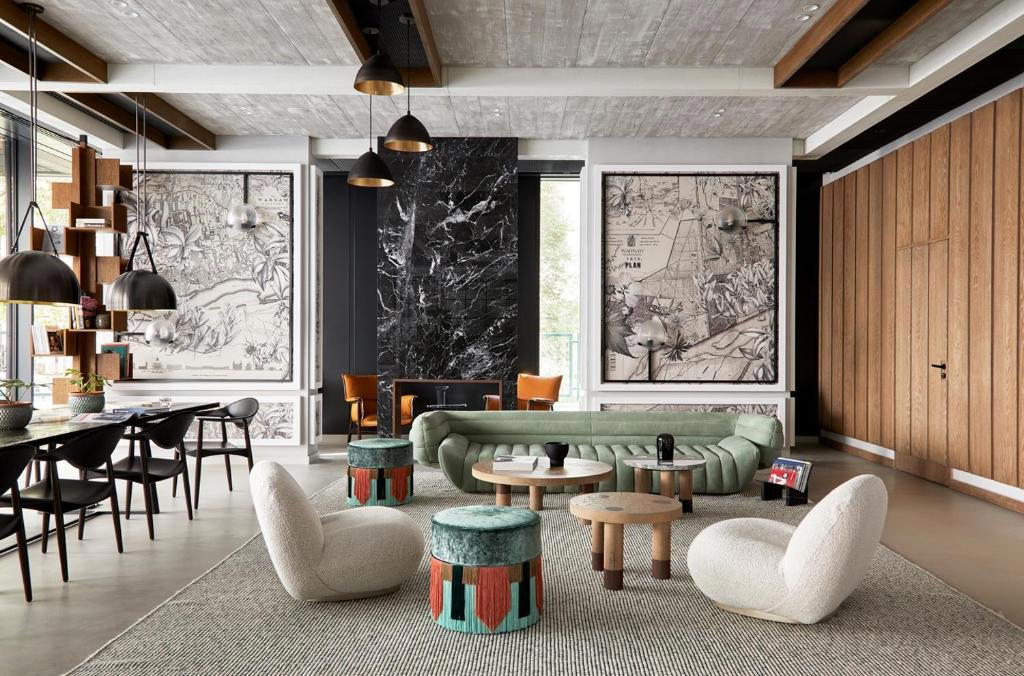
Lively, modern warehouse atmosphere with open kitchen, wine shelves, and a dynamic, stylish feel.
Know Before You Go
- Getting there
- Czerska 12, 00-732 Warszawa, Poland