Our verdict
On Nowogrodzka Street in central Warsaw, Tikka - Tendur, Kebab I Chleb lands at the intersection of South Asian fire cooking and Eastern European bread culture. The name signals the format directly: tikka from the tandoor, kebabs shaped and charred, bread pulled from the oven. In a city increasingly serious about regional cooking traditions from beyond Europe, this is one of the more focused expressions of that shift.

Pearl is the En Primeur Club membership app — saves, bookings, and concierge access live there. Same editors, same standards.
- Address
- Nowogrodzka 15, 00-511 Warszawa, Poland
- Phone
- +48 731 810 875
- Hours
- Mon 11 AM–10 PMTue–Thu 11 AM–2 AMFri–Sat 11 AM–4 AMSun 11 AM–10 PM
- Directions
- Get directions
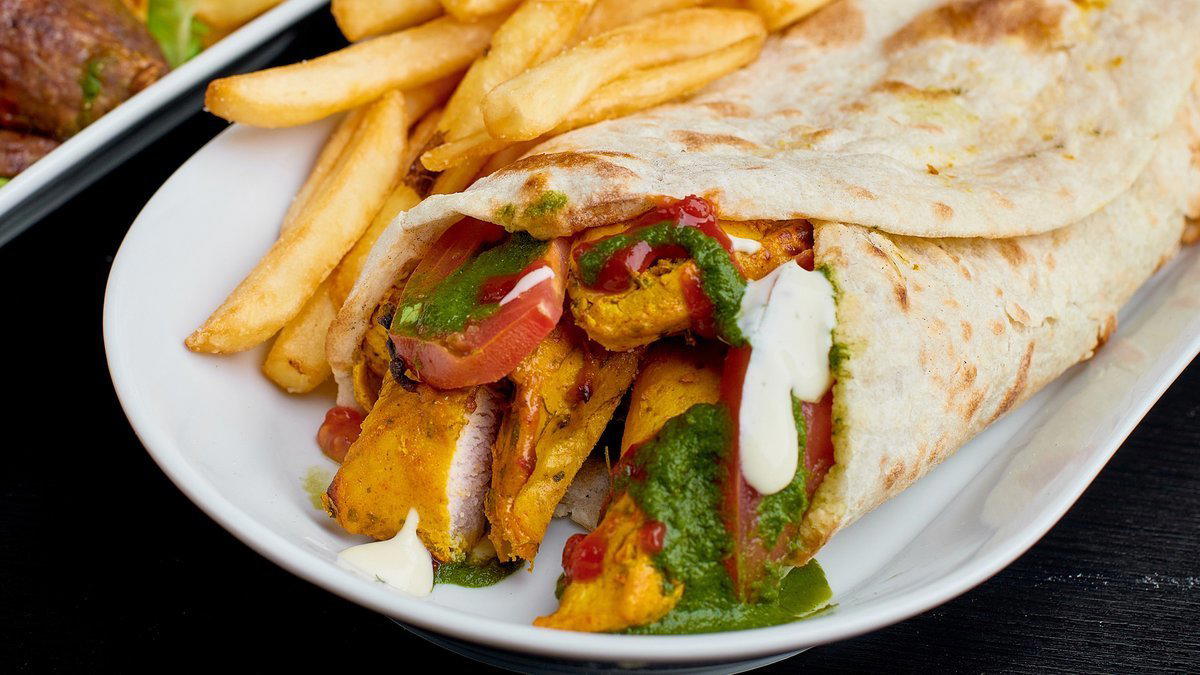
The menu
What to order
- Minced Beef Kebab
- Craft Chicken Kebab
Fire, Bread, and the Logic of the Tandoor in Warsaw
Nowogrodzka Street runs through the Śródmieście district with the quiet practicality of a working city artery — office buildings, corner cafes, the occasional pre-war facade. It is not a street that performs. Which makes it a reasonable home for a restaurant whose name announces its method rather than its ambitions: Tikka - Tendur, Kebab I Chleb translates without ceremony as tikka, tandoor, kebab, and bread. The cooking here is organised around live fire and fermented dough, two of the oldest food technologies in human history, applied in a form that Central Asia and the Subcontinent share across centuries of overlapping culinary history.
Warsaw's relationship with South and Central Asian cooking has matured considerably over the past decade. What was once a fairly thin category, dominated by generic Indian restaurant formats imported wholesale from Western European models, has given way to something more differentiated. Tandoor-led restaurants sit in their own tier now, separated from the curry-house template by technique: the clay oven changes everything about how meat and bread are cooked, demanding drier marinades, shorter contact time, and an attention to heat distribution that has no equivalent in a flat-leading or conventional oven kitchen.
What the Tandoor Demands — and Delivers
The tandoor is among the more unforgiving cooking vessels in any kitchen. Temperatures inside a well-fired clay oven routinely exceed 450°C, meaning that protein cooked on skewers has seconds, not minutes, of margin between correctly charred and overdone. The bread, naan, tandoori roti, or regional variants, is pressed directly against the inner wall and relies on radiant heat and the moisture trapped in the dough to cook evenly before gravity pulls it free. There is no temperature dial, no timer, and no recovery if the heat drops.
This technique-centred framing matters editorially because it places venues like Tikka - Tendur, Kebab I Chleb in a specific peer group, not simply in a broad "Indian restaurant" category. The inclusion of "chleb" (bread) in the name signals that the bread programme is treated as a distinct offering rather than an afterthought, which aligns with how serious tandoor houses in London, Berlin, and Stockholm have repositioned naan and flatbread as a central rather than peripheral element of the meal. In those cities, bread from the tandoor has become a marker of kitchen credibility in its own right.
Ingredient Sourcing and the Architecture of a Tikka
The editorial angle for a restaurant built around tikka and kebab is necessarily one of sourcing. A tikka is, at its core, a marinade problem: yoghurt, acid, spice, and time working on protein before the oven does its work. The quality differential between a forgettable tikka and a compelling one lives almost entirely in the sourcing decisions made before cooking begins, the fat content and freshness of the yoghurt, the provenance of the spice blend, the cut and condition of the meat. Kebab formats, whether seekh or shami or the broader Central Asian variants, add a further dimension: the balance of fat within the mince determines whether the kebab holds its shape on the skewer or falls apart before the char sets.
Poland's supply chain for the spice profiles required by this cooking style has improved significantly as Warsaw's food import infrastructure has grown alongside its restaurant industry. The question for a focused tandoor operation is whether it sources spices whole and grinds in-house, which produces noticeably different results from pre-ground blends, and whether the meat procurement reflects the same level of attention. These are not details visible from a menu, but they are detectable on the plate. Restaurants in this category that take sourcing seriously tend to show it in the marinade depth and in the texture of the bread, which requires good flour as much as good technique.
Warsaw's Wider Dining Context
Tikka - Tendur, Kebab I Chleb sits within a Warsaw dining scene that has become increasingly segmented by format and price point. The modern European tier, represented by places like Rozbrat 20 and NUTA, operates at a different register entirely, as does the creative modern cuisine approach of hub.praga. Traditional Polish cooking with a contemporary edit, as practised at alewino, occupies yet another lane. A tandoor-led South and Central Asian specialist fills a gap that none of those formats address.
The broader Polish restaurant scene beyond Warsaw also shows this kind of specialisation developing at pace. In Kraków, Bottiglieria 1881 has made its mark through a very different culinary tradition, while Gdańsk has developed its own distinct dining identity, with venues like Arco by Paco Pérez and Hashi Sushi demonstrating how regional cities are absorbing international formats on their own terms. Elsewhere in Poland, Muga in Poznań, Giewont in Kościelisko, Kwestia Czasu in Białystok, Cudne Manowce in Olsztyn, Górnik in Krakow, Hattori Hanzo in Czestochowa, and Włoska Restauracja Bellanuna in Rzeszow represent the geographic spread of serious dining across the country. The trend line is consistent: format specificity and ingredient focus have become the organising principles of the better restaurants, regardless of city or cuisine type.
At the international reference level, the discipline of building a restaurant around a single cooking vessel or technique has produced some of the most critically recognised results in recent years. Atomix in New York and Le Bernardin both represent, in very different ways, the principle that constraint produces focus. A tandoor restaurant that takes its brief seriously is working from the same logic, even if the scale and price point differ completely.
For visitors to Warsaw who want to move beyond the modern-European axis that dominates the city's critical conversation, Nowogrodzka 15 offers a different kind of focus. The address also puts you within reach of the broader Śródmieście dining corridor, where Baken and other mid-market operators have established a walkable cluster of eating options. For a fuller orientation to the city's dining, the EP Club Warsaw restaurants guide maps the scene by neighbourhood and format. Tikka - Tendur, Kebab I Chleb is worth approaching with the same attention you would give any restaurant where the cooking method is the menu, because when technique is the proposition, the execution either makes the case or it doesn't.
Planning Your Visit
The restaurant is located at Nowogrodzka 15 in the 00-511 postal district, centrally placed in Śródmieście and reachable on foot from most of Warsaw's main hotel clusters. Given the sparse public booking infrastructure visible the most reliable approach is to contact them directly via the address or to arrive at off-peak hours, particularly if you are visiting in a group. Weekend evenings in Warsaw's central dining corridor tend to compress demand across the mid-range category, so a weekday visit or an early dinner time will typically offer a more relaxed experience and faster service at the tandoor.
Frequently asked questions
What is the signature dish at Tikka - Tendur, Kebab I Chleb?
How far ahead should I plan for Tikka - Tendur, Kebab I Chleb?
Does Tikka - Tendur, Kebab I Chleb serve food that suits diners unfamiliar with South and Central Asian cooking traditions?
Recognition Snapshot
Comparable venues nearby, for context on price, style, and recognition.
| Venue | Cuisine | Price | Notes |
|---|---|---|---|
| Tikka - Tendur, Kebab I ChlebThis venue — the venue you are viewing | Indian Tandoor Kebabs | $10–20 | Not listed |
| Veganda | Vegan Fusion | $10–20 | Ujazdow |
| Krem | French Bistro Classics | $20–30 | Ujazdow |
| Café Mozaika | Polish & Mediterranean | $20–30 | Sielce |
| Yak&Yeti | Indian and Thai Restaurant | $10–20 | Czerniakow |
| Piccola Italia | Italian Restaurant & Pizzeria | $20–30 | Rakow |
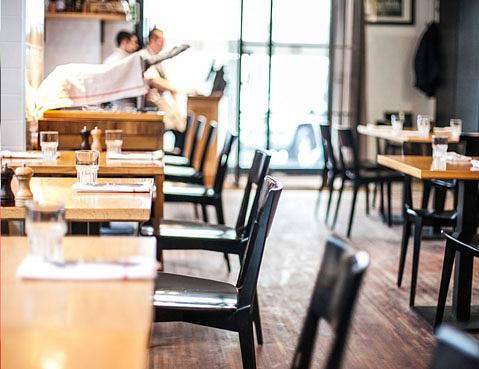
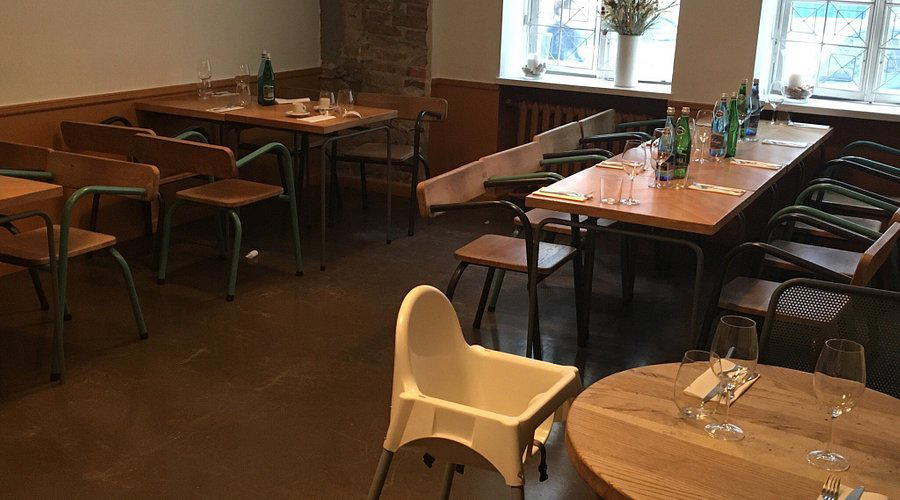
Details
- Trendy
- Lively
- Casual Hangout
- Late Night
- Open Kitchen
- A La Carte
Current opening hours
- Monday
- 11 AM–10 PM
- Tuesday
- 11 AM–2 AM
- Wednesday
- 11 AM–2 AM
- Thursday
- 11 AM–2 AM
- Friday
- 11 AM–4 AM
- Saturday
- 11 AM–4 AM
- Sunday
- 11 AM–10 PM
Hours can change for holidays and private events. Last verified .
Casual counter-service spot with a fast-paced, energetic atmosphere focused on fresh wraps and quick bites.