Yakumanka
Yakumanka brings Peruvian-Japanese nikkei cooking to Roma Norte, one of Mexico City's most competitive dining corridors. The menu moves through ceviche, tiradito, and robata-influenced courses in a format that reads as a structured progression rather than a casual spread. For a neighbourhood already dense with strong options, it earns its place on the basis of focus and technique.
 Discover on Pearl
Pearl is the En Primeur Club membership app — saves, bookings, and concierge access live there. Same editors, same standards.
- Address
- Guanajuato 138, Roma Nte., Cuauhtémoc, 06700 Ciudad de México, CDMX, Mexico
- Phone
- +52 55 5035 8124
- Website
- yakumanka.mx
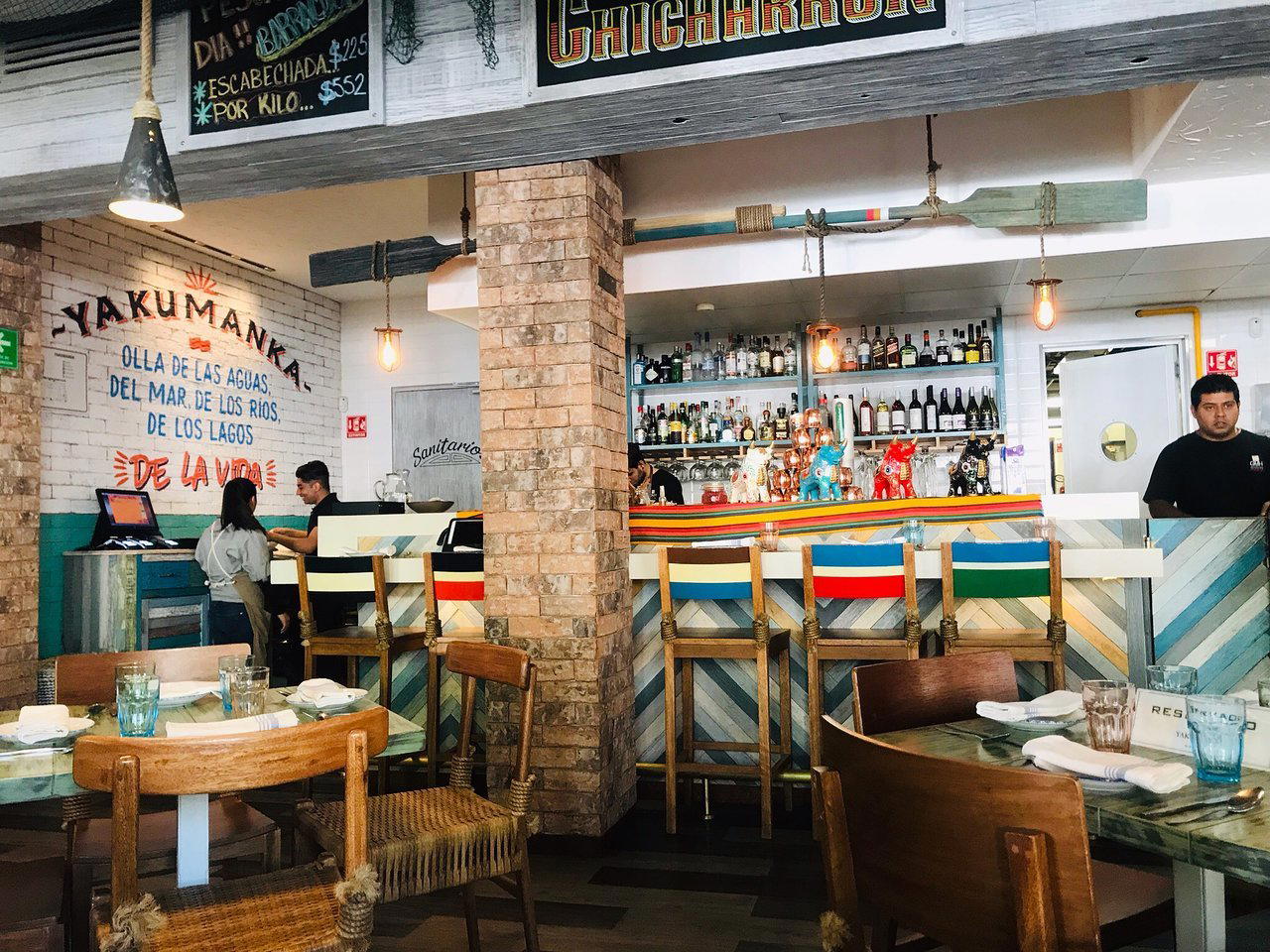
Where Nikkei Cooking Lands in Mexico City
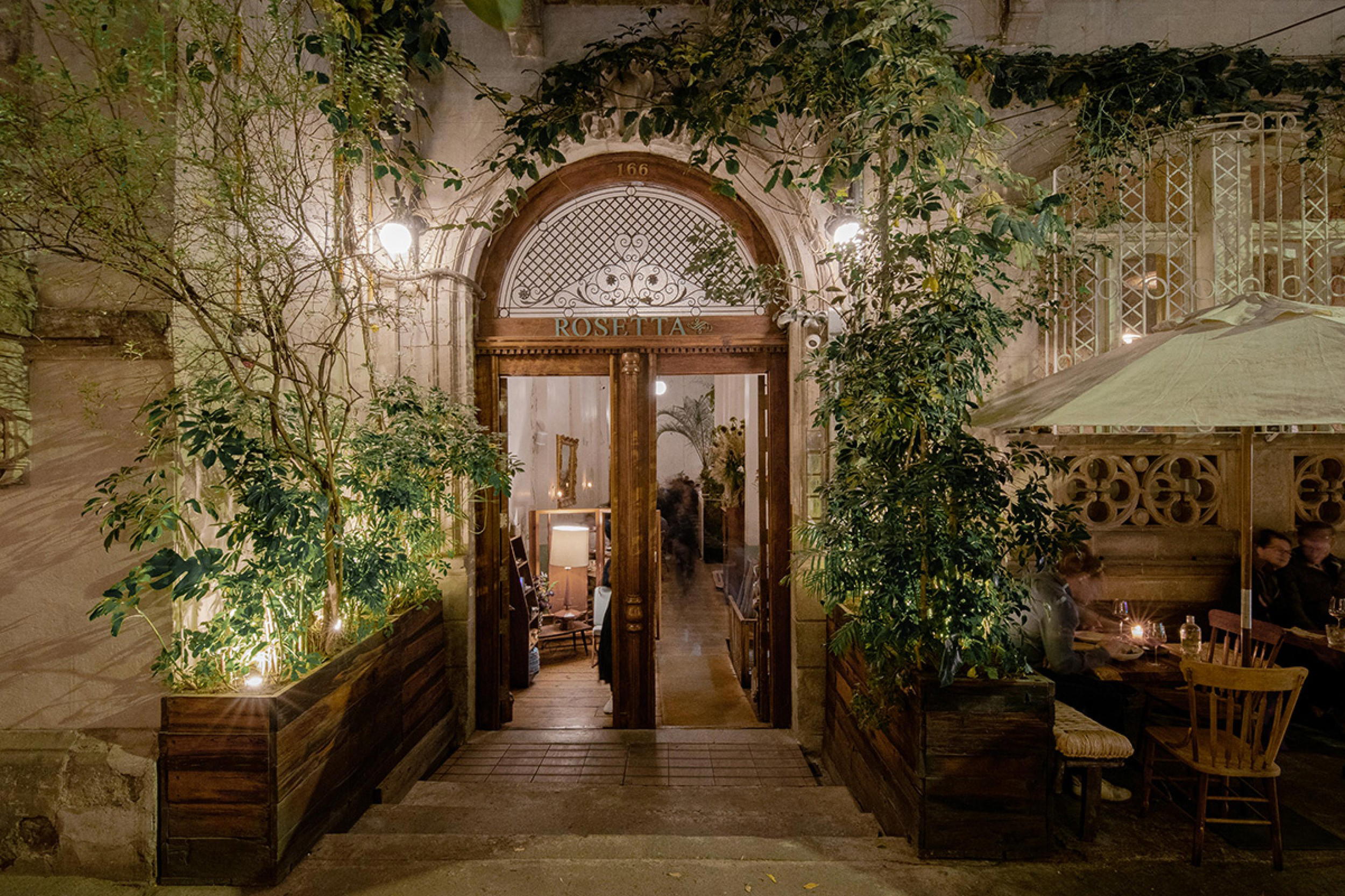
Roma Norte has developed into one of the more demanding dining corridors in Latin America. Yakumanka is a Modern Peruvian Cevichería in Roma Norte, Mexico City, at Guanajuato 138. Streets like Orizaba, Álvaro Obregón, and Guanajuato now host a concentration of serious kitchens that compete not just with each other but with the broader canon of what Mexico City dining has become. Alongside modern Mexican addresses such as Em and the creative Italian of Rosetta, the neighbourhood has absorbed a wider set of influences without losing coherence. Yakumanka, at Guanajuato 138, is part of that broader shift: a Peruvian kitchen with Japanese lineage, operating in a city that has shown consistent appetite for technical cooking outside its own traditions.
Nikkei cuisine, the fusion tradition born from Japanese immigration to Peru beginning in the late nineteenth century, has a documented global moment. Lima has been its primary export platform, with kitchens in London, Dubai, and Miami replicating the model. Mexico City's version of this story sits at Guanajuato 138, where the format familiar to anyone who has eaten in a serious Peruvian-Japanese kitchen comes into contact with a local dining culture that already understands acidity, raw fish, and layered spice. The result is a room with more shared vocabulary with its guests than a similar concept might find elsewhere.
The Structure of the Meal
The architecture of a nikkei meal follows a logic that rewards patience. Lighter, acid-forward preparations anchor the opening, leche de tigre as both sauce and palate signal, tiradito cuts that read closer to Japanese sashimi in their precision than to the chunkier Peruvian ceviche tradition. Where ceviche typically rests the protein in citrus long enough to change texture, tiradito slices thin and dresses at the moment of service, preserving translucency and a cleaner fish flavour. This distinction matters at a restaurant like Yakumanka, where the sequencing from cold raw preparations through to cooked and robata-grilled courses is the editorial logic of the menu itself.
The mid-meal progression generally moves toward warmer, more intensive flavour: anticuchos, robata preparations, and dishes that use ají amarillo and ají panca as structural ingredients rather than garnish. These chiles carry a heat profile distinct from Mexican varieties, fruitier, with less of the sharpness common to serrano or habanero, and they position the kitchen in a flavour register that is recognisably foreign to the local palate without being opaque. For diners accustomed to the kind of meal offered at Pujol or Quintonil, where the narrative of Mexican ingredient and technique is the explicit subject of every course, Yakumanka offers a different kind of structure: one built on a parallel tradition of disciplined acidity and umami depth.
Roma Norte as a Competitive Reference Point
Placing Yakumanka in its neighbourhood context requires acknowledging how much the Roma Norte dining scene has changed in a decade. The area now hosts kitchens at multiple price tiers and across a broader culinary range than its reputation as a creative Mexican neighbourhood once implied. Creative addresses have been joined by Japanese izakayas, natural wine bars, and now a nikkei counter. This diversification tracks with Mexico City's broader trajectory as a destination for serious dining, a city where the comparison set increasingly includes kitchens in other Latin American capitals rather than only domestic peers.
For the broader picture of what serious dining looks like across Mexico, the reference set is wide. Coastal technique dominates at HA' in Playa del Carmen and Le Chique in Puerto Morelos. Regional ingredient-driven cooking defines addresses like Levadura de Olla in Oaxaca and Huniik in Merida. In the north, KOLI Cocina de Origen in Monterrey, Pangea in San Pedro Garza García, and the outdoor format of Animalón in Valle de Guadalupe show how far the country's dining ambitions extend beyond the capital. Lunario in El Porvenir and Alcalde in Guadalajara reinforce that picture. Olivea Farm to Table in Ensenada adds a Baja California perspective. Within Mexico City itself, For international comparison on technical precision, kitchens like Le Bernardin in New York City and Atomix in New York City offer useful reference points on what rigorous fish cookery and structured tasting formats look like at the highest tier. Sud 777 rounds out the capital's creative tier.
What the Format Signals
A nikkei kitchen in Mexico City makes a specific argument: that the acidity-forward, precision-cut tradition of Lima's Japanese-Peruvian restaurants can find a natural audience in a city already literate in raw preparations, citrus-led sauces, and layered chile heat. Whether that argument holds depends on execution, and execution in this format requires consistency at the level of knife work, temperature management, and leche de tigre balance, the kind of detail that does not survive sloppy mise en place. Kitchens that do this well, in Lima, London, or Mexico City, tend to earn repeat visits from guests who return specifically for the cold-to-warm progression of the menu, not simply for any single dish.
The Roma Norte address at Guanajuato 138 places Yakumanka within easy reach of the neighbourhood's broader dining circuit, which is itself a practical advantage for visitors building a multi-day Mexico City itinerary around serious meals. The street sits in the northern section of Roma, a short walk from Álvaro Obregón and the cluster of bars and natural wine spots that have made the neighbourhood an evening destination as much as a lunch one.
Arriving without a reservation on a weekend evening at a recognised address in this neighbourhood is a low-probability strategy. Checking the restaurant's current booking method directly via its address or a search for current reservation availability is advisable before any visit. For visitors whose Mexico City schedule is fixed, booking as far ahead as the restaurant's system allows is the standard practice across the Roma Norte tier.
Guanajuato 138, Roma Norte, Cuauhtémoc, Mexico City.
Awards and Standing
Comparable venues nearby, for context on price, style, and recognition.
| Venue | Cuisine | Price | Awards | Notes |
|---|---|---|---|---|
| YakumankaThis venue — the venue you are viewing | Modern Peruvian Cevichería | $$$ | , | |
| Palominos | Sonoran Steakhouse | $$$ | , | Del Valle Norte |
| La Rural Argentina | Authentic Argentine Steakhouse | $$$ | , | Ampl Napoles |
| Belfiore | Authentic Italian Pizza & Pasta | $$$ | , | Los Morales Secc Palmas |
| Burger House Atelier Kosher | Kosher American Burgers | $$$ | , | Del Bosque |
| Torino - Santa Fe | Traditional Italian Trattoria | $$$ | , | Res Parque Santa Fe |
Continue exploring
More in Mexico City
Restaurants in Mexico City
Browse all →
Bars in Mexico City
Browse all →

At a Glance
- Lively
- Trendy
- Date Night
- Casual Hangout
- Open Kitchen
- Craft Cocktails
- Local Sourcing
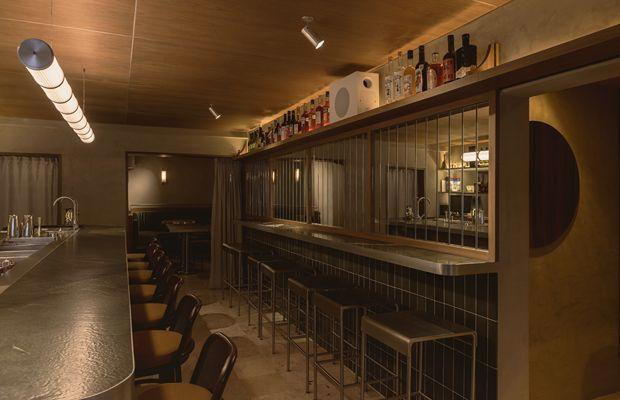
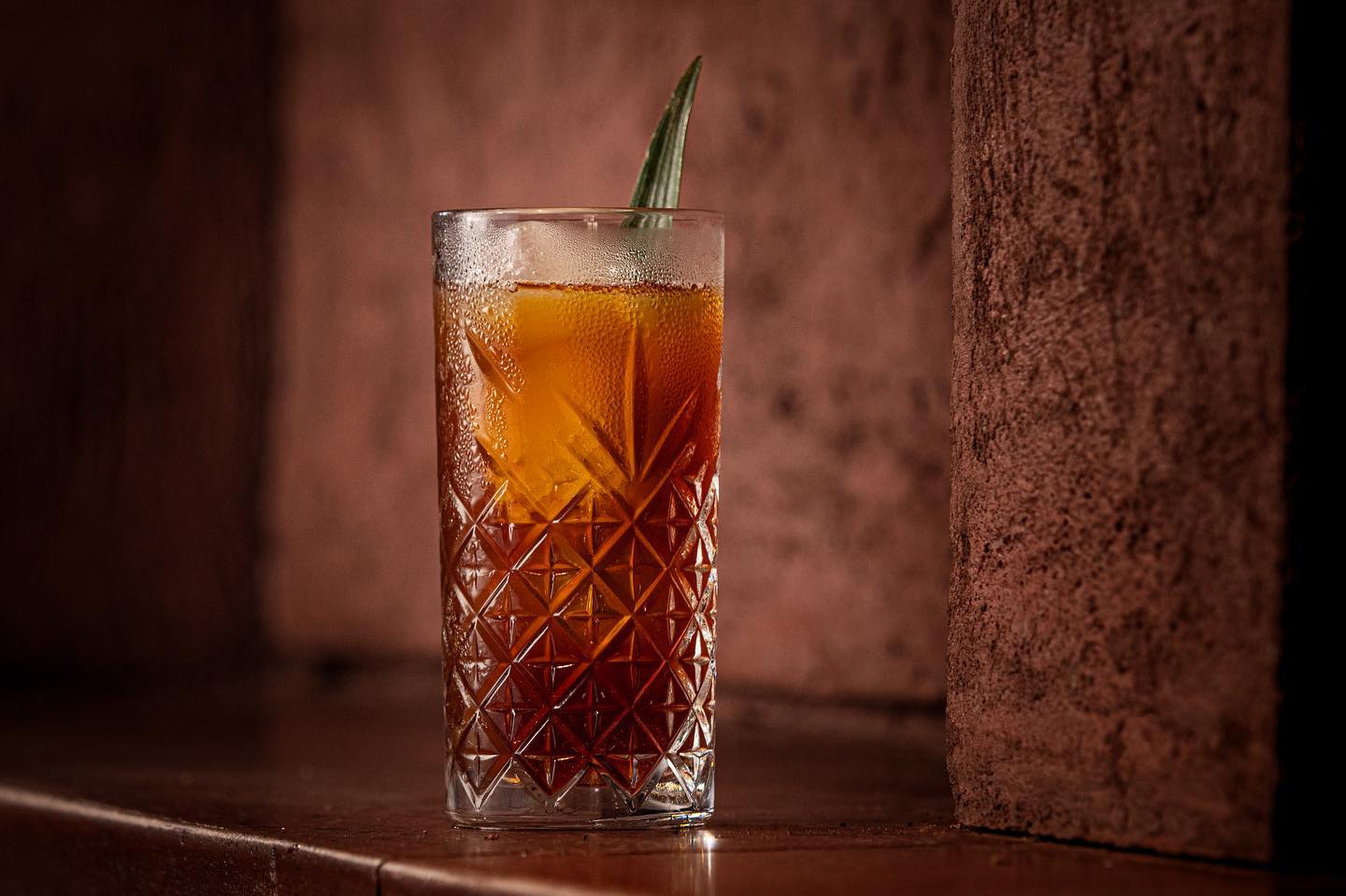
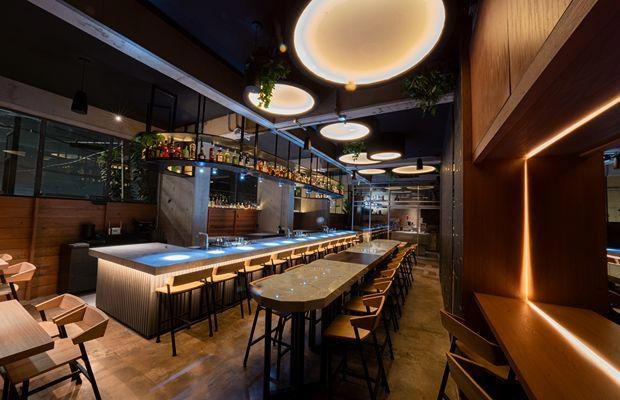
Vibrant and welcoming with lively atmosphere, open kitchen, and mix of indoor and outdoor seating.