La Rural Argentina
La Rural Argentina serves authentic Argentine steakhouse cooking on Av. Insurgentes Sur, with an extensive wine list and dishes such as Argentine Steak and Empanadas.
Pearl is the En Primeur Club membership app — saves, bookings, and concierge access live there. Same editors, same standards.
- Address
- Av. Insurgentes Sur 803, Nápoles, Benito Juárez, 03810 Ciudad de México, CDMX, Mexico
- Phone
- +525556871145
- Website
- laruralrestaurantes.com
- Directions
- Get directions
 Saves & bookings on Pearl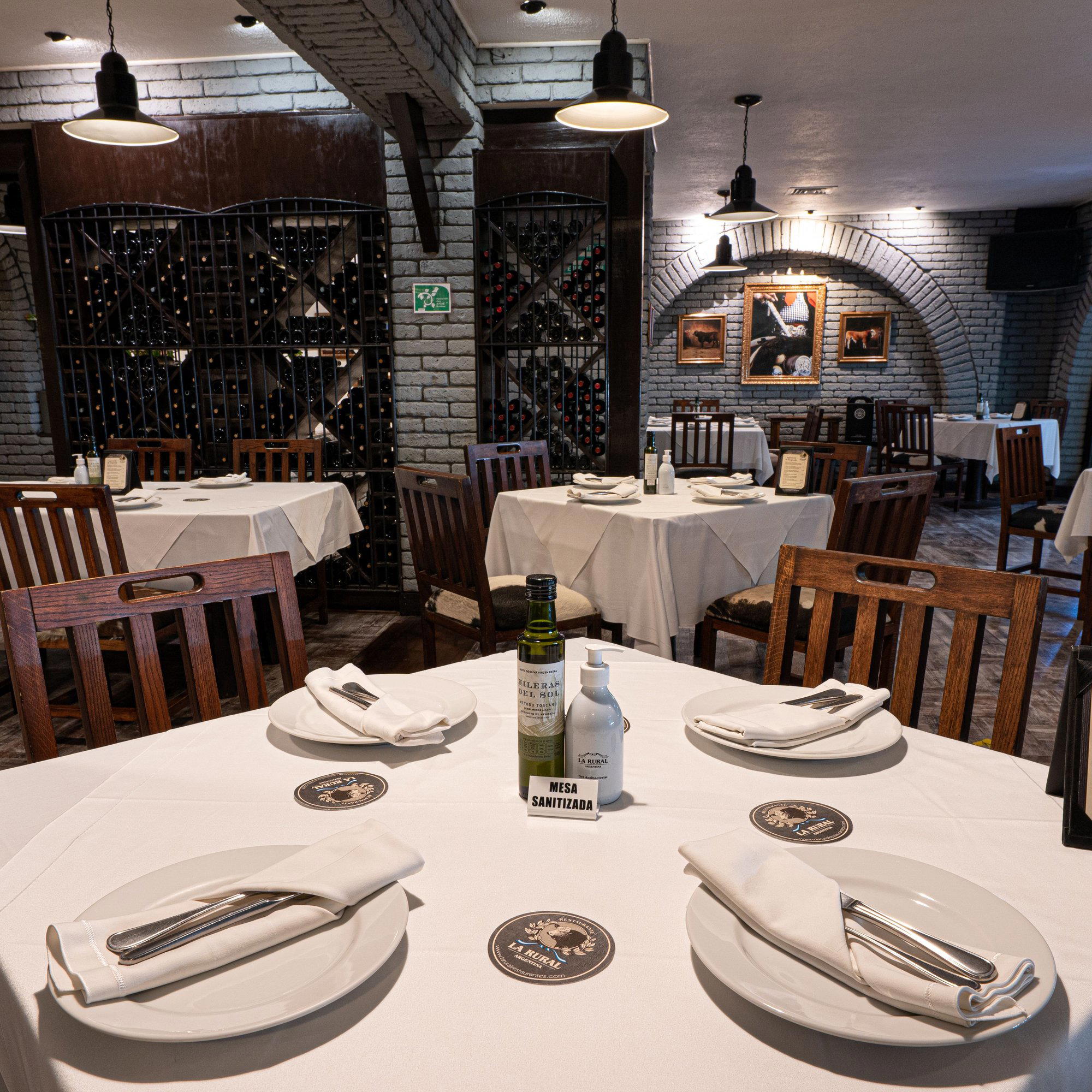
Argentine Steakhouse Dining in Mexico City: Where the Nápoles Neighbourhood Sets the Scene
Insurgentes Sur is one of Mexico City's longest and most commercially layered arteries, running south through colonias that shift in character every few blocks. By the time it reaches the Nápoles district, the avenue has settled into a mixed register: mid-rise office blocks, neighbourhood restaurants, and the kind of street-level dining culture that serves office lunches at noon and extended family dinners well into the evening. La Rural Argentina sits at Av. Insurgentes Sur 803 in this context, operating within a neighbourhood that positions Argentine-style dining alongside the broader dining choices of Benito Juárez.
Argentine cuisine in Mexico City occupies a specific niche. The genre is defined above all by asado tradition: open-fire or charcoal cooking of beef cuts that the Argentine cattle industry has spent decades breeding for flavour and marbling. In Mexico City, that tradition competes with a domestic restaurant scene of considerable depth. The capital's fine-dining tier now includes institutions like Pujol and Quintonil at the upper end, creative mid-tier addresses like Rosetta and Sud 777, and focused contemporary Mexican venues like Em. Against that competitive field, Argentine steakhouse dining carves out its space through the specificity of the grill, a cooking method that Mexican cuisine also employs, but through a different set of traditions and cuts.
The Collaborative Register of a Steakhouse Floor
The editorial angle that rewards attention in any Argentine steakhouse is the interplay between kitchen and floor. In the asado tradition, the cook managing the grill, controlling fire, distance, timing, makes decisions that no server can override after the fact. The cut is committed the moment it touches the parrilla. What the front-of-house does with that reality is where restaurants distinguish themselves: pairing recommendations that account for the weight and char of a particular cut, pacing that lets a table breathe between courses, a wine program that matches Argentine varietals to Argentine cooking.
This team dynamic is structural to the format rather than aspirational. In Buenos Aires, the collaboration between parrillero and sommelier at serious estancias and urban parrillas has been refined over generations. The leading versions of it exported to other cities carry that disciplinary relationship with them: the kitchen communicates what is on the grill and how it is progressing, the floor adjusts accordingly, and the guest experiences something that feels intuitive rather than mechanical.
For comparison across Mexico's wider restaurant scene, the collaborative kitchen-floor model appears at different price points and cuisines. Alcalde in Guadalajara, Pangea in San Pedro Garza Garcia, and KOLI Cocina de Origen in Monterrey each operate programs where front-of-house serves as an extension of the kitchen's intent. In regional contexts, Animalón in Valle de Guadalupe and Lunario in El Porvenir represent the wine-country version of that same alignment. La Rural Argentina's steakhouse format positions it in a different category from those kitchens, but the underlying service logic is shared.
Argentine Beef and the Parrilla Tradition Outside Argentina
The challenge any Argentine restaurant faces outside Buenos Aires is sourcing. The Argentine cattle industry, centred on Pampas-raised beef, primarily Angus and Hereford crosses, produces a product with specific flavour characteristics shaped by grass feeding and extended maturation. Replicating that outside Argentina means either importing the beef, sourcing comparable Mexican cattle programs, or working within whatever the local supply makes available.
Mexico has its own premium beef sector, and the crossover between Argentine parrilla technique and Mexican cattle is a real culinary space. Oaxacan cooking traditions, coastal grilling at places like HA' in Playa del Carmen, and farm-connected kitchens like Olivea Farm to Table in Ensenada all demonstrate that Mexican sourcing can produce serious results over fire. Argentine restaurants in Mexico City that commit to the parrilla format are participating in a dialogue between two strong cattle and grilling traditions rather than simply transplanting one into the other.
For guests accustomed to the tasting-menu format that drives Mexico City's most discussed addresses, an Argentine steakhouse operates on different logic: the menu is à la carte, the proteins are the centre of gravity, and the experience is measured in cuts and accompaniments rather than in a sequenced narrative. That difference is a feature rather than a limitation, and it attracts a different kind of dining occasion.
Placing La Rural Argentina in the Nápoles Context
Nápoles is not the neighbourhood that international visitors typically associate with Mexico City's dining scene. The well-documented restaurant clusters sit in Roma Norte, Polanco, and Condesa. Nápoles operates closer to a working residential and commercial register, which shapes the clientele and the occasion type that a restaurant there is serving. A steakhouse at this address is more likely drawing from local regulars, business lunches along the Insurgentes corridor, and dinner occasions from the surrounding colonia than from the reservation lists of hotel concierges in Polanco.
That neighbourhood context is not a liability. Some of Mexico City's most consistent cooking happens outside the showcase districts. Levadura de Olla in Oaxaca and Huniik in Merida both demonstrate that geographic distance from the critical spotlight is unrelated to cooking quality. In Mexico City specifically, the concentration of serious neighbourhood restaurants across Benito Juárez and adjoining colonias is one of the more underreported features of the dining scene.
Argentine dining represents one thread in a considerably larger pattern. The internationalization of Mexico City's restaurant scene, which now includes serious Italian, Japanese, Peruvian, and Spanish addresses alongside the native Mexican tradition, reflects the city's population size and the density of its professional class. In that context, an Argentine steakhouse on Insurgentes Sur is not an anomaly but a normal expression of how a city of this scale absorbs and maintains multiple culinary traditions simultaneously.
Know Before You Go
| Address | Av. Insurgentes Sur 803, Nápoles, Benito Juárez, 03810 Ciudad de México, CDMX, Mexico |
|---|---|
| Neighbourhood | Nápoles, Benito Juárez |
| Cuisine | Argentine / parrilla tradition |
| Reservations | Recommended |
| Price Range | About USD 50 per person |
A Lean Comparison
Comparable venues nearby, for context on price, style, and recognition.
| Venue | Cuisine | Price | Notes |
|---|---|---|---|
| La Rural ArgentinaThis venue — the venue you are viewing | Not listed | $$$ | Not listed |
| Quebracho | Not listed | $$$ | Cuauhtemoc, Authentic Argentinian Steakhouse |
| Loma Linda | Ampl Granada, Classic Mexican Steakhouse | $$$ | Not listed |
| Puerto Madero | Not listed | $$$$ | Chimalistac, Argentine Parrilla & Seafood |
| Bodega de los Malazzo | Granada, Argentinian Steakhouse & Pizza | $$$$ | Not listed |
| La Entraña Parrilla | Not listed | $$$ | Sociedad Cooperativa Poder Popular, Argentine Parrilla |
Continue exploring
More in Mexico City
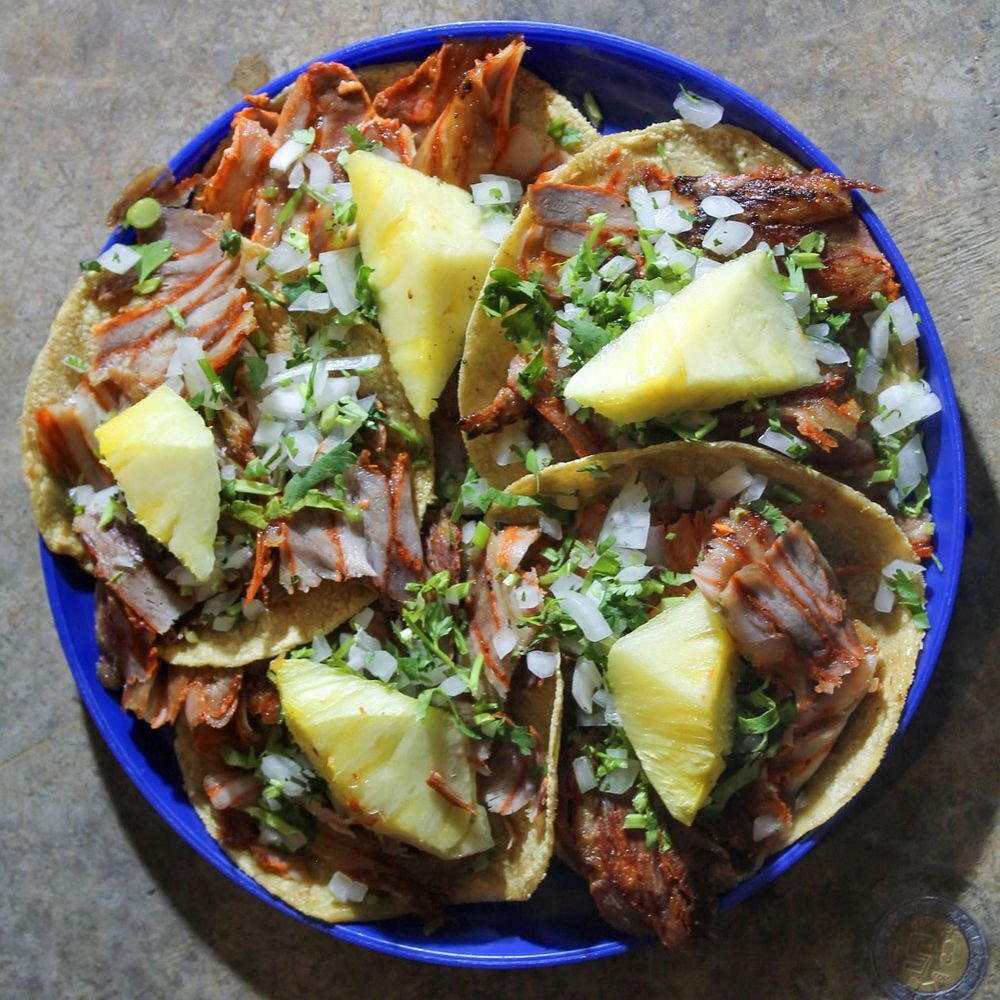
Restaurants in Mexico City
Browse all →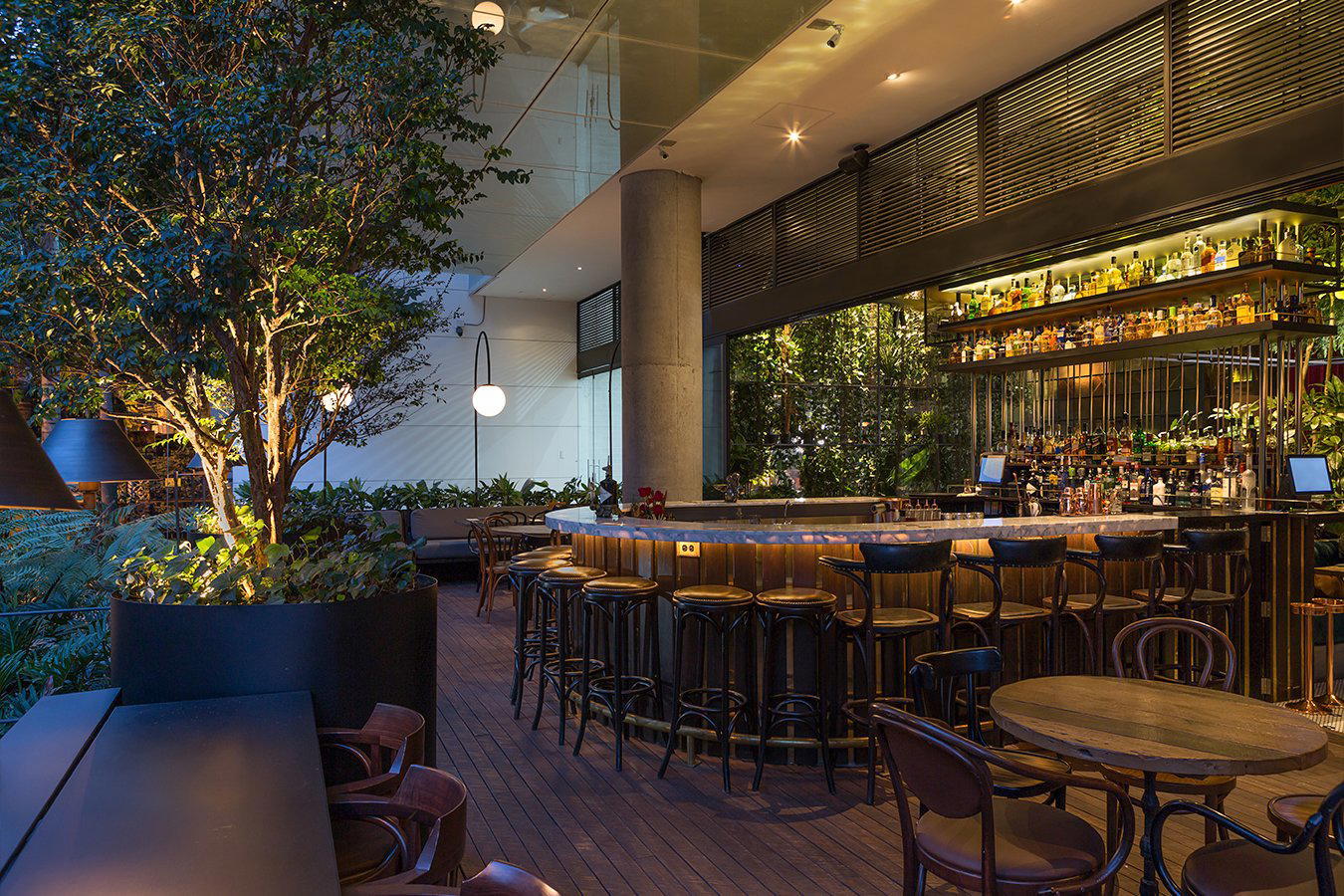
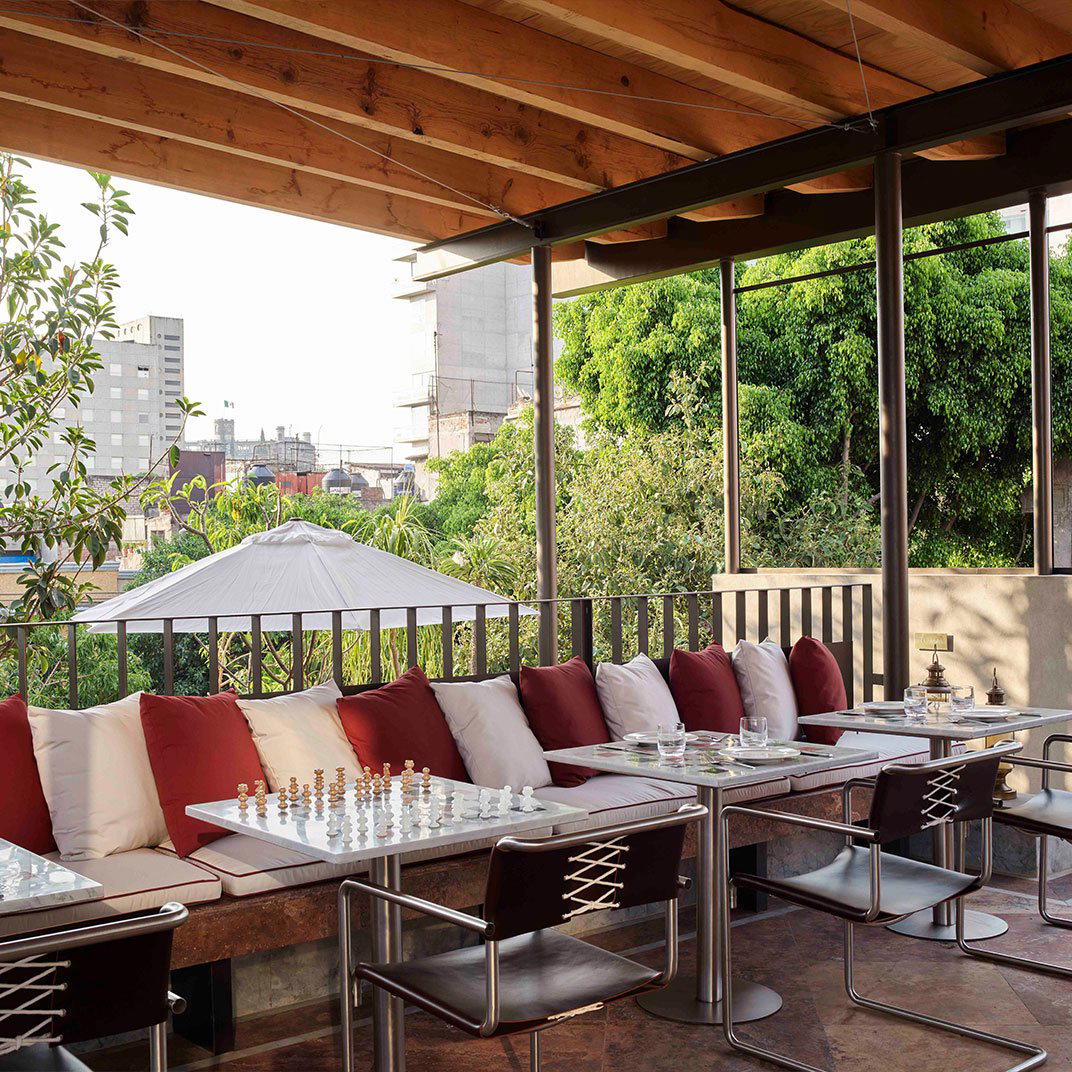
Bars in Mexico City
Browse all →



At a Glance
- Rustic
- Lively
- Elegant
- Group Dining
- Special Occasion
- Business Dinner
- Open Kitchen
- Extensive Wine List
Current opening hours
- Monday
- 1 PM–1 AM
- Tuesday
- 1 PM–1 AM
- Wednesday
- 1 PM–1 AM
- Thursday
- 1 PM–1 AM
- Friday
- 1 PM–1 AM
- Saturday
- 1 PM–1 AM
- Sunday
- 1 PM–1 AM
Hours can change for holidays and private events. Last verified .
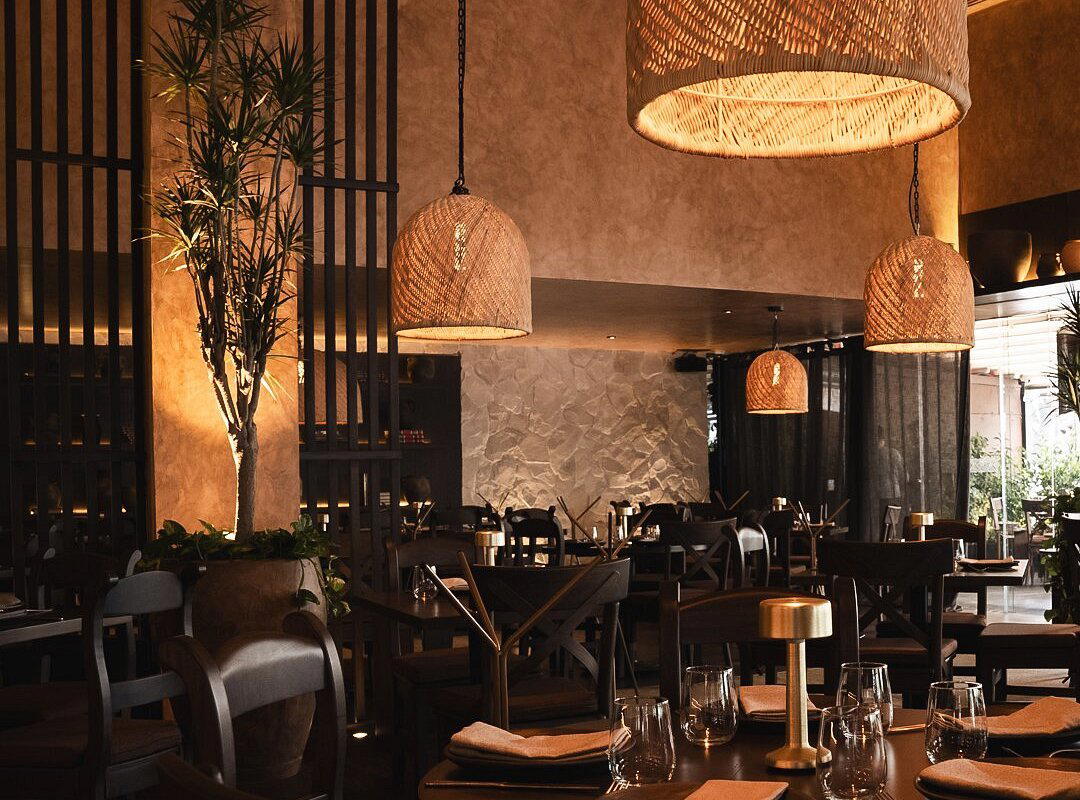
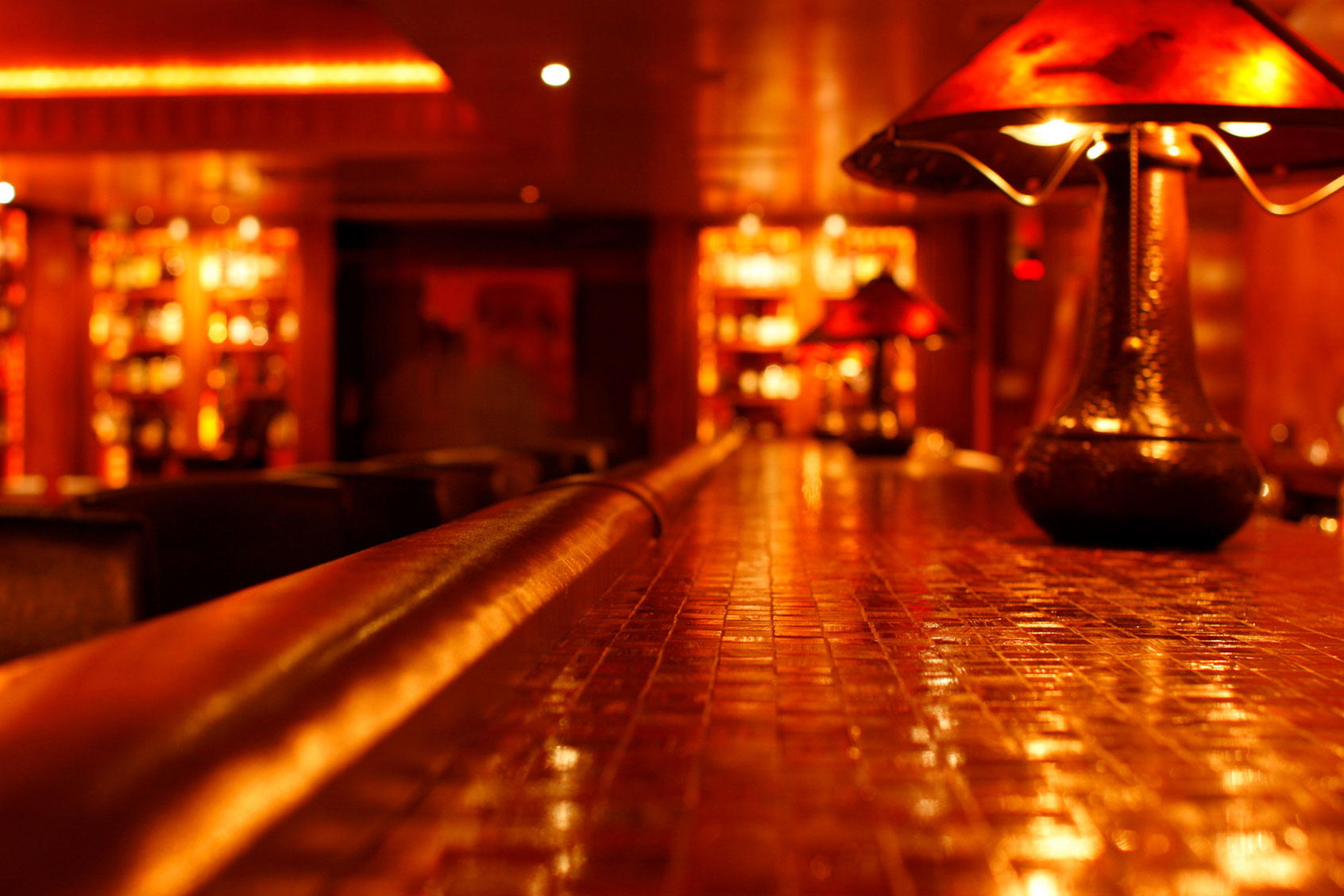
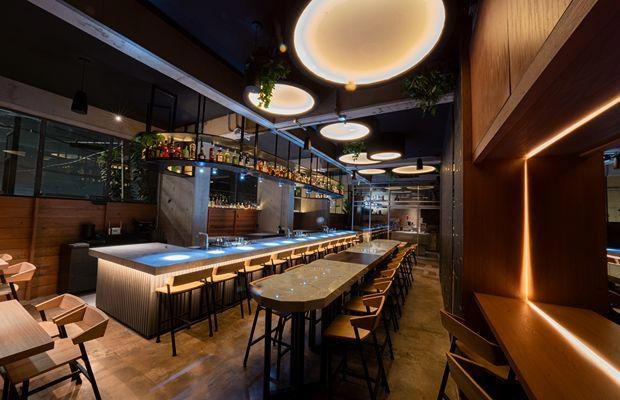
Rustic and cozy atmosphere evoking the Argentine countryside with warm lighting, striking table linens, and high-energy service.