
Yakitori Tokei belongs to Osaka’s serious yakitori tier: small-format, reservation-led, and built around the controlled theatre of charcoal cooking rather than broad izakaya sprawl. Its Tabelog Yakitori WEST 100 selections in 2024 and 2025 give it a clear trust signal, while the Higashiosaka setting places it outside the usual central-district dining circuit.
Pearl is the En Primeur Club membership app — saves, bookings, and concierge access live there. Same editors, same standards.
- Address
- Japan, 〒578-0982 Osaka, Higashiosaka, Yoshitahonmachi, 1 Chome−7−8 第2高山ハイツ 107
- Phone
- +81 72-965-5858
- Website
- yakitori-tokei.jp
 Saves & bookings on Pearl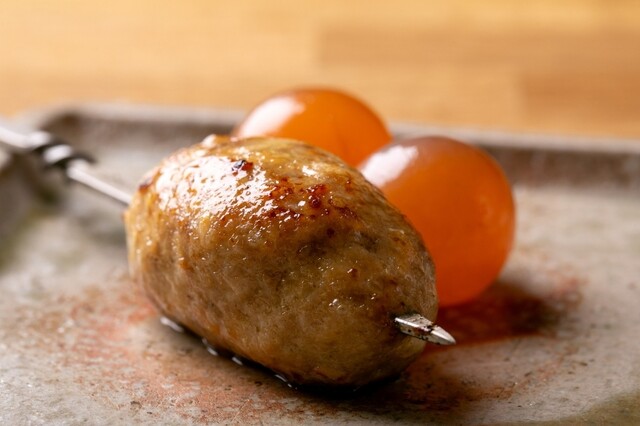
The room is the first clue that this is not casual skewer-and-beer territory. Yakitori at this level is a close-range performance: smoke held in check, heat managed by hand, and a counter where the grill becomes the organizing principle of the evening. In Osaka, that matters. The city’s eating culture is often described through speed, street food, and appetite, but its stronger dining rooms are just as much about repetition, timing, and the discipline of a narrow format.
Yakitori Tokei sits in that narrower register. Recognition in Tabelog’s Yakitori WEST 100 in both 2024 and 2025 places it among the regional addresses that Japanese diners use as a shorthand for seriousness in this category. That does not make it a ceremonial temple of chicken; it makes it part of a more exacting conversation about how far a skewer counter can go when the menu is built around fire, sequence, and restraint rather than abundance.
Charcoal, sequence, and the small-room grammar of Osaka yakitori
Good yakitori depends on a contract between repetition and variation. The format looks simple from a distance: chicken, skewers, charcoal, salt or tare. Up close, the differences are in cut, fat, doneness, carryover heat, and pacing. Osaka’s stronger yakitori counters tend to reward diners who understand that the meal is not a checklist of parts but a progression. The pleasure comes from how leaner and richer pieces are arranged, how smoke is used without letting bitterness take over, and how the rhythm of the grill sets the rhythm of the table.
That is the useful way to read this restaurant’s reputation. The category listed around it includes yakitori, chicken dishes, and mizutaki, which points to a chicken-focused kitchen rather than a generalist izakaya. Drinks matter in this format, too: sake, shochu, and wine are all part of the stated program, a sign that the meal is expected to carry more range than a quick skewer stop. The pairing logic is practical rather than decorative. Smoke, salt, skin, and broth can pull a table in several directions, and a serious drinks list gives the kitchen more room to move.
The counter culture is also part of the sensory frame. Yakitori is one of Japan’s dining forms where sound has real information: the hiss of fat, the turn of a skewer, the short pause before a piece leaves the heat. A small room compresses those cues. It also removes the safety of anonymity. Diners see the work, and the cooking has fewer places to hide. That is why small-format yakitori often feels more exacting than its price category suggests; the technique is public, repeated, and judged piece by piece.
Why Higashiosaka changes the dining decision
Location shapes expectation. Central Osaka gives visitors a dense choice of counters, bars, ramen shops, bakeries, and late-night rooms within a few train stops. Higashiosaka asks for a more deliberate plan. That changes the psychology of the meal: this is not the kind of address added between shopping and a second bar. It is a destination within the city’s wider dining map, and that makes the format carry more weight.
The comparison is useful. Osaka can handle radically different dining moods in a single day: a quick pork bun run at 551 Horai (551蓬莱), bread and coffee around 52CHO-ME BAKERY, a lighter café stop at .cafe, or Italian cooking at a canto (Italian) and 99 Pizza Napoletana Gourmet. Those are different uses of the city. A yakitori counter with regional recognition belongs to the evening when the meal itself is the plan.
Peer pricing in Osaka also clarifies the choice. Udon Biyori, Patisserie Rielg, Menya Jikon Daitou honten, Marusho Gyoza Ten Dai2 hanna ten, and Tonkatsu Hiroki Tokuan honten sit in lower everyday-spend bands by comparison. That gap is not just about luxury; it reflects labor, seating economics, and the way a narrow counter format turns limited covers into the business model. A diner choosing this tier is paying for focus, not variety for its own sake.
How to place it within a sharper Osaka itinerary
The stronger case for Yakitori Tokei is not that every Osaka visitor needs it. The sharper point is that it represents a version of the city often missed by itineraries built only around Dotonbori grazing and train-station convenience. Osaka’s food identity has always had range: cheap counters, department-store basements, specialist ramen, old-school grills, pastry shops, and serious reservation rooms all coexist. The yakitori tier adds another lens, one where heat control and sequence replace spectacle.
For travelers building a food-focused stay, the sensible move is to treat this as an anchor dinner and keep the rest of the day lighter. Use Our full Osaka restaurants guide for the broader map, then match the evening with a drinks plan from Our full Osaka bars guide if the night continues. Sleep logistics matter in a city spread across multiple rail corridors, so Our full Osaka hotels guide is the better planning companion than a neighbourhood-only search. For a wider cultural frame, Our full Osaka experiences guide and Our full Osaka wineries guide round out the city beyond dinner.
National context helps, too. Japan’s specialist dining culture is not confined to one city or category: compare the focus of [ki:] in Kyoto. 鮪と炭火焼き うお炭 秋葉原店 in Tokyo, -Grilled beef Sukiyaki- KAMAKURA TANUKIAN 鎌倉 たぬき庵 in Kamakura.know in Kumamoto, (Shoku) Vietnam in Kawasaki, and [Curry Senmon Ten] Maruyama Kyoju. in Sapporo. Abroad, Japanese formats take on different roles, as seen at Jōdo Saké Bar in Los Angeles and Onigiri Time in Pasadena. Against that wider field, this Osaka counter reads as a local expression of a national habit: specialization carried far enough that small differences start to matter.
How It Stacks Up
Comparable venues by price and recognition.
| Venue | Cuisine | Price | Notes |
|---|---|---|---|
| Yakitori TokeiThis venue — the venue you are viewing | Premium Yakitori Omakase | $$$ | Not listed |
| Yoshoku Matsushita | Yoshoku (Japanese-style Western) | $$$ | Chūō |
| San Bettei Kitashinchi ten | Okinawan Shabu-Shabu & Sukiyaki | $$$ | Kita |
| Yakiniku Kappa Kajioka | Traditional Yakiniku (Japanese BBQ) | $$$ | Toyonaka |
| Ishii Jr. | Yakitori & Chicken Dishes Omakase | $$$ | Kita |
| Takuya | Modern tonkatsu & pork dishes | $$$ | Kita |
Recognition history
Dated appearances from independent guides and award organizations, with the underlying list record or original source where available.
Tabelog 100 #85 · No. 85
Tabelog · Tabelog 100 - Yakitori - WEST - 2025
Continue exploring
More in Osaka
Restaurants in Osaka
Browse all →




Bars in Osaka
Browse all →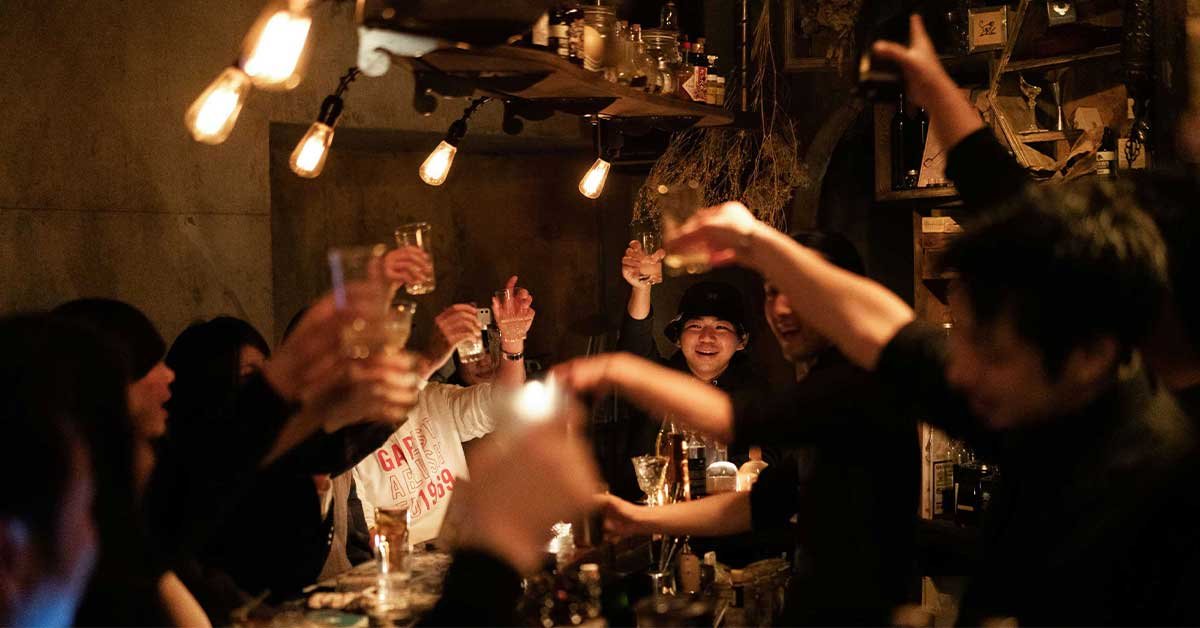
Hotels in Osaka
Browse all →



Wineries in Osaka
Browse all →
At a Glance
- Intimate
- Cozy
- Elegant
- Date Night
- Special Occasion
- Business Dinner
- Group Dining
- Private Event
- Chefs Counter
- Private Dining
- Standalone
- Design Destination
- Sake Program
- Beer Program
- Local Sourcing
- Farm To Table
Current opening hours
- Monday
- Closed
- Tuesday
- 5–11 PM
- Wednesday
- 5–11 PM
- Thursday
- 5–11 PM
- Friday
- 5–11 PM
- Saturday
- 5–11 PM
- Sunday
- 5–11 PM
Hours can change for holidays and private events. Last verified .
Sophisticated yet warm counter-focused space with live-fire grilling in front of guests, soft lighting, and a quiet, intimate atmosphere suited to focused dining and special occasions.