
Takuya brings Osaka tonkatsu into a compact counter format in Sonezaki, with recognition on Tabelog’s Tonkatsu 100 selection for 2026 and a place in the city’s serious fried-pork conversation. The draw is not scale but concentration: pork cutlet culture treated with the focus usually associated with sushi counters or tempura rooms.
Pearl is the En Primeur Club membership app — saves, bookings, and concierge access live there. Same editors, same standards.
- Address
- 2 Chome-5-37 Sonezaki, Kita Ward, Osaka, 530-0057, Japan
- Phone
- +81 90-3837-0563
- Website
- kcrp100.gorp.jp
 Saves & bookings on Pearl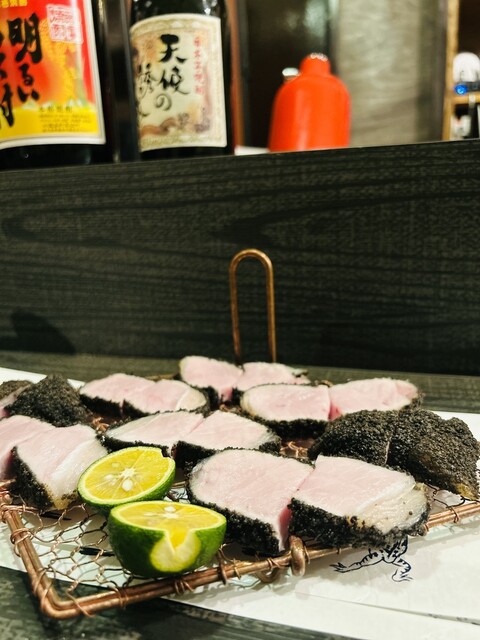
In Sonezaki, Osaka’s rhythm shifts quickly: office towers and station traffic give way to narrower streets, small counters and rooms for diners who know exactly what they came to eat. Tonkatsu rewards that focus. The cut, breading, frying oil, resting time and sauce discipline show immediately, and Osaka diners are unsentimental about poor execution.
Takuya fits a useful Osaka story. The city is often framed through takoyaki, okonomiyaki and late-night drinking, but its sharper dining culture also supports obsessive single-subject restaurants. Tonkatsu suits that pattern: a Western-derived yoshoku dish absorbed into Japanese craft, then refined until small differences in texture and fat define the meal. Tabelog’s Tonkatsu 100 selection for 2026 places this counter in the national specialist conversation, not the casual cutlet-shop tier.
For the wider city map, Our full Osaka restaurants guide sets the context. Osaka can move from coffee at .cafe and baking at 52CHO-ME BAKERY to mass-market comfort at 551 Horai (551蓬莱), Neapolitan cooking at 99 Pizza Napoletana Gourmet and Italian dining at a canto (Italian). Tonkatsu sits differently: less expansive, more binary and less forgiving.
Osaka tonkatsu, treated as a counter craft
The counter matters because tonkatsu is timing cuisine. Unlike ramen, it does not depend on broth built over hours; unlike sushi, it lacks the theatre of fish aging and rice temperature. Judgment is compressed into the short window after frying, when the crust has structure, the meat has rested and the plate remains hot. In a small counter room, that window organizes the meal.
Takuya’s listing identifies pork cutlet and pork dishes as the core categories, with a chef’s choice course available and counter seating as the defining spatial signal. That says more than a long menu. Osaka has many places where fried food is casual fuel before drinks; this is the controlled end, where the diner pays for sequencing, oil management and a tight kitchen-to-seat relationship.
The cultural root is direct. Tonkatsu began as Japan’s adaptation of Western cutlets, then developed its own grammar: shredded cabbage, rice, pickles, sauce, mustard, sometimes salt, plus expanding pork breeds and frying techniques. In current specialist dining, the category has split. Some addresses remain everyday meal shops; others operate more like kappo for fried pork, applying reservations, course structure and higher spend to a dish once tied to lunch sets. Takuya belongs to the latter category.
The Osaka comparison is instructive. Kita Sambor occupies a lower everyday price band, while Yakiniku fujimoto Umeda ohatsu tenjin ten sits in the midrange meat-dining lane; Whitebird coffee stand and Sunshine belong to a different daytime and café economy. They are not substitutes, but they show how sharply Osaka dining changes by format. Tonkatsu at this level is not an errands filler. It is a deliberate dinner choice.
Recognition, restraint and the black-breadcrumb signal
Tabelog’s Hyakumeiten selections matter in Japan because they identify category specialists, not only luxury dining rooms. Takuya’s 2026 Tonkatsu 100 inclusion is a clear trust signal, and earlier selections in 2018, 2019, 2021 and 2024 show recognition across multiple cycles. That does not remove personal preference, but it places the restaurant in a vetted national field of pork-cutlet specialists.
The public description points to a gluten-free fried pork dish using homemade brown-rice breadcrumbs mixed with squid ink. That is more than visual novelty. Tonkatsu usually depends on wheat panko, so brown-rice crumb changes the category’s assumptions while keeping its structure: pork, crust, oil, timing. Squid ink gives the dish graphic identity, but the technical point is texture. A non-wheat crumb must earn its place by performance, not concept.
Osaka suits this adaptation. The city treats food as practical pleasure rather than museum culture, and diners accept invention when it respects the form. A specialist tonkatsu counter can therefore feel natural here, in a city where fine dining and everyday food are not sealed into separate lanes. The room does not need grandeur; the category supplies discipline.
The drinks list is telling. Sake, shochu, wine and cocktails make this more dinner counter than quick cutlet stop. Pork fat works with all four, but each changes the register: sake keeps the meal close to Japanese dining habits, shochu sharpens the richness, wine shifts it toward yoshoku, and cocktails place it in a contemporary Osaka night out.
How to place it in an Osaka itinerary
This is a narrow-format meal, best when the surrounding day is broad. Sonezaki and wider Umeda suit travelers wanting dinner after hotel check-in, shopping or bar-hopping, without a long transfer. For sleep planning, Our full Osaka hotels guide is the useful companion; for later drinking, Our full Osaka bars guide covers stronger after-dinner options.
Visitors building a deeper Japan route should treat tonkatsu as one stop in a broader study of specialization. The same country that supports focused Osaka counters also supports sharply defined formats elsewhere: beef sukiyaki at -Grilled beef Sukiyaki- KAMAKURA TANUKIAN 鎌倉 たぬき庵 in Kamakura, charcoal-led seafood at. 鮪と炭火焼き うお炭 秋葉原店 in Tokyo, regional dining at.know in Kumamoto, Vietnamese cooking at (Shoku) Vietnam in Kawasaki, curry at [Curry Senmon Ten] Maruyama Kyoju. in Sapporo and contemporary Kyoto cooking at [ki:] in Kyoto. Outside Japan, the same focused appetite appears in Japanese-adjacent formats such as Jōdo Saké Bar in Los Angeles and Onigiri Time in Pasadena.
The editorial call is simple: this is for diners who care about tonkatsu as craft, not as generic comfort. The award history gives credibility, the counter gives concentration, and the brown-rice squid-ink crumb adds a technical angle beyond standard panko orthodoxy. Pair it with a wider Osaka plan rather than treating it as a standalone spectacle; the city reads better when its specialist rooms sit beside its bakeries, cafés, bars and hotels. For broader planning beyond restaurants, Our full Osaka wineries guide and Our full Osaka experiences guide round out the map.
Cost Snapshot
Comparable venues to anchor price and recognition.
| Venue | Cuisine | Price | Notes |
|---|---|---|---|
| TakuyaThis venue — the venue you are viewing | Kita, Modern tonkatsu & pork dishes | $$$ | Not listed |
| Sumibi Yakitori Kichizo | Not listed | $$$ | Nishi, Charcoal-Grilled Yakitori & Izakaya |
| Sumibi Yakitori Kibitaki | Not listed | $$$ | Chūō, Charcoal-Grilled Yakitori & Japanese Cuisine |
| Shushi Mon | Kita, Traditional Japanese Izakaya | $$$ | Not listed |
| Ishii Jr. | Kita, Yakitori & Chicken Dishes Omakase | $$$ | Not listed |
| Ichioka 45 | Not listed | $$$ | Kita, Farm-to-table chicken and sake counter |
Recognition history
Dated appearances from independent guides and award organizations, with the underlying list record or original source where available.
Tabelog 100 #15 · No. 15
Tabelog · Tabelog 100 - Tonkatsu - 2026
Continue exploring
More in Osaka
Restaurants in Osaka
Browse all →



Bars in Osaka
Browse all →



Hotels in Osaka
Browse all →



Wineries in Osaka
Browse all →
At a Glance
- Cozy
- Intimate
- Modern
- Solo
- After Work
- Casual Hangout
- Date Night
- Chefs Counter
- Standalone
Current opening hours
- Monday
- 6–11:30 PM
- Tuesday
- 6–11:30 PM
- Wednesday
- 6–11:30 PM
- Thursday
- 6–11:30 PM
- Friday
- 6–11:30 PM
- Saturday
- 6–11:30 PM
- Sunday
- Closed
Hours can change for holidays and private events. Last verified .
Tiny, counter-only space with a warm, relaxed atmosphere; feels like a hidden backstreet spot where the focus is on watching the chef prepare creative tonkatsu in an intimate setting.