Yakiniku TORAJI

Our verdict
Yakiniku TORAJI brings the Japanese yakiniku tradition to Midtown Manhattan, occupying a space at 217 E 43rd St that positions it squarely within New York's expanding East Asian dining tier. The format centers on tabletop charcoal grilling, where the sourcing and cut quality of the beef carry as much weight as the kitchen. For a city increasingly attentive to where its meat comes from, TORAJI's Japanese lineage makes it a reference point in the conversation.

Pearl is the En Primeur Club membership app, where members save venues, book tables and use the concierge.
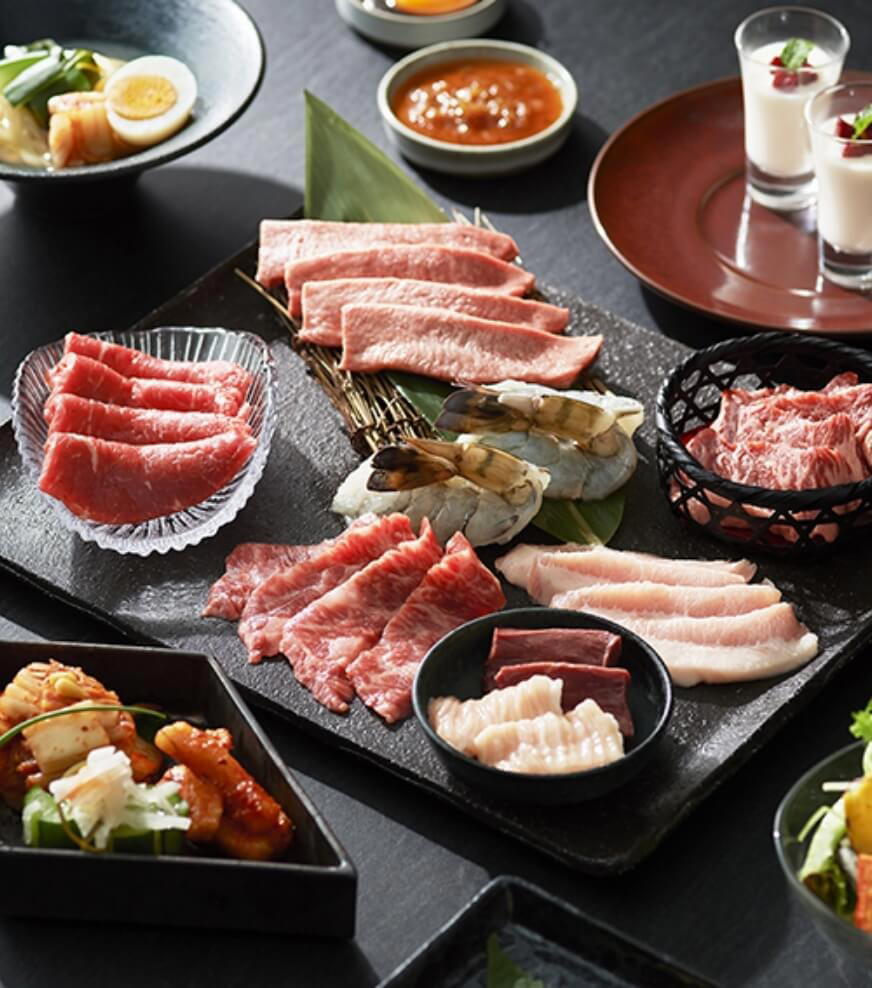
The menu
What to order
- A5 Wagyu
- Wagyu Striploin
- Pork Belly
- Short Rib
- Harami
- Kalbi
- Beef Tongue
Yakiniku in Midtown: Where the Grill Becomes the Editorial
If you eat one thing in Midtown that actually rewards attention rather than just filling a calendar gap, make it a proper yakiniku session. The format, where diners cook thinly sliced, carefully butchered beef over live charcoal at their own table, is one of the more disciplined dining traditions to arrive from Japan, and it carries with it a set of sourcing and preparation standards that most of the American steakhouse category never bothers to address. Yakiniku TORAJI, operating from the first floor of 217 E 43rd St, is part of a broader Tokyo-rooted group that has built its reputation in Japan on the premise that the quality of the cut, and the transparency of where it originates, is the product. In a city where provenance has become a sorting mechanism across restaurant tiers, that framing matters.
The Yakiniku Tradition and What It Demands
Yakiniku as a category occupies a specific position in Japanese dining culture: it is interactive, it is cut-dependent, and it rewards the diner who pays attention to sequence and timing. Unlike the Korean barbecue format that many New Yorkers know from Koreatown on West 32nd Street, Japanese yakiniku tends toward smaller, more precisely butchered portions, leaner dipping sauces, and a greater emphasis on wagyu and domestic Japanese cattle breeds. The tabletop grill is not an amenity; it is the cooking instrument, and the quality of the session scales directly with the sourcing decisions behind it. Venues in this category live or die by their supply chains, which is what makes the sustainability framing relevant in a way it often is not for other restaurant types.
The broader yakiniku tier in New York has grown alongside the city's appetite for premium Japanese formats. Masa sits at the apex of Japanese dining in Manhattan, with an omakase format priced accordingly. Atomix and Jungsik New York represent the progressive Korean fine dining corridor, both at the $$$$ tier. TORAJI operates in a different register, one where the diner is not a passive recipient of a tasting sequence but an active participant in the cooking. That distinction shapes the entire experience, and it is why the sourcing question is so central to how venues in this category are evaluated.
Sourcing, Ethics, and the Sustainability Case for Yakiniku
The sustainability argument for high-quality yakiniku is counterintuitive but real. When a restaurant builds its program around a small range of premium cattle, sourced from operations with documented welfare and feed standards, the per-animal waste profile can be lower than that of steakhouses operating at volume with less attention to whole-carcass thinking. Japanese butchery traditions, which yakiniku draws from directly, have historically emphasized the use of cuts that Western steakhouse culture ignores: tongue, short plate, skirt, rib cap, and internal organs all appear on serious yakiniku menus alongside the wagyu sirloin and ribeye that dominate the category's marketing. That breadth of cut usage is, in practice, a form of waste reduction.
Conversation around ethical sourcing in fine dining has accelerated across the American restaurant industry. Blue Hill at Stone Barns in Tarrytown has made farm-to-table traceability the organizing principle of its entire program. Single Thread Farm in Healdsburg integrates its own farm production into a tasting menu format. At a different scale, Providence in Los Angeles has built a seafood-centered program around sustainability certifications. The question for a venue like TORAJI is whether the sourcing discipline implied by its Tokyo parent group translates to the New York operation in verifiable terms. That is a question any diner with a genuine interest in the provenance of their beef should ask directly when booking.
The Midtown Context and Who Eats Here
East 43rd Street in Midtown places TORAJI in a dining corridor that serves a mix of corporate lunch, pre-theatre, and international business traffic. The neighborhood runs parallel to Grand Central Terminal and the UN headquarters, which means the diner demographic skews toward people who travel between Tokyo and New York regularly enough to have a reference point for what a serious yakiniku session should feel like. That is a different crowd from the one that fills the downtown Korean barbecue rooms on weekends, and the format calibrates accordingly. The pace is slower, the portions are considered, and the expectation is that the beef is the conversation rather than a backdrop to one.
For comparison, the $$$$ dining tier in New York runs from Le Bernardin and Per Se at the tasting-menu apex down through a range of formats where the price is justified by sourcing, technique, or both. Across the American fine dining spectrum, venues like Alinea in Chicago and The French Laundry in Napa define one end of the ambition range. Yakiniku occupies a different axis entirely, one where the diner's own hands are part of the production.
Planning Your Visit
TORAJI's Midtown location at 217 E 43rd St is accessible from Grand Central on foot, which makes it a practical option for the pre-evening crowd moving between the office and Penn Station or the theatre district. Given that the venue is part of a Tokyo-based group with multiple established locations in Japan, the booking infrastructure tends to follow a structured format; contacting the restaurant directly for reservation details and current hours is the most reliable route, as availability and policies for a group-linked venue can differ from independent operations. For allergy-related questions, particularly around the beef cuts and marinades that define the yakiniku format, direct contact with the restaurant before arrival is the practical approach, since menu configurations in this category are more variable than in fixed tasting-menu formats. Those with dietary restrictions around red meat will find the format limited by its core premise.
The broader New York dining scene rewards those who plan across categories rather than defaulting to the obvious. Our full New York City restaurants guide covers the range from French seafood to progressive Korean, with additional context on neighborhoods and price tiers. For reference points outside New York, Emeril's in New Orleans, Addison in San Diego, The Inn at Little Washington, and Bacchanalia in Atlanta each represent the kind of sourcing-conscious, ingredient-first approach that serious diners increasingly use as a benchmark. Further afield, 8 1/2 Otto e Mezzo Bombana in Hong Kong and Alain Ducasse at Louis XV in Monte Carlo sit in a global tier where provenance and supply chain are as much part of the conversation as technique. Yakiniku TORAJI is making a version of that same argument, at a tabletop grill, in the middle of Midtown.
Frequently asked questions
Where is Yakiniku TORAJI in New York City?
Yakiniku TORAJI is located at 217 E 43rd St Fl 1, New York, NY 10017, New York City.
Is Yakiniku TORAJI in New York City connected to the original Tokyo restaurant group?
Yes. TORAJI is a Tokyo-based yakiniku brand with a multi-decade operating history across numerous locations in Japan, placing it in the category of established institutional groups rather than independent startups. That lineage means the New York City location at 217 E 43rd St draws on a codified sourcing and service framework developed over years of running high-volume yakiniku in competitive Japanese markets. For diners unfamiliar with the brand, that context is a reasonable quality signal even without local awards on record.
What's the best thing to order at Yakiniku TORAJI?
In yakiniku, ordering sequence matters more than any single cut. Start with leaner pieces to calibrate the grill temperature, then move toward fattier wagyu selections as the session progresses. Including at least one offal cut is standard practice in serious yakiniku settings and gives a fuller picture of the kitchen's sourcing range. TORAJI's Tokyo lineage suggests a program built around that classic progression.
Can I walk in to Yakiniku TORAJI?
At 217 E 43rd St in Midtown, walk-in availability shifts significantly by time slot. Corporate lunch hours and the pre-theatre window between 6 and 7:30 PM are the most competitive periods. Off-peak times, particularly mid-afternoon or later evening seatings on weekdays, are where walk-ins have a realistic chance. Calling ahead remains the more reliable approach for groups of three or more.
What's the defining dish or idea at Yakiniku TORAJI?
The defining concept is diner-controlled cooking: you manage the grill, which means the sourced beef has nowhere to hide. Unlike a kitchen-plated format, yakiniku exposes cut quality and fat distribution directly to the person eating it. TORAJI, operating out of a Tokyo-origin multi-location group, applies that same structure to its New York City location on East 43rd Street, where the format travels intact.
Is Yakiniku TORAJI allergy-friendly?
Yakiniku is structurally meat-centered, which creates real constraints for diners avoiding red meat or with certain protein allergies. Tare sauces and marinades commonly contain soy and sesame, two frequent allergens in Japanese BBQ contexts. Anyone with specific dietary restrictions should contact the East 43rd Street location directly before visiting, as the menu's core architecture does not easily accommodate substitutions.
How It Stacks Up
Comparable venues nearby, for context on price, style, and recognition.
| Venue | Cuisine | Price | Notes |
|---|---|---|---|
| Yakiniku TORAJIThis venue (the venue you are viewing) | Japanese Yakiniku BBQ | $50–100 | Not listed |
| Momoya SoHo | Modern Japanese Sushi and Omakase | $50–100 | SoHo-Little Italy-Hudson Square |
| Wano | Modern Japanese Izakaya | $50–100 | East Midtown-Turtle Bay |
| Yakiniku Gen East Village | Authentic Japanese Yakiniku | $50–100 | East Village |
| Zenkichi | Modern Japanese Izakaya | Not listed | Williamsburg |
| Zutto Nolita | Japanese Ramen Sushi Bar | $20–30 | SoHo-Little Italy-Hudson Square |
Recognition history
Dated appearances from independent guides and award organizations, with the underlying list record or original source where available.
Opinionated About Dining Top Restaurants in North America Recommended
Opinionated About Dining
Continue exploring
More in New York City
Restaurants in New York City
All restaurants in New York City →
Bars in New York City
All bars in New York City →




Details
- Lively
- Energetic
- Modern
- Intimate
- Group Dining
- Celebration
- Casual Hangout
- Date Night
- Open Kitchen
- Private Dining
- A La Carte
- Family Style
- Vegetarian Friendly
Current opening hours
- Monday
- 11:30 AM–2:30 PM, 5–11 PM
- Tuesday
- 11:30 AM–2:30 PM, 5–11 PM
- Wednesday
- 11:30 AM–2:30 PM, 5–11 PM
- Thursday
- 11:30 AM–2:30 PM, 5–11 PM
- Friday
- 11:30 AM–2:30 PM, 5–11 PM
- Saturday
- 11:30 AM–2:30 PM, 4–11 PM
- Sunday
- 11:30 AM–2:30 PM, 4–11 PM
Hours can change for holidays and private events. Hours as of .
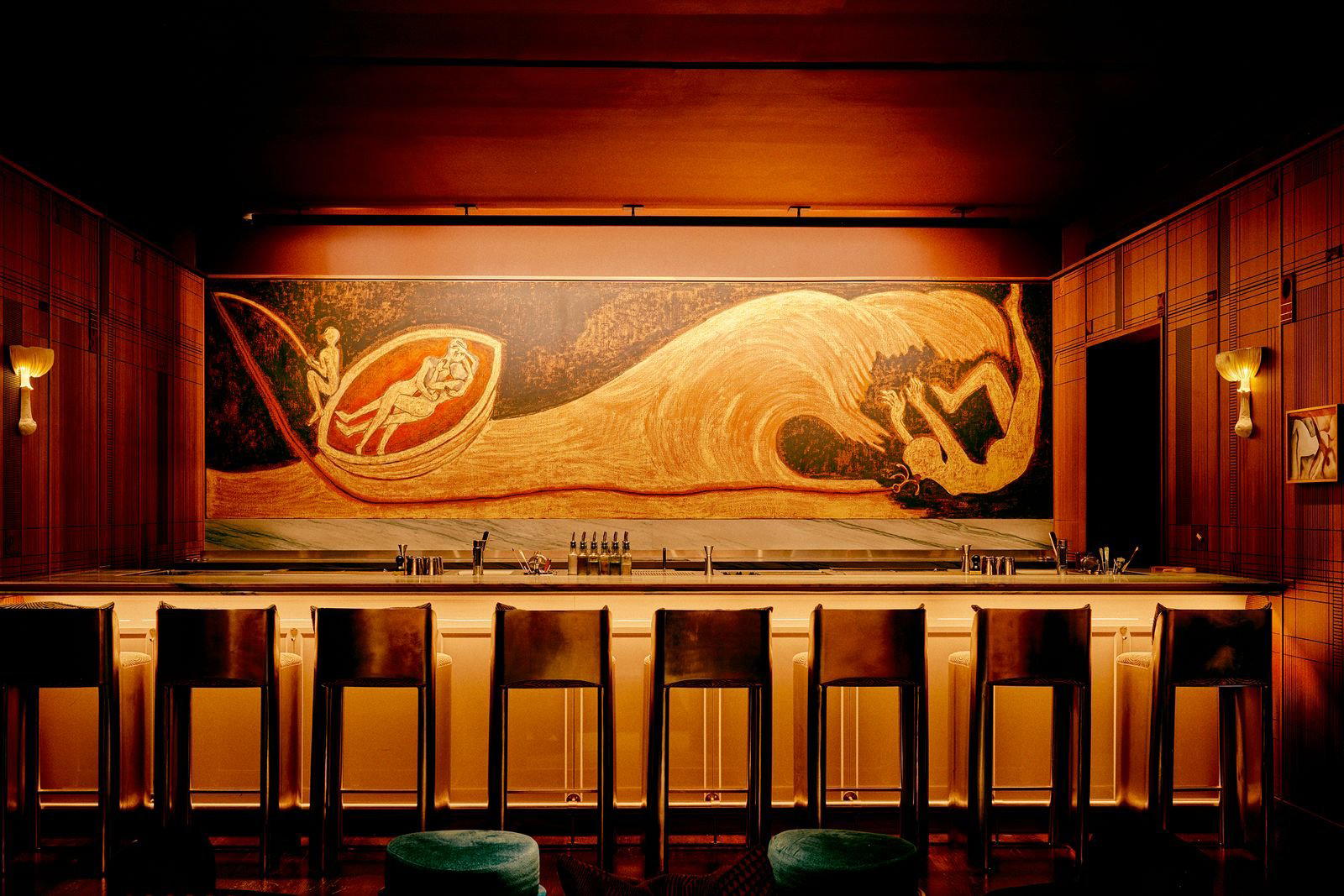
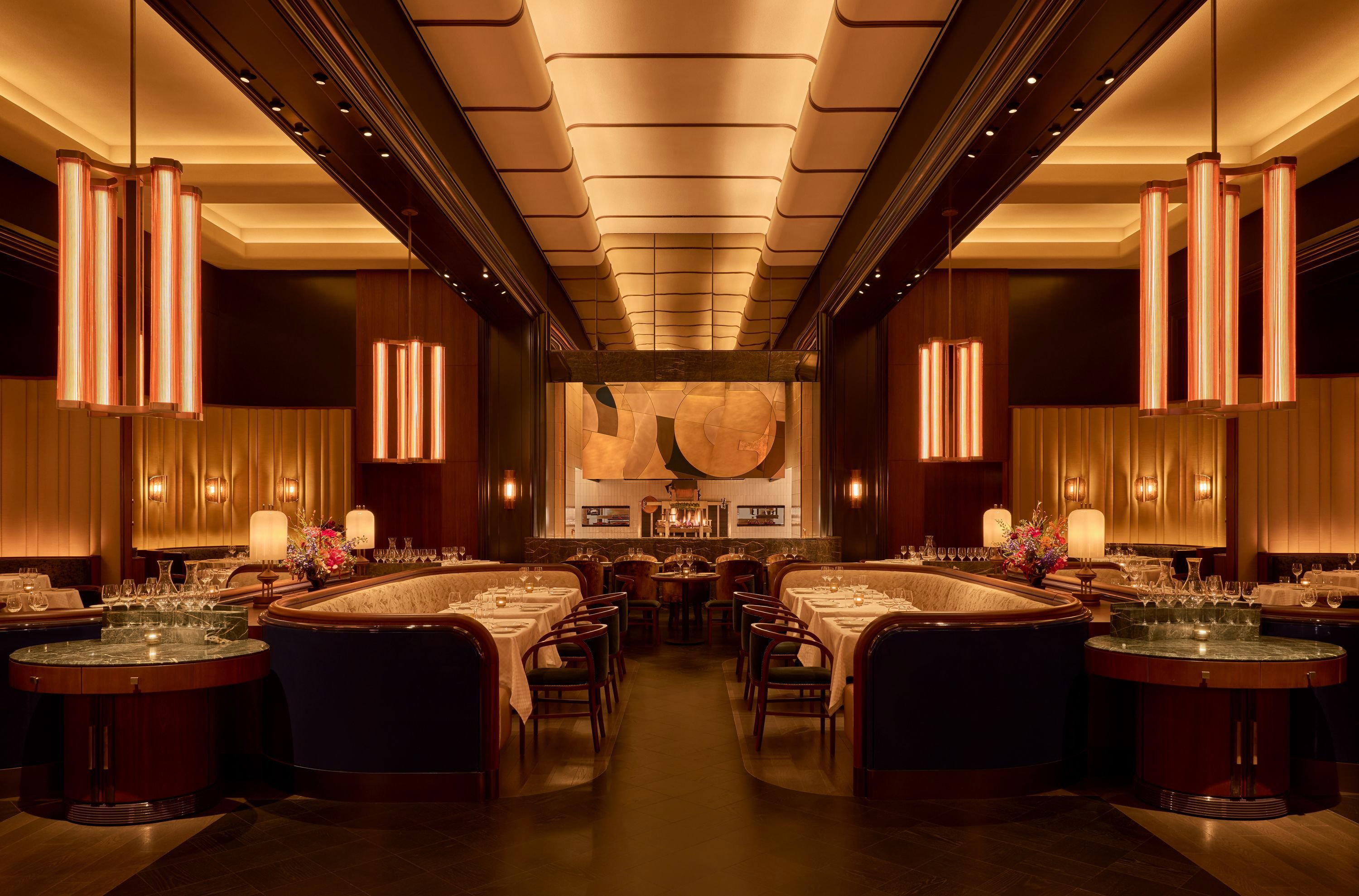
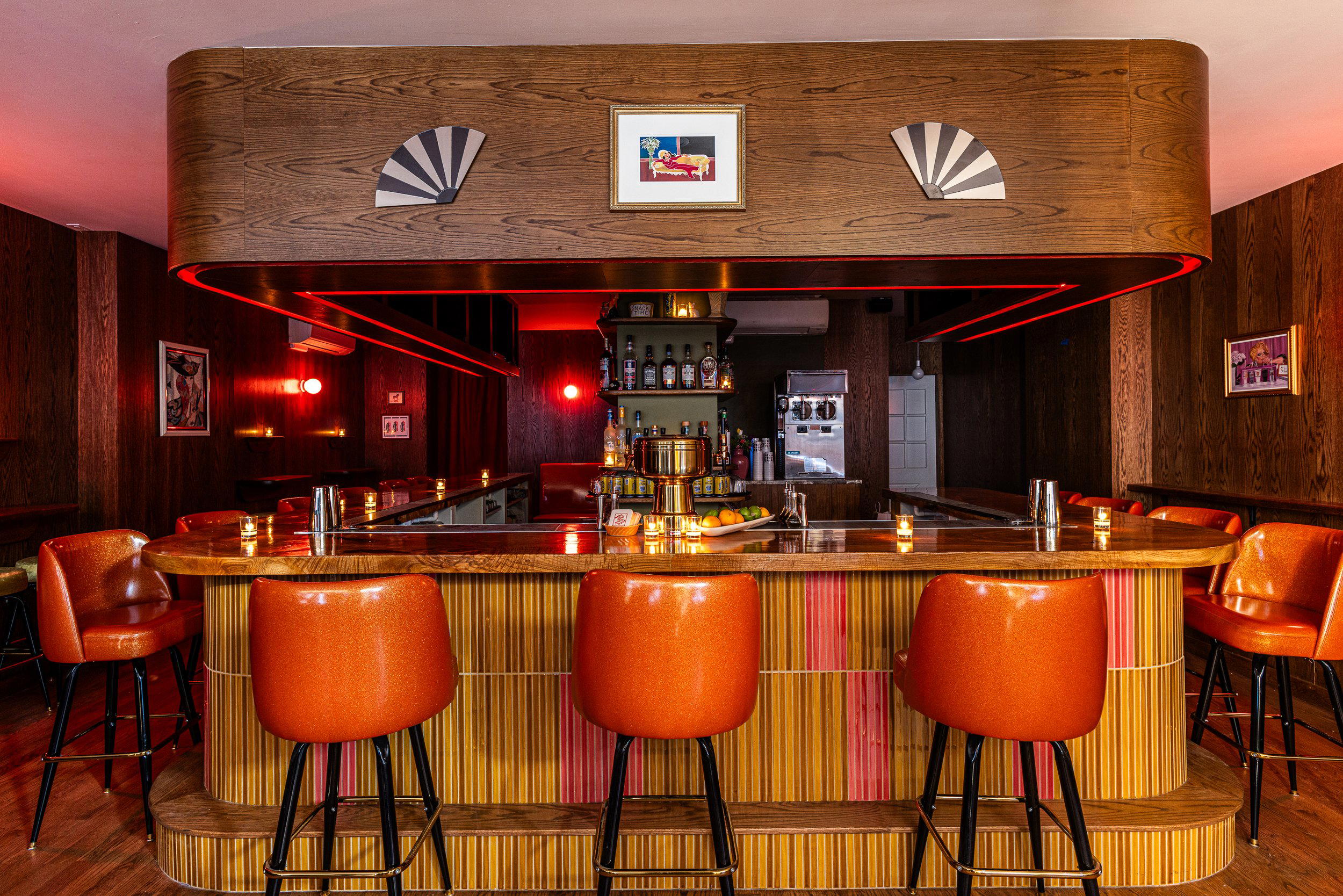
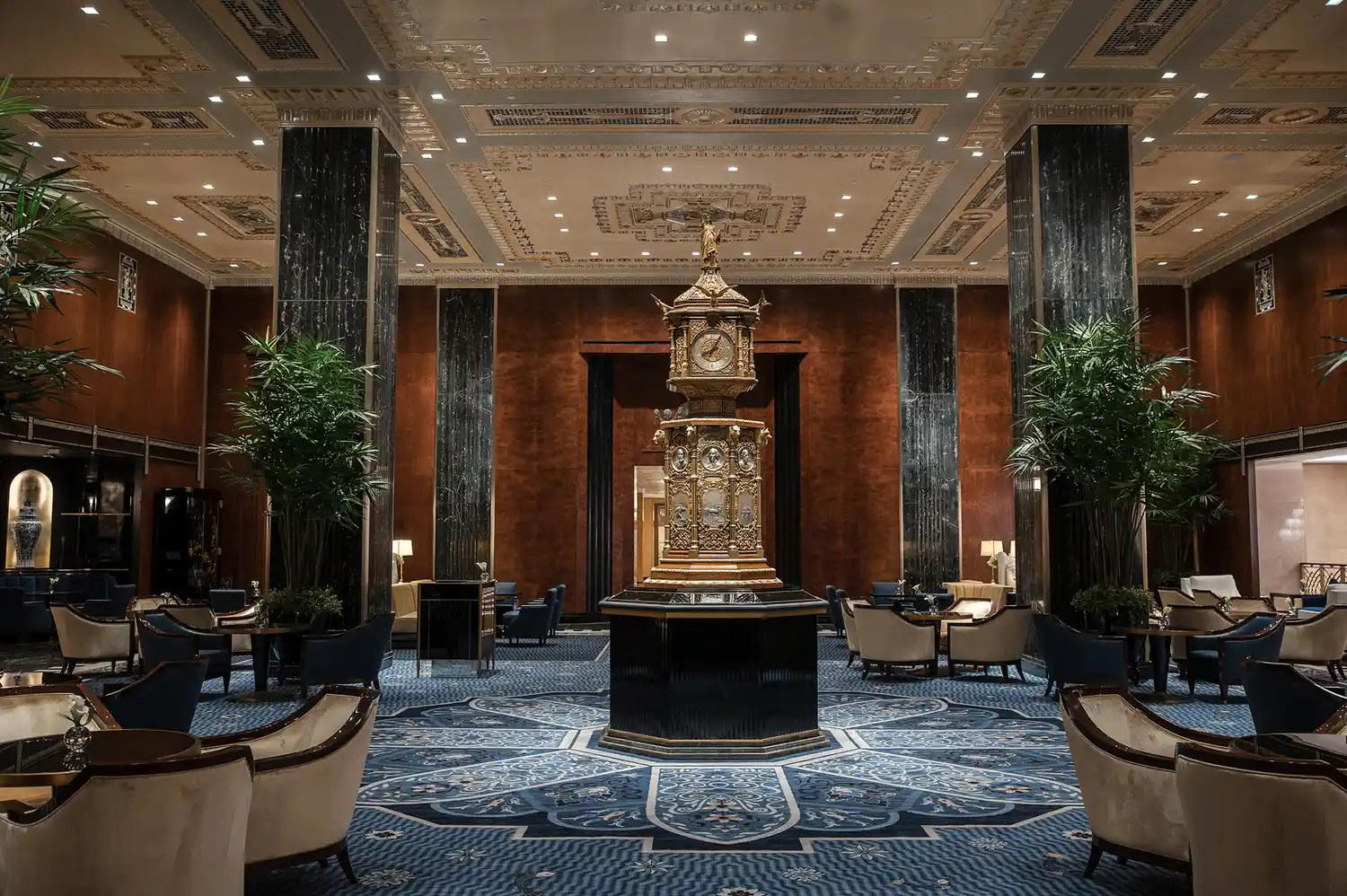
Modern, energetic atmosphere with communal table grilling creating an interactive and social dining experience; warm lighting from tabletop grills.