
Yakiniku Sukkyanen gives Kuwana a serious charcoal-grill address without the ceremony of a luxury beef room. Its Tabelog 100 Yakiniku WEST 2025 selection, tatami-room format, Kuroge Wagyu focus, tripe category, and sake-shochu drinks list place it in a regional style of yakiniku where sourcing and heat matter more than performance.
Pearl is the En Primeur Club membership app — saves, bookings, and concierge access live there. Same editors, same standards.
- Address
- 三重県桑名市大福681
- Phone
- +81594247803
- Website
- tabelog.com
- Directions
- Get directions
 Saves & bookings on Pearl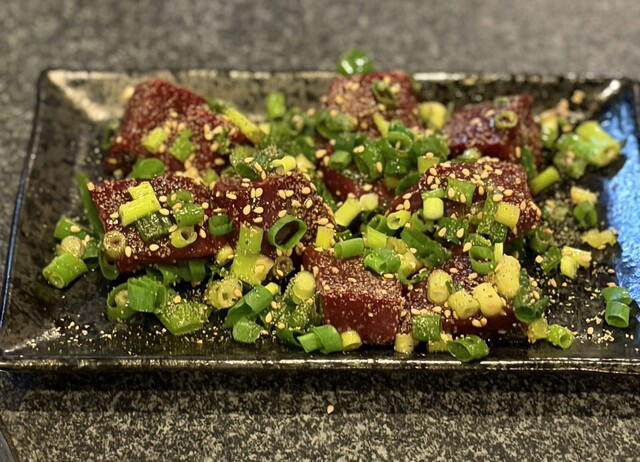
The room is best understood through its yakiniku identity: a Japanese barbecue meal built around the grill, shared pacing, and a small-group rhythm rather than a long counter or hotel dining room. Kuwana is better known to many travelers as a stop between Nagoya and Ise than as a nationally obvious beef destination, but Yakiniku Sukkyanen gives the city a clear, locally grounded grill option. Its value lies in the category itself: meat, tripe, heat, and the direct participation of diners at the table.
The key credential is selection pressure, not theatrical luxury. The restaurant was selected for Tabelog 100 Yakiniku WEST 2025, with a listed Tabelog score of 3.86 and a dinner budget of JPY 6,000 - JPY 7,999. That matters in a category where many rooms trade on local regulars, smoke, and price discipline rather than international tasting-menu language. A score at that level gives the restaurant a serious domestic-review signal, especially outside the major dining capitals.
Beef, tripe, and the WEST yakiniku grammar
Western Japan’s yakiniku culture rewards a different confidence from Tokyo’s luxury beef counters. It is less about chef sequencing than procurement, cut selection, and timing at the grill. At Yakiniku Sukkyanen, the public category is Yakiniku Japanese BBQ and Tripe, placing it in a vocabulary serious yakiniku diners recognize. This is not a steakhouse model dressed in Japanese language; it is grill-first, table-managed, and built around close attention to heat and texture.
The ingredient angle is the point. Kuwana’s restaurant map includes recognized names such as Kaki Yasu Ryoutei honten and Ramen Torikatsu, each answering a different dining need in the city. This grill room occupies its own lane: serious enough for a regional Tabelog 100 list, casual enough for a direct dinner with family or friends. That tier is where yakiniku becomes culturally interesting, because the food must carry the evening without ceremony.
Tripe is not a secondary detail here. In Japanese barbecue, tripe signals a restaurant selling more than marbled beef as luxury shorthand. It works within the broader yakiniku repertoire, where texture, fat, mineral depth, and smoke can create contrast. The best reading is not as imported fine dining, but as a local grill meal where the category’s pleasures come from heat, timing, and shared appetite.
A Kuwana dining room for groups, not grandstanding
The format shapes the meal as much as the beef. Yakiniku is naturally social: orders arrive for the table, the grill becomes the center of attention, and the pace is decided by the group rather than by a course sequence. In a city where restaurants serve family, work, and friends as much as occasion dining, that matters. Yakiniku Sukkyanen’s appeal is therefore practical as well as culinary, giving Kuwana a recognized barbecue address without pushing it into a formal luxury frame.
Kuwana’s restaurant scene is compact enough that category choice matters. Other local traditions sit nearby through places such as 日の出, while other unnamed Kuwana dining rooms cover different moods and budgets. Against that spread, yakiniku gives the city a physical dinner: smoke, shared pacing, and the small negotiation of who manages the grill. For travelers building a wider route, Our full Kuwana restaurants guide is more useful than a single-category search.
The practical reading is simple: this is a casual grill room with serious recognition, not formal dining with casual branding. The Tabelog 100 Yakiniku WEST 2025 selection gives it a stronger signal than a neighborhood-only grill, while the listed JPY 6,000 - JPY 7,999 dinner range keeps expectations anchored. In Kuwana, that helps travelers choose between heritage-style dining, quick meals, seafood, and a beef-led evening without kaiseki tempo.
How to place it on a wider Japan itinerary
Visitors often misunderstand yakiniku as a single-price, single-style category. It stretches from inexpensive smoke-heavy rooms to luxury beef addresses and regional specialists with loyal local followings. Yakiniku Sukkyanen sits closer to the regional specialist model: selected by Tabelog’s WEST yakiniku list, categorized for Yakiniku Japanese BBQ and Tripe, and shaped around the shared energy of the grill rather than chef-led sequencing. For travelers moving through Mie, it is a useful counterpoint to more formal dining traditions.
The comparison sharpens against other Japanese dining formats. An address such as Edo Machi Sugimoto operates in a different ritual structure, while other unnamed restaurants may frame the evening through set-course pacing or a more service-led rhythm. Yakiniku is more immediate. It asks the table to participate, so the category mix has to be visible in the meal rather than hidden behind plating.
Readers extending a food itinerary beyond Kuwana can use contrasts across categories without turning the comparison into a list of unrelated destinations. Other Japanese cities offer their own specialist counters, casual rooms, and drinking-led formats, but Kuwana’s appeal here is more local and specific. Yakiniku Sukkyanen belongs to that grounded register: a recognized Japanese barbecue and tripe address whose reputation is tied to Tabelog’s 2025 WEST selection rather than to spectacle.
The decision comes down to appetite and context. Choose this address when the evening is about yakiniku, tripe, grill-side pacing, and the social energy of a shared meal. Choose elsewhere for formal service, seafood, or a faster meal. For broader trip architecture, Our full Kuwana hotels guide, Our full Kuwana bars guide, Our full Kuwana wineries guide, and Our full Kuwana experiences guide help place dinner inside the city rather than treating it as an isolated stop.
Fast Comparison
Comparable venues by cuisine and price in the same metro.
| Venue | Cuisine | Price | Notes |
|---|---|---|---|
| Yakiniku Sukkyanen | Traditional Yakiniku (Japanese BBQ) | $$$ | Nishi Kuwana |
| 日の出 | Traditional Hamaguri Kaiseki | $$$ | Nishi Kuwana |
| Ramen Torikatsu | Japanese Ramen | $ | Kyomachi |
| ヴィアッジーニ | Modern Italian with Mie Local Ingredients | $$$ | Anagi |
| Kaki Yasu Ryoutei honten | Traditional Japanese ryotei for sukiyaki, shabu-shabu, teppanyaki and kaiseki | $$$$ | Edomachi |
| センプレ | Plant-Based Italian Fine Dining | $$$ | 長島町 |
Recognition history
Dated appearances from independent guides and award organizations, with the underlying list record or original source where available.
Tabelog 100 #43 · No. 43
Tabelog · Tabelog 100 - Yakiniku - WEST - 2025

At a Glance
- Lively
- Cozy
- Classic
- Energetic
- Family
- Group Dining
- Casual Hangout
- After Work
- Celebration
- Standalone
- Sake Program
- Beer Program
- Local Sourcing
Warm, bustling, and casual with simple Japanese-style tatami rooms and the smoky aroma of charcoal grills; more like a classic local town yakiniku than a polished modern steakhouse, with an early-evening rush as meats often sell out by around 8 pm.
Know Before You Go
- Reservations
- Recommended
- Dress code
- Casual
- Getting there
- 三重県桑名市大福681