
Kuwana’s hot-pot tradition reads differently from Tokyo’s counter culture: provenance, beef handling, and room format matter more than novelty. Kaki Yasu Ryoutei honten belongs to that older ryotei register, with sukiyaki, shabu shabu, and teppanyaki under one roof, plus selection for Tabelog 100 - Hot Pot - 2024.
Pearl is the En Primeur Club membership app — saves, bookings, and concierge access live there. Same editors, same standards.
- Address
- 36 Edomachi, Kuwana, Mie 511-0022, Japan
- Phone
- +81 594-22-5555
- Website
- kakiyasuhonten.co.jp
- Directions
- Get directions
 Saves & bookings on Pearl
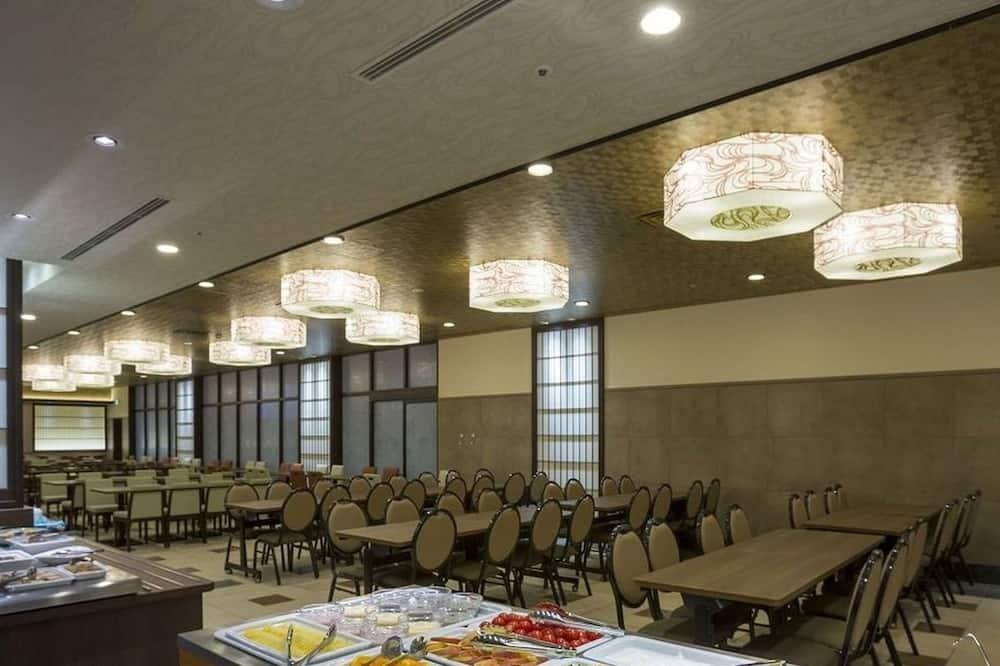
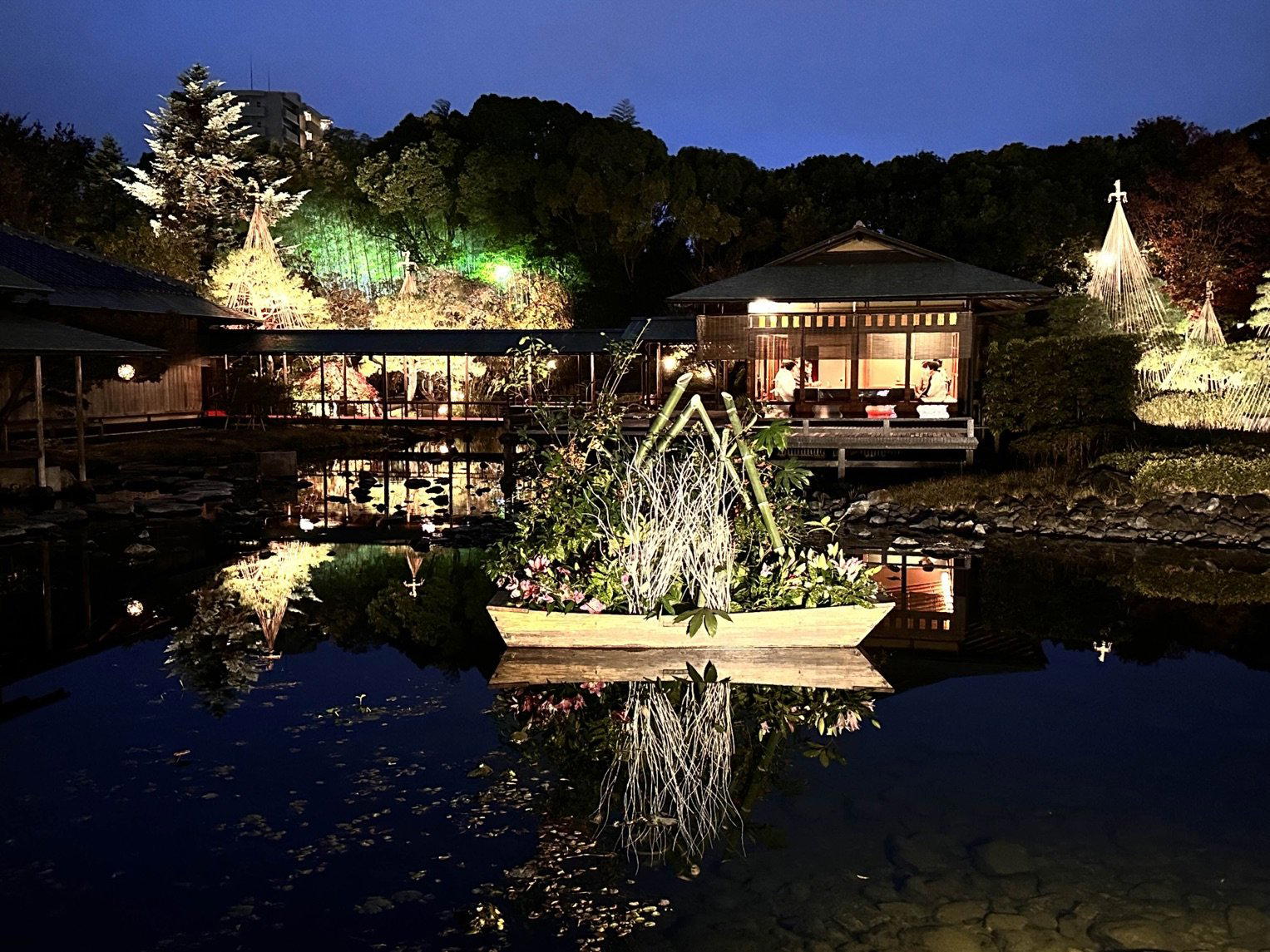
Approach the restaurant setting and the signal is not spectacle but formality: a measured pace, a sense of occasion, and the slower rhythm suggested by a ryoutei name rather than a quick station meal. In Kuwana, that matters. The city has a dining culture where hot pot is less about novelty than control: cut, heat, seasoning, and the point at which a guest takes over from the kitchen.
Kaki Yasu Ryoutei honten sits inside that tradition with a format built around sukiyaki, shabu shabu, and teppanyaki. Its selection for Tabelog Hyakumeiten 2024 gives it a clear benchmark in a category where consistency is difficult to fake. Hot pot exposes weak sourcing and loose service quickly; there is nowhere for a thin broth, careless slicing, or awkward pacing to hide.
Hot pot in a city that understands provenance
Japan’s hot-pot restaurants often split into different modes. One prizes immediacy: heat, aroma, and direct impact. The other is more procedural, using broth, seasoning, or an iron plate to show how ingredients behave under heat. Kuwana’s serious dining rooms often make sense in the second camp, especially when meals are built for unhurried groups rather than solo counter dining.
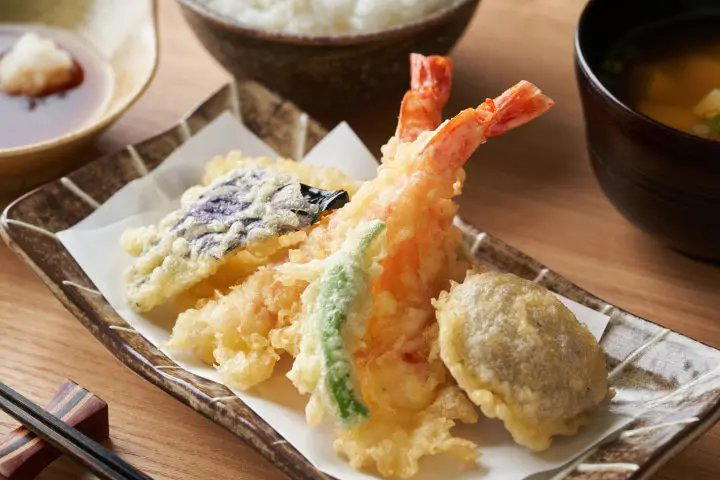
Sukiyaki and shabu shabu also ask different questions of the same table. Sukiyaki leans on sweetness, soy, and controlled reduction; shabu shabu strips the equation back to timing and texture. Teppanyaki adds direct heat to the same conversation. Having all three categories in one restaurant places the meal in a broader Japanese hot-pot and grill canon rather than a single-dish specialist lane.
That range separates the experience from more casual Kuwana eating. Ramen Torikatsu operates in a low-cost noodle register, while Yakiniku Sukkyanen sits closer to the grill-and-beer end of dining. The hot-pot format is slower, more formal, and more dependent on pacing. For seafood context in town, 日の出 points to another Kuwana tradition, while Edo Machi Sugimoto, listed in the comparison set, belongs to a different sushi conversation rather than the hot-pot-focused one.
A ryoutei-style format, not a quick-service hot-pot room
The room format shapes the meal as much as the cooking method. This is better read as an occasion restaurant than as a fast casual stop. That scale of intent is different from the image many diners associate with Japanese destination meals: tiny counters, rigid seating times, and close-up chef theatre. Here, the logic is quieter: hospitality is organized around the progression of the meal and a setting that can hold a longer dinner without turning into a performance.
The Tabelog score of 3.74 reinforces its position in a specialist category rather than a broad tourist circuit. Tabelog’s Hyakumeiten lists tend to reward depth within a genre, and hot pot is a particularly telling field because regional restaurants can compete against metropolitan names without imitating them. In Kuwana, the value of a meal like this is partly the absence of big-city mimicry. The cooking category, room style, and service structure point to regional confidence: hot-pot cookery treated as ceremony, but not as museum piece.
For travelers mapping a wider Kuwana itinerary, the contrast is useful. Other Kuwana dining rooms broaden the local restaurant picture beyond hot-pot formats, while Our full Kuwana restaurants guide is the better starting point for comparing meal types across the city. Dining is only one layer of the trip: Our full Kuwana hotels guide, Our full Kuwana bars guide, Our full Kuwana wineries guide, and Our full Kuwana experiences guide help frame the city as more than a pass-through.
How to read the meal against Japan's wider dining map
Hot pot is sometimes undersold to travelers because it lacks the obvious precision theatre of sushi or kaiseki. That is a mistake. In sukiyaki and shabu shabu, the discipline sits in sourcing, slicing, temperature, and restraint. The diner sees less choreography, but small errors register quickly. A restaurant selected for a recognized hot-pot list is being judged within that demanding framework, not on decorative plating or novelty.
Kaki Yasu Ryoutei honten is strongest as a meal for travelers who want a formal regional hot-pot experience without turning dinner into a chef-biography exercise. The point is the format: a ryoutei-style setting, sukiyaki, shabu shabu, teppanyaki, and a category where ingredient handling carries weight. Diners chasing counter intimacy may prefer sushi; diners wanting smoke and immediacy may look to yakiniku. For a slower meal with provenance at the center, this is the more persuasive Kuwana choice.
For broader Japanese context, compare the category rather than the city alone. Sukiyaki and shabu shabu show how hot pot can move between formal rooms, family meals, and destination dining without losing its essential demands. Other Japanese city dining may offer sharper theatre, faster pacing, or a more casual price point, but Kaki Yasu Ryoutei honten belongs to a different rhythm: hot pot treated as a serious, patient meal. For readers looking beyond Kuwana, the useful comparison is not a single famous address but the question of how each city frames heat, service, and time.
Comparison Snapshot
Comparable venues by cuisine and price in the same metro.
| Venue | Cuisine | Price | Notes |
|---|---|---|---|
| Kaki Yasu Ryoutei honten | Traditional Japanese ryotei for sukiyaki, shabu-shabu, teppanyaki and kaiseki | $$$$ | Edomachi |
| Yakiniku Sukkyanen | Traditional Yakiniku (Japanese BBQ) | $$$ | Nishi Kuwana |
| 日の出 | Traditional Hamaguri Kaiseki | $$$ | Nishi Kuwana |
| センプレ | Plant-Based Italian Fine Dining | $$$ | 長島町 |
| ヴィアッジーニ | Modern Italian with Mie Local Ingredients | $$$ | Anagi |
| Ramen Torikatsu | Japanese Ramen | $ | Kyomachi |
Recognition history
Dated appearances from independent guides and award organizations, with the underlying list record or original source where available.
Tabelog 100 #69 · No. 69
Tabelog · Tabelog 100 - Hot Pot - 2024

At a Glance
- Elegant
- Classic
- Quiet
- Sophisticated
- Intimate
- Well Known
- Special Occasion
- Celebration
- Business Dinner
- Date Night
- Group Dining
- Family
- Private Dining
- Historic Building
- Design Destination
- Standalone
- Sake Program
- Local Sourcing
Current opening hours
- Monday
- 11:30 AM–10 PM
- Tuesday
- 11:30 AM–10 PM
- Wednesday
- 11:30 AM–10 PM
- Thursday
- 11:30 AM–10 PM
- Friday
- 11:30 AM–10 PM
- Saturday
- 11:30 AM–10 PM
- Sunday
- 11:30 AM–10 PM
Hours can change for holidays and private events. Last verified .
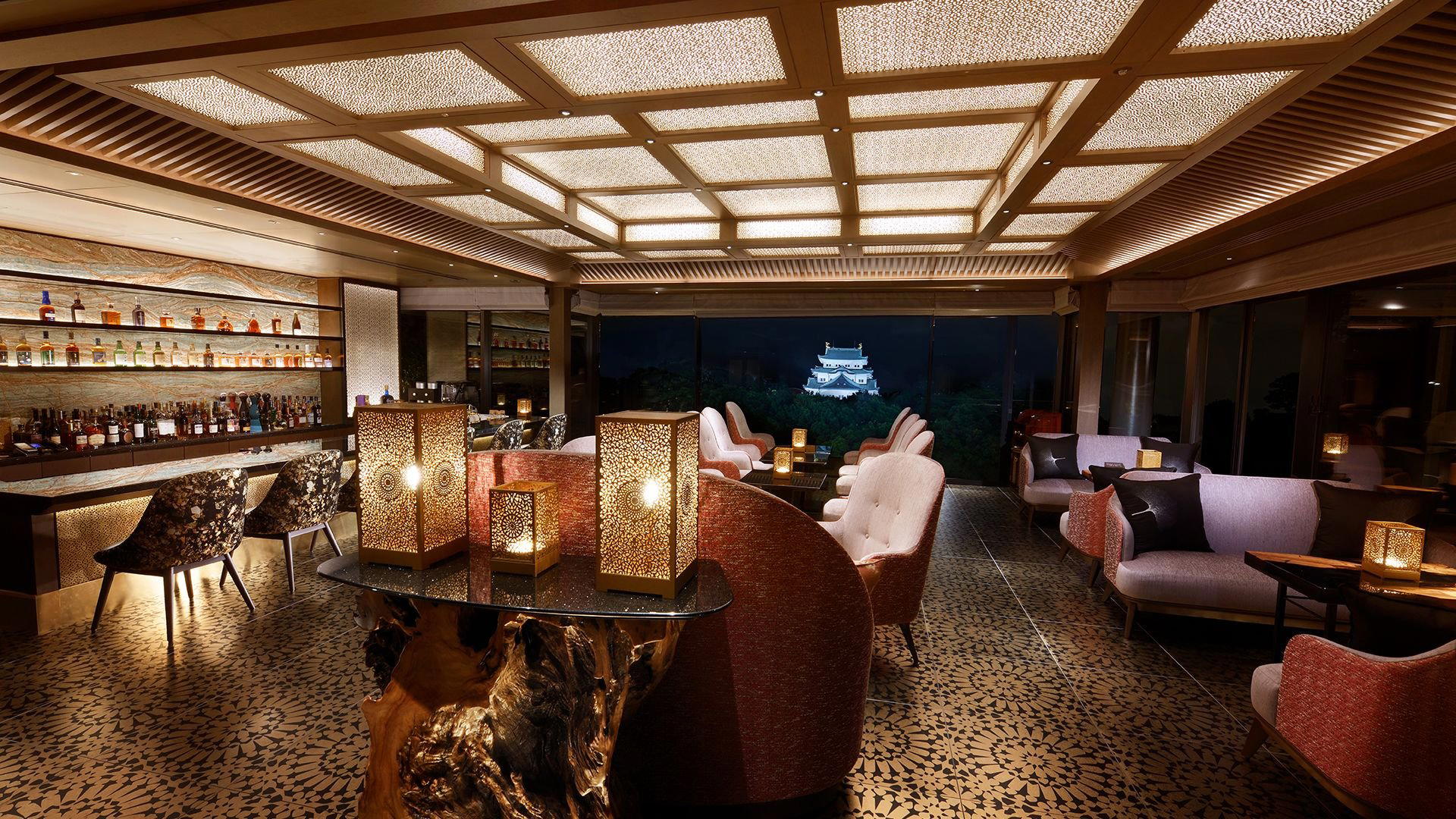
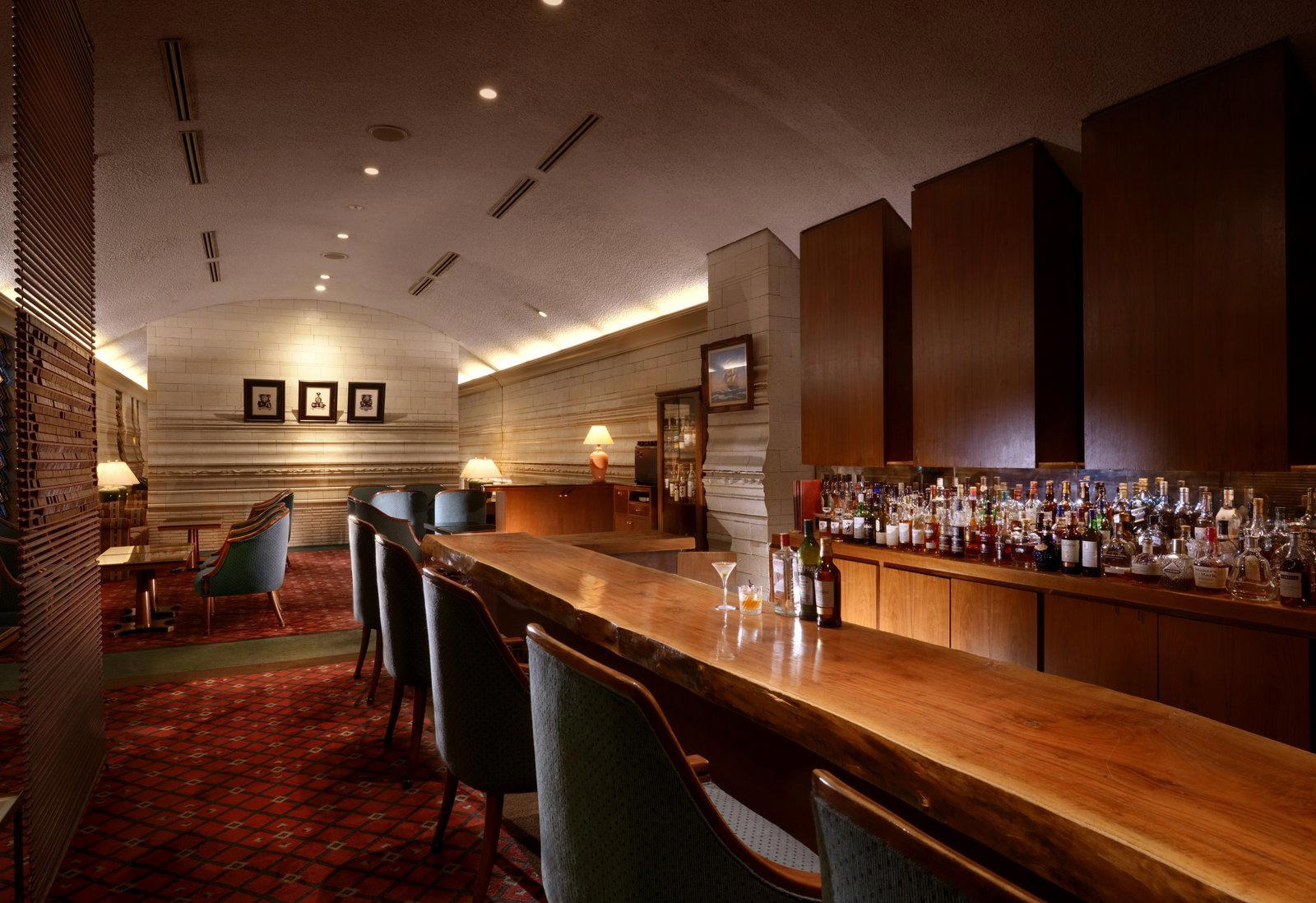
Calm and refined ryotei-style setting with private rooms, subdued lighting, and a traditional Japanese aesthetic designed for relaxed, unhurried meals and special occasions.
Know Before You Go
- Reservations
- Recommended
- Dress code
- Smart casual
- Getting there
- 36 Edomachi, Kuwana, Mie 511-0022, Japan