 Discover on Pearl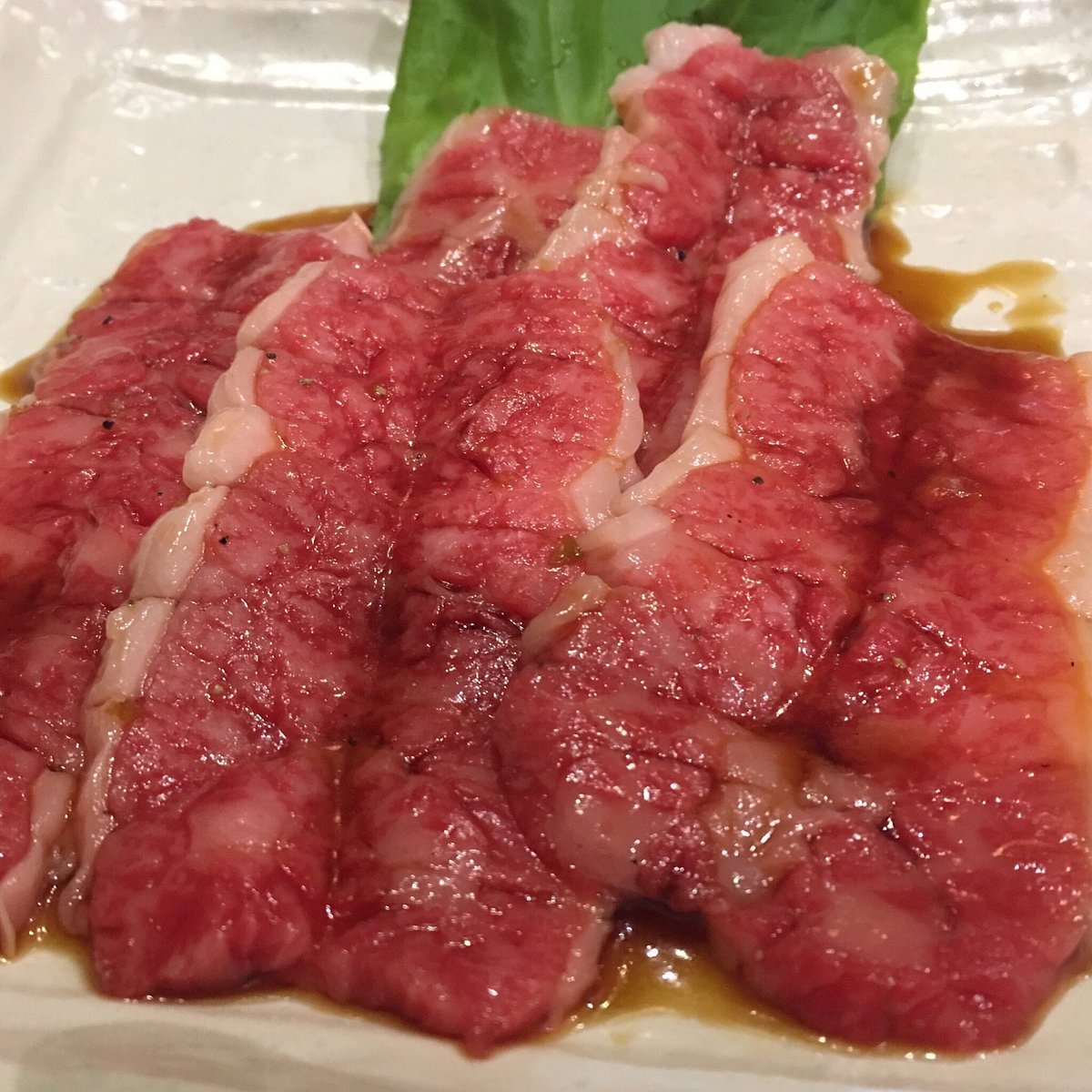
Yakiniku in Regional Japan: Why Oita Prefecture Matters
Away from the yakiniku circuits of Osaka and Tokyo, Kyushu's provincial cities preserve a version of the grilled-beef tradition that urban Japan has largely priced and styled out of reach. Saiki, a port city in the south of Oita Prefecture, sits in one of Japan's quieter coastal corridors, and Yakiniku Ito occupies a position on Ekimae-dori, the street that runs directly from Saiki Station, that places it squarely in the everyday dining life of the city rather than in its special-occasion margins. In regional Japan, that address means something different than it would in Ginza or Namba: proximity to the station is proximity to the city's working rhythm, its after-work gatherings, its family meals on the way home.
Oita Prefecture has a legitimate claim on premium Japanese beef culture. The prefecture produces Bungo Beef, a wagyu designation that draws on the same genetic lines as better-known Kyushu breeds, raised in the river-valley agricultural zones of inland Oita. That regional sourcing context is what gives yakiniku restaurants here a different starting point from their counterparts in cities that import their beef from distant prefectures. When a restaurant operates this close to a producing region, the distance between farm and grill shortens considerably, which tends to affect freshness and cut variety in ways that matter at the table.
The shortlist, unlocked.
Hard-to-book tables, cellar releases, and concierge-planned trips.
Get Exclusive Access →The Yakiniku Tradition and What It Demands
Yakiniku as a format places unusual demands on ingredient quality precisely because the cooking is so minimal and so visible. The diner does the grilling; the kitchen's job is to source and butcher. Unlike kaiseki, where technique can compensate for ordinary produce, or ramen, where the broth is a long transformation, yakiniku exposes the beef at every stage. A restaurant's sourcing decisions are, in effect, its culinary argument, made in front of the guest on a cast-iron grate.
This transparency has driven the format's premium tier, represented nationally by counters in Tokyo and Osaka where single cuts of A5 wagyu are presented with the ceremony of a fine-wine service. Venues like Harutaka in Tokyo and HAJIME in Osaka operate at the leading of that national spectrum, where ingredient provenance is the explicit editorial frame of the meal. Regional restaurants like Yakiniku Ito operate in a different register: the same transparency of format, a tighter focus on local supply chains, and a price point that reflects a regional rather than metropolitan cost structure. For readers accustomed to benchmarks like Gion Sasaki in Kyoto or akordu in Nara, Saiki's dining scene represents a recalibration of expectations, not a compromise.
Saiki's Sourcing Geography
Oita's geography is unusually well-suited to the supply chains that yakiniku depends on. The prefecture borders Miyazaki to the south, a region that produces some of Japan's most sought-after wagyu, and sits close enough to the Seto Inland Sea that seafood supply lines are also strong. Saiki itself is a fishing city, and while yakiniku is a beef-forward format, the offal and secondary cuts that serious yakiniku restaurants prioritize often come from animals whose primary cuts flow to metropolitan markets. Regional restaurants can access parts of the carcass that urban venues, with their narrower menus, may not emphasize.
That dynamic plays out across regional Japan. In Fukuoka, restaurants like Goh have built reputations on sourcing discipline applied to local produce. Comparable approaches in less-visited cities remain largely outside the national dining conversation, which is part of what makes an address like Yakiniku Ito's worth noting for travelers who are routing through Oita or spending time on the Kyushu coastal corridor.
Getting to Saiki and Planning Your Visit
Saiki is accessible from Oita city by limited express train on the Nippo Main Line, a journey of roughly two hours that passes through coastal mountain terrain before arriving at the station whose forecourt defines Ekimae-dori. The station address of Yakiniku Ito, at 2 Chome-2-17 Ekimae, places it within a short walk of the platforms, which is practical for travelers on day trips from Beppu or Oita city, both of which sit on the same rail corridor. Saiki is also a departure point for the Bungo Channel ferry routes that connect Oita to Ehime Prefecture across the water, making it a transit stop for travelers moving between Kyushu and Shikoku. For those building a longer Kyushu itinerary that includes stops at restaurants like Goh in Fukuoka, Saiki fits logically into the eastern coastal leg of the route.
Phone and website details are not available in our current records, so confirming hours and reservation availability directly before visiting is advisable. In smaller regional cities, yakiniku restaurants often operate on walk-in models during weekdays but fill quickly on Friday and Saturday evenings when local diners return to regular spots. The station-adjacent location at Ekimae suggests the restaurant draws from both commuter traffic and neighborhood regulars, a pattern common in Japanese regional dining that can make early-evening timing more reliable than late-night arrivals. For a broader overview of dining in the city, see our full Saiki restaurants guide.
Regional Yakiniku in a Wider Japanese Context
Japan's most-discussed yakiniku venues cluster in Tokyo and Osaka, where the format has evolved toward tasting-menu structures and wine pairings that bring it conceptually closer to the kaiseki tier. Internationally recognized Korean-Japanese beef restaurants in New York, such as Atomix, have taken the grilled-protein format into fine-dining territory with sourcing transparency as a central argument. The further you move from that metropolitan conversation, the more yakiniku returns to its original social function: a format for groups, built around shared grilling, secondary cuts alongside prime ones, and pricing that reflects a genuine local market rather than a prestige premium.
That return to function is not a lesser version of the format. For diners who have eaten at high-end yakiniku counters in urban Japan, a regional restaurant like Yakiniku Ito offers a different kind of evidence about the tradition: what it looks like when the audience is local, the supply chain is short, and the margin pressures of a metropolitan address are absent. Other regional dining traditions across Japan make comparable cases in their own formats, from the coastal kaiseki of venues like Biwako-adjacent restaurants in Takashima to the grilled-meat approaches at Birdland in Sakai. The pattern across all of them is that geographic distance from the national dining spotlight does not automatically mean a lesser product. It often means a more direct one.
For readers planning a Japan itinerary that extends beyond the Michelin-dense corridors of Tokyo, Kyoto, and Osaka, Oita Prefecture and its coastal cities represent a tier of dining that operates outside the awards conversation while remaining connected to the same sourcing traditions that underpin it. Restaurants like Denko Sekka in Hiroshima and Blue Ocean Steak in Nakagami District illustrate similar dynamics in other parts of western Japan. Yakiniku Ito fits that broader pattern: a station-adjacent regional address in a prefecture with genuine beef credentials, where the sourcing argument is made simply, in the format that demands it most directly.
Frequently Asked Questions
- Is Yakiniku Ito okay with children?
- Saiki is a family-oriented regional city, and yakiniku as a format is generally accommodating for children given its interactive, shared-grill structure and moderate price expectations in regional Japanese markets.
- Is Yakiniku Ito better for a quiet night or a lively one?
- If the city's social patterns hold, the station-adjacent location likely draws a mix depending on the evening: weeknights tend toward quieter, local regulars, while Friday and Saturday evenings in Saiki's dining strip can be considerably more animated. Without award-level pricing pressures, the atmosphere skews convivial rather than formal.
- What do people recommend at Yakiniku Ito?
- In regional Oita yakiniku, the strongest case tends to be made by secondary cuts and offal alongside primary wagyu, given the prefecture's proximity to Bungo Beef production. Specific dish details from verified sources are not available in our current records; confirming the day's cuts on arrival is standard practice at this type of regional venue.
- Should I book Yakiniku Ito in advance?
- Phone and booking details are not available in our current records. For a regional station-adjacent restaurant in a city of Saiki's size, walk-in access is plausible on weeknights, but weekends carry more risk, particularly during local events or the summer Oita festival calendar. Arriving early in the dinner service is a lower-risk strategy than relying on late availability.
- What makes Yakiniku Ito worth seeking out?
- In the regional yakiniku tier, the argument rests on proximity to source: Oita Prefecture sits inside one of Kyushu's legitimate wagyu production corridors, and a restaurant at this address operates at a closer distance to that supply chain than venues in metropolitan markets. The yakiniku format's transparency as a cooking method means that sourcing quality is immediately evident to the diner.
- How does Yakiniku Ito fit into an Oita Prefecture dining itinerary?
- Saiki sits on the Nippo Main Line rail corridor that connects Beppu and Oita city to the south of the prefecture, making it a practical stop on a Kyushu coastal route. For travelers already routing through Oita for its hot spring culture or ferry connections to Shikoku, a yakiniku dinner in Saiki adds a regional beef dimension to an itinerary that might otherwise focus on seafood or kaiseki. The Ekimae address requires no additional transport from the station, which reduces friction for rail travelers.
Fast Comparison
These are the closest comparables we have in our database for quick context.
| Venue | Cuisine | Price | Awards | Notes |
|---|---|---|---|---|
| Yakiniku Ito | This venue | |||
| HAJIME | French, Innovative | ¥¥¥¥ | Michelin 3 Star | French, Innovative, ¥¥¥¥ |
| Harutaka | Sushi | ¥¥¥¥ | Michelin 3 Star | Sushi, ¥¥¥¥ |
| L'Effervescence | French | ¥¥¥¥ | Michelin 3 Star | French, ¥¥¥¥ |
| RyuGin | Kaiseki, Japanese | ¥¥¥¥ | Michelin 3 Star | Kaiseki, Japanese, ¥¥¥¥ |
| Crony | Innovative, French | ¥¥¥¥ | Michelin 2 Star | Innovative, French, ¥¥¥¥ |
Need a table?
Our members enjoy priority alerts and concierge-led booking support for the world's most difficult tables.
Get Exclusive AccessThe shortlist, unlocked.
Hard-to-book tables, cellar releases, and concierge-planned trips.
Get Exclusive Access →