
Yakiniku Dote belongs to Osaka’s serious grilled-beef circuit rather than its casual snack economy. Selected for Tabelog 100 Yakiniku WEST 2025, it frames yakiniku through a compact room, counter-and-table service, and a menu identity that includes both Japanese barbecue and tripe.
Pearl is the En Primeur Club membership app — saves, bookings, and concierge access live there. Same editors, same standards.
- Address
- Japan, 〒530-0047 Osaka, Kita Ward, Nishitenma, 5 Chome−10−3 ビーエナジービル 1F
- Phone
- +81 6-6361-2900
- Website
- instagram.com
 Saves & bookings on Pearl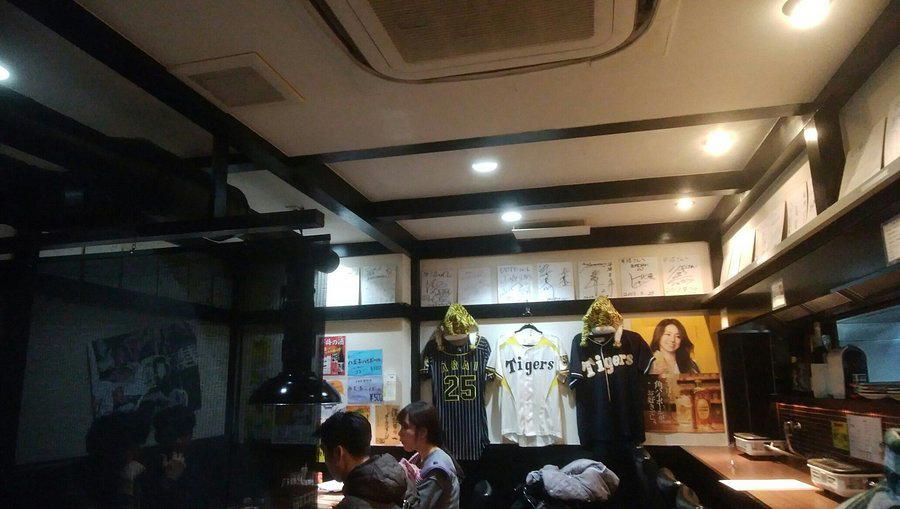
Approaching the dining room in Nishitenma, the mood shifts from Osaka’s easy neon appetite to something narrower and more intent: a compact yakiniku room built around heat, smoke control, and the social rhythm of cooking at the table. Osaka has many ways to eat beef, from department-store counters to late-night horumon rooms, but the serious yakiniku tier asks a different question. It is not simply what cut is served, but how the meal is paced, how offal is handled, and whether the room can make grilling feel precise rather than chaotic.
Yakiniku Dote sits in that sharper lane. Its selection for Tabelog 100 Yakiniku WEST 2025 places it inside a regional list that rewards depth in a category where small differences matter: sourcing, trimming, seasoning, smoke management, and the confidence to give tripe equal status beside beef. The restaurant’s 28-seat layout, split between counter and tables, also says something about the format. This is not a sprawling barbecue hall. It is closer to Osaka’s compact specialist model, where the counter can carry some of the energy of a kappo room while tables keep the shared-grill ritual intact.
Beef and tripe define the menu's architecture
The useful way to read the menu is through structure rather than spectacle. Yakiniku in Japan often divides into three competing impulses: luxury beef cuts, horumon culture, and drinking food. Osaka is fluent in all three, and the stronger rooms tend to avoid treating offal as a secondary add-on. Here, the listed categories of yakiniku and tripe point to a kitchen that understands the meal as a sequence of textures, not a parade of premium labels.
That matters because tripe changes the grammar of yakiniku. Lean beef rewards short grilling and clean seasoning; fattier cuts test timing and heat; tripe asks for attention to chew, char, and sauce. A menu that makes room for it signals an audience willing to engage with yakiniku beyond the safe order. In a city where casual beef culture can be loud, fast, and beer-led, this is the more interesting register: still convivial, still accessible, but with a narrower focus on grill technique and offal literacy.
The drinks list reinforces that reading without turning the meal into a formal pairing exercise. Sake, shochu, and cocktails are listed, which places the restaurant in the familiar Osaka middle ground between specialist dining and after-work looseness. For travelers comparing categories across the city, that distinction is useful. Yakitori Enami operates in a different skewered-grill discipline and at a higher dinner bracket, while DuKKAh pulls toward Spanish cooking. Yakiniku Dote’s argument is more direct: beef, tripe, heat, and repetition, with enough recognition to justify planning around it.
Nishitenma's advantage is seriousness without ceremony
Nishitenma is not the first district many visitors associate with Osaka eating. Dotonbori owns the theatrical version of the city, and Umeda absorbs the corporate crowd. Nishitenma’s appeal is quieter: legal offices, side streets, and restaurants that do not need to perform Osaka-ness for a passing crowd. That context suits yakiniku well. The format is social by nature, but the better rooms benefit from a neighborhood that lets dinner carry the drama rather than the street outside.
The room’s mix of counter seats, table seats, and semi-private room options also reflects a broader Osaka pattern. Premium casual dining in the city often resists the rigid tasting-menu posture found in Tokyo’s upper bracket. Instead, it protects a sense of informality while tightening the product. The result is a useful category for visitors who want a meal with local credibility but do not want the choreography of a long degustation.
Recognition helps sort the field. Tabelog’s Hyakumeiten lists are not Michelin stars, and they should not be read as equivalent, but in Japan they carry weight because they are category-specific and local-market sensitive. A 2025 selection in the Yakiniku WEST list tells readers that this is not merely a neighborhood grill with loyal regulars. It has entered the wider Kansai conversation for a cuisine where diners are quick to judge inconsistency.
How to place it within an Osaka eating itinerary
Osaka rewards contrast. A beef dinner in Nishitenma makes more sense when the rest of the itinerary is allowed to move across the city’s registers: pork buns and takeaway comfort at 551 Horai (551蓬莱), bakery precision at 52CHO-ME BAKERY, espresso-and-café pacing at .cafe, or a separate Italian night at a canto (Italian) and 99 Pizza Napoletana Gourmet. That spread shows why Osaka remains compelling: the city’s dining strength is not one grand narrative, but the ability to move from specialist grill to bakery, counter, and casual institution without losing local texture.
For broader planning, use Our full Osaka restaurants guide alongside Our full Osaka hotels guide, Our full Osaka bars guide, Our full Osaka wineries guide, and Our full Osaka experiences guide. The same comparison logic applies outside Osaka: beef-focused travelers may look at -Grilled beef Sukiyaki- KAMAKURA TANUKIAN 鎌倉 たぬき庵 in Kamakura, while grill and drink formats branch toward. 鮪と炭火焼き うお炭 秋葉原店 in Tokyo and Jōdo Saké Bar in Los Angeles. For a wider Japan-and-beyond map.know in Kumamoto, (Shoku) Vietnam in Kawasaki, [Curry Senmon Ten] Maruyama Kyoju. in Sapporo, [ki:] in Kyoto, and Onigiri Time in Pasadena show how EP Club’s restaurant coverage tracks specific formats rather than generic dining prestige.
The editorial case for Yakiniku Dote is therefore clear: choose it for Osaka yakiniku with recognized regional standing, a compact specialist room, and a menu identity that gives tripe a meaningful role. It is a sharper choice for diners who already understand that the grill is only half the story; the other half is sequencing, texture, and the confidence to let less glamorous cuts carry the meal.
Comparable Options
Comparable venues at the same tier.
| Venue | Cuisine | Price | Notes |
|---|---|---|---|
| Yakiniku DoteThis venue — the venue you are viewing | Japanese Yakiniku | $$ | Not listed |
| Sangourmand | A5 Wagyu Hamburger Steak & Omurice Yoshoku | $$ | Kita |
| Kadoya Shokudo Souhonten | Japanese Ramen | $$ | Nishi |
| Miyabi Tei | Japanese Teppanyaki | $$ | Kita |
| Okonomi Tamachan Viva | Okonomiyaki, Teppanyaki & Korean Izakaya | $$ | Nishi |
| Fukutarou Honten | Osaka okonomiyaki & teppanyaki | $$ | Chūō |
Recognition history
Dated appearances from independent guides and award organizations, with the underlying list record or original source where available.
Tabelog 100 #63 · No. 63
Tabelog · Tabelog 100 - Yakiniku - WEST - 2025
Continue exploring
More in Osaka
Restaurants in Osaka
Browse all →




Bars in Osaka
Browse all →

Hotels in Osaka
Browse all →




Wineries in Osaka
Browse all →
At a Glance
- Cozy
- Classic
- Group Dining
- Casual Hangout
- After Work
- Standalone
- Beer Program
- Sake Program
Current opening hours
- Monday
- 5–11 PM
- Tuesday
- 5–11 PM
- Wednesday
- Closed
- Thursday
- 5–11 PM
- Friday
- 5–11 PM
- Saturday
- 5–11 PM
- Sunday
- 5–11 PM
Hours can change for holidays and private events. Last verified .
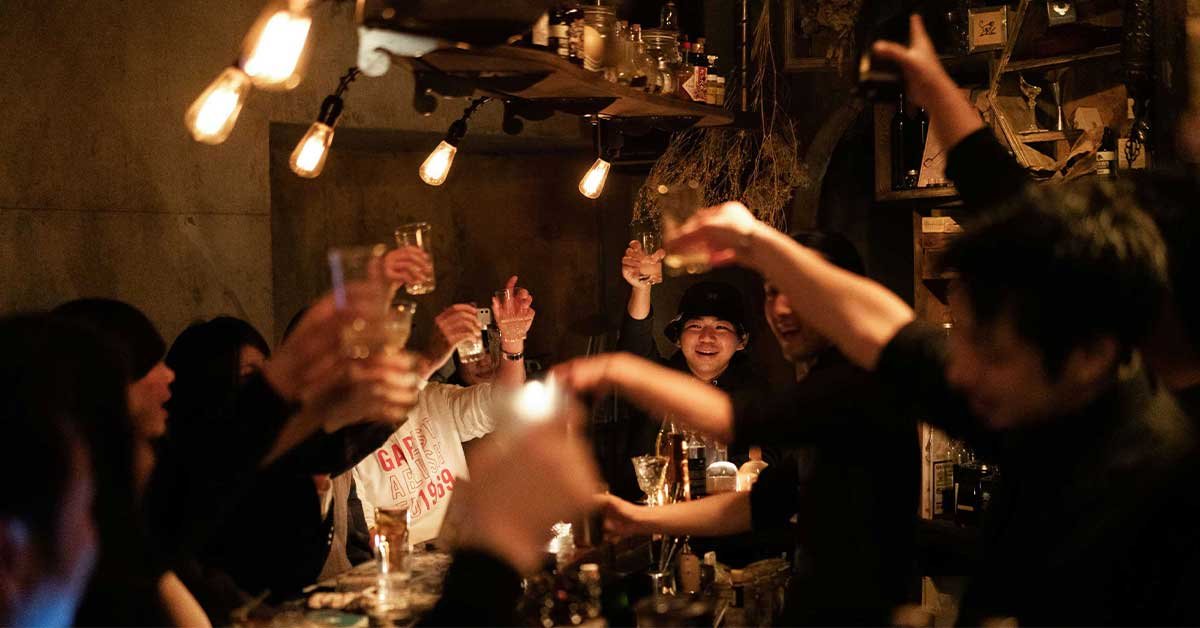
Casual, low-key, and neighborhood-oriented, with an atmosphere suited to relaxed yakiniku dining rather than formal occasions.