
Okonomi Tamachan Viva sits in Osaka’s okonomiyaki conversation from a Kitahorie address, pairing griddle cooking with Korean side-dish culture and a drinks list that stretches beyond beer. Tabelog selected it for the Okonomiyaki Tabelog 100 in 2024 and 2025, placing it in a vetted category where everyday food is judged with unusual seriousness.
Pearl is the En Primeur Club membership app — saves, bookings, and concierge access live there. Same editors, same standards.
- Address
- 大阪府大阪市西区北堀江2-3-10 TSUJIビルディング 1F
- Phone
- +81665430503
- Website
- tabelog.com
 Saves & bookings on Pearl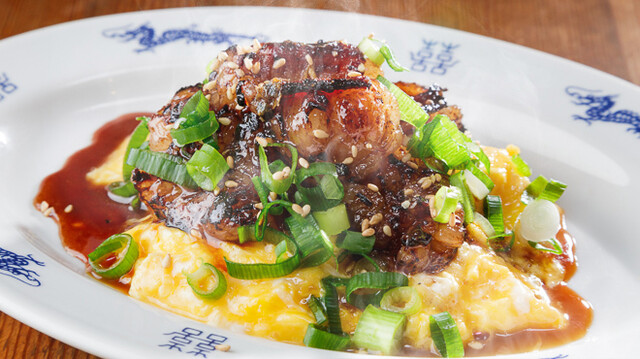
Kitahorie changes the tempo of Osaka dining. The streets west of Shinsaibashi feel less frantic than Dotonbori, with design shops, small bakeries, cafes, and dinner rooms that trade tourist spectacle for neighbourhood regularity. In that setting, okonomiyaki reads differently: not as a photo stop, but as a working Osaka grammar of batter, cabbage, heat, sauce, and the social rhythm of a table built around a hot plate.
Osaka’s okonomiyaki tradition has always been ingredient-led in a practical rather than precious sense. Cabbage carries sweetness and volume, flour binds rather than dominates, and the griddle turns inexpensive components into something communal. The stronger houses in the category tend to show discipline through balance: how much batter, how much topping, how much heat, and how the supporting dishes keep the meal from becoming heavy. Okonomi Tamachan Viva belongs to that more serious tier, with Tabelog selecting it for the Okonomiyaki Tabelog 100 in both 2024 and 2025.
Okonomiyaki in Kitahorie, with Korean side dishes in the frame
The useful way to read this table is not as pure Osaka nostalgia. The listed categories are okonomiyaki, teppanyaki, and Korean, which places the meal at a junction Osaka knows well: griddle food, drinking food, and small plates that sharpen the appetite. Korean banchan culture brings acidity, fermentation, chile, sesame, and vegetable crunch into a format that can otherwise lean rich. That matters because okonomiyaki is a dish of accumulation. The pancake itself may be the anchor, but the meal succeeds when the surrounding dishes create contrast.
That sourcing angle is less about named farms than about category intelligence. Osaka has long rewarded cooks who understand ordinary ingredients under heat: cabbage cut for texture, seafood or meat timed against batter, and side dishes that prevent sauce and mayonnaise from flattening the table. The presence of teppanyaki broadens the meal beyond a single pancake order, while the Korean register gives the room a sharper drinking-food profile than a standard family okonomiyaki shop.
The drinks list also signals a more adult version of the genre. Sake, shochu, wine, and cocktails are listed, with particular attention to wine and a sommelier available. That does not turn the format into fine dining, and it should not. The point is that okonomiyaki can handle a broader cellar logic than many visitors assume. Sauce, char, cabbage sweetness, and fermented side dishes give wine and shochu enough structure to work with, especially in a city where casual food is often treated with the same seriousness as tasting-menu cooking.
A room built for groups, not hushed ceremony
The dining format here belongs to Osaka’s convivial middle: counter seats for watching the griddle, tables for small groups, and terrace seating that changes the feel of the evening. The room totals 44 seats, a meaningful number in this category. It is not a tiny counter where the entire experience depends on a single chef’s choreography, nor is it a high-volume chain room. It sits in the social zone where friends, families, and small celebrations can use okonomiyaki as a shared meal rather than a quick stop.
That distinction separates it from several nearby Kitahorie and Osaka comparables. MIKI FRUITS CAFE and LE PINEAU Kitahorie honten operate in sweeter, daytime-leaning registers; Boulangerie P&B sits closer to bakery culture; Seoul K and Mrs. Yun pull the Korean thread in more direct form. Okonomi Tamachan Viva is interesting because it uses Korean influence inside an Osaka griddle format rather than leaving the categories in separate lanes. The result is a dinner room with more range than a single-dish specialist, while retaining the familiar informality that makes okonomiyaki central to the city’s eating life.
There is also a practical hierarchy in the recognition. Tabelog’s Hyakumeiten lists are category-specific, which suits a dish like okonomiyaki better than broad international awards often do. A 2025 Okonomiyaki Tabelog 100 selection says the venue has been judged inside its own craft rather than against unrelated luxury formats. For travellers, that is the useful signal: this is not a detour for ceremony, but a credible Osaka dinner in a category the city claims with authority.
How it fits an Osaka itinerary
Kitahorie works well when a day has already covered central Osaka’s heavier circuits. The area’s cafes, bakeries, and small restaurants make it easy to build a slower route around eating rather than sightseeing. Readers comparing nearby formats can place this dinner after a coffee or pastry stop such as .cafe, 52CHO-ME BAKERY, or a broader Osaka snack reference like 551 Horai (551蓬莱). For a Western-leaning contrast in the city, 99 Pizza Napoletana Gourmet and a canto (Italian) show how Osaka absorbs imported forms without losing its appetite for informality.
The larger point is that Osaka rewards category specialists. Okonomiyaki, udon, kushikatsu, bakeries, kissaten, Korean grill rooms, and late bars all carry their own codes. A meal here makes sense for travellers who want the city’s griddle culture with enough breadth for drinks and side dishes, not a luxury performance. For broader planning, use Our full Osaka restaurants guide alongside Our full Osaka hotels guide, Our full Osaka bars guide, Our full Osaka wineries guide, and Our full Osaka experiences guide.
For readers mapping Japanese casual dining beyond Osaka, the comparison becomes instructive. -Grilled beef Sukiyaki- KAMAKURA TANUKIAN 鎌倉 たぬき庵 in Kamakura frames beef around a different kind of shared heat;. 鮪と炭火焼き うお炭 秋葉原店 in Tokyo points toward charcoal and tuna in the capital;.know in Kumamoto, (Shoku) Vietnam in Kawasaki, [Curry Senmon Ten] Maruyama Kyoju. in Sapporo, and [ki:] in Kyoto show how regional dining categories stay specific. Abroad, Jōdo Saké Bar in Los Angeles and Onigiri Time in Pasadena underline how Japanese casual forms change once they leave their home context.
- Tamachan Deluxe Grilled
- Grilled Hormone (horumon yaki)
- Special Japchae
- Homemade Steamed Pork
- Okonomiyaki
- Yakisoba
Pricing, Compared
Comparable venues at similar price and category levels.
| Venue | Cuisine | Price | Notes |
|---|---|---|---|
| Okonomi Tamachan VivaThis venue — the venue you are viewing | Not listed | $$ | Not listed |
| 橋本屋 | Minami-Senba, Japanese Curry House | $$ | Not listed |
| Fukushima Koufukuya | Not listed | $$ | Kita, Japanese standing bar (tachinomi izakaya) |
| Udon Ubara | Tennōji, Japanese Udon | $$ | Not listed |
| Itamae Yakiniku Itto Tengachaya honten | Nishinari, Japanese Yakiniku | $$ | Not listed |
| Épais Coup | Suita, Specialty Tonkatsu Counter | $$ | Not listed |
Recognition history
Dated appearances from independent guides and award organizations, with the underlying list record or original source where available.
Tabelog 100 #50 · No. 50
Tabelog · Tabelog 100 - Okonomiyaki - 2025
Continue exploring
More in Osaka
Restaurants in Osaka
Browse all →




Bars in Osaka
Browse all →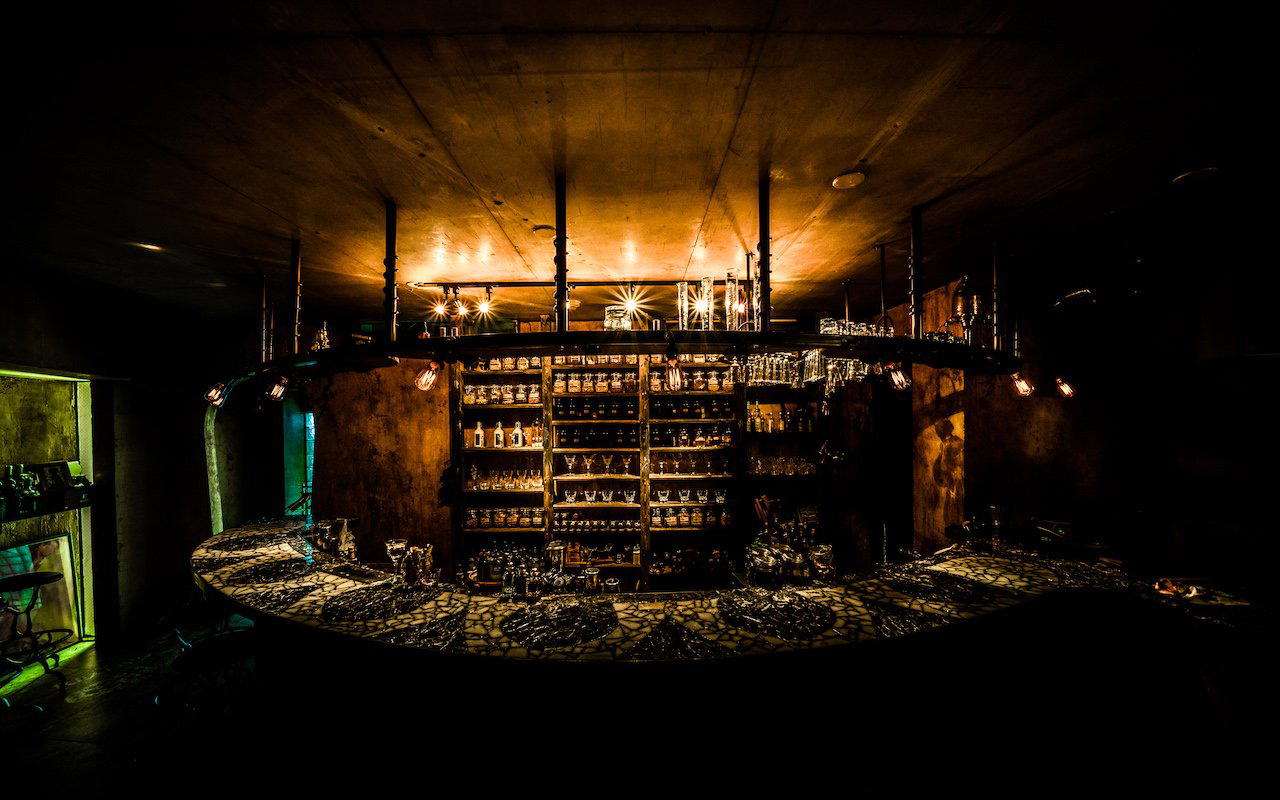


Hotels in Osaka
Browse all →



Wineries in Osaka
Browse all →
At a Glance
- Cozy
- Lively
- Trendy
- Energetic
- Casual Hangout
- After Work
- Group Dining
- Late Night
- Solo
- Celebration
- Open Kitchen
- Terrace
- Standalone
- Natural Wine
- Beer Program
- Natural Wine
Casual and cozy izakaya with a slightly nostalgic, stylish interior, counter and table seating, walls decorated with celebrity signatures, and an energetic atmosphere suited to everyday dinners and drinking with friends.