
Tabelog 100 #70
Our verdict
Miyabi Tei places Osaka’s teppanyaki habit in a smaller, drink-aware register: counter heat, okonomiyaki-adjacent informality, and a wine list serious enough to matter. Its 2025 Tabelog 100 selection for Steak / Teppanyaki WEST gives the restaurant a clear credential, while its Tenma setting keeps the experience tied to Osaka’s appetite for grill, batter, and tavern rhythm.

Pearl is the En Primeur Club membership app, where members save venues, book tables and use the concierge.
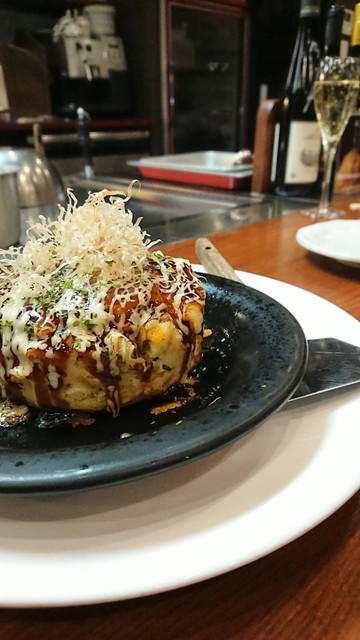
Osaka is a city where dinner often announces itself before the signboard: metal spatulas on hot plates, sweet-savoury sauce, and the low clatter of glasses in rooms built for regulars rather than ceremony. Here, Miyabi Tei reads less like a polished dining room than Osaka’s answer to teppanyaki as neighbourhood craft, with grill, table, and bottle doing equal work.
The distinction matters. Osaka has long treated iron-plate cooking as a social format, not a luxury category sealed off from everyday appetite. Okonomiyaki and izakaya culture give the city’s teppanyaki counters a looser grammar than more formal rooms. One evening can move between grilled dishes, pancake batter, small plates, and drinks without pretending those categories belong in separate restaurants.
Teppanyaki in Osaka, with drinks treated as part of the format
The more interesting Osaka grill rooms are defined not only by what comes off the iron plate but by pacing: when the plate lands, when a drink resets the palate, when a table shifts from dinner to a longer session. Miyabi Tei sits in that lane. Its mix of teppanyaki, okonomiyaki, and izakaya places it close to Osaka’s lived dining culture rather than to hotel-style performance cooking.
The drinks angle gives the restaurant its sharper editorial position. Many teppanyaki meals default to beer or highballs, logical partners for sauce, smoke, and salt. A venue that treats drinking as part of the meal changes the decision set, inviting diners to think about freshness, structure, and temperature against iron-plate cooking rather than treating the glass as an afterthought.
Comparison within Osaka helps. Oryori Horikawa sits in a more formal Japanese register, while Tori Yasu occupies a different grill tradition. Miyabi Tei’s interest is narrower and more Osaka-specific: a teppanyaki room with okonomiyaki, izakaya flexibility, and a dinner format that can stay casual without feeling careless. It does not need hushed choreography; the point is how much structure can sit inside an apparently easygoing grill meal.
The 2025 Tabelog Hyakumeiten recognition supplies the public credential. In a region where teppanyaki, okonomiyaki, and tavern cooking range from polished counters to everyday hot-plate restaurants, inclusion places the restaurant inside a curated field rather than merely a local circuit. The Tabelog score of 3.59 gives a secondary signal; the category selection is the cleaner trust marker.
A focused room changes how the grill and drinks behave
Scale shapes this style of dining. A focused Osaka grill room keeps the meal close to the hot plate without forcing the occasion into a single formal ritual. That split matters: solo diners and pairs can read the grill as theatre, while small groups treat the same cooking as a tavern dinner. The room’s other identity is a longer shared meal, where the drinks can carry the evening as much as the food.
The absence of extra ceremony is not a weakness. Teppanyaki gains energy from shared proximity and the visible handover between cook, plate, and glass. Too much separation would work against the format. The appeal is the way heat, sauce, and conversation stay in the same frame, giving the meal a rhythm that feels distinctly suited to Osaka.
Osaka’s dining map rewards this specificity. The city is not short on formal Japanese rooms, pasta counters, bakeries, pizza specialists, and casual standbys, but its strength is density: different price tiers and formats can sit within the same evening plan. Readers can place this dinner beside other Osaka dining rooms for Italian precision, dough and oven work, or the city’s casual appetite. For daytime pacing, other local bakeries and cafes show how broad Osaka’s food rhythm becomes before dinner.
For travellers using Osaka as part of a wider Japan route, this grill-forward model clarifies what the city does differently. Other regions frame beef, charcoal, fish, and counter dining through their own lenses; Osaka’s advantage is directness. At Miyabi Tei, the table can be serious without becoming stiff, and the cooking can be grounded in everyday formats while still earning destination attention.
How to read the decision: grill first, bottle close behind
The right expectation is not a chef-biography dinner or trophy-counter splurge. Read it as an Osaka teppanyaki meal where okonomiyaki and izakaya habits actively converse with the iron plate. That makes the restaurant a better fit for diners who care about the whole flow of a meal than for those who only want a single showcase ingredient. The category mix is especially useful for visitors who want Osaka’s social style rather than a sealed-off luxury script.
Planning should stay practical. The listed dinner budget is JPY 5,000 - JPY 5,999, while lunch is not listed. The restaurant’s public categories are teppanyaki, okonomiyaki, and izakaya, which is the clearest guide to expectation: a meal built around hot-plate cooking, savoury pancake culture, and tavern ease rather than a formal tasting-menu frame.
Within a broader Osaka plan, Miyabi Tei works as a night for heat, sauce, and considered drinking rather than hushed ceremony. Use Our full Osaka restaurants guide for surrounding meals, Our full Osaka hotels guide for base selection, Our full Osaka bars guide for post-dinner drinking, Our full Osaka wineries guide for regional wine context, and Our full Osaka experiences guide for non-restaurant planning. Further afield, other Japanese dining rooms and diaspora addresses map different ways the cuisine travels across format, region, and occasion.
Frequently asked questions
What price level is Miyabi Tei?
Pricing at Miyabi Tei is listed as JPY 5,000 - JPY 5,999.
What days is Miyabi Tei closed?
Specific opening days and hours are not listed here; confirm directly with Miyabi Tei before visiting.
Where is Miyabi Tei in Osaka?
Osaka.
What is Miyabi Tei known for?
Miyabi Tei is known for teppanyaki, okonomiyaki, and izakaya-style dining in Osaka.
Cuisine-First Comparison
Comparable venues by cuisine and price in the same metro.
| Venue | Cuisine | Price | Awards | Notes |
|---|---|---|---|---|
| Miyabi TeiThis venue (the venue you are viewing) | Japanese Teppanyaki | $30–50 | Tabelog 100 #70 | Not listed |
| KOBEキッチン MUGUNI | Omurice-focused Yoshoku (Japanese Western-style) | $20–30 | Tabelog 100 #14 | Amerikamura |
| Chitose (千とせ) | Osaka-style Okonomiyaki | $10–20 | Not listed | Minami Horie |
| Yuni yumo | Modern Japanese Izakaya Counter | $30–50 | Tabelog 100 #17 | Kita |
| OXYMORON Kitahama | Japanese Curry Cafe | Not listed | Tabelog 100 #8 | Chūō |
| Ganesh m Kitahama ten | Specialty Japanese curry house with global curry influences | $10–20 | Tabelog 100 #77 | Chūō |
Recognition history
Dated appearances from independent guides and award organizations, with the underlying list record or original source where available.
Tabelog 100 #70 · No. 70
Tabelog · Tabelog 100 - Steak / Teppanyaki - WEST - 2025
Continue exploring
More in Osaka
Restaurants in Osaka
All restaurants in Osaka →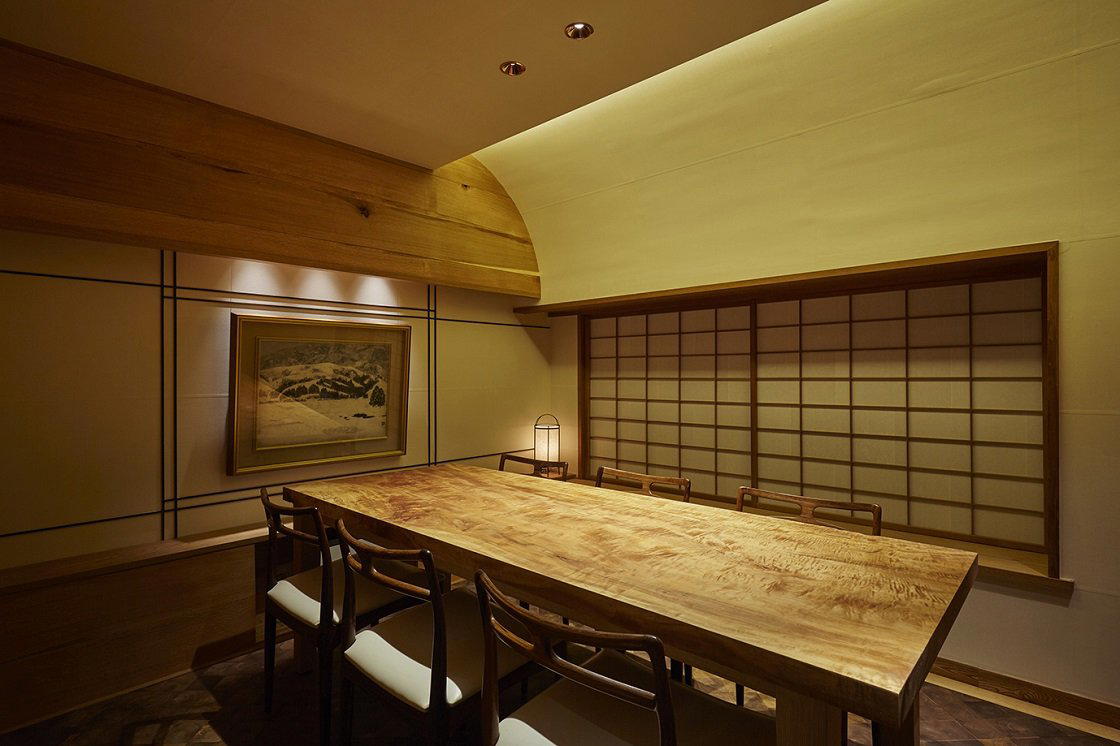

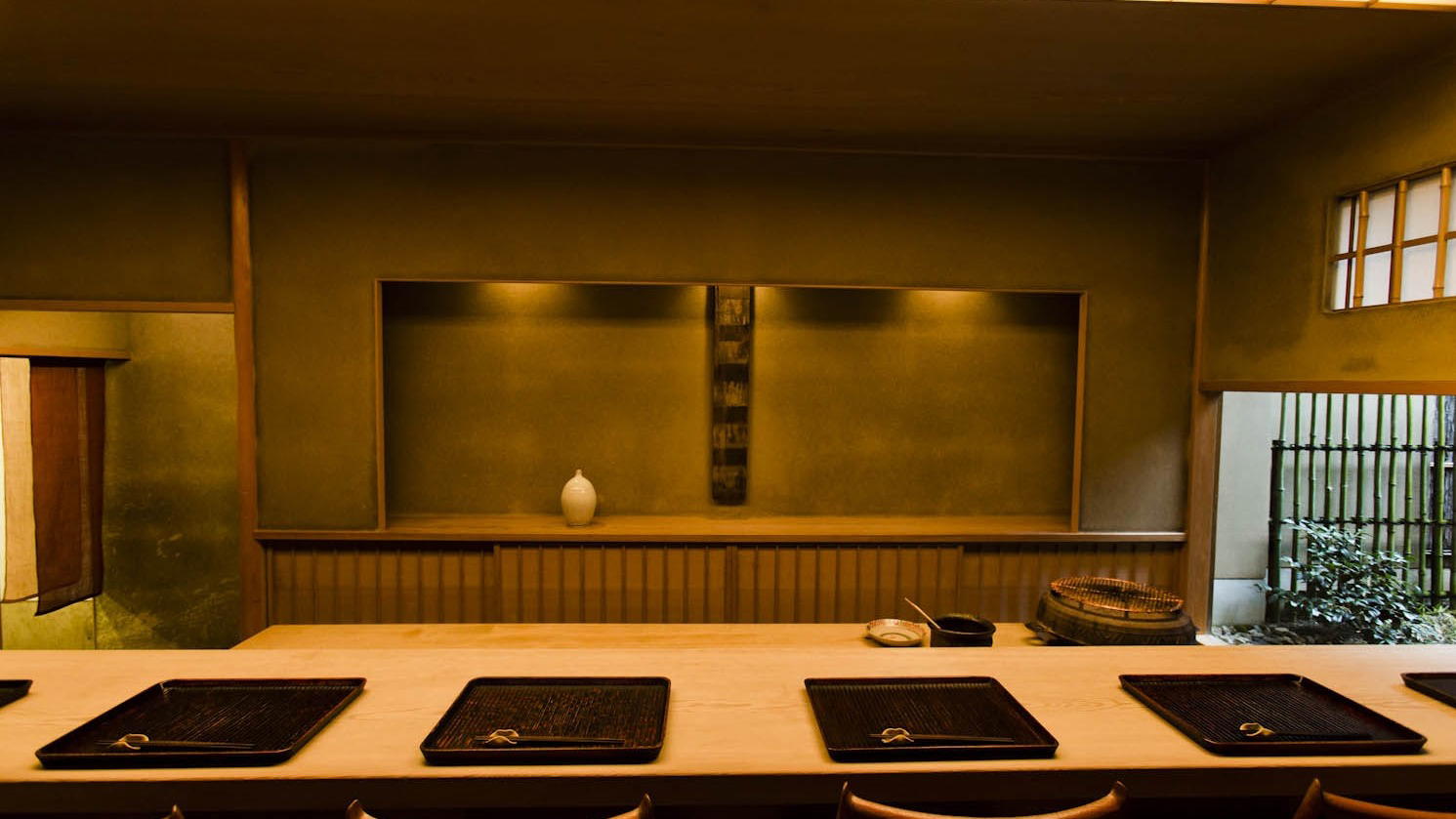
Bars in Osaka
All bars in Osaka →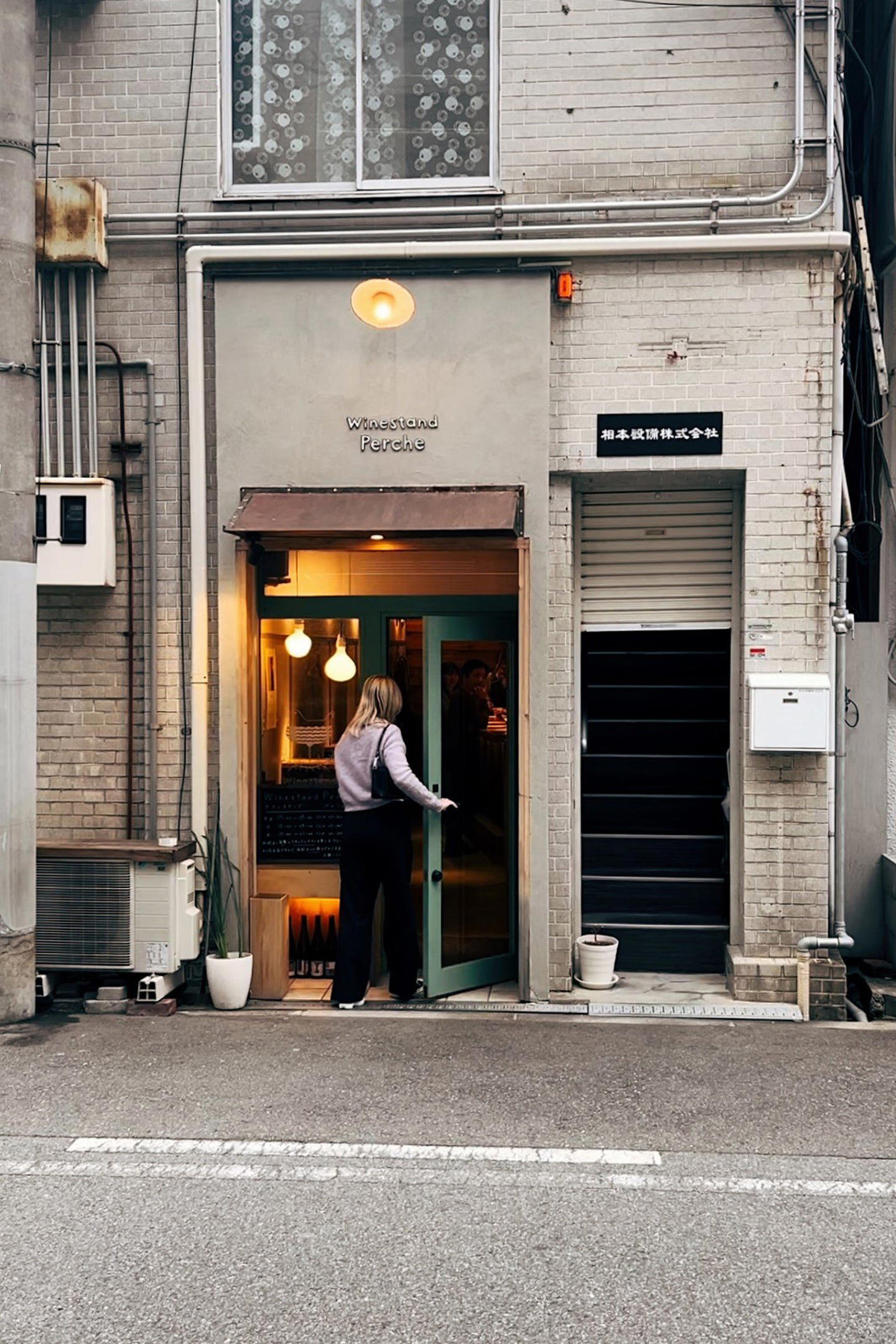
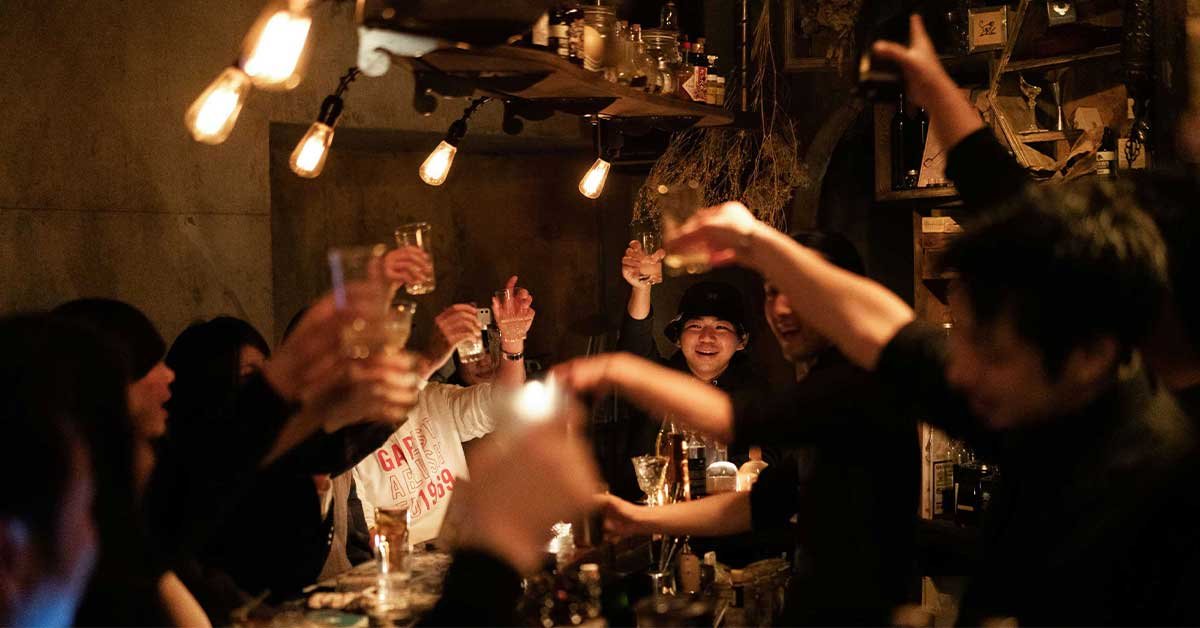
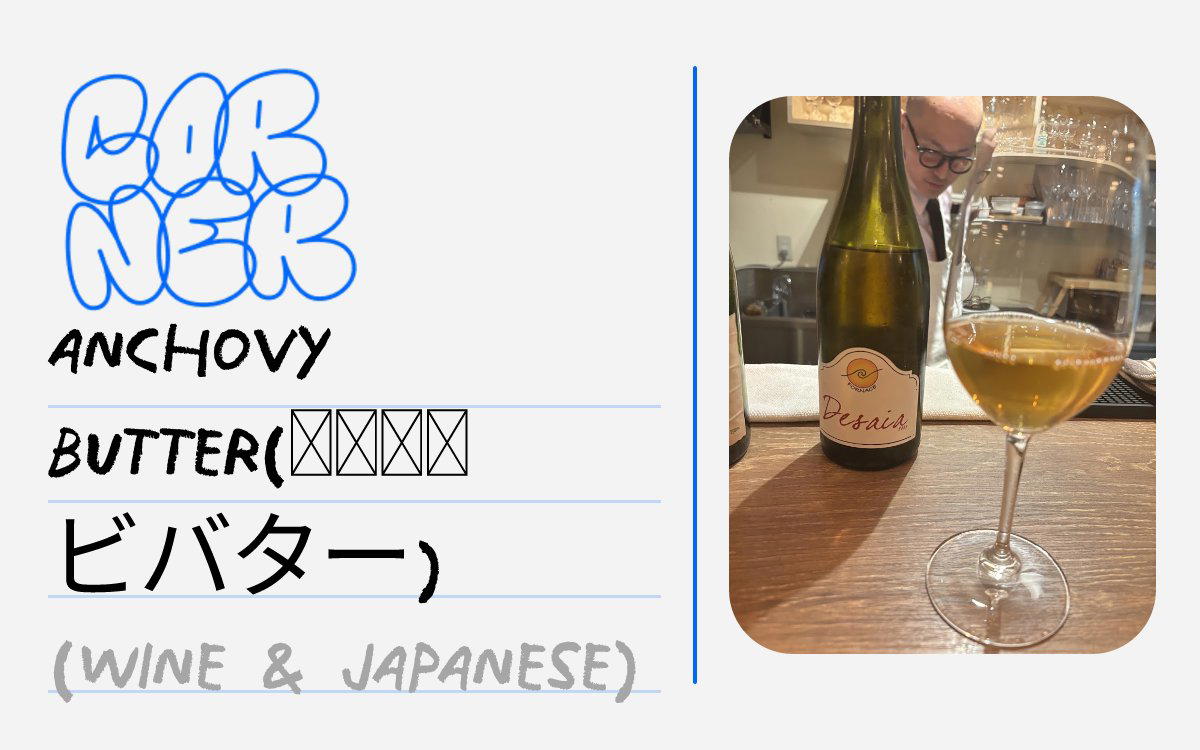
Hotels in Osaka
All hotels in Osaka →



Wineries in Osaka
Browse all →
Details
- Cozy
- Intimate
- Classic
- Group Dining
- Casual Hangout
- Family
- Standalone
- Open Kitchen
- Sake Program
- Beer Program
- Local Sourcing
- Set Menu
- A La Carte
- Sake
- Wine
Current opening hours
- Monday
- Closed
- Tuesday
- 6–9:30 PM
- Wednesday
- 6–9:30 PM
- Thursday
- 6–9:30 PM
- Friday
- 6–9:30 PM
- Saturday
- 6–9:30 PM
- Sunday
- 6–9:30 PM
Hours can change for holidays and private events. Hours as of .
Casual, intimate teppan setting with a relaxed neighborhood atmosphere.