Sachi
Sachi occupies the second floor of the Pantechnicon in Belgravia, bringing a Japanese-influenced menu to one of London's most carefully curated dining addresses. The setting shifts noticeably between lunch and dinner, with the daytime service drawing a quieter neighbourhood crowd and evenings leaning into a more composed, occasion-led register. For SW1's premium dining circuit, it represents a distinct counterpoint to the French-dominant fine dining that defines much of the postcode.
Pearl is the En Primeur Club membership app — saves, bookings, and concierge access live there. Same editors, same standards.
- Address
- Second Floor, Pantechnicon, 19 Motcomb St, London SW1X 8LB, United Kingdom
- Phone
- +44 20 7034 5405
- Website
- sachirestaurants.com
- Directions
- Get directions
 Saves & bookings on Pearl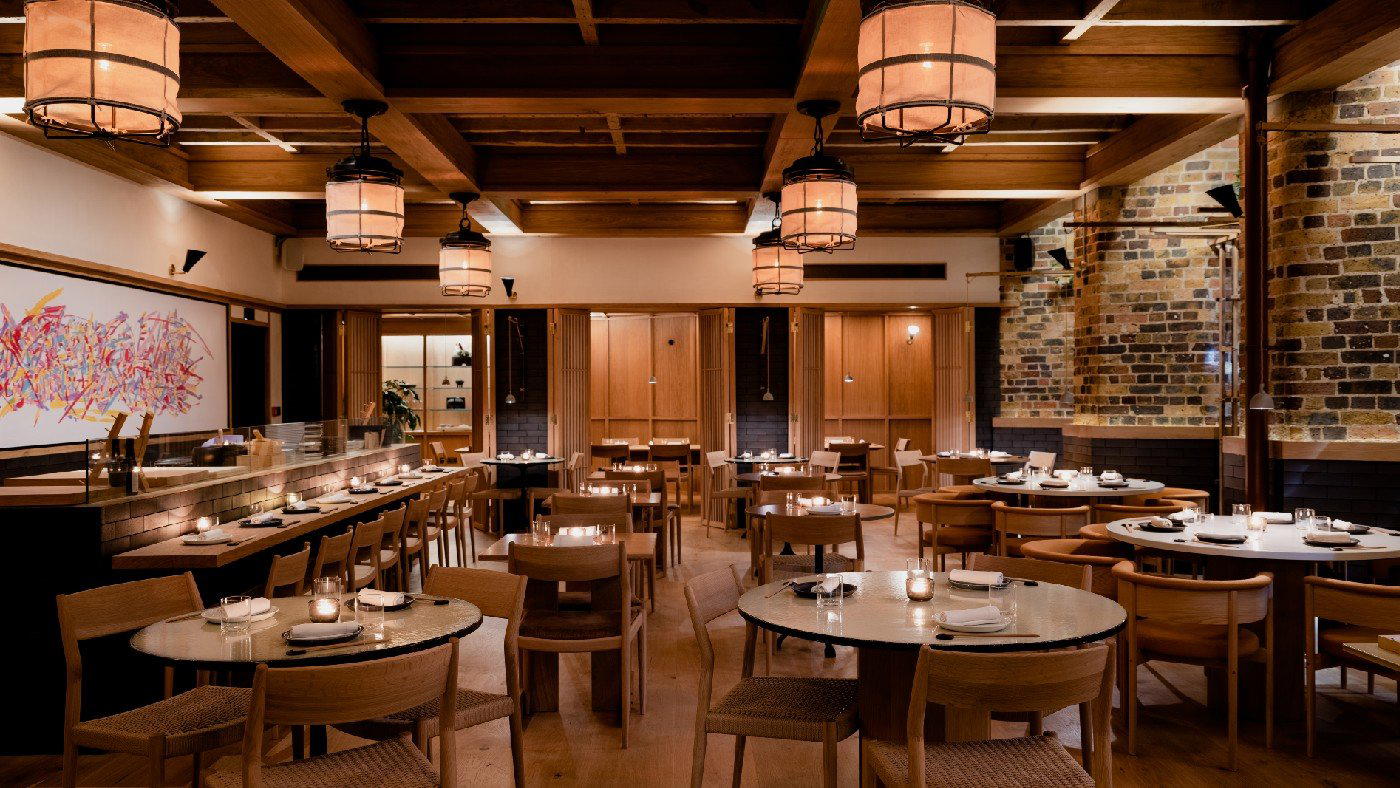
Japanese Cooking in Belgravia's Premium Tier
Belgravia's dining scene has long been shaped by French technique and European formality. The neighbourhood's leading end, running through Motcomb Street and the surrounding streets of SW1X, has historically deferred to that register, with the kind of white-tablecloth seriousness that pairs naturally with the area's diplomatic and residential money. Sachi is a modern kappo-style Japanese restaurant in Belgravia, London, with an average spend of about £80 per person. What makes Sachi's position at the Pantechnicon worth examining is precisely how it sits against that grain. Japanese-influenced cooking at this address is not accidental positioning; it reflects a broader shift across London's premium dining tier, where Asian kitchens have moved from fringe to central in the last decade. The trajectory is visible from Mayfair to the City, and Belgravia is catching up.
The Pantechnicon building itself matters here as context. The Victorian warehouse conversion on Motcomb Street houses a considered retail and hospitality concept with a Japanese and Scandinavian editorial thread running through it. Sachi on the second floor is the dining expression of that positioning, which means it operates inside a building that has already done some of the cultural framing. Diners arriving for the first time are not walking into a standalone restaurant; they are entering a curated environment where the food and the setting are expected to cohere.
How Lunch and Dinner Differ at Sachi
The lunch-versus-dinner divide at a restaurant like Sachi is worth thinking through carefully, because the two services function as almost distinct propositions. Lunch in Belgravia tends to draw a local crowd: residents, people working in the area's private offices, and those passing through after appointments at the neighbourhood's galleries and boutiques. The pace is lighter, the ambient noise lower, and the expectation is a meal that fits into an afternoon rather than anchoring it. For Japanese-influenced kitchens, this is often where lighter preparations, bowl-format dishes, and shorter menus do their clearest work.
Evening service in this postcode moves into a different register entirely. Belgravia at dinner operates as an occasion destination. Tables are booked with more lead time, parties tend to be larger or more formally composed, and the expectation shifts toward a complete experience rather than a functional one. For Sachi, this means the evening is where the full breadth of the kitchen's range would be tested, and where the comparison to the neighbourhood's more established fine-dining addresses becomes more direct. In that context, the relevant comparable set is not just other Japanese restaurants in London but the wider SW1 occasion-dining circuit, which includes well-capitalised addresses running the range from CORE by Clare Smyth to Dinner by Heston Blumenthal.
Where Sachi Sits in London's Japanese Dining Circuit
London's Japanese dining scene has become meaningfully stratified over the past several years. At the upper end, omakase counters in Mayfair and the West End now occupy a price tier that compares with three-Michelin-star European rooms, with booking windows extending months ahead and seat counts in the single digits or low teens. Below that, a cluster of mid-to-upper-tier Japanese restaurants operates across a wider range of formats, from izakaya-influenced casual to more composed tasting structures. Sachi occupies space in that middle-to-upper band, where the competition includes both standalone Japanese addresses and the restaurant arms of curated hotel and retail projects elsewhere in the city.
The kind of refined, ingredient-led Japanese cooking that has found traction in London's premium postcodes draws lineage from the same culinary conversation that produced recognised addresses like Atomix in New York City, where Korean and Japanese precision has achieved sustained critical acknowledgment. London's version of that conversation is still developing its own senior tier, and restaurants at Sachi's address level are part of what determines whether the city's claim to serious Asian fine dining holds up to scrutiny.
The Belgravia Context
Motcomb Street has emerged as a secondary dining and retail corridor for Belgravia, distinct from Sloane Square's more retail-heavy identity and from Knightsbridge's hotel-restaurant anchors. The street draws visitors with purpose rather than passing foot traffic, which means restaurants here tend to build their audience through reputation and repeat custom rather than walk-in volume. That dynamic rewards quality consistency over novelty, and it shapes how a restaurant like Sachi is likely to perform over time. The lunch service can anchor a neighbourhood habit; the dinner service has to justify an active decision to travel to SW1X rather than one of the city's more densely competitive dining districts.
For a broader map of what London's premium dining addresses offer across different cuisines and formats, the full London restaurants guide covers the city's recognised tier from Michelin-starred Europeans like Restaurant Gordon Ramsay and Sketch, The Lecture Room and Library through to newer entrants. Those looking to extend beyond London to the broader UK fine dining circuit will find addresses including The Fat Duck in Bray, L'Enclume in Cartmel, Moor Hall in Aughton, Gidleigh Park in Chagford, Hand and Flowers in Marlow, and Le Manoir aux Quat' Saisons in Great Milton as reference points across different price tiers and styles.
Planning Your Visit
Sachi is located on the second floor of the Pantechnicon at 19 Motcomb Street, London SW1X 8LB. The nearest tube stations are Knightsbridge and Hyde Park Corner, both within a short walk. Lunch offers a quieter entry point with typically lower commitment in time and spend; dinner suits occasion visits or those wanting a fuller sense of the kitchen's range. Booking ahead is advisable for dinner, particularly later in the week.
Cost and Credentials
Comparable venues nearby, for context on price, style, and recognition.
| Venue | Cuisine | Price | Notes |
|---|---|---|---|
| SachiThis venue — the venue you are viewing | Belgravia, Modern Kappo-Style Japanese | $$$ | Not listed |
| Junsei | Marylebone, Authentic Japanese Yakitori | $$$ | Not listed |
| Koji | Not listed | $$$ | Parsons Green, Contemporary Japanese with Pan-Asian & South American Influences |
| MYMA Japanese Restaurant & Cocktails | Canning Town, Japanese Sushi and Ramen | $$$ | Not listed |
| OITA Soho | Soho, Modern Japanese Izakaya | $$$ | Not listed |
| Wild at Heart | Notting Hill, Casual Japanese Fusion | $$$ | Not listed |
Continue exploring
More in London
Restaurants in London
Browse all →
Bars in London
Browse all →
Hotels in London
Browse all →



At a Glance
- Trendy
- Elegant
- Intimate
- Lively
- Date Night
- Special Occasion
- Rooftop
- Open Kitchen
- Sake Program
- Craft Cocktails
- Street Scene
Current opening hours
- Monday
- 12–11:30 PM
- Tuesday
- 12–11:30 PM
- Wednesday
- 12–11:30 PM
- Thursday
- 12–11:30 PM
- Friday
- 12–11:30 PM
- Saturday
- 12–11:30 PM
- Sunday
- 12–6 PM
Hours can change for holidays and private events. Last verified .
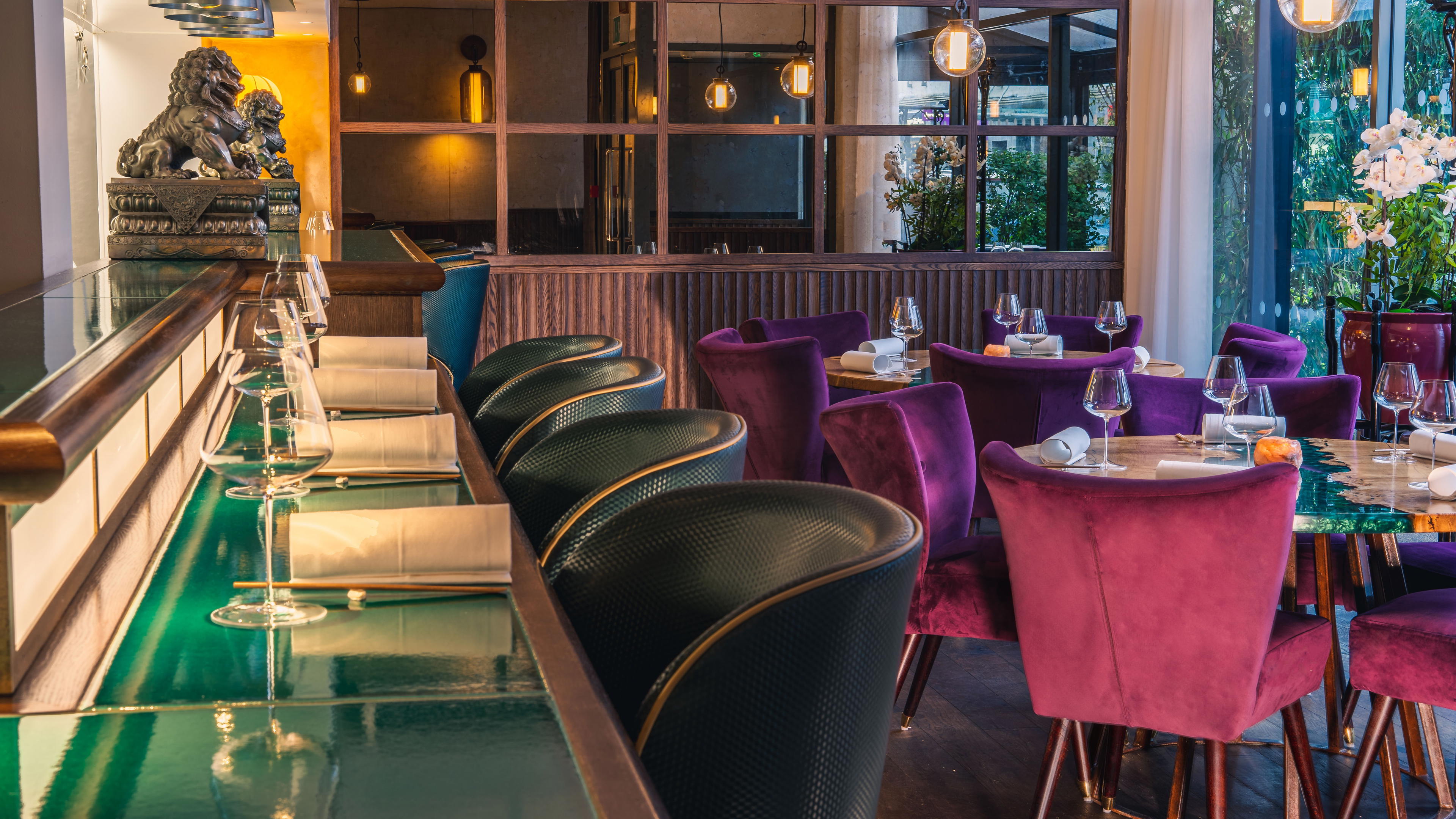
Smart space with shades of green and brown, low seats, countertop tables, ambient music, busy yet intimate atmosphere.